
Inner knee pain: why it happens and how Tong Gia cares for it along the inner leg in Ho Chi Minh City
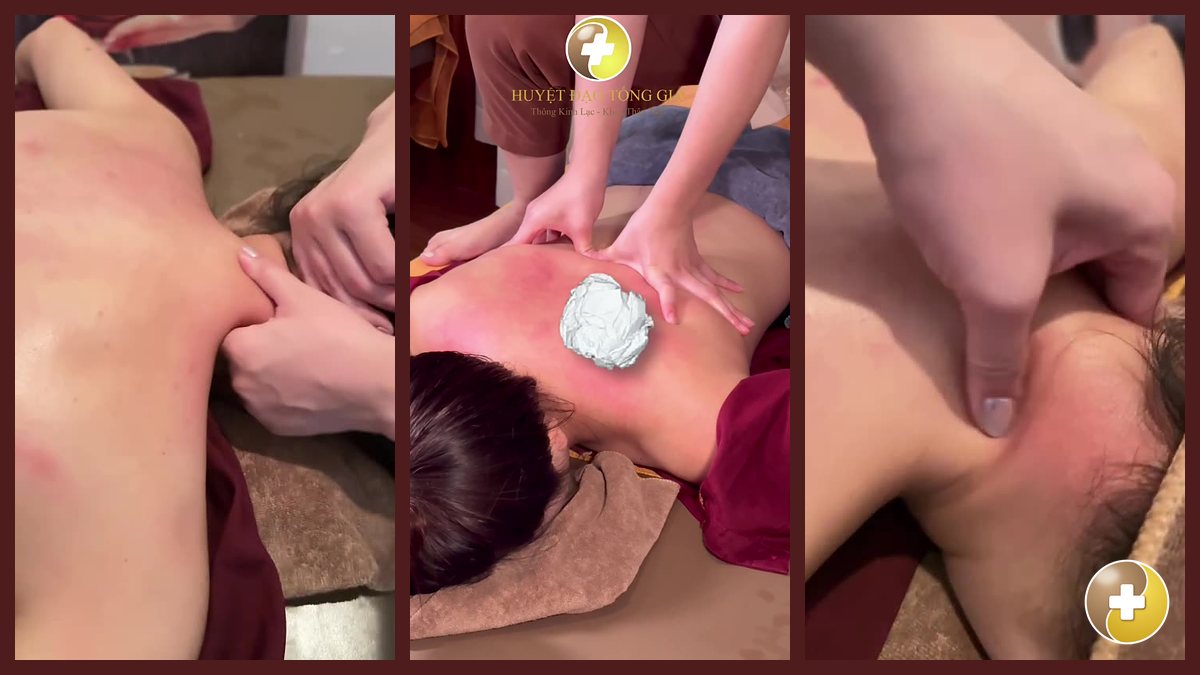
Quick answer: Pain on the inside of the knee is usually linked to the pes anserinus (goose foot) tendons, the inner ligament or the inner meniscus, and is common in people who walk or stand a lot or have bowed legs. At Tong Gia Acupoint Wellness (Huyệt Đạo Tống Gia) in District 12 and Vinhomes Grand Park, Ho Chi Minh City, practitioners look at your stance, read the lower spine, then release the inner leg. Swelling, locking or giving way needs a medical check first.
What is inner knee pain, and who gets it?
After a morning walk at Vinhomes Grand Park and a day on your feet, the inside of your knee, where the knees touch, aches by evening; a spot just below the crease stings when pressed. In Ho Chi Minh City, Lương Y (traditional wellness master) Tống Văn Huynh sees this often in walkers, people who stand all day and those with bowed legs.
Three structures on the inner knee tend to complain:
- The pes anserinus ("goose foot"), where three thigh tendons attach to the inner shin bone below the crease. Long walks, hills or cycling rub them; the ache sits on one point.
- The inner (medial) ligament, which keeps the knee from buckling inward; it often strains when you twist with the foot planted.
- The inner meniscus, a C-shaped cushion between the bones. Bowed legs load the inner side of the knee more.
Common in new walkers and runners who add distance too fast, people who stand for work, middle-aged women and anyone who sits cross-legged for long.
Spine, nerves, signs and organs: how they connect
In the spinal nerve-reflex balancing method taught at Tong Gia Acupoint Wellness (Huyệt Đạo Tống Gia), the lumbar spine (L1 to L5) relates to the legs. For the inner knee, L2 to L4 matter: they give rise to the obturator nerve and the femoral nerve with its saphenous branch. It shows connections, not conclusions.
| Area | Nerve / function | Common sign | Organ in Eastern wellness |
|---|---|---|---|
| Lumbar L2 to L4 | Obturator nerve: inner thigh muscles | Tight inner thigh | Liver (governs tendons and ligaments) |
| Lumbar L3 to L4 | Saphenous branch: skin of inner knee and shin | Mild burning or tingling down the inner shin | Kidney (governs bones, lower back and knees) |
| Goose foot, inner ligament | Tendons and ligament that steady the inner knee | Tender point below the crease | Spleen (governs muscles and limbs) |
Eastern wellness traces three yin channels up the inner leg: Liver (tendons), Spleen (muscles; dislikes damp, so legs feel heavier in the rainy season) and Kidney (bones and knees). Two points sit right at the inner knee: Âm Lăng Tuyền (SP9, 阴陵泉) in the hollow below the inner shin bone, and Khúc Tuyền (LR8, 曲泉) at the inner end of the knee crease.
How Tong Gia cares for it
- Watching how you stand and walk. Y Tướng Học (face reading for wellness) teaches "the signs show outside, the organs lie inside". You stand heels together and walk a few steps; the practitioner checks the knee gap, shoe wear, nose bridge, ears and complexion.
- Reading the spine by hand from L1 to L5, comparing L2 to L4 on both sides.
- Muscle release along the yin channels: lower back, hips, inner thigh, knee and calf, with light pressure around the goose foot.
- Acupressure by pattern. SP9 for heavy legs, LR8 for tight tendons or cramps, and Tam Âm Giao (SP6, 三阴交) above the inner ankle, skipped during pregnancy.
The session that fits (full list on the prices page):
- Heavy, tired legs care, 60 min: 500,000 VND (about 19 USD). Mostly legs, hip to foot. See also foot and leg massage.
One session will not make the pain disappear; the aim is lighter legs.
Safe things to do at home
- Pillow between the knees when you sleep on your side.
- Build walking distance slowly, on flat ground, in cushioned shoes.
- Press SP9 and LR8 gently with your thumb, about a minute each, twice a day. Skip it if the knee is swollen or warm.
- Sit cross-legged less and get up every 45 to 60 minutes.
When to see a doctor
If you notice any of these, please see a doctor at a medical facility before any massage:
- Swelling, especially within hours.
- Locking: the knee gets stuck and will not straighten.
- The knee gives way when you walk.
- Pain after a twist, a fall or a sports injury.
- Warmth or redness around the knee.
- Knee pain together with fever.
This is a wellness service, not medical care.
Book a session
- District 12: 225 Dương Thị Mười, Phường Tân Chánh Hiệp (Tan Chanh Hiep Ward). Open daily 8:00 to 19:00.
- Vinhomes Grand Park: Căn T16-21 khu Manhattan, Phường Long Bình, TP. Thủ Đức (Unit T16-21, The Manhattan, Long Binh Ward, Thu Duc City, formerly District 9). Open daily 9:00 to 20:00.
Message WhatsApp or Zalo at +84 888 264 559, or book online.
FAQ
What causes pain on the inside of the knee? It is often linked to the goose foot tendons below the knee, the inner ligament or the inner meniscus, and is common with long walks, standing work and bowed legs. Swelling, locking, giving way, warmth, fever or pain after a twist should be checked at a medical facility.
Which Tong Gia session suits inner knee pain? Heavy, tired legs care, 60 minutes, costs 500,000 VND (about 19 USD). It covers both legs from hip to foot, with acupressure at SP9 and LR8 as needed.
Where are the SP9 and LR8 points? SP9 sits in the hollow just below the inner shin bone under the knee. LR8 sits at the inner end of the knee crease when the knee is bent. Press each gently for about a minute, and skip it if the knee is swollen or warm.
This is a wellness service, not medical care.