
Chronic stress that lasts for months: stiff neck, headaches, poor sleep and bloating, seen through the spine
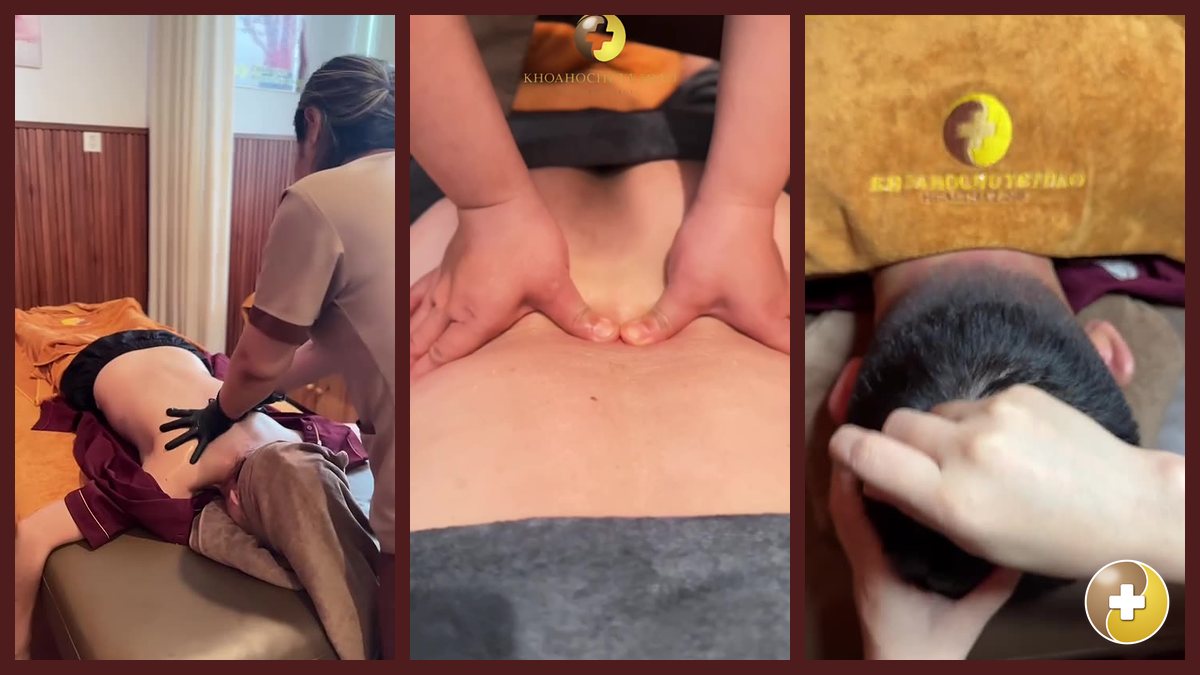
Quick answer: Chronic stress is pressure that never switches off for weeks or months, bringing a racing heart, stiff neck and shoulders, poor sleep, bloating and irritability. In Eastern wellness, long worry affects the Heart, Liver and Spleen. Huyệt Đạo Tống Gia in District 12 and District 9 reads the spine by hand and releases tight muscles.
Quick answer: Chronic stress is when your body stays in alarm mode for weeks or months, bringing a racing heart, tight chest, stiff neck, poor sleep and bloating. In Eastern terms it touches the Heart and Liver. Tong Gia Acupoint Wellness in Districts 12 and 9, Ho Chi Minh City reads your spine by hand to help you rebalance.
Want Lương Y Tống Văn Huynh’s team to read your spine and posture in person?
What is chronic stress?
Everyone gets tense before a big presentation or a deadline. Short stress is normal; it sharpens you. The problem starts when it never switches off: one project after another, lying in bed thinking about work, waking up already tired. That is chronic stress, and many expats in Ho Chi Minh City live with it without naming it.
The Western explanation. Under pressure the brain activates the sympathetic nervous system and the hypothalamus–pituitary–adrenal axis. Adrenaline and cortisol rise: the heart beats faster, blood pressure climbs, muscles brace, breathing turns shallow and digestion slows to save energy for "fight or flight". Afterwards the parasympathetic system should bring you back to rest. When pressure lasts for weeks, the body gets used to alarm mode: muscles never fully relax, sleep stays light, the gut moves irregularly and the heart pounds even at rest. The Tong Gia curriculum notes that stress raises heart rate and blood pressure, and poor sleep stops the body from recovering.
In Saigon we see it in bankers and accountants at closing season, engineers in the Hi-Tech Park, small business owners, parents juggling work and toddlers, people caring for elderly parents, and newcomers adjusting to a new city, language and climate.
Common causes: habits, work, posture and environment
- Work with no stopping point: late-night messages, laptops on weekends, time-zone calls with head office.
- Late nights and short sleep: under six hours, scrolling in bed.
- Too much coffee, irregular meals: iced coffee on an empty stomach, skipped lunch, late dinners.
- Slouching and shallow breathing: per the curriculum, a hunched posture limits the diaphragm, the lungs do not fully open, and you tire and tense up faster.
- Little exercise: the body has no outlet for stress hormones.
- Noise, traffic, heat: an hour or two on the road every day is quiet pressure.
- Family and money worries that run for months, plus life far from home.
Other signs to watch
- A racing or pounding heart when lying down or when the work phone rings.
- A tight chest, frequent sighing, feeling you cannot breathe deeply.
- A stiff neck, jaw clenching at night, headaches at both temples.
- Trouble falling asleep, waking at night, tired mornings.
- Bloating, burping, stomach pain or irregular bowels when tense.
- Cold hands and feet, sweaty palms, night sweats.
- Irritability, forgetfulness, poor focus; dull skin, a pale or flushed face.
When to see a doctor
Please see a doctor at a medical facility if you have:
- Chest pain or tightness, shortness of breath, cold sweat, pain spreading to the left arm or jaw: call 115 immediately.
- A very fast or irregular heartbeat with dizziness or near-fainting.
- Repeatedly high blood pressure readings or a severe headache.
- Unexplained weight loss, trembling hands, heavy sweating: get checked at a medical facility alongside any wellness care.
- Insomnia almost every night for more than a month.
- Lasting low mood, loss of interest, or thoughts of self-harm: tell someone close and reach a mental health professional now.
If a doctor is already following your heart, blood pressure or thyroid, keep to their advice and tell the practitioner before the session. This is a wellness service, not medical care.
The Y Tướng Học view: the Heart houses the spirit
An old Eastern text calls the Heart "the sovereign of the organs, from which the spirit arises". In the Tong Gia curriculum the Heart governs blood and vessels, houses the spirit (mind, awareness, sleep), opens into the tongue, shows on the face, and sweat is its fluid. When it weakens: palpitations, insomnia, vivid dreams, forgetfulness, a pale face, spontaneous sweating.
Chronic stress also touches the Liver, which keeps qi flowing; when it is constrained you get a tight chest, irritability and poor sleep. The curriculum adds that Liver tension "overacts" on the Spleen and Stomach, so worry and frustration bring bloating and stomach pain, and overthinking drains Heart and Spleen. That is why stressed people often have palpitations, stiff shoulders and bloating together.
What does it look like outside? Y Tướng Học (face reading for wellness) looks at the complexion, tongue, the space between the eyebrows and the eyes. A healthy Heart shows as a rosy face and bright spirit; the signals are a pale or flushed face and a red tongue tip. A narrow, sunken space between the brows with vertical lines and tight muscle is linked in the curriculum to a pressed chest, sighing, palpitations and anxiety, with deep stress tightening the face and neck. Eyebrows growing together point to deep Liver qi constraint. Dry, red eyes are a Liver signal. This is traditional reference knowledge, not a medical finding.
Spine segments and nerve-reflex areas involved
For the nerve and mind group (long-term insomnia, nervous exhaustion) the curriculum combines the neck C1–C7, the upper back D1–D3 and the sacral area. The sympathetic chain runs along the thoracic spine, so long-stressed people often have thick, warm, tender muscle beside the upper back.
| Vertebrae | Nerve area / function | Signs under chronic stress | Related organ (Eastern view) |
|---|---|---|---|
| C1–C2 | Head, base of skull, sleep | Warm nape, headache, trouble falling asleep | Heart, Liver |
| C3–C7 | Neck, shoulders, arms | Stiff neck, jaw clenching | Liver |
| D1–D3 | Chest, heart, lungs | Tight chest, shallow breath, palpitations | Heart, Lung |
| D7–D9 | Mid-back, liver, stomach | Bloating, burping when tense | Liver, Spleen |
| Sacral area | Pelvic nerves | Light sleep, tired low back, cold limbs | Kidney |
How Tong Gia works: spinal nerve-reflex balancing massage
This Vietnamese Eastern wellness method was built by Lương Y (master of traditional Vietnamese wellness) Tống Văn Huynh over more than 13 years. For long-term stress the aim is to help the body switch off alarm mode: cool the head and neck, open the chest, soften the belly and mid-back.
- Observe: complexion, tongue, brow area, breathing, raised shoulders; questions on sleep, meals, coffee, when palpitations come.
- Read the spine by hand from C1 to the sacrum: skin temperature, muscle layer, vertebra shape, left versus right. Stressed guests are often warm at C1–C2 and thick at D1–D3.
- Muscle release: neck, between the shoulder blades, along the mid-back, with light to medium even rhythm; the curriculum uses gentle vibration to calm an exhausted nervous system.
- Acupressure: Nei Guan on the inner wrist (1–2 minutes each side, light), Shen Men at the wrist crease, Tai Chong on the top of the foot to ease tension.
- Home care: slow breathing, self-acupressure before bed, coffee timing.
A typical session. In a typical 75-minute Heart wellness session for an office worker at closing season, the practitioner sees raised shoulders, short breaths and lines between the brows. The nape is warmer than the back and the muscles beside D1–D3 are thick, tender toward the chest. Work starts lightly on the feet and forearms, then moves to the neck and upper back. Midway many guests breathe slower; some fall asleep. It ends with the head and wrists, plus a lesson on Nei Guan and belly breathing.
Suitable services (full price list):
- Heart wellness, 75 minutes: 750,000 VND (about 29 USD), when palpitations, chest tightness and poor sleep lead.
- Head care, 60 minutes: 750,000 VND (about 29 USD), when headaches and tight temples stand out.
- Herbal hair wash with neck and shoulder massage, 60 minutes: 250,000 VND (about 10 USD), to unwind after work.
How it feels. Most guests feel tenderness at the neck and between the shoulder blades, then warmth, deeper breathing and a lighter head. Many say they sleep more deeply that night. Feeling sleepy afterwards is common as the body shifts to rest. Results vary; Tong Gia supports your body to rebalance and does not promise to remove stress, since its source still needs sorting out. Related reading: acupressure for sleep, Vietnamese head spa, jet lag massage and Eastern face reading for wellness.
Want Lương Y Tống Văn Huynh’s team to read your spine and posture in person?
Home care and prevention
- Five minutes of slow breathing: in through the nose for 4 counts, out for 6, at lunch and before bed.
- Press Nei Guan: about three finger-widths above the inner wrist crease, between the two tendons; 1–2 minutes each side when your heart races.
- Limit coffee: never on an empty stomach, none after 2 pm.
- Move 30 minutes a day: walking, cycling or swimming lets stress hormones burn off.
- A switch-off hour: no work messages after 10 pm, phone outside the bedroom.
Book a session
- District 12: 225 Dương Thị Mười, Phường Tân Chánh Hiệp (Tan Chanh Hiep Ward, District 12). Open 8:00–19:00 daily.
- Vinhomes Grand Park, District 9: Căn T16-21 khu Manhattan, Phường Long Bình, TP. Thủ Đức (Unit T16-21, Manhattan zone, Long Binh Ward, Thu Duc City). Open 9:00–20:00 daily.
Book online or call, Zalo or WhatsApp +84 888 264 559. Tell us your main sign (palpitations, poor sleep, stiff neck, bloating). Real reviews are on each branch's Google Maps page. Living in or visiting Ho Chi Minh City? Come and try a Vietnamese Eastern wellness method built by Lương Y Tống Văn Huynh.
Visit us
- Đông Y Huyệt Đạo Tống Gia Quận 12 (District 12)
225 Dương Thị Mười, Phường Tân Chánh Hiệp, Quận 12, HCMC · 8:00–19:00 daily · 0888 264 559 · Directions on Google Maps - Đông Y Huyệt Đạo Tống Gia Quận 9 (Vinhomes Grand Park, District 9)
Căn T16-21 khu Manhattan, Vinhomes Grand Park, Phường Long Bình, TP. Thủ Đức, HCMC · 9:00–20:00 daily · 0888 264 559 · Directions on Google Maps
Want Lương Y Tống Văn Huynh’s team to read your spine and posture in person?
FAQ
Is chronic stress harmful to the body? It has real effects: a faster heart, higher blood pressure, poor sleep, stiff neck, bloating and irritability. Chest pain with breathlessness or cold sweat means calling 115; insomnia for over a month or lasting low mood needs a medical check.
What should I do when my heart races from stress? Sit down and breathe slowly, 4 counts in and 6 out, for a few minutes, and press Nei Guan gently on each wrist for 1–2 minutes. If it comes with chest pain, dizziness or near-fainting, or does not settle, get checked at once; chest tightness means calling 115.
How can I sleep better when stressed? Keep a fixed bedtime, no phone in bed, no coffee after 2 pm, and five minutes of slow breathing before sleep. A session that cools the head and neck and relaxes the shoulders also helps many people fall asleep. Get a medical check if insomnia lasts more than a month.
Is chest tightness from stress dangerous? Tightness from braced chest and upper-back muscles and shallow breathing usually eases with slow breathing and rest. Do not assume, though: pressing chest pain spreading to the left arm or jaw, with breathlessness or sweating, means calling 115 immediately.
Does massage help with stress? It helps muscles relax, breathing deepen and the body shift into rest, and many people sleep more deeply afterwards. It does not remove the source of pressure, so pair it with better work limits, sleep and exercise.
Which service suits long-term stress? Heart wellness 75 minutes (750,000 VND) when palpitations and poor sleep lead; head care 60 minutes (750,000 VND) for headaches; the 60-minute hair wash with neck massage (250,000 VND) for light unwinding.
Author: Lương Y Tống Văn Huynh – founder of Huyệt Đạo Tống Gia, a master of traditional Vietnamese wellness with over 13 years in Eastern wellness care, Y Tướng Học (face reading) and spinal nerve-reflex balancing massage.
Updated: 2026-11-15
Related guides
This is a wellness service, not medical care.
Questions customers often ask
Which body signs show that stress has gone on too long?
Common signs: palpitations when lying down or when work calls come in; frequent sighing and shallow breaths; a stiff neck and shoulders, grinding teeth at night, aching temples; trouble falling asleep and waking at night; bloating and burping; cold hands and feet, sweaty palms; irritability and forgetfulness; and a pale or often flushed face.
In Eastern wellness, which organs are linked to chronic stress?
In the Tống Gia curriculum, the Heart houses the mind, so long worry brings palpitations and poor sleep. The Liver keeps energy flowing; when it is disturbed you get a tight chest and irritability. The Liver also overacts on the Spleen, so stress easily causes bloating. Technicians look at the face, tongue and eyes to choose where to work, not to judge illness.
When does long-term stress need a doctor?
Call 115 at once for chest pain, breathlessness, cold sweats, or pain spreading to the left shoulder or jaw. See a doctor if your heart races with dizziness, your blood pressure stays high on repeated checks, you lose weight without reason, or you sleep badly almost every night for over a month. With lasting low mood or thoughts of self-harm, tell family and seek professional help now.
Which Tong Gia session suits long-term stress?
When palpitations, chest tightness and poor sleep dominate, there is the 75-minute heart wellness session for 750,000 VND. If headaches, a heavy head and tight temples stand out, choose the 60-minute head care session for 750,000 VND. For light relaxation after work, the herbal head spa with neck massage is 60 minutes for 250,000 VND, at both branches.
What can I do every day to ease chronic stress?
Breathe slowly for 5 minutes at noon and before bed, in for 4 counts and out for 6. Move for 30 minutes a day by walking, cycling or swimming so the body can release stress hormones. After 22:00, stop answering work messages and keep your phone out of the bedroom. Avoid coffee on an empty stomach and try not to skip lunch.