
Numb feet in Ho Chi Minh City: six common causes, the warning signs, and how Tong Gia can help
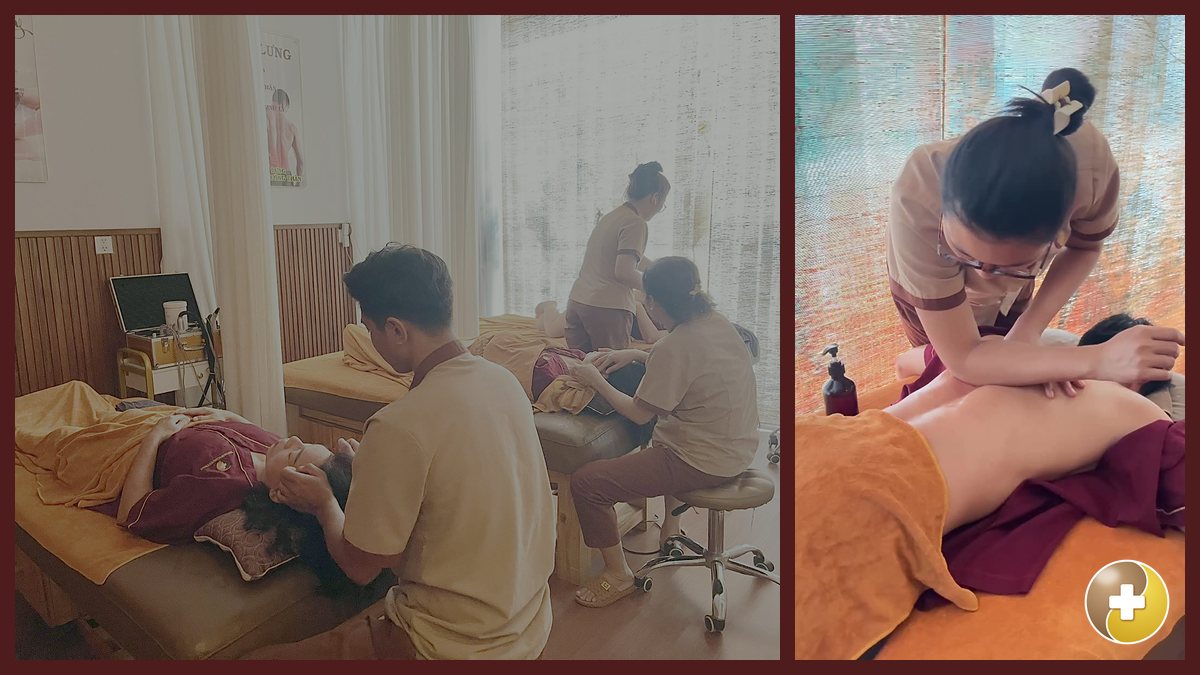
Quick answer: Numb feet usually come from squatting or crossed legs pressing a nerve, the lower back irritating the sciatic nerve, tight shoes, high blood sugar, low vitamin B12 or poor circulation. Numbness that lasts or comes with weakness needs a medical check. Tong Gia Acupoint Wellness (Huyệt Đạo Tống Gia), District 12 and District 9, Ho Chi Minh City, cares for milder cases by hand.
Want Lương Y Tống Văn Huynh’s team to read your spine and posture in person?
What does numbness in the feet mean?
Foot numbness is a partial loss of feeling in the sole, the top of the foot or the toes: tingling, pins and needles, burning, or the odd sense of walking on cotton or thick paper. In Western medicine, feeling in the foot travels along nerves that leave the lower back and sacrum and run a long way: through the buttock, the back of the thigh, behind the knee, down the calf and past the ankle. If a nerve is pressed, short of blood or damaged anywhere on that route, the foot reports numbness.
So "why are my feet numb" has no single answer. Numbness is a symptom, not a disease. One numb foot after squatting is very different from both feet numb like socks for months, and both differ from numbness on top of the foot that runs down from a tight lower back.
In Ho Chi Minh City, Tong Gia Acupoint Wellness (Huyệt Đạo Tống Gia) sees numb feet most often in people who stand through a shift, such as factory workers, shop staff and cooks; office workers who sit long with crossed legs; long-distance drivers; older people who move little; women in narrow high heels all day; and people whose blood sugar is being monitored.
Common causes: habits, work, posture and environment
Most foot numbness falls into six groups. They help you describe it, not label yourself; a medical facility confirms the cause.
- Temporary pressure. Squatting, sitting cross-legged, crossing one knee over the other. A nerve near the outer knee is easily pressed, numbing the top of the foot. A few minutes of walking ends it.
- From the lower back. Nerve roots leave between the lumbar and sacral vertebrae and join into the sciatic nerve. Wear in the lower spine, disc problems, or simply tight buttock and lower-back muscles from long sitting and poor lifting can irritate this path. Numbness runs from the buttock and thigh down to the foot, often with a tired back.
- At the ankle and foot. A nerve passes through a narrow tunnel behind the inner ankle; tight shoes, a swollen ankle or long standing can numb the sole. Pointed shoes and high heels can cause numbness and sharp pain between the third and fourth toes.
- Metabolism and nutrition. Long-term high blood sugar damages the longest nerves first, so numbness often starts in both feet and creeps up like socks. Low vitamin B12, years of heavy drinking, thyroid or kidney problems can also play a part. These need blood tests; massage cannot replace them.
- Circulation. Narrowed leg arteries make the feet cold and pale and the calf ache after a short walk. Sitting still for hours slows blood return, leaving heavy, slightly swollen legs by evening.
- Environment. Air-con blowing on the legs, wet feet after flooded streets in the rainy season, bare feet on cold tiles, tight shoes, too little water and sleep.
| Where it is numb | Nerve area often involved | Typical situation |
|---|---|---|
| Top of foot, big toe | Root around L5; nerve at the outer knee | Crossed legs, tired lower back |
| Heel, outer edge, little toe | Root around S1 | Pain from buttock to calf |
| Sole | Nerve behind the inner ankle | Long standing, tight shoes |
| Between 3rd and 4th toes | Nerve between the toes | Pointed shoes, heels |
| Both feet like socks | Peripheral nerves | High blood sugar, low B12, alcohol |
Other signs to watch
- Weakness: trouble lifting the front of the foot, tripping, sandals slipping off unnoticed.
- Pain shooting from the back or buttock when bending, coughing or sneezing.
- Both feet numb, spreading up to the ankles and calves.
- Cold, pale or purple feet, calf pain after walking a short distance.
- Cuts or sores on the feet that take long to close and do not hurt.
- Night cramps, heavy legs, mild swelling by evening; thirst, weight loss or tiredness.
When to see a doctor
With any of the following, please see a doctor at a medical facility first and hold off on massage:
- Sudden numbness or weakness on one side of the body with a drooping face or slurred speech: possible stroke, call 115 now.
- Numbness in the buttocks, groin or around the anus with trouble passing urine or loss of bladder or bowel control: go to emergency now.
- Growing leg weakness, foot drop, frequent falls.
- Numbness after an accident, fall or blow to the back.
- Cold, purple, painful feet, or one calf swollen, hot and red.
- Numbness if you have diabetes, or a foot sore that will not close up.
- Numbness with thirst, weight loss, pale skin or tiredness: get checked at a medical facility alongside any wellness care.
- Numbness lasting more than two weeks despite better posture and shoes.
If your lower back or blood sugar is already followed by a medical facility, keep following their advice and tell the practitioner. This is a wellness service, not medical care.
The Y Tướng Học view: Kidney, Liver and Spleen
Y Tướng Học follows the idea that the outer appearance reflects the inner organs. In the Tong Gia curriculum, numb feet mean qi and blood are not reaching the lower limbs, linked mainly to:
- Kidney: governs the bones and is the root of the lower back; the Kidney channel starts at Yong Quan in the sole. Weak Kidney yang shows as feeling cold, cold hands and feet, a cold, tired lower back and knees; weak Kidney yin as hot palms and soles and restless sleep.
- Liver: governs the sinews and stores blood; low Liver blood shows as cramps and brittle nails.
- Spleen: governs the muscles and limbs and dislikes damp; a weak Spleen shows as tired, heavy legs and mild swelling.
What you can check yourself: ears (the Kidney shows in the ears) that are thin or dull suggest keeping the lower back warm; the bridge of the nose is read as a small map of the spine, and a crooked bridge often goes with a tilted spine, so the practitioner always reads the spine by hand; a swollen tongue with tooth marks suggests the Spleen is holding water; calf and lower-back muscles that are soft and cool suggest the Spleen needs support, while muscles hard as wood show long-held tension. These are signs for choosing care, never a medical verdict. See Eastern face reading Q&A.
Spine segments and nerve-reflex areas involved
In the Tong Gia curriculum, the lumbar vertebrae L1–L5 relate to digestion, kidneys, urinary and reproductive function and the legs; the sacrum S1–S5 to elimination and the lower pelvis. For the muscle, bone and joint group, which includes numb limbs and sciatica, the work areas are C5–C7, L1–L5 and S1–S5. For feet, the focus is L4, L5, S1 and the buttock.
| Segment | Nerve / function | Often felt as | Eastern organ link |
|---|---|---|---|
| L3–L4 | Front thigh, inner shin | Tired thigh, numb inner shin | Liver: sinews |
| L4–L5 | Top of foot, big toe | Numb top of foot, tired back | Kidney: bones, lower back |
| L5–S1 | Heel, sole, outer foot | Numb sole, pain from buttock | Kidney, Bladder |
| S1–S5 | Sacrum, buttocks | Tired tailbone, cold buttocks | Kidney |
| D11–D12 | Digestion | Heavy legs, mild swelling | Spleen and Stomach |
The practitioner also works along the nerve path: buttock, back of the thigh, behind the knee, calf, ankle and sole, together with the key point on the spine.
How Tong Gia works: spinal nerve-reflex balancing massage
This is a Vietnamese Eastern wellness method built by Lương Y Tống Văn Huynh, master of traditional Vietnamese wellness and founder of Tong Gia, with over 13 years in Eastern wellness, Y Tướng Học and spinal nerve-reflex balancing.
- Observe and ask: which foot, where, any medical check, any blood sugar monitoring; ears, nose bridge, tongue, hips and gait.
- Read the spine by hand: skin temperature, muscle padding, vertebra shape and your sensations, comparing both sides.
- Locate the key point, usually L4–S1 and the buttock; only warm, tight, tender areas are worked.
- Release the muscles of the lower back, buttock, back of thigh, calf and sole with a rhythmic "good hurt" that builds gradually.
- Acupressure: Wei Zhong behind the knee, San Yin Jiao above the inner ankle (not during pregnancy), Tai Chong on the top of the foot, Yong Quan on the sole.
- Stop at the right moment and show you home care.
Suitable services (full price list):
- Back and waist care, 60 minutes: 550,000 VND (about 21 USD), first visit 399,000 VND (about 15 USD); 90 minutes 750,000 VND (about 29 USD).
- Care for heavy, tired legs, 60 minutes: 500,000 VND (about 19 USD). See also foot massage.
- Cupping to clear cold, 30 minutes: 85,000 VND (about 3 USD).
A typical session. A composite, not one guest's story: a warehouse worker in Thu Duc in his fifties, standing all shift, has had a numb top of the left foot and big toe by evening for about three months and has already had a medical check. The practitioner notices the left hip slightly off level and a cool lower back. Around L4–L5 the left side is warmer, the muscle padding thick and hard, with a tight point in the left buttock. The session releases the lower back, buttock, hamstrings and calf, then presses Wei Zhong, Tai Chong and Yong Quan. Tender at first, then warmth spreads down the calf; at the end the foot feels lighter and warmer and each step feels steadier.
How it feels. Tenderness at the back, buttock and knee, then warmth flowing down the leg. Afterwards many guests have lighter legs and sleep more deeply; some feel mild soreness for a day. Results differ, and Tong Gia helps the area rebalance without promising the numbness will go. More answers in back massage Q&A, acupressure massage Q&A and massage in District 12 for hard-working bodies.
Want Lương Y Tống Văn Huynh’s team to read your spine and posture in person?
Home care and prevention
- Stand up and walk every 45–60 minutes; avoid long squatting and crossed legs.
- Shoes that fit, with a wide toe box and soft sole.
- Soak your feet in warm water for 10–15 minutes at night; with diabetes, test the water by hand or thermometer first, as numb feet burn easily.
- Rub Yong Quan: in the evening, rub each sole with your palm for 3–5 minutes.
- Keep the back and feet warm; with diabetes, check your feet every evening for cuts or blisters.
Book a session
- District 12: 225 Dương Thị Mười, Phường Tân Chánh Hiệp (Tan Chanh Hiep Ward, District 12). Open 8:00–19:00 daily.
- Vinhomes Grand Park, District 9: Căn T16-21 khu Manhattan, Phường Long Bình, TP. Thủ Đức (Unit T16-21, Manhattan zone, Long Binh Ward, Thu Duc City). Open 9:00–20:00 daily.
Book online or call, Zalo or WhatsApp +84 888 264 559. Real guest reviews are on each branch's Google Maps page. In Ho Chi Minh City? Come and try a Vietnamese Eastern wellness method built by Lương Y Tống Văn Huynh.
Visit us
- Đông Y Huyệt Đạo Tống Gia Quận 12 (District 12)
225 Dương Thị Mười, Phường Tân Chánh Hiệp, Quận 12, HCMC · 8:00–19:00 daily · 0888 264 559 · Directions on Google Maps - Đông Y Huyệt Đạo Tống Gia Quận 9 (Vinhomes Grand Park, District 9)
Căn T16-21 khu Manhattan, Vinhomes Grand Park, Phường Long Bình, TP. Thủ Đức, HCMC · 9:00–20:00 daily · 0888 264 559 · Directions on Google Maps
Want Lương Y Tống Văn Huynh’s team to read your spine and posture in person?
FAQ
Why are my feet numb? Foot numbness is a symptom, not a disease. Common causes are squatting or crossed legs, the lower back irritating the sciatic nerve, tight shoes or long standing pressing ankle nerves, high blood sugar, low vitamin B12 and poor circulation. Numbness over two weeks, with weakness, or in both feet and spreading, needs a medical check.
Which vitamin deficiency causes numb feet? Low vitamin B12 is most often mentioned, especially in long-term vegetarians, older adults and heavy drinkers. Only a blood test at a medical facility can tell, so please do not guess and self-supplement.
Is pins and needles in the feet serious? Brief tingling after squatting or sitting cross-legged is usually temporary pressure and fades after a short walk. If it affects both feet for weeks, or comes with weakness or sores that are slow to close, get your blood sugar and nerves checked.
What does numbness in only the left foot mean? One-sided numbness often comes from sitting posture, tight muscles in the left lower back or buttock, or a lumbar spine problem irritating a nerve root. Sudden one-sided numbness or weakness with a drooping face or slurred speech means calling 115 at once.
Why do my feet go numb when lying down? Lying on a leg, a soft mattress that lets the lower back sag, or slower circulation at night can do it; changing position and a pillow under or between the knees often helps. Long-lasting night numbness with cramps or cold, purple feet should be checked.
Can massage help numb feet? When numbness comes from tight back and buttock muscles, long standing or sitting, or cold, muscle release and acupressure help the legs relax and feel warmer; many guests feel lighter after the first visit, though Tong Gia does not promise it will vanish. With diabetes, weakness or cold purple feet, get checked first.
Author: Lương Y Tống Văn Huynh – founder of Huyệt Đạo Tống Gia, a master of traditional Vietnamese wellness with over 13 years in Eastern wellness care, Y Tướng Học (face reading) and spinal nerve-reflex balancing massage.
Updated: 2026-11-15
Related guides
- Numb feet in Ho Chi Minh City: six common causes, the warning signs, and how Tong Gia can help
- Numb hands in Ho Chi Minh City: six common causes, the warning signs, and how Tong Gia can help
This is a wellness service, not medical care.