
Cold hands and feet: what causes them, when to get checked, and how Tong Gia helps your body warm up in Ho Chi Minh City
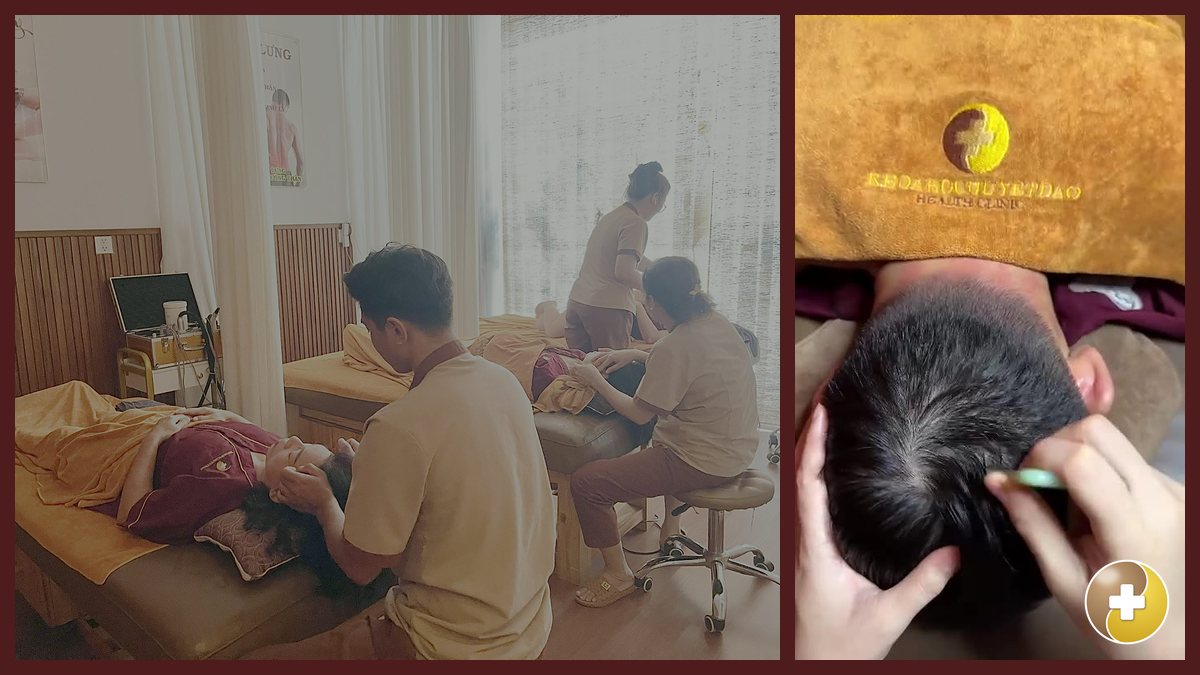
Quick answer: Cold hands and feet usually mean less blood is reaching your fingertips: air conditioning, sitting still, stress or anaemia. The Vietnamese traditional view links it to weak Heart, Spleen and Kidney yang. If cold comes with colour change, numbness or pain, get checked at a medical facility. Tong Gia Acupoint Wellness (Huyệt Đạo Tống Gia) in Ho Chi Minh City works by hand on D4–D5, D11–D12 and L2.
Want Lương Y Tống Văn Huynh’s team to read your spine and posture in person?
Cold hands and feet: what is really going on?
Cold hands and feet means your fingers and toes feel noticeably cooler than the rest of your body, even when the room is not cold. Some people touch their own fingertips and find them as cool as if they had just held a glass of ice water; others lie in bed for an hour and their feet still will not warm up until they put on socks. In most cases this is about peripheral circulation: less blood reaches the tips of the fingers and toes, so the skin there feels cool and sometimes looks pale.
From a Western physiology point of view, hands and feet sit at the far end of the circulation and are full of tiny vessels under the skin. When the body wants to protect the warmth of the organs inside, those small vessels narrow first, so the hands and feet are the first places to go cold. The heart has to pump blood to the whole body, the blood needs enough red cells to carry oxygen, and working muscles help push blood back. When any link is weak, such as little movement, poor eating, long periods of bad sleep or constant stress, cold extremities follow. The Tong Gia training curriculum lists "cold, clammy hands and feet" among signs of reduced heart function, and notes that the kidneys produce EPO, which helps make red blood cells, so tired kidneys can mean "anaemia, pale skin, fatigue". Cold hands and feet are therefore a signal to read alongside other signs, not the name of a disease.
Ho Chi Minh City is hot all year, yet at Tong Gia Acupoint Wellness (Huyệt Đạo Tống Gia) we still meet many people with cold hands and feet:
- Office workers sitting under strong air conditioning for 8 to 10 hours, feet hardly moving under the desk.
- Slim women who eat little, dislike wind, and feel colder around their period.
- New mothers waking at night to feed, eating at irregular times.
- Older adults who walk less, have tired lower backs and knees, and get up at night to pass urine.
- Expats adjusting to long flights, jet lag and air-conditioned apartments.
Common causes: why do hands and feet go cold?
It is rarely one single reason. Usually several small habits add up:
- Air conditioning and sitting still: a cold room plus hours without standing means the calf muscles barely pump.
- Eating too little and too much iced food: skipped meals, strict dieting, iced drinks all day.
- Late nights and broken sleep: the body never fully rests, and you wake up feeling empty with cool hands.
- Long-term stress: when you are anxious, the autonomic nervous system narrows the small vessels, so hands turn cold and damp.
- Anaemia, blood sugar, thyroid: issues only a blood test can show, so do not guess if the cold lasts.
- After childbirth, after illness, older age: reserves have been used and not yet rebuilt.
The Eastern view: warmth comes from Heart, Spleen and Kidney
Vietnamese traditional medicine sees cold extremities as "yang qi" not strong enough to warm the body all the way out to the tips. The Tong Gia curriculum describes three patterns. Heart yang deficiency: palpitations, a tight chest, feeling cold, cold hands and feet, a pale or dusky face, a pale swollen tongue. Spleen yang deficiency: a cold belly with a dull ache that likes a warm compress, cold limbs, loose stools, stomach upset after cold food. Kidney yang deficiency, summed up in the curriculum as "not enough fire to keep warm": feeling cold, cold hands and feet, a cold aching lower back and knees, clear and frequent urine, waking at night to urinate, low energy. These organs support each other: the Spleen is the root of what we build after birth, the Kidney is the root we are born with. "Heart, Spleen, Kidney" here are functional systems in Eastern medicine, not the same as heart disease or kidney disease in Western medicine.
Signs that often come with it
The accompanying signs tell you which way your cold hands and feet lean. This table follows the function tables in the Tong Gia curriculum:
| Accompanying sign | Leans towards | Why (per the source) |
|---|---|---|
| Palpitations, mild chest tightness, pale face, cold damp hands | Heart | Heart yang deficiency |
| Cold belly, likes warmth, pain after cold food, loose stools | Spleen | Spleen yang deficiency; Spleen governs the limbs |
| Pale lips, full after a few bites, heavy tired limbs | Spleen | Spleen qi deficiency; the Spleen shows on the lips |
| Cold aching lower back and knees, night urination, ringing ears | Kidney | Kidney yang deficiency |
| Pale skin, dizziness on standing, heavy fatigue | Kidney, Heart–Spleen | Kidneys make EPO; Heart–Spleen deficiency |
| The opposite: hot palms and soles, night sweats | Kidney yin | "Not enough water to cool", a different pattern |
When to see a doctor
Most cold hands and feet come from habits and body type, but please see a doctor first, or alongside wellness care, if you notice:
- Fingers or toes turning white, then blue, then red in the cold or with emotion, with numbness or pain.
- One leg much colder than the other, calf pain when walking that eases with rest.
- Small wounds on the feet that close slowly, or darkening skin.
- Numbness or pins and needles in the feet if you have high blood sugar.
- Pale skin, dizziness, a racing heart: a blood test is a good idea.
- Feeling cold with weight gain, dry skin, constipation and lasting tiredness: ask about your thyroid.
- A child with fever, cold hands and feet, unusual drowsiness or red spots under the skin: go to a medical facility at once.
Chest pain or tightness, shortness of breath, cold sweats: call 115 (Vietnam emergency) immediately. Do not massage.
This is a wellness service, not medical care. Our technicians do not replace your test results and never advise stopping prescribed medication. Please tell us beforehand if you take blood thinners, have a stent, or are pregnant.
The face-reading view: how cold extremities show on the outside
Y Tướng Học (face reading for wellness) holds that "the appearance is outside, the organs are inside": what happens within shows on the surface. For people who often have cold hands and feet, Tong Gia technicians look for a few signs described in Part 3 of the curriculum:
- Complexion and tongue (Heart): with Heart yang deficiency the face tends to be pale or dusky and the tongue pale and puffy.
- Lips and muscle tone (Spleen): pale lips, soft slack muscles. In the flesh-reading chapter, flesh that turns soft, cool and slow to spring back is linked to Spleen–Stomach cold: feeling cold, icy hands and feet, easy bloating.
- Ears and lower back (Kidney): thick rosy ears and a strong back are good signs; a cold lower back, weak knees, ringing ears and hair loss are weak ones.
- The round "Viên" (圓) face: a Water-type constitution led by the Kidney; when Kidney qi is low, the lower back easily catches cold and its skin feels cool.
- The "Giáp" (甲) face: wide forehead, pointed chin, "full above, empty below": headaches and poor sleep above, weak knees, night urination and a cool, hollow lower back below.
This is reference knowledge of the school, used to decide which part of the back to check first. It does not replace a medical check and is never used to judge anyone. You can read more in Eastern face reading for wellness: Q&A.
Spine segments and nerve-reflex zones involved
According to the Tong Gia curriculum, nerve roots leave the spinal cord between the vertebrae. The neck, C1–C7, relates to the head, face, neck and arms; the thoracic spine, D1–D12, to circulation, breathing and digestion; the lumbar spine, L1–L5, to digestion, kidneys, urinary and reproductive function and the legs. For cold hands and feet, technicians pay attention to:
| Segment | Nerve / function | Common signs | Organ (Eastern view) |
|---|---|---|---|
| C5–C7 (base of neck) | C1–C7: head, face, neck, arms | Cold or numb hands, tired arms | Heart (Heart channel runs along the inner arm) |
| D4–D5 (between shoulder blades) | D1–D12: circulation; Jueyinshu under T4, Xinshu (Heart point) under T5 | Palpitations, cold damp hands | Heart governs blood vessels |
| D11–D12 (mid back) | D1–D12: digestion; Spleen and Stomach back points | Cold belly, poor appetite, cold tired limbs | Spleen–Stomach |
| L2 (upper lumbar) | L1–L5: kidneys; Mingmen and Kidney back points under L2 | Cold lower back, feeling cold, night urination | Kidney yang |
| L3–L5 (lower lumbar) | L1–L5: legs | Cold feet, heavy legs, weak knees | Kidney governs bones; Spleen governs limbs |
The table shows "related" zones for orientation only, not a cause. The curriculum separates excited zones (warm skin, tight muscle, more pain) from inhibited zones (skin cooler than normal). Technicians work on excited zones, never press hard on inhibited ones, and follow the temperature rule "lower what is high, raise what is low", so cold areas are warmed gradually with light pressure.
The Tong Gia method: spinal nerve-reflex balancing massage
The method was built by Lương Y Tống Văn Huynh, a master of traditional Vietnamese wellness and founder of Tong Gia, with over 13 years in Eastern wellness care, face reading and spinal nerve-reflex balancing. It keeps three "no" rules: no medication, no needles, no rough force. For cold hands and feet a session follows five steps:
- Observe: how long the cold has lasted, hands or feet, any palpitations, cold belly or night urination; complexion, lip colour, ears, hand temperature.
- Read the spine by hand: skin temperature, muscle layer, vertebra shape and sensation, comparing left and right, from the base of the neck to the lower back.
- Release the muscles: for a depleted body, the gentle "tonifying" techniques of vibration and light kneading, creating a pleasant wave of sensation so the muscles let go by themselves.
- Press the right points: on the back the Heart, Spleen, Stomach and Kidney points and Mingmen; on the wrist Neiguan and Shenmen; on the legs Zusanli, Taixi, Yongquan and Sanyinjiao (not used in pregnancy). Work on a key point stops once the skin there turns from dry to slightly moist.
- Self-care guidance: rubbing the lower back and the soles, foot soaks, slow breathing, bedtime and warm food that suits you.
A typical session
A guest arrives in the afternoon with cool hands despite the sunshine outside. Over a cup of warm water the technician asks about eating and sleep, looks at the lips and ears, and holds the hands for a moment. Lying face down, the area between the shoulder blades feels a little tight and the lower back clearly cooler. The technician vibrates lightly along both sides of the spine, presses the Heart and Spleen points, then warms the Kidney area with the palms before pressing. Midway through, many guests feel warmth spreading from the back into the hands, fingertips turning pink, breathing slowing; quite a few fall asleep. The session ends with the soles of the feet. We do not promise permanently warm hands after one visit; it takes time and daily habits.
Suitable services and prices
- Kidney wellness care, 75 minutes: 750,000 VND (about 29 USD). For cold hands and feet with a cold aching lower back, feeling cold, night urination.
- Heart wellness care, 75 minutes: 750,000 VND (about 29 USD). For cold hands with palpitations, light sleep, worry.
- Herbal steam add-on: 120,000 VND (about 5 USD). For those who enjoy a warm, lightly sweating finish.
See all prices. If you would like the whole body done slowly, read about our 120-minute full body session, and for how acupressure feels the first time, see acupressure massage in Saigon: Q&A.
Want Lương Y Tống Văn Huynh’s team to read your spine and posture in person?
Self-care at home and prevention
- Warm foot soak: 15–20 minutes at about 38–42°C before bed. If you have high blood sugar, test the water carefully.
- Rub the lower back and soles: warm your palms, place them on both sides of the lower back and rub up and down 50–100 times; in the evening rub each sole for 3–5 minutes.
- Eat warm, cooked food on time: the curriculum notes that cold damages Spleen yang; cut down on iced drinks and keep your belly warm.
- Stand up every hour and move 30 minutes a day: walk, rise on your toes, flex your ankles under the desk.
- Slow breathing and bed before 11 pm: breathe in for 4 seconds, out for 6, for 5–10 minutes a day.
If after 2–3 weeks your hands and feet are still cold with unusual signs, go back to the medical check section above.
Book a session
- District 12: 225 Dương Thị Mười, Phường Tân Chánh Hiệp (Tan Chanh Hiep Ward). Open daily 8:00–19:00.
- Vinhomes Grand Park: Căn T16-21 khu Manhattan, Phường Long Bình, TP. Thủ Đức (Unit T16-21, The Manhattan, Long Binh Ward, Thu Duc City, formerly District 9). Open daily 9:00–20:00.
Call, Zalo or WhatsApp +84 888 264 559, or book online. While you are in Ho Chi Minh City, it is a simple way to experience a Vietnamese traditional method in person. You can check real ratings and reviews on each branch's Google Maps profile.
Visit us
- Đông Y Huyệt Đạo Tống Gia Quận 12 (District 12)
225 Dương Thị Mười, Phường Tân Chánh Hiệp, Quận 12, HCMC · 8:00–19:00 daily · 0888 264 559 · Directions on Google Maps - Đông Y Huyệt Đạo Tống Gia Quận 9 (Vinhomes Grand Park, District 9)
Căn T16-21 khu Manhattan, Vinhomes Grand Park, Phường Long Bình, TP. Thủ Đức, HCMC · 9:00–20:00 daily · 0888 264 559 · Directions on Google Maps
Want Lương Y Tống Văn Huynh’s team to read your spine and posture in person?
FAQ
What causes cold hands and feet? Most often poor peripheral circulation from air conditioning, sitting still, stress, eating too little or sleeping badly. Anaemia, blood sugar or thyroid problems can also play a part, so lasting cold with fatigue, pale skin or numbness should be checked at a medical facility. The Eastern view looks at Heart, Spleen and Kidney yang.
Why are my hands cold and sweaty? Cold, damp hands are common when you are anxious, because the small vessels narrow. The Tong Gia curriculum lists cold clammy hands and feet among signs of reduced heart function. With chest pain, breathlessness or cold sweats, call 115 at once.
Is it a kidney problem? In Eastern terms, Kidney yang deficiency means "not enough fire to keep warm": cold limbs, a cold lower back, night urination. That is a traditional concept, not kidney disease. Real kidney function is checked with blood and urine tests.
Why do women get cold hands and feet more often? Slim women, new mothers and women around their period often feel colder. It is usually harmless if there is no pain, colour change or heavy fatigue. Warm food, a warm belly and feet, and earlier nights help; with pale skin or dizziness, get a blood test.
Can massage help cold hands and feet? Massage and acupressure relax muscles and support soft-tissue circulation, and many guests feel their hands warm up during the session. At Tong Gia we work gently on the Heart, Spleen and Kidney back points and the feet. Warm food, movement and sleep keep the effect going.
How many sessions will I need? It depends on your body and habits. Many people feel warmer after the first session, but lasting change usually needs a few sessions spaced over several weeks plus home care. We will tell you honestly what we notice on your back each time.
Author: Lương Y Tống Văn Huynh – founder of Huyệt Đạo Tống Gia, a master of traditional Vietnamese wellness with over 13 years in Eastern wellness care, Y Tướng Học (face reading) and spinal nerve-reflex balancing massage.
Updated: 2026-11-16
Related guides
- Red face when stressed: why it happens, when to see a doctor, and what face reading notices
- Anxious when your blood pressure is taken: why the heart races and the number jumps, how to measure properly, and what Tong Gia can and cannot do
- Nervous speaking in public: why the heart pounds and the voice shakes, and how to stay steadier at talks and interviews
- Waking up with a racing heart: what morning heartbeats mean, when to get checked, and how Tong Gia helps the body settle
- Cold hands and feet in women: why it happens more often and how to care for it
- Heart racing after a big meal: the link between stomach and heart, when to get checked, and how Tong Gia helps Heart and Spleen settle
This is a wellness service, not medical care.