
Common health issues for IT workers: what developers often feel and how to look after it
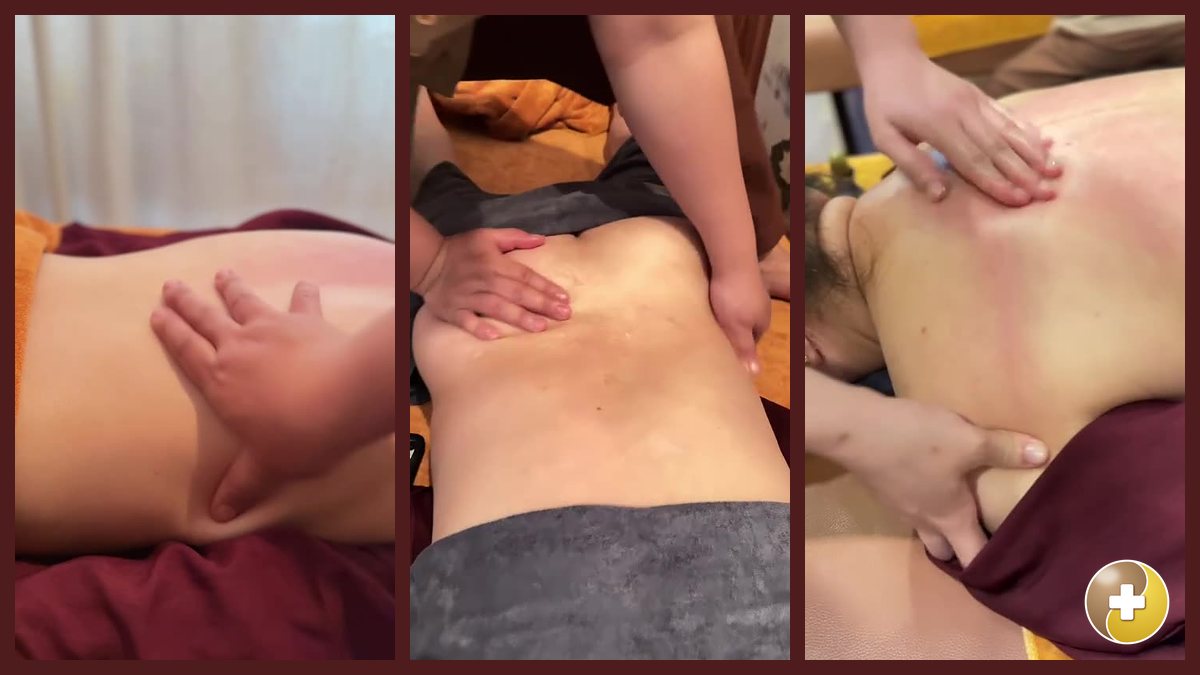
Quick answer: IT workers commonly get neck and shoulder aches, numb wrists and fingers, tired dry eyes, lower-back pain from sitting, poor sleep and stomach trouble from irregular meals and stress. Raising the screen, standing up regularly and releasing neck and shoulder muscles help. Tong Gia Acupoint Wellness (Huyệt Đạo Tống Gia), District 12 and Vinhomes Grand Park, Ho Chi Minh City, cares for this by hand.
Want Lương Y Tống Văn Huynh’s team to read your spine and posture in person?
What health problems do IT workers commonly get?
"What health problems do IT people get?" is a question many developers, testers, data engineers and designers type into a search bar after a few years on the job, when the neck feels stiff, the wrists tingle, the eyes are dry and sleep will not come. Most of it is not a "disease" in the sense of one specific condition; it is a cluster of work-related problems repeated every day. In Western medical terms, the common groups are:
- Neck and shoulder aches: the head drifts forward towards the screen, the shoulders rise while typing, and the trapezius and neck muscles stay tense.
- Numb wrists and fingers: wrists bent back on the keyboard and hours on the mouse; carpal tunnel syndrome is often mentioned when the thumb, index and middle fingers tingle.
- Tired, dry eyes and blurry vision by evening: long periods looking at a close screen and blinking less.
- Lower-back pain from sitting: 9–12 hours a day, sometimes plus evening gaming or study.
- Poor or light sleep: deadlines, on-call duty, meetings across time zones and screen light late at night.
- Stomach pain, bloating, reflux: rushed lunches at the desk, skipped breakfast, lots of coffee and ongoing stress.
- Tension headaches and burnout: intense focus for hours, few breaks, sprint and release pressure.
In Ho Chi Minh City, Tong Gia Acupoint Wellness (Huyệt Đạo Tống Gia) often sees people from Quang Trung Software City (District 12), Saigon Hi-Tech Park (Thủ Đức City), offices in Bình Thạnh and Districts 1 and 3, and many remote workers and freelancers on foreign projects, including expats who code from home. This article does not label any condition; it helps you see what your body is signalling and how to look after it.
Common causes: habits, work, posture and environment
- Sitting in one place too long: "getting into flow" can mean three or four hours without standing; muscles do not alternate between contracting and relaxing, so they tire and stiffen.
- Low screens and laptops flat on the desk: the head tips down and the neck carries extra weight; two or three monitors placed off-centre keep the neck turned to one side all day.
- Keyboard and mouse that do not fit: wrists bent back, elbows hanging, shoulders lifted.
- A chair that does not support the back: sliding forward, the back curling into a C, feet not on the floor.
- Close screen work with little blinking in dry air-conditioned rooms.
- Late nights and shifted sleep: on-call, night deploys, time-zone meetings, gaming until 2 or 3 a.m.
- Irregular meals: no breakfast, lunch at the keyboard, late dinners, lots of coffee and soft drinks.
- Work pressure: deadlines, urgent bugs, KPIs, interviews; the body braces while concentrating and breathing becomes shallow.
- Little movement: commuting by motorbike or car, then sitting again at home and at weekends.
These add up. One day is fine; after a few years the neck, wrists, eyes, lower back, sleep and stomach all start to complain.
Accompanying signs to watch
- Stiff neck, hard to turn the head, ache spreading to the shoulder blades, headache at the back of the head by afternoon.
- Numb fingers or hands at night or when holding a phone; the mouse-side shoulder more tired.
- Dry, stinging eyes, blurry vision late in the day, squinting.
- Tired lower back, needing to stretch before standing straight.
- Trouble falling asleep even when exhausted, thinking about code in bed, waking unrefreshed.
- Bloating, sour burps, upper-stomach pain under stress or after skipped meals.
- Irritability, palpitations, forgetfulness, wanting only to lie down at weekends.
When to see a doctor
In these situations please see a doctor at a medical facility first rather than relying on massage:
- Hand numbness that keeps increasing, a weak grip, dropping things, a shrinking pad at the base of the thumb.
- Neck pain with strong dizziness, double vision, slurred speech or weakness on one side: go to emergency immediately.
- Blurred vision that persists, eye pain, flashes of light or a missing patch of vision.
- Insomnia for weeks together with low mood and loss of interest in everything.
- Stomach pain with vomiting blood, black stools or unexplained weight loss: get checked right away, in parallel with any wellness care.
- Chest tightness, shortness of breath or cold sweats, especially under stress or after a sleepless night: call 115 immediately.
This is a wellness service, not medical care.
The Y Tướng Học view: Liver, Heart, Spleen and the look of a tech worker
According to the Tong Gia curriculum, three organ systems most often "speak up" in IT workers: the Liver, the Heart and the Spleen.
- Liver: it governs the sinews and opens into the eyes. The curriculum notes that when Liver blood is weak the eyes become dry and vision blurry and cramps appear; when Liver energy is stuck, stress, irritability and poor sleep follow. Tight tendons in the neck, shoulders and wrists also belong to the "sinews".
- Heart: it houses the spirit and governs consciousness and sleep; it opens into the tongue and shows on the complexion. Late nights and worry drain Heart blood, so sleep is light, dreams are many, memory slips and palpitations appear.
- Spleen: the curriculum says too much worrying harms the Spleen and drains Heart blood, bringing poor appetite, poor sleep, palpitations and forgetfulness. The Spleen governs the flesh and limbs, so long sitting and irregular meals leave muscles soft and the body sluggish.
Y Tướng Học, the Vietnamese face-and-body reading taught at Tong Gia, rests on "the signs are outside, the organs are inside". With tech workers the practitioner looks at:
- Eyes and nails: red, dry eyes, dark circles; pale, brittle or ridged nails suggest Liver blood needs care.
- Complexion and tongue: a pale face, or flushing in the afternoon; a red tongue tip in people who stay up late and feel palpitations.
- The "Giáp" face (wide on top, narrow chin): the curriculum describes quick, clever people prone to "full above, empty below": headaches and poor sleep above, tired knees and night urination below, with a warm upper neck at C1–C2. It is common among people doing intense mental work.
- The "Thân" face (wide cheekbones, narrow forehead and chin): under stress the stomach hurts, reflux and one-sided headaches appear; the back area to check is D7 and D9.
- Sitting posture: head forward, shoulders raised, rounded back, the mouse-side shoulder higher.
This is not fortune telling. It guides which area to start with and whether to work gently to calm the mind or more deeply to release muscle.
Vertebrae, nerve reflex areas and related organs
According to the Tong Gia curriculum, the neck C1–C7 relates to the head, face, neck and arms; the thoracic spine D1–D12 to circulation, breathing and digestion; the lumbar spine L1–L5 to digestion, kidneys, urinary and reproductive function and the legs. The curriculum groups work into four functional groups; for IT workers three are used most. The table shows only what is "related", not a medical conclusion:
| Spinal area | Nerves / function | What IT workers feel | Related organ |
|---|---|---|---|
| C1–C7, D1–D3 and sacral area (nervous system group) | Head, central nervous system | Headache at the back of the head, poor sleep, long-term stress | Heart, Liver |
| C5–C7 (muscle–bone–joint group) | Shoulders, arms, hands | Neck and shoulder ache, numb wrists and fingers | Liver (sinews) |
| D7, D9 | Digestion, liver and gallbladder | Bloating, stomach pain under stress | Liver – Spleen |
| D11–D12 | Digestion | Irregular eating, sluggishness | Spleen and Stomach |
| L4–L5, S1 | Lower back, legs | Lower-back fatigue from sitting, numb legs | Kidney |
Because the spine is one axis, IT workers rarely ache in just one place. A forward head rounds the upper back, and a rounded upper back makes the lower back compensate, so a session usually works from the head and neck down the back.
The Tong Gia method: spinal nerve-reflex balancing for IT workers
The method was built by Lương Y Tống Văn Huynh, master of traditional Vietnamese wellness and founder of Huyệt Đạo Tống Gia, over more than 13 years of practice in Eastern wellness, Y Tướng Học and spinal nerve-reflex balancing. A session for a tech worker usually follows these steps:
- Observation and questions: hours at the desk, number of screens, mouse hand, bedtime, eating habits; posture, eyes, nails, complexion and face shape.
- Reading the spine by hand: pressing, stroking and rolling from the nape to the lower back to feel skin temperature, muscle layers and raised, sunken or shifted vertebrae, comparing both sides. Tech workers often have a warm upper neck and a harder shoulder on the mouse side.
- Muscle release: softening the neck, trapezius, muscles around the shoulder blade and forearm; pressure rises gradually through five levels and focuses only on "active" zones (warm, tight, tender).
- Acupressure in the right areas: following the Tong Gia curriculum, for stress and poor sleep the practitioner may press Neiguan (PC6) and Shenmen (HT7) at the wrist and Baihui (GV20) on the crown to clear and calm the mind, Taichong (LR3) when Liver energy is stuck, and Ganshu and Pishu on the back when bloating is common. Work stops when the skin at the point turns from dry to slightly moist.
- Self-care guidance: screen set-up, eye breaks, pressing Shenmen before bed.
What guests feel: during the session the nape and shoulder blades feel sore in a pleasant way, the head grows lighter, and many people doze off during the head work. Afterwards the neck turns more easily, the eyes feel less heavy and falling asleep is easier; the next day there may be mild tenderness where muscles were tight, usually fading in a day or two. The session helps rebalance; how long it lasts depends on your posture and sleep.
A typical session: a backend developer at Quang Trung Software City, sitting about ten hours a day with two monitors and on call one night a week, came in with a stiff neck, three tingling fingers on the right hand and light sleep. The practitioner noticed a forward head, a higher right shoulder, red eyes and pale nails; the nape was warm, the right trapezius thick and the right forearm tight. A 60-minute neck and shoulder session released the neck, shoulder and forearm, pressed Neiguan and Shenmen and finished at Baihui. He was advised to raise his monitor to eye level, keep the mouse close, stand up for a few minutes about every 45 minutes and press Shenmen before sleep.
| Suitable service | Length | Price |
|---|---|---|
| Neck and shoulder care | 60 min | 550,000 VND (about 21 USD); first visit 399,000 VND (about 15 USD) |
| Head care | 60 min | 750,000 VND (about 29 USD) |
| Hair wash with neck and shoulder massage | 60 min | 250,000 VND (about 10 USD) |
Read more: body massage in District 12 near Quang Trung Software City, massage in Thủ Đức for Hi-Tech Park workers, neck and shoulder massage questions and acupressure for sleep.
Want Lương Y Tống Văn Huynh’s team to read your spine and posture in person?
Home care and prevention for IT workers
- Set up the desk: top of the screen at or slightly below eye level, laptop raised with a separate keyboard, elbows resting on the desk, wrists straight.
- Rest the eyes: a common Western recommendation is to look far away for about 20 seconds roughly every 20 minutes; blink on purpose in air-conditioned rooms.
- Stand up regularly: about every 45 minutes stand for a few minutes, roll the shoulders, tilt the neck gently back, stretch the wrists.
- Press Shenmen before bed: following the Tong Gia curriculum, press gently for 1–2 minutes on each side while breathing slowly; switch screens off some time before sleep.
- Eat on time: keep breakfast, avoid late meals, cut back on afternoon coffee.
- Move outside work: walking, swimming or badminton two or three times a week gives the back and shoulders different work.
How to book
- District 12 branch: 225 Dương Thị Mười, Tân Chánh Hiệp Ward (District 12), 8:00–19:00 daily. Convenient for Quang Trung Software City, Gò Vấp and District 12.
- District 9 branch: Unit T16-21, Manhattan subdivision, Vinhomes Grand Park, Long Bình Ward, Thủ Đức City (former District 9), 9:00–20:00 daily. Convenient for Saigon Hi-Tech Park, Thủ Đức and Vinhomes Grand Park.
- Hotline / Zalo / WhatsApp: +84 888 264 559.
- Online booking: /dat-lich.
When booking, write "IT work, stiff neck, poor sleep" or your main concern so the right service can be prepared. The District 9 branch is open until 20:00, handy after work. If you live in or are visiting Ho Chi Minh City, this is an easy way to experience a Vietnamese traditional wellness method developed by Lương Y Tống Văn Huynh.
Visit us
- Đông Y Huyệt Đạo Tống Gia Quận 12 (District 12)
225 Dương Thị Mười, Phường Tân Chánh Hiệp, Quận 12, HCMC · 8:00–19:00 daily · 0888 264 559 · Directions on Google Maps - Đông Y Huyệt Đạo Tống Gia Quận 9 (Vinhomes Grand Park, District 9)
Căn T16-21 khu Manhattan, Vinhomes Grand Park, Phường Long Bình, TP. Thủ Đức, HCMC · 9:00–20:00 daily · 0888 264 559 · Directions on Google Maps
Want Lương Y Tống Văn Huynh’s team to read your spine and posture in person?
FAQ
What health problems do IT workers commonly get? The usual ones are neck and shoulder aches, numb wrists and fingers, tired dry eyes, lower-back pain from sitting, poor sleep, stomach discomfort and stress headaches. Most are work-related problems of posture, hours and pressure; worsening hand weakness, persistent blurred vision or chest pain need a doctor.
What can I do about a stiff neck from computer work? Raise the screen to eye level, lift the laptop and use a separate keyboard, and about every 45 minutes stand up, roll your shoulders and tilt your neck gently back. For a neck that stays stiff, a 60-minute neck and shoulder session at Tong Gia is 550,000 VND (about 21 USD), 399,000 VND (about 15 USD) on the first visit.
Are numb fingertips from keyboard work a concern? They are often linked to bent wrists while typing, long mouse use and tight neck and shoulder muscles; the Tong Gia curriculum links C5–C7 to the shoulders, arms and hands. If numbness keeps increasing, your grip weakens or the base of the thumb shrinks, see a doctor.
Can massage help a developer who sleeps badly? Head, neck and shoulder work with calming points such as Shenmen, Neiguan and Baihui can help you relax and fall asleep more easily. Insomnia lasting weeks with low mood needs a medical check as well. Head care for 60 minutes at Tong Gia is 750,000 VND (about 29 USD).
How long until neck pain from screen work eases? When it is muscle fatigue, many people feel lighter after one or two sessions and a few days of better posture. How long it lasts depends on how you sit, sleep and take breaks. Pain with hand weakness or strong dizziness needs a doctor.
Author: Lương Y Tống Văn Huynh – founder of Huyệt Đạo Tống Gia, a master of traditional Vietnamese wellness with over 13 years in Eastern wellness care, Y Tướng Học (face reading) and spinal nerve-reflex balancing massage.
Updated: 2026-11-17
Related guides
- Lump on the back of the neck: muscle knot, lymph node or cyst, and when to get it checked
- What causes a stiff neck? Seven common groups, one side or both, and when to get help
- Common health issues for IT workers: what developers often feel and how to look after it
- Pain in both shoulder blades: six common causes, the warning signs, and how Tong Gia can help
- Wrist pain after giving birth: causes, warning signs and gentle care in Ho Chi Minh City
- Shoulder pain from carrying heavy loads: six common causes, the warning signs, and how Tong Gia can help
This is a wellness service, not medical care.