
How often should you get acupressure? Rhythm by goal, the rest gap between sessions and when to space them out
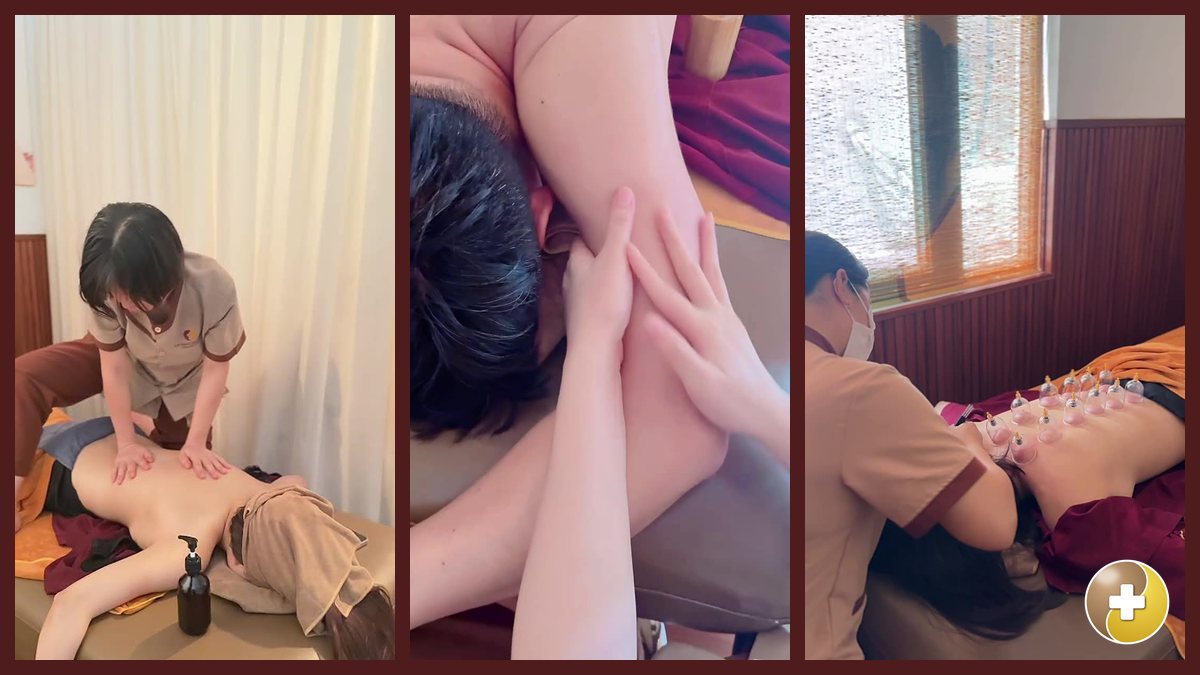
Quick answer: For relaxation, acupressure every 1–2 weeks suits most people; when the neck or back is very tight, about twice a week for the first few weeks, then spaced out, with 2–3 days between deep sessions. Tong Gia in District 12 and Vinhomes Grand Park, Ho Chi Minh City, suggests a rhythm after reading your spine.
Want Lương Y Tống Văn Huynh’s team to read your spine and posture in person?
What is acupressure, and how often should you get it?
Acupressure uses the fingers and hands to press and circle points on the meridians and the muscles around them. In Western terms, steady, gradually increasing pressure on muscle and soft tissue lets tight fibres let go, improves local circulation, and nerve endings in the skin send signals that help the parasympathetic "rest" side of the nervous system take over. In Eastern terms, stimulating acupoints helps balance qi and blood along the channels.
There is no single number for everyone. A sensible rhythm depends on three things: your goal, your body's capacity and how you respond after each session. General guidance:
- Maintenance and relaxation: every 1–2 weeks, for people without clear pain who want soft muscles and deeper sleep.
- A period of heavy neck or back tension: about twice a week for the first few weeks, then weekly, then every two weeks once the relief lasts.
- Older, frail or just-recovered people: less often, lighter pressure, shorter sessions.
- Minimum gap: the general advice is 2–3 days between two deep sessions so muscles can rest and soften.
Who asks? Office workers in District 12 or Thu Duc who felt lighter after one session and wonder whether to return next week or wait for the ache; people who ride a motorbike two hours a day; adult children planning regular visits for their parents.
Why not go every day, and why not wait until it hurts?
Your body needs time between sessions
In Western terms, muscles can feel sore for 24–48 hours after deep work; fibres that were stretched and worked need time to settle. Pressing again while still sore, especially hard and daily on the same spot, often makes the muscle guard and contract, so soreness lasts longer instead of easing faster.
In Eastern terms, the Tong Gia curriculum says the Liver stores blood and governs the sinews; during rest, blood returns to the Liver to be nourished before it nourishes the muscles. The curriculum also has a dosage rule: work until the skin at the key point turns from dry to slightly moist, then stop; once the threshold is reached, stop at once. Each session has its own "dose"; going too often overshoots it.
Why muscles tighten again after a few days
On the other hand, waiting until the pain is unbearable means starting from scratch every time. The causes usually remain: 8–10 hours in air-con, screens, traffic, carrying children, work stress. A steady rhythm helps your body hold the lighter state longer, and lets the practitioner track changes from visit to visit.
Signs to space out, and signs to come back sooner
Space out or ask for lighter pressure when soreness lasts more than 1–2 days and the next session arrives before it fades; you feel drained the next day instead of lighter; the worked area bruises or is tender to touch; or your neck and back have stayed light all week and sleep is good.
Come back a little sooner after a week of long hours and late nights, after a long flight or bus ride, or when stiffness, a heavy head or poor sleep clearly return. Tell the practitioner how you felt after the last session: how long the soreness lasted, how you slept, when the tightness came back. That is the key information for adjusting your rhythm.
When to see a doctor
Call 115 immediately for chest tightness, shortness of breath or cold sweats.
Please see a doctor at a medical facility, rather than simply adding sessions, if:
- Pain does not ease after a few sessions, or worsens day by day.
- You have numbness or weakness in the arms or legs, or keep dropping things.
- Pain is strong at night and rest does not ease it.
- Pain comes with fever or unexplained weight loss.
- You are constantly drained, pale and dizzy (signs that may point to anaemia); get checked in parallel with wellness care.
The curriculum reminds practitioners that anyone under follow-up keeps following their health professional; acupressure supports, it does not replace.
This is a wellness service, not medical care.
The Y Tướng Học view: different body types, different rhythms
Following "the signs show outside, the organs lie inside", Y Tướng Học (face reading for wellness) helps the practitioner anticipate what rhythm and pressure your body can take. Per the Tong Gia curriculum:
- "Mục" (目) face: long, narrow, lean; deficient qi and blood. Thin muscles along the spine, deep-set vertebrae; the curriculum prescribes gentle tonifying techniques. This type does well with fewer sessions, lighter pressure and shorter visits.
- "Điền" (田) and "Do" (由) faces: square and full or a wide jaw; thick back muscles that tighten in large plates (D11–D12 for Điền, lower back and hips for Do). The early phase often needs closer sessions to soften each area.
- "Vương" (王) face: bony; fibrous muscle stuck around the joints, needing plucking and deep pushing. Soreness lasts longer, so the gap between sessions is longer.
- "Viên" (圓) face: round; a lower back that chills easily, slack lumbar muscles, dull aches. A regular rhythm plus keeping warm suits this type.
- "Phong" (風) face: pain that moves around, uneven muscle tension; every session has to start with a fresh reading because the key point shifts.
Complexion matters too: very pale or sallow skin with dizziness means a gentler session and advice to get checked in parallel. These are school-based references, never used to judge illness or character.
Vertebrae and nerve-reflex zones: which need, which area, which rhythm
Per the Tong Gia curriculum, C1–C7 governs the head, face, neck and arms; D1–D12 relates to circulation, breathing and digestion; L1–L5 to digestion, kidneys, urinary and reproductive function and the legs; S1–S5 to elimination and the lower pelvis. The curriculum groups needs into four functional groups with their own spinal zones; the table adds a suggested rhythm:
| Common need | Spinal zones (curriculum group) | Suggested rhythm | Organ |
|---|---|---|---|
| Stress, heavy head, poor sleep | Nervous system: C1–C7, D1–D3, sacral area | Weekly; press Shenmen yourself at night | Heart, Liver |
| Neck and back ache from desks and motorbikes | Muscles and joints: C5–C7, L1–L5, S1–S5 | About twice a week at first, then every 1–2 weeks | Liver, Kidney |
| Poor appetite, bloating, tiredness from sitting | Organs and metabolism: D1–D12, L1–L3 | Every 1–2 weeks; press Zusanli yourself | Spleen, Stomach |
| Cyclical lower-back fatigue in women | Women's health: D10–D12, L1–L3, S1–S5 | Around the cycle, avoiding very tired days; no Sanyinjiao in pregnancy | Liver, Kidney |
| Maintenance | Whole spine, re-read every visit | Every 1–2 weeks | As observed each time |
The table shows links only, never a conclusion about disease. The curriculum states these groups are school references that support, not replace, medical care.
The Tong Gia method: re-read the spine every visit, then suggest a rhythm
- Observation of complexion and neck posture, plus questions about how you felt after the last session.
- Reading the spine by hand: skin temperature, muscle padding, spinal shape and sensation; left against right, separating "excited" areas (hot, tight, increasingly sore) from "inhibited" ones.
- Muscle release, then acupressure in the right places: pressure from light to strong across 5 pressure levels, stopping when the dosage threshold is reached.
- Notes and a suggested rhythm: the curriculum asks practitioners to record each session to follow up next time.
- Traditional Vietnamese massage, 60 min: 450,000 VND (about 17 USD), suits a 1–2 week maintenance rhythm.
- Neck and shoulder care, 60 min: 550,000 VND (about 21 USD), first visit 399,000 VND (about 15 USD), for a period of heavy neck tension.
- Neck and shoulder care, 90 min: 750,000 VND (about 29 USD), when the neck and upper back are both tight.
A typical rhythm
A common pattern for an office worker with long-standing neck ache: about two sessions a week for the first three weeks, at least 2–3 days apart. At the first visit the muscles around C5–D3 form a tight, tender band and soreness lasts nearly two days. By the fourth and fifth visits the muscles soften faster and soreness lasts only an evening. From week four, once a week; when the neck stays light all week, every two weeks. In a deadline week with little sleep, the client comes back a little sooner.
What you feel
During: tenderness at tight points, then warmth and gradual ease; many fall asleep. After: lighter body, easier neck rotation, mild soreness for a day or two in the early sessions. Over time the light period between visits usually gets longer. Responses vary; Tong Gia does not promise the pain will be gone after a set number of sessions.
Read more: acupressure massage in Saigon Q&A, acupressure in District 12 Q&A, neck and shoulder massage Q&A, acupressure for sleep and prices.
Want Lương Y Tống Văn Huynh’s team to read your spine and posture in person?
Self-acupressure at home between sessions
1–2 minutes per point per side; a mild ache is enough, never press until it hurts:
- Neiguan (2 cun above the wrist crease, between the two tendons): for tension or mild palpitations at work.
- Shenmen (on the wrist crease, in the hollow on the little-finger side): before sleep, with slow breathing.
- Zusanli (3 cun below the outer knee hollow, one finger-width from the shinbone): for poor appetite and bloating.
- Yongquan (sole of the foot): rub 3–5 minutes per foot in the evening.
- Move every 45–60 minutes, roll your shoulders and keep your neck covered in air-con to make the relief last.
During pregnancy, do not press Hegu or Sanyinjiao yourself. Home pressing does not replace a session; it keeps you comfortable between visits.
Booking
The method was built by the founder, Lương Y (master of traditional Vietnamese wellness) Tống Văn Huynh, with over 13 years in Eastern wellness, Y Tướng Học (face reading for wellness) and spinal nerve-reflex balancing. It is a Vietnamese approach you can experience while you live in or visit Ho Chi Minh City. Both branches open every day:
- District 12: 225 Dương Thị Mười, Phường Tân Chánh Hiệp (Tan Chanh Hiep Ward, District 12). Daily 8:00–19:00.
- Vinhomes Grand Park: Căn T16-21 khu Manhattan, Phường Long Bình, TP. Thủ Đức (Unit T16-21, The Manhattan, Long Binh Ward, Thu Duc City, formerly District 9). Daily 9:00–20:00.
Real customer reviews are on Google Maps, linked from each branch page. WhatsApp or Zalo +84 888 264 559, or book online. To keep a steady rhythm, you can book your next visit right at the end of a session.
Visit us
- Đông Y Huyệt Đạo Tống Gia Quận 12 (District 12)
225 Dương Thị Mười, Phường Tân Chánh Hiệp, Quận 12, HCMC · 8:00–19:00 daily · 0888 264 559 · Directions on Google Maps - Đông Y Huyệt Đạo Tống Gia Quận 9 (Vinhomes Grand Park, District 9)
Căn T16-21 khu Manhattan, Vinhomes Grand Park, Phường Long Bình, TP. Thủ Đức, HCMC · 9:00–20:00 daily · 0888 264 559 · Directions on Google Maps
Want Lương Y Tống Văn Huynh’s team to read your spine and posture in person?
FAQ
How often should you get acupressure? For relaxation, every 1–2 weeks suits most people. During a period of heavy neck or back tension, about twice a week for the first few weeks, then spaced out. Leave 2–3 days between two deep sessions; Tong Gia practitioners suggest a rhythm after reading your spine.
Can I get acupressure every day? Deep, strong pressure on the same area every day is not advisable: muscles need time to settle, and pressing while sore often makes them guard and stay sore longer. Gentle self-pressing of a few safe points for 1–2 minutes a day is fine.
I am sore after acupressure. Should I keep going? Mild soreness for 1–2 days after early sessions is common. Wait until it fades before the next session and ask for lighter pressure. If soreness lasts, pain increases, or you notice bruising, numbness or weakness, see a medical professional.
Can acupressure be harmful? With the right pressure in the right places, the usual effect is mild soreness. Risk rises with excessive force, joint cracking, sessions too close together, or working on someone pregnant, on anticoagulants or with heart disease without asking first. Tong Gia asks about your health every visit and stops at the threshold.
How often should elderly parents get acupressure? Older people usually suit a slower rhythm, about every 1–2 weeks, with light pressure and shorter sessions. Mention heart or blood pressure conditions or anticoagulants when booking so the practitioner can adjust.
How many sessions until I feel better? Many people feel lighter right after the first session, but making the relief last usually takes a few weeks of regular visits. Everyone responds differently, and Tong Gia promises no fixed number. If pain does not ease after a few sessions, get it checked.
Author: Lương Y Tống Văn Huynh – founder of Huyệt Đạo Tống Gia, a master of traditional Vietnamese wellness with over 13 years in Eastern wellness care, Y Tướng Học (face reading) and spinal nerve-reflex balancing massage.
Updated: 2026-11-15
Related guides
- How often should you get acupressure? Rhythm by goal, the rest gap between sessions and when to space them out
- Is acupressure safe? Where the real risks come from, who should be careful and what Tong Gia asks before every session in Ho Chi Minh City
- Can you shower after cupping? How long to wait, how to shower and what the marks mean
- What are meridians? A plain-language guide to the 12 main channels, acupoints and why Tong Gia practitioners in Ho Chi Minh City work where it does not hurt
- Who should not do cupping? Groups who must ask first, areas never cupped and how Tong Gia checks your health in Ho Chi Minh City
- What does herbal steam do? Benefits, how long to steam and who should skip it in Ho Chi Minh City
This is a wellness service, not medical care.