
Who should not do cupping? Groups who must ask first, areas never cupped and how Tong Gia checks your health in Ho Chi Minh City
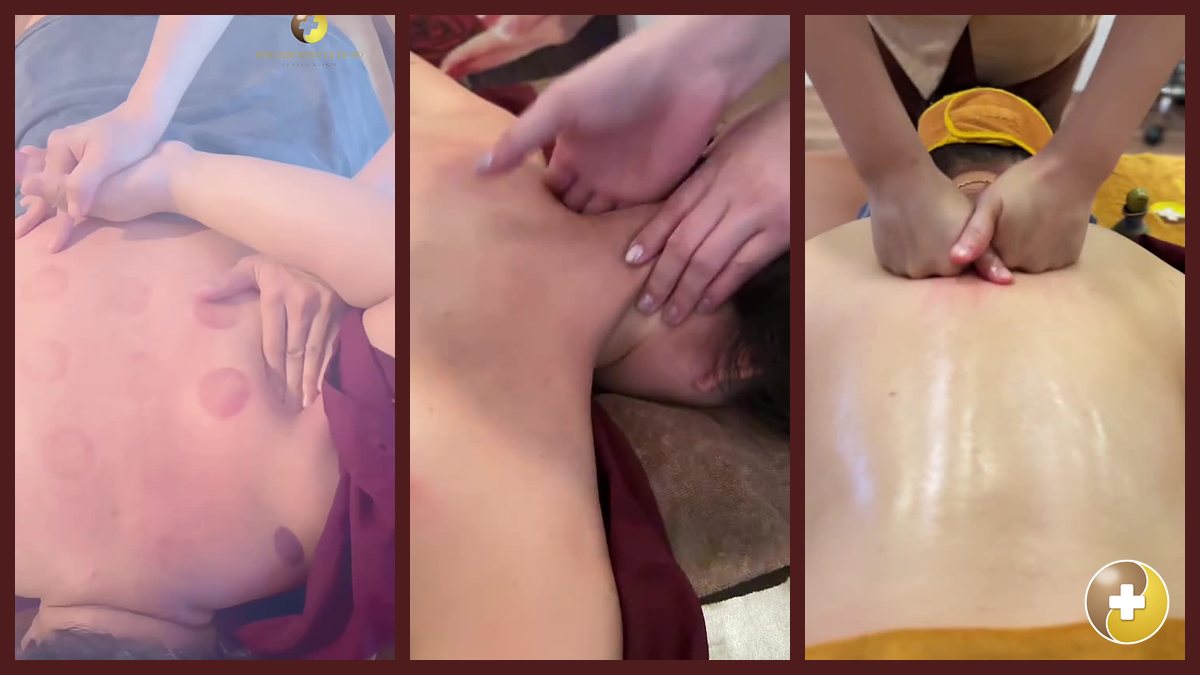
Quick answer: Cupping is not suitable during pregnancy (belly and lower back), with blood-clotting disorders or anticoagulants, high fever, inflamed skin, extreme weakness, an empty or very full stomach, or after drinking. Older adults and people with high blood pressure should ask first. Huyệt Đạo Tống Gia in District 12 and District 9 checks your condition before cupping.
Quick answer: Skip cupping or ask first if you are pregnant, have a bleeding disorder or take anticoagulants, have a high fever, are very frail, hungry, just ate or drank alcohol, or have inflamed skin or varicose veins; older people with thin skin and children need special care. Tong Gia in District 12 and Vinhomes Grand Park always asks first.
Want Lương Y Tống Văn Huynh’s team to read your spine and posture in person?
What is cupping, and why does it not suit everyone?
Cupping places cups on the skin and creates negative pressure that lifts the skin and the surface muscle. In Western terms, suction draws blood into the capillaries under the skin, warming and loosening the muscle; a little blood leaks from very fine capillaries into the tissue, leaving round pink or purple marks. For a healthy person this is a normal reaction that fades in a few days.
That same mechanism, pulling blood to the surface and leaving small bruises, is why cupping does not suit every body. People whose blood clots slowly, with thin skin or fragile vessels, who are pregnant or exhausted can bruise widely, sting, feel faint or face risks bigger than the benefit. The right question is not "is cupping good?" but "does cupping suit me right now?"
Who asks? Pregnant women with a tired back, adult children bringing parents over 70, people on anticoagulants after a stent, and office workers just over a fever whose backs feel cold and stiff.
Why some people should not do cupping
Who should not be cupped
- Pregnancy: no cups on the belly or lower back. The Tong Gia curriculum's general safety notes say no work on the belly and no Hegu or Sanyinjiao points during pregnancy. Ask the facility following your pregnancy before any area is worked.
- Bleeding disorders or anticoagulants: bleeding is slow to stop and cup marks can become large bruises. The curriculum allows only light pressure and avoidance of bruised areas for people on anticoagulants; suction itself creates bruises, so no cupping.
- High fever: the body is already under strain; postpone, rest and get checked if it persists.
- Inflamed or broken skin: rashes, wounds, fresh surgical scars or sunburn are never cupped.
- Varicose veins: no cups over raised veins, often on the calves or behind the knees.
Who must ask first, go gentle or choose another option
- Older people with thin skin: fragile capillaries and skin that recovers slowly; very light suction and few cups, or massage instead.
- Very thin or frail people: little muscle, cups do not hold well over bony areas and hurt more.
- Young children: delicate skin and they cannot clearly say when it stings.
- Heart disease, stents, pacemakers, high blood pressure, kidney disease: the curriculum requires careful questions, gentle work and following the health professional who follows you.
- Long-standing diabetes: skin recovers slowly and sensation can be reduced; mention it beforehand.
In Eastern terms, the curriculum describes the Spleen as keeping blood inside the vessels and the Liver as storing blood. People who bruise easily are seen as having a weak Spleen and Liver; they need gentle, nourishing care rather than strong suction.
Signs to check before a session: is today the day?
Some people can normally be cupped, just not today. Postpone or tell the practitioner if you are hungry or have just eaten (wait 1–2 hours after a meal), have had alcohol, are exhausted, slept badly or are just over an illness, have just trained very hard, still have old cup marks, or have recently started bruising all over without reason, which is a sign to get checked first.
Areas never cupped, even on healthy people
- The face, where marks can leave dark patches.
- The heart area and left chest.
- The belly and lower back during pregnancy.
- Bony points: directly over the spinous processes, shoulder blades and sacrum; cups go only on the muscle beside the spine.
- Raised veins, large moles and fresh scars.
When to see a doctor
Call 115 immediately for chest tightness, shortness of breath, cold sweats or stroke signs such as a drooping mouth, slurred speech or weakness on one side.
Please see a doctor at a medical facility before thinking about cupping if you have:
- Frequent unexplained bruising, bleeding gums or nosebleeds.
- Long-lasting fatigue, pale skin, dizziness (signs that may point to anaemia) or unexplained weight loss; get checked in parallel with wellness care.
- A persistent fever, or fever with back pain or a severe headache.
- Back pain with numbness, weak legs or urinary changes.
- One calf that is swollen, hot and red.
After cupping, get checked if bruising spreads unusually, a spot keeps bleeding, blisters weep or you develop a fever.
This is a wellness service, not medical care.
The Y Tướng Học view: which signs call for extra caution
Y Tướng Học (face reading for wellness) follows "the signs show outside, the organs lie inside". Before any cup goes on, the practitioner looks at bone structure, flesh and complexion to judge whether the body has reserves. Per the Tong Gia curriculum:
- "Mục" (目) face: long, narrow and lean with little flesh; deficient qi and blood, weak Liver and Spleen, prone to anaemia and dizziness. The muscles along the spine are thin and vertebrae sit deep. The curriculum prescribes gentle tonifying techniques, so strong cupping rarely suits this type.
- "Vương" (王) face: bony, skin over bone; too much bone and too little flesh. Cups hold poorly and bony points hurt.
- Very pale or sallow skin: described as Heart-Spleen deficiency with weak blood production, often with dizziness, breathlessness and palpitations. Such people should get checked for anaemia at a medical facility as well, and receive gentle care.
- Soft, cool flesh: Spleen-Stomach cold, low yang; skin recovers slowly from suction.
- "Phong" (風) face: a constitution prone to sudden flare-ups. In older people or those with conditions, signs such as a deviated tongue are treated by the curriculum as a stroke warning: the practitioner stops and advises an immediate check-up.
These observations decide whether to cup, how gently, or what to do instead. They are never used to judge illness or character.
Vertebrae and nerve-reflex zones: where cups go and what to mention
Back cupping follows the muscle on both sides of the spine, where the organs' back Shu points sit on the Bladder meridian. Per the curriculum, C1–C7 governs the head, face, neck and arms; D1–D12 relates to circulation, breathing and digestion; L1–L5 to digestion, kidneys, urinary and reproductive function and the legs; S1–S5 to elimination and the lower pelvis.
| Area | Nerve / function | What to mention before cupping | Organ |
|---|---|---|---|
| C1–C7 (neck, shoulders) | Head, face, neck, arms | Numbness down the arm, dizziness when turning: say so, this area may be skipped | Liver |
| D1–D5 (upper back) | Circulation, breathing; Lung, Pericardium, Heart Shu | Heart disease, stent, pacemaker, blood pressure: careful questions, gentle work; never the left chest | Lung, Heart |
| D7–D9 (mid-back) | Digestion; Liver Shu, Spleen Shu | Easy bruising, slow clotting | Liver, Spleen |
| D11–D12 | Digestion; Spleen and Stomach Shu | Hungry or just ate: wait 1–2 hours | Spleen, Stomach |
| L1–L5 (lower back) | Kidneys, urinary, reproductive, legs; Kidney Shu below L2 | Pregnancy: no lower back or belly; kidney disease: ask first | Kidney |
| S1–S5, legs | Elimination, lower pelvis, legs | Varicose veins, a hot swollen calf: no cups on the legs | Kidney, Liver |
The table shows links only, never a conclusion about disease. What matters most is telling the practitioner everything; good decisions need full information.
The Tong Gia method: screening first, spinal nerve-reflex balancing after
The curriculum is explicit that the first step is safety screening: any warning sign means no session and advice to get checked.
- Questions before any cup: pregnancy, clotting, anticoagulants, heart, blood pressure, stent, recent surgery, skin, last meal, alcohol, fever.
- Observation of complexion, build, flesh, back skin colour and old marks.
- Reading the spine by hand, vertebra by vertebra, left against right.
- Decision: if it suits you, muscle release and acupressure, then cups on the muscle beside the spine with gradual suction; if not, gentle massage or a herbal compress.
- Advice: staying warm, when to shower, when to return or get checked.
- Cupping, 30 min: 85,000 VND (about 3 USD), once your health questions are cleared.
- Traditional Vietnamese massage, 60 min: 450,000 VND (about 17 USD), the alternative when cupping does not suit you.
- Herbal compress: 130,000 VND (about 5 USD), gentle warmth for the back with no suction.
A typical session
A common weekend visit: an adult son brings his mother, over 70, who complains of a cold back and wants cupping. Questions reveal she takes anticoagulants after a stent, her skin is thin and there are old bruises on her arms. No cupping that day. She receives a gentle back massage, a warm herbal compress on the lower back and light pressure on a few foot points. Her son is asked to check with the health professional who follows her and to mention it every time he books.
What clients feel
Those who suit cupping: a warm, lighter back and marks fading over a few days. Those switched to gentle massage or a compress: still a warm back and easier sleep, with no bruising. Tong Gia does not promise the tension will be gone after one visit.
Read more: cupping in Saigon Q&A, a cupping visit, booking a massage for parents in Vietnam, traditional Vietnamese massage Q&A, and prices.
Want Lương Y Tống Văn Huynh’s team to read your spine and posture in person?
Safe self-care at home and prevention
- No home cupping for pregnant women, older relatives with thin skin, children or anyone on anticoagulants.
- On anticoagulants, no hard back scraping either; use a moderate warm pack instead.
- Keep your back covered in air-con and stand up every 45–60 minutes.
- Kidney Shu rub: warm your palms, place them on both sides of the lower back and rub up and down 50–100 times until warm (from the Tong Gia curriculum).
- Keep a list of your conditions and anything you take to show the practitioner at every visit.
Booking
The method was built by the founder, Lương Y (master of traditional Vietnamese wellness) Tống Văn Huynh, with over 13 years in Eastern wellness, Y Tướng Học (face reading for wellness) and spinal nerve-reflex balancing. It is a Vietnamese approach you can experience while you live in or visit Ho Chi Minh City. Both branches open every day:
- District 12: 225 Dương Thị Mười, Phường Tân Chánh Hiệp (Tan Chanh Hiep Ward, District 12). Daily 8:00–19:00.
- Vinhomes Grand Park: Căn T16-21 khu Manhattan, Phường Long Bình, TP. Thủ Đức (Unit T16-21, The Manhattan, Long Binh Ward, Thu Duc City, formerly District 9). Daily 9:00–20:00.
Real customer reviews are on Google Maps, linked from each branch page. WhatsApp or Zalo +84 888 264 559, or book online. Please mention pregnancy, anticoagulants or heart conditions when you book.
Visit us
- Đông Y Huyệt Đạo Tống Gia Quận 12 (District 12)
225 Dương Thị Mười, Phường Tân Chánh Hiệp, Quận 12, HCMC · 8:00–19:00 daily · 0888 264 559 · Directions on Google Maps - Đông Y Huyệt Đạo Tống Gia Quận 9 (Vinhomes Grand Park, District 9)
Căn T16-21 khu Manhattan, Vinhomes Grand Park, Phường Long Bình, TP. Thủ Đức, HCMC · 9:00–20:00 daily · 0888 264 559 · Directions on Google Maps
Want Lương Y Tống Văn Huynh’s team to read your spine and posture in person?
FAQ
Who should not do cupping? Pregnant women (no belly or lower back), people with bleeding disorders or on anticoagulants, and anyone with a high fever, inflamed skin, wounds or varicose veins should not be cupped. Older people with thin skin, very frail people, children and those with heart, blood pressure or kidney conditions must ask first and receive very gentle work or massage instead.
Can I do cupping while pregnant? Never on the belly or lower back. For other areas, ask the facility following your pregnancy first. At Tong Gia, mention it when booking so the practitioner chooses gentle care and avoids unsuitable points and areas.
Can I do cupping if I take blood thinners? It is not advisable. Anticoagulants make you bruise easily and bleed longer, and suction creates bruises. The Tong Gia curriculum allows only light pressure away from bruised areas for this group; check with the health professional who follows you first.
Is cupping suitable for elderly parents? It depends on their health. Older people with thin skin, on anticoagulants or with heart or blood pressure conditions are usually not cupped, or only very lightly with few cups. Often the practitioner switches to gentle massage or a warm herbal compress.
Can I do cupping with high blood pressure? Ask first. The curriculum requires careful questions and gentle work for people with high blood pressure, heart disease, stents or pacemakers, following their health professional. If your blood pressure is high or unstable that day, postpone.
Is fire-free cupping safer? Cups with a hand pump avoid the risk of burns from a flame, but the suction and bruising are the same. So the groups who should not be cupped stay the same whatever cups are used.
Author: Lương Y Tống Văn Huynh – founder of Huyệt Đạo Tống Gia, a master of traditional Vietnamese wellness with over 13 years in Eastern wellness care, Y Tướng Học (face reading) and spinal nerve-reflex balancing massage.
Updated: 2026-11-15
Related guides
- How often should you get acupressure? Rhythm by goal, the rest gap between sessions and when to space them out
- Is acupressure safe? Where the real risks come from, who should be careful and what Tong Gia asks before every session in Ho Chi Minh City
- Can you shower after cupping? How long to wait, how to shower and what the marks mean
- What are meridians? A plain-language guide to the 12 main channels, acupoints and why Tong Gia practitioners in Ho Chi Minh City work where it does not hurt
- Who should not do cupping? Groups who must ask first, areas never cupped and how Tong Gia checks your health in Ho Chi Minh City
- What does herbal steam do? Benefits, how long to steam and who should skip it in Ho Chi Minh City
This is a wellness service, not medical care.
Questions customers often ask
I am hungry or just had a beer. Can I still have cupping today?
Better to postpone. On an empty stomach you may feel faint, and lying face down after a big meal is uncomfortable, so come 1–2 hours after eating. After alcohol the blood vessels are already dilated, so dizziness and bruising come more easily. If you are exhausted, slept badly or are just recovering from illness, choose a gentle massage or rest.
Which areas should never be cupped, even on a fit person?
The face, because the skin is thin and marks easily; the heart area and left chest; the belly and lower back during pregnancy; visible varicose veins, large moles and fresh scars. Cups are also never placed over old marks that have not faded. At Tong Gia, cupping is mainly done on the upper back and shoulders along the meridians beside the spine.
I have been bruising easily lately. Should I try cupping?
Not yet. Easy bruising all over, bleeding gums or frequent nosebleeds without a clear reason should be checked by a doctor first. The suction of the cup creates bruising under the skin, so anyone with a clotting problem may bruise widely and slowly. Consider cupping only after you have been checked and cleared.
If cupping is not suitable, how does Tong Gia care for a cold, tired back?
The technician can switch to a 60-minute Eastern massage for 450,000 VND to release the back, shoulders and neck, or a warm herbal compress for 130,000 VND that heats the back gently without suction. Once your condition has been checked and cupping fits, the 30-minute warming cupping session costs 85,000 VND at both branches.
What should I tell the technician before a cupping session?
Mention any long-term conditions and everything you take, especially anticoagulants; whether you might be pregnant; high blood pressure, heart disease, a stent or a pacemaker; and any fever, inflamed skin or wounds. Keeping this list written down and showing it at every visit helps the technician choose the area and suction, or switch to another method.