
Knee pain from standing all day: why standing jobs strain the knees and how to look after them
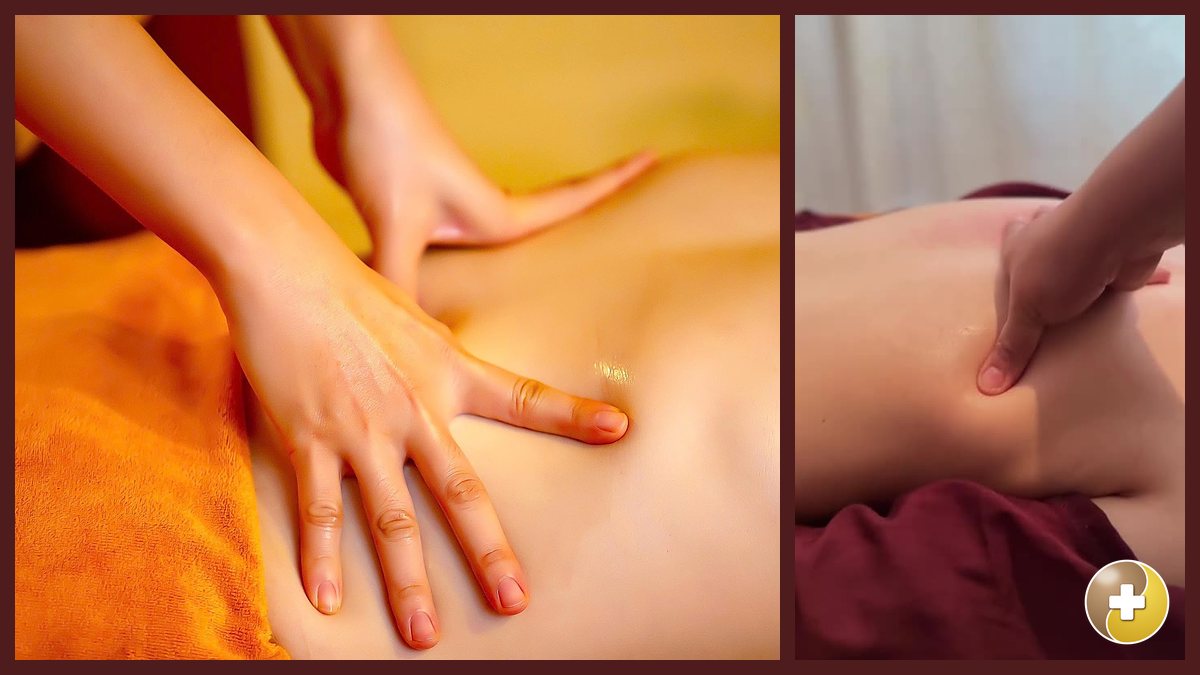
Quick answer: Knee pain from standing all day usually comes from cartilage under constant load, locked knees, leaning on one leg, hard floors and thin soles, and is common in chefs, hairdressers, teachers and shop staff. Standing with soft knees, switching legs, foot soaks and releasing thigh and calf muscles help. Tong Gia Acupoint Wellness (Huyệt Đạo Tống Gia), District 12 and Vinhomes Grand Park, Ho Chi Minh City.
Want Lương Y Tống Văn Huynh’s team to read your spine and posture in person?
What knee pain from standing all day is, and who gets it
Knee pain from standing all day is the tired, aching, heavy or dull pain around the knee, sometimes also behind the knee and in the calf, that builds towards the end of a shift and eases when you sit down and put your feet up. Many people say their knees are fine in the morning, but by afternoon every step feels sore, steps need a handrail and the knees still ache in bed. In Western medical terms, prolonged standing loads the knee cartilage continuously without rest, the front thigh and calf muscles work to keep balance and slowly tire, and blood returns from the legs less easily, so legs feel heavy and ankles may swell slightly. This article does not label any condition; it explains why standing jobs strain the knees and how to look after them.
In Ho Chi Minh City, Tong Gia Acupoint Wellness (Huyệt Đạo Tống Gia) often sees standing-related knee pain in:
- Chefs and kitchen staff: 8–10 hours on hard, hot, sometimes slippery tiles, turning between stove and prep table.
- Hairdressers: leaning beside the chair all day, often shifting weight onto one leg.
- Teachers: standing through several periods in a row, walking the classroom, bending over desks.
- Shop assistants, supermarket cashiers and waiting staff: standing at the counter and walking constantly in thin-soled uniform shoes.
- Machine operators in industrial parks and security guards on long shifts.
Expat chefs, baristas and English teachers in the city describe exactly the same afternoon knees. People who stand a lot also tend to have a tired lower back and heavy legs; this page focuses on the knee.
Common causes: habits, work, posture and environment
- Standing for hours without changing position: cartilage is nourished by bending and straightening; standing still loads the joint while "pumping" little joint fluid, and the muscles around the knee tire.
- "Locking" the knees: pushing both knees straight back to rest the legs sends load into the joint and ligaments instead of the thigh muscles.
- Leaning on one leg: hairdressers and cashiers often stand on one side, and that knee hurts first.
- Hard floors and thin or stiff soles: kitchen tiles, concrete factory floors, uniform shoes with no cushioning.
- Lots of bending and kneeling: squatting to pick things up, crouching for low shelves, climbing storeroom stairs again and again.
- Extra body weight: in Western medical terms, each extra kilogram increases the load on the knee when standing and walking.
- Age and hormones: in Western medical terms, cartilage thins after middle age and women after menopause report knee pain more often.
- Environment: hot kitchens, cold stores and air conditioning blowing at the legs; in Eastern terms, cold and damp make the knees heavy and achy.
- Little exercise outside work: weak front thigh muscles leave the knee without its "shock absorber".
Accompanying signs to watch
- Tired legs when standing long, tight calves by afternoon, sometimes night cramps.
- Heel pain from standing, especially the first steps in the morning.
- Lower-back pain from standing, a tired lumbar area spreading to the buttocks.
- Slightly swollen ankles or tops of the feet by evening that dent when pressed.
- Knees that click when squatting, stiffness in the morning before they loosen up.
- Cold, achier knees on rainy days or near cold rooms and air conditioners.
- Tiredness, night urination, ringing ears and tired lower back and knees together.
When to see a doctor
Please see a doctor at a medical facility first, and avoid strong massage on the knee, if:
- The knee is very swollen, hot, red or painful even at rest, or you have a fever.
- The knee "locks" and will not straighten, or suddenly gives way while walking.
- Pain follows a fall, a slip on a kitchen floor or a hard knock.
- One calf is swollen, red, hot and painful, especially after a long shift or long trip: get checked right away.
- Several joints hurt at once, morning stiffness lasts long, with fatigue or unexplained weight loss: get checked in parallel.
- Knee pain comes with chest pain, shortness of breath or cold sweats: call 115 immediately.
This is a wellness service, not medical care.
The Y Tướng Học view: Kidney, Liver, Spleen and the outward signs of tired knees
According to the Tong Gia curriculum, the Kidney governs bones and marrow and is linked to the lower back and knees; when its function weakens, the lower back aches, the knees feel weak and standing quickly becomes tiring. The Liver governs the sinews: tendons and ligaments around the knee are nourished by Liver blood, and when it is weak cramps and weak tendons appear. The Spleen governs the flesh and limbs: whether thigh and calf muscles are firm or soft depends on it. These three organ systems together "hold" the knees of people who stand all day.
Y Tướng Học, the Vietnamese face-and-body reading taught at Tong Gia, rests on "the signs are outside, the organs are inside". The practitioner looks at:
- The ears: the Kidney opens into the ears; thin, soft ear rims and stiff tissue around the ears point to weaker Kidney energy, which the curriculum links to lower-back and knee fatigue, feeling cold, cold limbs and night urination.
- Nails and tendons: thin, brittle, ridged nails and calves that cramp at night suggest caring for Liver blood.
- Lips and leg muscles: pale lips, soft thighs and heavy legs suggest the Spleen needs support.
- A round, full face: the curriculum describes a "Water" type that, when Kidney energy is weak, tends towards early joint wear from cold and damp and a cold lower back; keeping knees and lower back warm matters.
- A bony face with high cheekbones and skin close to the bone: the curriculum describes "too much bone, too little flesh", with a tendency to stiff tendons, early joint wear and dry joints.
- Standing posture: knees turned in or bowed out, feet rolling inwards, weight shifted onto one hip.
This is not fortune telling. It guides whether to nourish gently or release deeply, and which areas to keep warm.
Vertebrae, nerve reflex areas and related organs
According to the Tong Gia curriculum, the lumbar spine L1–L5 relates to digestion, kidneys, urinary and reproductive function and the legs; the sacrum and coccyx S1–S5 to elimination and the pelvic floor. The muscle–bone–joint group is checked across C5–C7, L1–L5 and S1–S5. In Western anatomy, the mid-lumbar nerve roots (around L2–L4) run to the front of the thigh and knee, and L4–S1 to the back of the thigh, calf and foot. That is why a standing worker with knee pain has the lower back read too, not just the knee. The table shows only what is "related":
| Area | Nerves / function | What standing workers feel | Related organ |
|---|---|---|---|
| L1–L3 | Kidneys, urinary tract, front thigh | Upper lumbar ache, tight front thigh, night urination | Kidney |
| L2–L4 (Western anatomy) | Front of thigh, knee area | Ache around the kneecap, tiredness when standing | Kidney (bones), Liver (sinews) |
| L4–L5, S1 | Back of thigh, calf, foot | Tight back of knee and calf, heel pain | Kidney – Bladder |
| Back of the knee (Weizhong) | Bladder meridian passes here | Tight back of knee, cannot fully straighten | Bladder |
| Lower leg below the knee | Stomach and Spleen meridians | Heavy legs, soft muscles, mild ankle swelling | Spleen and Stomach |
The Tong Gia method: spinal nerve-reflex balancing for people who stand all day
The method was built by Lương Y Tống Văn Huynh, master of traditional Vietnamese wellness and founder of Huyệt Đạo Tống Gia, over more than 13 years of practice in Eastern wellness, Y Tướng Học and spinal nerve-reflex balancing, following eight principles of the hands. A session for standing-related knee pain usually includes:
- Observation and questions: your job, hours on your feet, floor and shoes, which knee hurts more, any swelling; posture, both knees, feet, ears, nails and complexion.
- Reading the spine and legs by hand: pressing, stroking and rolling along the lower back and sacrum, then the thighs, back of the knee and calves, feeling temperature and muscle layers and comparing sides. A hot, swollen knee is never pressed directly.
- Muscle release: softening the lumbar muscles, glutes, front and back thighs and calves; pressure rises gradually through five levels and targets only "active" zones. The curriculum includes a compression technique for the knee and hip, used only when it suits the person.
- Acupressure in the right areas: following the Tong Gia curriculum, Shenshu on the back to strengthen lower back and knees; Weizhong behind the knee; Zusanli and Yinlingquan on the lower leg; Taixi at the inner ankle for tired knees; Sanyinjiao is never used in pregnancy. Work stops when the skin at the point turns from dry to slightly moist.
- Self-care guidance: standing without locking the knees, switching legs, shoes, foot soaks and rubbing the sole in the evening.
What guests feel: during the session the thighs and calves feel sore at first and then lighter, the back of the knee warms, and many guests say it feels "like taking off tight shoes". Afterwards walking is lighter, sleep is deeper and the knees are less stiff the next morning. The session helps rebalance the muscles and tendons around the knee and the lower back; how long it lasts depends on how you stand and rest during your shift.
A typical session: a kitchen assistant at a restaurant in Thủ Đức, standing about nine hours a day on tiles, came in with right knee pain by afternoon, tight calves and night cramps. The practitioner saw her weight shifted onto the right leg with the right knee slightly locked, thin ear rims and ridged nails; the right front thigh and calf were hard, the back of the knee tight and the lower back slightly cool. A 60-minute leg care session released the thighs and calves, pressed Weizhong, Zusanli and Taixi and finished with a warm herbal compress on the knee. She was advised to stand with soft knees, switch legs while waiting for orders, add cushioned insoles and soak her feet in warm water at night.
| Suitable service | Length | Price |
|---|---|---|
| Heavy, tired legs care | 60 min | 500,000 VND (about 19 USD) |
| Vietnamese traditional massage (back, legs) | 90 min | 550,000 VND (about 21 USD) |
| Herbal compress (add-on) | — | 130,000 VND (about 5 USD) |
Read more: massage in District 12 for hard-working bodies, massage after running in Thủ Đức, traditional Vietnamese massage questions and massage prices in Ho Chi Minh City.
Want Lương Y Tống Văn Huynh’s team to read your spine and posture in person?
Home care and prevention when you stand all day
- Stand with soft knees, not locked: feet hip-width apart, weight shared evenly, switch your supporting leg every few minutes.
- Sit whenever you can: in any spare minutes sit, stretch your legs, circle your ankles and rise up and down on your toes.
- Shoes and floor: cushioned shoes with grip; if possible, an anti-fatigue rubber mat where you stand still, such as a counter or stove.
- Foot soak and sole rub: following the Tong Gia curriculum, a warm foot soak in the evening helps you relax and sleep; rub each sole for 3–5 minutes; press Taixi gently for 1–2 minutes each side until you feel mild pressure.
- Raise your legs for 10–15 minutes after a shift; keep knees warm in cold rooms.
- Strengthen the thighs gently on days off: walking or easy cycling gives the knee more "spring".
How to book
- District 12 branch: 225 Dương Thị Mười, Tân Chánh Hiệp Ward (District 12), 8:00–19:00 daily.
- District 9 branch: Unit T16-21, Manhattan subdivision, Vinhomes Grand Park, Long Bình Ward, Thủ Đức City (former District 9), 9:00–20:00 daily.
- Hotline / Zalo / WhatsApp: +84 888 264 559.
- Online booking: /dat-lich.
When booking, write "standing job, knee pain", your job and daily hours on your feet so the right service can be prepared. Chefs and hairdressers with an afternoon break can book that slot at either branch. If you live in or are visiting Ho Chi Minh City, this is an easy way to experience a Vietnamese traditional wellness method developed by Lương Y Tống Văn Huynh.
Visit us
- Đông Y Huyệt Đạo Tống Gia Quận 12 (District 12)
225 Dương Thị Mười, Phường Tân Chánh Hiệp, Quận 12, HCMC · 8:00–19:00 daily · 0888 264 559 · Directions on Google Maps - Đông Y Huyệt Đạo Tống Gia Quận 9 (Vinhomes Grand Park, District 9)
Căn T16-21 khu Manhattan, Vinhomes Grand Park, Phường Long Bình, TP. Thủ Đức, HCMC · 9:00–20:00 daily · 0888 264 559 · Directions on Google Maps
Want Lương Y Tống Văn Huynh’s team to read your spine and posture in person?
FAQ
Is knee pain from standing a lot serious? Most of the time it is tired muscles and tendons around the knee and cartilage under constant load, and it eases with better standing habits, switching legs, sitting breaks and regular care of the leg muscles. A hot, red, swollen knee, a knee that locks, pain after a fall or one swollen red calf need a doctor.
What helps tired legs after standing long hours? Stand with soft knees, switch your supporting leg every few minutes, sit and stretch whenever you can, circle your ankles and rise onto your toes. In the evening soak your feet in warm water and raise your legs for 10–15 minutes. The 60-minute leg care session at Tong Gia is 500,000 VND (about 19 USD).
Is heel pain from standing related to knee pain? They often come together because the heel, calf and knee all carry load when you stand. In Western anatomy the L4–S1 nerve roots run to the back of the thigh, calf and foot, and in the Tong Gia curriculum the Kidney governs the bones, so lower back, knees and heels tire together. Morning heel pain lasting weeks is worth a medical check.
How does Tong Gia care for knees that hurt from standing? The practitioner reads the lower back and legs by hand, releases the thighs and calves, and following the curriculum presses Weizhong, Zusanli and Taixi, never pressing directly on a hot, swollen knee. A warm herbal compress (130,000 VND, about 5 USD) can be added.
Should lower-back pain from standing be cared for together with the knees? Yes. Long standing tires the lower back, glutes, thighs and knees together, and the curriculum links L1–L5 to the legs. A 90-minute Vietnamese traditional massage at 550,000 VND (about 21 USD) covers both back and legs in one visit.
Author: Lương Y Tống Văn Huynh – founder of Huyệt Đạo Tống Gia, a master of traditional Vietnamese wellness with over 13 years in Eastern wellness care, Y Tướng Học (face reading) and spinal nerve-reflex balancing massage.
Updated: 2026-11-17
Related guides
- Cramp while swimming: six steps in the water, common causes, and how Tong Gia can help
- Calf pain: seven common causes, warning signs, and how Tong Gia can help
- Calf pain after running: seven common causes, warning signs, and how Tong Gia can help
- Knee pain from standing all day: why standing jobs strain the knees and how to look after them
- Knee pain in older adults: common causes, when to get checked and safe wellness care
- Tired legs from varicose veins: why legs feel heavy, when to get checked, and how Tong Gia cares for them safely
This is a wellness service, not medical care.