
Calf pain after running: seven common causes, warning signs, and how Tong Gia can help
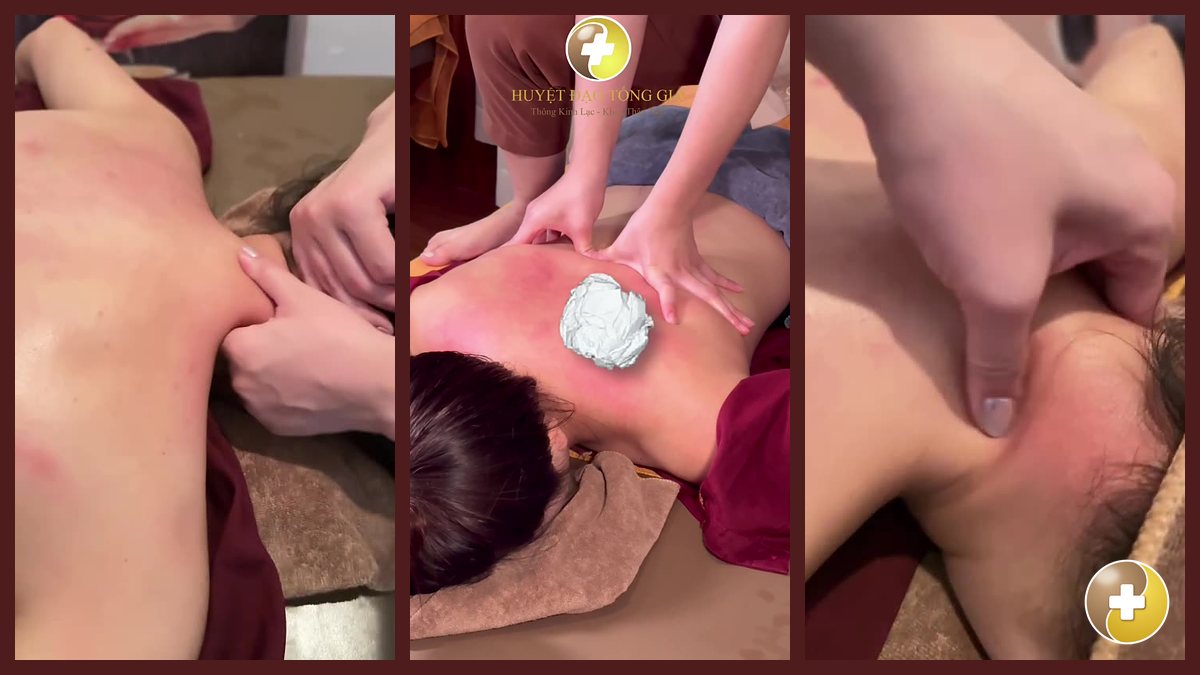
Quick answer: Calf pain after running usually comes from overloaded muscle when you add distance, hills, new shoes or run short of water; even aching in both calves fades within days. A pop, bruising, being unable to rise onto your toes, or one swollen, hot calf needs a check. Tong Gia Acupoint Wellness (Huyệt Đạo Tống Gia) in District 12 and Vinhomes Grand Park, Ho Chi Minh City, cares for runners' calves by hand.
Want Lương Y Tống Văn Huynh’s team to read your spine and posture in person?
What is calf pain after running?
With every stride the calf contracts to push you up and forward, then has to brake as the foot lands. In Western medicine the calf is made of the gastrocnemius near the surface and the soleus underneath; together they form the Achilles tendon on the heel bone. A 5 km run means several thousand of these contractions, so calf pain after running is something most runners meet, from beginners to half-marathoners.
Three patterns are common. First, both calves ache, worst the next morning or the day after, and stairs feel tight: usually delayed-onset muscle soreness, which is harmless. Second, a sudden sharp pain in one calf mid-run, as if hit by a stone: often a strain or small tear. Third, pain low in the calf near the Achilles tendon, stiff on the first steps out of bed: often an overloaded tendon.
So the real question is which kind you have. Most is overloaded muscle that eases within days; some needs a medical check of the muscle, tendon, blood vessels or nerves. This guide helps you tell them apart, explains when to see a doctor first, and shows how Tong Gia Acupoint Wellness (Huyệt Đạo Tống Gia) looks at a runner's calves through Eastern wellness, Y Tướng Học (Vietnamese face and body reading) and spinal nerve-reflex balancing.
Running is growing fast in Ho Chi Minh City: loops around the Vinhomes Grand Park lake and park, riverside routes in Thu Duc, Quang Trung Software Park in District 12, weekend run clubs and community races. We often see calf pain in runners a few months in who increased distance quickly, in people training for a race who added hill or bridge repeats and speed work, and in those running at midday with too little water.
Common causes: habits, shoes, terrain and environment
These groups follow Western medicine and help you describe the problem to medical staff; they are not for labelling yourself, and several can overlap.
- Too much, too soon. 10 km last week, 20 km this week, plus intervals, bridge repeats or a race. The calf has not adapted, tiny muscle-fibre injuries build up, and soreness peaks 24–48 hours later.
- Muscle strain. A sudden surge, a sprint finish or a jump over a puddle; sometimes a "pop", sharp pain in one spot, then difficulty rising onto the toes and possible bruising. Common over 35 without a proper warm-up. Stop running and get it assessed.
- Foot strike and shoes. Landing on the forefoot, or switching to thin, low-drop shoes without a gradual transition, loads the calf and Achilles much more. Worn-out soles add to it, as does over-striding with the foot landing far in front of the body.
- Hills, bridges and hard surfaces. Uphill makes the calf push hard; downhill makes it brake while lengthened, a type of contraction that often causes soreness afterwards. Concrete pavements and uneven roads add fatigue.
- Heat, fluid loss and cramps. Saigon is hot and humid all year. Running at midday, sweating a lot and drinking little makes muscles tire and cramp; after a cramp the calf can feel bruised for one to two days.
- Calves already tight from sitting or standing. Office workers sit with bent knees all day; shift workers stand. Tight muscle under running load gets sore faster.
- Pain from the lower back, or vascular causes. An irritated lower-back nerve root can send pain or tingling from the buttock to the calf. Less often, pain appears at the same distance every run with tightness and numb feet and goes with rest: this needs assessment. One swollen, hot, red calf can be a blood clot.
Other signs to watch
- Even aching in both calves after one to two days, easing with light walking: usually overload.
- One painful spot, bruising, difficulty rising onto the toes: think strain or tear.
- Pain and stiffness near the Achilles tendon in the morning that eases as you move.
- Pain along the inner shin bone rather than the calf: a different runner's overload that needs rest.
- Tingling or pain spreading down from the buttock.
- Pain behind the knee when straightening the leg.
- Light sleep, dry eyes, brittle nails or night cramps alongside.
When to see a doctor
Please see a doctor first, and do not rely on massage alone, if any of these apply:
- One calf swollen, warm, red and increasingly painful, especially after a long flight, bed rest or surgery: get checked at once as this can be a blood clot, and do not have it massaged. With chest pain, breathlessness or cold sweats, call 115 (Vietnam's emergency number).
- A "pop" while running, sharp pain, bruising, inability to rise onto your toes, or a kicked feeling right at the heel tendon.
- Pain that appears at the same distance every time, with tightness and numb feet, and goes with rest, again and again.
- Numbness, weakness, a cold or pale foot.
- Pain with fever, unexplained weight loss or ongoing tiredness.
- No improvement after one to two weeks of rest and self-care.
If a doctor is already following you, keep to that advice and tell the practitioner before the session. This is a wellness service, not medical care.
The Y Tướng Học view: Liver sinews, Spleen muscles, Kidney bones
Y Tướng Học rests on one idea: what is inside shows outside. In the Tong Gia curriculum, a runner's calves relate to three Eastern organ systems:
- The Liver governs the sinews and stores blood. It nourishes tendons and ligaments and sends blood to the muscles during movement; when weak, muscles stiffen and cramp. The curriculum also lists "tired with exertion, reduced endurance" under the Liver's energy-storage role.
- The Spleen governs the muscles and limbs. It turns food into the energy and blood that feed the muscles; imbalance shows as tired limbs and soft, weak muscle. Running on an empty stomach means slower recovery.
- The Kidney governs the bones. It is linked with the bones and lower back; weakness shows as an aching lower back, tired knees and legs that tire from standing.
On the face and body, the Liver shows in the eyes, nails and tendons; the Spleen in the lips and muscle tone; the Kidney in the ears, hair, bones and lower back. Among the ten face shapes, the curriculum describes the long, narrow, thin face as having weaker energy and blood with loose muscles. This is a traditional reference for choosing where to examine first, not a medical conclusion. More on face reading for wellness.
Spine segments and nerve-reflex areas involved
In the Tong Gia curriculum, the lumbar spine (L1–L5) serves digestion, kidneys, urinary and reproductive function and the legs; the sacrum (S1–S5) serves elimination and the lower pelvis. The muscle–bone–joint group is worked through C5–C7, L1–L5 and S1–S5. In Western medicine, the calf is driven by the tibial branch of the sciatic nerve, mainly from L5–S2. Runners usually carry tension through the buttocks, hamstrings and low back too, so Tong Gia reads the whole chain.
| Segment / area | Nerves / function | Common signs | Eastern organ |
|---|---|---|---|
| T7–T9 (Liver point area) | Liver and gallbladder, long back muscles | Tight tendons, cramps, low endurance | Liver (sinews) |
| T11–T12 (Spleen and Stomach points) | Digestion, making energy and blood | Legs tire fast, slow recovery after runs | Spleen (muscles) |
| L2 (Kidney point, Mingmen) | Kidneys, lower back muscles | Aching back and knees, heavy legs | Kidney (bones) |
| L4–L5 | Lower lumbar roots: front of shin, ankle | Tired ankles, front-of-shin pain | Liver, Kidney |
| L5–S2 | Sciatic nerve, tibial branch: calf, Achilles | Calf and heel-tendon pain, weak push-off | Liver, Kidney |
How Tong Gia works: spinal nerve-reflex balancing massage
The method was developed by Lương Y Tống Văn Huynh, founder of Tong Gia and a master of traditional Vietnamese wellness with over 13 years in Eastern wellness, Y Tướng Học and spinal nerve-reflex balancing. A session for a runner with calf pain follows these steps:
- Observe and ask: which side, after which run, what distance, hills or speed, any pop, bruising, swelling or numbness, any medical check. A freshly strained, bruised, hot or swollen calf is not worked on directly. Eyes, nails, lips, ears and calf muscle tone are observed.
- Read the spine by hand: skin temperature, muscle layer, vertebra shape and your sensations, comparing left with right.
- Locate the key area and point: usually the low back, sacrum and mid-back; only overactive (warm, tight, more painful) areas are worked directly.
- Release the muscles: back, low back, buttocks, hamstrings, back of the knee, calves, Achilles and soles, with a "sensation wave" of steady, tolerable ache building from one finger; fibrous bands are released across the fibres.
- Press the right points: the Liver and Spleen points on the back; the Kidney point and Mingmen at L2; the point in the middle of the knee crease; the Liver channel point the curriculum uses for stiff tendons and cramps; the Kidney point between the inner ankle bone and the Achilles tendon.
- Stop at the right time: when the skin over the key point turns from dry to slightly moist and its temperature normalises.
- Home guidance: two calf stretches, how to build distance, shoes, and rest days.
Suitable services (same price at both branches; see the full price list):
- Tired, heavy legs care, 60 min: 500,000 VND (about 19 USD), for aching, tight calves after long runs.
- Lower back care, 60 min: 550,000 VND (about 21 USD); first visit 399,000 VND (about 15 USD), when calf pain comes with a tight low back and buttocks.
- Extra 30 minutes on one area: 199,000 VND (about 8 USD), for more work on the calves and Achilles.
See also sports recovery massage, foot massage, and the guides massage after running in Thu Duc: Q&A, massage after running: what a session is like and massage in Thu Duc City: Q&A.
A typical session
This is a composite of many sessions, not one guest's story. A woman of about 34 working in HR in District 12 had been running for a year and was training for a half marathon, adding weekly bridge repeats. For two weeks her right calf ached after every hill session; the next morning stairs felt tight and the lower calf near the tendon was stiff. She had been checked, an ultrasound showed no tear, and she was told to cut back on hills and stretch. The practitioner noticed pale lips, and she mentioned running early on an empty stomach; her right calf was harder than the left. Reading the spine, L5–S1 on the right was warm and tight and the Spleen point area was tense. The session released the back and pressed the Spleen, Liver and Kidney points, then the buttocks and hamstrings with the knee-crease point, then worked the calf and Achilles. By the end she said her legs felt warm and light. She was advised to eat something light before running, reduce hill work for now, do both calf stretches after every run, and check the soles of shoes she had run in for over a year.
What guests feel during and after
The tender spots are usually the calves, buttocks and hamstrings; many runners are surprised how tight their buttocks are. As these soften, the legs feel lighter, the ankles move more freely and walking feels smoother. Many sleep deeply afterwards; some feel mild calf soreness for about a day. Everyone is different. Tong Gia helps rebalance the related muscles and spine areas; it does not promise that pain will be gone after one session.
Want Lương Y Tống Văn Huynh’s team to read your spine and posture in person?
Home care and prevention
- Build gradually: add a little distance each week, and never increase distance, speed and hills all at once; put rest or easy-walk days between hard sessions.
- Warm up and cool down: 5–10 minutes of brisk walking, easy jogging and ankle circles before; a few minutes of walking after.
- Stretch the calf two ways: hands on a wall, back leg straight with the heel down for 20–30 seconds, then bend the back knee slightly to reach the deeper muscle. Do not stretch hard on a bruised or swollen calf.
- Shoes and form: replace worn shoes; change shoe type or foot strike gradually over several weeks; shorter steps landing under the body.
- Water, food and sleep: run early or late, drink enough, eat lightly before, and sleep enough for the muscles to recover.
Book a session
- District 12: 225 Dương Thị Mười, Phường Tân Chánh Hiệp (Tan Chanh Hiep Ward, District 12). Open 8:00–19:00 daily.
- Vinhomes Grand Park, District 9: Căn T16-21 khu Manhattan, Phường Long Bình, TP. Thủ Đức (Unit T16-21, Manhattan zone, Long Binh Ward, Thu Duc City). Open 9:00–20:00 daily.
Book online or call, Zalo or WhatsApp +84 888 264 559. Tell us which calf, after which run, any bruising, swelling or numbness, and whether you have had a check. Real guest reviews are on each branch's Google Maps page. Living in or visiting Ho Chi Minh City? Come and try a Vietnamese Eastern wellness method built by Lương Y Tống Văn Huynh.
Visit us
- Đông Y Huyệt Đạo Tống Gia Quận 12 (District 12)
225 Dương Thị Mười, Phường Tân Chánh Hiệp, Quận 12, HCMC · 8:00–19:00 daily · 0888 264 559 · Directions on Google Maps - Đông Y Huyệt Đạo Tống Gia Quận 9 (Vinhomes Grand Park, District 9)
Căn T16-21 khu Manhattan, Vinhomes Grand Park, Phường Long Bình, TP. Thủ Đức, HCMC · 9:00–20:00 daily · 0888 264 559 · Directions on Google Maps
Want Lương Y Tống Văn Huynh’s team to read your spine and posture in person?
FAQ
Is calf pain after running something to worry about? Even aching in both calves one to two days after a long, hilly or fast run is usually overload and fades. Get checked if one calf is swollen, hot and red, if you felt a pop, see bruising or cannot rise onto your toes, or if pain appears at the same distance every run with numb feet.
Should I keep running if my calf hurts? With a sudden sharp pain in one spot, stop, walk home and watch it; with bruising or difficulty rising onto your toes, see a doctor. With mild, even soreness you can slow down, shorten the run and rest one to two days before the next.
How long does calf soreness from running last? Post-run muscle soreness usually eases in two to four days with sensible rest and light walking. A strain or small tear takes longer and should be assessed. If it has not eased after one to two weeks, get checked.
Is massage good for a strained calf? In the first days after a strain, a bruised or swollen spot should not be massaged directly; get it assessed. Once settled, acupressure massage on the buttocks, hamstrings and calves helps the muscles feel softer and warmer. Never massage a hot, swollen, red calf.
What helps tired legs after running? Walk a few minutes after the run, do both calf stretches, drink enough, eat a proper meal and sleep well; a warm foot soak in the evening is fine if the legs are not swollen or hot. Keep the next run easy or rest.
Is calf pain from other sports the same as from running? The mechanisms are similar: overload, strain, cramp. Jumping and quick-turn sports such as badminton, pickleball and football more often cause sudden strains. A pop, sharp pain or inability to rise onto your toes needs a check.
Author: Lương Y Tống Văn Huynh – founder of Huyệt Đạo Tống Gia, a master of traditional Vietnamese wellness with over 13 years in Eastern wellness care, Y Tướng Học (face reading) and spinal nerve-reflex balancing massage.
Updated: 2026-11-17
Related guides
- Cramp while swimming: six steps in the water, common causes, and how Tong Gia can help
- Calf pain: seven common causes, warning signs, and how Tong Gia can help
- Calf pain after running: seven common causes, warning signs, and how Tong Gia can help
- Knee pain from standing all day: why standing jobs strain the knees and how to look after them
- Knee pain in older adults: common causes, when to get checked and safe wellness care
- Tired legs from varicose veins: why legs feel heavy, when to get checked, and how Tong Gia cares for them safely
This is a wellness service, not medical care.