
Burnout exhaustion: understanding work-related depletion and how Vietnamese traditional care can help you rebalance
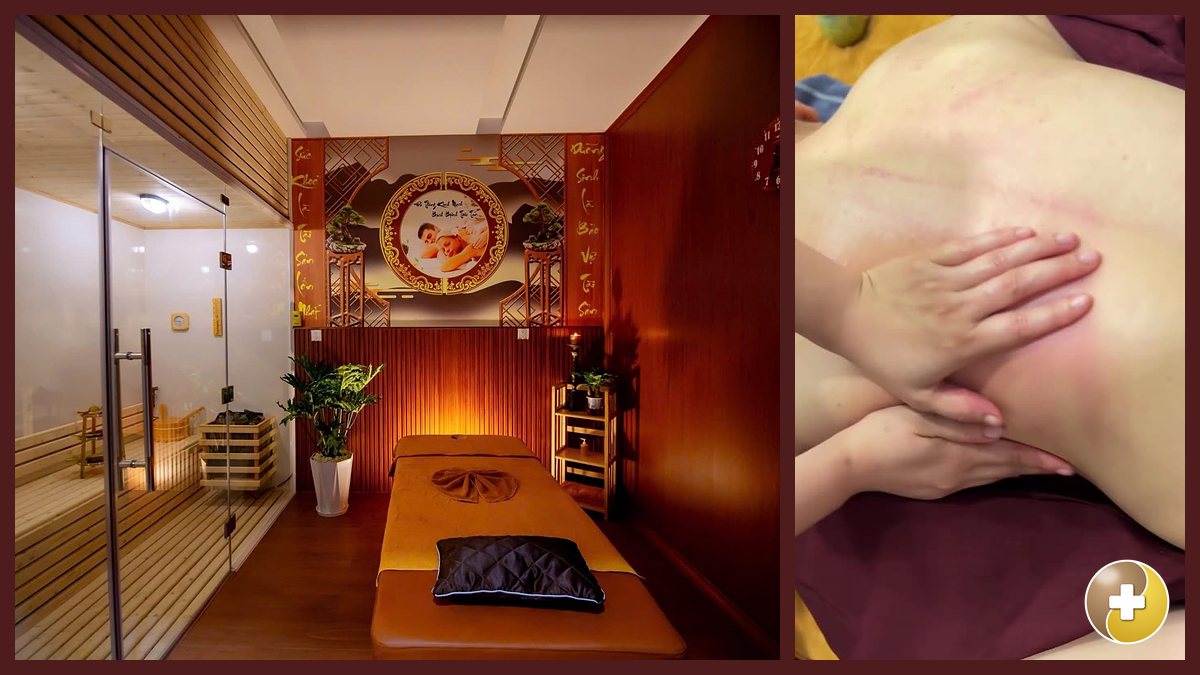
Quick answer: Burnout is long-lasting depletion caused by work stress: you feel drained even after sleep, detached from your job and less effective. A weekend off rarely fixes it. In Ho Chi Minh City, Tong Gia helps the body relax and rebalance through the spine; serious warning signs need a doctor first.
Want Lương Y Tống Văn Huynh’s team to read your spine and posture in person?
What is burnout exhaustion?
The World Health Organization describes burnout as an occupational phenomenon: a state that comes from chronic workplace stress that has not been managed well. It shows up in three ways: a feeling of energy depletion or exhaustion; mental distance from your job, or cynicism about it; and reduced effectiveness at work. It is not a disease label. It is a name for something a great many people quietly live with.
In Western physiological terms, long-term pressure keeps the stress response switched on. The sympathetic nervous system, the "fight or flight" side, runs for most of the day, while the parasympathetic side that handles rest, digestion and deep sleep rarely gets its turn. The body behaves like a car stuck in a high gear: neck and shoulders braced, breathing shallow, sleep broken, meals irregular. Over time, one or two days off are no longer enough to recharge.
In Ho Chi Minh City this picture is familiar to many expats and Vietnamese professionals alike: office workers in District 1 answering emails past midnight because head office is in another time zone, engineers at the Hi-Tech Park on rotating shifts, founders running online shops around the clock, parents juggling a job, small children and elderly relatives. Many do not recognise burnout; they just feel "lazy lately" and heavy the moment they think about work.
Ordinary tiredness vs burnout
| Aspect | Ordinary tiredness | Burnout |
|---|---|---|
| Cause | One hard day, one short night | Work pressure lasting weeks or months |
| After rest | A good sleep or a weekend helps | Still drained; thinking of work feels heavy |
| Feelings about work | Still motivated, just tired | Detached, cynical, questioning the point |
| Performance | Dips briefly | Drops clearly; forgetful, hard to focus |
| Body | Tired muscles, sleepy | Braced neck, headaches, broken sleep, poor appetite |
Common causes of burnout
Burnout rarely has a single cause. It is the sum of many small pressures plus the absence of real recovery:
- Overload that never ends: overtime as the norm, laptops open at weekends, one deadline after another.
- Little control: constantly changing requests and no say in how the work is done.
- Effort that goes unseen: working hard without visible results or thanks breeds a sense of pointlessness.
- Blurred boundaries: messages at 11 pm, remote work with no finishing time, calls across time zones.
- Short or shifted sleep: shift work, late nights, screens right up to bedtime, jet lag from frequent travel.
- Long hours sitting: neck and upper back braced in front of a screen all day, breathing shallow.
- Life outside work: caring for children or parents, money worries, or the strain of settling in a new country. Perfectionists and people who find it hard to say no are pulled in faster.
The Tong Gia curriculum notes that inactivity, stress and late nights raise heart rate and blood pressure and leave the body unable to recover through sleep. That is the key point: burnout lives not only in the mind but in the autonomic nervous system that runs along the spine.
Related signs to watch for
- Waking up tired after enough hours, or struggling to fall asleep despite being exhausted; waking at night thinking about work.
- A stiff neck and shoulders that feel like they carry stones; a tight-band headache across the forehead and temples.
- Palpitations, frequent sighing, a heavy chest when you think about work.
- Poor appetite, bloating, or constant snacking to cope.
- Snapping at loved ones and then feeling guilty; losing interest in things you used to enjoy.
- Forgetfulness, rereading the same paragraph, trouble making small decisions.
- Catching every cold that goes around during busy periods.
If these have lasted more than a few weeks, see them as the body asking for genuine rest, not as a reason to push a little harder. If neck tension is the loudest symptom, see our neck and shoulder massage Q&A.
When to see a doctor
Long-lasting fatigue can have causes other than work: anaemia, thyroid problems, blood sugar issues, sleep apnoea, depression or anxiety. Please see a doctor at a medical facility if you have:
- Fatigue lasting more than 2–3 weeks despite rest, with unexplained weight loss, a lingering low fever, pale skin or dizziness: get checked at a medical facility in parallel.
- Low mood or emptiness most of the day for over two weeks, or thoughts of self-harm: contact a health professional or someone close to you right away; do not stay alone.
- Insomnia for weeks, loud snoring with pauses in breathing, or falling asleep while driving.
- Racing or irregular heartbeat, dizziness or fainting.
- A sudden severe headache, headache with vomiting, weakness in a limb or slurred speech.
Chest pain or tightness, shortness of breath, cold sweats: call 115 immediately. This is a wellness service, not medical care. Hands-on care helps the body relax; it does not replace a medical check-up or professional psychological support.
The face-reading view (Y Tướng Học): which organ systems are involved
Y Tướng Học (face reading for wellness) holds that "what is outside reflects what is inside": inner imbalance shows in complexion, posture and muscle tone. According to the Tong Gia curriculum, burnout relates to four organ systems in the functional sense of Eastern medicine (not the anatomical organs):
- Heart (Tâm) houses the spirit: it governs mind, awareness, thinking and sleep. When weakened: insomnia, vivid dreams, forgetfulness, palpitations.
- Liver (Can) keeps qi flowing and stores blood: prolonged pressure causes Liver qi stagnation, with tension, irritability, difficulty relaxing and tight tendons. When Liver blood is depleted, the body recovers slowly.
- Spleen (Tỳ): overthinking harms the Spleen; the curriculum notes stress easily brings bloating and digestive upset.
- Kidney (Thận) stores essence: the root of energy. Overwork depletes it, leading to nervous exhaustion, ringing ears, light sleep and lower-back fatigue.
Signs often seen in exhausted guests, according to the curriculum:
- Pale or sallow skin: Heart–Spleen deficiency; dizziness, breathlessness, palpitations, poor sleep.
- A sunken area or vertical line between the eyebrows with tight muscles: deep-seated stress, frequent sighing, a pressed chest, tension in the face and neck.
- Muscles hard as wood to the touch: qi and blood stagnation from high mental pressure, deep spasm in the trapezius and the long back muscles.
- A wide forehead with a pointed chin: a tendency to "excess above, deficiency below": headaches and poor sleep above, tired knees and a cold lower back below.
- A long, narrow, thin face: deficiency of qi and blood; thin back muscles that need very light pressure.
These are cues for where to feel first, never a judgement on anyone's health or character. Learn more in our Eastern face reading Q&A.
Spinal segments and nerve-reflex zones involved
The curriculum maps the 33 vertebrae: cervical C1–C7 for head, face, neck and arms; thoracic D1–D12 for circulation, breathing and digestion; lumbar L1–L5 for digestion, kidneys, urinary system and legs; sacral S1–S5. The head is the centre of the central nervous system; the spine is where the autonomic nervous system branches out. For the "nervous system and mind" group (long-term headaches, insomnia, nervous exhaustion) the curriculum works on C1–C7, D1–D3 and the sacral zone.
| Segment / zone | Nerve function | Common sign in burnout | Related organ system |
|---|---|---|---|
| C1–C3 (base of skull) | Head, face; deep suboccipital muscles | Tight-band headache, heavy head, light sleep | Kidney essence, Heart spirit |
| C4–C7, D1–D3 (neck, upper back) | Neck, shoulders, arms; breathing | Braced shoulders, shallow breath, sighing | Lung, Heart |
| D4–D5 (Jue Yin Shu, Heart Shu) | Circulation, chest | Palpitations, chest tightness when anxious, insomnia | Heart |
| D9–D11 (Liver Shu, Spleen Shu) | Digestion, liver and gallbladder | Irritability, bloating, erratic eating | Liver, Spleen |
| L1–L3 (Kidney Shu) and sacrum | Kidneys, urinary system, legs | Tired lower back, heavy legs, running on empty | Kidney |
The table shows "related" zones for choosing where to read and work, not conclusions about illness. Acupoints do not act directly on internal organs; working them helps harmonise qi and blood and supports relaxation, in traditional terms.
The Tong Gia method: spinal nerve-reflex balancing massage
Tong Gia Acupoint Wellness (Huyệt Đạo Tống Gia) was founded by Lương Y Tống Văn Huynh, a master of traditional Vietnamese wellness with over 13 years in Eastern-medicine wellness care, face reading and spinal nerve-reflex balancing. This is a Vietnamese traditional method he built, taking the head and spine as its foundation and following three "no" rules: no chemicals or herbal products by injection or by mouth, no needles, no rough force. For someone already braced from stress, that matters: heavy pressure only makes the body tense up more.
- Ask and observe: sleep, appetite, work rhythm; complexion, the area between the eyebrows, shoulder posture, breathing. Warning signs mean we recommend a doctor first.
- Read the spine by hand: from C1 down to the sacrum, checking four objective factors: skin temperature, the muscle layer, the shape of each vertebra and sensation. Warm, tight zones get focus; cool, slack zones are not pressed hard.
- Muscle release: softening the base of the skull, trapezius and long back muscles with pressure rising from light to moderate; for thin muscles, gentle vibration that the curriculum reserves for nervous exhaustion.
- Acupressure on the right zones: Bai Hui at the crown to clear the head; Heart Shu and Jue Yin Shu on the upper back; Liver Shu for stagnation; Kidney Shu for a cold, tired lower back; Nei Guan and Shen Men on the wrist for palpitations and poor sleep.
- Stop at the right moment and teach self-care: work ends when the skin over the key point turns from dry to slightly moist; then breathing and self-acupressure tips.
Suitable services and prices
- Head care, 60 minutes: 750,000 VND (about 29 USD) for a heavy, tight-band head and broken sleep.
- Heart wellness care, 75 minutes: 750,000 VND (about 29 USD) for palpitations, sighing and difficulty sleeping.
- Neck and shoulder care, 60 minutes: 550,000 VND (about 21 USD); first visit 399,000 VND (about 15 USD) for shoulders braced after long screen days.
Full list on the price page. Poor sleep is often part of burnout; see our acupressure for sleep Q&A, and for a gentle head ritual, the Vietnamese head spa Q&A.
A typical session
One Saturday afternoon at the District 12 branch, the guest was a finance team lead in the middle of year-end closing, who said she had been sleeping five hours a night for three months and felt her chest tighten at the thought of her inbox. The practitioner checked first: no chest pain, no weight loss, a recent routine health check. Her complexion was slightly sallow, there was a vertical line between her brows, her shoulders were raised and her breathing shallow. Reading the spine, the base of the skull and D1–D5 were warmer, with muscles hard as cords, while the lower back was slightly cool and slack. The practitioner released the neck and shoulders lightly, used vibration along the upper back, pressed Bai Hui, Heart Shu and Liver Shu, then warmed the Kidney Shu area without pressing the cool zone. Near the end she drifted off for a few minutes. Before leaving she learned 4–6 breathing and Nei Guan self-acupressure.
What guests feel during and after
During the session many feel the back of the neck and the space between the shoulder blades gradually let go, breathing deepens on its own, and some doze off. Afterwards the head feels lighter, the shoulders drop and sleep that night comes more easily. Everyone is different; burnout is rooted in how we work and rest, so Tong Gia does not promise that exhaustion will vanish after one visit. It offers the body a real pause and supports rebalancing.
Want Lương Y Tống Văn Huynh’s team to read your spine and posture in person?
Self-care at home and prevention
- 4–6 breathing: in through the nose for 4 seconds, out slowly for 6, for 5–10 minutes a day. Long exhales pull the nervous system towards rest.
- Press Nei Guan and Shen Men: gently, 1–2 minutes per side, when anxious or before bed.
- Set a work cut-off: mute notifications after a fixed hour and keep the phone out of the bedroom.
- Short naps of 15–30 minutes if possible; stand and move for 5 minutes every 45–60 minutes of sitting.
- Speak up: discuss workload with your manager and share tasks at home. Burnout needs change at the source, not just endurance.
How to book
Both branches are open every day. You can check real reviews on each branch's Google Maps profile before you come:
- District 12: 225 Dương Thị Mười, Phường Tân Chánh Hiệp (Tan Chanh Hiep ward). Open 8:00–19:00 daily.
- Vinhomes Grand Park, District 9: Căn T16-21 khu Manhattan, Phường Long Bình, TP. Thủ Đức (unit T16-21, Manhattan zone, Long Binh ward, Thu Duc City). Open 9:00–20:00 daily, handy after late work.
Call, Zalo or WhatsApp +84 888 264 559, or book online. Mention briefly how you feel (long-term fatigue, poor sleep, headaches) and choose a time when you do not have to rush back to work. If you are living in or visiting Ho Chi Minh City, it is a calm way to experience a Vietnamese traditional method; first-timers may like our traditional Vietnamese massage Q&A.
Visit us
- Đông Y Huyệt Đạo Tống Gia Quận 12 (District 12)
225 Dương Thị Mười, Phường Tân Chánh Hiệp, Quận 12, HCMC · 8:00–19:00 daily · 0888 264 559 · Directions on Google Maps - Đông Y Huyệt Đạo Tống Gia Quận 9 (Vinhomes Grand Park, District 9)
Căn T16-21 khu Manhattan, Vinhomes Grand Park, Phường Long Bình, TP. Thủ Đức, HCMC · 9:00–20:00 daily · 0888 264 559 · Directions on Google Maps
Want Lương Y Tống Văn Huynh’s team to read your spine and posture in person?
FAQ
What is burnout exhaustion? It is long-lasting depletion caused by work stress, recognised by three signs: feeling drained even after rest, detachment or cynicism about your job, and clearly reduced effectiveness. It is an occupational phenomenon, not a disease name.
Is burnout dangerous? Burnout itself is not an acute illness, but over time it can bring insomnia, headaches, digestive upset, frequent colds, and it can overlap with depression or anxiety. Fatigue over 2–3 weeks with weight loss or persistent low mood should be checked by a doctor.
What should I do first if I feel burned out? Rest for real: enough sleep, no work notifications after hours, 4–6 breathing daily and light movement. In parallel, talk to your manager about workload. If you have warning signs, see a doctor before anything else.
Can massage help with burnout? Massage cannot change the causes at work, but it helps braced neck and shoulders let go, slows breathing and makes sleep easier. At Tong Gia, practitioners read the spine by hand, then use muscle release and acupressure on the neck and upper back to support rebalancing.
How long does it take to recover from burnout? It depends on severity and on changes to your routine. Many people feel lighter after a few weeks of proper sleep and a lighter load; others need longer. If rest brings no improvement, see a doctor and look for professional psychological support.
I wake up tired every day. Is that burnout? Possibly, but it may also be anaemia, thyroid issues, sleep apnoea or depression. If the tiredness is not linked to a period of work pressure, or comes with weight loss, fever or pale skin, get checked at a medical facility.
Author: Lương Y Tống Văn Huynh – founder of Huyệt Đạo Tống Gia, a master of traditional Vietnamese wellness with over 13 years in Eastern wellness care, Y Tướng Học (face reading) and spinal nerve-reflex balancing massage.
Updated: 2026-11-16
Related guides
- Better sleep without sleeping pills: 8 natural options and which one suits you
- Burnout exhaustion: understanding work-related depletion and how Vietnamese traditional care can help you rebalance
- Does massage reduce stress? What changes in your body after one session, and when to see a doctor
- Head massage for better sleep: why touching the scalp, temples and neck helps your body drift off
- Stress insomnia: why you are exhausted yet cannot sleep, and what your body needs
- Can't sleep? What to do tonight, over the next two weeks, and when to get checked
This is a wellness service, not medical care.