
Stress insomnia: why you are exhausted yet cannot sleep, and what your body needs
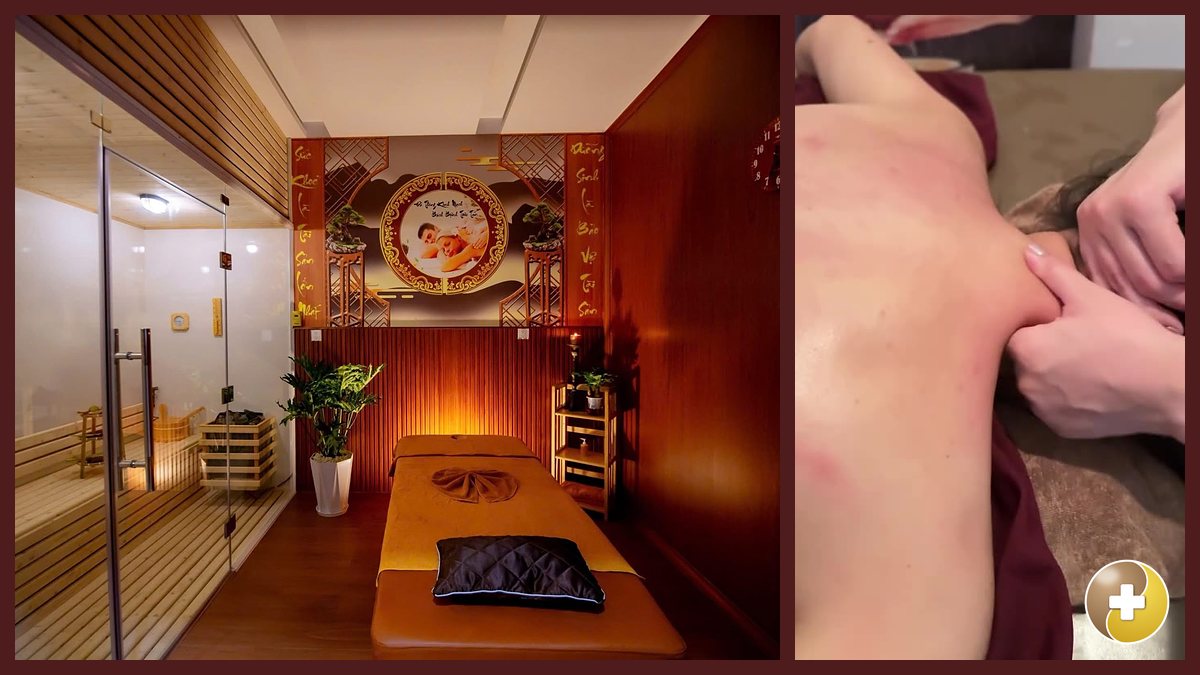
Quick answer: Stress insomnia happens when pressure keeps your nervous system in alarm mode into the night: you lie awake or wake at 2–3 am. In Eastern terms it touches the Heart and Liver. Tong Gia Acupoint Wellness in Districts 12 and 9, Ho Chi Minh City reads your spine by hand to help you rebalance.
Want Lương Y Tống Văn Huynh’s team to read your spine and posture in person?
What is stress insomnia?
Many guests describe the same night to us. You are drained all day and can't wait to lie down, but the moment the lights go off your brain lights up: the deadline, the message from your manager, the visa paperwork, the school fees, the call with family back home. You toss for an hour or two, finally drift off, then jolt awake at 2 or 3 am with your heart pounding and no way back to sleep. That is stress insomnia. Sleep is not missing because you are not tired; it is missing because your body has not been given permission to rest.
The Western explanation: under pressure, the brain switches on the sympathetic nervous system and the hypothalamic–pituitary–adrenal axis. Your body releases adrenaline and cortisol so you stay alert and handle urgent things. Normally cortisol falls through the evening, the parasympathetic system slows your heart, muscles let go, and the brain moves into sleep mode. When stress drags on for weeks, that rhythm flips: there is still "alarm chemistry" at night, your neck and shoulders stay braced, your heart rate stays up, and your mind keeps scanning for risks. Sleep researchers call this hyperarousal, and it is one of the most common groups of causes of insomnia in adults.
Stress insomnia usually shows up in three patterns, sometimes all together:
- Trouble falling asleep: still awake after 30 minutes, and the harder you try the more awake you feel.
- Waking in the night: often between 1 and 3 am, with palpitations, heat and a busy mind.
- Waking too early: eyes open at 4 or 5 am, tired but unable to sleep again.
According to the Tong Gia curriculum, stress raises heart rate and blood pressure, and poor sleep means the body does not recover. A loop begins: less sleep makes you more irritable and anxious the next day, and more worry makes the next night harder. In Ho Chi Minh City we see this pattern a lot in expats: managers juggling time zones, engineers in the Saigon Hi-Tech Park on project deadlines, teachers marking late, entrepreneurs watching cash flow, and newcomers still adjusting to heat, noise and a new language.
Common causes: why stress keeps your brain awake
Stress on its own rarely steals sleep; the habits that travel with stress stop the brain from switching off. The sources we meet most often:
- Work in bed: answering email and chat until 11 pm, or late calls with Europe or the US. A brain that has just solved a hard problem cannot drop straight into sleep.
- Screens before sleep: social media and news keep the brain alert with light and stimulation.
- Coffee as a crutch: short sleep means a strong Vietnamese iced coffee in the morning and another in the afternoon, then trouble sleeping again.
- Skipped meals and late dinners: a rushed lunch, a heavy dinner, then straight to bed with a full stomach.
- Hunched posture and shallow breathing: the Tong Gia curriculum notes that shallow breathing and a rounded back limit the diaphragm, so the lungs never fully open and you tire, run short of breath and feel tense more easily.
- Too little movement: the body has no way to burn off stress hormones.
- Jet lag and shifting hours: frequent flights, shift work, late weekends then early Mondays.
- Family, money and health worries: concerns with no deadline that last for months.
Most people who visit us have two or more of these at once. That is why caring for sleep is not just "pressing a few points": it is helping the body relearn a rest rhythm while you sort out the source of the pressure.
Other signs to watch
- A racing heart when you lie down, startling at small noises.
- Stiff neck and shoulders, headaches at the back of the head or the temples, grinding teeth at night.
- A tight chest, frequent sighing, a feeling that you can't breathe deeply.
- Lots of dreams about work; waking up as if you never slept.
- Bloating, burping and poor appetite when tense.
- Hot palms and soles at night, night sweats.
- Daytime irritability, forgetfulness, poor focus, dry tired eyes.
When to see a doctor
Please see a doctor at a medical facility if you notice any of the following:
- Crushing chest pain, shortness of breath or cold sweats, or pain spreading to the left arm or jaw: call 115 (Vietnam's ambulance line) immediately.
- Insomnia almost every night for more than a month, clearly affecting work or driving.
- Loud snoring or pauses in breathing that a partner notices, morning headaches, falling asleep during the day.
- A very fast or irregular heartbeat with dizziness or near fainting; repeatedly high blood pressure.
- Unexplained weight loss, shaking hands, heavy sweating: get checked at a medical facility alongside any wellness care.
- Persistent low mood, loss of interest in everything, or thoughts of harming yourself: tell someone close to you today and contact a mental health professional.
- If you already follow advice from medical staff for sleep, heart or thyroid, keep following it and tell your practitioner before the session.
This is a wellness service, not medical care.
The Y Tướng Học view: the Heart houses the spirit, the Liver keeps things flowing
Tong Gia's method draws on Y Tướng Học (face reading for wellness), a Vietnamese school of Eastern observation. An old classic says the Heart is the "sovereign" organ from which clarity of mind comes. The Tong Gia curriculum describes the Heart as housing the spirit: mind, awareness, thinking and sleep. When the Heart is out of balance you see poor sleep, many dreams and forgetfulness. The curriculum is clear that "Heart" insomnia in Eastern terms does not mean heart disease; it is the name for a system that includes mood and sleep.
For stress insomnia the curriculum points to three directions:
| Pattern (Eastern view) | Often seen in | How sleep is affected | Other signs |
|---|---|---|---|
| Liver qi stagnation, Liver fire | People under pressure who hold anger in | Hard to fall asleep, vivid dreams, light sleep | Tight chest, sighing, irritability, red dry eyes, headaches |
| Heart and Spleen weakness from worry | Worriers, desk-based thinkers, irregular eaters | Broken sleep, many dreams, easily startled | Palpitations, poor appetite, forgetfulness, pale face |
| Heart and Kidney out of contact | Long-term night owls, people in midlife | Waking in the night, hard to sleep again | Hot palms and soles, night sweats, tired lower back and knees |
In this view the Liver keeps qi flowing; when it stagnates you feel chest tightness, irritability and poor sleep. Too much worry drains the Spleen and Heart blood, bringing palpitations and poor appetite. Heart and Kidney work like fire and water: fire should warm downward and water should cool upward; when they lose contact you get insomnia, palpitations and tired knees. These are traditional concepts, not Western medical labels. Your practitioner uses them only to choose where to work.
What can be seen on the outside? Y Tướng Học holds that what appears outside reflects the organs inside. With stress-related sleep problems, the practitioner looks at:
- The space between the eyebrows: sunken, narrow, with vertical lines and tight muscles. The curriculum reads this as a sign of chest heaviness, sighing, palpitations and anxiety, with deep stress tightening the face, neck and shoulders.
- Eyebrows that meet in the middle: linked to deep Liver qi stagnation, chest tightness and a face that never fully relaxes.
- Messy brows growing in different directions: linked to strong Liver fire, restlessness, a quick temper and dream-filled sleep.
- The upper corners of the forehead: suddenly dull, grey or with a localised breakout, linked to heat in the Liver and Gallbladder, nightmares and dry eyes.
- Tongue and complexion: a red tip suggests Heart heat; a pale tongue and pale face suggest the Heart is under-nourished.
This is reference knowledge from one school of thought, used to decide where to look first. It never replaces a medical check and is never used to judge anyone's character. For more on this approach, see Eastern face reading for wellness.
Spine segments and nerve-reflex areas involved
According to the Tong Gia curriculum, the cervical spine C1–C7 relates to the head, face, neck and arms, and the thoracic spine relates to circulation, breathing and digestion. For the nerve and mood group, which includes long-term insomnia and nervous exhaustion, the curriculum combines C1–C7, the upper back D1–D3 and the sacral area. In Western anatomy, the sympathetic chain runs along both sides of the thoracic spine, so people under long stress often have thick, warm, tender muscles across the upper back. When that layer softens, many people notice their breathing deepens by itself.
| Spine segment | Nerves and function | Signs in stress insomnia | Related organ (Eastern view) |
|---|---|---|---|
| C1–C2 (base of skull) | Head, occiput, sleep–wake rhythm | Hot nape, heavy head, lying awake | Heart, Liver |
| C3–C7 | Neck, shoulders, arms | Braced shoulders, teeth grinding, tired arms | Liver |
| D1–D3 | Chest, heart, lungs, breathing | Tight chest, shallow breath, palpitations in bed | Heart, Lung |
| D4–D5 | Upper back behind the heart | Night waking, startling easily, many dreams | Heart |
| D7, D9 | Mid back, liver, gallbladder, stomach | Bloating, burping, irritability under stress | Liver, Spleen |
| Sacral area | Pelvic nerves | Light sleep, tired lower back, cold hands and feet | Kidney |
The table shows "related" areas for orientation only; it is not used to draw conclusions about illness.
How Tong Gia works: spinal nerve-reflex balancing massage
The method was built by Lương Y (master of traditional Vietnamese wellness) Tống Văn Huynh, founder of Tong Gia Acupoint Wellness (Huyệt Đạo Tống Gia), with over 13 years in Eastern wellness, Y Tướng Học and spinal nerve-reflex balancing. For stress insomnia, the goal is to help your body shift from alarm mode to rest mode: cool the head and nape, open the chest, soften the upper and mid back, so letting go is easier that night.
- Observation: complexion, the space between the brows, eyes, tongue, breathing, whether your shoulders ride up. Your practitioner asks which pattern you have, when you drink coffee and when you put the phone down.
- Reading the spine by hand: feeling skin temperature, gliding along the muscles beside the spine, checking each segment from C1 to the sacrum and comparing left and right. Stressed sleepers are often warm at C1–C2 and thick through D1–D5.
- Muscle release: the base of the skull, neck and shoulders, between the shoulder blades and along the mid back, with light to medium pressure and a slow, even rhythm. The curriculum uses a gentle vibration technique to create waves of relaxation for nervous exhaustion.
- Acupressure in the right places: Shen Men on the wrist crease, traditionally used to calm the mind and support sleep; Nei Guan, pressed gently for 1–2 minutes per side for tension and palpitations; Bai Hui at the crown to clear the head; Tai Chong on the top of the foot to ease tension; San Yin Jiao for fatigue and poor sleep (not used during pregnancy).
- Home guidance: how to press Shen Men and Nei Guan before bed, a slow breathing count, and a cut-off time for coffee and screens.
A typical session
A typical Heart wellness session with an office guest who has slept badly through a long project: the practitioner notices raised shoulders, short breaths, vertical lines between the brows and a red tongue tip. The guest says it takes over an hour to fall asleep and they wake again at 3 am. On the spine the nape is warmer than the back, the muscles beside D1–D5 are thick and pressing there sends a dull ache toward the chest. The practitioner starts at the feet with light pressure so the body gets used to touch, then moves to the neck, shoulders and upper back. Halfway through, breathing slows and many guests fall asleep on the table. The session ends with the head, the crown and the wrists, and the guest learns to press Shen Men with slow breathing at bedtime.
Suitable services and prices
- Heart wellness, 75 minutes: 750,000 VND (about 29 USD), when palpitations, chest tightness and night waking lead.
- Liver wellness, 75 minutes: 750,000 VND (about 29 USD), when irritability, a tight chest, dry eyes and a racing mind keep you from falling asleep.
- Head care, 60 minutes: 750,000 VND (about 29 USD), when a heavy head, tight temples and a hot nape stand out.
See the full price list (1 USD ≈ 26,000 VND).
What guests feel during and after
During the session most people feel a dull ache at the nape and between the shoulder blades, then warmth, deeper breathing and a lighter head. Many fall asleep briefly, which they rarely manage at home. Afterwards many tell us they fell asleep faster that night and woke with a clearer head; some feel sleepy and want an early night, a common sign that the body has moved into rest mode. Everyone responds differently. Tong Gia helps your body rebalance and does not promise to end insomnia, since the source of the pressure still needs your attention. Related reading: acupressure for sleep, jet lag massage, Vietnamese head spa and neck and shoulder massage.
Want Lương Y Tống Văn Huynh’s team to read your spine and posture in person?
Home care and prevention
- A 30-minute landing time: half an hour before bed, stop work and messages and leave the phone outside the bedroom.
- 4–6 breathing: as the curriculum suggests, breathe in through the nose for 4 seconds and out slowly for 6, for 5–10 minutes, lying in bed.
- Press Shen Men at bedtime: the hollow on the wrist crease on the little-finger side; press gently 1–2 minutes per side with slow breathing.
- Coffee before 2 pm: never on an empty stomach, none in the late afternoon.
- Move 30 minutes a day and nap briefly: walk or cycle, nap 15–30 minutes around midday. Before lights out, write tomorrow's tasks on paper so your head doesn't have to hold them.
Book a session
- District 12: 225 Dương Thị Mười, Phường Tân Chánh Hiệp (Tan Chanh Hiep Ward, District 12). Open 8:00–19:00 daily.
- Vinhomes Grand Park, District 9: Căn T16-21 khu Manhattan, Phường Long Bình, TP. Thủ Đức (Unit T16-21, Manhattan zone, Long Binh Ward, Thu Duc City). Open 9:00–20:00 daily.
Book online or call, Zalo or WhatsApp +84 888 264 559. Tell us your sleep pattern (falling asleep, night waking, early waking) and other signs. An early-evening slot after work lets you go straight home to rest. Real reviews are on each branch's Google Maps page. Living in or visiting Ho Chi Minh City? Come and try a Vietnamese Eastern wellness method built by Lương Y Tống Văn Huynh.
Visit us
- Đông Y Huyệt Đạo Tống Gia Quận 12 (District 12)
225 Dương Thị Mười, Phường Tân Chánh Hiệp, Quận 12, HCMC · 8:00–19:00 daily · 0888 264 559 · Directions on Google Maps - Đông Y Huyệt Đạo Tống Gia Quận 9 (Vinhomes Grand Park, District 9)
Căn T16-21 khu Manhattan, Vinhomes Grand Park, Phường Long Bình, TP. Thủ Đức, HCMC · 9:00–20:00 daily · 0888 264 559 · Directions on Google Maps
Want Lương Y Tống Văn Huynh’s team to read your spine and posture in person?
FAQ
What helps stress insomnia? Separate work from bedtime: stop messages 30 minutes before sleep, keep coffee before 2 pm, use 4–6 breathing and press Shen Men for 1–2 minutes per side. If you sleep badly almost every night for over a month, see a doctor. A session at Tong Gia helps the neck and upper back let go so the body can rebalance.
Is insomnia from stress dangerous? A few bad nights before a big event are normal. Weeks of it leave the body unrecovered, with irritability, forgetfulness, a fast heart and fluctuating blood pressure. Don't push through for too long, and get checked if you also have chest pain, breathlessness or persistent low mood.
Why do I wake at 2 or 3 am when I'm stressed? Your body is still partly in alarm mode, so you wake easily with a racing heart and a busy mind. The Eastern view links this to Liver qi stagnation or the Heart and Kidney losing contact. Loud snoring or pauses in breathing are a reason to see a doctor.
Can massage or acupressure help me sleep better? Many guests fall asleep more easily the night after a first session, because the neck and upper back soften. Steadier sleep usually takes several regular sessions plus new evening habits. Responses vary and Tong Gia does not promise to end insomnia.
Which acupoints help with stress-related sleep problems? The Tong Gia curriculum uses Shen Men on the wrist crease to calm the mind, Nei Guan for tension and palpitations, Bai Hui at the crown and Tai Chong on the foot. San Yin Jiao is not used during pregnancy.
When should I see a doctor about insomnia? See a doctor at a medical facility if you sleep badly almost every night for over a month, snore loudly or stop breathing in your sleep, have a very fast or irregular heartbeat, or feel persistently low. Chest pain with breathlessness or cold sweats means calling 115 immediately. This is a wellness service, not medical care.
Author: Lương Y Tống Văn Huynh – founder of Huyệt Đạo Tống Gia, a master of traditional Vietnamese wellness with over 13 years in Eastern wellness care, Y Tướng Học (face reading) and spinal nerve-reflex balancing massage.
Updated: 2026-11-16
Related guides
- Better sleep without sleeping pills: 8 natural options and which one suits you
- Burnout exhaustion: understanding work-related depletion and how Vietnamese traditional care can help you rebalance
- Does massage reduce stress? What changes in your body after one session, and when to see a doctor
- Head massage for better sleep: why touching the scalp, temples and neck helps your body drift off
- Stress insomnia: why you are exhausted yet cannot sleep, and what your body needs
- Can't sleep? What to do tonight, over the next two weeks, and when to get checked
This is a wellness service, not medical care.