
Better sleep without sleeping pills: 8 natural options and which one suits you
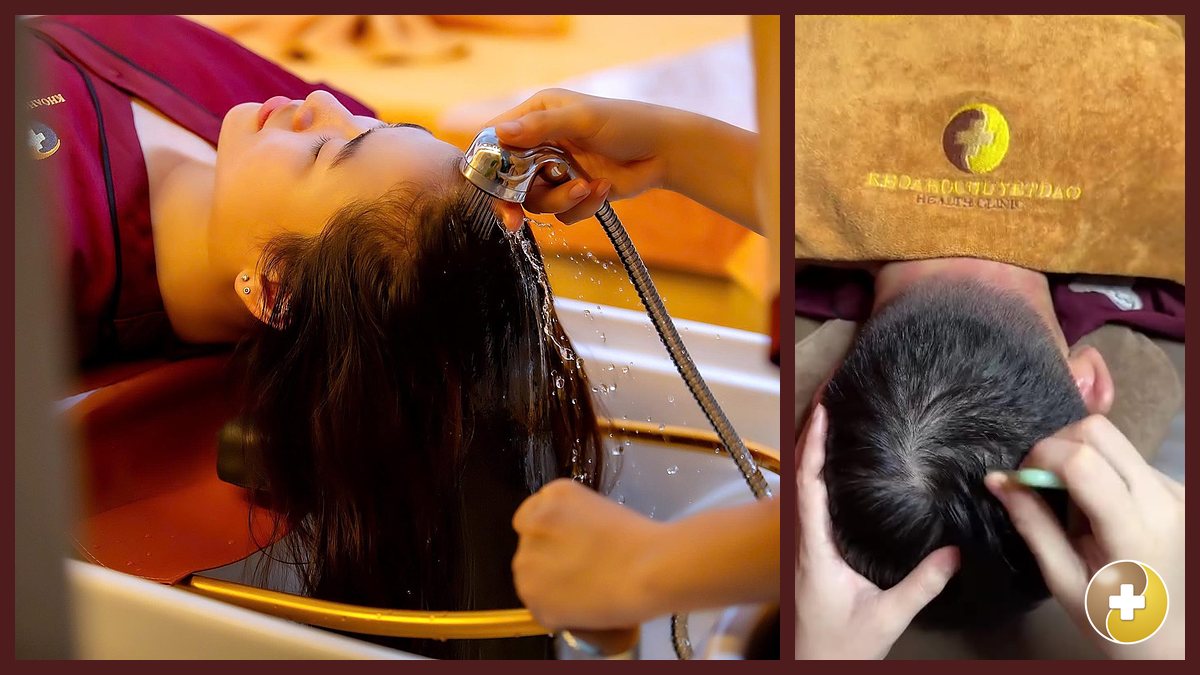
Quick answer: To sleep better without relying on pills, start with a fixed wake-up time, no coffee after 2 pm, screens off early, slow breathing, pressing Shenmen on the wrist, a warm foot bath and light daily exercise. Insomnia lasting over a month needs a check. Huyệt Đạo Tống Gia in Districts 12 and 9, HCMC, helps by hand.
Want Lương Y Tống Văn Huynh’s team to read your spine and posture in person?
What "sleeping better without pills" means, and when natural steps are enough
Many people reach for sleeping pills or over-the-counter sleep aids after a few bad weeks. In Western medicine, insomnia is a symptom rather than a disease, and for most stress-, habit- or schedule-related insomnia the non-drug steps are recommended first: resetting the body clock, cutting stimulants, learning to relax and changing the worries that build up around sleep. Many hospitals also run CBT-I, a structured cognitive behavioural programme for insomnia led by health professionals over several weeks.
"Natural" here has two branches. One is Western: timing, light, exercise, stimulants and the bedroom. The other is Vietnamese traditional wellness as taught in the Tong Gia curriculum: slow breathing, acupressure, foot baths, rubbing the soles, quiet sitting, short naps, light dinners, and hands-on massage to help the body let go. They work well together.
Natural steps are usually enough when poor sleep is recent, has a clear reason (a deadline, moving house, a new baby, jet lag) and comes with no warning signs. They are not enough on their own when insomnia comes with breathlessness, loud snoring with breathing pauses, long-lasting low mood or weight loss. In Ho Chi Minh City we often meet expats after a hard quarter, new mothers and retired parents who have been checked and told to adjust their lifestyle first.
Common causes: why the cause decides the method
No natural method fits every kind of insomnia. A foot bath won't do much if the real problem is your third iced coffee at 4 pm, and a new pillow won't fix sleep lost to a rigid neck.
- Stress and worry: a racing mind at bedtime. Suits slow breathing, quiet sitting, writing tomorrow's tasks on paper before bed.
- Stimulants: afternoon coffee, strong tea, milk tea, energy drinks, evening alcohol. Suits moving the last cup earlier and cutting down gradually.
- A shifted body clock: shift work, weekend lie-ins, long naps, late-night scrolling. Suits a fixed wake-up time and morning light.
- A body that won't relax: stiff neck and shoulders, back pain, numb hands. Suits stretching and acupressure massage.
- Age and hormones: menopause, after childbirth, older age.
- Health conditions: sleep apnoea, depression, thyroid problems, reflux, night urination, chronic pain. These need medical care; natural steps are only a support.
Other signs to watch
- Palpitations, startling awake, many dreams: focus on slow breathing and the Shenmen and Neiguan points.
- Irritability, tight shoulders, dry red eyes: focus on neck stretches and less evening screen time.
- Poor appetite, bloating, overthinking: focus on an earlier, lighter dinner.
- Hot palms and soles, night sweats.
- Night urination, cold feet, tired lower back: focus on warm foot baths and rubbing the soles.
- Loud snoring with pauses, morning headaches: don't self-manage, get checked.
- Lasting low mood or loss of interest: get checked.
A simple sleep diary for one to two weeks shows what type of insomnia you have and which steps are working.
When to see a doctor
- Chest pain or tightness, shortness of breath, cold sweats: call 115 (Vietnam emergency) immediately.
- Waking up breathless, needing to sit up to breathe, swollen ankles.
- Loud snoring with breathing pauses, or dozing off while driving.
- Low mood for more than two weeks or thoughts of self-harm: tell someone close and seek help now.
- Insomnia with unexplained weight loss, shaking hands, a racing heart, or pale skin, fatigue and dizziness: get checked in parallel.
- Three or more poor nights a week for over a month despite steady habit changes.
Please see a doctor if your symptoms are severe, unusual, or don't improve. If you already take sleeping pills prescribed for you, do not stop suddenly to "go natural": ask the doctor who prescribed them how to taper, and use the natural steps alongside. Don't start new sleep supplements without medical advice. This is a wellness service, not medical care.
The Y Tướng Học view: a restless Heart, and what shows outside
Y Tướng Học teaches that what shows outside reflects what happens inside. In the Tong Gia curriculum, the Heart (Tâm) in the Eastern sense houses the mind and governs mood and sleep; when it is unsettled you sleep badly, dream a lot and forget things. This does not mean heart disease. Eastern wellness looks at the organs that come along with it, which is why natural steps should be chosen per person:
| Pattern | What it feels like | What may show outside | Natural step to favour |
|---|---|---|---|
| Heart and Liver | Stress, irritability, hard to fall asleep | Red, dry eyes; thin nails; hard shoulders | Neck release, slow breathing, Taichong |
| Heart and Spleen | Overthinking, poor appetite, palpitations | Pale lips, soft muscles, heavy body | Light early dinner, Shenmen |
| Heart and Kidney | Hot palms at night, night sweats, tired knees, night urination | Dry thinning hair, cold lower back | Warm foot bath, rubbing Yongquan |
The curriculum also describes a "Giáp" face shape (wide forehead, narrow chin) prone to "excess above, weakness below": headaches, poor sleep and hot flushes above, tired knees and night urination below, with a warm upper neck at C1–C2 and a cool lower back. For such a person, working only on the head is not enough; drawing heat downward with foot baths matters too. These are wellness signals, not labels. Read more on our face-reading wellness page and in the Eastern face reading Q&A.
Spine segments and nerve-reflex areas involved
The Tong Gia curriculum links neck C1–C7 to the head, face, neck and arms; D1–D12 to circulation, breathing and digestion; L1–L5 to digestion, kidneys, urinary system and legs; and S1–S5 to the pelvic area. Long-term insomnia belongs to the "nerves and mind" group, worked through C1–C7, D1–D3 and the sacrum, which is why a sleep session is never just a head massage.
| Spine area | Nerves / function | Typical complaint | Eastern organ | Matching home step |
|---|---|---|---|---|
| C1–C3 | Head, face | Heavy head, tight temples | Liver | Warm compress on the neck, fewer screens |
| C4–C7 | Neck, shoulders, arms | Stiff neck, numb hands at night | Liver (tendons) | Neck stretches, right pillow height |
| D1–D3 | Upper back, breathing | Shallow breathing, sighing | Lung, Heart | Slow 4–6 breathing |
| D4–D5 | Chest, heart area | Palpitations, vivid dreams | Heart | Shenmen, Neiguan |
| L2 and sacrum | Kidneys, legs | Night urination, cold feet | Kidney | Foot bath, rubbing the soles |
How Tong Gia works: spinal nerve-reflex balancing massage
This is the drug-free work Huyệt Đạo Tống Gia does every day, using only the hands. The method was developed by Lương Y Tống Văn Huynh, a master of traditional Vietnamese wellness with over 13 years in Eastern wellness care, Y Tướng Học and spinal nerve-reflex balancing.
- Observe and ask: your sleep pattern, how long, what you currently use to sleep, medical checks; face, tongue, eyes, nails, hair and posture.
- Read the spine by hand: skin temperature, muscle layer, vertebra shape and sensation, left against right.
- Find the key points and work only on overactive areas (warm, tight, more tender).
- Release the muscles of the neck, trapezius, upper and lower back with a slow, even rhythm.
- Acupressure: Baihui, Shenmen, Neiguan, Xinshu; Taichong for stress; Taixi and Yongquan for Kidney signs; Sanyinjiao is avoided in pregnancy.
- Stop at the right moment and choose two or three home steps from the list below.
Suitable services (same prices at both branches, see prices):
- Traditional Vietnamese massage, 90 min: 550,000 VND (about 21 USD); 60 min: 450,000 VND (about 17 USD).
- Heart wellness care, 75 min: 750,000 VND (about 29 USD), for racing thoughts and vivid dreams.
- Neck and shoulder care, 60 min: 550,000 VND (about 21 USD), first visit 399,000 VND (about 15 USD), when poor sleep comes with a stiff neck.
See also our sleep acupressure page, the acupressure for sleep Q&A, the traditional Vietnamese massage Q&A and the acupressure massage Q&A.
A typical session
A composite of many sessions, not one guest's story. A retired man in his sixties living at Vinhomes Grand Park went to bed at 9 pm, woke at 3 am and got up twice in the night to urinate. He had been checked, nothing needed special follow-up, and he did not want to rely on pills long term. His hair was dry and thin; his upper neck felt warm and tight while his lower back was cool and slightly hollow. Following the curriculum's rule of working on overactive areas, the session focused on the neck, trapezius and upper back, with only gentle warming strokes on the lower back, and ended with Baihui, Shenmen, Taixi and Yongquan. He went home with an evening foot bath, sole rubbing, warming the lower back with his palms, a bedtime moved closer to 10 pm, and morning sunlight.
What guests usually feel
During the session: tenderness at the neck and between the shoulder blades, then a lighter head and slower breathing; many doze off. Afterwards: dropped shoulders, warm feet and, for many, an easier time falling asleep that night; some feel mild soreness for a day. Everyone is different, and a session supports relaxation; it does not replace a medical check when one is needed.
Want Lương Y Tống Văn Huynh’s team to read your spine and posture in person?
Home care: 8 natural options and who each one suits
Options 3–8 come from the Tong Gia curriculum; options 1–2 are general Western advice.
| Option | How | Suits | Note |
|---|---|---|---|
| 1. Fixed wake-up time | Same time daily, weekends too; 15–30 min of morning light | Late sleepers, shift workers | Get up on time even after a bad night |
| 2. Fewer stimulants and screens | No coffee or strong tea after 2 pm; little evening alcohol; screens off 30 min before bed | People who struggle to fall asleep | Cut down gradually |
| 3. Slow 4–6 breathing | In for 4 seconds through the nose, out for 6, for 5–10 min | Stress, palpitations | Practise in the daytime too |
| 4. Shenmen and Neiguan | 1–2 min each side before bed with slow breathing | Overthinkers, vivid dreamers | Gentle pressure is enough |
| 5. Foot bath and Yongquan | Water around 38–42°C for 15–20 min; rub each sole 3–5 min | Cold feet, night urination, heat in the head | Diabetics: test water carefully |
| 6. Quiet sitting | Sit still 10–15 min focusing on the breath | A mind that won't switch off | Evening, before bed |
| 7. Short naps, bed before 11 pm | Nap 15–30 min; in bed before 11 pm | Long nappers who lie awake at night | Avoid late-afternoon naps |
| 8. Light dinner, gentle exercise | Dinner 2–3 hours before bed; walk or gentle exercise about 30 min a day | Bloating, sitting all day | No hard workouts near bedtime |
- Pick two or three options that fit you and keep them up for two weeks, then check your diary.
- Find Shenmen correctly: the hollow on the wrist crease on the little-finger side.
- Gentle movement: the curriculum includes a Ba Duan Jin move where you bend forward and slide both hands down the back of the legs, slowly 6–8 times; go easy if you have back pain or high blood pressure.
- Don't force sleep: if you lie awake a long time, get up, sit in dim light and return when sleepy.
- Give it time: natural steps take a few weeks, slower than a pill, but they do not create dependence.
Book a session
- District 12: 225 Dương Thị Mười, Tân Chánh Hiệp Ward (address in Vietnamese for your driver). Open 8:00–19:00 daily.
- Vinhomes Grand Park, District 9: Unit T16-21, Manhattan area, Long Bình Ward, Thủ Đức City. Open 9:00–20:00 daily.
Call, Zalo or WhatsApp +84 888 264 559, or book online. Let us know your sleep pattern, how long it has lasted, what you currently use to sleep and whether you have been checked. An early evening slot works well. Genuine guest reviews are on each branch's Google Maps listing. If you live in or are visiting Ho Chi Minh City, you are welcome to try this Vietnamese traditional wellness method.
Visit us
- Đông Y Huyệt Đạo Tống Gia Quận 12 (District 12)
225 Dương Thị Mười, Phường Tân Chánh Hiệp, Quận 12, HCMC · 8:00–19:00 daily · 0888 264 559 · Directions on Google Maps - Đông Y Huyệt Đạo Tống Gia Quận 9 (Vinhomes Grand Park, District 9)
Căn T16-21 khu Manhattan, Vinhomes Grand Park, Phường Long Bình, TP. Thủ Đức, HCMC · 9:00–20:00 daily · 0888 264 559 · Directions on Google Maps
Want Lương Y Tống Văn Huynh’s team to read your spine and posture in person?
FAQ
How can I sleep better without sleeping pills? For insomnia linked to stress, habits or schedule, keep a fixed wake-up time, stop coffee after 2 pm, switch off screens early, do slow 4–6 breathing, press Shenmen, take a warm foot bath and move a little every day. Keep it up for two weeks; if it lasts over a month, get checked.
Does acupressure help insomnia? It helps the body relax. In the Tong Gia curriculum, Shenmen, Neiguan, Baihui and Yongquan are commonly used to calm the mind and support sleep. Many people fall asleep more easily after a session, but results vary.
Can I stop my sleeping pills and switch to natural methods? Don't stop suddenly. Ask the professional who prescribed them how to reduce safely and use natural steps alongside. Tell our staff what you take before a session.
Is gentle yoga or stretching good for insomnia? Slow, gentle movement with steady breathing in the afternoon or early evening can help; avoid hard workouts near bedtime. The curriculum suggests a Ba Duan Jin forward bend done slowly 6–8 times.
How long do natural methods take to work? Usually a few weeks of consistency, though some people notice easier sleep within days of cutting afternoon coffee or screens. Track it in a sleep diary.
Where can I get a sleep-focused massage in Ho Chi Minh City? Huyệt Đạo Tống Gia has branches in District 12 and at Vinhomes Grand Park in District 9. Call, Zalo or WhatsApp +84 888 264 559 or book online.
Author: Lương Y Tống Văn Huynh – founder of Huyệt Đạo Tống Gia, a master of traditional Vietnamese wellness with over 13 years in Eastern wellness care, Y Tướng Học (face reading) and spinal nerve-reflex balancing massage.
Updated: 2026-11-16
Related guides
- Better sleep without sleeping pills: 8 natural options and which one suits you
- Burnout exhaustion: understanding work-related depletion and how Vietnamese traditional care can help you rebalance
- Does massage reduce stress? What changes in your body after one session, and when to see a doctor
- Head massage for better sleep: why touching the scalp, temples and neck helps your body drift off
- Stress insomnia: why you are exhausted yet cannot sleep, and what your body needs
- Can't sleep? What to do tonight, over the next two weeks, and when to get checked
This is a wellness service, not medical care.