
Hoarse voice: six common causes, when it needs an ENT check, and how Tong Gia supports the Lung in Ho Chi Minh City
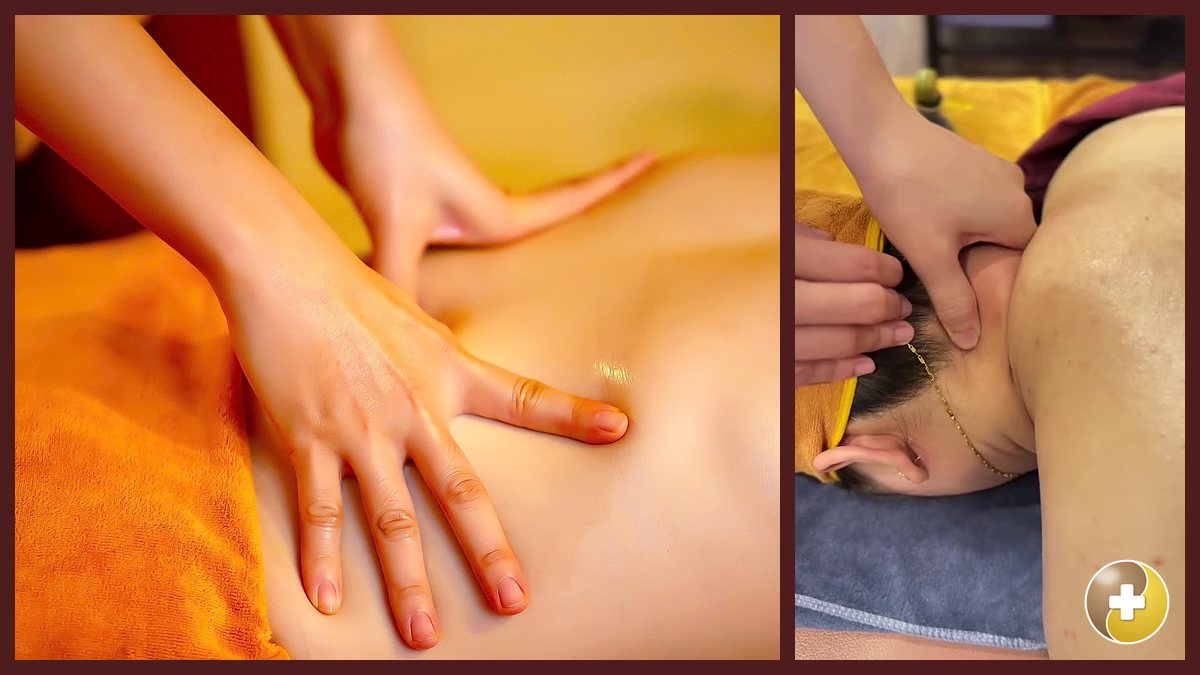
Quick answer: A hoarse voice usually comes from laryngitis after a cold, using your voice too hard, acid reflux, smoke and dust, dry air-con or mucus dripping from the nose; hoarseness lasting over 2–3 weeks needs an ENT check. Tong Gia in District 12 and District 9, Ho Chi Minh City offers hands-on neck, throat-area and upper-back care.
Want Lương Y Tống Văn Huynh’s team to read your spine and posture in person?
Hoarse voice: what it means in Western terms, and who gets it
Hoarseness is when your voice suddenly sounds rough, breathy or strained, cannot reach higher notes, or nearly disappears. It is a symptom, not one disease. In Western physiology, voice is produced when air from the lungs makes the two vocal folds in the larynx (voice box) vibrate evenly. If the folds are slightly swollen, dry, coated with mucus, if the muscles around the larynx are tense, or if one fold does not close fully, the sound turns rough. That is why hoarseness can start in many places: the larynx itself, the nose and throat above it, the stomach below it, the way you use your voice, the air you breathe, and less often the nerves that control the folds.
The Tong Gia curriculum describes the path of a breath as nose, pharynx, larynx, trachea, bronchi and alveoli, and notes that the larynx both makes sound and closes when you swallow. It lists voice among the nine functions of the lungs: air passing through the larynx creates speech, and when this weakens the voice becomes hoarse, quiet and weak. Your voice is where breath meets the vocal folds, so when breathing is shallow or the airway is irritated, the voice changes first.
Among expats and visitors in Ho Chi Minh City, the people who tell us their voice "just went" are often:
- English teachers and trainers speaking for many classes a day, sometimes over a noisy room.
- Sales, call-centre and customer-service staff talking for hours in air-conditioned offices and drinking little water.
- People just over a cold, flu or sore throat whose voice stays rough for days or a week or two.
- People who eat late, enjoy spicy food, coffee or beer, and wake up hoarse with a lump-in-the-throat feeling.
- Motorbike commuters in traffic dust, or people living near construction, or around smokers.
- Anyone after a night of karaoke or cheering a football match.
Common causes: six groups
Use this table to describe your situation clearly to a medical professional and to our practitioners; it is not for self-labelling.
| Group (Western view) | Typical clues | Usual course |
|---|---|---|
| Acute laryngitis after a cold, flu or sore throat | Hoarseness with sore throat, cough, runny nose, maybe mild fever | A few days to about 2 weeks |
| Voice overuse | Worse after long talking, shouting or singing; worse in the evening | Eases with voice rest; returns with the same habits |
| Acid reflux into the throat | Morning hoarseness, throat clearing, heartburn, burning behind the breastbone | Long-lasting, rises and falls with meals |
| Irritating air | Dry, scratchy throat in air-con, traffic dust, smoke | Eases when the environment changes |
| Postnasal drip (allergic rhinitis, sinusitis) | Blocked nose, sneezing, mucus sitting in the throat | Follows nose and sinus flare-ups |
| Needs an early look at the larynx | Hoarseness over 2–3 weeks, getting worse, with swallowing trouble, a neck lump, breathlessness or weight loss | Does not settle by itself; see an ENT specialist |
Laryngitis after a cold. Most sudden hoarseness comes from a virus that swells the lining of the larynx. The curriculum points out a common misunderstanding: most acute coughs are viral, and antibiotics do not work on viruses; they are used only when a medical professional prescribes them. Rest and moisture matter most.
Overuse. The vocal folds vibrate hundreds of times a second. Loud or non-stop talking, talking while already hoarse, forced whispering and hard throat clearing all add friction. Over months, professional voice users can develop nodules or polyps.
Reflux. The Tong Gia curriculum lists sour burps, burning behind the breastbone, dry cough and hoarseness among the signs of gastro-oesophageal reflux. Some people barely notice heartburn and only wake up hoarse with a constant urge to clear the throat.
Irritating air. Cold dry air-con, dust, exhaust, cooking smoke and cigarette smoke dry the lining. The curriculum notes that smoke paralyses the tiny cilia so mucus and dust build up, and fine dust reaches deep into the airways.
Postnasal drip. With allergic rhinitis or sinusitis, mucus runs down the back of the throat, coats the larynx and makes the voice "thick". Read more in our acupressure Q&A.
The group that needs a scope. Long-lasting hoarseness can be linked to nodules, polyps or growths on the vocal folds, a paralysed fold (after neck, thyroid or chest surgery, or from nerve problems), thyroid disease, and in long-term smokers, tumours of the larynx. None of these can be told apart by looking or by touch; only an ENT specialist looking at the larynx can.
Signs worth noting
- How long you have been hoarse: days after a cold, or more than 2–3 weeks.
- Pattern: worse in the morning (reflux, postnasal drip) or worse by evening (overuse).
- Whether you lose your voice completely, or run out of breath mid-sentence.
- Throat and neck: pain, food sticking, painful swallowing, a lump in the neck.
- Nose: blockage, sneezing, mucus running into the throat.
- Stomach: sour burps, heartburn, bitter taste in the morning.
- Whole body: fever, lasting tiredness, weight loss, a long cough, blood in phlegm.
- Habits: smoking, alcohol, voice-heavy work, all-day air-con.
When to see a doctor
The Tong Gia curriculum lists hoarseness among the signs of weakened lung function and is clear that warning signs come first: with them, our practitioners will not work and will ask you to see a doctor first. See an ENT specialist if:
- Hoarseness lasts more than 2–3 weeks without a clear reason, or keeps getting worse.
- You are a long-term smoker or heavy drinker and become hoarse, even for a few weeks.
- Hoarseness comes with increasing difficulty or pain swallowing, or a lump in the neck.
- You suddenly lose your voice completely, especially after neck, thyroid or chest surgery.
- It comes with a cough over 2 weeks, coughing up blood or blood-streaked phlegm.
- It comes with unexplained weight loss, night sweats or a low evening fever.
- It comes with breathlessness, noisy breathing (stridor) or a first-time wheeze.
- A child stays hoarse for a long time or has noisy breathing.
- You also feel tired and look pale: get checked at a medical facility in parallel, as this may relate to anaemia or another issue.
Call 115 immediately for hoarseness with severe breathlessness, stridor, drooling or being unable to swallow, sudden swelling of the lips, tongue or throat, or with chest pain, shortness of breath and cold sweat.
This is a wellness service, not medical care. If you are being followed up for your larynx, thyroid or stomach, keep following that advice; a Tong Gia session is supportive relaxation only.
The Y Tướng Học view: the Lung governs the voice
Y Tướng Học (face reading for wellness) in the Tong Gia curriculum rests on the idea that outer signs reflect the inner organs. In Eastern theory the Lung is not only the lungs but a system covering qi, breathing, fluids, skin, nose and throat, voice and resistance. The Lung "opens into the nose": when strong, the nose is clear and the voice resonant; when weak, the nose blocks and the voice turns hoarse. It is called the "delicate organ", easily affected by cold, heat and dryness, which is why the voice is often the first thing to react to weather changes and long hours in air-con.
The curriculum describes two patterns. Lung qi weakness, "not enough push": weak cough, breathless on effort, a quiet voice and reluctance to talk, sweating easily, dislike of wind, frequent colds, a pale face. Support: build Lung qi and digestion, belly breathing, keep warm. Lung yin weakness, "not enough moisture": dry cough with little sticky phlegm, dry throat, a rough hoarse voice, flushed cheeks in the afternoon, night sweats, a red tongue. Support: drink enough, avoid dry air, limit hot spicy food. These are traditional concepts, not Western disease names.
Two other organs matter. The Spleen "produces phlegm, the Lung stores it", so weak digestion means more phlegm around the throat. The Kidney "grasps qi": when it does not, breaths are short and long sentences need extra breaths. Our practitioners also notice face shapes: the 同-shaped face (long but square) belongs to Metal and the Lung, tends towards sinus problems, dry cough and dry skin, and often shows tightness around the third thoracic vertebra (Phế Du point). A narrow, sunken area between the brows with vertical lines is linked to "stuck" Lung qi, allergic rhinitis and shallow breathing. All of this is reference knowledge to choose where to work, never a label. See our face reading Q&A.
Spine and nerve-reflex areas involved
The Tong Gia spinal nerve-reflex curriculum maps the neck C1–C7 to head, face, neck and arms; the thoracic spine D1–D12 to circulation, breathing and digestion; and the lumbar spine L1–L5 to digestion, kidneys and urinary function. Asthma and bronchitis sit in its "internal organs" group, worked at D1–D12 and L1–L3, always as support, never instead of medical care.
| Area | Nerve / function | What often comes with hoarseness | Organ / points |
|---|---|---|---|
| Neck C1–C7, front and sides | Head, face, neck; the larynx sits at the front of the neck | Tight neck, muscles around the voice box straining, constant throat clearing | Lung opens into nose and throat; Định Suyễn, below C7, 0.5 cun to the side |
| D1–D3 (upper back) | Breathing | Stiff upper back, chest breathing, running out of breath when talking | Phế Du, below the 3rd thoracic spinous process, 1.5 cun to the side |
| D5–D9 (mid back) | Upper digestion | Heartburn, morning hoarseness | Spleen–Stomach, Liver |
| L1–L3 | Kidneys, urinary | Short breath, feeling cold, tired lower back | Kidney grasps qi |
| Forearm and hand | Lung meridian in the arm | Sore throat, hoarseness, cough | Ngư Tế (supports sore throat and hoarseness), Liệt Khuyết, Xích Trạch, Thái Uyên |
The curriculum is clear that points do not act directly on lung tissue or the vocal folds; in traditional theory they help regulate qi and blood. In Western terms, when the neck, shoulders and upper back stop bracing and breathing drops into the belly, airflow to the larynx becomes steadier and you push less to speak.
The Tong Gia method
This is a Vietnamese Eastern wellness method built by Lương Y Tống Văn Huynh, master of traditional Vietnamese wellness and founder of Huyệt Đạo Tống Gia, with over 13 years in Eastern wellness, Y Tướng Học and spinal nerve-reflex balancing. A session for a hoarse voice follows the Lung-care steps of the curriculum: screening questions (how long, smoking, pregnancy, heart or lung conditions, thyroid, reflux, whether you have been checked); observation of voice, breathing, face and posture; reading the spine by hand for skin temperature, muscle padding, vertebral shape and sensation; releasing the shoulders, upper back and chest; working Phế Du, Định Suyễn, Trung Phủ, Đản Trung and the arm points Xích Trạch, Liệt Khuyết, Thái Uyên, Ngư Tế (Hợp Cốc only when we are sure you are not pregnant); and a few minutes of belly breathing before you leave.
A typical session: a language-centre teacher tells us her voice is fine on Monday and rough by Thursday; an ENT check advised rest and follow-up. She breathes into her chest, shoulders rising with each breath, lips dry. The lower neck and the area below C7 feel thick, the upper back around D3 warm and stiff. The practitioner slowly releases shoulders and upper back, works Phế Du and Định Suyễn, then, lying face up, Trung Phủ and Đản Trung, and finally Liệt Khuyết and Ngư Tế on both arms. She practises belly breathing: in through the nose for about 4 seconds, out slowly for about 6. She says her shoulders "dropped" and a long sentence no longer needs her neck to strain.
Suitable services (see prices):
- Throat-area care, 60 min: 350,000 VND (about 13.5 USD) – neck, shoulders, upper back and Lung points on the arms.
- Lung wellness session, 90 min: 900,000 VND (about 35 USD) – full upper back, chest and breathing work.
- Herbal steam: 120,000 VND (about 4.6 USD) – warm steam that makes the nose and throat feel comfortable; see our herbal steam Q&A.
During the session you may feel a tender but pleasant ache on the upper back, light tingling along the forearm, and your chest opening as you breathe. Afterwards many people report looser shoulders, less effort when speaking and deeper sleep. We do not promise a clear voice after one session; voices need rest, and a check if hoarseness lasts.
Want Lương Y Tống Văn Huynh’s team to read your spine and posture in person?
Self-care at home and prevention
- Rest your voice properly: speak less and at a moderate volume; avoid forced whispering, which also strains the folds. Teachers: use a microphone and short breaks every class.
- Hydrate and humidify: sip warm water all day; set air-con around 26–27°C, not blowing at your face; keep the neck and chest warm.
- Swap throat clearing for a swallow: sip water, swallow, breathe slowly through the nose.
- Reflux-friendly evenings: finish dinner about 3 hours before bed, avoid very full meals, limit spice, coffee and alcohol, raise the head of the bed slightly.
- Breathe low, avoid smoke: 5–10 minutes of belly breathing daily; avoid cigarette and cooking smoke; mask up on the motorbike. In Eastern food lore, pear, lotus root and honey moisten in the dry season (no honey for babies under 1). Also see our cupping Q&A before choosing extras.
Booking
- District 12: 225 Dương Thị Mười, Phường Tân Chánh Hiệp, Quận 12 (District 12), daily 8:00–19:00.
- Vinhomes Grand Park: Căn T16-21 khu Manhattan, Phường Long Bình, TP. Thủ Đức (Thu Duc City, former District 9), daily 9:00–20:00.
WhatsApp or Zalo +84 888 264 559 (0888 264 559 in Vietnam), or book online; genuine Google Maps reviews are linked from each branch page. Tell us how long you have been hoarse, whether your work is voice-heavy and whether you have seen an ENT specialist. If you live in or visit Ho Chi Minh City, come and try this Vietnamese method.
Visit us
- Đông Y Huyệt Đạo Tống Gia Quận 12 (District 12)
225 Dương Thị Mười, Phường Tân Chánh Hiệp, Quận 12, HCMC · 8:00–19:00 daily · 0888 264 559 · Directions on Google Maps - Đông Y Huyệt Đạo Tống Gia Quận 9 (Vinhomes Grand Park, District 9)
Căn T16-21 khu Manhattan, Vinhomes Grand Park, Phường Long Bình, TP. Thủ Đức, HCMC · 9:00–20:00 daily · 0888 264 559 · Directions on Google Maps
Want Lương Y Tống Văn Huynh’s team to read your spine and posture in person?
FAQ
What causes a hoarse voice? Common causes are laryngitis after a cold, overusing your voice, acid reflux, dry air-con, dust and smoke, and mucus dripping from the nose. Hoarseness over 2–3 weeks, or with swallowing trouble, a neck lump, breathlessness or weight loss, needs an ENT check.
Is sudden hoarseness serious? Most sudden hoarseness after a cold or a long day of talking settles with voice rest. Long-term smokers, hoarseness that keeps going, voice loss after neck surgery, or hoarseness with breathing difficulty should not wait and should be checked.
How long does hoarseness last? Post-cold laryngitis usually eases within about 1–2 weeks with rest. Overuse and reflux hoarseness comes back if habits stay the same. If it has not improved after 2–3 weeks, see an ENT specialist.
Can acid reflux make me hoarse? Yes. The Tong Gia curriculum lists sour burps, burning behind the breastbone, dry cough and hoarseness as reflux signs. Morning hoarseness with throat clearing is a clue. Earlier dinners and not lying down after eating often help.
What should I drink or eat with a hoarse voice? Sip warm water through the day and choose soft, warm food. In Eastern food lore, pear, lotus root and honey moisten in dry weather (no honey for babies under 1). Go easy on spicy food, alcohol, coffee and iced drinks.
Can massage or acupressure help hoarseness? Only as support: it relaxes the neck, shoulders and upper back and steadies breathing, and it does not replace a medical check. At Tong Gia we screen first, then work Phế Du, Định Suyễn, Trung Phủ, Liệt Khuyết, Ngư Tế and teach belly breathing.
Author: Lương Y Tống Văn Huynh – founder of Huyệt Đạo Tống Gia, a master of traditional Vietnamese wellness with over 13 years in Eastern wellness care, Y Tướng Học (face reading) and spinal nerve-reflex balancing massage.
Updated: 2026-11-17
Related guides
- Sore throat and chest tightness: common causes, the signs that mean call 115, and how Tong Gia supports the Lung after a medical check
- Sneezing and a runny nose: allergy or a cold, the warning signs, and how Tong Gia supports the Lung in Ho Chi Minh City
- Hoarse voice: six common causes, when it needs an ENT check, and how Tong Gia supports the Lung in Ho Chi Minh City
- Yellow runny nose: what mucus colour tells you, the 10-day rule, and how Tong Gia supports the nose and sinuses in Ho Chi Minh City
- Acupressure for a stuffy nose: which points help you breathe easier, how to press them, and when to see a doctor
- Tired after the flu: why the fatigue lingers after the fever, and how Tong Gia helps the Lung and Spleen rebalance in Ho Chi Minh City
This is a wellness service, not medical care.