
Sneezing and a runny nose: allergy or a cold, the warning signs, and how Tong Gia supports the Lung in Ho Chi Minh City
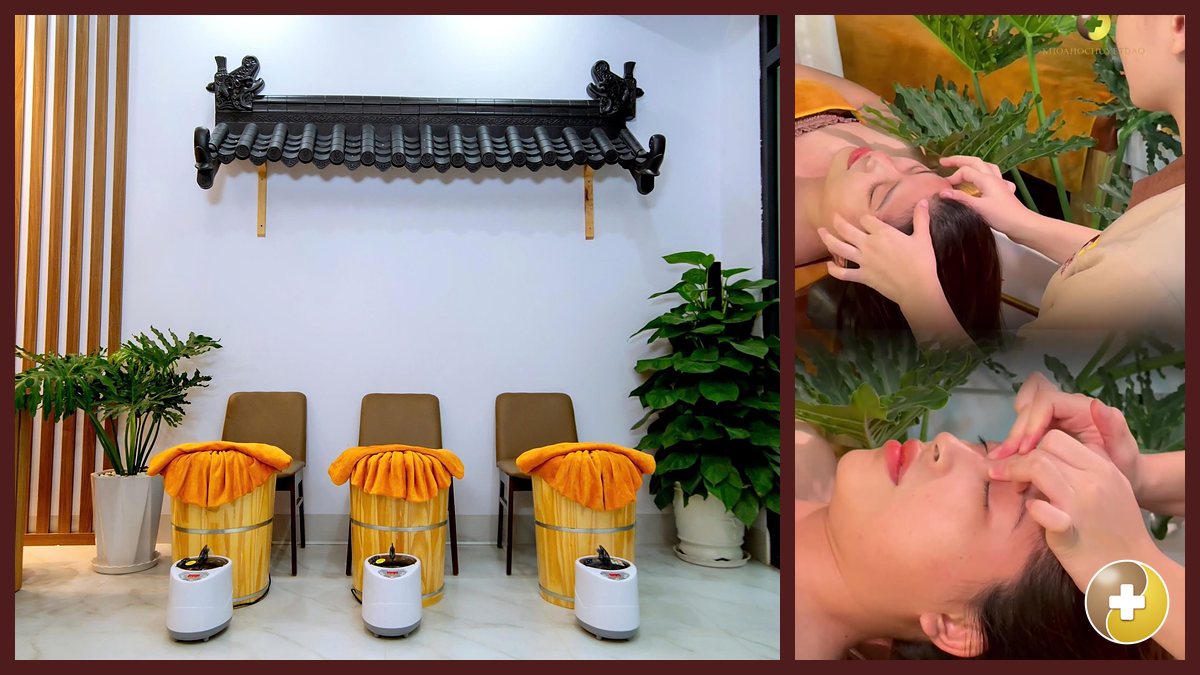
Quick answer: Sneezing with a runny nose most often comes from allergic rhinitis (house dust, pets, weather), a viral cold, or a nose that reacts to air-con temperature swings; less often flu or sinusitis. Breathlessness, swelling of the lips or face, or a high fever need medical care straight away. Tong Gia in District 12 and District 9, Ho Chi Minh City offers hands-on nose and upper-back care.
Want Lương Y Tống Văn Huynh’s team to read your spine and posture in person?
Sneezing and a runny nose: what it means in Western terms, and who gets it
This is the itchy nose, the run of sneezes, then the clear, watery drip, sometimes with a blocked nose and itchy, watering eyes. It shows that the lining of the nose is being irritated; it is not one disease. In Western physiology, the nasal lining is rich in nerve endings and immune cells. Meeting a virus, dust, pollen, pet dander or a sudden blast of cold air, it produces more mucus and fires the sneeze reflex to push the intruder out.
The Tong Gia curriculum calls this the airway's self-protection system: nasal hairs catch large dust, mucus traps dust and germs, cilia move mucus towards the throat, and coughing and sneezing expel foreign matter. Breathing through the nose warms, moistens and filters air better than mouth breathing. So sneezing is protective in itself; what matters is what your nose is reacting to and whether any sign needs a medical check.
In Ho Chi Minh City, the people who tell us they are "always sneezing and sniffling" are often:
- Office workers in air-con all day who sneeze when they step into the midday heat and drip when they go back in.
- People in closed apartments with little sun, bedding and curtains not washed for a while, cats or dogs indoors.
- Motorbike commuters in road dust, and workers around fabric or wood dust.
- People who catch small colds at every change of season and dislike wind and cold.
- Parents of toddlers in day care, with the whole family taking turns.
Common causes: five groups
This comparison follows general Western knowledge, to help you describe things clearly; it is not for self-labelling.
| Group | Typical clues | Fever, body aches | Usual course |
|---|---|---|---|
| Allergic rhinitis (house dust mites, pets, pollen, mould) | Bursts of sneezing, itchy nose and eyes, clear watery mucus; repeats with the same trigger | No | Comes with exposure; can last weeks or years |
| Viral cold | Scratchy throat first, then runny and blocked nose, sneezing, mild cough; mucus may thicken | Possible mild fever, tiredness | About 7–10 days |
| Non-allergic sensitive nose (temperature swings, smells, smoke) | Dripping and sneezing on entering cold rooms, hitting the heat, strong smells, hot spicy food | No | Repeats with the situation |
| Flu and other respiratory viruses | Sudden start, high fever, body aches, exhaustion, cough; nose symptoms are minor | Yes, clear | Days of fever, tiredness lingers |
| Sinusitis | Blocked nose, thick yellow-green mucus, facial or forehead pain, reduced smell | Possible | Over 10 days, or worse again after improving |
Allergic rhinitis. An allergic body "mistakes" dust mites, pet dander or pollen for a threat, so the nose overreacts on every contact: itching, long bursts of sneezes, water-clear mucus. Clues are itchy eyes and palate, no fever, and a pattern tied to place and time, such as cleaning, holding the cat or sleeping in old bedding.
A cold. Usually a scratchy throat first, then runny nose, sneezing and congestion, maybe a mild fever; mucus starts clear and may thicken and yellow after a few days. Most settle in about a week to ten days. The curriculum notes that most acute respiratory infections are viral and antibiotics do not work on viruses.
A sensitive nose. Some people are not allergic but their nose still reacts when moving from icy air-con into hot air, when smelling perfume, exhaust or cooking smoke, or over a hot bowl of pho. Saigon's indoor–outdoor temperature gap makes this common. The curriculum notes that fine dust and smoke irritate and inflame the airways.
Flu. Sudden, with high fever and aches; older adults, people with long-term conditions, pregnant women and young children should be checked early.
Sinusitis. Thick yellow-green mucus, facial pain and loss of smell suggest the sinuses are involved.
Signs worth noting
- Itchy eyes and palate, no fever: leans towards allergy.
- Scratchy throat first, mild fever, tiredness: leans towards a cold.
- High fever, aches, exhaustion: leans towards flu; get checked.
- When and where: on waking, while cleaning, entering cold rooms, near pets.
- Mucus colour: clear, cloudy white or yellow-green; any blood; one side or both.
- Chest: cough, wheeze, tight chest, breathlessness with dust or cold.
- Whole body: dislike of wind and cold, frequent colds, lasting tiredness.
When to see a doctor
The Tong Gia curriculum is clear that with warning signs our practitioners will not work and will ask you to see a doctor first. For sneezing and a runny nose, see a doctor if:
- There is wheezing, chest tightness, breathlessness or first-time noisy breathing.
- You have a high fever, aches and exhaustion, especially if older, pregnant or living with a long-term condition.
- Thick yellow-green mucus lasts over 10 days, or gets worse again after improving, with facial pain.
- Nosebleeds keep coming back, or mucus is bloody, especially on one side only.
- Symptoms go on nearly all year and disturb sleep, study or work.
- There is a cough over 2 weeks, blood in phlegm, weight loss or night sweats.
- A young child has a high fever, stops feeding or breathes fast: go straight away.
- You also feel tired and look pale: get checked at a medical facility in parallel, as this may relate to anaemia or another issue.
Call 115 immediately if sneezing or itching comes with sudden swelling of the lips, face, tongue or throat, breathlessness, hives all over or faintness, or with chest pain, shortness of breath and cold sweat.
This is a wellness service, not medical care. If a medical professional is guiding you on allergic rhinitis or asthma, keep to that advice and do not stop preventive sprays on your own.
The Y Tướng Học view: the Lung opens into the nose
Y Tướng Học (face reading for wellness) in the Tong Gia curriculum holds that outer signs reflect the inner organs. In Eastern theory the Lung opens into the nose: when strong, the nose is clear and the voice resonant; when weak, the nose blocks. The Lung also governs skin and body hair and the protective "wei qi"; when weak, people catch colds easily and sweat easily. The Lung is the "delicate organ", sensitive to cold, heat and dryness. People who sneeze with every change of season and react to every draught are usually seen as having weak Lung qi and weak protective qi.
The curriculum links several outer features to this tendency: an upturned nose with visible nostrils and soft wings (weak Lung qi, Kidney not grasping qi, allergic rhinitis, sinus trouble, feeling cold); ears that stick forward "catching the wind" (Lung–Kidney qi weakness, weather-related allergic rhinitis, sensitive breathing); a narrow, sunken area between the brows (stuck Lung qi, allergic rhinitis, shallow breathing); unevenly open pores (weak Lung qi, easily invaded by wind-cold); and the 風-shaped face with a broad jaw (wind, the Liver, sudden flare-ups including weather allergies). The Lung also pairs with the Kidney, so sneezers who feel cold, wake at night to urinate or have a tired lower back need Kidney qi looked after too. These are reference ideas for choosing where to work, never a label. Read more in our face reading Q&A.
Spine and nerve-reflex areas involved
In the Tong Gia spinal nerve-reflex curriculum, the neck C1–C7 relates to head, face, neck and arms; D1–D12 to circulation, breathing and digestion; L1–L5 to kidneys and urinary function. The "internal organs" group, including asthma and bronchitis, is worked at D1–D12 and L1–L3, as support only.
| Area | Nerve / function | What often comes with it | Organ / points |
|---|---|---|---|
| Nose and face (C1–C7 governs head and face) | Nasal lining, sneeze reflex | Itchy nose, sneezing, dripping | Lung opens into the nose; Nghênh Hương beside the nostril wings |
| Nape, hairline, below C7 | Neck muscles | Cold, stiff nape in a draught | Đại Chùy (Governor vessel) used for colds in traditional theory; Định Suyễn below C7 |
| D1–D3 (upper back) | Breathing | Tight upper back, frequent colds | Phế Du, below the 3rd thoracic vertebra, 1.5 cun to the side |
| L1–L3 | Kidneys | Feeling cold, night urination, tired lower back | Kidney grasps qi |
| Hands and arms | Lung and Large Intestine meridians | Sneezing, blocked nose, stiff neck | Hợp Cốc (not in pregnancy), Liệt Khuyết, Thái Uyên |
Points do not act directly on lung tissue; in traditional theory they help regulate qi and blood. In Western terms, warming the nape and upper back and slowing the breath often leaves the nose less "tickly" and easier to breathe through.
The Tong Gia method
This Vietnamese Eastern wellness method was built by Lương Y Tống Văn Huynh, master of traditional Vietnamese wellness and founder of Huyệt Đạo Tống Gia, with over 13 years in Eastern wellness, Y Tướng Học and spinal nerve-reflex balancing. The session: screening questions (when and where you sneeze, fever, wheeze or asthma, pregnancy, whether you have been checked); observation of face, nose, ears, the area between the brows, skin and breathing; reading the nape, C7, D1–D3 and lower back by hand for temperature, muscle padding, vertebral shape and sensation; releasing the nape, shoulders and upper back until warm; working Nghênh Hương, Đại Chùy, Định Suyễn, Phế Du and the hand points Hợp Cốc (only if we are sure you are not pregnant), Liệt Khuyết and Thái Uyên; and home tips.
A typical session: an accountant who moved into a new apartment with two cats sneezes in bursts every morning and drips in the office air-con, with no fever; a medical professional has told her it is allergic rhinitis. The nostril wings look a little red, eyes slightly watery, and she breathes through her mouth a lot. The nape and the area below C7 feel cooler than the mid-back, the upper back around D3 tight. The practitioner releases nape, shoulders and upper back until the skin warms, works Đại Chùy, Định Suyễn and Phế Du, then rubs Nghênh Hương warm on both sides and presses Liệt Khuyết and Thái Uyên. She says her nose "opened up" and her head felt lighter.
Suitable services (see prices):
- Nose and sinus care, 60 min: 350,000 VND (about 13.5 USD) – for sneezing, dripping and congestion.
- Lung wellness session, 90 min: 900,000 VND (about 35 USD) – for frequent colds, dislike of wind, shallow breathing.
- Herbal steam: 120,000 VND (about 4.6 USD) – warm steam that feels good for the nose; see our herbal steam Q&A.
You may feel a tender warmth spreading at the nape and upper back, and heat and openness around the nose. Afterwards many people say their head feels lighter and they sleep well. We do not promise an end to allergies; a session supports, alongside reducing triggers and following medical advice. Questions about safety? See our acupressure Q&A.
Want Lương Y Tống Văn Huynh’s team to read your spine and posture in person?
Self-care at home and prevention
- Cut house dust: wash pillowcases and sheets in hot water weekly and dry them fully in the sun; fewer rugs and soft toys; pets off the bed.
- Soften the temperature jump: air-con around 26–27°C, not on your face; put on a light layer and a mask before stepping into the heat.
- Rub Nghênh Hương: as the curriculum describes, rub both sides of the nostril wings gently with your index fingers for 1–2 minutes until warm.
- Rinse and keep warm: saline nose rinses as a medical professional advises; keep neck and chest warm; drink enough water.
- Breathe and move: belly breathing 5–10 minutes daily; wash hands, cover coughs and sneezes, and get the flu vaccine as recommended, as the curriculum's golden rules say. Also see our cupping Q&A.
Booking
- District 12: 225 Dương Thị Mười, Phường Tân Chánh Hiệp, Quận 12 (District 12), daily 8:00–19:00.
- Vinhomes Grand Park: Căn T16-21 khu Manhattan, Phường Long Bình, TP. Thủ Đức (Thu Duc City, former District 9), daily 9:00–20:00.
WhatsApp or Zalo +84 888 264 559 (0888 264 559 in Vietnam), or book online; genuine Google Maps reviews are linked from each branch page. Tell us when you sneeze and whether you have a fever or wheeze. If you live in or visit Ho Chi Minh City, come and try this Vietnamese method.
Visit us
- Đông Y Huyệt Đạo Tống Gia Quận 12 (District 12)
225 Dương Thị Mười, Phường Tân Chánh Hiệp, Quận 12, HCMC · 8:00–19:00 daily · 0888 264 559 · Directions on Google Maps - Đông Y Huyệt Đạo Tống Gia Quận 9 (Vinhomes Grand Park, District 9)
Căn T16-21 khu Manhattan, Vinhomes Grand Park, Phường Long Bình, TP. Thủ Đức, HCMC · 9:00–20:00 daily · 0888 264 559 · Directions on Google Maps
Want Lương Y Tống Văn Huynh’s team to read your spine and posture in person?
FAQ
What causes sneezing and a runny nose? Most often allergic rhinitis (house dust, pets, pollen), a viral cold, or a nose sensitive to air-con temperature swings, smells and smoke; less often flu or sinusitis. Breathlessness, wheeze, swelling of the lips or face, or a high fever need medical care straight away.
How can I tell allergy from a cold? Allergy: bursts of sneezes, itchy eyes and palate, watery mucus, no fever, repeating with the same trigger. Cold: scratchy throat first, then runny nose, maybe mild fever and tiredness, settling in about 7–10 days.
Is weather-related sneezing a problem? Usually not dangerous, but it tires you and disturbs sleep. Get checked if it comes with wheeze, chest tightness, breathlessness or long-lasting thick yellow-green mucus. In the Tong Gia curriculum, weather sensitivity is often read as weak Lung qi in traditional terms.
Why do I sneeze and sniffle every morning? All night your nose breathes bedding dust, then meets a temperature jump on waking. Hot-washing bedding weekly, air-con around 26–27°C and rubbing Nghênh Hương warm after getting up are good first steps.
Sneezing, runny nose and a sore throat: what is it? A sore throat first, then sneezing and a runny nose with mild fever or tiredness, usually suggests a viral cold that settles in about a week to ten days. High fever, aches, breathlessness or a throat too painful to swallow need a check.
Can acupressure help with sneezing? Only as support: it warms the nape and upper back, relaxes you and can make nasal breathing easier in traditional terms; it does not replace medical advice. At Tong Gia we screen first, then work Nghênh Hương, Đại Chùy, Phế Du and Liệt Khuyết.
Author: Lương Y Tống Văn Huynh – founder of Huyệt Đạo Tống Gia, a master of traditional Vietnamese wellness with over 13 years in Eastern wellness care, Y Tướng Học (face reading) and spinal nerve-reflex balancing massage.
Updated: 2026-11-17
Related guides
- Sore throat and chest tightness: common causes, the signs that mean call 115, and how Tong Gia supports the Lung after a medical check
- Sneezing and a runny nose: allergy or a cold, the warning signs, and how Tong Gia supports the Lung in Ho Chi Minh City
- Hoarse voice: six common causes, when it needs an ENT check, and how Tong Gia supports the Lung in Ho Chi Minh City
- Yellow runny nose: what mucus colour tells you, the 10-day rule, and how Tong Gia supports the nose and sinuses in Ho Chi Minh City
- Acupressure for a stuffy nose: which points help you breathe easier, how to press them, and when to see a doctor
- Tired after the flu: why the fatigue lingers after the fever, and how Tong Gia helps the Lung and Spleen rebalance in Ho Chi Minh City
This is a wellness service, not medical care.