
Is gua sha (cạo gió) good for you? What the marks mean, how to do it properly and who should skip it in Ho Chi Minh City
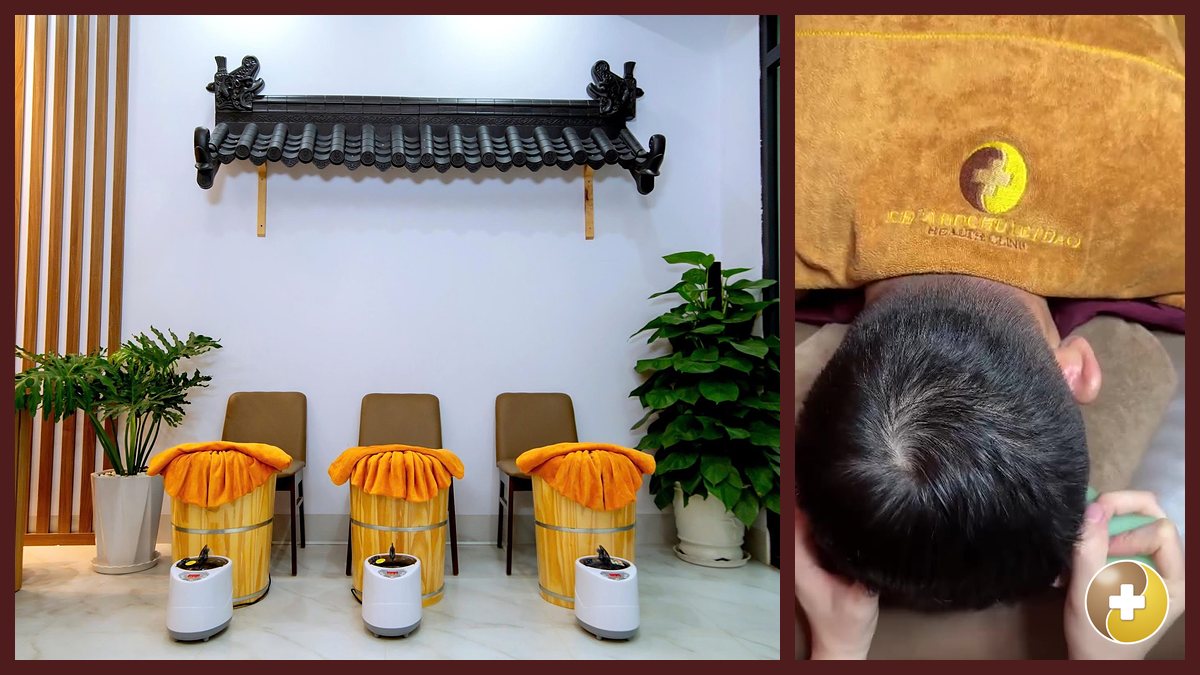
Quick answer: Gua sha (cạo gió) done properly, with thin oil and moderate pressure, usually leaves you warm and lighter during a mild cold, but it does not end the cold. The red-purple marks are broken capillaries, not toxic wind. Huyệt Đạo Tống Gia in District 12 and District 9 cares for a cold, stiff back with cupping and Eastern massage.
Quick answer: Is gua sha (cạo gió) good for you? Done properly with oil and moderate pressure during a mild chill or general tiredness, it usually feels warming and lighter; the red-purple streaks are small capillaries under the skin, not "bad wind". At Tong Gia Acupoint Wellness (District 12 and District 9, Ho Chi Minh City), a cold, stiff neck and back is cared for with cupping and traditional Vietnamese massage instead.
Want Lương Y Tống Văn Huynh’s team to read your spine and posture in person?
What is gua sha, and is it good for you in Western medical terms?
A familiar scene in Ho Chi Minh City: a day under the air-con, a ride home in the rain, sneezing and an aching back by evening. A family member reaches for a coin, a porcelain spoon and a bottle of wind oil (dầu gió) and scrapes down your back; by morning the back is covered in red-purple streaks and you feel lighter. Vietnamese call it cạo gió, "scraping the wind". Internationally it is known as gua sha: a smooth-edged tool stroked firmly in one direction over oiled skin until red marks appear.
From a Western medical point of view, the pressure breaks tiny capillaries under the skin, and blood seeps into the surrounding tissue as red or purple dots and streaks. The body sends more blood to the area, the skin warms, and the strong stimulus to the nerves under the skin can push a dull ache into the background. A few small studies report short-term relief of neck and shoulder aches and increased surface blood flow, but the evidence is limited. Put simply: done properly, gua sha can feel warming and pleasant; it does not end a cold, does not bring down a fever and does not replace a medical check.
The real danger of gua sha is not the scraping but the timing. Some people said to be "struck by wind" are actually having a stroke or a heart attack, and scraping at home wastes the minutes that matter most. That is why the section below on when to get medical help matters more than any technique.
What are the red-purple streaks?
They are not "bad wind" being drawn out and not a sign of a "serious wind attack". Their colour depends on pressure, skin thickness, a tendency to bruise and whether oil was used. A healthy person scraped hard enough will show purple every time. Marks fade over a few days. Scraping until the skin breaks or bleeds is too much and invites infection.
Common reasons people want gua sha
- Air-con blowing on the neck and back: muscles at the base of the neck and upper back tighten and feel cold.
- Rain, wet clothes, late-night showers: chills, a runny nose, a tired body.
- Weather changes: heavy shoulders and a heavy head.
- Overwork and poor sleep: a drained, achy feeling and the wish for a warm back.
- Family habit: in many homes any tiredness means scraping, whatever the cause.
In Vietnamese traditional wellness, a chill is usually "wind-cold" entering from outside. The Tong Gia training says the Lung system governs the skin and the protective energy at the surface; when it is low, pores open unevenly and wind and cold get in more easily. The warm, sweaty back after scraping is why people long believed gua sha "chases the wind out". The training also notes that the Spleen system keeps blood in the vessels, so with the same pressure an easy bruiser shows darker marks. These are functional ideas, not Western medical labels.
Signs that often come with it
- Fine for gentle care: chills, sensitivity to wind, a shivery neck, sneezing, a clear runny nose, achy shoulders and back, no fever or a low one.
- Be careful: fever above 38.5 °C, severe headache, a stiff neck that will not bend, vomiting, breathlessness: do not scrape, get checked.
- Danger signs mistaken for "wind": a drooping mouth, slurred speech, weakness or numbness on one side, sudden blurred vision, unsteady walking; chest tightness spreading to the left arm or jaw with cold sweats.
- After scraping: even red-purple streaks and mild tenderness are normal; spreading bruises, broken skin, swelling, heat or bleeding that will not stop are not.
When to see a doctor
Call 115 immediately and do not scrape if there is a drooping mouth, slurred speech, one-sided weakness or numbness, sudden vision loss (possible stroke); chest tightness, breathlessness or cold sweats with pain spreading to the left arm or jaw (possible heart attack); or confusion, difficulty waking, or seizures.
Please see a doctor at a medical facility for:
- Fever above 38.5 °C or fever lasting several days.
- Severe headache, stiff neck, vomiting.
- A cough lasting over two weeks, coughing blood, breathlessness at rest.
- Bruising that spreads after scraping, bleeding that will not stop, hot swollen skin with pus.
- Ongoing fatigue, weight loss or pallor: get checked alongside any wellness care.
This is a wellness service, not medical care.
Face reading (Y Tướng Học): telling a simple chill from something else
Vietnamese face reading says "the signs show outside, the organs lie inside". In the Tong Gia approach, looking at the face and skin before touching helps the practitioner choose where to check, and also spot people who need a medical check instead of care:
- "Đồng" (同) face, long and square with firm bone: Metal element, Lung system; when unwell it is usually from wind-cold or dryness, and the upper back around D3 tightens. These are the people who "catch wind" most under air-con.
- A deep, narrow, vertically lined space between the brows: linked to constrained Lung energy, shallow breathing and deep stress tightening the neck and shoulders.
- Ears that stick forward: low Lung and Kidney energy, sensitive to wind and weather.
- A grey-blue nose tip or fine purple-red veins on it: the training links this to blood stagnation around the Heart and advises watching for coronary problems. With chest tightness, this is a case for a medical check, not scraping.
- Dark patches on the cheeks and darkened lips: sluggish blood flow; such skin shows dark, slow-fading marks.
These are guiding hints, never a verdict on your health or character.
Spine and nerve-reflex zones: why the neck and upper back are scraped
In the Tong Gia framework, C1–C7 serve the head, face, neck and arms; D1–D12 relate to circulation, breathing and digestion. Nerve roots exit beside each vertebra, and the Bladder meridian with the organs' back points runs alongside the spine, so the traditional scraping area from C7 to around D9 overlaps with the muscles that tighten most in the cold.
| Area | Nerves and function | Typical feeling | Related organ system |
|---|---|---|---|
| C7 (the bump when you bow) | Head, face, neck, arms; Định suyễn and Đại chùy points | Shivery neck in a draught, tired neck and shoulders | Lung (surface protection) |
| D1–D3, between the shoulder blades | Breathing; Phế du point below D3 | Sneezing, stuffy nose, cold stiff upper back | Lung |
| D4–D6 | Circulation, breathing | Tired upper back; with chest tightness do not scrape, call 115 | Heart |
| D7–D9 | Digestion | Dull mid-back ache when the weather turns | Liver (tendons) |
Skip gua sha with a clotting disorder or blood thinners, broken, inflamed or sunburnt skin, fresh scars or varicose veins, a high fever, an empty or very full stomach, after alcohol, if very frail or thin, on the belly and lower back in pregnancy, and on young children.
The Tong Gia method: spinal nerve-reflex balancing massage
Tong Gia's price list does not include back gua sha; gua sha at Tong Gia is a gentle facial service. For a cold, stiff neck and back, Tong Gia works differently, following the method of Tống Văn Huynh, founder of Tong Gia and a master of traditional Vietnamese wellness with over 13 years in Eastern wellness, face reading and spinal nerve-reflex balancing:
- Screening: fever, breathlessness, chest pain, clotting, blood thinners, pregnancy, skin condition. Warning signs mean no session and advice to get checked.
- Observation: complexion, breathing, shoulder line.
- Reading the spine by hand from C7 to D9: skin temperature, the muscle layer, vertebra shape and tender points, left against right.
- Muscle release by hand of the neck base, shoulders and upper back, building pressure as you respond, with no need to break the skin.
- Acupressure on Định suyễn and Phế du, and Liệt khuyết at the wrist ("for the head and neck, look to Liệt khuyết").
- Warming with cupping or herbal steam, depending on the person.
Services: cupping 30 minutes, 85,000 VND (about 3 USD), warming with controlled suction and less skin damage than hard scraping; traditional Vietnamese massage 60 minutes, 450,000 VND (about 17 USD); herbal steam, 120,000 VND (about 5 USD) after rain. See the price list, the cupping, gua sha and herbal steam page, a gua sha and herbal steam visit, gua sha and herbal steam questions and cupping questions.
A typical session
One morning at the District 12 branch, a home-based seamstress arrived with faded purple streaks from a family scraping three days earlier. Her shoulders still ached, her head felt heavy and she disliked the fan blowing on her. No fever, no chest pain, no blood thinners. She breathed shallowly, her shoulders were hunched, and there was a vertical line between her brows. Along the spine the old streaks were still tender, so the practitioner avoided them; the muscles at C6–C7 and both shoulder-lifting muscles were tight, and the skin was colder than the mid-back. She released the neck and shoulders by hand, pressed Định suyễn and Liệt khuyết, then placed four light cups at the neck base away from the old marks, and advised waiting for the streaks to fade before any more scraping.
What you feel during and after
During muscle release, tight spots feel achy and then pleasant, without the sting of scraping. Cupping brings spreading warmth and a lifted feeling in the shoulders. Afterwards many people feel a clearer head, an easier neck, deeper breathing and sleepiness. Everyone responds differently, and Tong Gia does not promise a cold or tiredness will vanish after one session.
Want Lương Y Tống Văn Huynh’s team to read your spine and posture in person?
Self-care at home, and safer gua sha if you still want it
- Check for danger signs first: a drooping mouth, one-sided weakness, chest pain, breathlessness or high fever mean no scraping; call 115 or get checked.
- Scrape properly: a thin layer of oil, a clean coin or porcelain spoon with a smooth edge, moderate pressure until warm and slightly stinging, one direction, top to bottom and from the spine outwards; never on the spine's bony points, moles or spots, and never until the skin breaks.
- Afterwards: cover your back, keep out of direct air-con, drink something warm; wait until you are warm and dry before a quick warm shower.
- Do not scrape over old marks: if the ache returns quickly, change your warmth and sitting habits.
- Gentler options: rub beside the nostrils for 1–2 minutes when stuffy, belly-breathe in for 4 seconds and out for 6, and set air-con to 26–27 °C. See also neck and shoulder massage questions.
How to book
Tong Gia Acupoint Wellness has two branches in Ho Chi Minh City, open every day, with real customer reviews on Google Maps:
- District 12: 225 Dương Thị Mười, Phường Tân Chánh Hiệp (Tan Chanh Hiep Ward, District 12). Open 8:00–19:00 daily.
- District 9 – Vinhomes Grand Park: Căn T16-21 khu Manhattan, Phường Long Bình, TP. Thủ Đức (unit T16-21, Manhattan zone, Long Binh Ward, Thu Duc City). Open 9:00–20:00 daily.
Call, Zalo or WhatsApp +84 888 264 559, or book online. If you take blood thinners or are pregnant, note it when booking so the team can choose the right way to warm you up.
Visit us
- Đông Y Huyệt Đạo Tống Gia Quận 12 (District 12)
225 Dương Thị Mười, Phường Tân Chánh Hiệp, Quận 12, HCMC · 8:00–19:00 daily · 0888 264 559 · Directions on Google Maps - Đông Y Huyệt Đạo Tống Gia Quận 9 (Vinhomes Grand Park, District 9)
Căn T16-21 khu Manhattan, Vinhomes Grand Park, Phường Long Bình, TP. Thủ Đức, HCMC · 9:00–20:00 daily · 0888 264 559 · Directions on Google Maps
Want Lương Y Tống Văn Huynh’s team to read your spine and posture in person?
FAQ
Is gua sha good for you? Done properly with oil and moderate pressure during a mild chill or general tiredness, it usually feels warming and lighter. It does not end a cold, lower a fever or replace a medical check.
Are dark purple gua sha marks a problem? Red to dark purple streaks are blood from capillaries broken by the scraping and usually fade in a few days. Bruising that spreads, bleeding that will not stop or easy bruising elsewhere should be checked.
Do darker marks mean a worse wind attack? No. Colour depends on pressure, skin and constitution, not on how ill you are. If someone said to be struck by wind has a drooping mouth, one-sided weakness, chest pain or breathlessness, call 115 and do not scrape.
How do I do gua sha with oil properly? Apply a thin layer of oil, use a smooth-edged coin or porcelain spoon, stroke in one direction from top to bottom and from the spine outwards with moderate pressure until warm. Avoid the spine's bony points, moles and broken skin.
Can I shower after gua sha? Wait until you are warm and dry, then take a quick warm shower; avoid cold water and sitting in front of a fan or air-con straight afterwards.
Does Tong Gia offer back gua sha? No. A cold, stiff back is cared for with cupping (30 minutes, 85,000 VND, about 3 USD), traditional Vietnamese massage (60 minutes, 450,000 VND, about 17 USD) or herbal steam (120,000 VND, about 5 USD). Gua sha at Tong Gia is a facial service.
Author: Lương Y Tống Văn Huynh – founder of Huyệt Đạo Tống Gia, a master of traditional Vietnamese wellness with over 13 years in Eastern wellness care, Y Tướng Học (face reading) and spinal nerve-reflex balancing massage.
Updated: 2026-11-15
Related guides
- How often should you get acupressure? Rhythm by goal, the rest gap between sessions and when to space them out
- Is acupressure safe? Where the real risks come from, who should be careful and what Tong Gia asks before every session in Ho Chi Minh City
- Is gua sha (cạo gió) good for you? What the marks mean, how to do it properly and who should skip it in Ho Chi Minh City
- How often should you get cupping? Waiting for marks to fade, a maintenance rhythm, rainy season and when to space it out
- What does cupping do? How it feels, what the round marks are, static vs moving cupping
- Can you shower after cupping? How long to wait, how to shower and what the marks mean
This is a wellness service, not medical care.
Questions customers often ask
Who should not have gua sha?
Avoid it with clotting disorders or anticoagulants, scraped, inflamed or sunburnt skin, a recent surgical wound, varicose veins, a high fever, extreme hunger, right after a big meal or after drinking. Very weak people and older adults with thin skin hurt and faint easily; pregnant women should not have the belly or lower back scraped, and a child with fever should see a doctor.
How long should I wait before scraping again?
Never scrape over marks that have not faded; they usually fade within a few days. If the tiredness comes back right after scraping, that is a sign to change how you keep warm and how you sit at work: set the air conditioner to 26–27 degrees, keep the airflow off your neck and back, and get up to move during the day.
Should I scrape for a high fever or a stiff neck?
No. A fever over 38.5°C, a severe headache, a stiff neck that will not bend, vomiting or breathlessness need a doctor, not scraping. A drooping mouth, slurred speech, weakness on one side, chest pain spreading to the left shoulder or jaw, or a cold sweat means calling 115 at once; scraping then wastes precious minutes.
What is jade face gua sha at Tong Gia, and how much is it?
It is a facial service, different from folk back scraping: the technician gently scrapes the face and neck with a jade tool and massages acupoints on the head and face. A 60-minute session costs 550,000 VND and is available at both branches, 225 Duong Thi Muoi in District 12 and Vinhomes Grand Park in District 9.
How is gua sha different from cupping?
Gua sha uses a coin or porcelain spoon with a rounded edge pressed along oiled skin, so the force depends on the hand and hard scraping can break the skin. Cupping places suction cups on the upper back and neck, with controllable suction and less skin damage. At Tong Gia, a cold, stiff back gets 30-minute warming cupping for 85,000 VND after a check.