
How often should you get cupping? Waiting for marks to fade, a maintenance rhythm, rainy season and when to space it out
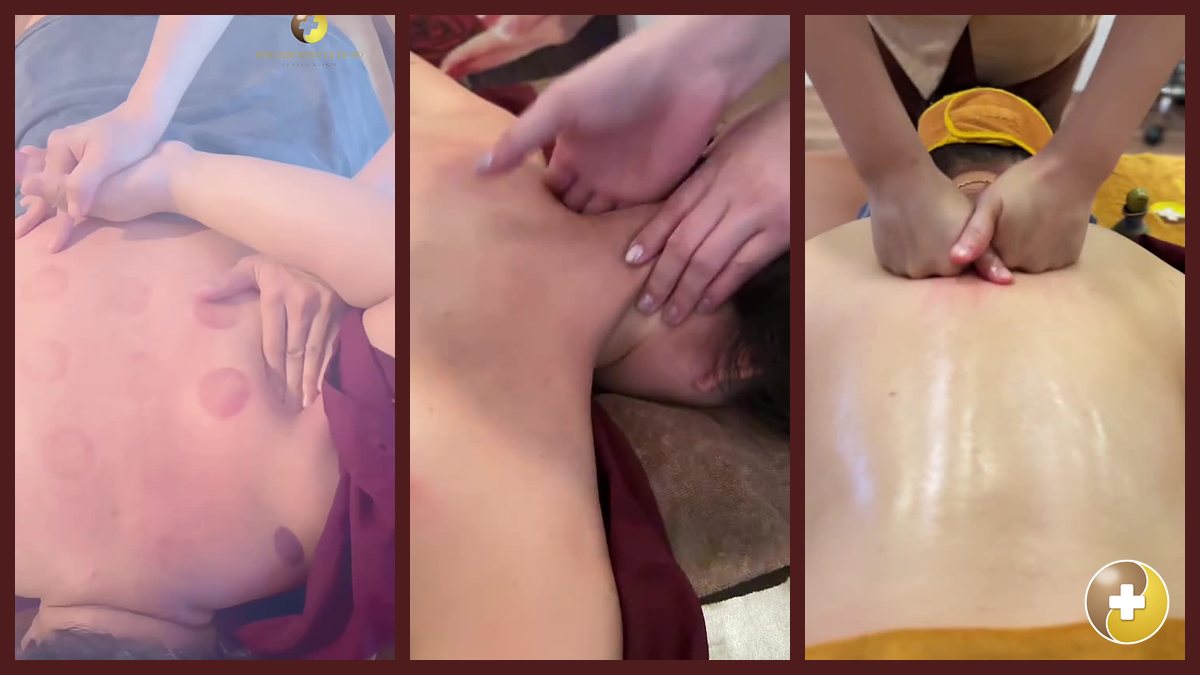
Quick answer: How often to get cupping depends on your old marks and your body: wait until the previous marks have fully faded, usually 5–7 days, before cupping the same spot; healthy adults often go every 1–2 weeks, older people and easy bruisers less often. At Tong Gia Acupoint Wellness in District 12 and Vinhomes Grand Park, practitioners check old marks before suggesting your next visit.
Want Lương Y Tống Văn Huynh’s team to read your spine and posture in person?
What the "how often" question is really about
People who ask how often to get cupping have usually tried it a few times and liked it: a warm back, lighter shoulders, deeper sleep. Then the questions start. Is every week too much? Can you get "hooked"? The marks are still purple but the back aches again, so can you go anyway? In Ho Chi Minh City this is typically office staff in District 12 and Thu Duc under air-con all day, night-shift workers in the industrial parks, and older people who grew up with cupping in the countryside.
From a Western medical point of view, each session's suction makes tiny vessels under the skin leak a little blood, leaving a round mark like a mild bruise. The body needs time to clear it: red cells break down, the mark turns from purple to brown and yellow, then fades. The skin and fascia that were lifted also need to recover. So the rhythm depends on three things, not on a fixed calendar: your old marks, your body's resilience and why you are going. For what cupping does in general, see our cupping, gua sha and herbal steam page.
| Time after cupping | How the mark usually looks | What to do |
|---|---|---|
| Days 1–2 | Round, red to purple, a little tender | Keep warm, no scrubbing, do not re-cup this spot |
| Days 3–5 | Lighter, brown or yellow at the edges | Another area can be cupped if needed |
| Days 5–7 | Mostly faded in healthy adults | Re-cup once fully faded |
| Still purple after 7 days | Slower than usual | Space sessions out, ask for lighter suction |
| Still dark or spreading after 2 weeks | No longer a normal mark | Get it checked at a medical facility |
Why the rhythm differs from person to person
- Last session's suction and time: strong, long cupping leaves darker, slower marks.
- Age and skin thickness: thinner, older skin has more fragile small vessels.
- A tendency to bruise: if light knocks leave marks, cups will too.
- Work and environment: air-con all day and rainy rides make the neck and back feel cold again quickly.
- Season: many people go more often in the rainy season.
- Daily habits: stretching, changing position and staying warm mean muscles tighten less, so you need cupping less often.
In Vietnamese traditional wellness, the Tong Gia training says the Spleen system "keeps blood in the vessels"; when it is weak, you bruise easily, so cupping should be lighter and less frequent. The Lung system governs the skin, the very layer cupping works on, so it needs time to recover between sessions. When overall resilience is low, the body is very sensitive to weather changes; steady, moderate care suits it better than frequent, heavy cupping. These are functional ideas, not a sign that any organ is unwell.
Signs you should space sessions further apart
- This time's marks fade more slowly than last time and are still purple after 7 days.
- You feel drained all day after cupping instead of warm and light.
- The cupped skin is dry, sore, itchy or flaking.
- The back feels cold and tired again one or two days after cupping: change your sitting and warmth habits rather than cupping more.
- Bruises appear elsewhere without knocks: get checked, not just spaced out.
When to see a doctor
Call 115 immediately for breathlessness, chest tightness or cold sweats. Please see a doctor at a medical facility if:
- A mark is still dark after two weeks or spreads beyond the cup outline.
- You bruise easily all over, have bleeding gums or frequent nosebleeds.
- Cupped skin blisters, weeps, swells, feels hot or has pus.
- You develop a fever after cupping, or a lasting fever.
- You have ongoing fatigue, pallor or weight loss: get checked alongside any wellness care.
- You take blood thinners: ask your medical team before setting a cupping rhythm.
This is a wellness service, not medical care.
Face reading (Y Tướng Học): who should cup less often
Vietnamese face reading says "the signs show outside, the organs lie inside". In the Tong Gia approach, face shape, skin and muscle texture help the practitioner gauge how much pressure you can take, which is then confirmed by hand on the spine:
- "Mục" (目) face, long, narrow and bony: linked to low energy and blood, thin muscles along the spine and vertebrae that sink in; needs light work, fewer cups, longer gaps.
- "Điền" (田) or "Do" (由) face, square or wide-jawed: thick back muscles that tighten in large sheets; skin and muscle usually tolerate more, but still wait for marks to fade.
- Thin, soft ear rims: low Kidney energy and high sensitivity to weather; tempting to cup more in the rainy season, but suction should stay light.
- Soft, cold flesh that dents when pressed: a cold, weak digestive system in traditional terms; light, infrequent cupping plus warming steam.
- Pale, washed-out skin: cup less often and get a health check if it persists.
These are first hints, never a verdict on your health or character.
Spine, nerve-reflex zones and a suggested rhythm
In the Tong Gia framework, C1–C7 serve the head, neck and arms; D1–D12 relate to circulation, breathing and digestion; L1–L5 to the kidneys and legs. Areas can be rotated, upper back one week and lower back the next, so each has time to fade.
| Common need | Spinal area | Suggested rhythm | Related organ system |
|---|---|---|---|
| Mild chill, cold neck from air-con or rain | C7, D1–D3 (breathing) | When the chill starts; again once marks fade | Lung |
| Neck and shoulder fatigue from screens and riding | C5–C7, D1–D3 | Every 1–2 weeks | Liver (tendons) |
| Cold, tired lower back when seasons change | L1–L5 (Thận du, Mệnh môn at L2) | About every 2 weeks, keep warm afterwards | Kidney |
| Older, thin-skinned, bruises easily | Few areas, re-read the spine every visit | Less often, lighter | Spleen |
The Tong Gia method: spinal nerve-reflex balancing massage
The method was built by Tống Văn Huynh, founder of Tong Gia and a master of traditional Vietnamese wellness with over 13 years in Eastern wellness, face reading and spinal nerve-reflex balancing. For regular cupping clients, each visit adds one step: checking old marks before deciding whether to cup today.
- Follow-up questions: when you last had cupping, how many days the marks took, whether you felt light or tired.
- Observation: complexion, the skin of the back, old marks.
- Reading the spine by hand: skin temperature, the muscle layer, vertebra shape and tender points, left against right, to find what is truly tight today.
- Muscle release and acupressure first, so suction can stay light and marks fade sooner.
- Cupping only where needed, avoiding marked skin and rotating areas; fewer, gentler cups for thin skin.
- Planning the next visit: cupping, or just massage or herbal steam.
Services: cupping 30 minutes, 85,000 VND (about 3 USD); traditional Vietnamese massage 60 minutes, 450,000 VND (about 17 USD), a good maintenance rhythm every 1–2 weeks; herbal steam, 120,000 VND (about 5 USD) for warmth without marks. See the price list, cupping questions and a cupping session in Saigon.
A typical session
An accountant from Thu Duc came to the Vinhomes Grand Park branch a week after upper-back cupping, shoulders heavy again, wanting another round. Four marks between her shoulder blades had faded to brown and yellow; two beside the spine were still purple. Reading the spine, D1–D3 felt softer than last time, but C6–C7 and the right shoulder-lifting muscle were tight and slightly warmer than the left. The practitioner did not re-cup the upper back. She released the neck and shoulders, pressed Định suyễn and Phế du lightly and placed two cups on the right shoulder, away from the old marks. She suggested massage only next week, upper-back cupping in two weeks, and raising the screen at work.
What you feel during and after
On unmarked skin the cup feels tight, then warm; muscles that were just released feel soft, with little stinging. Afterwards the shoulders are lighter and many people sleep more deeply. With the right rhythm, marks often fade faster because less suction is needed. Everyone responds differently, and Tong Gia does not promise tiredness will vanish after one session.
Want Lương Y Tống Văn Huynh’s team to read your spine and posture in person?
Self-care at home between sessions
- Photograph your marks on day one and day five to learn how fast your skin clears, and tell the practitioner.
- Keep the neck and back warm: a light jacket on evening rides, air-con at 26–27 °C and pointed away from you.
- After rain, dry off, change early and drink something warm.
- Rub the lower back: warm your palms and rub both sides 50–100 times.
- Stand up every 45–60 minutes and roll your shoulders. Parents visiting Vietnam may find booking a massage for parents useful, and runners massage after running in Thu Duc.
How to book
Tong Gia Acupoint Wellness has two branches in Ho Chi Minh City, open every day, with real customer reviews on Google Maps:
- District 12: 225 Dương Thị Mười, Phường Tân Chánh Hiệp (Tan Chanh Hiep Ward, District 12). Open 8:00–19:00 daily.
- District 9 – Vinhomes Grand Park: Căn T16-21 khu Manhattan, Phường Long Bình, TP. Thủ Đức (unit T16-21, Manhattan zone, Long Binh Ward, Thu Duc City). Open 9:00–20:00 daily.
Call, Zalo or WhatsApp +84 888 264 559, or book online. When booking, tell the team the date of your last cupping so they can plan the area and service.
Visit us
- Đông Y Huyệt Đạo Tống Gia Quận 12 (District 12)
225 Dương Thị Mười, Phường Tân Chánh Hiệp, Quận 12, HCMC · 8:00–19:00 daily · 0888 264 559 · Directions on Google Maps - Đông Y Huyệt Đạo Tống Gia Quận 9 (Vinhomes Grand Park, District 9)
Căn T16-21 khu Manhattan, Vinhomes Grand Park, Phường Long Bình, TP. Thủ Đức, HCMC · 9:00–20:00 daily · 0888 264 559 · Directions on Google Maps
Want Lương Y Tống Văn Huynh’s team to read your spine and posture in person?
FAQ
How often should you get cupping? Wait until the previous marks have fully faded, usually 5–7 days, before cupping the same spot. Healthy adults often go every 1–2 weeks or when a mild chill or back fatigue starts; older people and easy bruisers less often and more gently.
Is weekly cupping okay? Yes, if last week's marks have faded and you feel warm and light afterwards. Rotating areas helps: upper back one week, lower back the next. If marks are still purple or you feel drained, space it out.
How long do cupping marks take to fade? In healthy adults they lighten after 3–5 days and usually fade by 5–7 days, sometimes longer in older people or easy bruisers. If a mark is still dark or spreading after two weeks, get it checked at a medical facility.
How often should older people get cupping? Less often than younger adults, with lighter suction, fewer cups and shorter times, because their skin is thinner and marks fade slowly.
Should I get cupping more often in the rainy season? You can go when a chill starts, but still wait for old marks to fade. In between, herbal steam or massage keeps you warm without marks.
How far apart should cupping and massage be? They can be done in the same visit, muscle release first and cupping after. For maintenance, many people alternate: massage every 1–2 weeks and cupping once old marks have faded.
Author: Lương Y Tống Văn Huynh – founder of Huyệt Đạo Tống Gia, a master of traditional Vietnamese wellness with over 13 years in Eastern wellness care, Y Tướng Học (face reading) and spinal nerve-reflex balancing massage.
Updated: 2026-11-15
Related guides
- How often should you get acupressure? Rhythm by goal, the rest gap between sessions and when to space them out
- Is acupressure safe? Where the real risks come from, who should be careful and what Tong Gia asks before every session in Ho Chi Minh City
- Is gua sha (cạo gió) good for you? What the marks mean, how to do it properly and who should skip it in Ho Chi Minh City
- How often should you get cupping? Waiting for marks to fade, a maintenance rhythm, rainy season and when to space it out
- What does cupping do? How it feels, what the round marks are, static vs moving cupping
- Can you shower after cupping? How long to wait, how to shower and what the marks mean
This is a wellness service, not medical care.