
What is traditional medicine (y học cổ truyền)? A plain guide to yin and yang, the five elements, organ systems and meridians, and how hands-on Vietnamese wellness applies them in Ho Chi Minh City
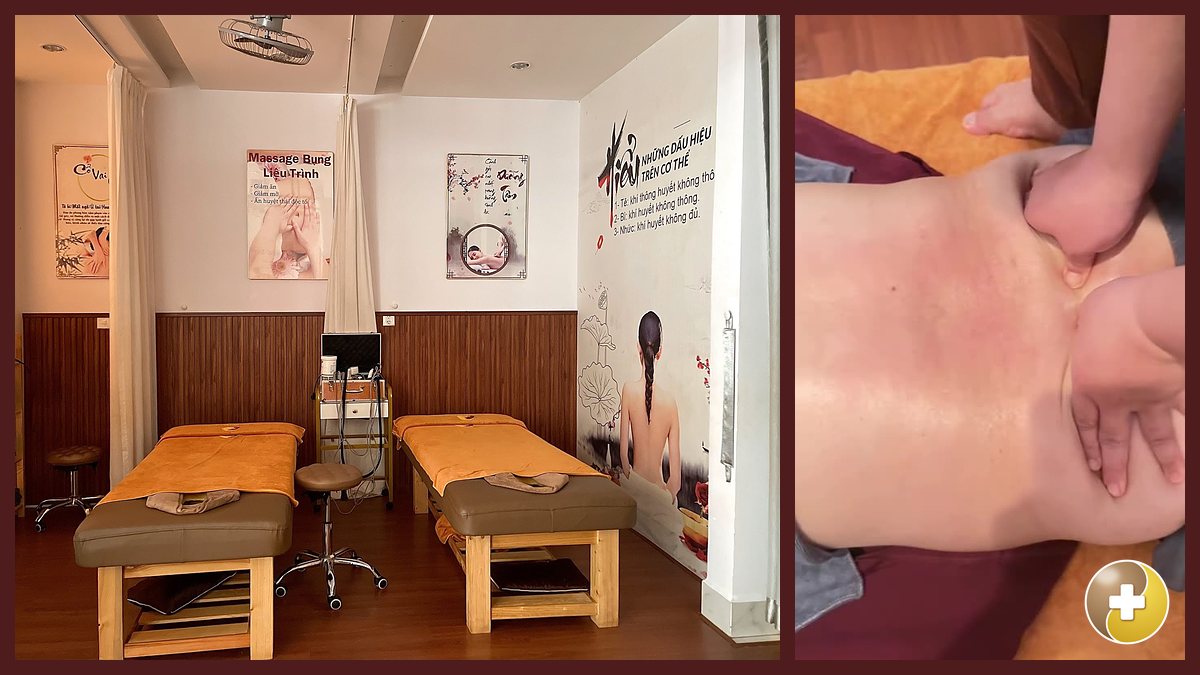
Quick answer: Traditional medicine (y học cổ truyền, also called Đông y) is the Eastern system of understanding and caring for health, seeing the body as a whole through yin and yang, the five elements, organ systems, qi and blood, and meridians. Tong Gia in District 12 and Vinhomes Grand Park, Ho Chi Minh City, practises its hands-on wellness side.
Want Lương Y Tống Văn Huynh’s team to read your spine and posture in person?
What is traditional medicine?
Y học cổ truyền, usually translated as traditional medicine and often shortened to Đông y ("Eastern medicine"), is the body of theory and care that Vietnam and other East Asian cultures built up over centuries of watching how people live, fall out of balance and recover. In Vietnam it is linked with historic figures such as Tuệ Tĩnh and Hải Thượng Lãn Ông, and it is still taught and practised alongside modern medicine.
Its core idea is to see a person as a whole. The Tong Gia training manual opens with this picture: our ancestors saw each person as a small universe between Heaven and Earth. What we are born with forms our innate constitution; how we eat, sleep and think every day builds it up or wears it down. The five elements move differently in each person, so the same pain can have different roots in two people.
The basic concepts you will meet:
- Yin and yang: opposite yet interdependent sides of everything, such as hot and cold, active and still, day and night. Health means they are in balance; long-term tiredness and aches are often read as imbalance.
- The five elements: Metal, Wood, Water, Fire and Earth, five patterns of movement that feed and restrain each other. Each organ system belongs to one: Liver to Wood, Heart to Fire, Spleen to Earth, Lung to Metal, Kidney to Water.
- Organ systems: five "storing" organs (Heart, Liver, Spleen, Lung, Kidney) and six "passing" organs (Gallbladder, Stomach, Small Intestine, Large Intestine, Bladder, Triple Burner) that receive, transform and pass things on.
- Qi and blood: qi is moving energy, blood is nourishment. The manual calls the Spleen and Stomach the root of what we build after birth, producing qi and blood for the whole body, and the Kidney the root of what we are born with.
- Meridians: the channels carrying qi and blood, linking inner organs with skin, muscles and limbs; acupoints lie along them.
An organ system is not the same as the anatomical organ. When Eastern theory speaks of the "Liver", it means a whole functional network involving qi, blood, tendons, eyes, nails and emotions, not just the liver itself. The manual notes that this Liver cannot be seen on a scan, because it is a functional concept. Knowing this avoids the common confusion that "weak Kidney" means kidney disease.
| Aspect | Traditional medicine | Modern medicine |
|---|---|---|
| View of the body | A whole: organ systems, qi, blood and channels linked to each other and to the environment | Organs, tissues, cells and biochemical mechanisms |
| How it gathers information | Looking at complexion and posture, listening, asking about lifestyle, touch | History, examination, lab tests, imaging |
| Strengths | Wellness, prevention, functional discomfort, how the body feels | Identifying disease, emergencies, surgery, acute and serious illness |
| The heart, for example | The Heart is the "emperor", governing blood vessels and the mind | The heart pumps blood, conducts electrical signals, has hormonal roles |
| Relationship | In the Tong Gia manual's words: two views that complement each other and do not replace each other | |
Why do people turn to traditional medicine?
In Ho Chi Minh City, people asking "what is traditional medicine" are rarely just curious about theory. Usually the body feels off in a way that is hard to name: check-ups show nothing worrying, yet every day feels heavy. Common reasons:
- Neck and back ache from sitting: office staff, engineers at the Saigon Hi-Tech Park, remote workers in the new apartment towers.
- Poor or light sleep and stress: long hours, late nights, time-zone calls with home; Eastern theory links this to the Heart and Liver.
- Bloating, low appetite, tiredness after meals: rushed lunches, late dinners, business drinking; linked to the Spleen and Stomach.
- Feeling cold, cold hands and feet, tired knees: long hours in air-conditioning, middle age; linked to Kidney yang.
- Wanting to look after health before illness: the very spirit of traditional wellness.
- Wanting gentle, non-invasive care: massage, acupressure, cupping, herbal steam.
What does traditional medicine include?
Its toolbox is wide: herbs taken or applied, needles, massage and acupressure, cupping, scraping, steam, hot compresses, and daily practices for breathing, movement, food and sleep. Each needs trained people and the right setting. Tong Gia Acupoint Wellness has chosen the hands-on wellness path. The manual lists the school's "three nos": no chemicals or herbs injected or swallowed, no needles, no rough force. Herbs at Tong Gia are only used on the skin (compresses, steam, foot soaks), and the manual is clear that they act mainly locally, keeping you warm and helping you relax.
Signs your body may want this kind of care
Traditional medicine reads small changes we tend to ignore. According to the Tong Gia manual, each organ system "signals" in its own way:
- Liver: tension, irritability, fullness under the ribs, tired or dry eyes, cramps, tight tendons, stiff neck and shoulders.
- Heart: palpitations, trouble sleeping, vivid dreams, a dull complexion.
- Spleen and Stomach: poor appetite, bloating, loose stools, pale lips, tired limbs, slack muscles.
- Lung: shallow breathing, frequent sighing, catching colds when the weather turns, dry skin.
- Kidney: tired lower back and knees, feeling cold, waking at night to pass urine, ringing ears, early hair loss.
These signs guide where to work and what habits to change. They are not used to name a disease, and a wellness practitioner should never tell you that you "have liver disease" in the modern sense.
When to see a doctor
Traditional medicine is strong in wellness and prevention, but it does not replace a medical check when warning signs appear. Call 115 (the emergency number in Vietnam) at once for chest pain or tightness, shortness of breath or cold sweats, or a drooping face, slurred speech or sudden one-sided weakness.
Please see a doctor soon if you have:
- Pain that lasts, keeps getting worse, or is worse at night.
- Numbness or weakness in the limbs, unsteady walking.
- Lasting fever or cough, coughing blood, breathlessness on effort.
- Exhaustion, pale skin, dizziness (signs that can look like anaemia) or unexplained weight loss: get checked in parallel with any wellness care.
- Severe abdominal pain, black stools or vomiting blood.
If you are being monitored for heart disease, blood pressure, diabetes or kidney disease, keep following your doctor's instructions; the Tong Gia manual tells practitioners never to advise stopping them. This is a wellness service, not medical care.
The Y Tướng Học view: observation as part of the tradition
Looking before touching is one of the oldest habits of traditional medicine. Tong Gia's Y Tướng Học (face reading for wellness) works from the principle "the outer form reflects the inner organs": complexion, build and muscle tone are the visible fruit of what happens inside. A few easy examples from the manual:
- The square "Điền" face belongs to the Earth type, rooted in the Spleen and Stomach; out of balance it tends towards bloating and heaviness, and the back often tightens in a broad patch around T11–T12.
- The "Đồng" face relates to the upper back, often tight or raised at T3 (the Lung point), affecting breathing.
- The area between the eyebrows mirrors the Heart and Lung; a deep vertical crease often comes with shallow breathing, sighing and a fluttery chest.
- The bridge of the nose relates to the Stomach channel and mirrors the Spleen and the lumbar spine; the manual calls the nose a miniature of the backbone.
- The rim of the ear relates to the root of the Kidney; thin, soft ears with stiff muscles around them go with a tired back and knees and feeling cold.
This is school-based reference knowledge used to decide where the hands should read first. It never replaces a medical check and is never used to judge character. See our face reading Q&A.
Vertebrae and nerve-reflex zones
A distinctive feature of Tong Gia is linking traditional medicine with knowledge of the spine and nervous system. The manual explains that the spinal cord runs in the spinal canal and nerve roots leave between the vertebrae; the head houses the central nervous system (awareness, command), while the spine relates to the autonomic nervous system that keeps life running automatically. Along both sides of the spine runs the Bladder channel with points named after each organ system. Reading the spine by hand therefore reads muscle and bone (modern view) and organ-related zones (Eastern view) at the same time.
| Spinal segment | Nerves and function | Common feelings | Organ system (traditional view) |
|---|---|---|---|
| C1–C7 (neck) | Head, face, neck, arms | Headache, stiff neck, tired arms | Kidney, Liver, Lung |
| T3 | Breathing | Stiff upper back, shallow breath | Lung |
| T5 | Circulation | Palpitations, poor sleep | Heart |
| T7–T10 | Digestion, liver and gallbladder | Tension, fullness under the ribs | Liver, Gallbladder |
| T11–T12 | Digestion | Bloating, low appetite | Spleen, Stomach |
| L1–L5 (lower back) | Kidneys, urinary, reproductive, legs | Tired back and knees, feeling cold | Kidney |
| S1–S5, tailbone | Elimination, pelvic floor | Ache around the sacrum | Kidney, Bladder |
The table shows links described in the manual, not conclusions about disease.
The Tong Gia method: spinal nerve-reflex balancing
Tong Gia does not practise every branch of traditional medicine; it practises the hands-on wellness branch, carefully. Its spinal nerve-reflex balancing was built by the founder, Lương Y (master of traditional Vietnamese wellness) Tống Văn Huynh, with over 13 years in Eastern wellness, Y Tướng Học and spinal nerve-reflex balancing, drawing on the Vietnamese "head and spine" school. The manual describes the method as a bridge that keeps the nation's traditional medicine alive. A session runs in order:
- Observation by Y Tướng Học: complexion, posture and muscle tone point to the organ system most likely out of balance.
- Questions and safety screening: history, existing conditions, pregnancy; if warning signs are present, no session, and advice to get checked.
- Reading the spine by hand: skin temperature, the muscle layer, the shape of each vertebra and tender points, comparing left with right and top with bottom.
- Muscle release and acupressure in the right zone, following the school's eight golden rules (symmetry, work only the "excited" zones, narrow down to the key point, create a wave of "good ache", graded pressure, direction, stop at the right moment, temperature control), and pressing the main points of the organ system identified.
- Self-care advice using the manual's ten golden rules for that organ system, in honest wording with no overpromising.
Services that suit a first taste of hands-on traditional wellness (single-session prices, see all prices):
- Eastern massage 60 minutes: 450,000 VND (about 17 USD), a good first visit.
- Heart / Kidney / Liver / Spleen-Stomach wellness 75 minutes: 750,000 VND (about 29 USD), focused on one organ system.
- Full-body care 120 minutes: 950,000 VND (about 37 USD), head, back and down to the feet. See the 120-minute full-body Q&A.
A typical session
An evening at the Vinhomes Grand Park branch: a manager in his forties says check-ups find nothing, yet he is always tired, sleeps lightly, feels bloated after dinner and wakes with a tired lower back. He asks straight away how traditional medicine sees this. The practitioner checks his history first: normal blood pressure, no heart condition. She notes a square, full face, slightly pale lips and thin ears; on the back, a thick, stiff patch at T11–T12 and a lower back cooler than the upper back. She explains briefly that, in traditional terms, this points to the Spleen-Stomach and Kidney, then gives a 75-minute Spleen-Stomach session: mid-back release, pressing the Spleen, Stomach and Kidney shu points, gentle clockwise abdominal massage (dinner was more than two hours earlier) and Zusanli. He leaves with three habits: eat dinner earlier, eat slowly, warm the lower back before bed.
What you feel during and after
Many guests are surprised that the practitioner finds the tired spots before they mention them. During: an ache on tight points that turns into warmth, a lighter belly, slower breathing; some people fall asleep. After: lighter, warmer, easier sleep that night; worked areas may feel mildly sore for a day or two. We do not promise that tiredness disappears after one session; we help the body rebalance and show you how to keep that balance at home. Read more in our traditional Vietnamese massage Q&A and the acupressure experience guide.
Want Lương Y Tống Văn Huynh’s team to read your spine and posture in person?
Self-care at home and prevention
- Sleep at regular hours, before 11 pm: the manual notes that blood returns to the Liver to be replenished while you rest.
- Eat slowly and on time, go easy on cold drinks and greasy food: this protects the Spleen and Stomach, the source of qi and blood. Do not massage your belly straight after a big meal.
- Belly breathing for 5–10 minutes a day: in through the nose for about 4 seconds, belly rising, out slowly for about 6 seconds.
- Press Zusanli and warm the lower back: Zusanli is four finger-widths below the outer knee hollow, 1–2 minutes each side; rub both sides of the lower back 50–100 times until warm.
- Move moderately and keep your mood calm: stand every 45–60 minutes, walk, stretch.
Do not take herbs by mouth without asking a qualified person, and do not drop a health professional's instructions on your own. If you are or may be pregnant, do not press Hegu or Sanyinjiao on yourself.
How to book
To experience traditional medicine through hands-on wellness, visit one of Tong Gia Acupoint Wellness (Huyệt Đạo Tống Gia)'s two branches, open every day, with real customer reviews on each branch's Google Maps profile:
- District 12: 225 Dương Thị Mười, Phường Tân Chánh Hiệp (Tan Chanh Hiep Ward, District 12). Open 8:00–19:00 daily.
- District 9 – Vinhomes Grand Park: Căn T16-21 khu Manhattan, Vinhomes Grand Park, Phường Long Bình, TP. Thủ Đức (unit T16-21, Manhattan zone, Long Binh Ward, Thu Duc City). Open 9:00–20:00 daily.
Call, Zalo or WhatsApp +84 888 264 559, or book online. If you are visiting Ho Chi Minh City, this is a simple way to try a Vietnamese Eastern wellness method; ask the practitioner anything about traditional medicine during the session.
Visit us
- Đông Y Huyệt Đạo Tống Gia Quận 12 (District 12)
225 Dương Thị Mười, Phường Tân Chánh Hiệp, Quận 12, HCMC · 8:00–19:00 daily · 0888 264 559 · Directions on Google Maps - Đông Y Huyệt Đạo Tống Gia Quận 9 (Vinhomes Grand Park, District 9)
Căn T16-21 khu Manhattan, Vinhomes Grand Park, Phường Long Bình, TP. Thủ Đức, HCMC · 9:00–20:00 daily · 0888 264 559 · Directions on Google Maps
Want Lương Y Tống Văn Huynh’s team to read your spine and posture in person?
FAQ
What is traditional medicine? Traditional medicine (y học cổ truyền) is the Eastern system of theory and health care that sees the body as a whole through yin and yang, the five elements, organ systems, qi, blood and meridians. Its methods include herbs, massage and acupressure, cupping, steam and daily practices for breathing, movement, food and sleep.
Is "Đông y" the same as traditional medicine? In everyday Vietnamese the two terms are used almost interchangeably: both mean the traditional Eastern system of health care. You will also see the abbreviation YHCT.
Is traditional medicine scientific? It grew from long observation, and concepts such as meridians and organ systems are functional ideas that do not appear on scans. Tong Gia explains its work in parallel in modern terms (muscle, nerves, spine) and sees the two views as complementary, not as replacements for each other.
How is Eastern acupressure different from an ordinary massage? Eastern acupressure chooses points by channel and by the organ system to support, not only where it hurts. At Tong Gia the practitioner also observes your face and reads your spine by hand first, then releases muscle and presses points with pressure that builds from light to firm.
Does traditional wellness replace modern medicine? No. The Tong Gia manual is clear that the two views complement each other. Keep following the advice of the health professionals monitoring any condition you have; wellness care supports comfort and a balanced lifestyle.
Where can I try hands-on traditional wellness in Ho Chi Minh City? Tong Gia has two branches: 225 Dương Thị Mười, District 12 (8:00–19:00) and unit T16-21, Manhattan zone, Vinhomes Grand Park (9:00–20:00). Call or WhatsApp +84 888 264 559 to book.
Author: Lương Y Tống Văn Huynh – founder of Huyệt Đạo Tống Gia, a master of traditional Vietnamese wellness with over 13 years in Eastern wellness care, Y Tướng Học (face reading) and spinal nerve-reflex balancing massage.
Updated: 2026-11-16
Related guides
- What does acupressure do? Effects on muscles, nerves and the five organs, and how Tong Gia works in Ho Chi Minh City
- Acupressure in Thu Duc: pressure chosen by reading your spine, at the branch that suits your ward
- Sore after acupressure: is it normal? How to tell ordinary aching from warning signs, why it happens and how to look after yourself after a session in Ho Chi Minh City
- What are gua sha and cupping: two Vietnamese folk warming methods, the cupping points and when to skip them
- Unblocking the meridians (đả thông kinh lạc): what it really means, how a hands-on session works and what you will feel in Ho Chi Minh City
- Herbal compress: what the warmth really does, where it goes and who it suits
This is a wellness service, not medical care.