
Hand numbness and tired hands from assembly line work in Taiwan: wrist, neck and what helps on your trip home
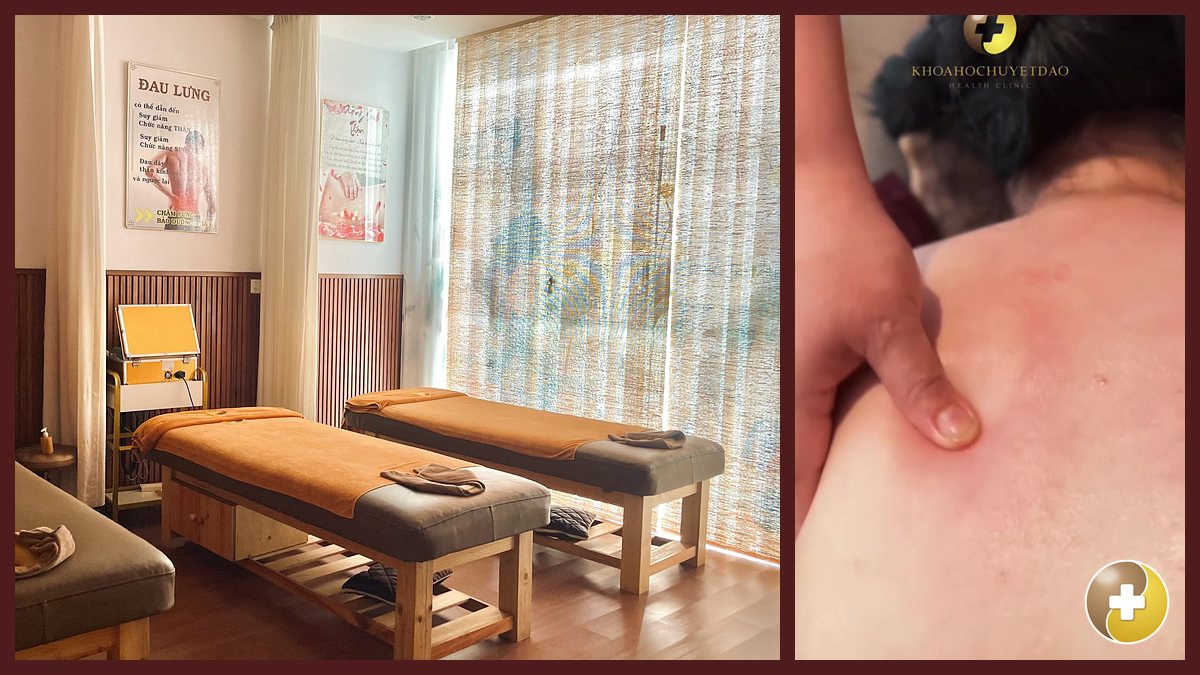
Quick answer: Hand numbness from assembly line work in Taiwan usually comes from repeating one small wrist and finger movement all shift, which squeezes the median nerve in the carpal tunnel and strains the C5–C8 neck nerve roots, so tingling is worse at night. Rest breaks, stretching and warmth help. Tong Gia Acupoint Wellness in Ho Chi Minh City releases neck, shoulder and forearm muscles.
Want Lương Y Tống Văn Huynh’s team to read your spine and posture in person?
Why hands go numb on assembly lines in Taoyuan, Taichung and New Taipei
Winter in northern Taiwan means drizzle and the northeast monsoon. In Taoyuan and New Taipei many mornings sit in the low to mid teens Celsius, damp and cold enough to stiffen your fingers; Taichung is drier but the nights still turn chilly. Inside electronics plants, component factories and textile mills, many Vietnamese workers stand or sit at a conveyor for 10–12 hours a day, often with overtime: picking parts, driving screws, soldering boards, plugging cables, inspecting products, sewing seams, trimming thread. One small movement is repeated thousands of times per shift. Vietnamese wives living in Taiwan get the same problem from carrying babies, laundry, cooking and helping in family shops or workshops. Then one night you wake up because your hand is buzzing with pins and needles, and you have to shake it before the feeling comes back.
In Western anatomy terms, numbness is an abnormal skin sensation (tingling, crawling, prickling, reduced feeling) that appears when a nerve somewhere between the neck and the hand is compressed, irritated or short of blood supply. For line workers there are three common pinch points:
- The carpal tunnel: a narrow passage on the palm side of the wrist, with the wrist bones as its floor and the transverse carpal ligament as its roof. Nine finger-flexor tendons and the median nerve run through it. Constant bending and twisting of the wrist thickens the tendons and their sheaths, the tunnel gets tighter and the median nerve is squeezed. This nerve supplies feeling to the thumb, index finger, middle finger and half of the ring finger, so tingling often appears in exactly those fingers, mostly at night and early in the morning.
- The elbow: the ulnar nerve passes along the inner elbow. Leaning your elbows on a hard bench or keeping them bent for hours, at work or in bed, can make the little and ring fingers go numb.
- The neck: the C5, C6, C7 and C8 nerve roots leave the spine between the neck vertebrae, join into the brachial plexus and spread down to the shoulder, arm and hand. Looking down at a conveyor all shift with raised, tense shoulders keeps this area under strain, so numbness may come with a stiff neck, heavy shoulders or pain running down the arm.
The same pattern shows up in long-haul travellers who type or scroll for hours in a cramped seat, and in anyone over 40 whose tendons are less supple than before. The pillar guide of this series is spine care after a long-haul flight; this page focuses on the hand, wrist and neck.
Common causes: repetition, long shifts, cold and damp
- Too many repetitions: gripping, pressing and twisting with thumb and index finger while the wrist flexes in rhythm with the line. The flexor tendons rub inside the carpal tunnel all shift without a long enough pause to settle.
- Awkward wrist angles: a bench that is too high or too low forces the wrist up or down; vibrating tools such as electric screwdrivers and grinders add load; squeezing scissors or glue guns all day does too.
- Long shifts and overtime: 12-hour shifts, sometimes seven days a week, leave forearm, neck and shoulder muscles no time to relax.
- Head down all day: eyes close to small parts, head forward, shoulders lifted. The trapezius, levator scapulae and scalene muscles tighten around the exit points of the C5–C8 roots.
- Cold and damp: northern Taiwan winters, air-conditioned workshops and frequent cold-water hand washing make finger blood vessels narrow, so hands stiffen and tingle faster.
- Sleeping with bent wrists: after a tiring shift many people sleep curled up with a hand under the pillow, which makes night numbness worse. See numb hands after waking up.
- Rushed meals and short sleep: eating fast between shifts, sleeping too little and missing home all make fatigue and tingling feel stronger.
- A short, busy home visit: the flight from Taoyuan to Tân Sơn Nhất airport is only about 3–4 hours and Vietnam is just one hour behind Taiwan, so jet lag is mild, but heavy gift luggage, carrying children and back-to-back family visits keep the hands and shoulders busy.
Some health conditions also make hand numbness more likely, such as diabetes, thyroid problems, low vitamin B12, pregnancy and the months after giving birth. These need checking by medical staff, not just massage.
Related signs worth noticing
- Thumb, index and middle finger tingling, worse at night, better after shaking the hand: typical of median nerve pressure in the carpal tunnel. Read thumb and index finger numbness.
- Little and ring finger numbness when leaning on or bending the elbow: linked to the ulnar nerve at the elbow or the C8 root in the neck. See pinky and ring finger numbness.
- Numbness with a stiff neck, heavy shoulders, pain running down the arm: think of the neck and shoulder muscles first.
- Dropping things, trouble with buttons or opening bottles: grip strength is dropping and should be checked early.
- Wrist pain on bending, stiff fingers in the morning, clicking tendons: tendons and sheaths are overloaded.
- Cold hands, fingers turning white or bluish in the cold: small vessels in the fingers narrowing in cold, damp air.
- Broken sleep, tiredness, irritability: night numbness interrupts sleep and the whole body feels heavy the next day.
The Tong Gia training manual says pain shows up in one place while its source often sits somewhere else. Tingling fingertips may start at the wrist, the elbow or tight neck muscles from looking down all shift, so the whole route from neck to hand needs attention. A general overview is in common causes of numb hands.
When to see a doctor, and simple Chinese to use in Taiwan
Numbness from repetitive work often eases with rest breaks, posture changes, warmth and stretching. With any of the following, please see a doctor at a medical facility and do not rely on massage:
- Sudden numbness or weakness in one arm or one side of the face, a drooping mouth, slurred speech, blurred vision or loss of balance: this can be a stroke. Call 119 in Taiwan or 115 in Vietnam right away.
- Left-arm numbness or pain with chest tightness, shortness of breath, cold sweats or pain spreading to the jaw: call 119 (Taiwan) or 115 (Vietnam) right away, no massage.
- Weakness that keeps getting worse, dropping things often, or a hollow forming in the thumb muscle.
- Numbness in both hands and both feet, unsteady walking, or new bladder problems.
- Numbness after a fall, a knock or catching the hand in a machine, or a swollen, misshapen wrist.
- Numbness lasting more than 2–3 weeks despite rest, or constant day and night.
- Numbness with fever, unexplained weight loss, lasting fatigue or pale skin like anaemia: get checked at a medical facility alongside any wellness care.
- Pregnancy, recent childbirth, diabetes, thyroid conditions or specific instructions from your care team: ask your care team before any massage.
Foreign workers in Taiwan with a National Health Insurance card (健保卡) can be seen at hospitals and local medical facilities near the factory. A few short sentences help staff understand you. The phrases below use Traditional Chinese characters as written in Taiwan, with pinyin:
| Chinese (Traditional) | Pinyin | Meaning |
|---|---|---|
| 我的手會麻。 | Wǒ de shǒu huì má. | My hand goes numb. |
| 晚上睡覺的時候手麻。 | Wǎnshàng shuìjiào de shíhou shǒu má. | My hand goes numb when I sleep at night. |
| 大拇指、食指、中指麻。 | Dàmǔzhǐ, shízhǐ, zhōngzhǐ má. | My thumb, index and middle fingers are numb. |
| 小指和無名指麻。 | Xiǎozhǐ hé wúmíngzhǐ má. | My little and ring fingers are numb. |
| 手腕很痛。 | Shǒuwàn hěn tòng. | My wrist hurts a lot. |
| 手沒有力氣,拿不住東西。 | Shǒu méiyǒu lìqì, ná bú zhù dōngxi. | My hand is weak and I drop things. |
| 脖子和肩膀很痠。 | Bózi hé jiānbǎng hěn suān. | My neck and shoulders ache. |
| 我在工廠做組裝,一天做十二個小時。 | Wǒ zài gōngchǎng zuò zǔzhuāng, yì tiān zuò shí'èr ge xiǎoshí. | I do assembly work in a factory, 12 hours a day. |
| 已經麻了兩個禮拜。 | Yǐjīng má le liǎng ge lǐbài. | It has been numb for two weeks. |
| 我需要越南語翻譯。 | Wǒ xūyào Yuènányǔ fānyì. | I need a Vietnamese interpreter. |
For questions about workplace rights when work hurts your hands, foreign workers in Taiwan can call the 1955 labour hotline, which offers Vietnamese. If you already have results from a medical check, bring them or a photo when you come home. Tong Gia does not read X-rays or MRI scans and does not make medical plans; your results only help staff know which areas to keep gentle or avoid. This is a wellness service, not medical care.
The Y Tướng Học view: tired, numb hands and the Liver, Heart and Spleen
Y Tướng Học (face reading for wellness) is a tradition over 2,000 years old built on one line: the signs show outside, the organs lie inside. Lương Y (traditional healer) Tống Văn Huynh organised this knowledge so practitioners look at the face before touching the spine. For tired, numb hands from line work, three organ systems are usually considered.
Liver governs the tendons and shows in the nails. In the Tong Gia manual the Liver nourishes tendons and ligaments and supports movement; when it is strong, tendons are supple and joints move freely; when it weakens, muscles cramp, twitch and stiffen. The Liver also stores blood, sending it to muscles and tendons during activity and receiving it back at rest. Twelve-hour shifts with few breaks keep forearm tendons working with little time to recover. The nails show it: pink, firm nails suggest enough Liver blood; thin, brittle, ridged, dry nails are a signal. Dry, tired eyes from close-up work, irritability and tight shoulders are Liver signals too.
Heart governs the blood vessels. The Heart pushes blood around the body and shows in the tongue and complexion. A rosy face and deep sleep suggest balance; a pale face, poor sleep and palpitations call for care. People with night numbness often sleep lightly, worry and miss home, and broken sleep makes the tingling feel worse. The manual uses gentle pressure on forearm and wrist points such as Nội quan, Thần môn and Thông lý to support relaxation.
Spleen governs the flesh and the four limbs. The Spleen and Stomach turn food into the energy and blood that feed muscles, arms and legs. They show in the mouth, lips and muscle tone: pink lips, good appetite and firm muscles are good signs; pale lips, bloating, heaviness and tired limbs are signals. Rushed meals, skipped meals, cold food and long hours in air-conditioning wear the Spleen down.
Face shapes and the back. According to the manual, a long, narrow, thin "Mục" face often comes with thin muscles along the spine, so work should be gentle and paired with rest. A bony "Vương" face with high cheekbones often belongs to people who carry heavy loads, with fibrous muscle around the joints that needs deep, gradual release. Shoulder muscles that feel hard as wood after years of heavy work are linked in the manual to stagnant energy and blood, with deep spasm in the trapezius and along the back. These are wellness observations, not fortune-telling and not a medical judgement.
Vertebrae and nerve-reflex areas involved
In the Tong Gia approach to spinal nerve-reflex balancing, the neck vertebrae C1–C7 relate to the head, face, neck and arms, and the manual groups numbness of the hands and feet with muscle, bone and joint concerns, worked through the C5–C7, L1–L5 and S1–S5 areas. For hand numbness from line work, practitioners usually compare these areas:
| Vertebrae | Nerve / function (Western anatomy) | Common sensation | Organ system (Eastern view) | Outer signs (Y Tướng Học) |
|---|---|---|---|---|
| C4–C5 | C5 root to deltoid and biceps, skin of the outer upper arm | Tired shoulder, heavy upper arm when holding arms up | Liver (tendons) | Raised, hard shoulders, frown lines |
| C5–C6 | C6 root: feeling in thumb and index finger; wrist extensors | Thumb and index tingling, outer forearm fatigue | Liver and Lung (Lung meridian runs to the thumb) | Dry, ridged nails, dry skin on hands |
| C6–C7 | C7 root: feeling in middle finger; triceps, wrist flexors | Middle finger tingling, tired when pushing or pressing | Heart (blood vessels) | Pale complexion, sleep broken by tingling |
| C7–T1 | C8 root: feeling in little and ring fingers; finger flexors, small hand muscles | Little and ring finger numbness, weaker grip | Spleen (four limbs) | Pale lips, tired limbs, heaviness |
| T1–T3 | T1 root to small hand muscles and inner forearm; neck to upper back junction | Heaviness between the shoulders, arms tired by end of shift | Lung and Heart | Shallow breathing, sighing; "Đồng" face checks T3 |
| Wrist: carpal tunnel | Median nerve (from C6–T1) passes with nine flexor tendons | Three and a half fingers tingling at night, better after shaking | Liver (stores blood) | Thin, brittle nails, finger cramps |
The table lists related areas so the practitioner knows where to read carefully by hand. It is not a statement of cause. That is why Tong Gia starts at the neck, shoulders and upper back before working the forearm and wrist.
How Tong Gia helps rebalance the neck, shoulders and arms
Each session follows the spinal nerve-reflex balancing method developed by Lương Y Tống Văn Huynh, founder of Tong Gia Acupoint Wellness (Huyệt Đạo Tống Gia), with over 13 years in traditional Vietnamese wellness, Y Tướng Học and this method. It is a Vietnamese Eastern wellness practice done by hand, aimed at helping the neck and upper back regain balance and supporting the related organ systems.
- Questions and observation: your job, shift length, which hand works more, which fingers tingle and when, whether you have been checked, diabetes, thyroid, pregnancy. Then the practitioner looks at complexion, nails, neck and shoulder posture and shoulder height.
- Reading the spine by hand: four things are felt (skin temperature, muscle layer, vertebra shape and sensitivity at each point), comparing left with right and top with bottom, narrowing from a survey area to the key point. For hand numbness the focus is C4–T3 and around the shoulder blades.
- Muscle release: trapezius, levator scapulae, neck scalenes, muscles around the shoulder blades, then the inner and outer forearm and the hand, with pressure building from light to firm across five levels while checking how you feel.
- Acupressure on the right areas: points from the manual such as Định suyễn beside C7, Nội quan, Thần môn and Liệt khuyết at the wrist, and Hợp cốc on the back of the hand (never used in pregnancy). Work on a point stops when the skin turns from dry to slightly moist.
- Self-care coaching: wrist-flexor stretches, micro-breaks, sleeping without bent wrists and keeping hands warm back in Taiwan's winter.
During the session a few points on the shoulders and forearm may feel tender where muscles are tight; as they relax the tenderness usually fades and the hands warm up. Afterwards some people feel lighter shoulders and wake less from tingling that night; others feel a little sore for a day first. Everyone responds differently, and Tong Gia does not promise the numbness will be gone after one visit.
Suitable services and prices
- Neck-shoulder / back care, 60 min: 550,000 VND (about USD 21), first visit 399,000 VND (about USD 15); 90 min: 750,000 VND (about USD 29). Focus on the neck, shoulders and upper back where the arm nerves begin.
- Extra area massage, 30 min: 199,000 VND (about USD 8). Added to neck-shoulder care for the forearm, wrist and hand.
- Full-body care, 120 min: 950,000 VND (about USD 37). For when months of shifts have left the whole body tired and the legs heavy from standing.
Conversions use a reference rate of 1 USD ≈ 26,000 VND; payment is in VND. Full list: prices.
From Tân Sơn Nhất airport to a branch
The District 12 branch (225 Dương Thị Mười, Phường Tân Chánh Hiệp, District 12) is north of the airport, usually about 30–45 minutes by car depending on traffic. The Vinhomes Grand Park branch (Căn T16-21 khu Manhattan, Phường Long Bình, TP. Thủ Đức – Manhattan zone, Thu Duc City) is farther and takes longer, especially in evening rush hour. To stop on your way from the airport, read massage near Tan Son Nhat airport and message ahead.
Want Lương Y Tống Văn Huynh’s team to read your spine and posture in person?
A suggested plan for your trip home, and hand self-care
| When | What your hands need | What to do |
|---|---|---|
| Last week before flying | Less overload | Ask for less overtime if possible; a 5-minute hand break every hour; note which fingers tingle and when |
| Flight day | No heavy one-handed carrying | Use a wheeled case, split bags between both hands; circle wrists and stretch fingers on board |
| Arrival day | Relax | Warm shower, soak hands in warm water for 10 minutes, sleep on Vietnam time (one hour behind Taiwan) |
| Day 2–3 | Release neck, shoulders and forearms | A 60–90 minute neck-shoulder session, plus 30 minutes for the arms if numbness is strong |
| Family visit days | Share the hand work | Let relatives help with babies, dishes and bags; sit in chairs with back support; sleep enough |
| Mid-trip | Keep fatigue from building | Another session if tingling remains; get checked if any warning sign appears |
| 2–3 days before flying back | Prepare for long shifts | A light session, practise the stretches, pack gloves; see preparing your body before a flight |
- Wrist-flexor stretch: arm straight, palm facing away, gently pull the fingers back with the other hand for 15–20 seconds, three times every two hours.
- Micro-breaks: every hour drop both arms, shake gently, open and close the hands ten times, circle the wrists slowly.
- Keep the wrist straight: adjust the chair or add a step so the wrist lines up with the forearm; do not lean the elbow on hard edges.
- Sleep with straight wrists: no hand under the pillow or under your body; a soft towel wrapped around the wrist can keep it straight.
- Warmth and slow breathing: wear gloves outdoors in Taoyuan and New Taipei winters; in the evening breathe in through the nose for about 4 seconds and out for about 6 seconds for 5–10 minutes to loosen the neck and shoulders.
Book from abroad before your home leave
You can book while still in Taoyuan, Taichung or New Taipei. Call, Zalo or WhatsApp +84 888 264 559 (0888 264 559 inside Vietnam) with three details: your landing date and time at Tân Sơn Nhất, where you feel numb or tired (which fingers, wrist, neck and shoulders) and which branch you prefer. You can also book online, and booking a massage in Saigon from abroad explains the steps.
- District 12 branch: 225 Dương Thị Mười, Phường Tân Chánh Hiệp, Ho Chi Minh City. Open 8:00–19:00 daily.
- Vinhomes Grand Park branch: Căn T16-21 khu Manhattan, Vinhomes Grand Park, Phường Long Bình, TP. Thủ Đức. Open 9:00–20:00 daily.
Days before Tết fill up quickly, so message early. Real customer reviews are on Google Maps on each branch page, and family members in Ho Chi Minh City can book for you.
Visit us
- Đông Y Huyệt Đạo Tống Gia Quận 12 (District 12)
225 Dương Thị Mười, Phường Tân Chánh Hiệp, Quận 12, HCMC · 8:00–19:00 daily · 0888 264 559 · Directions on Google Maps - Đông Y Huyệt Đạo Tống Gia Quận 9 (Vinhomes Grand Park, District 9)
Căn T16-21 khu Manhattan, Vinhomes Grand Park, Phường Long Bình, TP. Thủ Đức, HCMC · 9:00–20:00 daily · 0888 264 559 · Directions on Google Maps
Map of our two branches
Want Lương Y Tống Văn Huynh’s team to read your spine and posture in person?
What guests say on Google Maps
“I had shoulder pain and numbness from sitting at the computer a lot, and after sessions at Khoa Học Huyệt Đạo I feel much better.” (translated from a Vietnamese review)
— Loan N., Google Maps review · Vinhomes Grand Park branch (District 9) · 2025 · See on Google Maps
Quoted from public reviews, shortened where marked (…). Experiences vary from person to person; reviews are not a substitute for seeing a doctor when something feels wrong.
Related guides for your trip
FAQ
Is hand numbness from assembly line work in Taiwan serious? Usually it comes from repeating the same wrist and finger movement all shift and tight neck and shoulder muscles from looking down, which strain the median nerve in the carpal tunnel or the C5–C8 neck roots. Rest breaks, stretching and warmth often help. Sudden one-sided numbness with a drooping face or slurred speech, or left-arm numbness with chest pain, needs 119 in Taiwan or 115 in Vietnam right away.
I work in an electronics factory in Taoyuan and my hand goes numb every night. What is it? Night tingling in the thumb, index and middle fingers that eases when you shake the hand is a typical pattern of median nerve pressure in the carpal tunnel, because wrists stay bent for long periods in sleep. Please see a doctor at a medical facility to get it checked, and meanwhile avoid sleeping with bent wrists and stretch the wrist flexors daily.
How do I say my hand is numb in Chinese? Say 我的手會麻 (Wǒ de shǒu huì má), my hand goes numb. For night numbness: 晚上睡覺的時候手麻 (Wǎnshàng shuìjiào de shíhou shǒu má). For wrist pain: 手腕很痛 (Shǒuwàn hěn tòng). If you need an interpreter: 我需要越南語翻譯 (Wǒ xūyào Yuènányǔ fānyì).
How long does it take for the numbness to ease? With real rest, posture changes, stretching and enough sleep, many people feel better within days to a few weeks, but it tends to return if the same long shifts continue. Numbness lasting over 2–3 weeks, growing weakness, frequent dropping of objects or a hollow in the thumb muscle all need a medical check.
Can massage and acupressure help numb hands? Massage helps tight neck, shoulder and forearm muscles relax and often leaves the hands feeling warmer and lighter; some people wake less from tingling. At Tong Gia the practitioner reads the neck and upper back by hand first, then releases muscles and applies acupressure. It is wellness care and does not replace a medical check when warning signs appear.
Which Tong Gia service suits tired hands after months of factory shifts? Neck-shoulder care 60 minutes is 550,000 VND (about USD 21; first visit 399,000 VND) or 90 minutes 750,000 VND, with an optional 30-minute area add-on for the forearm and hand at 199,000 VND. If the whole body is worn out, full-body care for 120 minutes is 950,000 VND. Message +84 888 264 559 to reserve.
Author: Lương Y Tống Văn Huynh – founder of Huyệt Đạo Tống Gia, a master of traditional Vietnamese wellness with over 13 years in Eastern wellness care, Y Tướng Học (face reading) and spinal nerve-reflex balancing massage.
Updated: 2026-11-15
Related guides
This is a wellness service, not medical care.