
Massage near Tan Son Nhat Airport: how to loosen up after a long flight from the US East Coast
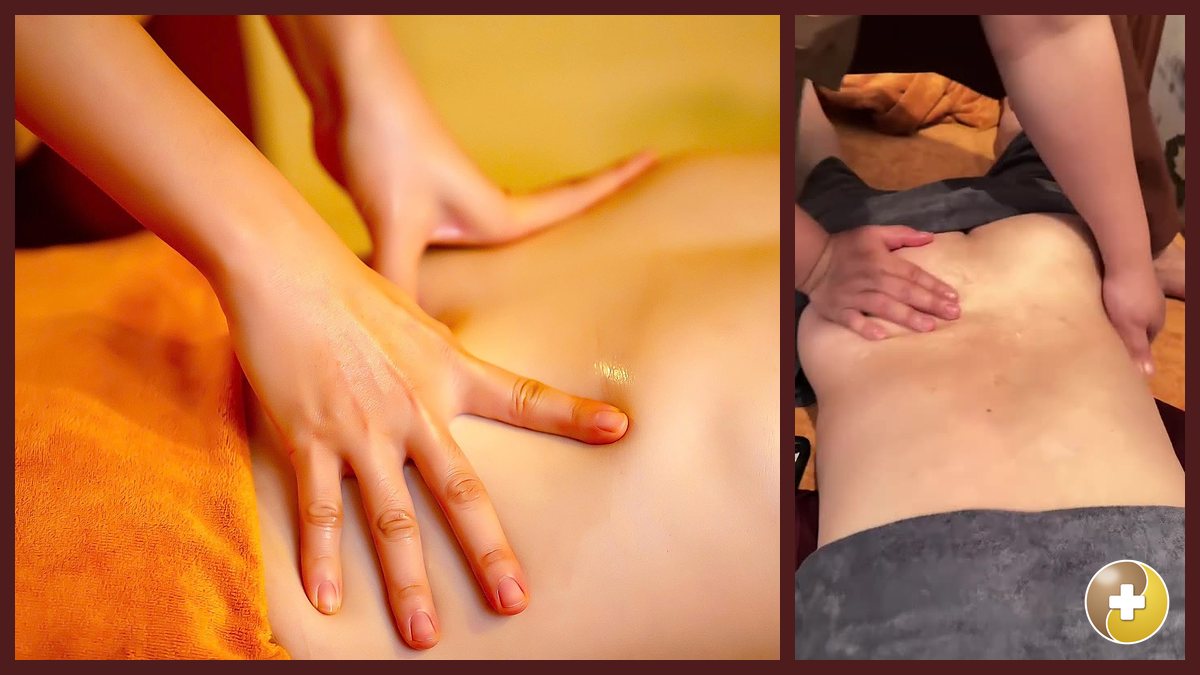
Quick answer: For a massage near Tan Son Nhat Airport, Tong Gia Acupoint Wellness (Huyệt Đạo Tống Gia) has a District 12 branch at 225 Dương Thị Mười, Ho Chi Minh City, about 30–45 minutes by car, open 8:00–19:00. Choose 60 minutes with light pressure after landing; one swollen calf or breathlessness means get checked first.
Want Lương Y Tống Văn Huynh’s team to read your spine and posture in person?
Massage near Tan Son Nhat Airport: why you want to stretch out the moment you land
Flying from the US East Coast to Ho Chi Minh City is one of the longer trips home for overseas Vietnamese. From Virginia, Washington DC, Philadelphia, Boston or New York there is currently no nonstop flight to Vietnam, so most travellers connect through a hub in Asia or the Middle East. Add the layover and the whole journey often runs past 20 hours. You may board at Dulles, JFK or Logan in sub-zero weather with snow on the parking lot, and step out at Tan Son Nhat (Tân Sơn Nhất) in the dry season, when midday temperatures are usually above 30°C. Your watch is still on Eastern Time, which in winter is 12 hours behind Vietnam.
So by the time many people clear immigration and collect their bags, the body feels wrecked: a stiff back, a neck locked to one side, legs heavy as lead, a foggy head and dry, gritty eyes. A search for "massage near Tan Son Nhat Airport" usually comes from exactly this moment: you want to loosen up before heading to your family's home or your hotel, instead of carrying 20 hours of sitting into the reunion dinner.
In Western terms, that all-over fatigue after a long-haul flight is several changes stacked together:
- Muscles held still for hours: the long back muscles brace the trunk, the hip flexors shorten in the seated position, and the glutes barely work. Standing up feels stiff.
- Blood and fluid pooling in the legs: the calf muscles act as a pump that pushes venous blood back to the heart. Sitting still, that pump slows down, ankles swell a little and shoes feel tight.
- Mild dehydration: cabin air is dry, and many people drink less to avoid the bathroom, plus coffee or wine to help them sleep.
- Short sleep and a confused body clock: broken naps leave the nervous system on alert, and tense nerves keep muscles from letting go.
The people who look for a massage near the airport include Viet Kieu flying home for Tet or a family visit, relatives in Saigon picking up parents or siblings, business travellers on long connections, and international visitors arriving after an overnight flight. Of the two Tong Gia Acupoint Wellness (Huyệt Đạo Tống Gia) branches, the District 12 branch at 225 Dương Thị Mười, Tân Chánh Hiệp Ward, lies north of the airport, roughly a 30–45 minute drive depending on traffic, so it suits people who want to stop by on arrival day. The Vinhomes Grand Park branch in Thu Duc City is farther away and suits people staying in the east of the city or booking for the next day.
This guide is part of Tong Gia's programme for overseas Vietnamese and wellness travellers. If your spine is the main complaint, read the pillar guide on spine care after a long-haul flight.
Why the East Coast route leaves you so drained
The route from the East Coast has a few features that make it harder on the body than shorter flights. Knowing each one helps you choose what to do right after landing:
- Two long legs with little time on your feet: a trans-Pacific or trans-Atlantic leg can last many hours in a narrow economy seat, often next to someone asleep, so you stay put. The lower back loses its natural curve, the head drifts forward and the shoulders round.
- Sleeping slumped, head tipped to one side: the neck and upper shoulder muscles are stretched on one side for hours. After landing, turning your head catches and an ache climbs from the nape to the top of the head. See stiff neck after a long flight.
- Long layovers: more sitting on airport chairs, dragging cabin bags between gates, eating on the transit city's schedule.
- A 12-hour time shift: meals, sleep and bathroom rhythms all flip. Exact numbers for each US time zone are in US–Vietnam time difference and jet lag.
- A big temperature swing: from a dry, cold winter in a heavy coat to humid heat at the curb, then an air-conditioned car. The neck and lower back tighten with sudden hot and cold.
- Lifting luggage: hauling gift-filled suitcases off the belt and into a car boot with a back that has been sitting for hours is an easy way to strain it.
- A packed welcome schedule: straight from the airport to a family meal, then visits, then more time in the car, with no transition rest at all.
For older parents travelling with you, all of this is stronger, because muscles and joints are less elastic and circulation in the legs is slower. That is why a massage right after landing should be gentle and well targeted, not as firm as a normal session.
Related signs to notice after landing
Post-flight fatigue rarely sits in one place. Check which of these you have, so you can choose the right session and recognise what should not wait:
- Stiff nape, painful head turning, ache at the back of the head: from sleeping slumped with a poorly fitting neck pillow.
- Heavy shoulders, mild tingling in the arm: from resting an arm on a narrow armrest or hugging a backpack.
- Ache between the shoulder blades, tight chest, shallow breathing: from hours hunched forward.
- Stiff lower back, needing your hands to stand up: see back pain after a long flight from the US to Vietnam.
- Heavy legs with mild, even swelling at both ankles: fluid pooling from sitting; explained in swollen legs after a long flight.
- Tightness behind the knee: from keeping the knees bent; if one side is also swollen, read the next section now, and see back-of-knee pain after a long flight.
- Heavy head, red dry eyes, blocked ears: from dry cabin air, pressure changes on descent and lack of sleep.
- Sleepy by day, wide awake at night: body clock out of sync; tips in jet lag sleep after flying to Vietnam.
- Bloating, low appetite: off-schedule airline meals and long sitting slow digestion.
When to see a doctor
Most post-flight fatigue eases with walking, water, sleep on local time and relaxed muscles. With any of the following, please see a doctor at a medical facility and do not rely on massage:
- Shortness of breath, chest pain or tightness, cold sweats, an unusually fast heartbeat or fainting after the flight: call 115 (Vietnam emergency) right away.
- One calf or the back of one knee swollen, painful, warm or red: this can be a sign of a deep vein clot after long sitting. Get checked now and do not have your legs massaged.
- A sudden severe headache, slurred speech, a drooping face, or weakness or numbness on one side: call 115.
- Back pain with leg weakness or numbness, numbness around the groin, or new bladder or bowel problems.
- Fever, a heavy cough, sore throat or ongoing diarrhoea after the trip.
- A fall or a knock while handling luggage; sudden back pain if you have osteoporosis.
- Pregnancy, recent surgery, heart conditions, unstable blood pressure or specific instructions from your care team: ask your care team before any massage.
Unexplained weight loss, lasting fatigue or pale skin should be checked at a medical facility alongside any wellness care. Tong Gia does not read X-rays or MRI scans, does not name conditions and does not replace advice from medical staff. This is a wellness service, not medical care.
The Y Tướng Học view: how a long flight touches Spleen, Kidney, Liver and Heart
Y Tướng Học (face and body reading for wellness) is a tradition over 2,000 years old, built on one line: the signs show outside, the organs lie inside. Lương Y (traditional practitioner) Tống Văn Huynh systematised it so practitioners can read the body before they touch it. In this Vietnamese Eastern tradition, the organs are functional systems rather than exact matches for the organs of Western anatomy. After a long flight, four of them come up most often.
- Spleen governs the muscles and limbs. Spleen and Stomach are the root of post-natal energy: the Stomach receives food and the Spleen turns it into the energy and blood that feed muscles, arms and legs. Off-schedule meals and hours of stillness slow this down: the body feels heavy, limbs sluggish, the belly bloated. Its signs show at the mouth, lips and flesh: pale lips, soft slack muscles and heavy legs suggest the Spleen needs support.
- Kidney governs the bones and water. The Kidney is linked to bones, marrow, water, ears, hair, the lower back and knees, and corresponds to winter. Coming straight out of an East Coast winter with a cold lower back, tired knees, blocked ears after landing and little water drunk on board are worth noticing. Thick rosy ears suggest a strong root; thin, dull ears suggest keeping the lower back warm.
- Liver governs the sinews. It nourishes tendons and ligaments and keeps joints supple; under strain, muscles tighten and cramp. Hours of bracing plus little sleep show as tight shoulders, dry tired eyes and irritability. Red dry eyes after a night flight, a frown between the brows and shoulders hard as wood are its typical signs.
- Heart houses the mind. The Heart governs the blood vessels as well as mood and sleep. A 12-hour shift scrambles sleep: restless, fluttery, unable to drop off despite exhaustion. Its signs show on the tongue and complexion: a pale or flushed face and a dry tongue mean the body needs a real pause.
The tradition also sees the bridge of the nose as a miniature of the spine: a crooked nasal bridge often goes with a tilted spinal axis, which the practitioner then checks by hand. This is observation for wellness care, not fortune-telling, and it is never used to tell anyone they have a disease.
Vertebrae and nerve-reflex areas involved
Following Tong Gia's curriculum on spinal nerve-reflex balancing, the neck (C1–C7) relates to the head, face, neck and arms; the thoracic spine (T1–T12, written D1–D12 in Vietnamese) to circulation, breathing and digestion; the lumbar spine (L1–L5) to digestion, kidneys, urinary and reproductive function and the legs; the sacrum to elimination and the pelvis. An adult spine has 7 cervical, 12 thoracic and 5 lumbar vertebrae, plus the sacrum and coccyx, with nerve roots leaving between the vertebrae. After a long flight, the practitioner usually checks these areas:
| Vertebrae | Nerves / function (anatomy) | Common signs after landing | Organ system (Eastern view) | Outer signs (Y Tướng Học) |
|---|---|---|---|---|
| C1–C3 (nape, hairline) | Suboccipital muscles, upper cervical nerve roots to the back of the head | Stiff nape from sleeping slumped, ache up to the crown, foggy head | Liver (sinews), Kidney (ears) | Red dry eyes, dull ears, blocked ears after landing |
| C4–C7 (lower neck, shoulders) | Nerve roots to the shoulders, arms and hands | Heavy shoulders, mild arm tingling after a narrow armrest | Liver governs sinews | Shoulders hard as wood, frown between the brows |
| T1–T4 (upper back) | Upper intercostal nerves; Lung shu point below T3 | Tight chest, shallow breathing, dry nose and throat from cabin air | Lung | Dry skin, dry or blocked nose |
| T5–T9 (mid back) | Intercostal nerves; Heart shu (T5) and Liver shu area | Ache between the shoulder blades, restlessness, jet-lag insomnia | Heart, Liver | Pale or flushed face, dry tongue |
| T11–T12 (thoracolumbar junction) | Nerves to the upper abdomen; Spleen shu (T11), Stomach shu (T12) | Bloating, heaviness after off-schedule meals | Spleen–Stomach | Pale lips, slack muscles |
| L1–L5 (lower back) | Nerve roots to the lower abdomen and legs; Kidney shu level with L2 | Stiff lower back on standing, strain lifting suitcases | Kidney governs bones | Cold lower back, crooked nasal bridge, thin ears |
| Sacrum and legs | Sciatic nerve from the low back down the back of the leg; leg venous circulation | Sore buttocks, tight knee backs, heavy legs, mild swelling at both ankles | Spleen (limbs), Kidney | Heavy legs, soft calves, cold feet |
The table lists related areas so the practitioner knows where to read carefully by hand; it is not a statement about causes. Each person shows different areas.
How Tong Gia helps you rebalance after landing: session, prices and getting there
Every session follows the method of Lương Y Tống Văn Huynh, founder of Tong Gia Acupoint Wellness, with over 13 years in Vietnamese Eastern wellness, Y Tướng Học and spinal nerve-reflex balancing. The aim is to help rebalance overloaded areas of the spine and support the related organ systems, by hand. For someone who has just landed, pressure is kept lighter than usual.
Steps of a session after a long flight
- Questions and observation: where you flew from, how many legs, total hours, how much you slept and ate, any heavy lifting, any one-sided calf swelling, blood pressure and existing conditions. Then a look at complexion, eyes, ears, nasal bridge and neck–shoulder posture. Any warning sign from the section above means no massage and advice to get checked first.
- Reading the spine by hand: per the Tong Gia curriculum, the hand reads four things: skin temperature, the muscle layer, the shape of each vertebra (raised, raised and shifted, shifted, sunken and shifted, sunken) and tenderness or numbness at each point, comparing left with right from the nape to the sacrum.
- Muscle release: loosening the suboccipital and neck muscles, upper shoulders, long back muscles, lower back and glutes, with pressure moving from light to moderate and constant check-ins.
- Acupressure on the right points: Fengchi (Phong Trì) at the nape; Heart, Spleen and Stomach shu on the back; Kidney shu at the lower back; Weizhong (Ủy trung) behind the knee, following the saying "for back pain, look to Weizhong"; Zusanli (Túc tam lý) on the shin to support the Spleen; Yongquan (Dũng tuyền) on the sole to draw heat downward and ease sleep. Legs are worked only when there is no one-sided swelling, pain or warmth.
- Self-care guidance: water, sleep on the first night, simple back stretches, and rubbing the soles before bed.
Many people notice pleasantly tender spots at the nape and lower back and drift off to sleep because they are so tired. How you feel afterwards varies with your body and how drained you are; Tong Gia does not promise that one session clears everything. Drink warm water and rest afterwards.
Suitable services and prices
- Vietnamese Eastern massage (Massage Đông y), 60 min: 450,000 VND (about USD 17); 90 min: 550,000 VND (about USD 21). Whole-body loosening, light to moderate pressure; a good fit on arrival day.
- Tired heavy legs care, 60 min: 500,000 VND (about USD 19). Feet, calves and knee backs when legs are heavy with even, mild ankle swelling, only when there are no clot warning signs. See also foot massage.
- Full-body care, 120 min: 950,000 VND (about USD 37). Head, neck, shoulders, back and legs; better on day two or three after a night's sleep. More at full-body massage.
USD figures use a reference rate of USD 1 ≈ 26,000 VND; payment is in VND. Full list on the price page.
From Tan Son Nhat Airport to a branch
District 12 branch (225 Dương Thị Mười, Phường Tân Chánh Hiệp) is north of the airport, about a 30–45 minute drive depending on time of day and traffic. Relatives living in District 12, Go Vap or Hoc Mon can stop on the way home; see massage from Go Vap in one afternoon.
Vinhomes Grand Park branch (Căn T16-21 khu Manhattan, Phường Long Bình, TP. Thủ Đức) is farther from the airport and takes longer by car, more so at rush hour. It suits people staying in Thu Duc, the former District 9 or near the Saigon Hi-Tech Park, or booking the next day.
Luggage: Tong Gia has no confirmed arrangement for storing large suitcases at the branches. If you plan to come straight from the airport with bags, message first on Zalo or WhatsApp to ask; the simple option is to leave them in the family car.
Want Lương Y Tống Văn Huynh’s team to read your spine and posture in person?
Suggested plan for your trip, plus self-care
Not everyone should get a massage the minute they land. Your arrival time, health and family plans decide. A suggested plan for travellers from the US East Coast:
| When | What to do |
|---|---|
| 3–5 days before you fly | Message +84 888 264 559 on Zalo or WhatsApp with your landing date and time, sore areas and preferred branch. Sleep well, pack lighter bags. |
| On the plane | Stand and walk every 1–2 hours, circle your ankles, rise onto your toes; sip water; go easy on alcohol and coffee; a small cushion behind the lower back. |
| Just landed, in the terminal | Drink water, eat something light, walk a few minutes. Check both calves: one-sided swelling, pain or warmth means get checked, not massaged. |
| Daytime arrival within opening hours | Stop at the District 12 branch (open 8:00–19:00): Eastern massage 60 min or tired legs care 60 min, light pressure. Sleep on Vietnam time that night. |
| Late afternoon, evening or midnight arrival | Go home, take a warm shower, sleep. Book a session the next morning or afternoon. |
| Days 2–3 | Eastern massage 90 min or full-body care 120 min; the Vinhomes Grand Park branch is handy if you stay in Thu Duc. |
| Before flying back to the US | A neck, shoulder and back session 2–3 days ahead, and good sleep; see preparing your body before the long flight home. |
Five self-care habits for the first few days:
- Drink steadily: small sips through the day; less alcohol and strong coffee for the first 24 hours.
- Morning light and an easy walk: 15–20 minutes helps the back muscles alternate between working and relaxing, and resets your clock to Vietnam time.
- Rub the soles before bed: per the Tong Gia curriculum, rub each sole with your palm for 3–5 minutes in the evening. A 15–20 minute warm foot soak also helps; people with diabetes should test the water temperature carefully.
- Warm the lower back: rub your palms together until warm, place them on both sides of the lower back and rub up and down 50–100 times.
- Lift luggage well: stand close to the case, bend your knees rather than your back, and do not twist while lifting; let family load heavy bags into the car.
If you have more time in the city, a jet-lag focused session is described at jet lag massage, and Viet Kieu questions are collected in Viet Kieu wellness visit to Saigon Q&A.
Book from abroad before you fly
If you live in Virginia, DC, Philadelphia, Boston or New York, you can book before departure. Remember that Eastern Time is 12 hours behind Vietnam in winter, so a message sent in your evening is read the next morning in Saigon. When you message, please include:
- Your expected landing date and time at Tan Son Nhat (Vietnam time).
- Where you ache or usually ache: nape, shoulders, back, lower back, legs.
- How many people, whether older parents are coming, and any existing conditions.
- Which branch you prefer and whether you will have large luggage with you.
- District 12 branch: 225 Dương Thị Mười, Phường Tân Chánh Hiệp (Tan Chanh Hiep Ward, District 12). Daily 8:00–19:00.
- Vinhomes Grand Park branch: Căn T16-21 khu Manhattan, Vinhomes Grand Park, Phường Long Bình, TP. Thủ Đức (Unit T16-21, The Manhattan, Long Binh Ward, Thu Duc City). Daily 9:00–20:00.
WhatsApp or Zalo +84 888 264 559 (0888 264 559 inside Vietnam), or book online. How to prepare your message from overseas is covered in booking a massage in Saigon from abroad. Genuine guest reviews are on each branch's Google Maps listing.
Visit us
- Đông Y Huyệt Đạo Tống Gia Quận 12 (District 12)
225 Dương Thị Mười, Phường Tân Chánh Hiệp, Quận 12, HCMC · 8:00–19:00 daily · 0888 264 559 · Directions on Google Maps
Map of our two branches
Want Lương Y Tống Văn Huynh’s team to read your spine and posture in person?
What guests say on Google Maps
“I came down from Nghệ An for work and tried the service here for the first time – it was good. Airy space, relaxing music, the massage was great.” (translated from a Vietnamese review)
— Hà N., Google Maps review · Vinhomes Grand Park branch (District 9) · 2025 · See on Google Maps
“I had a trial massage session and really enjoyed the experience. The massage was excellent… Everything was great, and I was very satisfied with the service.”
— Roman T., Google Maps review · Vinhomes Grand Park branch (District 9) · 10/2026 · See on Google Maps
Quoted from public reviews, shortened where marked (…). Experiences vary from person to person; reviews are not a substitute for seeing a doctor when something feels wrong.
Related guides for your trip
- Fibromyalgia: can I get a massage in Vietnam? Short sessions, very light pressure, no flare days
- Herbal steam with asthma: is it safe, when to skip it, what to choose instead and when to call 115
- Health check in Vietnam, then a massage: how to plan the week if you fly in from the US, Australia or Canada
FAQ
Where can I get a massage near Tan Son Nhat Airport? Tong Gia Acupoint Wellness has a District 12 branch at 225 Dương Thị Mười, Tân Chánh Hiệp Ward, north of Tan Son Nhat Airport, roughly a 30–45 minute drive depending on traffic, open 8:00–19:00 daily. The Vinhomes Grand Park branch in Thu Duc City is farther, open 9:00–20:00. Message +84 888 264 559 to hold a time.
Is it okay to get a massage right after a long flight? Yes, if you feel fine, have had water and a light snack, and notice nothing unusual. Choose 60 minutes with light pressure for the first session. If you land late or feel exhausted, sleep first and book the next day. One swollen painful calf, breathlessness or chest pain means get checked, not massaged.
I land from New York or Boston around midnight. When should I book? Go home, shower and sleep on Vietnam time first. Book a 60–90 minute session the next morning or afternoon at District 12 or Vinhomes Grand Park. Neither branch is open at night, so a late-night arrival cannot be seen straight away.
Is a leg massage safe after a long-haul flight? For heavy legs with mild, even swelling at both ankles from sitting, gentle massage usually feels good. But if one calf or the back of one knee is swollen, painful, warm or red, it may be a deep vein clot: get checked immediately and skip massage. Tong Gia staff always ask before working on the legs.
Can I bring my suitcases to the massage? Tong Gia has no confirmed luggage storage arrangement at the branches. If you plan to come straight from the airport, message Zalo or WhatsApp +84 888 264 559 first to ask; the easy option is leaving bags in the family car during your session.
How much does a post-flight massage cost, and can I pay in dollars? Eastern massage 60 min is 450,000 VND (about USD 17), 90 min 550,000 VND; tired legs care 60 min 500,000 VND; full-body care 120 min 950,000 VND. USD figures are a reference conversion only; payment is in VND.
Author: Lương Y Tống Văn Huynh – founder of Huyệt Đạo Tống Gia, a master of traditional Vietnamese wellness with over 13 years in Eastern wellness care, Y Tướng Học (face reading) and spinal nerve-reflex balancing massage.
Updated: 2026-11-15
Related guides
- How to book a massage in Saigon from abroad: a guide for Viet Kieu in Taiwan, Korea and Japan
- A 7-day wellness plan for a Tết visit to Saigon: from Canadian winter to Ho Chi Minh City heat
- Massage near Tan Son Nhat Airport: how to loosen up after a long flight from the US East Coast
- Retiring in Vietnam from the US: a regular wellness routine for joints, back and sleep in Thu Duc
This is a wellness service, not medical care.