
What is dưỡng sinh: nourishing life every day through the five organ systems, the spine and daily habits
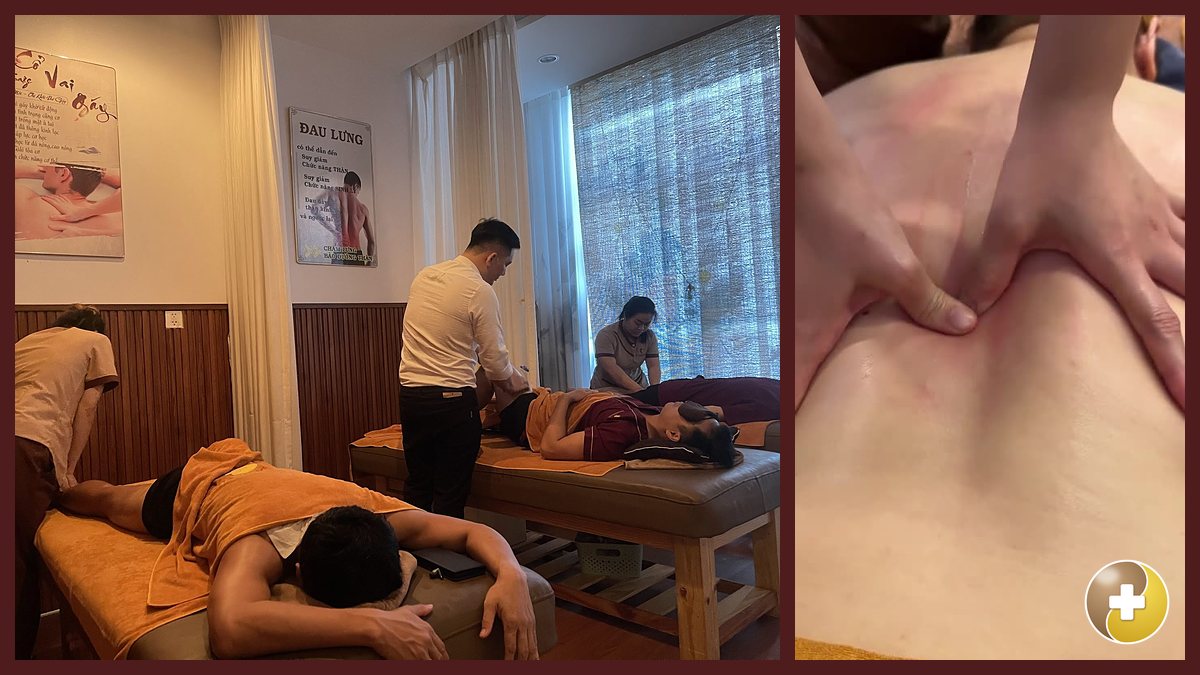
Quick answer: Dưỡng sinh is the Vietnamese art of nourishing life through how you eat, sleep, breathe, move and calm the mind, keeping the five organ systems of Eastern theory in balance while you are still well. At Tong Gia in Ho Chi Minh City, a 75-minute organ session costs 750,000 VND (about 29 USD).
Want Lương Y Tống Văn Huynh’s team to read your spine and posture in person?
What is dưỡng sinh? The Eastern and the Western view
In Vietnamese, dưỡng means to nourish and sinh means life. Dưỡng sinh is the everyday art of nourishing life: how you eat, sleep, breathe, move, keep your mind calm and care for your body, so that the body's inner functions stay in harmony and you stay well for longer instead of waiting for pain. It is not a sport, not a spa package and not magic; it is a way of living with real understanding of your own body. Chinese speakers will know the same idea as 养生 (yangsheng).
In Eastern wellness theory, a person is a small universe between heaven and earth. The Tong Gia training manual puts it this way: the energy you receive at birth forms your inborn constitution; your daily habits of eating, sleeping and thinking either build it up or wear it down. The Five Elements (Metal, Wood, Water, Fire, Earth) move differently in each person, so the same ache can have different roots in different people. Dưỡng sinh means knowing your constitution and which organ systems tend to weaken, then "supporting what needs support and balancing what needs balance".
From a Western point of view, most of what dưỡng sinh recommends overlaps with preventive health: enough sleep, regular meals, steady movement, deep breathing, less stress and regular check-ups. When the body rests at the right time, the autonomic nervous system shifts into "rest and digest": heart rate and breathing slow, muscles stop bracing, sleep deepens. Eastern theory calls it balanced qi and blood and open meridians; Western physiology calls it a balance between the sympathetic and parasympathetic nervous systems. The two descriptions complement each other.
In Ho Chi Minh City, people asking what dưỡng sinh is range from young professionals and office workers with stiff necks and poor sleep to middle-aged people who want to keep their strength, and adult children who want to bring their parents for care. At Tong Gia Acupoint Wellness (Huyệt Đạo Tống Gia), dưỡng sinh means care for the five organ systems of Eastern theory, Liver, Heart, Spleen-Stomach, Lung and Kidney, together with care for the spine, because, in the words of founder Lương Y Tống Văn Huynh, "the human spine is human life".
Dưỡng sinh vs. relaxation massage vs. medical care
| Point | Relaxation massage | Dưỡng sinh (Eastern wellness) | Medical facility |
|---|---|---|---|
| Aim | Feel loose and pleasant during the session | Keep organ functions balanced long term; care before symptoms appear | Examine, find the cause, manage illness |
| How | A standard routine | Face reading, reading the spine by hand, care for the right organ system, home practice | Tests, imaging, medical procedures |
| Who | Massage practitioner | Practitioner trained in five-organ care and Y Tướng Học | Medical staff |
| When | When tired and wanting rest | While well, or at early signs: stiffness, poor sleep, bloating, cold back | When there are signs of illness or warning signs |
For a broader look at Vietnamese bodywork, read our traditional Vietnamese massage Q&A.
Why city life calls for dưỡng sinh: common ways the body wears down
The Tong Gia manual notes that pain shows up in one place, but its source is often elsewhere: an organ system out of balance, a misaligned vertebra, a wrong habit. In Ho Chi Minh City the habits that wear people down most are:
- Late and short sleep: work and phones until midnight. Eastern theory says sleeping before 11 pm nourishes yin and lets the Kidney rest; long-term late nights drain the Heart and Liver.
- Long sitting, little movement: head forward, back rounded, the muscles beside the spine tight.
- Rushed meals, skipped breakfast, late-night eating, iced drinks: the manual says raw and cold food easily weakens Spleen yang.
- Ongoing stress: the Liver keeps qi flowing; lasting pressure makes it stagnate, with tight shoulders, irritability and poor sleep.
- Air-con and traffic dust: the Lung governs skin and breath; dry skin, a blocked nose and shallow breathing are early Lung signs.
- Overthinking and worry: in Eastern theory worry drains the Spleen; fear and anxiety drain the Kidney.
Signs your body could use dưỡng sinh
Tong Gia's face-reading notes say: "care before symptoms appear; the wise care while still healthy." Each organ system shows early signs on the outside:
| Organ system | Shows in | When balanced | Early signs | Daily practice (Tong Gia manual) |
|---|---|---|---|---|
| Liver | Eyes, nails, tendons | Bright eyes, pink nails, supple tendons | Dry tired eyes, irritability, tight shoulders, cramps | Enough sleep, less alcohol, a calm mind |
| Heart | Tongue, complexion | Rosy face, deep sleep, clear mind | Pale or flushed face, poor sleep, palpitations | 4–6 slow breathing, 10–15 minutes of quiet sitting, a 15–30 minute nap |
| Spleen-Stomach | Mouth, lips, muscle | Pink lips, good appetite, firm muscle | Pale lips, bloating, heavy body, tired limbs | Regular meals, chewing well, warm cooked food, a short walk after eating |
| Lung | Nose, skin, breath | Smooth skin, deep breath, clear voice | Dry skin, blocked nose, shallow breathing, sighing | Belly breathing 5–10 minutes, the Ba Duan Jin "draw the bow" movement |
| Kidney | Ears, hair, bones, lower back | Thick pink ears, glossy hair, a strong back | Weak knees, cold lower back, ringing ears, hair loss, forgetfulness | Rubbing the lower back, warm foot soaks, sleeping before 11 pm |
These are Eastern wellness signs used to guide care, not Western health verdicts.
When to see a doctor
Dưỡng sinh is for people who are well or have only early signs. It does not replace a medical check. Please see a doctor at a medical facility if you have:
- A sudden severe headache, dizziness, blurred vision, slurred speech, a drooping face or weakness on one side: call 115 now.
- Breathlessness, a cough longer than two weeks, coughing blood, afternoon fevers, night sweats, weight loss.
- Severe abdominal pain, vomiting blood, black stools, yellow skin or eyes.
- Little urine, a puffy face or legs, painful or bloody urination.
- Long-term insomnia, low mood or anxiety affecting work, or dark thoughts.
- Lasting fatigue, very pale skin or unexplained weight loss: get checked alongside wellness care.
- Existing heart disease, blood pressure issues, diabetes or kidney disease: keep following your medical team and tell the practitioner before the session.
Chest tightness, shortness of breath or cold sweats: call 115 immediately. This is a wellness service, not medical care.
Face reading (Y Tướng Học): dưỡng sinh starts by reading the outside
Y Tướng Học (face reading for wellness) says "the signs show outside, the organs sit inside", or "the organ is the cause, the sign is the result". The Tong Gia manual describes each person's face shape, skin tone, bone frame, flesh, brows and ears as a letter written by nature: when the organs inside are strong or weak, it shows outside. Reading it tells the practitioner where to care, gently or deeply, before the body starts to complain. A few of the ten face shapes:
- The "Điền" (田) face, pure Earth: square and full; the Spleen-Stomach is the root. When out of balance: bloating, slow digestion, heaviness; a large area around T11–T12 tightens.
- The "Đồng" (同) face, pure Metal: long and squarish with firm flesh; led by the Lung. Prone to wind-cold; T3 tends to stiffen. Practice: deep breathing, keeping the neck and chest warm.
- The "Viên" (圓) face, pure Water: round, fuller in flesh than bone; Kidney and Bladder. The lower back chills easily. Practice: a warm back, early sleep.
- The "Thân" (申) face: the manual links it with the Liver-Gallbladder and Spleen-Stomach, key zones T7 and T9; the stomach easily reacts to emotions.
- Balanced bone and flesh: what the manual calls the ideal state, with Liver, Spleen and Kidney in balance; this is where dưỡng sinh aims.
At Tong Gia, face reading is observation for care, not fortune telling, and never a judgement of anyone. More in our Eastern face reading Q&A.
Spine and nerve-reflex zones: caring for the spine is caring for the organs
The Tong Gia manual opens with: "The human spine is human life. To love life is to look after the spine for ever." The head is the centre of the central nervous system, directing awareness and thought; the spine is the axis of the autonomic nervous system, which keeps heartbeat, breathing and digestion running on their own. Nerve roots leave between the vertebrae on both sides, and the Bladder meridian with each organ's back-shu point runs alongside. That is why good spinal care is also a form of organ care.
| Spinal zone | Serves (manual) | Feelings when tense or out of balance | Related organ system (shu point) |
|---|---|---|---|
| Neck C1–C7 | Head, face, neck, arms | Heavy head, stiff neck and shoulders, poor sleep, tingling hands | Liver (tendons), Heart (mind) |
| Upper back T1–T5 | Breathing, circulation | Shallow breathing, palpitations, cold stiff upper back | Lung (T3), Heart (T5) |
| Mid back T7–T12 | Digestion | Bloating, poor appetite, a back tight as a board | Liver, Spleen (T11), Stomach (T12) |
| Lower back L1–L5 | Digestion, kidneys, urinary, reproductive, legs | Cold back, weak knees, waking to urinate, heavy legs | Kidney (Kidney shu and Mingmen at L2) |
The table shows what is "related", not a health verdict. Acupoints do not act directly on internal organs; in traditional theory they help balance qi and blood and ease discomfort.
The Tong Gia method: five-organ dưỡng sinh through spinal nerve-reflex balancing massage
Tong Gia was founded by Lương Y Tống Văn Huynh, a master of traditional Vietnamese wellness with over 13 years of practice in Eastern wellness, Y Tướng Học and spinal nerve-reflex balancing. The method carries on the "Head and Spine" school, with the motto "Open meridians, healthy body and mind" and three "no" rules: nothing taken by mouth or injection, no needles or anything invasive, no rough force. A session follows six steps from the three parts of the manual:
- Face reading to see which organ system may be out of balance and which back zone to check.
- Safety questions: history, existing conditions, what you currently take on medical advice, pregnancy.
- Reading the spine by hand: skin temperature, muscle layer, vertebral shape and sensation, left versus right.
- Ordered work: muscle release following the manual's eight golden rules, stopping when the threshold is reached.
- Organ care: acupressure on the key points of that organ, e.g. Spleen shu, Stomach shu and Zusanli for the Spleen-Stomach; Lung shu and Dingchuan for the Lung; Kidney shu and Mingmen for the Kidney.
- Advice and home practice using each organ's ten golden rules.
Dưỡng sinh services and prices
- Heart, Kidney, Liver or Spleen-Stomach care, 75 minutes: 750,000 VND (about 29 USD).
- Lung care, 90 minutes: 900,000 VND (about 35 USD), for blocked noses, shallow breathing, lots of air-con.
- Traditional Eastern massage, 60 minutes: 450,000 VND (about 17 USD), a gentle start if you are not sure which session to pick.
Full list on the price page. Bringing parents? Read booking a massage for parents in Vietnam.
A typical session
One morning at the District 12 branch, an accountant in her forties said nothing really hurt, but she often felt bloated after meals, heavy and tired by afternoon, and wanted to know what dưỡng sinh is and where to start. The practitioner checked first: no fever, no severe abdominal pain, no weight loss, normal routine check-ups. Her face was square and full, her lips a little pale. On the spine, the muscles around T11–T12 were tight in a broad patch and cooler than the upper back; the base of the neck was slightly tense. The practitioner explained a Spleen-Stomach focus, released the back, pressed Spleen shu and Stomach shu, then Zusanli on the leg, and showed her how to rub around the navel clockwise 30–50 times (never right after a big meal). She left with advice to eat on time, not skip breakfast, keep dinner light two to three hours before bed and walk slowly for 10–15 minutes after meals.
What guests usually feel
Many are surprised to be observed and asked so carefully before any touch, and that the practitioner finds tense spots they had not mentioned. During the session, tight areas feel tender and then soften, the body warms and breathing slows; some fall asleep. Afterwards they feel lighter, the belly calmer, sleep deeper. Above all, they leave knowing which organ system to look after and what to do each day. Everyone differs; Tong Gia does not promise that tiredness ends after one visit, because dưỡng sinh is a daily practice.
Want Lương Y Tống Văn Huynh’s team to read your spine and posture in person?
Daily dưỡng sinh at home
- Belly breathing (Tong Gia manual): breathe in through the nose for about 4 seconds as the belly rises, out slowly for about 6 seconds, 5–10 minutes a day.
- Warm the lower back: rub your palms until warm, place them on both sides of the lower back and rub up and down 50–100 times.
- A few Ba Duan Jin movements: "draw the bow left and right" to open the chest, 6–8 slow breaths each side; "hands down the legs to strengthen the kidneys", bending and sliding the hands down the back of the legs 6–8 times. Go gently with back problems or high blood pressure. Add about 30 minutes of walking or gentle exercise a day.
- Eat for the Spleen-Stomach: regular meals, chew well, warm cooked food, fewer iced drinks. In Eastern theory sweet goes to the Spleen, salty to the Kidney, pungent to the Lung, bitter to the Heart; keep each moderate.
- Sleep before 11 pm and live with the seasons: keep cheerful and drink enough in the hot months, keep the neck warm and sip warm water in dry weather, keep the back warm and sleep early in cool, rainy spells. Sleep tips are also in our acupressure for sleep Q&A.
How to book
Tong Gia has two branches in Ho Chi Minh City, open every day, with real customer reviews on Google Maps:
- District 12: 225 Dương Thị Mười, Phường Tân Chánh Hiệp (Tan Chanh Hiep Ward, District 12). Open 8:00–19:00 daily.
- District 9 – Vinhomes Grand Park: Căn T16-21 khu Manhattan, Phường Long Bình, TP. Thủ Đức (unit T16-21, Manhattan zone, Long Binh Ward, Thu Duc City). Open 9:00–20:00 daily.
Call, Zalo or WhatsApp +84 888 264 559, or book online. If you are not sure which organ session to choose, just say you would like to try dưỡng sinh, and mention any existing conditions. A visit to Ho Chi Minh City is a good chance to experience the Vietnamese Eastern wellness method built by Lương Y Tống Văn Huynh.
Visit us
- Đông Y Huyệt Đạo Tống Gia Quận 12 (District 12)
225 Dương Thị Mười, Phường Tân Chánh Hiệp, Quận 12, HCMC · 8:00–19:00 daily · 0888 264 559 · Directions on Google Maps - Đông Y Huyệt Đạo Tống Gia Quận 9 (Vinhomes Grand Park, District 9)
Căn T16-21 khu Manhattan, Vinhomes Grand Park, Phường Long Bình, TP. Thủ Đức, HCMC · 9:00–20:00 daily · 0888 264 559 · Directions on Google Maps
Want Lương Y Tống Văn Huynh’s team to read your spine and posture in person?
FAQ
What is dưỡng sinh? Dưỡng sinh means nourishing life every day: eating, sleeping, breathing, moving, keeping the mind calm and caring for the body so the organ systems work in harmony. In Eastern theory it builds up your constitution; in Western terms it is close to a preventive lifestyle.
How is dưỡng sinh different from a relaxation massage? Relaxation massage follows a standard routine for comfort in the moment. Dưỡng sinh at Tong Gia starts with face reading and reading the spine by hand, focuses on the organ system that is out of balance and teaches you daily practice.
Do young people need dưỡng sinh? Yes. It matters most while you are still healthy. Young people who stay up late, sit at screens and eat in a rush often already show early signs such as stiff shoulders, poor sleep and bloating; changing habits early saves trouble later.
Which dưỡng sinh exercises suit older people? Belly breathing for 5–10 minutes, about 30 minutes of gentle walking, and slow Ba Duan Jin movements such as "draw the bow". Go gently with back problems or high blood pressure, and ask your medical team if you have an existing condition.
How often should I do a dưỡng sinh session? There is no fixed number. Many people come every one to two weeks while they have early signs, then less often once they practise at home. The practitioner suggests a rhythm based on your spine and organ focus.
What makes a good dưỡng sinh spa? Health questions and safety screening first, properly trained staff, clear wording that this is wellness care and not medical care, no exaggerated promises, listed prices, and the readiness to send you for a medical check when needed.
Author: Lương Y Tống Văn Huynh – founder of Huyệt Đạo Tống Gia, a master of traditional Vietnamese wellness with over 13 years in Eastern wellness care, Y Tướng Học (face reading) and spinal nerve-reflex balancing massage.
Updated: 2026-11-16
Related guides
- What does acupressure do? Effects on muscles, nerves and the five organs, and how Tong Gia works in Ho Chi Minh City
- Acupressure in Thu Duc: pressure chosen by reading your spine, at the branch that suits your ward
- Sore after acupressure: is it normal? How to tell ordinary aching from warning signs, why it happens and how to look after yourself after a session in Ho Chi Minh City
- What are gua sha and cupping: two Vietnamese folk warming methods, the cupping points and when to skip them
- Unblocking the meridians (đả thông kinh lạc): what it really means, how a hands-on session works and what you will feel in Ho Chi Minh City
- Herbal compress: what the warmth really does, where it goes and who it suits
This is a wellness service, not medical care.