
Cupping near Di An: which Tong Gia branch suits factory workers, University Village students and plant managers, and what a session includes
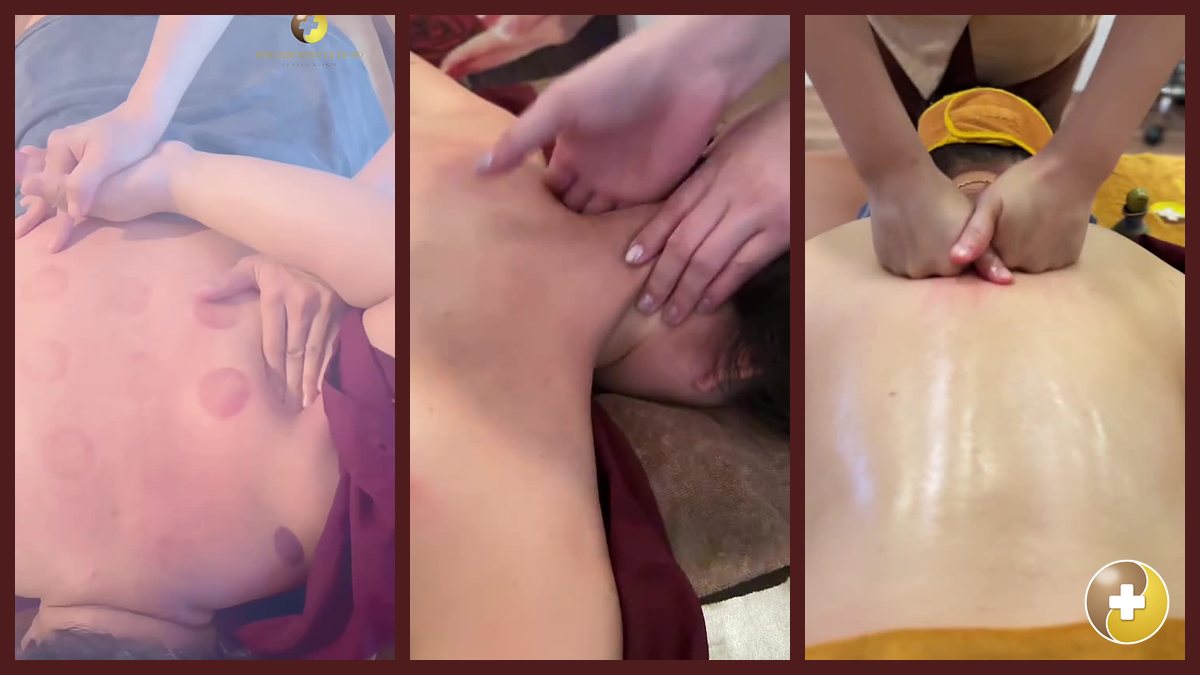
Quick answer: Di An has no Tong Gia branch. From Dong Hoa or University Village, go to Vinhomes Grand Park (9:00–20:00); from Song Than or An Binh, go to District 12 (8:00–19:00), roughly 12–18 km, so check Google Maps. Warming dry cupping, 30 minutes, costs 85,000 VND (about 3.30 USD), with no skin cutting.
Want Lương Y Tống Văn Huynh’s team to read your spine and posture in person?
Cupping near Di An: where to go and what a session includes
People searching for cupping in Di An are often factory workers finishing a week on the line at Song Than Industrial Park, students in the University Village dorms waking up with a cold, stiff neck from the air-conditioner, or plant managers and foreign engineers who sit in an office all day and then ride home through shift-change traffic. To be upfront: Di An (formerly part of Binh Duong) has no Tong Gia branch. The two nearest are both in Ho Chi Minh City: District 9 – unit T16-21, Manhattan zone, Vinhomes Grand Park, open 9:00–20:00, and District 12 – 225 Dương Thị Mười, Tan Chanh Hiep ward, open 8:00–19:00. Depending on where you live, it is roughly 12–18 km. We will not call that "near"; it is a trip worth planning, ideally at the weekend.
Cupping places cups on the skin and removes some air to create negative pressure that lifts the skin and superficial muscle layer. In Western physiological terms, blood flows towards the area so the skin warms and turns pink, the fascia around the muscles is gently stretched so muscles tight from a shift soften, and the sensory nerve endings receive a new stimulus, so dull aching eases and you relax and sleep more easily. The round marks come from tiny capillaries releasing a little blood under suction, not from "toxins". More in our cupping Q&A.
Which branch suits which part of Di An?
Distances are rough estimates along main roads, not measured door to door, and industrial-park shift changes can mean long jams. Open Google Maps and route to both branches to see which is faster from your home.
| You live or work in | Suggested branch | Usual route | Approximate distance |
|---|---|---|---|
| Dong Hoa, University Village, near Suoi Tien | District 9 – Vinhomes Grand Park | Hanoi Highway towards Suoi Tien, then into Vinhomes | About 10–15 km |
| Song Than Industrial Park, An Binh, near National Highway 1A | District 12 – 225 Dương Thị Mười | National Highway 1A via Nga Tu Ga into District 12 | About 12–18 km |
| Central Di An, near Di An station | Choose with Google Maps | Highway 1A or Hanoi Highway depending on your road | About 12–18 km; check |
| Tan Dong Hiep, Tan Binh (north) | Usually District 12; check | Out to Highway 1A towards Nga Tu Ga | May be over 15 km |
If you work in Thu Duc or the Hi-Tech Park, you can stop at the Vinhomes branch on your way home; see our massage for Hi-Tech Park workers and Vinhomes Grand Park massage Q&A.
Why people in Di An look for cupping and coin scraping
Di An packs industrial parks, student dorms and residential streets close together, so the reasons for cupping are very "Di An":
- Standing on the line for 8–10 hours: garment, electronics and packing workers stand in one spot and look down at the line; tired lower back, heavy calves, a stiff neck.
- Air-conditioned workshops, harsh sun outside: constant temperature swings, vents blowing on the back; chills and a heavy head by evening.
- Sleeping under dorm air-conditioning: University Village students studying late and sleeping right under the vent; a cold neck and stiff shoulders in the morning.
- Rides at shift change: Highway 1A and Hanoi Highway are crowded and dusty, sometimes with a downpour halfway; braced shoulders, a tight upper back.
- Management pressure: shift leaders, production managers and expat engineers sit a lot and carry targets; neck, shoulders and mid-back tighten.
In Eastern-medicine terms, the Tong Gia curriculum explains that the Lung governs the skin and holds defensive qi; constant hot-cold swings are when wind-cold settles in the back. The Spleen governs the muscles: long standing and rushed meals between shifts leave them heavy and tired. The Liver governs the tendons: stress causes Liver qi stagnation and deep muscle spasm. The Kidney relates to the lower back. These are functional concepts, not a statement that any organ is ill.
Signs to notice, and what to check when choosing a place
- A cold, shivery neck and upper back under the air-conditioner; heavy shoulders.
- A tired, stiff lower back after a standing shift; heavy calves by evening.
- Chills, sneezing or a heavy head after getting caught in the rain at shift change.
- A mid-back as tight as a board after a day at a desk.
- Easy bruising or very dark marks last time: say so, so suction can be reduced.
Besides distance, check: real reviews on the place's own Google Maps profile; questions about blood pressure, blood thinners and pregnancy first; dry cupping with no skin cutting; clean cups and moderate suction; posted prices; aftercare advice. Ask whether they can suggest a cupping time that fits your shift, so you are not riding a long way while your back is still warm.
When to see a doctor
Cupping is wellness care for people who are well or only mildly tired and chilled. If you have any of the following, please see a doctor at a medical facility first, and do not use cupping instead:
- High fever, shaking chills, a cough with cloudy phlegm, shortness of breath.
- Back pain spreading down the leg with numbness or weakness; night pain; numbness that lingers after shifts.
- One leg swollen, red, warm or with calf pain: get checked promptly.
- Bruising in many places, bleeding gums, frequent nosebleeds, or blood thinners.
- Blistering, oozing, hot swollen marks, or fever after a session.
- Long-lasting fatigue, weight loss, pale skin: get checked in parallel.
Chest pain or tightness, shortness of breath, cold sweats: call 115 immediately. This is a wellness service, not medical care.
The face-reading view (Y Tướng Học): how shift workers and line workers often look
Y Tướng Học (face reading for wellness) holds that "what is outside reflects what is inside". According to the Tong Gia curriculum, practitioners look at face shape, skin and muscle tone to choose which part of the back to read first:
- A square, fleshy face (the "Điền" shape): Spleen–Stomach based; when blocked, the back muscles tighten in a large plate around D11–D12 (Spleen Shu, Stomach Shu).
- Narrow forehead, pointed chin, wide cheekbones (the "Thân" shape): prone to Liver–Stomach disharmony under stress; tension gathers around Liver Shu and Spleen Shu in the mid-back. Often seen in people carrying targets.
- Muscles hard as wood: qi and blood stagnation from high pressure; spasm in the trapezius and long back muscles.
- A long, square face (the "Đồng" shape): Lung-dominant, prone to wind-cold; the upper back around D3 (Lung Shu) tightens easily, typical of people chilled by air-con.
- Soft, cool flesh that stays dented when pressed: Spleen–Stomach cold deficiency; cold hands and feet, heaviness.
These are cues for where to feel first, never conclusions about health.
Spine and nerve-reflex zones where cups are placed
The curriculum maps cervical C1–C7 to head, face, neck and arms; thoracic D1–D12 to circulation, breathing and digestion; lumbar L1–L5 to digestion, kidneys, urinary system and legs. Nerve roots exit on each side of the vertebrae, so cups go on the muscle beside the spine, not on the spinous processes.
| Cupping zone (segment) | Nerve function | Common sign in Di An | Related organ system |
|---|---|---|---|
| C7, base of the neck (Da Zhui, Ding Chuan) | Neck, shoulders, arms | Stiff neck from looking down at the line or sleeping under air-con | Lung (defensive qi) |
| D1–D3 (Lung Shu below D3) | Breathing | Cold, tight upper back moving in and out of cold workshops | Lung |
| D7–D9 (Liver Shu) | Circulation, digestion | Tight mid-back under target pressure | Liver |
| D11–D12 (Spleen Shu, Stomach Shu) | Digestion | A hard plate of muscle under the ribs, rushed meals | Spleen (muscles) |
| L1–L5 (Kidney Shu, Ming Men at L2) | Kidneys, legs | Tired lower back, heavy legs after standing shifts | Kidney |
"Related" zones guide where to cup; they are not conclusions about illness. Acupoints do not act directly on internal organs; working them helps harmonise qi and blood in traditional terms.
The Tong Gia method: spinal nerve-reflex balancing massage
At both branches every session follows the Vietnamese traditional method of Lương Y Tống Văn Huynh, founder of Tong Gia Acupoint Wellness (Huyệt Đạo Tống Gia) and a master of traditional Vietnamese wellness with over 13 years in Eastern-medicine wellness, face reading and spinal nerve-reflex balancing. Under the curriculum's three "no" rules (no chemicals or herbal products by injection or mouth, no needles, no rough force), cupping here is dry cupping with no skin cutting:
- Ask and screen: fever, blood pressure, pregnancy, blood thinners, bruising, broken skin, swollen legs.
- Observe: complexion, standing posture, shoulder tilt, the skin of the back.
- Read the spine by hand: C7 to L5, checking skin temperature, the muscle layer, vertebral shape and sensation, comparing sides, because line workers often load one leg.
- Muscle release first: softening neck, shoulders, back and lower back so cups grip evenly without strong suction.
- Acupressure: Ding Chuan and Lung Shu on the upper back; Liver Shu for a tight mid-back; Kidney Shu and Ming Men on the lower back.
- Cupping: static or moving, suction suited to the skin; skin temperature is monitored and cupping stops once the target is reached.
- Aftercare: stay warm, drink something warm, wear a jacket for the ride home.
Services and prices (same at both branches)
- Warming cupping, 30 minutes: 85,000 VND (about 3.30 USD) for students and workers wanting a quick session for a cold neck and back.
- Back and waist care, 60 minutes: 550,000 VND (about 21 USD); first visit 399,000 VND (about 15 USD) for a very stiff lower back after standing; cupping can be added, priced separately.
- Tired, heavy legs care, 60 minutes: 500,000 VND (about 19 USD) for heavy calves after a week of shifts.
Since the trip is long, combining two services makes it worthwhile. Full list on the price page; see also our back massage Q&A.
A typical session
One Sunday afternoon at the Vinhomes Grand Park branch, the guest was a line supervisor from a workshop near Di An who rode from the Dong Hoa side out to Hanoi Highway and into Vinhomes. She stood ten-hour shifts in a cold workshop, often felt chilled in the evening, had a stiff neck, a tired lower back and broken sleep. The practitioner checked first: no fever, no swollen legs, no blood thinners. Her right shoulder sat lower than her left, and she stood with her weight on one side. Reading the spine, the base of the neck and D1–D3 were cold, the right lower-back muscles were clearly tighter than the left, and D11–D12 had tightened into a plate. The practitioner released her neck, shoulders and lower back by hand, pressed Ding Chuan, Lung Shu and Kidney Shu, then placed static cups at the base of the neck, the upper back and both sides of the lower back, leaving the right side a little longer. She was advised to switch her standing leg during shifts and wear a jacket on the ride home.
What guests feel during and after
When a cup first draws, the skin feels tight for a few seconds, then you get used to it; many feel warmth spreading across the back and the shoulders lifting. Afterwards the back and shoulders feel warm and light, the neck turns more easily and sleep that night is deeper. Marks may be tender for a day or two before fading. Everyone is different; Tong Gia does not promise that tiredness will disappear after one session, only that the body warms, muscles loosen and balance is supported.
Want Lương Y Tống Văn Huynh’s team to read your spine and posture in person?
Self-care at home and prevention
- Switch your standing leg on the line: every 20–30 minutes shift your weight, and rise onto your toes a few times to help calf circulation.
- Do not sleep right under the air-con vent: dorm residents can turn the bed or cover the neck.
- Stay warm on the ride home: a light jacket and something over the neck; after rain, dry off and change quickly.
- Warm the lower back: rub your palms until warm and rub both sides of the lower back 50–100 times, as the Tong Gia curriculum suggests.
- Skip home cupping kits without guidance, and never cut the skin.
How to book
You can check real reviews on each branch's Google Maps profile before you come:
- Vinhomes Grand Park, District 9: Căn T16-21 khu Manhattan, Phường Long Bình, TP. Thủ Đức (unit T16-21, Manhattan zone, Long Binh ward, Thu Duc City). Open 9:00–20:00 daily; suits Dong Hoa, University Village and late finishers.
- District 12: 225 Dương Thị Mười, Phường Tân Chánh Hiệp (Tan Chanh Hiep ward). Open 8:00–19:00 daily; suits Song Than and An Binh via Highway 1A. More in our District 12 massage for hard-working bodies.
Call, Zalo or WhatsApp +84 888 264 559, or book online. Because it is a longer trip, book ahead and mention "cupping", your branch and time; weekends are busier than weekdays. Tell us if you take blood thinners, bruise easily, are pregnant or have a heart condition. If you are working in or visiting the area, it is an easy way to try a Vietnamese traditional method.
Visit us
- Đông Y Huyệt Đạo Tống Gia Quận 12 (District 12)
225 Dương Thị Mười, Phường Tân Chánh Hiệp, Quận 12, HCMC · 8:00–19:00 daily · 0888 264 559 · Directions on Google Maps - Đông Y Huyệt Đạo Tống Gia Quận 9 (Vinhomes Grand Park, District 9)
Căn T16-21 khu Manhattan, Vinhomes Grand Park, Phường Long Bình, TP. Thủ Đức, HCMC · 9:00–20:00 daily · 0888 264 559 · Directions on Google Maps
Want Lương Y Tống Văn Huynh’s team to read your spine and posture in person?
FAQ
Where should I go for cupping near Di An? Di An has no Tong Gia branch. From Dong Hoa or University Village, go to Vinhomes Grand Park (9:00–20:00); from Song Than or An Binh, go to District 12 (8:00–19:00). It is roughly 12–18 km, so check Google Maps.
How much do cupping and coin scraping cost near Di An? At Tong Gia, 30-minute warming cupping is 85,000 VND (about 3.30 USD) at both branches. There is no back coin scraping on the price list; for a cold neck and tiredness, practitioners use cupping, muscle release or herbal steam at 120,000 VND.
How long do the round cupping marks take to fade? Usually a few days to about a week, depending on your body and how cold or congested the area was. Dark purple marks tend to fade more slowly than light pink ones. In the meantime keep your back warm, skip cold showers straight away and do not scrub the marks hard.
I stand on a production line all week. Is cupping good for back pain? Cupping warms the lower back and loosens muscles if it is simple muscle tiredness. Pain spreading down the leg, numbness, weakness or one swollen leg means seeing a doctor first.
Which branch is easier for University Village students? Usually Vinhomes Grand Park via Hanoi Highway towards Suoi Tien, open until 20:00. Thirty-minute warming cupping at 85,000 VND suits a cold, stiff neck from sleeping under air-con.
Is it fine to ride back to Di An after cupping? Yes, if you stay warm: wear a jacket, cover your neck, avoid getting caught in the rain, and skip a cold shower when you get home. If it is pouring, wait for it to ease.
Author: Lương Y Tống Văn Huynh – founder of Huyệt Đạo Tống Gia, a master of traditional Vietnamese wellness with over 13 years in Eastern wellness care, Y Tướng Học (face reading) and spinal nerve-reflex balancing massage.
Updated: 2026-11-16
Related guides
- What does acupressure do? Effects on muscles, nerves and the five organs, and how Tong Gia works in Ho Chi Minh City
- Acupressure in Thu Duc: pressure chosen by reading your spine, at the branch that suits your ward
- Sore after acupressure: is it normal? How to tell ordinary aching from warning signs, why it happens and how to look after yourself after a session in Ho Chi Minh City
- What are gua sha and cupping: two Vietnamese folk warming methods, the cupping points and when to skip them
- Unblocking the meridians (đả thông kinh lạc): what it really means, how a hands-on session works and what you will feel in Ho Chi Minh City
- Herbal compress: what the warmth really does, where it goes and who it suits
This is a wellness service, not medical care.