
How to give a back massage at home: setup, 5 steps in 10–15 minutes, what to avoid and who should skip it
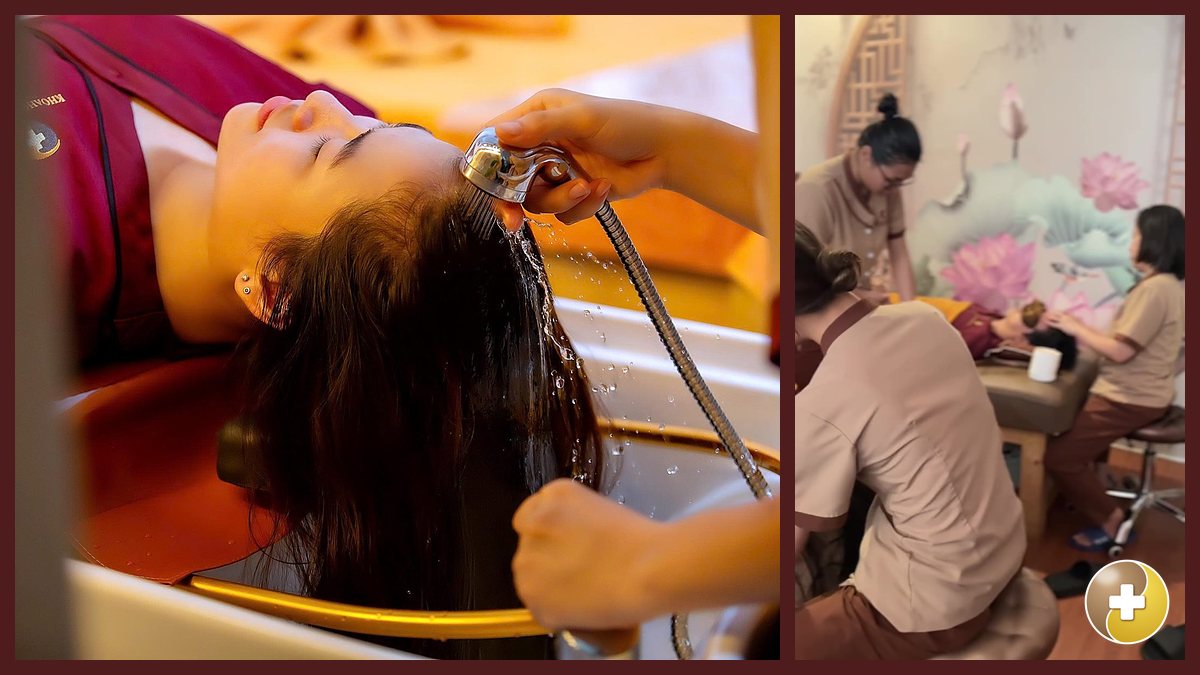
Quick answer: For a back massage at home, the person lies face down with a thin pillow under the belly; warm the back, glide along both sides of the spine, knead the muscles, gently work the lower back, then finish with long strokes, 10–15 minutes, avoiding the spine. Huyệt Đạo Tống Gia in District 12 and District 9 offers back care.
Quick answer: For a home back massage, lay the person face down with a pillow under the belly, warm the back, glide along both sides of the spine, knead, gently circle the lower back and finish with long strokes: 10–15 minutes, never pressing on the spine. For lasting pain, Tong Gia in Ho Chi Minh City reads the spine by hand.
Want Lương Y Tống Văn Huynh’s team to read your spine and posture in person?
What a back massage is, what it does, and who needs one
A back massage means rubbing, gliding and kneading the muscle on both sides of the spine, from the base of the neck to the lower back. In Western terms, long muscles called the erector spinae run along the spine, with the trapezius above and the quadratus lumborum low down. Sitting, standing and lifting keep them working, blood flow drops and they get tired and stiff. Massage at the right pressure warms them, brings blood in and sends pleasant signals through skin receptors, so tension eases, breathing slows and sleep comes more easily.
In Ho Chi Minh City it is a familiar evening scene: someone back from nine hours at a desk, a motorbike ride through traffic, a long day standing at a shop, or older parents whose backs ache by late afternoon. Ten to fifteen minutes of massage before bed is a simple way to relax. To be clear: a home massage is for relaxation, not for fixing pain or a spinal problem.
Common causes of a tired, stiff back
- Sitting badly for hours: no back support, slumped forward, low screen.
- Long motorbike rides: potholes, a hunched posture and constant vibration through the lower back.
- Lifting with a bent back instead of bending the knees.
- Standing all day: shop staff, cooks, teachers.
- Cold: air conditioning on a bare back; cold muscle contracts.
- A mattress that is too soft, leaving the back sagging overnight.
- Age and little movement.
- Stress: the Tong Gia curriculum notes that high mental pressure blocks circulation and tightens deep muscles, especially the trapezius and the muscles along the back.
How to give a back massage at home: setup and 5 steps in 10–15 minutes
Setup: the person lies face down on a bed or mattress with a thin pillow under the belly so the lower back does not sag. Older parents who cannot lie face down can sit backwards on a chair hugging a pillow. Use massage oil, coconut oil or a body lotion; a warming ginger oil suits a cold back. Turn the air conditioning away, cover what you are not working on, trim your nails, remove rings and warm your hands.
| Step | Time | How | Note |
|---|---|---|---|
| 1. Warm up | 2–3 min | Palms glide from the shoulders to the lower back, then across | Light pressure |
| 2. Glide along the spine | 3–4 min | Thumb pads on the muscle about two finger-widths from the midline, slowly from the neck to the lower back, 8–10 passes | The Bladder meridian line in Eastern terms; never on the spine itself |
| 3. Knead both sides | 3–4 min | Heel of the hand in slow circles from the shoulder blades down | Avoid the soft area under the ribs |
| 4. Lower back | 2–3 min | Warm palms on both sides at navel level, stroke up and down, then very gentle circles | Thận du (BL23) sits below L2, 1.5 cun out |
| 5. Finish | 1 min | Long strokes down the whole back, cover with a towel, rest, sit up slowly | A glass of warm water |
The right pressure feels like a pleasant ache with even breathing. Grimacing, holding the breath or tensing means too much; go lighter for older or slim people. Light back tapping with a loose fist is fine on the muscle, never on the spine or over the kidneys either side of the lower back.
Signs to watch for, and who should not have a home massage
- Pain spreading into the buttock, thigh or calf, with numbness or tingling.
- Morning stiffness lasting more than 30 minutes.
- Pain on one side that keeps growing.
- A cold, tired back with weak knees, night urination and feeling cold.
- Pain or bruising after every massage.
Skip the home massage with fever, a recent fall or back injury, severe osteoporosis, leg pain with numbness or weakness, a known disc problem not cleared by a medical professional, a bleeding disorder, or pregnancy (ask first and avoid the lower back). Never twist, crack or walk on someone's back.
When to see a doctor
The Tong Gia curriculum notes that most back pain comes from muscles, ligaments and the spine; kidney pain is usually in the flank with fever or urinary changes, and you should not assume "back pain means kidney disease". Please see a doctor at a medical facility, and do not massage, if you have:
- Cramping flank pain spreading to the lower belly, blood in the urine or burning urination, or fever with flank pain.
- Back pain into the leg with numbness or weakness.
- Numbness around the groin or buttocks, or losing control of bladder or bowels: go to emergency now.
- Back pain in an older person after a fall, even a small one.
- Night pain that rest does not ease, with weight loss or unexplained tiredness: get checked in parallel.
- Upper back pain with chest tightness, shortness of breath or cold sweat: call 115 now.
This is a wellness service, not medical care.
The Y Tướng Học view: the organs behind the back, and why every back differs
Y Tướng Học (face reading for wellness) in the Tong Gia curriculum follows "the signs show outside, the organs lie inside". For the back it names three Eastern functional systems:
- Kidney (Thận): linked with essence, bones, ears, hair, the lower back and knees. Kidney weakness often comes with an aching lower back, tired knees and fatigue when standing; with weak Kidney yang, a cold back and knees and night urination.
- Liver (Can): governs the sinews; stress-related Liver qi stagnation tightens the long back muscles.
- Spleen (Tỳ): governs flesh and limbs; when weak, muscles turn soft and the body heavy.
The curriculum also links face shapes to the part of the back to check first: a round face with a cold lower back and soft muscle; a square, fleshy face with large tight patches around T11–T12; a long, thin face with thin spinal muscles and deep-set vertebrae that need only gentle "tonifying" techniques; a face wide at the forehead and narrow at the chin with a cold lower back; and a crooked nose bridge often paired with misalignment at L4–L5–S1. That is why the same massage feels right for one person and too strong for another. Face reading only guides where to feel first and how much pressure to use.
Spine and nerve-reflex areas involved
In the Tong Gia spinal nerve-reflex balancing curriculum, T1–T12 serve circulation, breathing and digestion; L1–L5 serve digestion, kidneys, urinary and reproductive organs and the legs; the sacrum serves elimination. The Bladder meridian on both sides of the spine gathers the back points of the organs, which is why gliding along it matters.
| Vertebrae | Nerves, function | Common feeling | Related organ, points (Eastern view) |
|---|---|---|---|
| T1–T5 | Circulation, breathing | Tight between the shoulder blades | Lung (Phế Du at T3), Heart (below T4–T5) |
| T6–T12 | Digestion, liver, gallbladder | Stiff mid-back, bloating under stress | Liver, Gallbladder, Spleen, Stomach back points |
| L1–L3 | Kidneys, urinary, digestion | Ache across the waist, cold lower back | Kidney (Thận du and Mệnh môn at L2) |
| L4–L5 | Legs | Low back ache after sitting, sometimes into the leg | Kidney, Bladder meridian |
| Sacrum, coccyx | Elimination, lower pelvis | Tailbone ache on long rides | Kidney |
These are related areas, not findings about any illness.
Want Lương Y Tống Văn Huynh’s team to read your spine and posture in person?
The Tong Gia method: how it differs from a home massage
A home massage covers the whole back evenly. This Vietnamese Eastern wellness method, developed by Lương Y Tống Văn Huynh, a master of traditional Vietnamese wellness and founder of Tong Gia Acupoint Wellness (Huyệt Đạo Tống Gia), with over 13 years in Eastern wellness, Y Tướng Học and spinal nerve-reflex balancing, reads first and works second, following eight principles from the curriculum.
- Observe: posture, shoulder and hip level, face and complexion; work, sitting hours, sleep, night urination.
- Read the spine by hand along T1–T12, L1–L5 and the sacrum: skin temperature, muscle layer, the shape of each vertebra and sensation, left against right.
- Muscle release only on "excited" areas, through 5 pressure levels, matching technique to tissue: pushing and rotating for thick tight muscle, plucking for fibrous bands, vibration for soft or exhausted tissue.
- Acupressure: back points along the Bladder meridian, Thận du and Mệnh môn for a cold tired lower back, and Ủy trung (BL40) behind the knee, as the curriculum says, "for back pain, look to Ủy trung". Cold skin is warmed, hot skin cooled; work stops when the skin turns from dry to slightly moist.
- Home tips: sitting, lifting, the kidney-point rub and how family members can massage correctly at home.
A typical session: often an adult child brings a parent over 60 who gets a tired back by afternoon and gets up at night to urinate. The practitioner notes a round face and slightly rounded back. The L2–L3 area is clearly cooler than the upper back and the muscle soft, while a firm, warmer band runs along the right mid-back. The lower back is warmed first with gentle rubbing at low pressure, then the band is released. The guest says the waist "warms up". At the end the practitioner shows the son or daughter how to place the pillow and rub the kidney points every evening.
Suitable services (single-visit prices; see prices and traditional Vietnamese massage):
- Back and waist care, 60 min: 550,000 VND (about 21 USD), first visit 399,000 VND (about 15 USD); 90 min: 750,000 VND (about 29 USD).
- Eastern massage, 60 min: 450,000 VND (about 17 USD); 90 min: 550,000 VND (about 21 USD), whole-body relaxation for a mildly tired back.
- Cold-dispersing cupping, 30 min: 85,000 VND (about 3 USD), added when the back feels cold and tired.
What guests feel: a pleasant ache that softens, a cold area warming up, then a lighter back, easier bending and deeper sleep; some feel mild soreness the next day. Tong Gia supports balance and does not promise an end to back pain after one visit. More in the back massage Q&A, the back massage experience, the booking a massage for parents Q&A and the cupping Q&A.
Self-care at home and prevention
- Rub the kidney points each evening: warm your palms, place them on both sides of the lower back and rub up and down 50–100 times until warm.
- Gentle movement: the Bát Đoạn Cẩm move "both hands hold the feet to strengthen the kidneys and waist": bend forward and slide your hands down the back of the legs, slowly, 6–8 times; go easy with spinal pain or high blood pressure.
- Sit and lift well: a chair with back support, stand every 45–60 minutes; bend the knees to lift and hold things close.
- Keep the back, belly and feet warm: no air conditioning on your back; a warm compress for 10–15 minutes when it feels cold and tired.
- A medium-firm mattress; a thin pillow between the knees when sleeping on your side.
Booking
- District 12: 225 Dương Thị Mười, Phường Tân Chánh Hiệp, Quận 12 (District 12), daily 8:00–19:00.
- Vinhomes Grand Park: Căn T16-21 khu Manhattan, Phường Long Bình, TP. Thủ Đức (Thu Duc City, former District 9), daily 9:00–20:00.
WhatsApp or Zalo +84 888 264 559 (0888 264 559 in Vietnam), or book online; genuine Google Maps reviews are linked from each branch page. Mention "first back visit" or your parent's age. If you live in or visit Ho Chi Minh City, come and try this Vietnamese method.
Visit us
- Đông Y Huyệt Đạo Tống Gia Quận 12 (District 12)
225 Dương Thị Mười, Phường Tân Chánh Hiệp, Quận 12, HCMC · 8:00–19:00 daily · 0888 264 559 · Directions on Google Maps - Đông Y Huyệt Đạo Tống Gia Quận 9 (Vinhomes Grand Park, District 9)
Căn T16-21 khu Manhattan, Vinhomes Grand Park, Phường Long Bình, TP. Thủ Đức, HCMC · 9:00–20:00 daily · 0888 264 559 · Directions on Google Maps
Want Lương Y Tống Văn Huynh’s team to read your spine and posture in person?
FAQ
How do I give a good back massage? Have the person lie face down with a thin pillow under the belly, warm the whole back, glide along both sides of the spine two finger-widths out, knead the muscle, gently circle the lower back and finish with long strokes: 10–15 minutes. Never press on the spine or twist the back.
What are the simple steps of a back massage? Five steps: warm up for 2–3 minutes, glide along the spine for 3–4, knead both sides for 3–4, gently work the lower back for 2–3, and finish with long strokes for 1 minute. The right pressure is a pleasant ache with even breathing.
Does massage help back pain? A home massage warms and relaxes the back muscles and eases tiredness. With pain into the leg, numbness, weakness, pain after a fall, fever or burning urination, do not massage; get checked. At Tong Gia the practitioner reads the spine by hand first.
What should I watch for when massaging an elderly parent? Use lighter pressure, let them sit backwards on a chair if lying face down is hard, keep the room warm and avoid the spine. With severe osteoporosis, a recent fall or blood thinners, ask a medical professional first.
What should older people with back pain do? Keep the back warm, move gently every day, rub the kidney points in the evening and use a chair with back support. Pain after a fall, night pain, weight loss or leg weakness needs a check-up. In Eastern terms, an aching back and knees in later life often relates to the Kidney.
How do I do simple back tapping for tiredness? With a loose fist, tap lightly and evenly on the muscle either side of the spine from the shoulders down to the waist for 2–3 minutes. Never tap on the spine or over the kidneys; go very gently for older or slim people.
Is a smart back massage cushion worth it? It gives short-term surface relaxation with vibration, heat and rollers, but cannot find deep tight spots or adapt to your body. Use it 10–15 minutes at a time, keep rollers off the spine, and ask a medical professional first if you have osteoporosis or are pregnant.
Author: Lương Y Tống Văn Huynh – founder of Huyệt Đạo Tống Gia, a master of traditional Vietnamese wellness with over 13 years in Eastern wellness care, Y Tướng Học (face reading) and spinal nerve-reflex balancing massage.
Updated: 2026-11-15
Related guides
- Back pain exercises at home: six gentle lower-back moves, how to breathe, when to stop, and when Tong Gia can help in Ho Chi Minh City
- How to give a back massage at home: setup, 5 steps in 10–15 minutes, what to avoid and who should skip it
- Herbal warm compress: how a mugwort, ginger and sea salt pouch differs from dry heat, and how to use one safely at home in Ho Chi Minh City
- Lower back pain: what causes it, when to see a doctor, and how Tong Gia supports the lower back in Ho Chi Minh City
- Upper back pain: what causes it, which signs need a doctor, and how Tong Gia supports the upper back in Ho Chi Minh City
- Tailbone pain: common causes, when to see a doctor, and how Tong Gia cares for the area in Ho Chi Minh City
This is a wellness service, not medical care.
Questions customers often ask
Which oil should I use for a back massage at home?
Use massage oil, coconut oil or a body lotion you already know, just enough to let your hands glide; for a back that often feels cold, a warming oil such as ginger oil works. Test a little first on sensitive skin. Trim your nails, remove rings, rub your hands warm, keep the air conditioner off the bare back and cover the areas you are not working on.
Which parts of the back should not be pressed hard?
Never press or knead directly on the spine, and never twist, crack or stand on the back. The lower back and the soft area below the ribs should only be rubbed and kneaded lightly. Avoid open wounds, pimples with pus and bruises. The right pressure feels like a mild, pleasant ache with even breathing; grimacing or holding the breath means it is too strong.
When should I not massage someone's back at home?
Do not massage at home if the person has a fever, has just fallen or hurt their back, has severe osteoporosis, back pain spreading into the leg with numbness or weakness, a clotting disorder, or a known disc herniation without medical approval. Numbness around the buttocks or groin, or trouble controlling urine, means going to the emergency room at once.
How is a home back massage different from back care at Tong Gia?
At home you rub the whole back evenly. At Huyệt Đạo Tống Gia, the technician observes posture and the tilt of the shoulders and hips, reads the spine by hand to find warm skin and contracted muscles, and focuses release and acupressure only there, raising the pressure gradually. Family members are shown how to massage correctly at home afterwards.
How much is lower back care at Tong Gia?
Lower back care is 550,000 VND for 60 minutes, 399,000 VND for first-time guests, and 750,000 VND for 90 minutes. For a mildly tired back and better sleep, the Eastern massage is 450,000 VND for 60 minutes or 550,000 VND for 90 minutes. A back that feels cold can add 30-minute warming cupping for 85,000 VND.