
Back pain and kidney failure: the signs that actually matter, the tests to ask for, and safe back care in Ho Chi Minh City
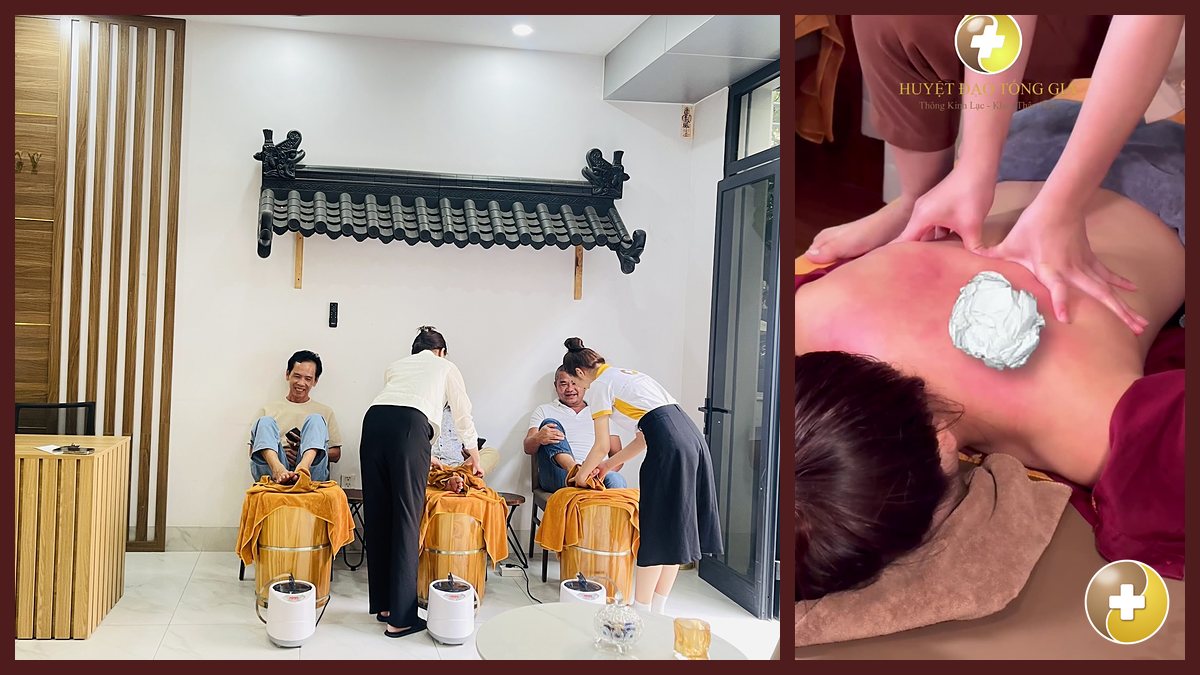
Quick answer: In Western medicine, declining kidney function rarely shows up as back pain alone. More typical signs are lasting fatigue, swelling, night urination, foamy urine, itching and nausea, and early stages often have no symptoms. Only urine tests and creatinine–eGFR can tell. Tong Gia in Districts 12 and 9, Ho Chi Minh City, offers supportive back care only.
Want Lương Y Tống Văn Huynh’s team to read your spine and posture in person?
Back pain and kidney failure: what Western medicine actually says
Many people with a long-standing backache search for "signs of kidney failure back pain" because they fear their kidneys are failing. The first thing to know: kidney failure is not recognised by back pain. In the Tong Gia curriculum, chronic kidney disease has typical symptoms of fatigue, swelling, night urination, anaemia, itching and nausea in later stages, while kidney damage from diabetes or high blood pressure usually has no symptoms at first and is found only through urine protein tests. Back pain is not on that main list.
In Western terms, clear flank pain is more typical of kidney stones or a urinary infection that has reached the kidney, and ordinary lower back ache comes mostly from muscles, ligaments and the spine. So if your back hurts and nothing else is going on, a mechanical cause is likely; but if you have risk factors, the way to peace of mind is not guessing from the pain but getting tested.
The curriculum describes the kidneys as the body's "filter and balancing station": about 180 litres of fluid filtered daily into 1–2 litres of urine, with 20–25% of the heart's output passing through them. That is why blood pressure and blood sugar directly affect the kidneys; hypertension and diabetes are the two leading causes of chronic kidney disease. In Ho Chi Minh City we hear this question most from middle-aged people with high blood pressure or blood sugar, from stressed workers who eat salty food and drink little, and from adult children worried about parents with backache and night urination.
Common reasons people with back pain fear "kidney failure"
| Situation | What people report | Usual cause (Western view) | What to do |
|---|---|---|---|
| Muscular or postural lower back ache | Ache across the waist, worse with sitting or bending, better with movement | Muscles, ligaments, discs | Movement, posture, muscle-release care |
| One-sided colicky flank pain | Waves of pain to the lower belly, blood in urine | Possible kidney or ureter stone | Get checked now |
| Flank pain with fever | Fever, chills, burning, cloudy urine | Possible infection reaching the kidney | Get checked now |
| Fatigue, swelling, night urination, foamy urine | Puffy eyelids in the morning, swollen ankles, foam that will not clear | Possible kidney or glomerular problem | Urine and blood tests soon |
| No symptoms but at risk | High blood pressure or sugar, over 60, family history | Early kidney disease is often silent | Regular screening |
| Dull weary back and knees, cold back, night urination, ringing ears | Long-lasting ache on both sides, tired afternoons | Eastern view: Kidney qi deficiency, a different concept | Test if at risk; wellness support |
The curriculum also lists the kidneys' nine functions and what happens when each declines. A few are relevant here: filtering waste (fatigue, nausea, itching, poor appetite); water balance (swelling, too little or too much urine); electrolyte balance (cramps, heart rhythm problems); blood pressure control (hypertension, headaches); red blood cell production via EPO (anaemia, pallor, tiredness); and keeping bones strong by activating vitamin D and holding calcium and phosphate (bone aches, osteoporosis). That last one is a real link between the kidneys and aching bones, but it comes with many other signs and only tests can reveal it.
Habits that tire the kidneys, according to the curriculum: drinking too little, very salty or high-protein food, holding urine, plus self-medicating with painkillers over long periods or herbal products of unknown origin, since the kidneys must clear them.
Signs worth noting
Following the curriculum's table of declining kidney function, look at the whole picture, not just your back:
- Urination: night urination; much more or much less urine; foamy or dark urine. Zero or one trip at night is typical; two or more every night for a long time deserves a look.
- Swelling: puffy eyelids in the morning, swollen ankles, rapid weight gain.
- Whole body: lasting fatigue, pallor, itchy skin, poor appetite.
- Blood pressure: rising or hard to control.
- Sleep and memory: waking to urinate, forgetfulness, poor concentration.
The curriculum is firm: one sign alone is not enough to say the kidneys are weak. Western medicine relies on urine tests and creatinine–eGFR, and a normal creatinine does not always mean fully healthy kidneys; eGFR and urine protein tests are needed too.
When to see a doctor
These signs, per the curriculum, should not be handled at home but assessed by a doctor:
- Blood in the urine (pink, red or cola-coloured) or colicky flank pain to the lower belly: go now.
- Persistently foamy urine.
- Swelling of the face or legs.
- Very little urine or being unable to pass urine.
- Fever with flank pain and burning urine.
- Frequent night urination over a long period; blood pressure that is hard to control.
- Lasting fatigue, nausea or itching without clear cause; pallor or weight loss: get checked alongside any wellness care.
- With chest tightness, shortness of breath or cold sweats: call 115 immediately.
People with high blood pressure, diabetes, those over 60 or with kidney disease in the family should have regular urine and kidney-function tests even without pain. If your kidneys are already being monitored, keep to that plan and do not stop or change anything prescribed. This is a wellness service, not medical care.
The Y Tướng Học view: Eastern "Kidney deficiency" is not kidney failure
This is where most confusion arises. The curriculum states under common misunderstandings that Kidney deficiency in Eastern medicine means reduced Kidney qi, yin or yang, while Western kidney diseases (such as nephrotic syndrome or chronic kidney disease) are diseases of the organ that only tests can show. A person can have an Eastern "Kidney qi deficiency" pattern with perfectly normal kidney tests; someone in an early stage of kidney decline may feel nothing at all.
In Eastern medicine the Kidney is a functional system tied to essence, bones and marrow, water, ears, hair, lower back and knees. Because "the Kidney governs the bones", Eastern Kidney weakness shows as weary back and knees and tiring fast when standing. The curriculum separates two directions:
| Eastern direction | What people report | Care direction |
|---|---|---|
| Kidney yang deficiency | Feeling cold, cold hands and feet, cold weary back and knees, frequent clear urine, night urination, low energy | Keep back, belly and feet warm; warm foot soaks |
| Kidney yin deficiency | Warm palms and soles, evening flushes, night sweats, poor sleep, weary back and knees, ringing ears | Sleep early, avoid late nights and very spicy food |
Y Tướng Học teaches "the signs show outside, the organs lie inside"; Lương Y (master of traditional Vietnamese wellness) Tống Văn Huynh organised it for everyday care. The Eastern Kidney shows in the ears, hair, bones and lower back: thick pinkish ears, glossy hair and a steady back when strong; tired knees, a cold back, ringing ears, hair loss and forgetfulness as early signals. But the curriculum sets a firm rule: never attach a Western disease name to a facial sign. No feature of the face shows whether someone has kidney failure. Face reading only helps the practitioner understand your constitution and choose where to read the back. More in our Eastern face reading Q&A.
Spine segments and nerve-reflex zones involved
In the Tong Gia curriculum the kidneys lie at about T12–L3; lumbar L1–L5 relates to digestion, kidneys, urinary and reproductive function and the legs; for internal organs the curriculum combines D1–D12 and L1–L3. The table guides back care only and says nothing about kidney health.
| Segment / zone | Nerves and function | Common back feeling | Related organ (Eastern view) |
|---|---|---|---|
| T12–L3, both sides | Kidney level; diaphragm and lumbar muscles behind | Tight flanks after sitting | Kidney (Shenshu, Mingmen, Zhishi at L2) |
| D10–D12 | Lower thoracic; digestion | Ache at the upper waist | Spleen–Stomach |
| L1–L3 | Kidneys, urinary tract | Band across the waist, cold back | Kidney |
| L4–L5, S1 | Legs | Low back pain on bending, tired legs | Kidney (bones), Liver (sinews) |
| S1–S5 | Elimination, lower pelvis | Heavy base of the spine | Kidney–Bladder |
The curriculum also notes that acupoints do not act directly on kidney cells; in Eastern theory they help regulate qi and blood and ease the feeling of fatigue.
The Tong Gia method: safe back care when you worry about your kidneys
The method was built by Lương Y Tống Văn Huynh, founder of Tong Gia, over more than 13 years in Vietnamese traditional wellness, face reading and spinal nerve-reflex balancing. With kidney worries we keep to the limits the curriculum sets: acupressure does not replace medical follow-up of kidney disease, and massage cannot restore kidney function; it relaxes, eases back fatigue and improves quality of life. A session includes:
- History and screening: known kidney conditions, blood pressure, diabetes, bleeding disorders, pregnancy, anything currently prescribed; swelling, foamy or bloody urine, fatigue. With a warning sign, no session replaces a check-up; guests under kidney follow-up should come only with their care team's agreement.
- Observation: ears, hair, posture, complexion; noting a Kidney yin or yang direction in Eastern terms, without naming any disease.
- Reading the spine by hand from D10 to S1: skin temperature, muscle layer, vertebral shape, your response.
- Gentle muscle release and acupressure: along the Bladder meridian; Shenshu, Mingmen, Zhishi; Weizhong for back pain; Taixi at the inner ankle; pressure starts light and builds with your feedback.
- Advice: the curriculum's ten golden rules for the kidneys and regular testing if at risk.
A typical session: the guest is often over 55 with years of high blood pressure, a sore lower back and night urination, worried after a friend said "back pain plus night urination means kidney failure". The practitioner first asks about tests: urine and blood tests done as advised were within limits, with regular follow-up planned. On the spine, both lumbar sides are tight, L4–L5 firmer and warmer, L2 slightly cool; ear rims are thin and the back feels cold. The practitioner releases the lumbar muscles with moderate pressure, warms Mingmen and Shenshu and presses Taixi. The guest says the back feels "warm and much lighter", and is relieved to understand the backache is not a sign of kidney failure.
Suitable services (single-visit prices, see the price list):
- Back and waist care, 60 min: 550,000 VND (about 21 USD); first visit 399,000 VND (about 15 USD); 90 min: 750,000 VND (about 29 USD) for muscular back pain with warning signs ruled out.
- Traditional Vietnamese massage, 60 min: 450,000 VND (about 17 USD), lighter pressure, good for older guests and whole-body relaxation.
- Kidney wellness session, 75 min: 750,000 VND (about 29 USD) for weary back and knees, a cold back and night urination in the Eastern sense, after a check-up.
What guests feel: warmth building in the back, tender but pleasant firm spots, often dozing off; afterwards a lighter back, deeper sleep and a calmer mind. We support and rebalance; we do not promise the pain will vanish and do not replace kidney follow-up. See also our back massage Q&A, the traditional Vietnamese massage Q&A and booking a massage for parents.
Want Lương Y Tống Văn Huynh’s team to read your spine and posture in person?
Self-care at home and prevention
- Drink enough for pale yellow urine; people with serious heart or kidney failure may need to limit fluids as their care team advises.
- Eat less salt (under 5 g a day) and keep blood pressure and blood sugar under control.
- Do not self-medicate with painkillers for long periods or herbal products of unknown origin, including those sold as "kidney tonics".
- Do not hold urine, limit alcohol, do not smoke, sleep enough and avoid late nights.
- Rub the lower back and soak the feet in warm water to stay warm and sleep well (test the water carefully if you have diabetes); get tested regularly if at risk.
Booking
Tong Gia has two branches in Ho Chi Minh City, open daily, with real reviews on Google Maps:
- District 12: 225 Dương Thị Mười, Phường Tân Chánh Hiệp (Tan Chanh Hiep Ward, District 12). Open 8:00–19:00 daily.
- District 9 – Vinhomes Grand Park: Căn T16-21 khu Manhattan, Phường Long Bình, TP. Thủ Đức (unit T16-21, Manhattan zone, Long Binh Ward, Thu Duc City). Open 9:00–20:00 daily.
Call, Zalo or WhatsApp +84 888 264 559, or book online. If you live in or are visiting Ho Chi Minh City, this is a chance to experience a Vietnamese traditional wellness method developed by Lương Y Tống Văn Huynh. When booking, tell us whether you have had kidney tests, any long-term conditions and where you are followed up, so we can choose the right session and pressure.
Visit us
- Đông Y Huyệt Đạo Tống Gia Quận 12 (District 12)
225 Dương Thị Mười, Phường Tân Chánh Hiệp, Quận 12, HCMC · 8:00–19:00 daily · 0888 264 559 · Directions on Google Maps - Đông Y Huyệt Đạo Tống Gia Quận 9 (Vinhomes Grand Park, District 9)
Căn T16-21 khu Manhattan, Vinhomes Grand Park, Phường Long Bình, TP. Thủ Đức, HCMC · 9:00–20:00 daily · 0888 264 559 · Directions on Google Maps
Want Lương Y Tống Văn Huynh’s team to read your spine and posture in person?
FAQ
What are the signs of kidney failure with back pain? In Western medicine, declining kidney function rarely shows as back pain alone. More typical are lasting fatigue, puffy eyelids, swollen legs, night urination, foamy urine, itching, nausea and pallor; early stages often have no symptoms. Only urine tests and creatinine–eGFR can tell.
Does kidney failure cause back pain? Bone aches can appear when the kidneys stop keeping bones strong, but this is not a main sign and comes with others. Clear flank pain is more typical of stones or infection. Most back pain comes from muscles and the spine.
How is kidney-related lower back pain different from muscle pain? Muscle pain sits across the waist, worsens with bending or sitting and eases with movement, without swelling or urinary changes. Back pain together with swelling, foamy or scanty urine, fatigue, itching or rising blood pressure calls for kidney tests soon.
What does fatigue from kidney failure feel like? Lasting tiredness, pallor from anaemia, poor appetite, nausea, itchy skin and poor concentration, often with swelling or urinary changes. These signs have many other causes too, so get checked rather than guessing.
Is Eastern "Kidney deficiency" the same as kidney failure? No. Eastern Kidney deficiency means reduced Kidney qi, yin or yang, felt as weary back and knees, a cold back, night urination or ringing ears. Kidney failure is a Western disease of the organ that only tests can show.
Can people with kidney disease get a massage? Only with the agreement of the team following them and when their condition is stable. Massage relaxes and eases back fatigue; it cannot restore the kidneys and never replaces follow-up or current prescriptions.
Author: Lương Y Tống Văn Huynh – founder of Huyệt Đạo Tống Gia, a master of traditional Vietnamese wellness with over 13 years in Eastern wellness care, Y Tướng Học (face reading) and spinal nerve-reflex balancing massage.
Updated: 2026-11-17
Related guides
- Hip and side cramps: six common causes, telling them from deeper pain, and how Tong Gia can help
- Pain in the middle of the back: four types to tell apart, warning signs, and how Tong Gia cares for it in Ho Chi Minh City
- Back pain and kidney failure: the signs that actually matter, the tests to ask for, and safe back care in Ho Chi Minh City
- Where is kidney back pain felt? Location, type of pain, warning signs, and how to tell it apart from a sore back muscle
- Swayback lower back pain: how an over-arched lower back causes aching, when to get checked, and how Tong Gia cares for it in Ho Chi Minh City
- Lower back pain with tired, weak knees: common causes, when to get checked, and how Tong Gia cares for the back and legs in Ho Chi Minh City
This is a wellness service, not medical care.