
Relaxation massage: when the body really lets go, and what a session at Tong Gia includes
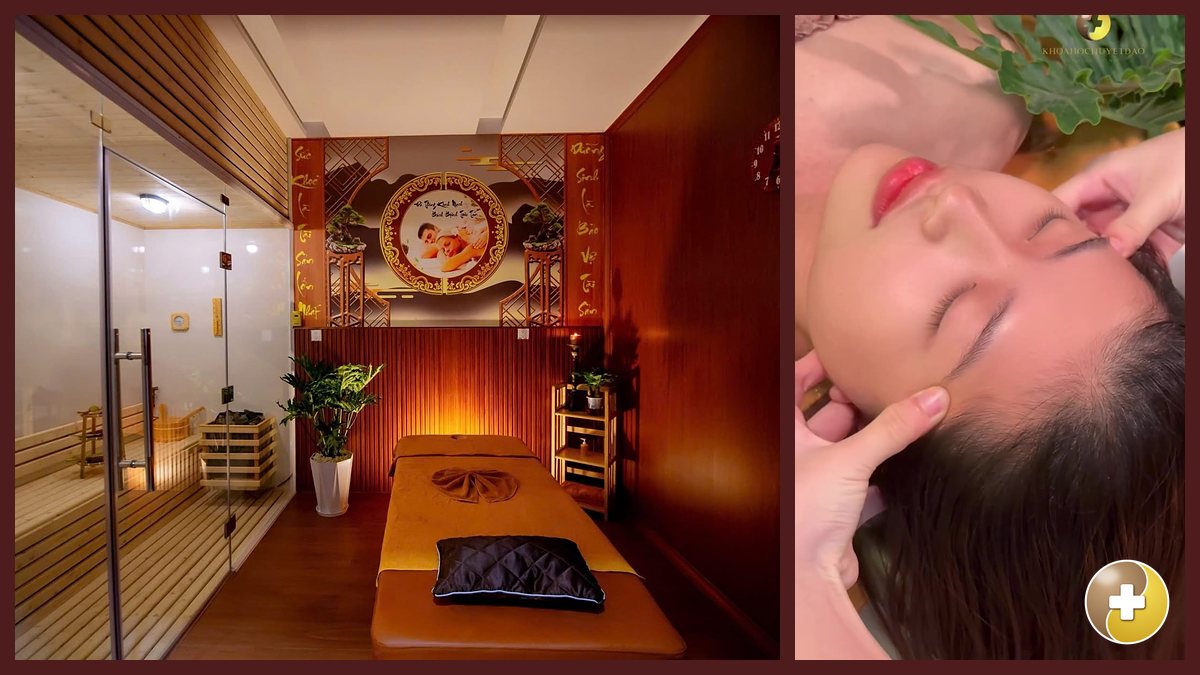
Quick answer: A relaxation massage uses slow, even strokes with light to medium pressure so muscles soften and the nervous system switches into rest mode; most people breathe deeper and sleep better afterwards. At Tong Gia in District 12 and District 9, Ho Chi Minh City, even a relaxing session starts with reading the spine by hand.
Want Lương Y Tống Văn Huynh’s team to read your spine and posture in person?
What is a relaxation massage? How the body "lets go" in Western terms
A relaxation massage is a session of slow, rhythmic strokes with light to medium pressure. The goal is simple: softer muscles, slower breathing and a quiet mind. People in Ho Chi Minh City book one after a hard week, after a long flight, at the start of a holiday, or because the whole body feels stiff without one clear sore spot. Unlike a session that focuses on one painful area, a relaxation massage covers the whole body and puts comfort first.
In Western physiology the autonomic nervous system has two branches. The sympathetic branch is the accelerator: faster heart, tense muscles, shallow breath, ready to react. The parasympathetic branch is the brake: the heart slows, muscles soften, digestion resumes, the body enters "rest and recover". Life in Saigon, with traffic, deadlines, noise and late screens, keeps many expats and visitors on the accelerator all day. Real relaxation is not just lying still; it is the moment the brake comes on. Slow, warm, rhythmic touch on skin and muscle is one of the clearest signals that helps the body make that switch.
According to the Tong Gia training manual, the method of Tong Gia Acupoint Wellness (Huyệt Đạo Tống Gia) takes the head and the spine as its base: the head is the centre of the central nervous system, the spine is the axis of the autonomic nervous system, the very system that runs the accelerator and the brake. That is why a relaxation massage at Tong Gia follows the spine from the neck to the lower back instead of a fixed routine.
| Point | Typical spa relaxation massage | Eastern-style relaxation at Tong Gia |
|---|---|---|
| Before starting | Pick a package, lie down | Look at posture and complexion; ask about sleep and work |
| Route of the hands | Fixed sequence | Along the spine, staying longer where muscles are tight |
| Pressure | One level throughout | Light on cool, tired areas; medium on warm, tight ones |
| Afterwards | Pleasant for a few hours | Plus 2–3 simple things to keep the lightness at home |
Why the body struggles to relax: common reasons
- Long-running stress: work, family and money keep the body on standby; shoulders creep up without you noticing.
- Sitting in one position: office workers sit 8–10 hours and the back and hip muscles barely change state.
- Standing and walking all day: sightseeing in the heat or working a shift leaves legs heavy and the lower back tired.
- Short or broken sleep and jet lag: the body never gets its recovery window. See jet lag massage questions.
- Heat outside, cold air-conditioning inside: muscles contract each time to hold heat.
- Screens late at night: light and constant information keep the brain alert.
From the Eastern side, the Tong Gia manual mentions three functions. The Liver governs smooth flow: long anger or pressure leaves people irritable and unable to relax. The Heart houses the spirit: when it is unsettled, palpitations and trouble falling asleep follow. The Spleen governs muscles and limbs: when it is weak, muscles feel slack and limbs heavy, and people get sleepy after meals yet sleep poorly. These are functional ideas, not a statement that any organ is ill.
Signs your body needs to unwind
- Shoulders always raised; jaw clenched at work or at night.
- Shallow breathing, frequent sighs, a pressed feeling in the chest.
- Tired but unable to fall asleep, vivid dreams, waking at night.
- Short temper over small things.
- A dull ache in the back, neck or calves at the end of the day.
- Bloating and drowsiness after meals.
- Long weekend sleep that still does not restore you.
If the ache has become clear pain in one area, choose a focused session instead.
When to see a doctor
Fatigue and tension usually come from lifestyle, but see a doctor first, and skip the massage, if you have:
- Chest pain, shortness of breath, cold sweat, pain spreading to the left arm or jaw: call 115 immediately.
- Facial droop, slurred speech, weakness or numbness on one side: call 115 immediately.
- Weeks of fatigue with weight loss, evening fever or pale skin: get checked at a medical facility in parallel.
- Irregular racing heartbeat, fainting.
- Weeks of insomnia, low mood and loss of interest.
- Fever, open wounds, skin infection, a hot swollen area, or a suspected clot in the leg.
- Pregnancy, recent surgery, heart disease or prescribed blood thinners: tell us and ask your medical provider first.
This is a wellness service, not medical care. Massage helps you relax and eases tension; it does not replace medical advice.
Y Tướng Học: what your build suggests about the right kind of relaxation
Y Tướng Học (face reading for wellness) holds that what is inside shows outside. According to the Tong Gia manual, the technician looks and feels the muscle quality to choose rhythm and pressure:
- Firm muscles that feel hard as wood: described as stagnant qi and constrained Liver qi; mental pressure creates deep chronic tension, especially in the trapezius and the long back muscles. These guests need slow work and longer holds on the shoulders and along the spine.
- Soft muscles that turn slack and cool, staying dented when pressed: linked to a cold, weak Spleen and Stomach, feeling cold and puffy in the morning. Light pressure and warming strokes suit them, possibly with herbal steam or a herbal compress.
- Lips naturally curving upward, rosy colour: a stable autonomic system; under big stress, palpitations and dreamy sleep, and the manual notes a relaxing acupressure session brings balance back quickly.
- Forehead with many crossing lines: long mental pressure tightening the forehead, scalp and shoulder-lifting muscles.
These are hints for rhythm and pressure, never a verdict on health or character.
Vertebrae and reflex zones involved
According to the Tong Gia manual, C1–C7 relate to the head, face, neck and arms; T1–T12 to circulation, breathing and digestion; L1–L5 to digestion, kidneys, urinary system and legs; the sacrum to elimination. For the nervous and emotional group (poor sleep, stress, nervous exhaustion) the manual combines C1–C7, T1–T3 and the sacral area. One of its techniques, vibration, is described as creating a relaxing wave for soft, thick tissue and nervous exhaustion.
| Vertebrae / area | Nerve role | When tense | Related organ (Eastern view) |
|---|---|---|---|
| C1–C3 | Head, face | Heavy head, clenched jaw | Liver, Kidney |
| C4–C7 | Neck, shoulders, arms | Raised shoulders, stiff neck | Liver |
| T1–T3 | Upper back, heart and lungs | Shallow breath, chest pressure | Heart, Lung |
| T5–T12 | Digestion | Bloating, sleepy after meals | Spleen, Stomach, Liver |
| L1–L5, sacrum | Lower back, legs | Tired lower back, heavy legs, light sleep | Kidney |
The Tong Gia method: spinal nerve-reflex balancing massage
Relaxation massage at Tong Gia follows the spinal nerve-reflex balancing method developed by Lương Y (master of traditional Vietnamese wellness) Tống Văn Huynh, over 13 years in traditional Vietnamese wellness and Y Tướng Học. It is a Vietnamese Eastern approach worth experiencing while you are in Ho Chi Minh City. The touch is soft and slow like any relaxation massage, but the route is chosen by what the hands read on the spine:
- Observation: posture, shoulder level, complexion, muscle quality; questions about sleep and work hours.
- Reading the spine by hand: skin temperature, muscle layer, vertebra shape and tender points, neck to lower back.
- Gentle muscle release: neck, shoulders, both sides of the spine, hips and calves in a slow, steady rhythm.
- Acupressure in the right zones: a few calming points such as Bách Hội on the crown; a closing vibration wave along the back.
- Home care: a breathing pattern and a few short stretches.
A typical session: an engineer from the Hi-Tech Park stops at the District 9 branch on a Friday evening. No pain anywhere, just "a stiff body and a head that won't switch off". Both shoulders sit high, the trapezius is hard, the upper back feels warmer than the lower back. The 90 minutes spend long on the shoulders and upper back, slowing toward the end. He notices his breath slowing halfway, dozes for a few minutes, and sleeps deeper than usual that night. Everyone responds differently.
| Service | Time | Price |
|---|---|---|
| Vietnamese Eastern massage | 60 / 90 min | 450,000 VND (about 17 USD) / 550,000 VND (about 21 USD) |
| Full-body care | 120 min | 950,000 VND (about 37 USD) |
| Hair wash with neck and shoulder massage | 60 min | 250,000 VND (about 10 USD) |
Related reading: traditional Vietnamese massage experience, 120-minute full-body massage questions, massage prices in Ho Chi Minh City, and relaxing or deeper massage: which to choose.
Want Lương Y Tống Văn Huynh’s team to read your spine and posture in person?
Home care and prevention
- 4–6 breathing each evening: in through the nose for 4 seconds, out slowly for 6, for 5–10 minutes; a longer out-breath helps the brake side of the nervous system.
- Warm foot soak for 15 minutes before bed; people with diabetes should check the water temperature carefully.
- Stand up every 45–60 minutes, roll the shoulders, look into the distance for 20 seconds.
- Screens off 30 minutes before sleep, room slightly dark and cool.
- Walk 20–30 minutes a day and keep fixed sleep and wake times.
Book a session
- District 12: 225 Dương Thị Mười, Tân Chánh Hiệp Ward (District 12), open 8:00–19:00 daily.
- District 9: Unit T16-21, Manhattan zone, Vinhomes Grand Park, Long Bình Ward, Thủ Đức City (District 9), open 9:00–20:00 daily.
Call, Zalo or WhatsApp +84 888 264 559, or use the booking page. Evenings and weekends fill early.
Visit us
- Đông Y Huyệt Đạo Tống Gia Quận 12 (District 12)
225 Dương Thị Mười, Phường Tân Chánh Hiệp, Quận 12, HCMC · 8:00–19:00 daily · 0888 264 559 · Directions on Google Maps - Đông Y Huyệt Đạo Tống Gia Quận 9 (Vinhomes Grand Park, District 9)
Căn T16-21 khu Manhattan, Vinhomes Grand Park, Phường Long Bình, TP. Thủ Đức, HCMC · 9:00–20:00 daily · 0888 264 559 · Directions on Google Maps
Want Lương Y Tống Văn Huynh’s team to read your spine and posture in person?
FAQ
What does a relaxation massage do? It softens muscles, eases circulation and helps the nervous system switch into rest mode, so many people feel lighter, breathe deeper and sleep better. It is wellness care, not a replacement for medical advice.
How often should I get a relaxation massage? Every 2–4 weeks is enough to stay light if you are generally well. During a stressful period, once a week for a few weeks, then spread out. Pair it with slow breathing and standing up every hour.
Will a relaxation massage help me sleep? Many guests sleep deeper the night after, as muscles let go and breathing slows. Insomnia lasting several weeks should be checked at a medical facility; massage only supports.
I feel sleepy and thirsty after a massage. Is that normal? Yes, it is common as the body shifts into rest mode. Drink warm water, avoid a cold shower right away and go to bed early. Tell the technician at once if you feel faint or your heart races.
Is there a relaxation massage near Vinhomes Grand Park or District 12? Yes. The District 9 branch is inside Vinhomes Grand Park (Unit T16-21, Manhattan zone), open 9:00–20:00. The District 12 branch is at 225 Dương Thị Mười, open 8:00–19:00.
How much is a relaxation massage at Tong Gia? Vietnamese Eastern massage is 450,000 VND (about 17 USD) for 60 minutes and 550,000 VND (about 21 USD) for 90 minutes; full-body care 120 minutes is 950,000 VND (about 37 USD).
Author: Lương Y Tống Văn Huynh – founder of Huyệt Đạo Tống Gia, a master of traditional Vietnamese wellness with over 13 years in Eastern wellness care, Y Tướng Học (face reading) and spinal nerve-reflex balancing massage.
Updated: 2026-11-16
Related guides
- What does acupressure do? Effects on muscles, nerves and the five organs, and how Tong Gia works in Ho Chi Minh City
- Acupressure in Thu Duc: pressure chosen by reading your spine, at the branch that suits your ward
- Sore after acupressure: is it normal? How to tell ordinary aching from warning signs, why it happens and how to look after yourself after a session in Ho Chi Minh City
- What are gua sha and cupping: two Vietnamese folk warming methods, the cupping points and when to skip them
- Unblocking the meridians (đả thông kinh lạc): what it really means, how a hands-on session works and what you will feel in Ho Chi Minh City
- Herbal compress: what the warmth really does, where it goes and who it suits
This is a wellness service, not medical care.