
Can you get a massage with high blood pressure when visiting Vietnam? When it is fine and when to wait
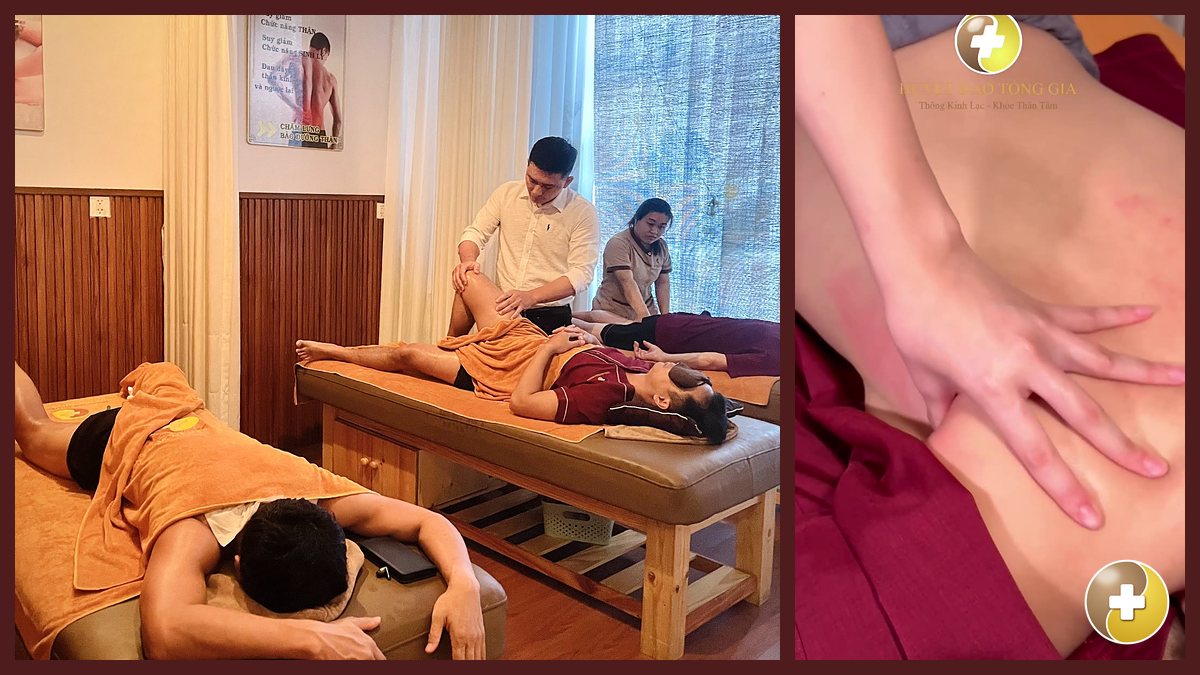
Quick answer: Usually yes, if your blood pressure is controlled as your healthcare provider advises, a reading before the session is in your usual range and you are not exhausted. Massage does not lower blood pressure. Huyệt Đạo Tống Gia in District 12 and Vinhomes Grand Park, Ho Chi Minh City, uses light pressure and avoids long face-down positions and strong heat.
Want Lương Y Tống Văn Huynh’s team to read your spine and posture in person?
Can you get a massage with high blood pressure in Vietnam?
Every Tết season, many Vietnamese Americans in San Jose, Orange County, Houston, Dallas and Atlanta pack for Saigon. Many are in their sixties or seventies, and a good number have managed high blood pressure for years, taking their prescriptions at the same time every morning. After a long-haul flight, family in Ho Chi Minh City suggest a massage to ease the stiffness, and the first question is always the same: is massage safe with high blood pressure? Some people even search for "acupressure to lower blood pressure", hoping a few sessions back home will let them rely less on their prescriptions.
We will answer that directly. Massage and acupressure do not lower blood pressure, they do not replace the advice of the healthcare provider who follows you, and nobody should stop or reduce a prescription because of a massage. The Tong Gia training manual lists the claim "acupressure lowers blood pressure so you can stop your pills" as dangerous advice and states that acupressure only supports relaxation. What Tong Gia can offer is a gentle session that eases a stiff neck and shoulders, a tired back and a busy mind, under safe conditions.
In Western medical terms, blood pressure is the force of blood against the artery walls each time the heart pumps. The Tong Gia manual quotes current reference ranges: under 120/80 mmHg is normal; 120–139/80–89 is high-normal; 140/90 and above is high blood pressure that needs medical assessment and follow-up; 180/110 and above is very high and needs prompt medical attention, especially with headache or chest pain. High blood pressure often has no symptoms. Some people notice headaches, dizziness or ringing ears, but many feel nothing at all, so "feeling fine today" says little about your numbers. Only a cuff can tell you.
So the short answer: people whose blood pressure is well controlled can usually enjoy a light-pressure massage, on three conditions. You have checked with your healthcare provider, your reading before the session is within the range you were given, and you are not worn out that day. If your blood pressure is not under control, you have a severe headache, or you have just landed and feel drained, wait. If your back is still sore from the flight, see our main guide on spine care after a long-haul flight.
Why blood pressure swings on a trip home for Tết
Many visitors say their readings are steady in the US and then jump around after a few days in Vietnam. Several things land on the body at once:
- Long flights and connections: from the West Coast it is often 15–20 hours including a stop in Taipei, Seoul, Tokyo or Hong Kong; from Texas, Atlanta or the East Coast, longer. Hours of sitting, broken sleep, hauling luggage and immigration queues keep the body under strain.
- A 12–15 hour time difference: prescription times get muddled. Some people miss a dose, others take two too close together. Jet-lag insomnia also pushes heart rate and blood pressure around. See the US–Vietnam time difference and jet lag.
- A climate jump: from an American winter into Saigon's humid heat, sweating a lot and drinking too little, then sitting in air-conditioning. Dehydration plus standing up quickly can make you lightheaded, especially if you take blood-pressure or water pills.
- Tết food: sticky rice cakes, pickled vegetables, dried fish, Chinese sausage and rich dipping sauces are salty, and there are parties every day with beer and spirits. The manual notes that salty, fatty food and alcohol both push blood pressure up.
- Emotion: reunions, ancestor visits, sometimes grief. The manual explains that heart rate and blood pressure shift with emotion through the autonomic nervous system, and that stress and late nights raise both.
- Packed schedules: a different relative every day, long rides in traffic, late nights and early mornings. By day three or four many people are exhausted.
Because all this adds up, measuring every morning and taking your prescriptions on time come first; a massage is only an extra for comfort. For pacing the trip, see our 7-day wellness plan for a Tết visit.
Signs worth watching
Note these during the trip, alongside your daily readings:
- A heavy head or tight back of the neck in the morning or after a salty meal; stiffness at the base of the skull after dozing upright on the plane.
- Dizziness on standing up quickly or a brief blackout feeling, common with dehydration, heat or right after a dose.
- Ringing ears, a flushed face, heat rushing to the head when upset or after drinking.
- Palpitations and trouble falling asleep from jet lag.
- Swollen ankles after the flight or in the evening.
- Fatigue from day three, poor appetite, shallow sleep.
None of these tells you whether your pressure is high or low; they are a reason to measure again. If the reading is unusual or the signs get worse, read the next section carefully.
When to see a doctor, and when not to have a massage
Rule number one in the Tong Gia manual for anything heart-related: chest pain, breathlessness or signs of stroke mean calling 115 (Vietnam's emergency number) at once, with no massage or acupressure. Please see a doctor promptly, and skip massage, if any of these apply:
- Stroke signs, BE-FAST: loss of Balance, sudden blurred vision (Eyes), a drooping Face, weakness in one Arm or leg, slurred Speech; Time matters, so call 115 and note when the signs began.
- Very high blood pressure with a severe headache or blurred vision, or nausea.
- Chest pain or tightness lasting more than 5–10 minutes that rest does not ease, pain spreading to the left arm, shoulder, neck or jaw, cold sweats.
- Sudden breathlessness or chest pain on breathing in during the days after a long flight, or one calf that is swollen, warm, red and painful: possible clot. Get checked straight away and do not have the leg massaged.
- Fainting or nearly fainting, or a racing heartbeat with dizziness.
- Uncontrolled blood pressure: resting readings above the range your healthcare provider set, or 180/110 or higher. Get checked and postpone any massage.
- A recent change of prescription, a recent hospital stay, a stent, a pacemaker or blood thinners: ask your doctor before booking.
One more reason to wait, though not an emergency: feeling wiped out right after the flight. On landing day and the day after, you have not slept properly and may be dehydrated. The manual also warns that stopping blood-pressure prescriptions on your own can cause dangerous complications, and describes how to measure correctly: rest 5 minutes, sit back with feet flat, no coffee or smoking for 30 minutes before, take two readings 1–2 minutes apart and average them.
This is a wellness service, not medical care. Tong Gia does not take readings on your behalf, does not interpret lab results, X-ray or MRI images, does not draw up care plans in place of a medical facility, and never suggests changing a prescription.
The Y Tướng Học view: Heart, Liver, Kidney and the "hot above, cold below" pattern
Y Tướng Học (traditional face reading for wellness) rests on one saying: "the signs show outside, the organs lie inside." Lương Y (master of traditional Vietnamese wellness) Tống Văn Huynh, founder of Huyệt Đạo Tống Gia, has organised it into a way of observing each guest before a session. It is observation for wellness. It cannot replace a blood-pressure cuff and is never used to say what illness someone has. In the Tong Gia manual, three organ systems come up when blood pressure is unsteady:
- Heart (Tâm) – circulation and the mind: in Eastern terms the Heart governs the blood vessels and houses the spirit. The manual links the heart's role in keeping blood pressure steady to Heart qi and Heart yang, and links pressure that shifts with emotion to "the Heart houses the spirit". Signs: a flushed or pale face, poor sleep, palpitations; the school's texts describe a small, pointed, deep-red tongue with Heart fire, insomnia and pressure that swings with anger.
- Liver (Can) – tendons and temper: the Liver stores blood and governs the tendons; its emotion is anger. The manual describes "Liver yang rising": heat rushing to the head, irritability, dry red eyes, a bitter taste in the morning, sometimes sudden pressure spikes, with tight neck tendons. Signs: prominent cheekbones, a habitually knitted brow, red eyes, rope-like trapezius muscles.
- Kidney (Thận) – the root below: in Western terms the kidneys help regulate blood pressure through the renin–angiotensin system and salt and water balance; the manual pairs this with "Kidney yin deficiency, Liver yang rising". Signs: thin, soft ear rims, a flat bone behind the ear, a cold lower back, weak knees, waking at night to urinate.
The manual also describes a face shape common in older visitors, the "Giáp" face: wide above, narrow below, broad forehead, pointed chin, with an "excess above, deficiency below" pattern: headaches, insomnia, hot flushes and easily raised pressure above; weak knees and night urination below. On the back, the upper neck around C1–C2 tends to feel hot and tight while the lower back feels hollow and cool. That is why a session for high blood pressure at Tong Gia aims to calm the top and gently warm the bottom, never to press hard to "open things up".
One warning matters above all. The manual states that in older people or those with existing conditions, a tongue that deviates or a drooping mouth may signal stroke risk and needs urgent medical attention. At Tong Gia, reading the signs first tells the practitioner when not to work.
Spine segments and nerve-reflex zones involved
According to the Tong Gia manual on spinal nerve-reflex balancing massage, the spine has 33 vertebrae: cervical C1–C7 serve the head, face, neck and arms; thoracic D1–D12 relate to circulation, breathing and digestion; lumbar L1–L5 to digestion, kidneys, urinary tract and legs; then the sacrum S1–S5. Nerve roots leave through the gaps between vertebrae, which is where the fingers search. The table shows areas that are often tight in people with high blood pressure after a long flight. It guides relaxation work only; it is not used to name a condition or to act on blood pressure.
| Segment | Nerves / function (anatomy) | Common feeling | Organ system | Sign (Y Tướng Học) |
|---|---|---|---|---|
| C1–C3, base of the skull | Upper cervical roots; small suboccipital muscles that hold the head | Heavy head, tight neck in the morning, stiffness after dozing on the plane | Liver, Kidney | Hot, tight nape; knitted brow; flat occiput |
| C4–C7 | Lower cervical roots, brachial plexus; trapezius, shoulders, arms | Shoulders stiff as wood, tired arms after carrying luggage | Liver (tendons) | Prominent cheekbones, rope-like trapezius |
| D1–D3 | Upper thoracic nerves; grouped with the neck in the manual's nerves-and-mind group | Tension, trouble sleeping, a mind that will not switch off | Heart (spirit) | Dull eyes, face reddening by evening |
| D4–D5 (Jueyinshu, Xinshu points) | Upper thoracic nerves; heart area, muscles between the shoulder blades | Palpitations, tightness between the shoulder blades, jet-lag insomnia | Heart, Pericardium | Flushed or pale face, small pointed red tongue |
| D7–D9 (Ganshu area) | Mid thoracic nerves; liver and gallbladder area, flanks | Irritability, bitter morning taste, fullness under the ribs after feasts | Liver, Gallbladder | Red eyes, high cheekbones, knitted brow |
| L2 (Shenshu, Mingmen points) | Upper lumbar roots; kidney and urinary area | Cold, tired lower back, night urination, ringing ears | Kidney | Thin soft ear rims, flat mastoid, cool waist |
Two extra safety points for high blood pressure: no firm pressure on the front sides of the neck, where the carotid arteries run, and no forceful neck twisting or cracking. The manual is clear that points do not act directly on the heart or blood vessels; they only support relaxation in traditional terms.
The Tong Gia method: a gentle, shorter session, measured first
This is a Vietnamese Eastern wellness method developed by Lương Y Tống Văn Huynh over more than 13 years of practice in traditional Eastern wellness, Y Tướng Học and spinal nerve-reflex balancing. For high blood pressure the only aim is relaxation, helping rebalance the neck, shoulders, back and sleep, never a target number. One session follows five steps, adjusted for raised blood pressure:
- Measure and ask first: take a reading at home before coming, or bring your cuff, and share the number. The manual asks about heart conditions, high blood pressure, stents, pacemakers, blood thinners and pregnancy; we also ask when you took today's dose, how you slept, whether you have eaten and whether one leg is swollen. Any warning sign above means no session and advice to get checked or call 115.
- Observe: complexion, tongue, eyes, ears, sweat and the way you walk in, to guide the session, never to label a condition. A few minutes of slow 4–6 breathing settles you first.
- Read the spine by hand in a comfortable position: light pressing, stroking and rolling along the spine to feel skin temperature, muscle padding, vertebral shape and sensation, comparing left and right. We favour sitting supported, side-lying or lying on your back; face-down only briefly if comfortable, since long face-down positions can leave older guests short of breath and heavy-headed when they sit up.
- Release the muscles with light pressure: of the manual's five pressure levels, only the lightest are used, increased slowly, working on warm, tight "active" areas and never directly on cool "inhibited" ones. Main areas: the base of the skull, the trapezius, both sides of the upper back. No strong hot compresses, hot steam or strong cupping in this session.
- Gentle calming points: following the manual's Heart-care routine, light pressure on Xinshu and Jueyinshu on the back, Neiguan and Shenmen at the wrist for 1–2 minutes each side, Taichong on the top of the foot to soothe the Liver, ending at Baihui on the crown. The manual notes that saying "Baihui lowers blood pressure" is an overstatement. At the end you sit up slowly, rest a few minutes and drink water before standing.
Three services that suit visitors with high blood pressure (full list on our prices page; reference rate 1 USD ≈ 26,000 VND, payment in VND):
| Service | Length | Price | Approx. USD | Good for |
|---|---|---|---|---|
| Herbal hair wash with neck and shoulder massage | 60 min | 250,000 VND | ~10 USD | A gentle first visit lying on your back, relaxing the head and nape |
| Neck and shoulder care | 60 min | 550,000 VND (first visit 399,000 VND) | ~21 USD (first visit ~15 USD) | Tight nape and stiff shoulders after the flight and luggage |
| Eastern (Đông y) massage | 60 min | 450,000 VND | ~17 USD | Light full-body relaxation, easier sleep during jet lag |
With high blood pressure we suggest 60 minutes rather than 90 or 120, especially the first time. In a typical session the practitioner finds a hot, tight nape, hard trapezius muscles, tightness between the shoulder blades and a cool lower back, then works slowly with one finger and the flat of the hand, warms the lower back with the palms and finishes at the crown. Inside the session, tight spots feel tender yet pleasant; the manual calls it "a wave of sensation: comfortable discomfort while the body adjusts itself". Afterwards many people feel a lighter head, softer shoulders and easier sleep; some feel slight muscle soreness the next day. That is relaxation. Your blood pressure still needs your cuff and your prescriptions. Tong Gia supports and helps rebalance; we promise neither pain relief nor any change in your numbers.
From the airport. From Tân Sơn Nhất Airport, the District 12 branch (225 Dương Thị Mười, Tân Chánh Hiệp Ward) is in the north of the city and relatively close by car; the Vinhomes Grand Park branch (Unit T16-21, Manhattan zone, Long Bình Ward, Thủ Đức City) is in the east, across the city, so the ride is longer depending on traffic. With high blood pressure, do not come straight from the airport: rest, take your dose on time and measure again the next day. See also massage near Tân Sơn Nhất Airport.
Want Lương Y Tống Văn Huynh’s team to read your spine and posture in person?
A suggested plan for a Tết trip and daily self-care
A suggestion for someone with stable blood pressure on a two-week Tết visit. If your healthcare provider has given you specific advice, follow that.
| When | What to do | Tong Gia session (suggested) |
|---|---|---|
| 4–6 weeks before | Routine check-up; ask your doctor about long-haul flying and how to shift dose times to Vietnam time; pack enough prescriptions plus a few spare days | Not yet |
| 1 week before | Put your cuff and logbook in carry-on; book an aisle seat | Message Zalo/WhatsApp with your landing date and book ahead |
| Flight day | Walk every 1–2 hours, sip water, limit alcohol and coffee, take doses as advised | – |
| Days 1–2 | Rest, eat lightly with little salt, sleep on local time; measure morning and evening | Not yet – you are still tired |
| Days 3–4 | Readings back to your US range; short walks in the cool of the day | Herbal hair wash with neck massage (250,000 VND) or first-visit neck and shoulder care (399,000 VND) |
| Days 5–10 (Tết) | Eat in moderation, less salt and alcohol; one long visit a day at most; measure every morning | One more 60-minute Eastern massage, light pressure, if it felt good |
| 2–3 days before flying back | Early nights; prescriptions and cuff in carry-on | One light neck session before the flight |
Daily habits from the Heart-care section and "10 golden rules" of the Tong Gia manual: measure every morning the correct way and log it; keep salt under 5 g a day; practise slow 4–6 breathing for 5–10 minutes, especially before bed; press Shenmen gently for 1–2 minutes each side at bedtime; soak your feet in warm water (about 38–42°C) for 15–20 minutes in the evening, which helps you relax and sleep but, as the manual says, does not "lower blood pressure instantly"; nap 15–30 minutes; walk about 30 minutes a day when it is cool; keep calm and avoid anger. Travelling with older parents? Read taking elderly parents back to Vietnam and neck and shoulder massage for elderly parents.
Booking from abroad
You can book from the US before you fly via Zalo or WhatsApp on +84 888 264 559 (0888 264 559 inside Vietnam), or through our booking page. Please send your landing date and time, your age, that you are managing high blood pressure plus any other conditions, where you feel tight (nape, shoulders, back, sleep) and which branch you prefer. We will schedule from day three after landing and remind you to measure before coming. Step-by-step details are in booking a massage in Saigon from abroad.
- District 12 branch: 225 Dương Thị Mười, Phường Tân Chánh Hiệp (Tân Chánh Hiệp Ward). Open 8:00–19:00 daily. Closer to Tân Sơn Nhất Airport.
- District 9 – Vinhomes Grand Park branch: Căn T16-21 khu Manhattan, Phường Long Bình, TP. Thủ Đức (Unit T16-21, Manhattan zone, Long Bình Ward, Thủ Đức City). Open 9:00–20:00 daily.
Both branches have genuine reviews on Google Maps. Family in Ho Chi Minh City can book for you and come along to the first visit to explain your health history. Tết at home is for joy; a gentle, well-timed session can help you enjoy it more calmly.
Visit us
- Đông Y Huyệt Đạo Tống Gia Quận 12 (District 12)
225 Dương Thị Mười, Phường Tân Chánh Hiệp, Quận 12, HCMC · 8:00–19:00 daily · 0888 264 559 · Directions on Google Maps - Đông Y Huyệt Đạo Tống Gia Quận 9 (Vinhomes Grand Park, District 9)
Căn T16-21 khu Manhattan, Vinhomes Grand Park, Phường Long Bình, TP. Thủ Đức, HCMC · 9:00–20:00 daily · 0888 264 559 · Directions on Google Maps
Map of our two branches
Want Lương Y Tống Văn Huynh’s team to read your spine and posture in person?
Related guides for your trip
FAQ
Can I get a massage with high blood pressure when I visit Vietnam? Usually yes, if your blood pressure is controlled under your healthcare provider's advice, your reading before the session is in your usual range and you are not exhausted. Choose 60 minutes, light pressure, no long face-down position and no strong heat. Massage does not lower blood pressure or replace prescriptions.
Does acupressure lower blood pressure? No. The Tong Gia manual lists the promise that acupressure lowers blood pressure so you can stop prescriptions as dangerous advice. Acupressure only supports relaxation. Keep measuring with a cuff, follow your healthcare provider and never stop or cut a dose on your own.
My mom in San Jose has high blood pressure. Can she get a massage the day she lands in Saigon? Better not. For the first two days she should rest, take her doses on time, eat lightly and measure morning and evening. Once her readings match her usual range and she has slept, a light 60-minute session from day three is reasonable.
What blood pressure reading is too high for a massage? If resting readings stay above the range your healthcare provider gave you, or reach 180/110 mmHg or more, postpone and get checked. Very high pressure with a severe headache, blurred vision, chest pain, a drooping face or one-sided weakness means calling 115 at once.
Is lying face down for a back massage a problem with high blood pressure? Lying face down for a long time can leave older people short of breath and heavy-headed when they sit up. At Tong Gia, sessions for high blood pressure favour sitting supported, side-lying or lying on the back, with only brief face-down work if comfortable and a slow sit-up at the end.
Should I try cupping or a herbal steam with high blood pressure? During your trip, Tong Gia does not use strong hot compresses, hot steam or strong cupping in sessions for high blood pressure. If you want to try them, ask your doctor first. The 60-minute herbal hair wash with neck massage (250,000 VND, about 10 USD) is a gentler choice.
Author: Lương Y Tống Văn Huynh – founder of Huyệt Đạo Tống Gia, a master of traditional Vietnamese wellness with over 13 years in Eastern wellness care, Y Tướng Học (face reading) and spinal nerve-reflex balancing massage.
Updated: 2026-11-15
Related guides
- Can you get a massage with high blood pressure when visiting Vietnam? When it is fine and when to wait
- Exhausted after Tet family visits in Ho Chi Minh City: why the holiday wears you out, and how Tong Gia helps
This is a wellness service, not medical care.