
Taking elderly parents back to Vietnam for the first time: health prep for the flight and first week in Saigon
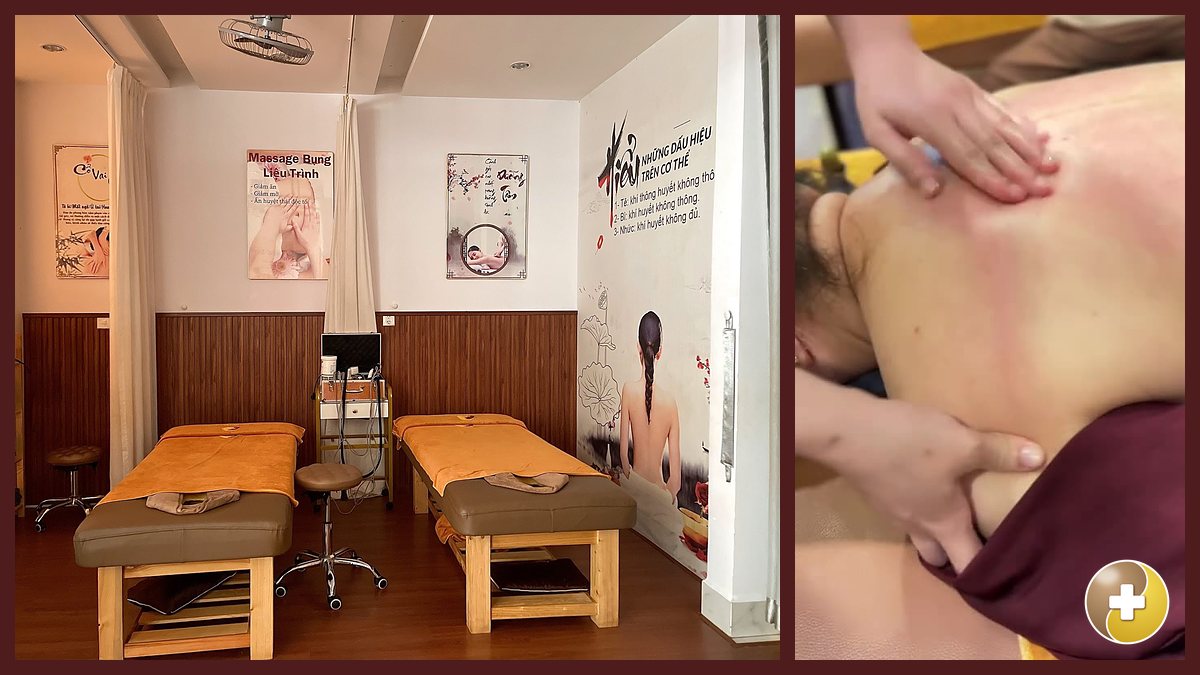
Quick answer: When taking elderly parents back to Vietnam for the first time, plan three things: a check-up before the trip, regular walking and drinking on the plane, and two quiet days in Saigon first. Huyệt Đạo Tống Gia in District 12 and Vinhomes Grand Park, Ho Chi Minh City, offers gentle neck, shoulder and leg care for parents.
Want Lương Y Tống Văn Huynh’s team to read your spine and posture in person?
Taking elderly parents back to Vietnam for the first time: what an older body has to adjust to
Many of you were born in Houston, San Jose, Orange County, Sydney, Melbourne, Toronto or Calgary. Your parents left Vietnam decades ago, and some have never been back. Then one year the family decides it is time: a trip to Vietnam with elderly parents, to walk the old streets of Saigon, meet cousins they last saw as children and light incense for the grandparents. For second-generation Vietnamese, this is often the first time you organise everything yourselves: flights, somewhere to stay, a schedule of family visits, and the health of two people in their late sixties, seventies or even eighties. International travellers bringing older parents to Ho Chi Minh City face much the same questions.
The journey is long. From the US West Coast or from Canada, the trip usually connects through Taipei, Seoul, Tokyo or Hong Kong, and with layovers it can take most of a day door to door. From Sydney or Melbourne it is shorter, but still many hours of sitting still. The busiest travel season falls at the end of the year and around Tết: North America is deep in winter, Australia is in summer, and Ho Chi Minh City is warm and humid all year, with fierce midday sun and, in the rainy months, afternoon downpours. Your parents step out of Tân Sơn Nhất airport into heat, humidity and motorbike traffic, in a city that has changed enormously since they left.
In Western medical terms, an older body adapts more slowly to the three things this trip stacks on top of each other. The first is long sitting: blood returns from the legs more slowly, ankles swell, and the risk of a clot in a deep leg vein (deep vein thrombosis) rises with age, with hours of immobility and with conditions such as heart disease, recent surgery or a past clot. The second is jet lag: the body clock of older adults is already more fragile and their sleep lighter, so an 11–15 hour shift from North America can leave them wide awake at 2 a.m. and nodding off at 4 p.m. for a week or more. The third is heat and humidity: older people sweat but feel thirst less, so they can become dehydrated without noticing, and dehydration plus standing up quickly easily brings light-headedness, especially for anyone prescribed blood-pressure pills or water pills.
This guide is not about whether massage is safe for older people; we cover that in neck and shoulder massage for elderly parents. Here we walk through the whole first time going back to Vietnam with them: getting ready before you fly, staying comfortable on the plane, the first days in Ho Chi Minh City, a schedule paced for them, and one light session to ease stiff necks and heavy legs. If the flight has already left your parents with a sore back, start with our pillar guide on spine care after a long-haul flight.
Why the first trip back wears older parents out
Your parents may be quite fit at home, walking every morning or gardening, and still feel drained in the first week. Usually several things pile up at once:
- A long flight with connections: hours in a narrow seat, reluctant to get up and disturb the neighbour, then long walks between gates, carrying bags and queueing at immigration.
- Dry cabin air: humidity on board is low, and many older travellers drink little to avoid trips to the toilet, so they land with a dry mouth, a heavy head and constipation.
- The time difference: Vietnam is 14–15 hours ahead of the US West Coast and Vancouver and 11–12 hours ahead of the East Coast and Toronto, depending on daylight saving time, and 3–4 hours behind Sydney and Melbourne. Our page on the US–Vietnam time difference and jet lag has the details.
- A sudden change of climate: from cold, dry air to heat and humidity, then straight back into air conditioning indoors. Hot streets, cold rooms and an air-conditioner blowing on the neck during an afternoon nap leave stiff necks and blocked noses.
- Different food: relatives serve feast after feast, rich, sweet and late; ice, raw herbs and street food that a stomach used to decades abroad no longer handles as it once did.
- A packed schedule: everyone wants to see them, there is a family meal every day, a visit to this uncle and that aunt, long rides through traffic. Your parents are happy, so they ignore the tiredness, and by day three or four it catches up with them.
- Tube houses, stairs and unfamiliar beds: relatives' homes are often narrow and several floors high, with steep stairs, slippery bathrooms and beds much harder or softer than at home.
- Emotion: coming back after decades is a joy, but also deeply moving and sometimes sad, with memories of people who are gone. Strong emotion over several days disturbs sleep and appetite.
Almost all of this can be planned for. The key is to plan the trip as a restful holiday paced for your parents, not a sightseeing schedule built for younger legs.
Signs worth watching during the trip
If you are travelling with your parents, keep an eye on these signs and note them day by day, so you can see which ones grow and which ones fade:
- Puffy ankles and feet after the flight that leave a dent when pressed; usually on both sides, easing with walking and raised legs. See swollen legs after a long flight.
- A stiff neck and shoulders, hard to turn the head, from dozing upright in the plane seat, lifting bags or cold air from the air-conditioner.
- A tired lower back and heavy legs, sore buttocks after long car rides between relatives, calf cramps at night.
- Awake at night, sleepy in the afternoon, waking at 2–3 a.m. and not getting back to sleep. Our guide to jet lag and sleep after flying to Vietnam explains why.
- Light-headedness when standing up quickly, exhaustion at midday, dry lips and dark urine: signs of not drinking enough in the heat.
- Bloating, poor appetite, constipation or loose stools after several big meals in a row.
- More night urination, a cool lower back and tired knees on the steep stairs of a relative's house.
Most of these are ordinary signs of adjustment and fade after a few days of proper rest. If they come with any of the signs below, do not wait.
When to see a doctor
Before the trip, book your parents a general check-up and ask a doctor whether long-haul flying suits them, especially with heart, blood-pressure or blood-sugar conditions or a past blood clot. During the trip, please see a doctor straight away, and skip massage or acupressure, if you notice any of these:
- Chest tightness or pain, breathlessness or cold sweats, pain spreading to the neck, jaw or left arm: call 115 immediately.
- Sudden breathlessness or chest pain on breathing in in the days after a long flight: a clot may have travelled to the lungs, so call 115 immediately.
- One calf that is swollen, warm, red and painful, especially after the flight: this may be a deep vein clot. Get checked straight away and do not have the leg massaged.
- A drooping mouth, slurred speech, numbness or weakness on one side, sudden blurred vision or a tongue that deviates to one side: call 115 immediately.
- Confusion, unusual drowsiness, high fever or hot dry skin after time in the sun: possible heatstroke. Move them somewhere cool and get emergency help.
- Repeated diarrhoea or vomiting, being unable to keep fluids down, or passing very little urine.
- A fall followed by back or hip pain, or being unable to stand or walk normally: older bones break more easily and need an imaging check.
- Existing conditions such as heart disease, blood pressure or blood sugar problems, blood thinners, recent surgery or a joint replacement: ask your doctor before booking any massage, and tell the practitioner.
This is a wellness service, not medical care. Tong Gia does not read X-ray or MRI images and does not draw up care plans in place of a medical facility. If your parents are following medical advice, Tong Gia offers only supportive hands-on care alongside it.
The Y Tướng Học view: Kidney, Spleen, Heart and Liver on a long journey
Y Tướng Học (face reading for wellness) rests on one saying: "the signs show outside, the organs lie inside." What happens in the organ systems shows in posture, complexion and features. Lương Y (master of traditional Vietnamese wellness) Tống Văn Huynh, founder of Huyệt Đạo Tống Gia, has organised it into a practical way to plan care for each person. It is observation for wellness, not fortune-telling and not a statement that something is wrong with your parents. For older people on a long journey and a sudden change of climate, the Tong Gia curriculum points to four organ systems:
- Kidney, the root of the back and knees: in Eastern wellness tradition the Kidney stores essence, governs the bones, produces marrow, opens into the ears and shows in the hair. Long sitting, cold and fatigue make the lower back and knees of older people speak up first. The sign to notice: thin, soft ears and a flat bone behind the ear; the curriculum links this to weak Kidney qi and Kidney yang, with a tired lower back and knees, feeling cold, cold hands and feet, frequent night urination and ringing ears.
- Spleen, muscle, limbs and meals: the Spleen governs the flesh and the four limbs and transforms food; it likes dryness and dislikes damp. Saigon's humid heat plus one feast after another leaves limbs heavy, the stomach bloated and the whole body sluggish. Signs: pale lips, soft flesh, a puffy tongue with tooth marks.
- Heart, sleep: the Heart governs circulation and houses the spirit. The curriculum describes the Heart–Kidney pair, "water and fire in balance": Heart fire descends to warm the Kidney and Kidney water rises to cool the Heart; when the two lose contact, sleep breaks, the heart flutters and the back and knees tire. It is a close picture of an older person with jet lag. Signs: a pale face, or one that flushes in the afternoon, and eyes lacking brightness.
- Liver, the sinews: the Liver stores blood and nourishes tendons and ligaments. When it is strong, tendons are supple and joints move freely; when it weakens, muscles tighten, cramp and lose flexibility. Signs: thin, brittle, ridged nails, knitted brows and shoulders as hard as wood.
The curriculum adds a clear warning: in older people or those with existing conditions, a tongue that deviates to one side is a danger sign of stroke risk and needs a medical check at once. That is why at Tong Gia the practitioner reads the face to understand the organs, then reads the spine by hand to find the zone, always putting your parents' safety first. For you as the travelling son or daughter, knowing a few of these signs also helps you notice early when a parent is running out of energy.
Spine segments and nerve-reflex zones involved
In the Tong Gia curriculum on spinal nerve-reflex balancing, the spine has 33 vertebrae: 7 cervical (C1–C7), 12 thoracic (D1–D12), 5 lumbar (L1–L5), and the sacrum and coccyx (S1–S5). Nerve roots leave the spinal canal through the gaps between vertebrae. After hours of sitting, carrying bags and dozing in a seat, the muscles beside an older spine tighten to "hold" the axis, and those are the places the practitioner's fingers search. After the trip home, these zones often need care:
| Segment | Nerves and function (Western anatomy) | How it feels on the trip | Organ system | Outward sign (Y Tướng Học) |
|---|---|---|---|---|
| C1–C3, base of the skull | Upper cervical roots; small muscles holding the head | Heavy head, stiff neck after dozing upright, light dizziness when turning quickly | Liver, Kidney (marrow) | Knitted brows, flat back of the skull, pale face |
| C5–D1 | Brachial plexus; shoulders, arms, hands | Tired shoulders from lifting suitcases, mild tingling in the fingertips | Liver (sinews) | Uneven shoulders, hard shoulder muscles, ridged nails |
| D4–D5 | Upper thoracic nerves; heart area, muscles between the shoulder blades | Fluttering heart, trouble falling asleep with jet lag, ache between the shoulder blades | Heart | Pale face or afternoon flush, dull eyes |
| D11–D12 (Spleen and Stomach points) | Lower thoracic nerves; upper digestion | Bloating, poor appetite after a run of family feasts | Spleen–Stomach | Pale lips, soft flesh, puffy tongue with tooth marks |
| L2 (Shenshu, Mingmen, Zhishi) | Upper lumbar roots; kidney and urinary area | Cool, tired lower back, night urination, ringing ears | Kidney | Thin, soft ears, flat bone behind the ear, cool waist |
| L2–L4 | Roots of the femoral nerve; quadriceps, skin of the front thigh and knee | Tired knees on the steep stairs of a tube house | Liver (sinews), Kidney (bones) | Cool knees, soft thigh muscles, thin nails |
| L4–S1 | Roots of the sciatic nerve; buttocks, back of the legs | Sore buttocks and heavy legs after long sitting, calf cramps | Kidney–Liver; Bladder meridian | Leaning stance; a crooked nose bridge alongside a tilted spinal axis |
The table shows "related" zones for planning care, not a way to name a condition. In the curriculum, a crooked nose bridge often goes with a misaligned spinal axis and soft, thin ears with tired back and knees; reading the face suggests where to look first, and the hands decide. For the legs after a long flight, the practitioner works only after careful questions and when there is no one-sided warm swelling. If a medical facility has already found joint wear, a slipped disc, osteoporosis or severe varicose veins, the pressure stays light and that area is avoided.
The Tong Gia method: one gentle session for your parents after the flight
This Vietnamese traditional wellness method, massage that balances the spinal nerve-reflex system, was built by Lương Y Tống Văn Huynh over more than 13 years of work in traditional Eastern wellness, Y Tướng Học and spinal nerve-reflex balancing. The aim is to help rebalance each spinal zone and the related organ function and to support the body's own regulation after a long journey, never to replace a check-up. For parents who have just landed, wait until the second or third day, after at least one reasonable night's sleep. Each session follows five steps:
- Observe and ask: age, existing conditions, blood pressure, blood sugar, current prescriptions, any recent surgery or joint replacement, whether one leg is swollen, how they sleep and how often they wake to urinate; then a look at complexion, lips, ears, nails and the way they walk from the door to the bed. If you come along to the first session, you can help explain their health history, because many older people forget details or play them down.
- Read the spine by hand: pressing, stroking and rolling from C1 down to S1 to read skin temperature, muscle padding, vertebra shape and your parent's response, comparing left and right (the Symmetry principle).
- Release the muscles: softening the neck, trapezius, spinal erectors, buttocks and thighs. The curriculum has five pressure levels, from light to strong; for older guests the practitioner chooses the light levels, increases slowly and keeps asking whether the pressure feels right, working on active zones (warm skin, tight muscle, more tenderness) and not pressing directly on inhibited zones.
- Press the right points: Shenshu and Mingmen at the level of L2 for a cool, tired lower back; Zusanli below the knee for tired legs and poor appetite (in the curriculum it strengthens the Spleen, settles the Stomach and supports qi); Taixi and Yongquan on the foot and Shenmen at the wrist for sleep (Yongquan "draws fire downward, calms the spirit and eases sleep"). On the legs after a flight, the practitioner only strokes lightly upward from the ankle and does not press deeply behind the knee or into the calf. The Temperature principle: cool a warm area, warm a cool one; the Dosage principle: stop when the skin at the key point turns from dry to slightly moist.
- Self-care guidance: a few ankle exercises, how to sit on long car rides, sleep timing, how to warm the lower back and press Shenmen and Yongquan before bed, so you can do it for your parents at home.
Three services suit parents on their trip back (full list on the price list; approximate figures use a reference rate of about 26,000 VND per USD, 17,000 VND per AUD and 19,000 VND per CAD, and payment is in VND):
| Service | Duration | Price | Approx. | Good for |
|---|---|---|---|---|
| Neck and shoulder care | 60 min (90 min: 750,000 VND) | 550,000 VND (first visit 399,000 VND) | about US$21 / A$32 / C$29 (first visit about US$15 / A$23 / C$21) | A stiff neck and tired shoulders after dozing on the plane and lifting suitcases |
| Care for heavy, tired legs | 60 min | 500,000 VND | about US$19 / A$29 / C$26 | Heavy legs and tired calves after long sitting, when there is no one-sided warm swelling |
| Eastern (Đông y) massage | 60 min (90 min: 550,000 VND) | 450,000 VND | about US$17 / A$26 / C$24 | Whole-body relaxation and support for sleep during the jet-lag days |
If both parents come, message ahead so Tong Gia can arrange sessions for both. For example, Mum's first 60-minute neck and shoulder session (399,000 VND) plus Dad's 60-minute leg session (500,000 VND) come to 899,000 VND, about US$35, A$53 or C$47.
What a typical session looks like. For someone who has just flown in, the practitioner often finds the base of the skull at C1–C3 tight, the trapezius on both sides taut like a rope, the skin around L2 slightly cool and the ankles still a little puffy. After careful questions and a look at ears, lips and nails, the practitioner softens the neck, shoulders and both sides of the spine with light pressure, warms the lower back, presses Shenshu and Mingmen, then moves to the legs, stroking gently from ankle to knee and pressing Zusanli, Taixi and Yongquan. The session ends with a few ankle exercises, a way to raise the legs at home and a reminder to keep drinking through the day.
How it may feel. During the session, tight spots feel tender but pleasant, what the curriculum calls "creating a sensation wave: pleasant discomfort, and the body adjusts itself"; the back warms gradually, and many older guests drift off to sleep. Afterwards, everyone responds differently depending on constitution, age and fatigue; some feel a lighter neck, less heavy legs and an easier time falling asleep that night, and some feel mild muscle soreness the next day, like after light exercise. Tong Gia supports and helps rebalance; it does not promise that pain or sleeplessness will go away.
Getting there. From Tân Sơn Nhất airport, the District 12 branch (225 Dương Thị Mười, Phường Tân Chánh Hiệp) lies to the north of the city and is a relatively short drive; the Vinhomes Grand Park branch (Căn T16-21 khu Manhattan, Phường Long Bình, TP. Thủ Đức) is in the east, across the city, so the drive is longer and depends heavily on traffic. After landing, take your parents home to rest first and book the session for the next day or the day after. See also massage near Tân Sơn Nhất airport and our Q&A on booking a massage for parents in Vietnam.
Want Lương Y Tống Văn Huynh’s team to read your spine and posture in person?
A suggested trip plan and self-care on the road
Four to six weeks before the flight
- Book a check-up and ask a doctor: is a long-haul flight fine for them, should they wear compression stockings, and what extra preparation is needed for heart, blood-pressure or blood-sugar conditions or a past clot.
- Pack enough of everything they take on prescription for the whole trip plus a few spare days, in the original packaging, in carry-on luggage. Add copies of the prescriptions and a one-page sheet listing conditions, allergies and blood type in English and Vietnamese.
- Buy travel insurance with health cover suited to their age, and read the terms on pre-existing conditions carefully.
- Choose aisle seats near the toilets; if walking long distances is hard for them, request wheelchair assistance from the airline for the connecting airport and for Tân Sơn Nhất. Pick connections with a comfortable layover.
- Shift bedtime gradually for a few days before departure, 30–60 minutes a day toward Vietnam time, if they find it comfortable.
On the plane
- Every one to two hours, stand up and walk the aisle for a few minutes once the seatbelt sign is off.
- While seated: circle the ankles, rise onto the toes and lower to the heels 10–20 times, curl and spread the toes.
- Sip water steadily, go easy on alcohol and coffee, wear loose clothes and shoes that slip off easily because feet swell, and bring a U-shaped pillow so dozing does not bend the neck.
- Sleep during Vietnam's night if possible. More on this in how to prepare your body before the long flight home.
The first days in Ho Chi Minh City
- Avoid the harsh sun: go out early in the morning or in the cool of the evening, skip roughly 11 a.m. to 3 p.m., wear a wide-brimmed hat, carry water and drink before feeling thirsty.
- Moderate air conditioning: around 26–28°C, and never blowing straight onto the neck or lower back during sleep.
- Protect the sleep rhythm: 15–20 minutes of early sunlight, naps under 30 minutes, bedtime on local time.
- Eat gently in the first week: freshly cooked hot food, bottled water, less ice and fewer raw herbs, an early, light dinner.
- One visit or outing per day at most; in the first two days, let relatives come to the house instead of taking your parents all over the city.
| When | What to do | Session at Tong Gia (suggested) |
|---|---|---|
| 4–6 weeks before | Check-up, ask a doctor about flying, insurance, prescriptions and copies | Not needed |
| 1 week before | Pack carry-on, choose aisle seats, request wheelchair assistance if needed | Message your landing date and time by Zalo/WhatsApp and book ahead |
| Flight day | Walk every 1–2 hours, sip water, ankle exercises | – |
| Day 1 (landing) | Straight home, warm shower, light meal, local bedtime | Not needed |
| Day 2 | Rest at home, early sunlight, a short walk in the cool, relatives visit at home | If they slept: a gentle 60-minute Eastern massage |
| Day 3 | One short morning outing, midday rest | Neck and shoulder care, 60 min (first visit 399,000 VND) or leg care, 60 min (500,000 VND) |
| Days 4–7 | One visit or outing a day, regular midday rest | One more session if they enjoyed it |
| 2–3 days before flying back | Light schedule, early nights, prescriptions back in the carry-on | One neck and shoulder or leg session before the return flight |
Simple evening care you can do for your parents:
- Raise the legs for 15–20 minutes in the late afternoon, a pillow under the calves, ankles slightly above heart level.
- A warm foot soak for 15 minutes in the evening (if they have diabetes or reduced feeling in the feet, test the water yourself first), then press Yongquan on the sole and Shenmen at the wrist crease for 1–2 minutes each side.
- Warm the lower back: rub your palms until warm, place them on both sides of the lower back over the Shenshu area and rub up and down 50–100 times.
- Slow 4–6 breathing before bed: in through the nose for 4 seconds, out slowly for 6 seconds, for 5–10 minutes, as the curriculum suggests for calming the Heart.
If the trip falls over Tết, see the 7-day wellness plan for a Tết visit.
Booking ahead for your parents
You can book from the US, Australia or Canada before you fly, by Zalo or WhatsApp on +84 888 264 559 (0888 264 559 inside Vietnam), or book online. Please send your landing date and time, your parents' ages and existing conditions, where they feel tired (neck and shoulders, back, legs, sleep) and which branch you prefer. Mind the time difference: a message sent at 8 p.m. in California in winter arrives around 11 a.m. the next day in Vietnam. Booking from overseas is explained step by step in how to book a massage in Saigon from abroad.
- District 12: 225 Dương Thị Mười, Phường Tân Chánh Hiệp (Tan Chanh Hiep Ward, District 12). Open 8:00–19:00 daily. Closer to Tân Sơn Nhất airport.
- District 9 – Vinhomes Grand Park: Căn T16-21 khu Manhattan, Phường Long Bình, TP. Thủ Đức (unit T16-21, Manhattan zone, Long Binh Ward, Thu Duc City). Open 9:00–20:00 daily.
Both branches have real guest reviews on Google Maps. Relatives in Ho Chi Minh City can also book on your behalf and bring your parents to the first session. More about care for returning families is on our overseas Vietnamese page. A quiet hour of gentle hands-on care in the middle of a busy homecoming can be a small gift your parents remember for a long time.
Visit us
- Đông Y Huyệt Đạo Tống Gia Quận 12 (District 12)
225 Dương Thị Mười, Phường Tân Chánh Hiệp, Quận 12, HCMC · 8:00–19:00 daily · 0888 264 559 · Directions on Google Maps - Đông Y Huyệt Đạo Tống Gia Quận 9 (Vinhomes Grand Park, District 9)
Căn T16-21 khu Manhattan, Vinhomes Grand Park, Phường Long Bình, TP. Thủ Đức, HCMC · 9:00–20:00 daily · 0888 264 559 · Directions on Google Maps
Map of our two branches
Want Lương Y Tống Văn Huynh’s team to read your spine and posture in person?
What guests say on Google Maps
“I brought my father here for his neck and shoulder pain… the facilities are clean and the service is caring. Thank you.” (translated from a Vietnamese review)
— Phú Quý T., Google Maps review · Vinhomes Grand Park branch (District 9) · 2025 · See on Google Maps
“Three of my sons-in-law who live in Vietnam and I – four of us – came for a massage. Good service, very thorough.” (translated from a Korean review)
— 이용우 (Lee Y.), Google Maps review · District 12 branch · 2023 · See on Google Maps
Quoted from public reviews, shortened where marked (…). Experiences vary from person to person; reviews are not a substitute for seeing a doctor when something feels wrong.
Related guides for your trip
- Migraine sufferer: can I get a Vietnamese head spa in Ho Chi Minh City, and when is the right time?
- Headache and eye strain from night shift work: why the back of the head and temples ache and what helps
- Massage when you get dizzy turning your head: what to know before a neck session in Ho Chi Minh City
FAQ
What should I prepare health-wise for a trip to Vietnam with elderly parents? Three things: before the flight, a check-up, ask a doctor about long-haul flying, enough prescriptions plus copies in carry-on; on the plane, walking every 1–2 hours and sipping water; in Ho Chi Minh City, two quiet days first, no midday sun and at most one outing a day.
My parents are flying from Houston to Saigon. Do they need compression stockings? Ask your doctor before the trip. Well-fitted compression stockings are often suggested for older people on long flights, but they do not suit everyone, for example some people with circulation problems in the legs. With or without them, your parents should still walk every 1–2 hours and do ankle circles.
Is it okay for my parents to get a massage the day they land at Tân Sơn Nhất? There is no need to rush. On landing day they should go home, shower, eat lightly and sleep on local time. A gentle session suits day two or three, after one decent night's sleep and as long as neither calf is swollen, warm and red on one side.
My mum has high blood pressure and diabetes. Can she have a massage in Vietnam? Ask a doctor first and tell the practitioner. At Huyệt Đạo Tống Gia every session starts with questions about existing conditions; for older guests the pressure is light and increased slowly, and problem areas are avoided. It is a wellness service and does not replace medical monitoring.
We are flying from Toronto. How long will my parents' jet lag last? Toronto is 11–12 hours behind Vietnam, and older people often need several days to more than a week to adjust. Early sunlight, naps under 30 minutes and local bedtimes help. A 60-minute Eastern massage (450,000 VND, about C$24) can support relaxation and sleep during those days.
Should I go with my parents to their first session? Yes, it helps. You can explain their health history and current prescriptions, and remind them to say if the pressure feels too strong. At the end you also learn a few simple moves to do for them at home. Book by Zalo or WhatsApp on +84 888 264 559.
Author: Lương Y Tống Văn Huynh – founder of Huyệt Đạo Tống Gia, a master of traditional Vietnamese wellness with over 13 years in Eastern wellness care, Y Tướng Học (face reading) and spinal nerve-reflex balancing massage.
Updated: 2026-11-15
Related guides
- How to book a massage in Saigon from abroad: a guide for Viet Kieu in Taiwan, Korea and Japan
- Taking elderly parents back to Vietnam for the first time: health prep for the flight and first week in Saigon
- A 7-day wellness plan for a Tết visit to Saigon: from Canadian winter to Ho Chi Minh City heat
- Massage near Tan Son Nhat Airport: how to loosen up after a long flight from the US East Coast
- Vietnamese vs Thai massage: a plain comparison with tuina and shiatsu, and how a Tong Gia session works
- Retiring in Vietnam from the US: a regular wellness routine for joints, back and sleep in Thu Duc
This is a wellness service, not medical care.