
A 7-day wellness plan for a Tết visit to Saigon: from Canadian winter to Ho Chi Minh City heat
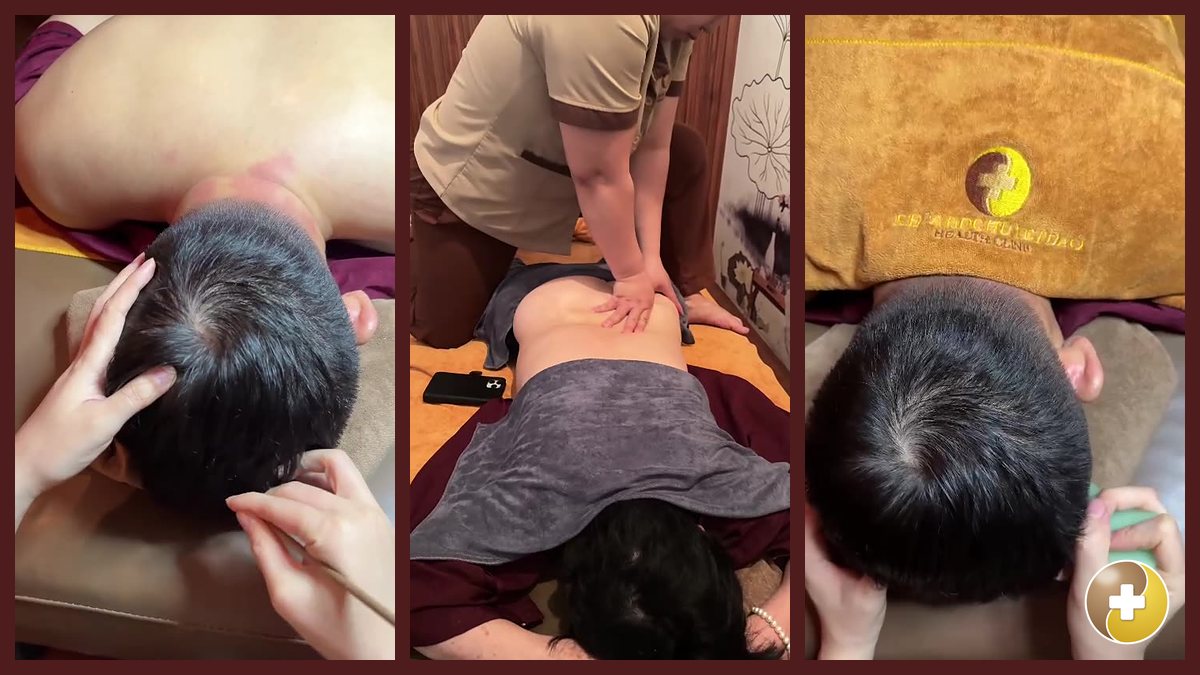
Quick answer: A 7-day wellness plan for a Tết visit to Saigon works in three beats: rest and reset your sleep on days 1–2, have your spine cared for before New Year's Eve, and care for digestion before flying home. Tong Gia Acupoint Wellness, District 12 and Vinhomes Grand Park, Ho Chi Minh City: +84 888 264 559.
Want Lương Y Tống Văn Huynh’s team to read your spine and posture in person?
Flying home from Canada for a one-week Tết: what your body goes through
If you live in Toronto, Montreal, Vancouver or Calgary, a trip home for Tết almost always lands in the middle of winter. Outside it is minus 10 or minus 20; Vancouver is milder but wet and grey for weeks; indoors the heating runs all day and the air is dry. Getting to Ho Chi Minh City usually means a connection in Taipei, Seoul, Tokyo or Hong Kong, and with layovers the door-to-door journey can run from 20 to more than 24 hours. Then the doors of the arrivals hall at Tân Sơn Nhất airport open onto 30–34°C of dry-season Saigon heat. In 2027 the first day of Tết falls on 6 February, and many families can only take about a week off. Those seven days have to cover recovery, family visits, New Year's Eve and the flight back.
In Western physiology, your body is handling three things at once during that first week. The first is travel fatigue: many hours sitting almost still, dry cabin air, broken sleep and irregular meals. The hip flexors stay shortened, the long back muscles brace to hold you upright, and blood in the leg veins returns to the heart more slowly, so you feel achy, heavy-legged and heavy-headed. The second is jet lag: in winter Toronto and Montreal are 12 hours behind Vietnam, Calgary 14 hours and Vancouver 15 hours. The body clock in the hypothalamus has to flip day and night almost completely, so you are sleepy at noon, wide awake at 3 a.m., and hungry at odd times. The third is heat adaptation: going from sub-zero cold to humid heat, your body widens the blood vessels under the skin and sweats heavily to shed heat, losing water and salt faster than you expect, and then you walk into air-conditioned rooms at 18–20°C, again and again.
So a 7-day wellness plan does not mean a massage every day. It means arranging rest, sleep, meals, travel around the city and a few well-timed sessions, so that by New Year's Eve you still have the energy to sit up with your parents, and by the flight back to Canada you are not carrying a locked back, a heavy stomach and tired eyes. This guide is for Viet Kieu in Canada, for family members in Ho Chi Minh City preparing to welcome them, and for any international visitor on a long-haul trip over Tết. If you only have three days, see our 3-day wellness trip in Saigon; the spine after a long flight is explained in depth in our main guide, spine care after a long-haul flight.
Why a Tết week is more tiring than you expect
That wrung-out feeling during a week at home rarely has one cause. Usually several small things stack up, and the holiday schedule leaves no gap to recover between them:
- A long flight with a connection: hours with your hips folded, sleeping slumped in the seat, changing planes in the middle of the night, dragging suitcases full of gifts through airports.
- A 12–15 hour time shift: sleepy exactly when the family sets out dinner, wide awake at 3 a.m. Our article on the time difference and jet lag has a sleep-shifting plan, and jet lag and sleep after flying to Vietnam explains the body clock.
- Heat shock in both directions: 33°C in the street, 18°C in the car and the living room, cold air blowing straight onto your neck and lower back, a nose that is dry one hour and blocked the next.
- Little plain water, lots of iced drinks: iced tea, iced milk coffee, cold soft drinks. The Tong Gia curriculum notes that raw, cold food and iced drinks easily weaken the Spleen's warmth, which shows up as a cold, mildly aching belly and loose stools.
- Tết food: bánh chưng, bánh tét, braised pork with eggs, giò chả pork roll, fried dishes, beer and spirits, several meals a day plus late snacks. See bloating after Tết feasting.
- A packed visiting schedule: hours on a motorbike or in a car in year-end traffic, low plastic stools, bending to clean the ancestral altar and tidy the house. Our article on feeling exhausted after Tết family visits looks at this in detail.
- Staying up for New Year's Eve: one more short night on top of jet lag that has not settled yet.
- Emotion: seeing ageing parents again, family matters, thinking about leaving. The curriculum notes that heavy worry strains the Heart and Spleen: poor appetite, poor sleep, palpitations, forgetfulness.
Knowing these causes explains the order of the plan: sleep and water first, then the parts of the spine that were compressed by sitting, then digestion and preparation for the flight back into a Canadian winter.
Signs to watch during your Tết week
Most of the following are normal reactions to a long journey, jet lag and a climate change. Note each day which ones are easing and which are not, so you can tell the technician or a health professional if needed:
- Whole-body tiredness, heavy limbs, sleepiness straight after meals.
- Sleepiness at the wrong time: drooping eyelids in the early afternoon, wide awake at 2–3 a.m.
- A stiff neck and sore shoulders, turning the head feels stuck on one side.
- A stiff lower back when you stand up; a cool, achy back after a night under air conditioning.
- Heavy legs and mild, even swelling at both ankles that improves after a night with your legs raised. See swollen legs after a long flight.
- Bloating, burping, constipation or loose stools after switching to holiday food.
- A dry nose, scratchy throat or blocked nose after car rides or sleeping in air-conditioned rooms.
- Flaky winter skin that turns oily in the humidity, and an itchy scalp.
- A dull headache, thirst, dark urine: usually a sign you are not drinking enough in the heat.
- Irritability and poor focus, mainly from lack of sleep.
What matters is not whether you have these, but whether they ease day by day. Travel fatigue usually settles in one to three days of good rest; a 12–15 hour time shift takes longer. If things get worse, or if any sign in the next section appears, get checked first.
When to see a doctor
Please see a doctor at a medical facility first, and skip massage or acupressure, if you notice any of these during your stay:
- Swelling in one leg only, calf pain or tightness, warmth or redness in the days after your flight: this can be a sign of deep vein thrombosis. Get checked straight away and do not have the leg massaged.
- Sudden shortness of breath, chest pain or coughing up blood after a long flight: call 115 (Vietnam's emergency number) immediately.
- Tight chest pain, breathlessness, cold sweats, pain spreading to the neck, jaw or left arm: call 115 immediately, even in the middle of a family meal.
- A drooping face, slurred speech, numbness or weakness on one side, or sudden blurred vision: call 115 immediately.
- A sudden, severe headache unlike any before, or a headache with fever, stiff neck and vomiting.
- Signs of heat illness or serious dehydration: hot skin, confusion, feeling faint, repeated vomiting or diarrhoea, hardly passing urine.
- High fever, chills, a heavy cough or a sore throat that lingers after the flight.
- Tiredness lasting more than one to two weeks, unexplained weight loss or pale skin: get checked at a medical facility as well, not only hands-on care.
- Existing conditions such as heart disease, blood pressure or blood sugar problems, pregnancy, recent surgery or blood thinners: ask your doctor before booking and tell the practitioner.
This is a wellness service, not medical care. Tong Gia does not read X-rays or MRI scans and does not draw up plans in place of medical advice. If you are already following medical advice, Tong Gia only offers supportive hands-on care alongside it.
The Y Tướng Học view: which organ systems feel the trip, and how it shows
Y Tướng Học (face reading for wellness) has a core saying: "the signs show outside, the organs lie inside." Its roots go back more than 2,000 years, and Lương Y (master of traditional Vietnamese wellness) Tống Văn Huynh has organised it into a practical way to plan care for each person at Tong Gia Acupoint Wellness (Huyệt Đạo Tống Gia). It is observation for wellness, not fortune-telling and not a statement that something is wrong with you. According to the Tong Gia curriculum, a week that takes you from Canadian winter into Saigon heat tends to show up in five organ systems:
- Kidney: the root of what you are born with; it governs the bones and opens into the ears, and the lower back is its home. Months of cold, long sitting on the plane, then sleeping under air conditioning and short nights easily leave the lower back cold, the knees tired and you waking to pass urine. Outer signs: thin, dull ears; a round (Viên, 圓) face often comes with a cold, soft lower back; a 甲-shaped (Giáp) face is "full above, empty below": a hot neck at C1–C2 and a cool, hollow lower back.
- Spleen–Stomach: governs the muscles and limbs and turns food into energy; the Spleen likes dryness and dislikes damp. Long sitting, irregular meals, humid heat, iced drinks and feast food are exactly what overloads it: heavy limbs, sleepiness after meals, bloating. Outer signs: pale lips; a puffy tongue with tooth marks; a square (Điền, 田) face often has a broad tight area at D11–D12.
- Heart: governs the blood vessels and houses the spirit, linked to mind and sleep. A 12–15 hour shift plus New Year's Eve makes it hard to fall asleep and keeps sleep shallow. Outer signs: a pale or flushed complexion, eyes without sparkle, a red tongue tip.
- Liver: governs the sinews and the smooth flow of energy, and is linked to emotion. Little sleep, bracing in the seat and holiday worries tighten the muscles, stiffen the neck and shoulders and dry the eyes. Outer signs: knitted brows, a crease between them, shoulders hard as wood; a 申-shaped (Thân) face is often tight around D7–D9.
- Lung: governs breath and the skin and opens into the nose. Winter heating, dry cabin air, then air conditioning and street dust dry the skin and block the nose, and breathing becomes shallow. Outer signs: dry skin, a dry red nose; a 同-shaped (Đồng) face often has tension around D3, the Lung point.
The curriculum puts it this way: "the pain shows in one place, but its source often lies somewhere else." A stiff neck after the trip is not always about the neck; it may be the whole spine compressed by sitting, or sleep that has unsettled the Heart and Liver. That is why the technician reads the face to understand the organ, and reads the spine by hand to find the area, before choosing where to start. During your week, check the mirror each morning: are your lips pinker, are your eyes less sunken, does your face look duller in the afternoon than in the morning?
Spinal segments and related nerve reflex zones
According to Tong Gia's curriculum on balancing the spinal nerve reflex system, the spine has 33 vertebrae: 7 cervical (C1–C7) serving the head, face, neck and arms; 12 thoracic (D1–D12) linked to circulation, breathing and digestion; 5 lumbar (L1–L5) linked to digestion, kidneys, urinary and reproductive function and the legs; and the sacrum and coccyx (S1–S5) linked to elimination and the pelvis. Nerve roots leave the spinal canal between the vertebrae, and that is where the technician's fingers search. After a long flight and a busy holiday week, these zones are often warm, tight, or cool and hollow:
| Segment | Nerves and function (anatomy) | How it shows during a Tết week | Organ | Outer sign (Y Tướng Học) |
|---|---|---|---|---|
| C1–C2, base of skull | Upper cervical roots; small muscles holding the head, sensation at the back of the head | Heavy head, ache at the base of the skull after sleeping slumped, light-headed when standing fast | Liver, Heart, Kidney | Giáp (甲) face; flat back of the skull; knitted brows |
| C3–C7 | Cervical and brachial plexus; neck, shoulders, arms, hands | Stiff neck, sore shoulders, mild tingling in the hands after hauling luggage | Liver (sinews) | Uneven shoulders, hard shoulder muscles, tight cheekbones |
| D1–D4 (D3: Lung point) | Upper thoracic nerves; heart, lungs, muscles between the shoulder blades | Shallow breathing, ache between the shoulder blades, dry or blocked nose after air conditioning | Lung, Heart | Đồng (同) face; dry skin, dry red nose; pale complexion |
| D7–D9 | Mid-thoracic nerves; liver, gallbladder, stomach | Tightness under the ribs, burping, discomfort with irregular meals, irritability | Liver – Spleen–Stomach | Thân (申) face; tired dry eyes; crease between the brows |
| D11–D12 (Spleen and Stomach points) | Lower thoracic nerves; upper abdominal digestion | Bloating, heaviness, sleepiness after feasts, loose stools after iced drinks | Spleen–Stomach | Điền (田) face; pale lips; puffy tongue with tooth marks |
| L1–L3 (Kidney point, Mingmen at L2) | Upper lumbar roots; kidneys, urinary tract, hip flexors | Ache across the waist, cold back after air conditioning, hard to straighten up | Kidney | Thin, dull ears; Viên (圓) face; cool lower back |
| L4–S1 | Roots forming the sciatic nerve; buttocks, legs | Heavy legs, puffy ankles, numb buttocks after long car rides to relatives | Kidney – Liver; Bladder channel | Do or Viên face: thick or soft muscle at the lower back and hips |
| S1–S5, coccyx | Elimination, pelvis | Constipation after a change of diet, heaviness after long sitting | Kidney – Bladder | Slumped sitting posture |
The table only shows what is "related" so the technician can choose where to work; it is not used to name any illness. In the end, the hands decide: skin temperature, the muscle layer, the shape of each vertebra and how you feel.
How Tong Gia helps you rebalance during the week: one session, services and prices
The spinal nerve reflex balancing massage was developed by Lương Y Tống Văn Huynh, founder of Tong Gia, from over 13 years of work in Vietnamese traditional wellness, Y Tướng Học and spinal reflex balancing. It is a Vietnamese method, and the aim is to help each spinal zone and its related organ function come back into balance, supporting your body's own adjustment after the journey. Every session follows five steps:
- Observe and ask: which city you flew from, where you connected, when you landed, how long you slept, any swelling, how you are eating, any existing conditions; then a look at complexion, lips, ears and posture.
- Read the spine by hand: pressing, stroking and rolling from C1 down to S1 to read skin temperature, the muscle layer, the shape of each vertebra and your sensation, comparing left with right and top with bottom.
- Release the muscles: neck, trapezius, the long back muscles, the lower back and buttocks, building from light to firm through five levels of pressure, and working only the over-active areas (warm skin, tight muscle, tenderness).
- Press the right acupoints: the base of the skull for a heavy head, the Spleen and Stomach points for bloating, the Kidney point and Mingmen for a cold back. Warm skin is cooled, cool skin is warmed, and the work stops when the skin over a key point turns from dry to slightly moist.
- Self-care advice: sleep times, morning light, how to sit on long car rides, and simple points to press at home.
For most people on a Tết week, three sessions are enough. Prices are from the current list, with approximate conversions at 1 USD ≈ 26,000 VND and 1 CAD ≈ 19,000 VND (reference rates only; payment is in VND):
| Service | Length | Price | Approx. | Which day |
|---|---|---|---|---|
| Head spa with neck–shoulder massage | 60 min | 250,000 VND | ≈ US$10, ≈ CA$13 | Day 2: gentle, releases the neck after slumped sleep, washes off the heat |
| Neck–shoulder or lower back care | 60 / 90 min | 550,000 VND (first visit 399,000) / 750,000 VND | ≈ US$21 (first visit ≈ US$15) / ≈ US$29; ≈ CA$29 / CA$39 | Day 3: before New Year's Eve, reads the whole spine and releases compressed areas |
| Spleen–Stomach wellness care | 75 min | 750,000 VND | ≈ US$29, ≈ CA$39 | Day 7: after the feasts, before the flight back |
All three come to about 1,399,000 VND (≈ US$54, ≈ CA$74) with the first-visit 60-minute option, or 1,750,000 VND (≈ US$67, ≈ CA$92) with 90 minutes. The full list is on our prices page.
From Tân Sơn Nhất airport: the District 12 branch at 225 Dương Thị Mười, Phường Tân Chánh Hiệp (Tan Chanh Hiep Ward, District 12) is the closer one, roughly 30–45 minutes by car depending on traffic. The Vinhomes Grand Park branch at Căn T16-21 khu Manhattan, Phường Long Bình, TP. Thủ Đức (unit T16-21, Manhattan zone, Long Binh Ward, Thu Duc City) is further and takes longer, especially at rush hour in the days before Tết, but suits you if you are staying in Thu Duc. After 20-plus hours of travel, avoid going straight from the airport to a firm session; if you want to stop on the way, choose something gentle and message us first.
What a Day 3 session usually looks like: two nights after arriving from Canada, still waking at 3–4 a.m. The technician often sees pale lips, slightly sunken eyes, one shoulder higher than the other and the head pushed forward. On reading the spine, C1–C2 is typically warm and tight, the muscle around D3 thick, and the lower back around L2 cool and slightly hollow, the pattern of someone who sat folded for hours and then slept under air conditioning. The technician releases the neck and shoulder blades first, builds to whole-hand pressure, warms the lower back, presses points at the base of the skull and the Kidney point and Mingmen, and finishes with the shoulders and arms. Before you leave, you are shown how to press Shenmen before bed to prepare for New Year's Eve.
What you may feel: during the session, tight spots feel sore in a pleasant way; the curriculum calls this "creating a wave of sensation" so the body can adjust itself. The back usually warms up and many people drift off near the end. Afterwards the neck may turn more easily, the head may feel lighter and sleep may come sooner; some muscles may feel a little tired the next day, like after light exercise. Everyone is different. Tong Gia supports and helps rebalance; it does not promise to remove tiredness or jet lag in one session.
Want Lương Y Tống Văn Huynh’s team to read your spine and posture in person?
A suggested 7-day Tết plan and daily self-care
This plan assumes you land a few days before New Year's Eve and fly back after the third day of Tết. If your dates differ, keep the rhythm and shift the days. Book at whichever branch is near where you stay: District 12 is open 8:00–19:00 and Vinhomes Grand Park 9:00–20:00 daily; hours around Tết and on days 1–3 of the new year may differ, so please message us before you fix dates.
| Day | When | What to do for your body | Session at Tong Gia |
|---|---|---|---|
| Day 1 | Arrival day | Sip water, eat lightly, warm shower; if you land in daytime stay awake until evening and sleep at Vietnam bedtime; legs up for 15 minutes | None, just rest |
| Day 2 | Your first full day | 15–20 minutes of morning sun; nap no longer than 30 minutes; slow walk when it cools | Late afternoon: head spa with neck–shoulder massage, 60 min (250,000 VND) |
| Day 3 | 1–2 days before New Year's Eve | Visit the Tết market in the cool morning, avoid midday sun; keep air conditioning off your neck and waist | Neck–shoulder or lower back care, 60 min (first visit 399,000 VND) or 90 min (750,000 VND) |
| Day 4 | New Year's Eve | 30-minute nap so you can stay up; moderate dinner; press Shenmen at bedtime | None, family time |
| Day 5 | First day of Tết | Visit grandparents and parents; eat slowly, add soup and vegetables, go easy on alcohol | None |
| Day 6 | Second and third days | Longer visits: every 45–60 minutes in the car, get out and walk; warm the lower back at night | None; if your back is very stiff, switch Day 7 to lower back care |
| Day 7 | The day before you fly | Early night, enough water, pack a warm coat for landing in winter | Spleen–Stomach care, 75 min (750,000 VND) |
Alongside the plan, a few small habits each day:
- Morning light and a fixed bedtime: this shifts the body clock more than any massage can.
- Plain water through the day, fewer iced drinks; dark urine in the heat means you need more.
- Press Shenmen (wrist crease, little-finger side) 1–2 minutes each side before bed; press Zusanli (below the knee, outside the shin) 1–2 minutes each side after breakfast.
- Warm the lower back: rub your palms until warm, place them on both sides of the lower back and rub up and down 50–100 times; a gentle clockwise belly rub an hour after dinner.
- Carry a light jacket and scarf for cars and strongly air-conditioned rooms.
- Care early: the curriculum says "do not wait for pain before caring for yourself." Before your flight home, read how to prepare your body before the long flight home; if you are visiting as a Viet Kieu, our page for overseas Vietnamese has more.
Booking from Canada before you fly
Tong Gia has two branches in Ho Chi Minh City, open daily, with real guest reviews on Google Maps:
- District 12: 225 Dương Thị Mười, Phường Tân Chánh Hiệp (Tan Chanh Hiep Ward, District 12). Open 8:00–19:00 daily. Closer to Tân Sơn Nhất airport.
- District 9 – Vinhomes Grand Park: Căn T16-21 khu Manhattan, Phường Long Bình, TP. Thủ Đức (unit T16-21, Manhattan zone, Long Binh Ward, Thu Duc City). Open 9:00–20:00 daily.
Message us on Zalo or WhatsApp at +84 888 264 559, or book online. Please send your landing date and time, where you connect, where you feel tight (neck, back, stomach, legs), which branch you prefer, who is coming with you and any existing conditions. Toronto and Montreal are 12 hours behind, so a message sent in your evening reaches Saigon in the morning; Vancouver is 15 hours behind. You can book all three sessions while still in Canada; our guide to booking a massage in Saigon from abroad explains how. If you are in Ho Chi Minh City for Tết, it is a good chance to experience a Vietnamese traditional wellness method first-hand.
Visit us
- Đông Y Huyệt Đạo Tống Gia Quận 12 (District 12)
225 Dương Thị Mười, Phường Tân Chánh Hiệp, Quận 12, HCMC · 8:00–19:00 daily · 0888 264 559 · Directions on Google Maps - Đông Y Huyệt Đạo Tống Gia Quận 9 (Vinhomes Grand Park, District 9)
Căn T16-21 khu Manhattan, Vinhomes Grand Park, Phường Long Bình, TP. Thủ Đức, HCMC · 9:00–20:00 daily · 0888 264 559 · Directions on Google Maps
Map of our two branches
Want Lương Y Tống Văn Huynh’s team to read your spine and posture in person?
What guests say on Google Maps
“The technician had firm, careful hands with a deep, steady pressure. I had the neck and shoulders plus the Spleen–Stomach care and felt much lighter afterwards, my shoulders less tired… A pretty solid experience during my trip back to Vin to visit family.” (translated from a Vietnamese review)
— Phạm L., Google Maps review · Vinhomes Grand Park branch (District 9) · 09/2026 · See on Google Maps
“Relaxing space, attentive staff, proper technique – my mum and I have been a few times and it was very good.” (translated from a Vietnamese review)
— Hà H., Google Maps review · Vinhomes Grand Park branch (District 9) · 2024 · See on Google Maps
Quoted from public reviews, shortened where marked (…). Experiences vary from person to person; reviews are not a substitute for seeing a doctor when something feels wrong.
Related guides for your trip
- Massage with osteoporosis: is it safe on a trip to Vietnam, what pressure is right and what to avoid
- Massage while breastfeeding: what nursing mothers flying to Vietnam for Tet should know about neck care
- Can you get a massage after a heart stent? Who to ask first, how gentle it should be and when to call 115
FAQ
What does a 7-day wellness plan for a Tết visit to Saigon look like? Day 1 rest and sleep at Vietnam bedtime. Day 2 a 60-minute head spa with neck massage (250,000 VND, about US$10). Day 3, before New Year's Eve, neck or lower back care (first visit 399,000 VND). New Year's Eve and days 1–3 of Tết with family. Day 7, before flying, 75-minute Spleen–Stomach care (750,000 VND).
How many hours ahead is Vietnam from Toronto, and how long does jet lag last? In winter Vietnam is 12 hours ahead of Toronto and Montreal, 14 ahead of Calgary and 15 ahead of Vancouver. That is almost a full day-night flip, so many people need several days to a week to sleep normally. Morning light, short naps and local bedtime help.
Should I get a massage on the day I land from Vancouver? Rest is the main job on day one. If you want care, choose something gentle such as a head spa with neck massage on day two. With swelling in one leg, calf pain, breathlessness or chest pain after the flight, see a doctor first and skip massage.
Is Tong Gia open during Tết? On normal days District 12 is open 8:00–19:00 and Vinhomes Grand Park 9:00–20:00. Hours around Tết and on days 1–3 of the new year may differ, so message +84 888 264 559 on Zalo or WhatsApp to confirm before you fix dates.
How much does the 7-day plan cost? The three suggested sessions total about 1,399,000 VND (≈ US$54, ≈ CA$74) with the first-visit 60-minute neck or back option, or 1,750,000 VND (≈ US$67, ≈ CA$92) with 90 minutes. Conversions are reference rates only; payment is in VND.
Can my parents in Ho Chi Minh City join the sessions? Yes. The technician uses lighter pressure and asks about existing conditions first. Parents with heart disease, blood pressure problems, osteoporosis or on blood thinners should ask a doctor first and mention it when booking.
Author: Lương Y Tống Văn Huynh – founder of Huyệt Đạo Tống Gia, a master of traditional Vietnamese wellness with over 13 years in Eastern wellness care, Y Tướng Học (face reading) and spinal nerve-reflex balancing massage.
Updated: 2026-11-15
Related guides
- How to book a massage in Saigon from abroad: a guide for Viet Kieu in Taiwan, Korea and Japan
- A 7-day wellness plan for a Tết visit to Saigon: from Canadian winter to Ho Chi Minh City heat
- Massage near Tan Son Nhat Airport: how to loosen up after a long flight from the US East Coast
- Retiring in Vietnam from the US: a regular wellness routine for joints, back and sleep in Thu Duc
This is a wellness service, not medical care.