
Knee and back pain from last-mile delivery driving in the US: causes, warning signs and care in Saigon
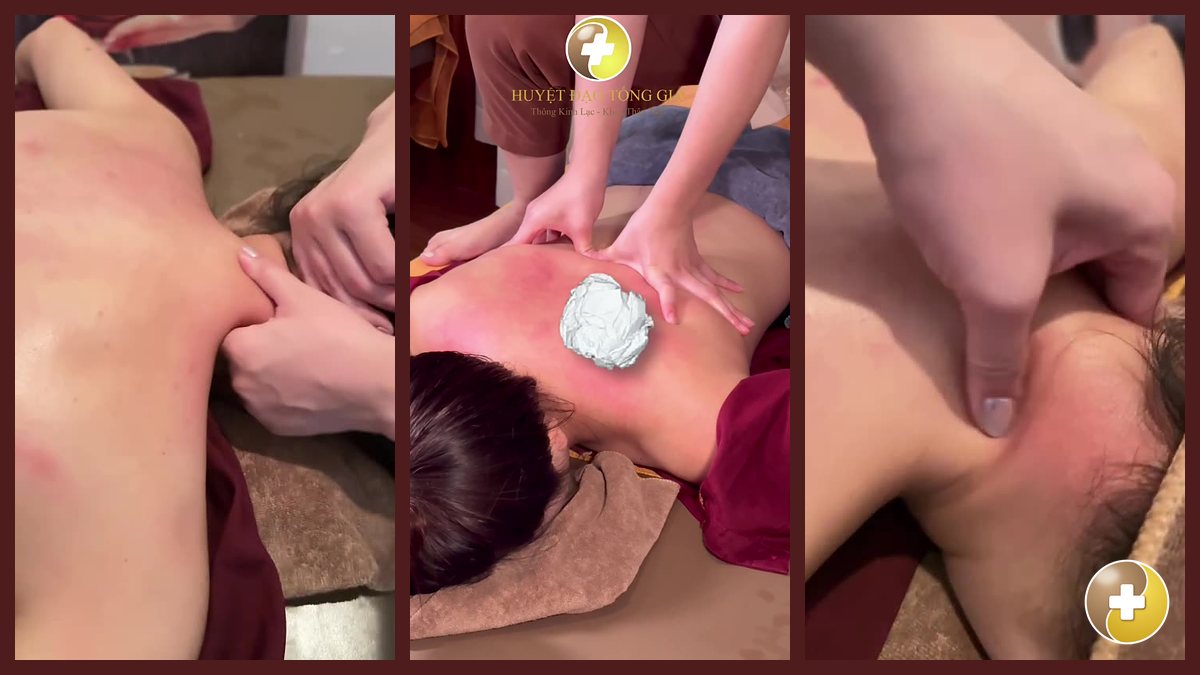
Quick answer: Knee and back pain from last-mile delivery driving in the US usually comes from climbing in and out of the van 150–200 times a day, jumping off the step, bending and twisting to lift boxes, and rushing the route. A swollen or locking knee, or back pain with a numb, weak leg, needs a medical check. Tong Gia Acupoint Wellness in District 12 and Thu Duc, Ho Chi Minh City, cares for knees, back and heels when you visit.
Want Lương Y Tống Văn Huynh’s team to read your spine and posture in person?
Knee and back pain from delivery driving in the US: what is going on
If you drive a delivery van in Houston, Dallas, Austin or San Antonio, or in San Jose, Garden Grove, Westminster, Sacramento or Los Angeles, you know the rhythm. The day starts early at the station: load the van in route order, then follow the scanner from stop to stop. Every stop is the same chain of moves. Park, unbuckle, step down, open the cargo door, bend to find the box, carry it fast up the driveway, climb a few porch steps or several flights of apartment stairs, drop it, take the photo, walk back, climb up into the cab, drive on. On a full route that can mean getting in and out of the van 150 to 200 times a day.
After a few weeks the body tends to complain in a familiar pattern. The front of the knee aches when you step up into the cab, and going down stairs feels sore. The lower back is tired by mid-afternoon, and once in a while a lift sends a sharp twinge through it. In the morning the very first step out of bed stabs at the heel. At night the calves are tight, sometimes cramping. Knees, lower back and heels carry most of the load in this job; they simply take turns being the loudest.
In Western anatomy terms, the knee joint is formed by the lower end of the thigh bone, the top of the shin bone and the kneecap in front. Stepping up onto a high van step or porch step asks the quadriceps at the front of the thigh to straighten the knee while lifting your body weight plus the box. Stepping down asks the same muscles to work as a brake so the knee does not buckle. The pressure between the kneecap and the groove of the thigh bone rises sharply when the knee bends deeply under load. Jumping straight down from the step to save a second sends a jolt from the heel through the knee to the lower back in one instant. Twisting your body while holding a box and keeping your feet planted wrings the menisci inside the knee under load, a classic way to irritate the inner or outer side of the joint.
The lower back has its own story. Boxes often sit low, on the van floor or the bottom shelf, so you bend forward and rotate to reach them. Bending combined with twisting is the posture that puts the most stress on the discs and small joints around L4–L5 and L5–S1, while the long back muscles hold you up. Early in the shift those muscles are fresh and the lift is clean; late in the shift they are tired and people round the back instead of bending the knees, which is when twinges happen. The heel absorbs the impact. The plantar fascia, a thick band running from the heel bone to the toes, and the Achilles tendon behind the heel take the force of every jump down and every fast step on concrete, and more so in shoes whose soles have worn flat.
People who tend to feel it most:
- New drivers in their first weeks, before the thighs and calves adapt to the number of steps.
- Drivers working peak season, from Thanksgiving to Christmas, when every van carries more boxes and shifts run longer.
- Drivers on routes with walk-up apartments, high porches or the hilly streets of parts of California.
- People in midlife who switched into delivery, people carrying extra body weight, or anyone with an old knee or back injury.
- People holding two jobs and sleeping too little.
Then comes the trip home. From California the flight to Ho Chi Minh City usually runs 15 hours or more; from Houston, Dallas or Austin most people connect through Taipei, Tokyo, Seoul or a Middle East hub, and the whole journey is much longer. Knees that bend and straighten all day are now locked at a right angle in an airline seat. You land at Tan Son Nhat airport into the dry, hot season, then climb the steep stairs of a narrow Saigon tube house and help the family move furniture before Tet. This article is part of Tong Gia's programme for overseas Vietnamese and long-haul visitors. The general guide to the neck, back and lower back after many hours in the air is the pillar article spine care after a long-haul flight; here we focus on last-mile delivery work. If you work in landscaping instead, read back pain from landscaping work in the US.
Common causes: van steps, porch steps, heavy boxes and a tight route
- Constant van steps: the step on a delivery van is high. Each climb is a deep knee bend followed by a strong push. Many drivers jump down instead of stepping, landing with the knee almost straight, so the impact runs straight into heel, knee and lower back. Multiply that by 150–200 and the kneecap tendon and front thigh muscles get almost no rest.
- Carrying boxes up steps and stairs: stairs alone load the knee; a heavy box adds to that load. A big box also hides the steps from view, so you feel your way down and the knee and ankle work hard to keep balance.
- Lifting from the van floor and low shelves: reaching into a corner of the cargo area means stretching, rounding the back and rotating toward the door, the combination that loads the lower back the most.
- Turning with planted feet: setting a box down and spinning back toward the van before the feet move puts the twist into the knee and back.
- Racing the route: many stops and tight delivery windows mean fast walking, sometimes jogging, on concrete, wet lawns and uneven paths. The heel and plantar fascia take the impact all day.
- Worn, hard shoes: a full day on soles that have lost their cushioning sends ground force straight up to heels and knees.
- Short drives between stops: hips and knees stay bent, hamstrings and calves shorten, and you step out and move fast before they loosen.
- Heat in the cargo area: in a Texas or inland California summer the closed cargo box gets very hot. Heavy sweating plus drinking too little, often to avoid hunting for a restroom, makes calf and thigh cramps more likely. Texas winters bring the odd sudden cold snap, when stiff joints have to start lifting straight away.
- Rushed meals and short nights: early starts and lunch eaten while driving leave the body less time to recover between shifts.
- No warm-up, no stretch: straight from the station door to loading, straight from the van to the couch, and the front and back of the thighs and calves slowly get tighter.
Back in Vietnam a few more things join in: the long flight leaves the hamstrings short and the legs heavy; steep stairs in a tube house get climbed a dozen times a day; there are tables, potted plants and crates of drinks to carry before Tet; plastic stools sit low; and thin flip-flops all day leave the heels sorer still.
Signs worth noting
Where it hurts often hints at where the load is going. Use this table to observe yourself, not to label a condition:
| Where it hurts | Typical feeling | Often linked to | Watch for |
|---|---|---|---|
| Front of the knee, around the kneecap | Ache stepping up into the cab, climbing stairs, standing after sitting | Repeated high steps, climbing with a heavy box | Swelling, or pain that grows week by week |
| Inner or outer side of the knee | Sharp pain when turning, a catching feeling inside | Twisting with planted feet while holding a box | Locking, giving way, swelling after a twist: get checked |
| Back of the knee, calf | Tight behind the knee, hard calves, night cramps | Bent knees while driving, fast walking all day, dehydration | One calf swollen, warm and red: get checked at once |
| Lower back | Tiredness that builds late in the shift, a twinge when lifting | Bending plus twisting, tired back muscles | Pain travelling down the leg with numbness or weakness |
| Heel, sole of the foot | Stabbing first step in the morning, easing as you walk, back by evening | Plantar fascia absorbing jumps and concrete, worn shoes | Pain lasting many weeks, a hot swollen heel |
| Back of the heel, Achilles | Stiff and sore rising on tiptoe or climbing | Achilles overload from stairs and fast walking | A snap at the back of the heel, unable to rise on tiptoe |
Other things drivers often notice: tired shoulders and wrists from hugging boxes and holding the scanner; a stiff neck from looking down at the screen and turning to reverse; numbness in the buttock and back of the thigh after sitting on a vibrating seat; and weak knees on the way down slopes and steps, covered in weak knees walking downhill. If your knees ache after long days on foot in general, see knee pain from long walks.
When to see a doctor
If knee or back pain from delivery work comes with any of the following, please see a doctor rather than relying on massage:
- A fall from the van step or on porch steps, followed by fast swelling, a "pop" in the knee, or being unable to bear weight.
- A knee that locks and will not straighten, or suddenly gives way while walking.
- A hot, red, swollen knee, pain even at rest, fever or chills.
- A snap felt at the back of the heel while climbing or running, then being unable to rise on tiptoe or walking with a limp.
- Back pain running down the leg with numbness or weakness, a foot that drags, or numbness around the groin and anus, or new trouble passing urine or stools: get checked the same day.
- One calf swollen, warm and red, worse when walking, especially in the weeks after a long flight. This can be a deep vein clot; get checked at once and do not have that leg massaged.
- Sudden shortness of breath, chest pain, coughing blood or a racing heart after a flight, or chest tightness, breathlessness and cold sweats while lifting or climbing stairs: in Vietnam call 115 straight away; do not drive yourself.
- Night pain, weight loss or fatigue you cannot explain: arrange a medical check alongside any wellness care.
At Tong Gia, staff ask about these signs before touching the knee, back or heel. If any are present we do not go ahead and we suggest you get medical advice. Tong Gia does not read X-rays or MRI scans and does not create medical plans. If your knee or spine is being followed by a medical team, we only work with their agreement.
This is a wellness service, not medical care.
The Y Tướng Học view: Kidney holds the back, knees and heels; Liver governs the sinews; Spleen feeds the muscles
In the Tong Gia curriculum, the Kidney in Eastern wellness thinking is linked to bones, marrow and the lower back and knees, summed up as "the Kidney governs the bones and produces marrow". When Kidney energy is weak, the lower back and knees feel tired and standing wears you out quickly. The curriculum describes the Kidney channel as starting at the point Dũng tuyền (KI1) on the sole of the foot and running up the inner leg. Thái khê (KI3) sits in the hollow between the inner ankle bone and the Achilles tendon; Phục lưu (KI7) lies just above it along the front edge of the tendon. So in this way of seeing the body, the heel, sole and inner ankle sit on the Kidney channel, while the lower back holds the points Thận du (BL23) and Mệnh môn (GV4). A driver pounding the heels on steps and bending to lift boxes is working both ends of that line hard.
The Liver, in the same curriculum, "governs the sinews": it nourishes tendons and ligaments and supports movement. A well-supported Liver means supple tendons and flexible joints; when it is weak, muscles stiffen, cramp and lose flexibility. The curriculum also says the Liver stores blood: at rest blood returns to be replenished, and during activity it is sent out to the muscles and tendons. The kneecap tendon, Achilles and plantar fascia of a delivery driver work from morning to evening with little rest.
The Spleen "governs the muscles and the four limbs": when it is strong the muscles are firm and the limbs have strength; when it is weak the muscles feel slack and tired. Eating in the cab, skipping lunch to stay on schedule and drinking soda instead of eating a meal are the kinds of habits this tradition sees as draining the Spleen and Stomach.
To be clear, this is the functional language of Eastern wellness. It does not mean your kidneys, liver or spleen have a disease. In Western terms, knee, back and heel pain in delivery work is mostly about overloaded muscles, tendons and joints, and about posture.
Y Tướng Học, the Vietnamese art of reading the body's outward signs, says "the signs show outside, the organs sit inside". Lương Y Tống Văn Huynh, founder of Tong Gia, organised this knowledge so that staff look first, then know which part of the spine to read with their hands. Signs worth noting in delivery drivers:
- Kidney: shows in the ears, hair, bones and lower back. The curriculum links thin, soft earlobes with a tired back and knees, feeling the cold and sensitivity to changes in the weather. Other hints: dark circles after short nights, a lower back that feels cool to the touch.
- Liver: shows in the eyes and nails. Hints: dry, tired eyes after hours of road and screen, thin ridged nails, frequent cramps, short temper when the route runs late.
- Spleen: shows in the mouth and lips. Hints: pale lips, soft thigh muscles, a heavy body, tired limbs.
- Posture: knees drifting together when standing, feet rolling in, one shoulder lower from always carrying on that side, a limp in the morning from a sore heel.
These signs only guide where to look more closely. They are not a verdict on your health.
Spine segments and nerve-reflex zones linked to the knees, lower back and heels
The Tong Gia curriculum on balancing the spinal nerve-reflex system groups the muscle, bone and joint zone at C5–C7, L1–L5 and S1–S5. In Western anatomy, nerve roots L2, L3 and L4 form the femoral nerve, which supplies the quadriceps that straighten the knee, the muscles that push you up every van step; L4 is part of the knee-jerk reflex. Roots L4 to S3 join the sciatic nerve. Within it, L5 lifts the front of the foot, while S1 supplies the calf and takes part in the ankle reflex, and branches of the tibial nerve carry sensation to the heel and sole.
| Spinal segment | Nerve / function (Western anatomy) | What delivery drivers often feel | Organ system | Outward sign (Y Tướng Học) |
|---|---|---|---|---|
| C5–C7 | Lower neck roots to the shoulder, arm and forearm; muscles that hold a box | Tired shoulders and wrists, stiff neck | Liver – Gallbladder | One shoulder lower, tired eyes |
| T9–T10 | Mid to lower thoracic roots; mid-back muscles; area of Can du (BL18) | Tight tendons around knee and heel, night calf cramps | Liver (sinews) | Thin ridged nails, frequent cramps |
| T11–T12, L1 | Lower thoracic and upper lumbar roots; lower back and abdominal wall; area of Tỳ du (BL20) | Thighs tire fast, heavy legs by the end of the shift | Spleen (muscles, limbs) | Pale lips, soft thighs |
| L2–L3 | Roots feeding the femoral nerve; front and inner thigh sensation; area of Thận du (BL23), Mệnh môn (GV4) | Cool, tired lower back; tired front thighs after work | Kidney (back and knees) | Thin earlobes, cool lower back |
| L3–L4 | Femoral nerve to the quadriceps; L4 in the knee-jerk reflex | Pain around the kneecap stepping up into the cab, on stairs | Kidney and Liver | Uneven lower back muscles, knees drifting in |
| L4–L5 | L5 root in the sciatic nerve; lifts the front of the foot; disc level loaded by bending and twisting | Twinge when lifting boxes, ache into the buttock | Kidney – Bladder | Knotted muscle on one side of the low back |
| S1–S2 | S1 to the calf, ankle reflex; tibial nerve branches to heel and sole | Morning heel pain, hard calves, tight behind the knee | Kidney – Bladder, Liver | Hard calves, dry cracked heels, morning limp |
The table shows related zones to guide care, not a way to label a condition. Knee and heel pain in delivery work is mostly overloaded tendons and muscles; the spine is read because it is where the nerves to the thighs, buttocks, calves and feet leave. When the lower back, buttocks, thighs and calves loosen, the knees and heels are pulled from fewer directions. If lifting is your main trigger, see also back pain after lifting something heavy.
How Tong Gia helps rebalance the knees, lower back and heels
This is a Vietnamese Eastern wellness method built by Lương Y Tống Văn Huynh over more than 13 years of practice in traditional wellness, Y Tướng Học and balancing the spinal nerve-reflex system. It rests on three steps: read the outward signs to understand the organ systems, read the spine with the hands to find the zone, then work each spinal zone and its related function. The aim is to help the body rebalance and to support the knees, back and heels, not to replace medical care. A session for someone fresh from months on a delivery route looks like this:
- Safety questions: roughly how many stops a day, how long you have driven, any falls from the step; which knee hurts and where, any swelling or locking; whether back pain runs down the leg; how long the heel has hurt; when you landed and any health conditions. If any warning sign from the section above is present, we stop here.
- Looking (Y Tướng Học): complexion, ears, lips, nails, shoulder height; watching you stand and sit, step up and down one step, and walk a few paces to see how the heel lands.
- Reading the spine by hand: pressing, stroking and rolling to feel four things the curriculum names: skin temperature, the muscle layer, the shape of the spine and your own sensation. The fingers move segment by segment from neck to sacrum, comparing both sides, separating overactive zones (warm skin, knotted muscle, more tender) from underactive ones (cool skin, slack muscle). Long-time lifters often show knotted muscle at L4–L5, one side tighter than the other.
- Releasing the muscles: lower back and buttocks first, then hamstrings, calves, Achilles and sole, then the front, inner and outer thigh. Around the knee the pressure stays moderate, along the edges of the kneecap, its tendon and the side tendons. The curriculum's "screw compression" for the knee and hip is done slowly, under control, guided by your feedback. Swollen areas are never pressed.
- Acupressure in the right zones: on the back Can du (BL18), Tỳ du (BL20), Thận du (BL23) and Mệnh môn (GV4); on the legs Túc tam lý (ST36), Khúc tuyền (LR8), which the curriculum uses for weak tendons and cramps, Ủy trung (BL40) behind the knee ("for back pain, look to Ủy trung"), Thái khê (KI3) and Phục lưu (KI7) beside the Achilles, and Dũng tuyền (KI1) on the sole. Cool skin is warmed, warm skin is calmed, and work on a point stops when the skin turns from dry to slightly moist.
- Self-care coaching: how to step down from the van, how to carry a box, stretches for calves, sole and thighs after a shift, and how to rub the lower back and sole and press Thái khê.
What a typical session is like: drivers home for Tet usually come on day two or three after landing, once they have slept. After the safety questions, staff ask you to step up and down a low step and walk barefoot a few paces. Lying face down, the hands travel the spine; the lower back is often knotted and uneven, the calves are hard and the Achilles feels like a taut cord. Staff warm and release the lower back and buttocks, then move down the hamstrings, calves, heels and soles, then turn you over for the front thighs and the area around the knee. The session ends with points on the back and legs and two or three stretches to take back to the US.
Three options that suit last-mile drivers (prices in VND; USD shown at a reference rate of about 26,000 VND per USD, payment is in VND; full list on the price page):
- Lower back care, 60 minutes: 550,000 VND, first visit 399,000 VND (about 21 USD; first visit about 15 USD). Suits you when a tired, twingy lower back is the main problem.
- Heavy, tired legs care, 60 minutes: 500,000 VND (about 19 USD). Focuses on buttocks, thighs, around the knee, calves, heels and soles; suits aching knees, sore heels and heavy legs.
- Extra 30 minutes on one area: 199,000 VND (about 8 USD), added to either of the above if you want both back and legs in one visit.
Getting there from the airport: the District 12 branch at 225 Dương Thị Mười, Phường Tân Chánh Hiệp (Tan Chanh Hiep ward), is on the same northern side of the city as Tan Son Nhat airport, a fairly short ride depending on traffic. The Vinhomes Grand Park branch at Căn T16-21 khu Manhattan, Phường Long Bình, TP. Thủ Đức (Unit T16-21, Manhattan area, Long Binh ward, Thu Duc City) is farther, and the ride takes longer, especially at rush hour; it suits families in Thu Duc and the east side.
How it feels: during the session the lower back and calves warm up; at tight spots around the kneecap, Achilles and sole you feel a mild, pleasant pressure, what the curriculum calls "creating a sensation wave": even rhythm lets the muscle tighten and then let go so the body can adjust. Many drivers fall asleep in the second half after a peak season of short nights. Afterwards you may find steps feel lighter, bending is easier and the first morning step is less sharp; how much depends on each person. Tong Gia does not promise that pain will be gone after one session. Back on the route, how you step, how you lift, your shoes and your sleep still matter most.
Want Lương Y Tống Văn Huynh’s team to read your spine and posture in person?
A suggested plan for your Tet trip, plus after-shift self-care
A rough plan for a two to three week visit; adjust it to your family schedule. A general plan for the Tet week is in a 7-day wellness plan for a Tet visit to Saigon, and resetting your sleep to Vietnam time is covered in the US–Vietnam time difference and jet lag.
| When | What to do for knees, back and heels | Note |
|---|---|---|
| Last week before flying | Step down from the van instead of jumping; stretch calves and thighs every evening; pack a suitcase you can lift | Fell from the step and the knee swelled: get checked before you fly |
| On the flight and during connections | Stand and walk every 1–2 hours; flex the ankles and straighten the knees while seated | Keep bags out of your legroom; drink water steadily |
| Landing day | Easy walk, warm shower, sleep early on Vietnam time | No heavy carrying or many flights of stairs yet |
| Days 2–3 | One lower back or tired legs session | Say which side of the knee hurts and when the heel hurts |
| Week 1 | Walk early morning or late afternoon in cushioned shoes; stretch 10 minutes daily | Limit thin flip-flops and low plastic stools |
| Cleaning and Tet days | Carry with a partner, bend the knees not the back; drink enough water | Go easy on alcohol and late nights |
| 2–3 days before flying back | A gentle release session for legs and back; sleep well | Write down the stretches to use after shifts in the US |
Habits that help once you are back on the route in Texas or California:
- Step down, do not jump: face the van, hold the grab handle, step down one foot at a time and keep three points of contact. This small habit removes a lot of jolts to the heels, knees and lower back each day.
- Box close, knees bent, turn with your feet: slide the box to the shelf edge first, lower yourself by bending knees and hips with a straight back, and move your feet to change direction rather than twisting. Use a hand truck for heavy loads if one is provided, or split the load.
- Stairs within your limits: if a box blocks your view, carry it slightly to one side so you can see the steps, and put the whole foot on each step.
- Shoes: cushioned, with a firm heel; replace them when the soles wear unevenly. Going barefoot on tile floors all day at home also makes heels sorer.
- After every shift: calf stretch against a wall, back leg straight, 30 seconds each side; roll the sole over a water bottle for 1–2 minutes; stretch the front and back of the thighs; soak the feet in warm water at about 38–42°C for 15–20 minutes; rub both sides of the lower back until warm, rub the sole for 3–5 minutes each side and press Thái khê gently for 1–2 minutes, as the Tong Gia curriculum suggests.
- Water and food: keep a bottle in the cab and sip before you are thirsty; eat one warm meal rather than snacks only; sleep before 11 pm when you can.
If a knee or heel is hot, red and swollen, skip the heat and massage and get checked instead.
Booking from abroad before you fly
Tong Gia Acupoint Wellness (Huyệt Đạo Tống Gia) has two branches in Ho Chi Minh City, open every day:
- District 12: 225 Dương Thị Mười, Phường Tân Chánh Hiệp, 8:00–19:00 daily.
- Vinhomes Grand Park (District 9, Thu Duc City): Căn T16-21 khu Manhattan, Phường Long Bình, TP. Thủ Đức, 9:00–20:00 daily; open into the evening, handy if you land in the afternoon.
Whether you are in Houston, Dallas, San Jose or Garden Grove, you can book before you fly, even in the evening after a shift: message us on Zalo or WhatsApp at +84 888 264 559 (0888 264 559 in Vietnam), or use online booking. Please send your landing date and time, where it aches (which knee and which side, lower back, which heel and when), roughly how many stops a day you run, any falls from the van step, and which branch you prefer. More on booking from overseas is in how to book a massage in Saigon from abroad. Family in Ho Chi Minh City can also book for you. The days before Tet fill up fast, so message early.
Visit us
- Đông Y Huyệt Đạo Tống Gia Quận 12 (District 12)
225 Dương Thị Mười, Phường Tân Chánh Hiệp, Quận 12, HCMC · 8:00–19:00 daily · 0888 264 559 · Directions on Google Maps - Đông Y Huyệt Đạo Tống Gia Quận 9 (Vinhomes Grand Park, District 9)
Căn T16-21 khu Manhattan, Vinhomes Grand Park, Phường Long Bình, TP. Thủ Đức, HCMC · 9:00–20:00 daily · 0888 264 559 · Directions on Google Maps
Map of our two branches
Want Lương Y Tống Văn Huynh’s team to read your spine and posture in person?
What guests say on Google Maps
“Airy and clean, with warm care for guests. VERY GOOD.” (translated from a Vietnamese review)
— Tín L., Google Maps review · District 12 branch · 2025 · See on Google Maps
“A trustworthy place to look after your wellbeing.” (translated from a Vietnamese review)
— Phong P., Google Maps review · District 12 branch · 2024 · See on Google Maps
Quoted from public reviews, shortened where marked (…). Experiences vary from person to person; reviews are not a substitute for seeing a doctor when something feels wrong.
Related guides for your trip
- Massage after knee replacement: is it safe on a trip to Vietnam, which areas can be worked and what to avoid
- Knee pain and tired thighs from weekend skiing: why the crouch tires you and how to rest your legs in Vietnam
- Back of knee pain after a long flight from Australia or the US: causes, warning signs and care in Saigon
FAQ
Is knee and back pain from delivery driving in the US something to worry about? Most of the time it is overloaded knee tendons, lower back muscles and plantar fascia from climbing in and out of the van 150–200 times a day, jumping off the step and lifting with a bent, twisted back. Stepping down, bending the knees and stretching after shifts usually helps. A swollen or locking knee, or back pain with a numb, weak leg, needs a medical check.
Why do my knees hurt on stairs after a delivery shift in Houston or Dallas? Climbing with a heavy box loads the front thigh muscles and the joint behind the kneecap, and you repeat it all day, so the front of the knee aches. Carry the box close, put the whole foot on each step and split heavy loads. If the pain keeps growing over several weeks, get it checked.
Is heel pain on the first step in the morning dangerous for a delivery driver? A sharp first step that eases as you walk often comes from the plantar fascia absorbing jumps from the van and fast walking on concrete in worn shoes. Calf stretches, rolling the sole and cushioned shoes usually help. A hot swollen heel, or a snap at the back of the heel with no tiptoe, needs a medical check right away.
What causes lower back pain if I bend to lift boxes every day? Usually the long back muscles and the L4–L5 and L5–S1 area carrying load when you bend and twist to lift, worse late in the shift when muscles are tired. Bend the knees, keep the back straight and turn with your feet. Pain down the leg with numbness, weakness or bladder changes needs a check the same day.
Can massage help sore knees, back and heels from delivery work? For tired knees, back and heels without swelling, releasing the lower back, buttocks, thighs and calves and acupressure in the right zones can help the body feel lighter. Tong Gia asks safety questions first, aims to help the body rebalance and does not promise the pain will go; with warning signs we suggest a medical check.
Flying home from San Jose or Garden Grove for Tet, when should I book? Rest on landing day with an easy walk and plenty of water. Days two or three suit a 60-minute lower back session (first visit 399,000 VND, about 15 USD) or a 60-minute tired legs session (500,000 VND, about 19 USD). Message +84 888 264 559 on Zalo or WhatsApp before you fly.
Author: Lương Y Tống Văn Huynh – founder of Huyệt Đạo Tống Gia, a master of traditional Vietnamese wellness with over 13 years in Eastern wellness care, Y Tướng Học (face reading) and spinal nerve-reflex balancing massage.
Updated: 2026-11-18
Related guides
- Knee and back pain from last-mile delivery driving in the US: causes, warning signs and care in Saigon
- Knee pain and tired thighs from weekend skiing: why the crouch tires you and how to rest your legs in Vietnam
- Knee and back pain from bike food delivery in Europe: saddle, delivery box or cold rain, and care in Saigon
- Knee pain from weekend hiking in Korea: why rocky descents hurt and how to care for your legs in Vietnam
- Massage after knee replacement: is it safe on a trip to Vietnam, which areas can be worked and what to avoid
- Knee pain from cold winters to tropical heat: why stiff knees still ache in Saigon and how to care for them
This is a wellness service, not medical care.