
Knee pain from weekend hiking in Korea: why rocky descents hurt and how to care for your legs in Vietnam
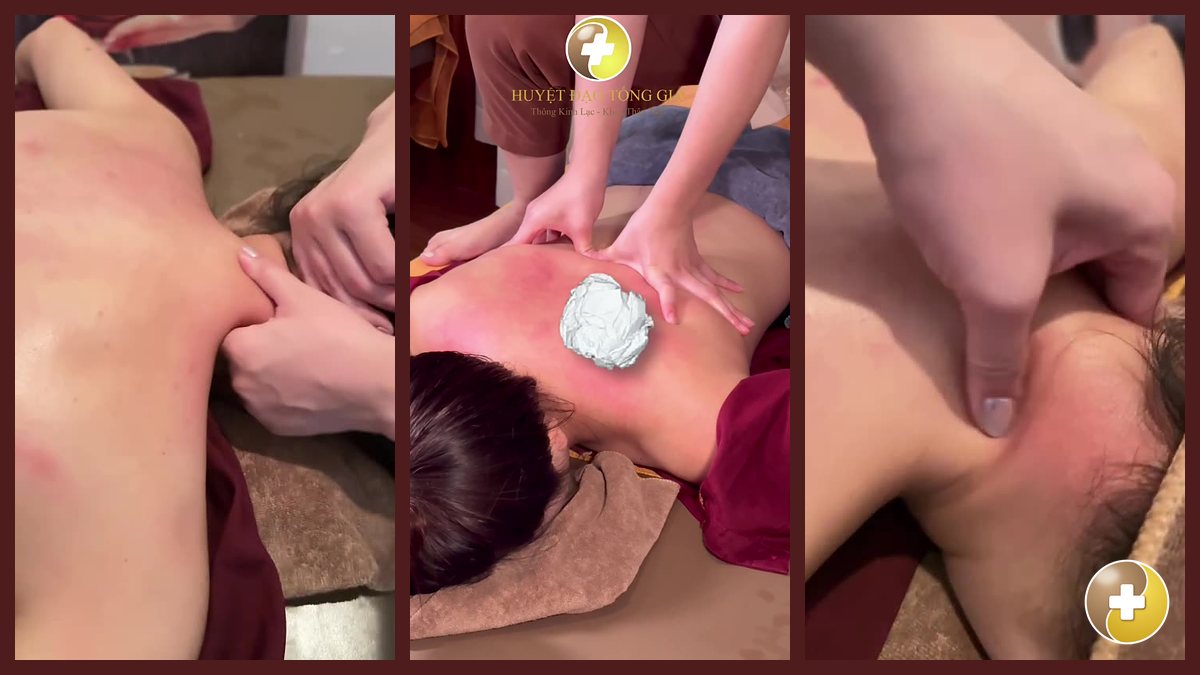
Quick answer: Knee pain and tired thighs after weekend hiking in Korea usually come from the front thigh muscles braking your body weight on long rocky descents and wooden stairs, often with a heavy backpack. A knee that swells fast, locks or cannot bear weight needs a medical check. Tong Gia Acupoint Wellness in District 12 and Thu Duc, Ho Chi Minh City, offers gentle knee and leg care.
Want Lương Y Tống Văn Huynh’s team to read your spine and posture in person?
Knee pain from weekend hiking in Korea: what is going on
In Korea, hiking is close to a national weekend habit. On Sunday mornings the subway stations near Bukhansan, Dobongsan and Gwanaksan in Seoul fill with people in windbreakers, backpacks and trekking poles. Busan has Geumjeongsan and Jangsan; Suwon has Gwanggyosan and Paldalsan. Vietnamese people living in Korea fall into the same rhythm: factory workers whose only real day off is Sunday, students joining university hiking clubs, Vietnamese wives walking with their husband's family or a neighbourhood hiking group, and plenty of foreign residents and visitors. Autumn colours from October to November bring the biggest crowds, while winter trails are cold, sometimes icy, and need crampons.
Going up leaves you breathless, but the knees usually cope. The trouble starts on the way down: hundreds of stone steps, wooden stairs and smooth granite slabs taken one drop at a time. By Sunday evening the front of both thighs is tight; on Monday morning the subway stairs make the knee sting, often around or just below the kneecap or on the outer side of the knee. Some people get heel pain with the first steps of the day. Some carry sore thighs until Wednesday and then go out again the next Sunday.
In Western anatomy the knee is formed by the lower end of the thigh bone, the top of the shin bone and the kneecap in front. Walking downhill, the quadriceps at the front of the thigh work "eccentrically": they contract while being lengthened, acting as a brake so the knee does not fold too fast. This kind of muscle work causes far more fatigue and delayed-onset muscle soreness than climbing, typically peaking 24–72 hours later. At the same time pressure between the kneecap and the thigh bone rises with every step down, the patellar tendon below the kneecap stays under strain, and the iliotibial band on the outer thigh rubs over the bony edge of the knee thousands of times. That is why hikers so often describe pain at the front of the knee, pain on the outer knee or just below the kneecap, plus front-thigh soreness that lasts for days.
Who notices it most:
- factory workers who stand at a machine all week and then hike for 4–6 hours on Sunday;
- newcomers to Korean trails who are not used to rocky descents, or who try to keep pace with fast local groups;
- people over 40 with mild knee osteoarthritis and knees that crackle when squatting;
- anyone with a heavy backpack: water, food, warm layers and a camera easily add several kilos;
- people with an old knee twist, ankle sprain or meniscus problem.
This article is part of the Tong Gia Acupoint Wellness (Huyệt Đạo Tống Gia) programme for overseas Vietnamese and long-haul visitors to Ho Chi Minh City. For thigh pain after any mountain walk, see thigh pain after hiking; here we focus on the weekend hiking habit of life in Korea and on caring for your knees during a trip to Vietnam. The overview of the spine after a flight is in the main guide, spine care after a long-haul flight.
Common causes: rocky descents, wooden stairs, backpacks and legs already tired from the week
- Long, rocky descents. Seoul's and Busan's mountains have plenty of granite and high stone steps. On each step down, the quadriceps brake your whole body weight plus the pack. Fast, long strides that land on a straight knee and then jolt to a stop load the kneecap joint hard. Weak knees walking downhill explains this mechanism in more detail.
- Endless wooden stairs. Many trails use timber steps to protect the soil. They look easy, but the identical rhythm repeated hundreds of times overloads the patellar tendon and the iliotibial band.
- No warm-up. Stepping off the subway and straight onto a slope means cold muscles, especially in winter. Cold muscle is less elastic and tendons strain more easily.
- A heavy or loose backpack. Every kilo on your back lands on the knees going downhill. A loose pack that sways makes you brace harder to stay balanced on rock.
- The wrong shoes. Worn soles or loose laces let the toes jam into the front of the shoe on descents and the foot slides inside, so ankles and knees compensate. Stiff shoes with thin soles pass the impact of rock straight to the heel and arch.
- A week on your feet, then a big hike. Workers standing on concrete for 10–12 hours a day already have tight calves and soles; the one day off goes into a hike, leaving no recovery day. See also back pain from factory work in Korea.
- Too little water, then makgeolli. Heavy sweating with little to drink, followed by pancakes and rice wine with the group at the bottom, means more cramps, slower muscle recovery and lighter sleep.
- Poles used badly or not at all. Poles share the load on descents, but many beginners just carry them, plant them too far ahead or never adjust the length.
On a trip to Vietnam the same habits follow you: a climb up Ba Den Mountain in Tay Ninh, steep streets in Da Lat, or simply a day of stairs in a narrow tube house and low plastic stools. Knees already tired from Korean Sundays, plus a flight of about five hours from Incheon or Gimhae with bent knees, can stay sore for the first days in Ho Chi Minh City.
Signs worth noting
The key is to tell muscle soreness and tendon overload after a hike, which settle within days of rest, from signs of damage inside the joint:
| Feature | Muscle soreness, tendon overload (common) | Possible meniscus or ligament injury | Possible inflamed joint |
|---|---|---|---|
| Where | Front of both thighs; around or below the kneecap; outer knee | One knee, along the inner or outer joint line | Usually one joint, clearly swollen |
| When it hurts | Worst on days 1–3 after the hike; going downstairs, squatting | On twisting; may lock or give way | At rest and at night |
| Swelling | None or minimal | Swelling within hours of a twist on rock | Hot, red, tight skin; there may be fever |
| Course | Eases over 3–7 days | Persists, returns whenever the knee twists | Gets worse within hours to a day |
| What to do | Pause hiking, walk gently, drink water; gentle massage is fine | Have the joint examined at a medical facility | Get checked urgently; no massage, no heat |
Along with knee pain and tired thighs, weekend hikers often notice outer-knee pain that appears after an hour of descending and eases on flat ground (often the iliotibial band); inner-knee pain below the joint line on stairs, discussed in inner knee pain when walking; rock-hard calves and night cramps, see calf tightness after walking; heel pain with the first morning steps; a tired lower back from the pack and the forward lean on descents; and ankles that roll slightly on rock.
When to see a doctor
If knee and thigh pain after hiking comes with any of the following, please see a doctor at a medical facility rather than relying on massage:
- A "pop" in the knee while twisting or slipping on rock, followed by swelling within a few hours.
- A locking knee that will not straighten, or a knee that suddenly gives way.
- You cannot bear weight, or the knee or ankle looks visibly deformed.
- A swollen, hot, red knee with severe pain even at rest, or fever: possibly an inflamed joint. Get checked the same day, no massage, no heat.
- Severe thigh muscle pain after an overly hard day, with swollen, hard muscles and dark, tea-coloured urine: get checked the same day, keep drinking water, no massage.
- One calf swollen, warm and red, painful on walking, especially after the flight from Korea: this can be deep vein thrombosis. Get checked straight away and do not massage that leg.
- Sudden breathlessness, chest pain, coughing blood, a racing heart or fainting after the flight, or crushing chest pain, shortness of breath and cold sweats on a climb or stairs: call 115 (Vietnam's ambulance number) immediately; do not ride a motorbike to hospital.
- Clear weakness or numbness in the leg, pain running from the lower back into the leg, or bladder changes.
- Knee pain lasting weeks despite rest, pain at night, weight loss or unexplained tiredness: have a check-up at a medical facility as well.
At Tong Gia, practitioners ask about these signs before touching the knee; if any are present, they stop and recommend a medical check. Tong Gia does not read X-rays or MRI scans and does not draw up medical plans; if a specialist is following your knee, wellness work is only done with their agreement.
This is a wellness service, not medical care.
The Y Tướng Học view: the Liver governs the sinews, the Kidney the bones, the Spleen the muscles
The Tong Gia curriculum sums up the Liver (Can) as "the Liver governs the sinews": it nourishes tendons and ligaments and supports movement. A strong Liver means supple tendons and mobile joints; a weak one shows as stiffness, cramps, trembling and lost flexibility. A long descent is when the patellar and quadriceps tendons and the iliotibial band work hardest, so people with weak tendons and frequent cramps tend to feel it at the front of the knee first.
The Kidney (Thận) is described as a functional system linked to essence, bones and marrow, water, ears, hair, teeth and the lower back and knees. The curriculum says "the Kidney governs the bones and produces marrow"; when it weakens, the lower back and knees ache. Its list of signs of reduced Kidney function names an aching lower back and tired, weak knees that tire quickly when standing. A worker on their feet all week, short of sleep from night shifts, who then hikes on Sunday is loading exactly this back-and-knee zone.
The Spleen (Tỳ) governs muscle and the limbs: whether thighs and calves are firm or slack, whether legs feel light or heavy, is read as the Spleen's signal. Thighs that stay sore for days, legs that feel like lead and irregular meals during the working week all point to a Spleen running low.
This is the functional language of Eastern wellness, not a statement that your liver, kidneys or spleen are ill. Overload, short sleep and too little water strain the functions that feed the tendons, steady the back and knees and nourish the muscles, and the knees are often the first to speak up.
Y Tướng Học, the Vietnamese art of reading face and body for wellness, says "signs show outside, organs live inside" and "the organ is the cause, the sign is the result". Lương Y Tống Văn Huynh, a Vietnamese master of traditional wellness and founder of Tong Gia, systematised it so practitioners look first and then know which part of the spine to read closely. For people whose knees and thighs complain after hikes, the curriculum notes:
- Liver signs: eyes, nails, tendons. Signals: dry, tired eyes, thin brittle nails, frequent cramps, a tight neck, irritability when tired.
- Kidney signs: ears, hair, bones, lower back. Healthy: thick rosy ears, glossy hair, a strong back. Signals: tired knees, a cold lower back, ringing ears, hair loss, forgetfulness.
- Thin, soft ear rims and a flat bone behind the ear: linked in the curriculum with an aching back and weak knees and feeling the cold; when essence runs low, joints age early and knees crackle.
- Spleen signs: pale lips, soft slack muscles, a heavy body and tired limbs.
These are hints about where to look, not conclusions about health and never a judgement of anyone. A fit hiker can still get sore knees from descending the wrong way.
Spine segments and nerve-reflex zones linked to the knees, thighs and heels
According to Tong Gia's course on balancing the spinal nerve-reflex system, the spine has 7 cervical, 12 thoracic (D1–D12) and 5 lumbar (L1–L5) vertebrae plus the sacrum and coccyx; the lumbar region relates to the kidneys, urinary and reproductive functions and the legs. The course places the muscle–bone–joint group in zones C5–C7, L1–L5 and S1–S5. In Western anatomy the L2–L4 roots form the femoral nerve, which drives the quadriceps (the braking muscle on descents) and supplies feeling to the front of the thigh; L4 takes part in the knee-jerk reflex. Roots L4–S3 join the sciatic nerve for the hamstrings and calves, and S1 relates to sensation at the heel and outer foot and to the ankle reflex. So for knees, thighs and heels after hiking, the closest reading is at L2–L4 and L5–S1, plus the Liver and Spleen zones of the mid-back:
| Vertebrae | Nerve / function (Western anatomy) | What shows up after hiking | Organ | Outer signs (Y Tướng Học) |
|---|---|---|---|---|
| D9–D10 | Mid to lower thoracic roots; long back muscles; area of Can du (BL18) | Tight tendons around the knee, calf cramps on Sunday night, irritability when tired | Liver (sinews) | Dry tired eyes, thin brittle nails, frequent cramps |
| D11–D12, L1 | Lower thoracic and upper lumbar roots; lower back muscles, abdominal wall; area of Tỳ du (BL20) | Heavy thighs that stay sore for days, legs tiring fast on climbs | Spleen (muscle, limbs) | Pale lips, slack thighs, a heavy body |
| L2–L3 | Femoral nerve roots; feeling over the front and inner thigh; Thận du (BL23) and Mệnh môn (GV4) at L2 level | Tired front thighs, weak knees on steps down, lower back tired from the pack | Kidney (bones, back and knees) | Thin soft ear rims, a cool lower back |
| L3–L4 | Femoral nerve to the quadriceps; L4 knee-jerk reflex, feeling on the inner shin | Pain around or below the kneecap on subway stairs and when rising from a squat | Kidney and Liver | Dry crackling knees, uneven lower-back muscles |
| L5–S1 | Sciatic nerve roots; hamstrings, calves; S1 heel sensation and ankle reflex; the Bladder meridian crosses the back of the knee (Ủy trung, BL40) | Tightness behind the knee, hard calves, morning heel pain, outer-knee pain pulling down from the hip | Kidney–Bladder, Liver | Rock-hard calves, cool skin on the lower back |
The table shows related zones to guide care, not to label illness. In Western terms, post-hike knee pain is mostly overloaded muscles, tendons, the iliotibial band and the kneecap joint, not a "slipped" vertebra. The lower back is read because the nerves to the thigh and calf muscles leave the spine there; once the lower back, buttocks and thighs let go, the knee is no longer pulled from several sides.
How Tong Gia helps rebalance the knees, thighs and calves
The method was developed by Lương Y Tống Văn Huynh over more than 13 years of Vietnamese Eastern wellness, Y Tướng Học and spinal nerve-reflex balancing. It is a Vietnamese traditional approach worth experiencing while you are in Ho Chi Minh City. Three core steps: read outer signs to see which organ is signalling, read the spine by hand to find the zone, then work each spinal zone and organ function. The aim is to help the body rebalance so the knees and legs feel lighter, never to replace a medical check. A session for a weekend hiker goes like this:
- Safety questions: when and where you last hiked, one knee or both, front, inner or outer knee, any twists or falls on rock, swelling or locking; ongoing conditions, pregnancy, blood thinners. Any warning sign ends the session here.
- Observation by Y Tướng Học: complexion, ear rims, nails, lips, posture; you sit, stand and step down from a stair so the practitioner can see which knee struggles and whether it drifts inward.
- Reading the spine by hand: pressing, stroking, pushing and rolling to sense the course's four objective factors: skin temperature, the muscle layer, the shape of the spine and your own sensations, segment by segment from D9 to the sacrum, comparing left and right and separating "excited" areas (warmer skin, knotted, tender muscle) from "suppressed" ones (cooler skin, slack muscle).
- Releasing the muscles: lower back, buttocks and the outer hip along the iliotibial band, then quadriceps, back of the thigh, calves and soles. Around the knee the pressure is moderate, stroking along the edges of the kneecap and the tendons; the course includes a slow "screw compression" technique for the knee and hip area, guided by your feedback. Swollen spots are left alone.
- Acupressure on the right points: on the back Can du (BL18), Tỳ du (BL20), Thận du (BL23) and Mệnh môn (GV4); on the legs Túc tam lý (ST36), three cun below Độc tỵ, Âm lăng tuyền (SP9), Khúc tuyền (LR8) for weak tendons and cramps, Ủy trung behind the knee, Thái khê (KI3), the source point of the Kidney meridian, and Thái xung (LR3). Tam âm giao (SP6) is not used in pregnancy. Cool skin is warmed and hot skin is cooled, and work on a point stops once the skin turns from dry to slightly moist.
- Self-care tips: a pre-hike warm-up, how to step down slopes, front-thigh and calf stretches, self-pressing Túc tam lý and Thái khê, and warm foot soaks.
What a typical session looks like: people who hike in Korea usually come on day two or three of their trip, when the knees still sting on stairs. After the safety questions, the practitioner watches you step down from a stair to see which knee drifts inward. Lying face down, the practitioner's hands travel along the spine; the lower back is often tight on one side from a lopsided pack, and the calves feel like wood. The lower back, buttocks and outer hip are released first, then the back of the thighs, calves and soles; you then turn over for the front of the thighs and the area around the knees. Points on the back and legs come last, followed by a short stretch to do on your own.
Suitable services (prices in VND, approximate conversions at a reference rate, payment in VND; see prices):
- Heavy, tired legs care, 60 min: 500,000₫ (about 19 USD). Lower back, buttocks, thighs, around the knees, calves and feet; for sore knees, tired thighs and heel pain after many hiking weekends.
- Extra 30 minutes on one area: 199,000₫ (about 8 USD), for a lower back tired from the pack or a neck stiff after a factory week.
- Herbal compress: 130,000₫ (about 5 USD), added to a session for knees and thighs that feel cold and achy after winter hikes.
From the airport: the District 12 branch is in the same northern part of the city as Tan Son Nhat (Tân Sơn Nhất) airport, not a long drive, though timing depends on traffic. The Vinhomes Grand Park branch in Thu Duc City is further away and takes longer by car, especially at rush hour; it suits families staying in Thu Duc or the east of the city. Flights from Korea often land late at night or early in the morning, so most people rest for a night before coming in.
What you will feel: the thighs and calves warm up gradually; at the tight points around the kneecap and outer thigh there is a mild, pleasant ache, which the course calls "creating a sensation wave": an even rhythm of pressure lets the muscle tighten and release so the body can readjust. Many people get sleepy in the second half. Afterwards, stepping down often feels easier and the thighs lighter, though results vary from person to person, and Tong Gia does not promise the pain will be gone after one session. Rest between hikes and descending the right way still do the main work.
Want Lương Y Tống Văn Huynh’s team to read your spine and posture in person?
A suggested plan for a trip home from Korea, plus self-care
A rough plan for one to three weeks in Ho Chi Minh City coming from Seoul, Busan or Suwon; adjust it to your health and family schedule. If your lower back also aches from sleeping on heated floors, read back pain from sleeping on heated ondol floors; if your knees stiffen in winter, see knee pain from cold winters to tropical heat.
| When | What to do for knees and legs | Notes |
|---|---|---|
| Last Sunday before flying | Pick a short, gentle trail or skip the hike | No long rocky descents right before the flight |
| On the plane (about 5 hours) | Stand and walk mid-flight; in the seat, straighten the legs and flex the feet | Drink water, go easy on alcohol |
| Arrival day | Rest, warm shower, catch up on sleep | After a night flight, no long outings yet |
| Days 2–3 | One heavy legs session; an easy morning walk | Thighs and knees have rested enough to show where the tension is |
| Week 1 | Front-thigh and calf stretches each evening; warm foot soaks | Fewer squats and very low stools |
| If you climb Ba Den or visit Da Lat | Warm up for 10 minutes, use poles, short steps downhill | Avoid midday sun; carry enough water |
| 1–2 days before flying back | A gentle back and legs session; good sleep | Make your first Sunday back in Korea a short trail |
- Warm up before the climb: walk slowly for 5–10 minutes at the trailhead, circle the ankles, knees and hips, swing each leg gently forward and back. In winter, take longer.
- Descend the right way: short steps, knees slightly soft, land with the whole foot, no running or jumping steps; on high rock steps go diagonally. Lengthen your poles a little for the descent and plant them close. Tighten your laces before the way down so your toes do not jam.
- A compact pack: just enough water, snacks and a warm layer; fasten the chest and hip straps so it does not sway.
- Stretch after the hike: holding a rail, pull one heel towards your buttock for the front thigh; hands on a wall, back leg straight for the calf; 20–30 seconds each.
- Warm foot soak for 10–15 minutes in the evening, then press Túc tam lý below the knee and Thái khê by the inner ankle for 1–2 minutes each, until you feel a mild ache. Keep drinking water and go easy on makgeolli.
- Plan a rest day: after a hard Sunday hike, an easy walk mid-week beats another big climb while the knee is still sore.
If a knee is swollen, hot, locking or painful after a twist, skip the warm soaks and rubbing and get it checked at a medical facility.
Booking from abroad before you fly
- District 12: 225 Dương Thị Mười, Phường Tân Chánh Hiệp (Tan Chanh Hiep ward, District 12), 8:00–19:00 daily.
- Vinhomes Grand Park: Căn T16-21 khu Manhattan, Phường Long Bình, TP. Thủ Đức (unit T16-21, Manhattan area, Long Binh ward, Thu Duc City, formerly District 9), 9:00–20:00 daily.
You can book from Seoul, Busan or Suwon before you travel: WhatsApp or Zalo +84 888 264 559 (0888 264 559 in Vietnam), or use online booking. Send your landing date and time, which knee hurts and where (front, inner or outer side), whether your thighs or heels ache, any past knee twists, any health conditions, and your preferred branch. Family in Ho Chi Minh City can book for you. Slots fill quickly before Tet, so message early.
Visit us
- Đông Y Huyệt Đạo Tống Gia Quận 12 (District 12)
225 Dương Thị Mười, Phường Tân Chánh Hiệp, Quận 12, HCMC · 8:00–19:00 daily · 0888 264 559 · Directions on Google Maps - Đông Y Huyệt Đạo Tống Gia Quận 9 (Vinhomes Grand Park, District 9)
Căn T16-21 khu Manhattan, Vinhomes Grand Park, Phường Long Bình, TP. Thủ Đức, HCMC · 9:00–20:00 daily · 0888 264 559 · Directions on Google Maps
Map of our two branches
Want Lương Y Tống Văn Huynh’s team to read your spine and posture in person?
What guests say on Google Maps
“Good service; the staff were attentive both in the session and in their advice. I will be back!” (translated from a Vietnamese review)
— Vi Hà N., Google Maps review · Vinhomes Grand Park branch (District 9) · 11/2026 · See on Google Maps
“Very thoughtful – they really care about what is bothering the guest, and look after you wholeheartedly.” (translated from a Vietnamese review)
— Phúc T., Google Maps review · Vinhomes Grand Park branch (District 9) · 04/2026 · See on Google Maps
Quoted from public reviews, shortened where marked (…). Experiences vary from person to person; reviews are not a substitute for seeing a doctor when something feels wrong.
Related guides for your trip
- Frequent-Flying Parcel Couriers With Heavy Suitcases: Sore Shoulders, Aching Back and Poor Sleep
- Back and wrist pain from greenhouse farm work in Korea: lower back, knees, wrists and care on home leave
- Fatigue from cleanroom suits on long shifts: heat, heavy shoulders and back, dry skin in chip plants
FAQ
Is knee pain from weekend hiking in Korea serious? Usually not: it is mostly the front thigh muscles and the tendons around the knee overloaded while braking on rocky descents and wooden stairs. Thighs are sorest 1–3 days later and the knee stings on stairs, easing within about a week. A pop with fast swelling, locking, not bearing weight or a hot, red knee needs a medical check.
After hiking Bukhansan in Seoul my knee hurts on subway stairs. What should I do? Pause hiking for a few days, walk gently, drink enough water, stretch the front thighs and calves each evening and try a warm foot soak. Next time warm up for 5–10 minutes, take short steps downhill with soft knees and plant your poles close. If the knee swells, locks or keeps getting worse, get it checked.
Why do my knees hurt going down the mountain but not going up? Going down, the quadriceps contract while lengthening to brake your body weight and pack, and this type of muscle work causes much more fatigue and delayed soreness. Pressure between the kneecap and thigh bone also rises with each step down, so pain around or below the kneecap tends to appear on descents.
What is the outer knee pain I get after hiking near Busan? Outer-knee pain that appears after a long descent and eases on flat ground is often linked to a tight iliotibial band rubbing over the outer knee. Shorten the descents and stretch the outer hip and thigh. If the knee swells, locks or the pain lasts for weeks, have it examined at a medical facility.
Can massage help sore knees and thighs after hiking? When the knee is only sore, with no swelling or heat, releasing the lower back, buttocks, thighs and calves plus acupressure on the right points can help the legs feel lighter and the knee bend more easily. Tong Gia asks safety questions first, makes no promise the pain will go, and recommends a medical check if warning signs appear.
When should I book leg care in Ho Chi Minh City and how much is it? Rest on arrival day. Day two or three is a good time for the 60-minute heavy, tired legs care at 500,000₫ (about 19 USD), optionally with a herbal compress for 130,000₫. Book ahead on WhatsApp or Zalo +84 888 264 559 and choose District 12 or Vinhomes Grand Park.
Author: Lương Y Tống Văn Huynh – founder of Huyệt Đạo Tống Gia, a master of traditional Vietnamese wellness with over 13 years in Eastern wellness care, Y Tướng Học (face reading) and spinal nerve-reflex balancing massage.
Updated: 2026-11-17
Related guides
- Knee pain from weekend hiking in Korea: why rocky descents hurt and how to care for your legs in Vietnam
- Massage after knee replacement: is it safe on a trip to Vietnam, which areas can be worked and what to avoid
- Knee pain from cold winters to tropical heat: why stiff knees still ache in Saigon and how to care for them
- Back of knee pain after a long flight from Australia or the US: causes, warning signs and care in Saigon
This is a wellness service, not medical care.