
Knee pain and tired thighs from weekend skiing: why the crouch tires you and how to rest your legs in Vietnam
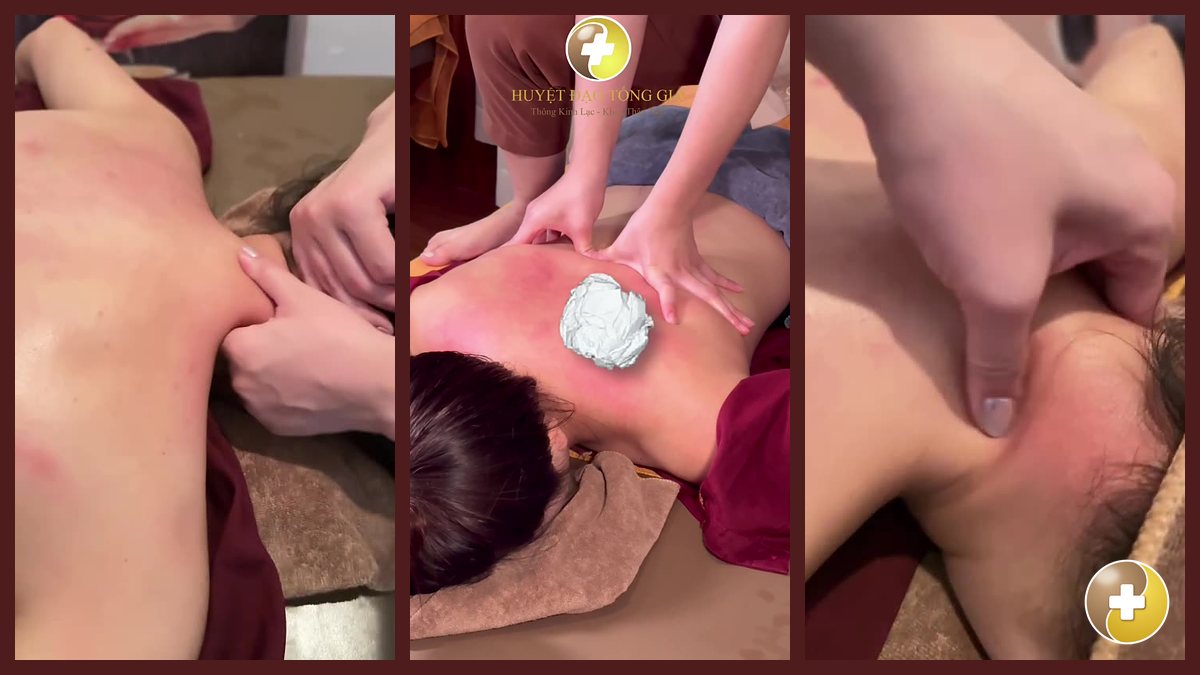
Quick answer: Knee pain and tired thighs after weekend skiing usually come from the front thigh muscles holding a bent-knee crouch for hours in stiff boots and cold air. A pop during a fall, fast swelling or a knee that feels loose needs a medical check, and no massage on that knee. Tong Gia Acupoint Wellness in District 12 and Thu Duc, Ho Chi Minh City, offers gentle knee and leg care.
Want Lương Y Tống Văn Huynh’s team to read your spine and posture in person?
Knee pain and tired thighs from weekend skiing: what is going on
For many Vietnamese families in Canada and the northern United States, winter means more than shovelling snow and commuting in the dark. From December to March, weekends are for loading skis and boots into the car: Vancouver to Whistler, Calgary to Banff and Lake Louise, Montreal and Quebec City to Mont-Tremblant or Mont-Sainte-Anne, and in the US, the hills of Vermont, upstate New York, Michigan or Minnesota. Saturday runs from first chair to last light, Sunday adds another half day, then a drive of a few hours home, and Monday it is back to the office or a standing shift.
By Sunday night the front of both thighs burns, then stiffens. On Monday the stairs down to the subway or the parking garage make the knees ache: around the kneecap for some, on the inner side of the knee for others, or on the shin exactly where the top of the ski boot presses. The lower back is tired from leaning forward all day. It usually settles by Wednesday or Thursday, and the next weekend you are back on the mountain.
From a Western anatomy point of view, skiing keeps you in a flexed position: knees bent, hips bent, trunk tipped forward, weight pressed into the front of the boots. The quadriceps on the front of the thigh hold that crouch almost continuously and lengthen under load every time you absorb a bump or a turn. That long, repeated work makes the thighs burn during the day and produces delayed muscle soreness 24–72 hours later. Pressure between the kneecap and the thighbone rises as the knee bends deeper, so the front of the knee aches. Beginners who snowplough ("pizza") to control speed push their knees inward all day, which strains the inner side of the knee. And because rigid boots lock the ankle, twisting forces from a fall or a ski catching in snow travel up to the knee instead of being absorbed lower down.
People who tend to notice it most:
- Office workers who sit all week, then ski two full days in a row.
- Beginners who snowplough all day and take lots of small falls on green runs.
- Skiers over 40 whose knees already crunch when squatting, or who have had meniscus trouble.
- Parents skiing bent over beside small children, lifting them up after every tumble and carrying their skis.
- Occasional skiers who go every few weeks and try to get their money's worth from each lift ticket.
This article is part of Tong Gia's programme for overseas Vietnamese and long-haul visitors coming to Ho Chi Minh City. It covers overuse from the skiing stance; falls on ice, wrist and tailbone injuries are covered in massage after slipping on ice. For the bigger picture of the spine after a long trip, see the main guide spine care after a long-haul flight.
Common causes: hours in a crouch, stiff boots, cold and small falls
Sore knees and tired thighs after a ski day rarely have a single cause. Usually several things add up:
- A long, bent-knee stance: it is a bit like holding a half squat for hours. The quadriceps only really rest for a few minutes on the chairlift. The article knee pain when squatting explains the load on the kneecap joint in deep knee bends, which is very close to a ski stance.
- Snowploughing to slow down: heels pushed out, knees pulled in, all the way down every run. The inner knee and inner thigh take the strain.
- Boots too tight or too loose: too tight and the calves and feet go numb and cold; too loose and the foot slides, the shin bangs into the boot cuff on each turn, and the thighs grip harder to stay balanced.
- Cold: sub-zero air and summit wind make muscles less elastic and tendons stiffer. Long waits in the lift line chill the legs before the next fast descent.
- Repeated small falls: sitting falls, sideways falls, then struggling up with skis still attached. Both the fall and the getting up twist and bend the knee hard. It may not hurt at the time, but the knee aches that night and is stiff the next morning.
- No breaks: skiing nonstop to make the ticket worthwhile, a rushed lunch, little water because cold air hides thirst.
- Five days sitting, two days skiing: the glutes and thighs idle all week, then suddenly work many times harder. The second day, with thighs still sore, is when reflexes are slower and falls are more likely.
- The drive home: hours with knees bent at the wheel after a ski day; the knees are stiffer at home than when you left the hill.
When you fly home to Vietnam for Tet, knees that have carried a season of ski weekends also sit bent for close to a day on the long journey from Vancouver, Toronto, Montreal or a northern US city, usually with a connection in an Asian hub. In Ho Chi Minh City come low plastic stools, floor-level cleaning before the holiday and steep stairs in narrow tube houses, so the knees can stay sore for the first few days.
Signs worth noting
The key question is whether this is muscle and tendon overload from the stance, which usually eases within days, or an injury inside the joint from a fall. This table helps you sort it out:
| Feature | Overload from the ski stance (common) | Possible ligament or meniscus injury after a fall | Possible inflamed joint |
|---|---|---|---|
| Onset | Builds through the day, worse that night and next morning | Right after a twisting fall or a ski catching; sometimes a "pop" | May have no clear fall |
| Where | Front of both thighs, around the kneecap, inner knee after snowploughing, shin where the boot presses | One knee, deep inside or along the inner or outer joint line | Usually one joint, clearly swollen |
| Swelling | None or very mild | Swells quickly within hours | Hot, red, tight skin; maybe fever |
| Stability | Tired but steady | Feels loose, gives way, locks, cannot trust it on one leg | Pain limits movement |
| Course | Eases over 3–7 days | Does not settle; flares with twisting | Worsens within hours to a day |
| What to do | Rest from skiing, gentle walking, keep warm, drink water; light massage can be fine | Get checked at a medical facility; no massage on that knee | Get checked now; no rubbing, no heat |
Alongside sore knees and tired thighs, weekend skiers often notice:
- Burning thighs mid-run, forcing a stop; stiff thighs at night and trouble stepping down.
- Sore shins where the boot cuff presses, sometimes lightly bruised.
- Tight calves and night cramps after a long day.
- Lower back fatigue from leaning forward, bending to click into bindings and lifting children.
- Cold-sensitive knees that feel "cold inside" when the weather turns; see knee pain in cold weather.
- Cold, numb feet in tight boots, with stinging red toes when you come indoors.
When to see a doctor
If knee pain and tired thighs after skiing come with any of the following, please see a doctor at a medical facility rather than relying on massage, and do not have that knee massaged:
- A "pop" in the knee during a fall, followed by swelling within a few hours.
- A loose knee that gives way on one leg or when turning, or a feeling that it "slipped out and back".
- A locked knee that will not straighten or bend.
- You cannot bear weight, the knee or ankle looks deformed, or the bone is very tender to touch.
- A swollen, hot, red knee with pain at rest or fever: get checked straight away, no rubbing, no heat.
- Severe thigh muscle pain after an overly hard day, with swollen, hard muscles and dark, tea-coloured urine: get checked the same day.
- White, numb toes or feet with hard skin after long cold exposure: possible cold injury, get checked and do not rub.
- One calf swollen, warm and red, more painful when walking, especially after the long flight to Vietnam: this can be deep vein thrombosis. Get checked immediately and do not massage that leg.
- Sudden breathlessness, chest pain, coughing blood, a racing heart or fainting after the flight, or crushing chest pain, shortness of breath and cold sweats on the slopes: call 911 in Canada or the US, call 115 (Vietnam's ambulance number) in Vietnam; do not ride a motorbike to hospital.
- Knee pain lasting weeks despite rest, pain at night, weight loss or unexplained tiredness: have a check-up at a medical facility as well.
At Tong Gia, practitioners ask about falls during the season and the signs above before touching the knee. If any apply, that area is left alone and you are advised to get checked first. Tong Gia does not read X-rays or MRI scans and does not draw up medical plans; if a specialist is following your knee after an injury, wellness work is only done with their agreement.
This is a wellness service, not medical care.
The Y Tướng Học view: the Kidney and winter, the Liver and the sinews, the Spleen and the muscles
In the Tong Gia curriculum, the Kidney (Thận) is a functional system linked to essence, bones and marrow, water, the ears, hair, teeth and the lower back and knees. It belongs to the Water element and corresponds to winter. The curriculum says the Kidney "governs the bones and produces marrow", and when it weakens the lower back and knees feel tired: aching lower back, weak tired knees, legs that tire quickly when standing. For the "Kidney yang deficiency" pattern it lists feeling the cold, cold hands and feet, a cold, tired back and knees, and recommends keeping the back, belly and feet warm and soaking the feet in warm water. Skiers living through long winters, whose knees carry both cold and load, are working exactly the area Eastern wellness links to the Kidney.
The Liver (Can) "governs the sinews": it nourishes tendons and ligaments and supports movement. A well-nourished Liver means supple tendons and flexible joints; a weak one shows as stiff muscles, cramps, trembling and less flexibility. The patellar tendon, quadriceps tendon and the ligaments on each side of the knee are the "sinews" working all day in the ski crouch. Thighs that shake at the end of the day and night calf cramps are typical signals.
The Spleen (Tỳ) governs the muscles and limbs. Firm or slack thighs, light or heavy legs are Spleen signals; the curriculum notes weak muscles and tired limbs when the Spleen is depleted. Rushed lodge lunches, skipped meals and heavy dinners, with thighs still tired by midweek, point that way.
To be clear, this is the functional language of Eastern wellness. It does not mean your kidneys, liver or spleen are diseased. Long cold, exercise crammed into weekends, short sleep and hurried meals overload the functions that keep the back and knees warm and nourish tendons and muscles, and the knees speak up early.
Y Tướng Học, the Vietnamese art of reading face and body for wellness, says "signs show outside, organs live inside". Lương Y Tống Văn Huynh, a Vietnamese master of traditional wellness and founder of Tong Gia, systematised it so practitioners look first and then know which part of the spine to read closely. For people whose knees and thighs suffer in ski season, the curriculum notes some outer signs:
- Kidney signs: shown in the ears, hair, bones and lower back. Healthy: thick, rosy ears, glossy hair, a strong back. Signals: tired knees, cold lower back, ringing ears, hair loss, forgetfulness.
- Thin, soft ear rims and a flat bone behind the ear: linked in the curriculum with weak Kidney qi and yang: lower back pain, tired knees, feeling the cold, icy hands and feet, earlier joint ageing.
- A flat back of the head: in the head-reading section, also a sign of weak Kidney qi and yang, with tired back and knees, feeling the cold and light sleep.
- Liver signs: shown in the eyes, nails and tendons. Signals: dry, tired eyes, thin brittle nails, frequent cramps, irritability when tired.
- Spleen signs: pale lips, soft muscles, a heavy body, tired limbs.
These signs only guide the practitioner on where to look; they are not a verdict about anyone. Strong, skilled skiers can still get tired thighs after two straight days without breaks.
Spine segments and nerve-reflex zones linked to the knees, thighs and shins
Tong Gia's spinal nerve-reflex curriculum describes 7 cervical, 12 thoracic (D1–D12) and 5 lumbar (L1–L5) vertebrae plus the sacrum and coccyx, with the lumbar area linked to the kidneys, urinary and reproductive systems and the legs. It groups muscles, bones and joints under the zones C5–C7, L1–L5 and S1–S5. In Western anatomy, the L2–L4 roots form the femoral nerve, which supplies the quadriceps, the very muscle holding your ski crouch; L4 is part of the knee-jerk reflex. L4–L5 contribute to the nerve that lifts the front of the foot, the shin muscles that press into the boot. L4–S3 form the sciatic nerve to the hamstrings and calves. So after ski season the areas to read closely are L2–L5 and S1, plus the Liver and Spleen zones of the mid back:
| Spine segment | Nerve / function (Western anatomy) | Typical feeling after ski days | Organ (Eastern view) | Outer sign (Y Tướng Học) |
|---|---|---|---|---|
| D9–D10 | Mid-lower thoracic roots; mid-back muscles; Liver shu point (BL18) area | Tight tendons around the knee, shaky thighs late in the day, night calf cramps | Liver (sinews) | Dry, tired eyes, brittle nails, frequent cramps |
| D11–D12, L1 | Lower thoracic and upper lumbar roots; lower back and abdominal wall; Spleen shu (BL20) area | Heavy thighs, tiredness lasting to midweek, legs fading on afternoon runs | Spleen (muscles, limbs) | Pale lips, soft thigh muscles, heavy body |
| L2–L3 | Roots of the femoral nerve; front and inner thigh sensation; Kidney shu (BL23) and Mingmen (GV4) at L2 | Burning front thighs, tired lower back from leaning forward | Kidney (bones, back and knees, winter) | Thin soft ear rims, cold lower back to the touch |
| L3–L4 | Femoral nerve to the quadriceps that straighten the knee; L4 knee-jerk reflex, inner shin sensation | Ache around the kneecap on stairs or rising from a squat; inner knee ache after snowploughing | Kidney and Liver | Dry, crunchy knees, flat back of the head, feeling the cold |
| L4–L5 | Roots of the nerve to the front shin muscles (lifting the foot), top-of-foot sensation | Sore shins where the boot presses, cold numb feet in boots | Kidney – Bladder | Cold feet, cold lower-back skin |
| L5–S1 | Sciatic nerve roots; hamstrings and calves; S1 ankle reflex; Bladder channel through the back of the knee (Weizhong) | Tight back of the knee, hard calves, cramps after the drive home | Kidney – Bladder, Liver | Tight calves, legs that dislike cold |
The table shows "related" areas to guide care, not to identify disease. In Western terms, ski-related thigh and knee soreness is mostly overloaded muscle, tendon and the kneecap joint, not a "misaligned" vertebra. The lower spine is read because that is where the nerves to the thighs and shins exit; when the lower back, buttocks and thighs relax, the knee is pulled from fewer directions.
How Tong Gia helps rebalance the knees, thighs and lower back
The method was developed by Lương Y Tống Văn Huynh over more than 13 years of Vietnamese Eastern wellness, Y Tướng Học and spinal nerve-reflex balancing. It is a Vietnamese traditional approach: read the outer signs to understand the organs, read the spine by hand to find the zone, then care for each spinal zone and organ function. The aim is to help rebalance and support lighter legs, not to replace a medical check. A session for a weekend skier includes:
- Safety questions: when you last skied, how many days in a row, any falls and how, any pop, swelling, looseness or locking; where it hurts (front thigh, kneecap, inner knee, shin); health conditions, pregnancy, blood thinners. A knee that swelled or popped after a fall and has not been checked is not worked on.
- Observation (Y Tướng Học): complexion, ears, back of the head, nails, lips, posture; you sit down and stand up, and balance on one leg for a few seconds so the practitioner can see which knee is less steady or drifts inward.
- Reading the spine by hand: pressing, stroking and rolling to feel the four objective factors in the curriculum: skin temperature, the muscle layer, spinal shape and your own sensation. The fingers move from D9 down to the sacrum, comparing sides and separating "excited" zones (warm skin, knotted, tender muscle) from "inhibited" ones (cool skin, slack muscle). People from cold countries often have a noticeably colder lower back.
- Releasing muscles: lower back, buttocks and hips first, then the quadriceps, inner thighs, hamstrings, calves and the shin muscles along the front of the leg. Around the knee the pressure stays moderate, following the edges of the kneecap and tendon attachments; the curriculum's "screw press" technique for knees and hips is done slowly and with control, guided by your feedback. Swollen or bruised spots are never pressed.
- Acupressure on the right points: on the back, Liver shu (BL18), Spleen shu (BL20), Kidney shu (BL23), Mingmen (GV4); on the legs, Zusanli (ST36), Yinlingquan (SP9), Ququan (LR8), Weizhong behind the knee, Taixi (KI3), the source point of the Kidney channel, and Taichong (LR3). Following the temperature rule, cool skin is warmed and hot skin cooled; following the dosage rule, work stops when the skin at the key point turns from dry to slightly moist.
- Self-care guidance: how to rest after ski days, stretches for the front and inner thighs and calves, how to press Zusanli and Taixi yourself, and warm foot soaks.
What a typical session looks like: people back from ski season usually come on the second or third day after landing, once they have slept one night. After the safety questions you stand on one leg and do a sit-to-stand. Lying face down, the practitioner's hands travel along your spine; the lower back is often cold and tight on both sides after a season of leaning forward, and the calves feel hard. The lower back and buttocks come first, then the hamstrings and calves; then you turn over for the front and inner thighs, the shins and the area around the knees. If you add the herbal compress, the warmth goes on the lower back or a cold, tired knee. Points on the back and legs come last, followed by a short stretch to do on your own.
Suitable services (prices in VND, approximate conversions at a reference rate, payment in VND; see prices):
- Heavy, tired legs care, 60 min: 500,000₫ (about 19 USD / 26 CAD). Lower back, buttocks, thighs, around the knees, shins, calves and feet; for tired thighs and sore knees after a season of ski weekends.
- Lower back care, 60 min: 550,000₫ (about 21 USD / 29 CAD), first visit 399,000₫ (about 15 USD / 21 CAD). For a lower back that is tired and cold from a season bent over skis and long drives.
- Herbal compress: 130,000₫ (about 5 USD / 7 CAD), added during the session; for knees and lower backs that feel cold and tired after winter.
From the airport: the District 12 branch at 225 Dương Thị Mười, Phường Tân Chánh Hiệp is on the same northern side of the city as Tân Sơn Nhất Airport, a fairly short ride depending on traffic. The Vinhomes Grand Park branch in Thu Duc City is further away and takes longer by car, especially at rush hour; it suits families staying in Thu Duc or the eastern side. After close to a day of travel from North America, most people rest one night first.
What will you feel? During the session your thighs and calves warm up; at tight points around the kneecap, inner thigh and shin you feel a mild, pleasant pressure that the curriculum calls "creating sensation waves", an even rhythm that lets muscles tighten and release so the body can adjust itself. People just out of winter often feel warmth spreading from the lower back into the legs, and many get drowsy in the second half. Afterwards, sitting down and standing up may feel easier and the thighs less heavy; how much depends on each person. Tong Gia does not promise pain-free knees after one session; rest between ski days and keeping warm still matter most.
Want Lương Y Tống Văn Huynh’s team to read your spine and posture in person?
A suggested plan for a Tet trip after ski season, plus self-care
This is a suggested plan for a 1–3 week trip from Vancouver, Calgary, Montreal, Quebec or the northern US. Adjust it to your health and family schedule. If your hands and feet still feel cold in the tropics, read cold hands and feet after long Canadian winters; if hikers rather than skiers in your family have sore knees, see knee pain from weekend hiking.
| When | For your knees and thighs | Notes |
|---|---|---|
| Last weekend before flying | Ski a light half day, or rest | Avoid two full ski days right before a long flight |
| On the flights and during the connection | Get up and walk; when seated, straighten your legs and pump your ankles; walk around the transit airport | Drink water, go easy on alcohol, wear loose trousers |
| Landing day | Rest, warm shower, catch up on sleep | No floor-level cleaning or long outings yet |
| Days 2–3 | One leg-care or lower-back session; a gentle morning walk | Legs have rested enough for tight spots to be read clearly |
| Week 1, Tet preparations | Stretch front and inner thighs and calves each evening; warm foot soak | Limit squatting and very low stools; mop standing up |
| Tet days, family visits | Stand and walk after each long sit-down meal; on long car rides, stop and stretch | Eat steadily and keep drinking water between celebrations |
| 1–2 days before flying back | A gentle back and leg session; sleep well | First weekend back on the hill, ski only half a day |
Simple self-care, a few minutes each:
- Rest after a ski day: a warm shower, legs raised for 10–15 minutes, gentle walking indoors rather than sitting still. If your thighs still burn the next morning, ski only until lunch or take the day off.
- Warm up before the first run: walk, circle the ankles, knees and hips, do a few shallow squats in the lodge so your muscles are warm before the cold.
- Take breaks: every one or two long runs, go inside, eat, drink, stretch your legs. Do not wait until your thighs shake; the last run of the day is when falls happen.
- Stretch after skiing: holding a wall, pull one heel towards your buttock for the front thigh; sit with the soles together and ease the knees down for the inner thigh; lean on a wall with one leg back for the calf, 20–30 seconds each. The article weak knees walking downhill adds thigh-strength tips.
- Warmth and foot soaks: keep the lower back and knees warm outdoors; in the evening soak your feet in warm water for 10–15 minutes, then gently press Zusanli below the knee and Taixi by the inner ankle for 1–2 minutes each.
- Check your boots: snug but not so tight your feet go numb, not so loose your shins bang into the cuff.
If the knee is swollen, hot, loose, locked or painful after a fall, skip heat and massage on that area: getting it checked comes first.
Booking from abroad before you fly
- District 12: 225 Dương Thị Mười, Phường Tân Chánh Hiệp (Tan Chanh Hiep ward, District 12), 8:00–19:00 daily.
- Vinhomes Grand Park: Căn T16-21 khu Manhattan, Phường Long Bình, TP. Thủ Đức (unit T16-21, Manhattan area, Long Binh ward, Thu Duc City, formerly District 9), 9:00–20:00 daily.
You can book from Vancouver, Calgary, Montreal, Quebec or the northern US before you travel: WhatsApp or Zalo +84 888 264 559 (0888 264 559 in Vietnam), or use online booking. Send your landing date and time, which knee hurts and where (front thigh, kneecap, inner knee or shin), whether you had any falls this season, any health conditions, and your preferred branch. Family in Ho Chi Minh City can book for you. Slots fill quickly before Tet, so message early.
Visit us
- Đông Y Huyệt Đạo Tống Gia Quận 12 (District 12)
225 Dương Thị Mười, Phường Tân Chánh Hiệp, Quận 12, HCMC · 8:00–19:00 daily · 0888 264 559 · Directions on Google Maps - Đông Y Huyệt Đạo Tống Gia Quận 9 (Vinhomes Grand Park, District 9)
Căn T16-21 khu Manhattan, Vinhomes Grand Park, Phường Long Bình, TP. Thủ Đức, HCMC · 9:00–20:00 daily · 0888 264 559 · Directions on Google Maps
Map of our two branches
Want Lương Y Tống Văn Huynh’s team to read your spine and posture in person?
What guests say on Google Maps
“First time trying it – the service was really good and the staff did a great job! 10 points.” (translated from a Vietnamese review)
— Young N., Google Maps review · Vinhomes Grand Park branch (District 9) · 2025 · See on Google Maps
“A trustworthy place to look after your wellbeing.” (translated from a Vietnamese review)
— Phong P., Google Maps review · District 12 branch · 2024 · See on Google Maps
Quoted from public reviews, shortened where marked (…). Experiences vary from person to person; reviews are not a substitute for seeing a doctor when something feels wrong.
Related guides for your trip
- Massage after knee replacement: is it safe on a trip to Vietnam, which areas can be worked and what to avoid
- Migraine sufferer: can I get a Vietnamese head spa in Ho Chi Minh City, and when is the right time?
- Can you get a massage after a heart stent? Who to ask first, how gentle it should be and when to call 115
FAQ
Is knee pain and tired thighs from weekend skiing serious? Usually not: it is mostly the front thigh muscles and the tendons around the knee overloaded by hours in a bent-knee crouch, in stiff boots and cold air. Thighs burn during the day, are sorest 1–3 days later and ease within about a week. A pop in a fall, fast swelling, a loose or locked knee needs a medical check and no massage there.
I skied two days at Whistler and now my knees ache on the stairs in Vancouver. What should I do? Take a few days off skiing, walk gently, have warm showers, raise your legs, drink enough water and stretch your front thighs and calves each evening. Next time warm up before the first run, take breaks between runs and ski only half of the second day. If the knee swells, feels loose or keeps getting worse, get it checked.
Why do my front thighs burn but my inner knee aches after skiing in Banff? The front thighs burn because the quadriceps hold the bent-knee stance all the way down every run. An inner knee ache is common in skiers who snowplough to control speed, because the knees are pushed inward all day. If the knee swelled or feels unstable after a fall, have it checked.
I fell skiing at Mont-Tremblant and my knee is a little swollen. Can I get a massage in Vietnam? A knee that swells after a fall, especially with a pop or a loose feeling, should be checked at a medical facility first, with no massage on that knee. Once you have been cleared and the swelling and heat are gone, Tong Gia can gently work the lower back, thighs and calves while avoiding the sore spot.
Can massage help tired knees and thighs after ski season? When the knees are only sore and tired, not swollen or hot, releasing the lower back, buttocks, thighs and calves and pressing the right acupoints can support lighter legs and easier knee movement. Tong Gia checks safety first, talks only about helping rebalance, and does not promise the pain will be gone.
When should I book knee and leg care in Ho Chi Minh City, and how much is it? Rest on landing day. Day 2 or 3 suits Heavy, tired legs care, 60 minutes, 500,000₫ (about 19 USD / 26 CAD), with an optional herbal compress for 130,000₫. For a tired lower back, Lower back care 60 minutes is 399,000₫ on the first visit. Book via WhatsApp or Zalo +84 888 264 559.
Author: Lương Y Tống Văn Huynh – founder of Huyệt Đạo Tống Gia, a master of traditional Vietnamese wellness with over 13 years in Eastern wellness care, Y Tướng Học (face reading) and spinal nerve-reflex balancing massage.
Updated: 2026-11-18
Related guides
- Knee and back pain from last-mile delivery driving in the US: causes, warning signs and care in Saigon
- Knee pain and tired thighs from weekend skiing: why the crouch tires you and how to rest your legs in Vietnam
- Knee and back pain from bike food delivery in Europe: saddle, delivery box or cold rain, and care in Saigon
- Knee pain from weekend hiking in Korea: why rocky descents hurt and how to care for your legs in Vietnam
- Massage after knee replacement: is it safe on a trip to Vietnam, which areas can be worked and what to avoid
- Knee pain from cold winters to tropical heat: why stiff knees still ache in Saigon and how to care for them
This is a wellness service, not medical care.