
Back pain from sleeping on heated ondol floors in Korea: morning stiffness, dryness and back care in Vietnam
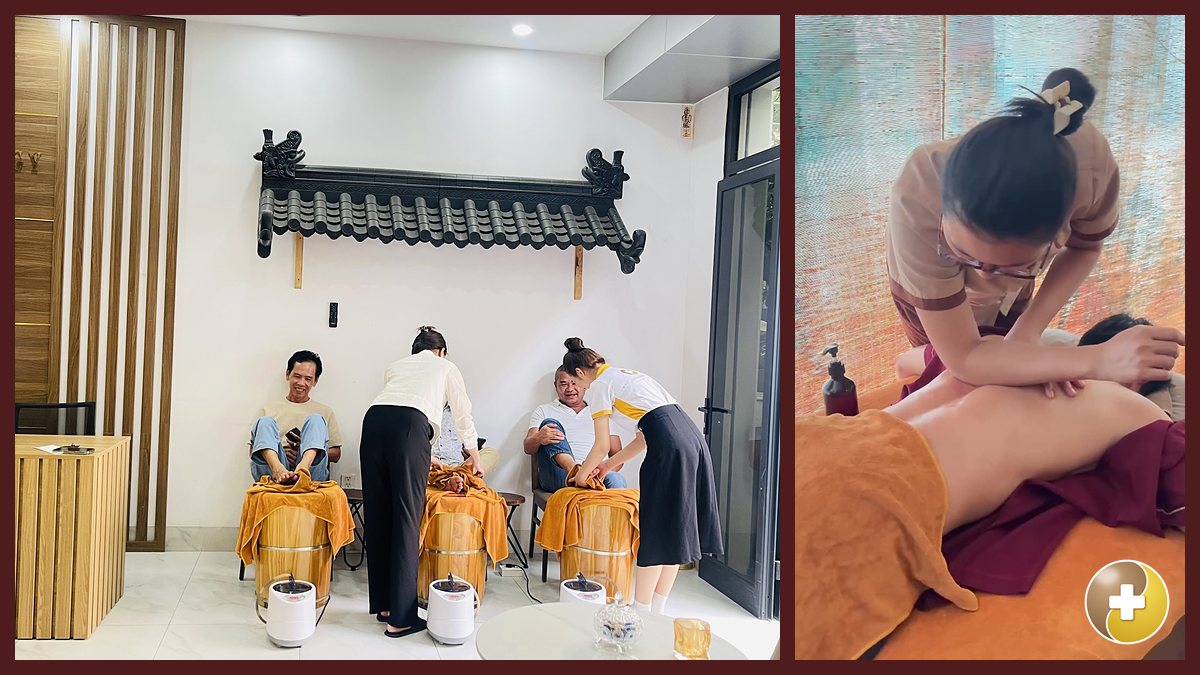
Quick answer: Back pain from sleeping on a heated ondol floor usually comes from a thin mattress on a hard surface, plus a hot floor and dry winter air that dehydrate you overnight. A thicker pad, a cooler floor and steady water intake help. In Ho Chi Minh City, Tong Gia Acupoint Wellness relaxes the lower back and applies acupressure.
Want Lương Y Tống Văn Huynh’s team to read your spine and posture in person?
Why sleeping on a heated ondol floor can leave your back stiff and your body dry
Winter in Seoul, Incheon or Ansan is cold and dry. Outside it is often below zero, some days well below, with a sharp wind. Inside, the room is warm the moment you step in, thanks to ondol, the Korean underfloor heating that runs hot water through pipes beneath the floor. Many homes, shared rooms, dorms and one-room studios have no bed at all: you roll out a thin cotton mattress (a yo) and sleep on the warm floor. Vietnamese wives living with their husband's family in the countryside, factory workers in rented rooms near the industrial parks, students in small rooms near campus, and foreign teachers on their first Korean winter all know the routine. The first weeks feel cosy. By mid-winter, many wake up with a lower back as stiff as a plank, have to roll onto one side and push up with their arms to sit, and find their throat raw, lips cracked and shins flaking, however much water they drink.
From a Western medical point of view this is not one condition but two things happening together:
- Stiffness from the sleeping surface and posture. A thin pad on a hard floor puts hours of pressure on a few bony points: the sacrum, shoulder blades, pelvic rim, and the hip and shoulder when you sleep on your side. The natural curve of the lower back is not evenly supported, so the long muscles beside the spine stay tense all night. In the morning those muscles are still tight and the discs have taken up extra fluid while you lay down, which is why the first hour is the stiffest and walking around loosens things up.
- Dryness from heat and dry air. A warm floor raises your body temperature during sleep, so you sweat lightly without noticing. Korean winter air already holds little moisture and heating dries the room further. Water leaves through your skin and your breath all night, so you wake with a dry throat, dry nose, thirst, dry skin and cracked lips. Mild dehydration over weeks also makes muscles tire and cramp more easily.
The two are linked: muscles and discs need water to stay supple, so a dehydrated body stiffens faster after a night on a hard floor. This article is about back pain and dryness from how you sleep on a heated floor. If your back hurts from lifting and machine work, read back pain from factory work in Korea; for how the neck, back and lower back affect each other, see the main guide spine care after a long-haul flight.
Common causes: thin pad, hot floor, dry room, a whole winter of it
One or two nights on the floor will not hurt your back. The ache builds from repeating it every night for three or four months:
- A pad too thin for your build. A traditional yo is only a few centimetres thick. Slim, bony sleepers feel it at the sacrum and shoulder blades; heavier sleepers sink unevenly at the hips, so the lower back either sags or gets pressed flat.
- Staying in one position too long. A warm floor makes you sleep deeply and turn less, so one area is compressed for longer. Side sleepers load the lower shoulder and hip and wake up sore on one side of the waist.
- A floor set too hot. Many households run the heating high. Lying on a very hot spot makes you restless; you kick the blanket off, your back gets cold, and sleep stays light. Skin pressed for hours on a very hot floor can even get a low-temperature burn that does not hurt at first, especially in older people or after drinking.
- Dry air and too little water. In the cold you rarely feel thirsty, so you drink little during the day, then coffee, tea or soju in the evening dry you out further. Windows stay shut and there is no humidifier.
- Floor living all day. Sleeping on the floor usually comes with low tables, sitting cross-legged to eat, study or watch TV, and getting up and down from floor level many times a day. More on that in back pain from sitting on the floor.
Then comes the trip home. The flight from Incheon to Tan Son Nhat takes about five hours and you land in humid heat above 30°C. At your parents' house you may sleep on a soft spring mattress or a mat on a wooden platform, with the air conditioner on all night. A back used to a warm, firm floor now has to adapt to a new surface and cold air blowing on it, so some people feel worse for the first few nights. For changing beds on a trip, see stiff neck from unfamiliar beds on trips home.
Related signs to notice
- Lower back stiff for the first 30–60 minutes after waking, hard to bend over the sink, easing with movement or a warm shower.
- Soreness at the sacrum, shoulder blades or the hip you sleep on.
- Dry mouth and throat on waking, cracked lips, a little blood when you blow your nose, especially if you sleep with your mouth open.
- Dry, itchy, flaking skin on the shins and backs of the hands; dry, static-prone hair.
- Thirst, little urine, dark urine even though it is cold.
- Hot palms and soles at night, restless dreams, feeling warm inside while the lower back and knees still ache: Eastern wellness links this pattern to Kidney yin deficiency, explained below.
- Stiff neck and shoulders from a pillow that is too high or too hard on a flat floor.
The Tong Gia curriculum puts it simply: pain shows up in one place, but its source is often somewhere else. Morning stiffness may start in the hips, in always sleeping on one side, or in muscles short of water. That is why the practitioner reads the whole spine, not just the sore spot.
When to see a doctor
Most of this eases once you change how you sleep, add moisture to the room and drink enough. Please see a doctor at a medical facility, rather than relying on massage, if you have:
- Pain spreading below the knee, numbness in the calf or foot, leg weakness, or difficulty lifting the front of the foot.
- Numbness in the buttocks, groin or around the anus, or loss of bladder or bowel control: go to emergency now.
- Pain on one side of the back with fever, chills, burning urination, blood in the urine or cloudy urine.
- Back pain with fever, unexplained weight loss, lasting fatigue, or pain that worsens at night at rest.
- Constant thirst, frequent urination, weight loss or blurred vision even in a humidified room: get your blood sugar checked rather than blaming the floor.
- Waking with headache, dizziness and nausea, several people in the home feeling unwell and better outdoors: this can be carbon monoxide from an old boiler or heater. Open windows, get everyone outside and call 119 in Korea.
- Red or blistered skin on the hip, buttock or calf after a night on a very hot floor: possibly a low-temperature burn. Get it checked and do not have that area massaged.
- Back or chest pain with chest tightness, shortness of breath, sweating, or pain spreading to the jaw or left arm: call 119 in Korea or 115 in Vietnam, no massage.
- A swollen, painful, warm calf on one side after a flight or days of little movement: this can be a deep vein clot. Get checked now and do not have the leg massaged.
- Pregnancy, recent surgery or osteoporosis: ask your doctor before any massage.
Tong Gia does not read X-rays or MRI scans and does not make medical plans. If you have results from a medical facility, simply tell the practitioner which areas to keep gentle or avoid. This is a wellness service, not medical care.
The Y Tướng Học view: the lower back and the Kidney, skin and breath and the Lung
Y Tướng Học (face reading for wellness) rests on one idea: what is inside shows on the outside. Lương Y (traditional healer) Tống Văn Huynh, founder of Tong Gia Acupoint Wellness (Huyệt Đạo Tống Gia), organised this knowledge so practitioners can read the body's signs before placing a hand on the spine. For people who have slept on heated floors all winter, three organ systems are usually considered: Kidney, Lung and Liver. In Eastern wellness these are functional systems, not the organs of Western anatomy.
Kidney and the lower back. In the Tong Gia curriculum the Kidney governs bones and water, is linked to the lower back and knees, and corresponds to winter. It shows in the ears, hair, bones and lower back: full, rosy ears, glossy hair and a strong back are good signs; aching knees, a cold back, ringing ears and hair loss call for support. The curriculum describes two directions. Kidney yin deficiency is "not enough water to cool", with hot palms and soles, dry mouth and throat, restless sleep and aching back and knees. Kidney yang deficiency is "not enough fire to warm", with feeling cold, a cold aching back and night-time urination. Someone who sleeps on a hot floor yet wakes with a dry mouth and warm soles often fits the first picture; someone who flies home and sleeps with the air conditioner blowing on their back may notice a cold back instead. The curriculum is clear this is a way to choose care, not a label for anyone.
Lung and the skin. The Lung governs the skin and body hair and opens into the nose. When it is short of moisture, the curriculum lists dry skin, a blocked nose, shallow breathing and a hoarse voice. Eastern wellness calls dry winter air "dryness evil", and it affects the Lung first, which is why people in sealed, heated rooms feel their nose and throat dry out and their skin flake. People with a long, squarish, firm "Đồng" face shape belong to the Metal constitution, led by the Lung; the curriculum notes they are prone to dry cough and dry, cracked skin, with tension around the upper back at D3 (the Lung shu point). Sleeping with lips apart is also linked to a dry throat in the morning.
Liver and the tendons. The Liver nourishes tendons and ligaments. Short or broken sleep, study stress and homesickness let Liver qi stagnate: the long back muscles tighten, the neck stiffens, eyes feel dry and cramps come more easily.
Signs of a body short of fluids. The curriculum notes that very lean people, with more bone than flesh and prominent cheekbones, often lean toward Liver–Kidney yin deficiency with depleted fluids: discs dry early, tendons tighten, the body feels hot inside. On a thin pad over a hot floor, they feel both the pressure and the dryness more. Round, full faces lean the other way, with a lower back that chills easily and benefits from warmth.
This is observation for wellness care only, not fortune-telling and not a judgement about anyone's health.
Vertebrae and nerve-reflex areas involved
In the Tong Gia approach to spinal nerve-reflex balancing, the thoracic spine D1–D12 relates to circulation, breathing and digestion; the lumbar spine L1–L5 to digestion, kidneys, urinary and reproductive function and the legs; the sacrum S1–S5 to elimination and the pelvic area. For floor sleepers with a stiff back and dry body, practitioners usually check:
| Vertebrae | Nerves / function (Western anatomy) | Common signs after a winter on the floor | Organ (Eastern wellness) | Face and body signs (Y Tướng Học) |
|---|---|---|---|---|
| D1–D4 (upper back) | Upper intercostal nerves, thoracic sympathetic chain to heart and lungs; Lung shu point below T3 | Shoulder blades pressing on the floor, stiff upper back, shallow breathing, dry nose and throat | Lung | "Đồng" face, dry skin, hoarse morning voice |
| D7–D9 (mid back) | Middle intercostal nerves, upper abdominal wall; Liver shu area | Tight bands along the spine, side tension when turning over | Liver | Wide cheekbones, dry tired eyes |
| D11–L3 (back to lower-back transition) | Kidneys sit roughly at T12–L3; nerve roots to the groin and front thigh; the psoas attaches here; Kidney shu and Mingmen level with L2 | Stiff lower back when getting up from the floor, dull ache, dry mouth, warm soles at night | Kidney | Thin dull ears, dry hair, lean bony build |
| L4–L5 (lower lumbar) | Roots that help form the sciatic nerve; the lumbar curve left unsupported on a hard floor | Ache across the low back when bending over the sink or standing up from the floor | Kidney – Bladder | Crooked nasal bridge, thick hip muscles |
| S1–S5 (sacrum) | Roots to the buttocks and back of the thigh; the sacrum is a main pressure point lying on your back | Tender sacrum, sore buttocks and hamstrings after a night on a thin pad | Kidney – Bladder | Cold lower back, soft muscles (round face) |
These are areas to read carefully by hand, not conclusions about causes.
How Tong Gia helps rebalance your back when you are in Vietnam
Each session follows the spinal nerve-reflex balancing method developed by Lương Y Tống Văn Huynh, who has over 13 years in Vietnamese Eastern wellness, Y Tướng Học and spinal nerve-reflex balancing. The aim is to help each spinal area return to balance and support the related organ functions, by hand.
- Talk and observe: how many winters on the floor, pad thickness, back or side sleeper, how long the morning stiffness lasts, dry throat, thirst, warm soles, pain into the legs, any results from Korea. Then the practitioner looks at complexion, skin, lips, ears, nasal bridge, posture and the level of shoulders and hips.
- Read the spine by hand: the curriculum reads four things, skin temperature, muscle padding, spinal shape and sensation at each point, comparing left with right and top with bottom from neck to sacrum, then narrowing down to the key area and key point. Side sleepers often have one side of the waist thicker and tighter.
- Release the muscles: the long back muscles, the quadratus lumborum at the waist, the glutes and the area around the sacrum, plus the upper back if you sleep on a high pillow. Pressure rises gradually through five levels and you are asked how it feels; lean, dry-skinned clients get a lighter touch.
- Acupressure on the right points: Kidney shu, Mingmen and Zhishi at the lower back; Lung shu on the upper back when the nose and throat are dry; Liver shu when the back muscles are tight; Weizhong behind the knee for back pain. Each point is worked until the skin there turns from dry to slightly moist, then the practitioner stops.
- Self-care to take back to Korea: how to get up from the floor, a five-minute morning stretch, warming the lower back and keeping the room humid.
You may feel tenderness beside the lower back, around the sacrum and shoulder blades, usually where muscles are tight; it eases as they let go and the back warms. Afterwards many people find getting up easier the next morning and sleep more deeply; some feel a little sore for a day first. Everyone responds differently, and Tong Gia does not promise the pain will be gone after one visit.
Suitable services and prices
- Neck–shoulder / lower back care, 60 minutes: 550,000 VND (about 21 USD), first visit 399,000 VND (about 15 USD); 90 minutes: 750,000 VND (about 29 USD).
- Kidney wellness, 75 minutes: 750,000 VND (about 29 USD), for a dull aching back and knees, dry mouth and warm soles at night, or a cold back.
- Lung wellness, 90 minutes: 900,000 VND (about 35 USD), for a dry nose and throat, shallow breathing and dry skin through the heating season.
Conversions use a reference rate of 1 USD ≈ 26,000 VND; payment is in VND. Full list on the price page.
From Tan Son Nhat airport to a branch
The District 12 branch (225 Dương Thị Mười, Tân Chánh Hiệp ward) is north of the airport, usually 30–45 minutes by car depending on traffic. The Vinhomes Grand Park branch (Unit T16-21, Manhattan area, Long Bình ward, Thủ Đức City) is further and takes longer, especially in the evening rush. Flights from Korea often land in the evening, so most people book for the next morning; if you want a stop on the way from the airport, read massage near Tan Son Nhat airport.
Want Lương Y Tống Văn Huynh’s team to read your spine and posture in person?
A suggested plan for your trip, and morning self-care
| When | What your body needs | What to do |
|---|---|---|
| Last weeks in Korea | Less pressure, less dryness | Add a second pad or topper, turn the floor down to warm rather than hot, keep a bowl of water or wet towel in the room, drink through the day |
| On the 5-hour flight | Move and rehydrate | Roll a jacket behind your lower back, walk the aisle every hour, sip water, go easy on alcohol and coffee |
| Arrival day | Adjust to heat, sleep on time | Warm shower; air conditioner at 26–27°C, not blowing on your back; Vietnam is 2 hours behind Korea, so sleep early on local time |
| Days 2–3 | Release a winter of floor sleeping | A 90-minute lower back session or 75-minute Kidney wellness; warm the lower back at night |
| Mid-trip | Keep stiffness from building | Another back session; Lung wellness if the nose and throat stay dry |
| 2–3 days before flying back | Prepare for next winter | Buy a thicker pad or a knee pillow, practise the morning stretch |
- Get up from the floor the easy way: do not sit straight up. Hug both knees to your chest for 20–30 seconds, roll to your side, push up to kneeling, put one foot forward and stand with your legs. Drink a glass of warm water.
- Support the lumbar curve: on your back, a thin pillow under the knees; on your side, a pillow between the knees. Keep the head pillow moderate.
- Warm floor, humid room: never lie skin-to-floor on a very hot spot; use a humidifier or wet towel, air the room a few minutes daily, and drink steadily rather than waiting for thirst.
- Warm the Kidney shu area: rub your palms until warm, place them on either side of the lower back and rub up and down 50–100 times before bed.
- Five minutes of stretching each morning: cat–cow, gentle hip circles and a short walk before bending to work. More ideas in back pain exercises at home.
Book from Korea before you fly
You can book while still in Seoul, Incheon or Ansan. Call, Zalo or WhatsApp +84 888 264 559 (0888 264 559 in Vietnam) with three details: your landing date and time at Tan Son Nhat, where you feel it (lower back, one side of the waist, sacrum, upper back, or dryness too), and which branch you prefer. You can also book online, or read how to book a massage in Saigon from abroad.
- District 12 branch: 225 Dương Thị Mười, Tân Chánh Hiệp ward, Ho Chi Minh City. Open 8:00–19:00 daily.
- District 9 branch: Unit T16-21, Manhattan area, Vinhomes Grand Park, Long Bình ward, Thủ Đức City. Open 9:00–20:00 daily.
Dates before Tết fill up quickly, so message early. Genuine customer reviews are on each branch's Google Maps page.
Visit us
- Đông Y Huyệt Đạo Tống Gia Quận 12 (District 12)
225 Dương Thị Mười, Phường Tân Chánh Hiệp, Quận 12, HCMC · 8:00–19:00 daily · 0888 264 559 · Directions on Google Maps - Đông Y Huyệt Đạo Tống Gia Quận 9 (Vinhomes Grand Park, District 9)
Căn T16-21 khu Manhattan, Vinhomes Grand Park, Phường Long Bình, TP. Thủ Đức, HCMC · 9:00–20:00 daily · 0888 264 559 · Directions on Google Maps
Map of our two branches
Want Lương Y Tống Văn Huynh’s team to read your spine and posture in person?
What guests say on Google Maps
“I often get neck and shoulder aches, and a friend recommended this place. Anyone who often has aches can come and give it a try.” (translated from a Vietnamese review)
— Trang H., Google Maps review · Vinhomes Grand Park branch (District 9) · 02/2026 · See on Google Maps
“The technician was very professional; after the session I was very satisfied! I will recommend this service to my friends!” (translated from a Vietnamese review)
— Thịnh H., Google Maps review · Vinhomes Grand Park branch (District 9) · 2024 · See on Google Maps
Quoted from public reviews, shortened where marked (…). Experiences vary from person to person; reviews are not a substitute for seeing a doctor when something feels wrong.
Related guides for your trip
- Back and wrist pain from greenhouse farm work in Korea: lower back, knees, wrists and care on home leave
- Fatigue from cleanroom suits on long shifts: heat, heavy shoulders and back, dry skin in chip plants
- Vietnamese brides farming in rural Korea: back and knee pain, and how to care for your body on a visit home
FAQ
Is back pain from sleeping on an ondol floor serious? Usually not. It is mostly lower back muscle stiffness from hours on a thin pad over a hard floor, plus dehydration from the heat and dry winter air. A thicker pad, a cooler floor, a humid room and enough water usually help. See a doctor if pain spreads below the knee with numbness or weakness, or comes with fever, blood in the urine or constant thirst.
Why do I wake up thirsty with a dry throat in Seoul even though the room is warm? The warm floor raises your body temperature so you sweat lightly, and Korean winter air is already dry; heating a sealed room all night dries it further. Water leaves through your skin and breath. Sleeping with your mouth open makes it worse. A humidifier or wet towel and drinking through the day help.
Is a floor or a bed better for my back? It depends on the person. A sleeping surface should be firm enough to keep the spine level but soft enough that the sacrum, shoulders and hips are not pressed hard. A pad that is too thin or a mattress that sags can both cause aches. Lean people usually need a thicker pad; a pillow under or between the knees supports the lower back.
My back is stiff every morning in Ansan. What should I do before work? Do not sit straight up. Hug your knees for a few seconds, roll to your side, kneel and stand with your legs, then drink warm water, take a warm shower and stretch for five minutes before bending. If stiffness lasts all day or keeps getting worse, get checked at a medical facility.
Will switching to a mattress and air conditioning in Vietnam make my back worse? Some people ache for the first few nights while the back adjusts to a new surface and cold air. Set the air conditioner to 26–27°C, keep it off your back, cover your waist with a light blanket and support your lower back with a pillow. Most people settle within a few days.
Can massage help a stiff back from floor sleeping, and what does it cost at Tong Gia? Massage helps the lower back, sacrum and upper back relax, supports circulation and makes sleep easier; it is wellness care, not a replacement for medical checks. At Tong Gia, neck–shoulder / lower back care is 550,000 VND for 60 minutes (399,000 VND first visit) or 750,000 VND for 90 minutes; Kidney wellness 75 minutes 750,000 VND; Lung wellness 90 minutes 900,000 VND, paid in VND.
Author: Lương Y Tống Văn Huynh – founder of Huyệt Đạo Tống Gia, a master of traditional Vietnamese wellness with over 13 years in Eastern wellness care, Y Tướng Học (face reading) and spinal nerve-reflex balancing massage.
Updated: 2026-11-16
Related guides
- Parents' back pain after a long flight with young kids: lower back, shoulders and wrists
- How to describe back pain in Japanese, Korean and Chinese: hospital phrases, warning signs and care in Saigon
- Long car rides home during Tet: lower back pain, numb buttocks and heavy legs, and how to care for them
- Back and wrist pain from fruit picking and farm work in Australia: causes and care between seasons
- Back and shoulder strain from shrimping and offshore work: nets, deck vibration, shift sleep, care at home
- Back pain from sleeping on heated ondol floors in Korea: morning stiffness, dryness and back care in Vietnam
This is a wellness service, not medical care.