
Fatigue from cleanroom suits on long shifts: heat, heavy shoulders and back, dry skin in chip plants
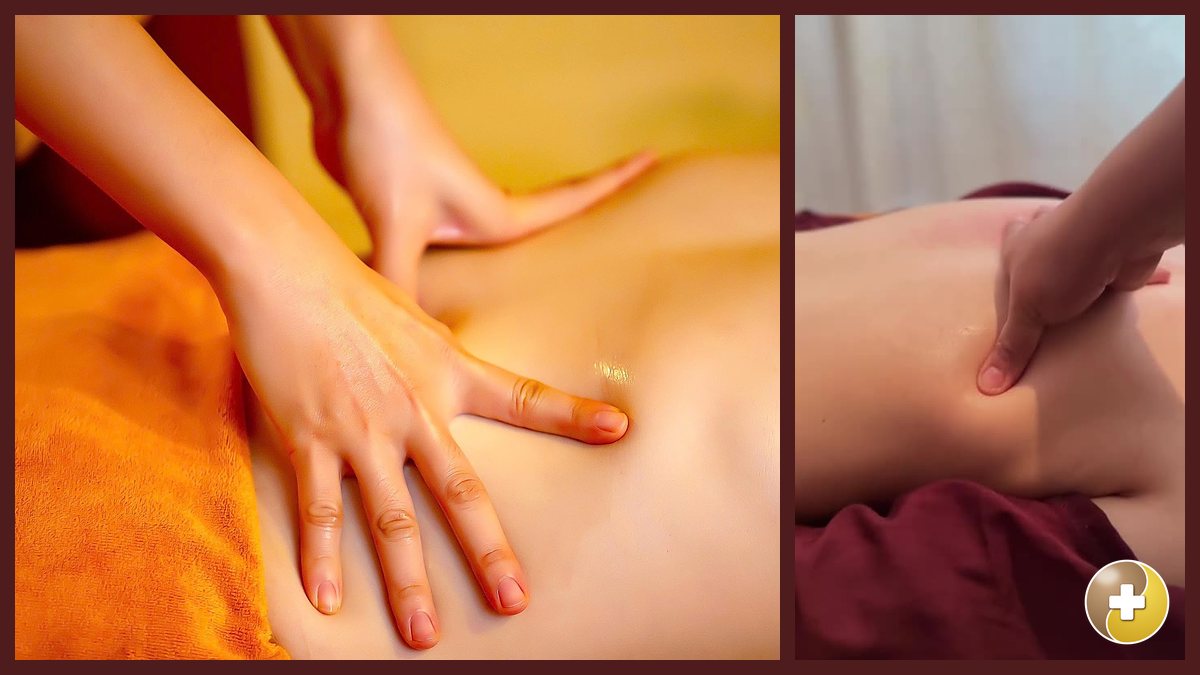
Quick answer: Fatigue after long shifts in a sealed cleanroom suit usually comes from sweat that cannot evaporate inside the suit, hours without drinking, and shoulders and back holding one posture for 12 hours. Sip water in every break, shower warm and open the chest after work. In Ho Chi Minh City, Tong Gia Acupoint Wellness (Huyệt Đạo Tống Gia) works the neck, shoulders and back by hand and offers herbal hair washing.
Want Lương Y Tống Văn Huynh’s team to read your spine and posture in person?
Why a sealed cleanroom suit and a 12-hour shift leave you drained
By mid-November the north-east monsoon is blowing hard through Hsinchu, mornings in Taichung and Tainan turn cool, and around Hwaseong, Pyeongtaek, Icheon, Gumi and Cheongju the temperature drops close to freezing at dawn. In Kumamoto, Mie and Iwate the first cold winds sweep across the factory estates. Yet once you step into the cleanroom of a semiconductor fab or an electronics plant, the weather outside hardly matters. You pull on a one-piece suit that covers you from head to toe, a hood, a face mask, safety glasses, two layers of gloves and boot covers, pass through the air shower and start a shift that often runs 12 hours, alternating day and night weeks. A sip of water or a toilet break means leaving, taking the whole outfit off and gowning up again, so many people simply go without.
At the end of the shift the undershirt is soaked, hair is plastered under the hood, lips are dry, the head buzzes, both shoulders feel as if you have carried a yoke all day and the lower back is stiff. You want to lie down, yet sleep does not come easily. Overseas Vietnamese workers often call this "mỏi người" or "khô người": worn out and dried out.
From a Western physiology point of view, three things add up:
- Heat load inside the suit: the body sheds heat mainly by sweating and letting sweat evaporate from the skin. A cleanroom suit is designed to keep hair, skin flakes and fibres in, so the fabric is dense and breathes little. Even when the room itself is kept cool and stable, the thin layer of air against your skin grows warm and humid. Sweat that cannot evaporate cools very little, so the heart beats faster to push blood to the skin, and you tire quickly even without heavy lifting.
- Mild, prolonged dehydration: you keep losing fluid through sweat without replacing it. Typical signs are a dry mouth, cracked lips, headache, passing little dark urine, aching muscles, cramps and poor concentration late in the shift.
- Static standing with arms held forward: hours in front of a tool, looking down at a screen or through a microscope, lifting wafer carriers to a load port at chest height, pushing carts and walking the bays. The trapezius, levator scapulae and rhomboids hold the arms up, and the spinal erectors in the lower back work non-stop to keep you upright. Muscles held in static contraction get less blood flow and metabolic waste builds up, which you feel as heaviness, ache and stiffness.
The mask adds to it: you rebreathe some warm, moist air, and many people start breathing shallowly, lifting the shoulders with each breath, which tightens the neck even more. Gloves all day, frequent hand washing and alcohol wipes dry out the skin on the hands, and in Korean and Japanese winters the heating in the dormitory makes the air drier still.
This article focuses on heat, a heavy back and shoulders and dry skin in cleanroom work. Feet and heels in safety boots are covered in sore feet from safety boots on long shifts, and the overview for the whole spine after the flight home is our pillar guide spine care after a long-haul flight.
Common causes: the suit, long shifts, skipping water and local weather
- Full hood and mask: the hood seals around the face and covers the neck. Heat from the head, neck and chest has nowhere to go, so many people feel hottest at the nape and upper back, exactly where the shoulder muscles are working.
- Long shifts with little sitting: 12-hour shifts, short breaks, and part of each break lost to de-gowning and re-gowning.
- Not drinking, delaying the toilet: many people drink a lot before the shift and nothing until the break. The body cannot store a large amount taken at once; much of it is passed as urine, so by mid-shift you are short again.
- Raised arms and a bent neck: working on trays, loading carriers, checking screens or keyboards set a little too high or too low. The head drifts forward, shoulders rise, the upper back rounds.
- Standing still on a hard floor: blood pools in the legs and the lower back never gets to relax.
- Rotating night shifts: the body clock is disturbed, daytime sleep is light, muscles recover slowly, eyes are dry. See headache and eye strain on night shifts.
- Cold outside, sweaty inside: stepping out still damp into sub-zero wind in Korea or Japan, or the damp, gusty winter of northern Taiwan, makes the neck and back clench.
- Rushed, salty meals and caffeine: instant noodles, convenience food, coffee and energy drinks to stay awake add to the dried-out feeling.
- A short, packed trip home: Taoyuan or Kaohsiung to Ho Chi Minh City is about 3–4 hours; Incheon or Busan about 5–5.5 hours; Narita, Haneda, Kansai or Chubu about 5.5–6.5 hours, plus a train or connecting flight from Kumamoto or Iwate. Vietnam is 1 hour behind Taiwan and 2 hours behind Korea and Japan, and Saigon in the dry season is hot at midday.
Related articles for factory workers: hand numbness on an assembly line in Taiwan, neck and shoulder pain on factory shifts in Japan, back pain from factory work in Korea and heat fatigue when visiting Vietnam in the dry season.
Other signs to notice
- Dry mouth, cracked lips, little dark urine, headache late in the shift: usually mild dehydration.
- Flushed face, racing heart, dripping sweat, slight dizziness after standing long: the body is struggling with heat.
- Heavy shoulders, stiff neck, ache between the shoulder blades: static load on the trapezius and rhomboids.
- Shallow breathing, frequent sighing, mild chest tightness behind the mask: neck muscles helping you breathe, upper back rounded.
- Stiff lower back when bending, ache into the buttocks: the spinal erectors have worked all shift.
- Night cramps in the calves or hands: tired muscles, too little water, salt lost in sweat.
- Rough, cracked fingertips, itchy skin in winter: gloves, washing, alcohol and heated air.
- Itchy scalp, greasy hair, spots along the hairline: a scalp sweating under a hood; see itchy scalp in a humid climate.
- Light sleep, irritability, sweating at rest or at night, warm palms and soles: in Eastern wellness often linked with the Heart and Kidney, explained below.
When to see a doctor
Most of this fatigue settles with rest, enough water, sleep and stretching. Do not wait, and do not use massage instead of a check-up, if you notice any of the following:
- Chest pain or pressure, shortness of breath, cold sweat, pain spreading to the jaw or left arm: call 115 in Vietnam, 119 in Taiwan, Korea or Japan.
- During or right after a shift: confusion, slurred speech, fainting, seizures, hot red dry skin or repeated vomiting. This can be serious heat illness; call emergency services, move the person somewhere cool and open the suit.
- Fainting when standing, or a fast or irregular heartbeat that does not settle with rest and water.
- Very little or no urine for many hours despite drinking, dark brown urine, or severe muscle pain.
- One calf swollen, painful, warm or red, especially after the flight: a possible deep vein clot. See a doctor straight away and do not have the leg massaged.
- Sudden breathlessness, chest pain on breathing in, coughing blood.
- Back pain spreading down the leg with numbness, weakness, numbness in the groin or bladder changes.
- Shoulder pain running down the arm with numbness, weakness or dropping things.
- A red, blistering or weeping rash on the hands after gloves or contact with chemicals.
- A sudden, severe headache, or headache with fever, stiff neck and vomiting.
Ongoing tiredness, unexplained weight loss, a pale look like anaemia, or constant thirst with frequent urination should be checked at a medical facility alongside any wellness care. Tong Gia does not read X-rays or MRIs and does not make medical plans; if you have results from Taiwan, Korea or Japan, bring them so the technician knows where to work lightly or what to avoid. This is a wellness service, not medical care.
The Y Tướng Học view: sweat and the Heart, skin and the Lung, the back and the Kidney, shoulders and the Liver
Y Tướng Học, Vietnamese face and body reading for wellness, rests on the idea "what is inside shows on the outside". Lương Y Tống Văn Huynh organised this knowledge so technicians read the face and body before touching the spine. For cleanroom workers, four organ systems are usually considered. These are functional ideas from Eastern wellness, not Western disease names.
Heart and sweat. According to Tong Gia's course, sweat is "the fluid of the Heart", formed from blood and body fluids. The Heart governs blood and vessels, houses the mind, shows on the tongue and the face, and corresponds to summer. A long shift sweating inside a sealed suit drains body fluids. Signs listed for a weak Heart qi include palpitations, breathlessness on effort, tiredness, spontaneous sweating and a pale face. A rosy face and deep sleep are good signs; a pale or flushed face, poor sleep and palpitations call for care.
Lung, skin and breath. The Lung governs qi and the skin and body hair, and opens into the nose. The course calls it the "delicate organ", easily affected by cold, heat and dryness; when it is weak you catch colds easily, sweat easily and the skin turns dry. Shallow breathing behind a mask in filtered air, then heated dorm rooms, often shows as dry skin, a dry nose and sighing. People with a long, square face are linked with the Lung and tend to tighten around the D3 vertebra, where the Lung point lies.
Kidney and the lower back. The Kidney governs bones and relates to the lower back and knees; it shows in the ears, hair and lower back. Tiring fast when standing and aching lower back and knees are signs the course links with reduced Kidney function. It also describes a pattern of "not enough cooling water": warm palms and soles, flushes in the afternoon, night sweats, a dry mouth and throat, poor sleep with many dreams. Long-term night-shift workers who drink little often fit this picture.
Liver and the shoulder tendons. The Liver nourishes tendons and ligaments and shows in the eyes, nails and tendons. Dry, tired eyes, irritability, tight shoulders and cramps are its signals. Hours of screens and microscopes, rotating shifts and output pressure keep the shoulders taut like a rope.
The course also notes that very lean people whose bones show more than flesh tend toward dryness, tight tendons and inner heat, and that the bridge of the nose mirrors the spine: a crooked bridge often goes with an uneven spinal axis around L4–L5–S1. This is observation for wellness care, not fortune-telling and not a judgement of anyone's health.
Vertebrae and related nerve reflex areas
Tong Gia's spinal reflex course groups the neck C1–C7 with the head, face, neck and arms; the thoracic spine D1–D12 with circulation, breathing and digestion; and the lumbar spine L1–L5 with digestion, kidneys, urinary and reproductive organs and the legs. Anatomically, the sympathetic nerves that control sweat glands and skin blood vessels leave the spinal cord between T1 and L2, so heat and sweating relate to this whole band of the back.
| Vertebrae | Nerves / function (Western anatomy) | Common in cleanroom work | Organ (Eastern view) | Outer signs (Y Tướng Học) |
|---|---|---|---|---|
| C3–C5 | Cervical plexus; phrenic nerve to the diaphragm; upper trapezius, levator scapulae | Stiff sides of the neck, shoulders lifting to breathe behind the mask | Lung (breath), Liver (tendons) | Furrowed brow, tight neck, frequent sighing |
| C5–C7 to D1 | Brachial plexus to shoulders, arms and hands | Shoulder ache from lifting carriers, tired forearms in gloves | Liver | Uneven shoulders, knotted trapezius, dry nails |
| D1–D4 | Upper thoracic sympathetic ganglia (heart rate, airways); Lung point below D3 | Racing heart in the heat, rounded upper back, burning between the shoulder blades | Lung, Pericardium | Dry skin, dry nose; long square face, check D3 |
| D5–D9 | Intercostal nerves; sympathetic chain to sweat glands of the trunk; Heart point below D5 | Ache along the spine, soaked back, poor sleep after nights | Heart, Liver | Pale or flushed face, red tongue tip, dry eyes |
| D10–L2 | Lower end of sympathetic outflow; Spleen and Stomach points D11–D12, Kidney point below L2 | Hot, damp lower back in the suit, bloating from rushed meals | Spleen–Stomach, Kidney | Pale lips, puffy tongue |
| L3–L5, S1 | Nerve roots to the legs; lumbar erectors holding you upright | Stiff lower back after 12 hours, standing on one leg | Kidney | Crooked nose bridge, cold lower back, thin dull ears |
The table shows areas to read carefully by hand, not a statement of cause.
How Tong Gia helps the shoulders and back regain balance
Every session follows the massage method for balancing the spinal nerve reflex system created by Lương Y Tống Văn Huynh, founder of Tong Gia, with over 13 years in Vietnamese traditional wellness, Y Tướng Học and spinal reflex work. It is a Vietnamese Eastern wellness method, done entirely by hand, and worth trying when you are in Ho Chi Minh City.
- Questions and observation: how long in cleanroom work, day or night shifts, how much you drink per shift, dizziness or palpitations at work, blood pressure, diabetes, pregnancy, any one-sided calf swelling after the flight. Then complexion, lips, tongue tip, ears, nails, nose bridge, shoulder level and stance.
- Reading the spine by hand: skin temperature, the muscle layer, the shape of each vertebra and sensitivity at each point, comparing left with right and top with bottom. For cleanroom workers the focus is usually C5–C7, D1–D5, both sides of the spine and L2–L5. The course's temperature rule applies: where the skin runs hot, work to cool it; where it is cold, to warm it.
- Releasing muscles: trapezius, levator scapulae, rhomboids and the chest muscles at the front so the shoulders can open, then the spinal erectors, quadratus lumborum and glutes. Pressure builds through five levels and you are asked how it feels. Irritated or cracked skin is avoided.
- Acupressure on the right points: the Lung point below D3, Pericardium point below D4, Heart point below D5, Kidney point below L2 and Mệnh môn; Nội quan on the forearm for tension and palpitations, Thần môn at the wrist for sleep, finishing at Bách hội on the crown to clear the head. Each point is held until the skin turns from dry to slightly moist.
- Home care: how to drink during breaks, chest-opening stretches right after de-gowning, rubbing the Kidney points and pressing Thần môn before daytime sleep.
A typical session for someone at the end of a long run of shifts starts at the neck and shoulders, which feel hard and tender; the area between the shoulder blades may feel warmer than around it. As the muscles let go, many people notice deeper breathing, lower shoulders and an evenly warm back. Afterwards some sleep longer and turn the neck more easily the next morning; some feel mildly sore for a day. Everyone responds differently, and Tong Gia makes no promise that pain will be gone after one visit.
Suitable services (reference rate 1 USD ≈ 26,000 VND; payment in VND; full list on our prices page):
- Neck–shoulder / lower back care, 60 min: 550,000 VND (about 21 USD), first visit 399,000 VND (about 15 USD); 90 min: 750,000 VND (about 29 USD).
- Hair wash with neck and shoulder massage, 60 min: 250,000 VND (about 10 USD), for a scalp that sweated under a hood all season.
- Gội đầu trược khí hair wash, 45 min: 150,000 VND (about 6 USD), a shorter option for busy family days.
More on hair washing in our herbal hair wash experience and on back work in back massage in Saigon.
From Tan Son Nhat airport: the District 12 branch lies north of the airport and is usually a fairly short drive, depending on traffic; the Vinhomes Grand Park branch in Thu Duc City is further, especially in the evening rush. You land dried out, so drink water, sleep one night, then book for day two or three. To stop on the way from the airport, see massage near Tan Son Nhat airport.
Want Lương Y Tống Văn Huynh’s team to read your spine and posture in person?
A plan for your trip home and care after each shift
| When | What the body needs | What to do |
|---|---|---|
| Last week before flying | Less built-up fatigue | Avoid extra overtime right before the flight; drink in every break; message us to book |
| Flight day | No extra drying out | Sip water, go easy on alcohol and coffee; walk the aisle, roll shoulders and ankles |
| Arrival day | Rest, adjust to the heat | Warm shower, light meal, early night on Vietnam time; avoid midday sun |
| Days 2–3 | Release shoulders and back | Neck–shoulder or lower back session, 60–90 min |
| Days 4–6 | Relax scalp and nape | Hair wash with neck and shoulder massage, 60 min, or the 45-min wash |
| Weddings, Tet, village visits | Avoid dryness and piled-up fatigue | Alternate water with beer, short naps, chairs with a backrest |
| 2–3 days before flying back | Prepare for the next season of shifts | A gentle back session; see preparing your body before a long flight |
- Drink little and often: a few sips in every break rather than a large amount before the shift; keep sipping afterwards until urine is pale yellow. On heavy-sweat days a drink with a little mineral salt helps. If you have a heart or kidney condition with fluid limits, follow your health worker's advice.
- Open the chest after de-gowning: stand in a doorway, forearms on the frame at shoulder height, step forward and hold 20–30 seconds; then tilt the head to each side for 20 seconds. Take 5–10 slow belly breaths.
- Warm shower, not cold straight away: let the sweat dry for a few minutes, shower warm, dry the nape and hair before going into cold wind or air conditioning.
- Rub the Kidney points, press Thần môn: as Tong Gia's course suggests, warm your palms, place them on both sides of the lower back and rub up and down 50–100 times; before sleeping press Thần môn at the wrist crease for 1–2 minutes each side with slow breathing.
- Skin and sleep: moisturise the hands after gloves; keep a bowl of water or a humidifier in a heated room; after nights, darken the room and sleep in one block.
Book from abroad before you fly
You can book while still in Hsinchu, Hwaseong, Kumamoto or anywhere else. Call, Zalo or WhatsApp +84 888 264 559 (0888 264 559 inside Vietnam) and send three things: your landing date and time at Tan Son Nhat, where you feel it most (nape, shoulders, between the shoulder blades, lower back, scalp) and which branch you prefer. Mention blood pressure, diabetes, pregnancy or irritated skin in advance. You can also book online; tips are in booking a massage in Saigon from abroad.
- District 12 branch: 225 Dương Thị Mười, Phường Tân Chánh Hiệp (Tan Chanh Hiep Ward), Ho Chi Minh City. Open 8:00–19:00 daily.
- District 9 branch: Căn T16-21 khu Manhattan, Vinhomes Grand Park, Phường Long Bình (Long Binh Ward), TP. Thủ Đức (Thu Duc City). Open 9:00–20:00 daily.
Dates before Tet fill quickly, so message early. Real customer reviews are on each branch's Google Maps page. Family in Ho Chi Minh City can also book on your behalf with the same number.
Visit us
- Đông Y Huyệt Đạo Tống Gia Quận 12 (District 12)
225 Dương Thị Mười, Phường Tân Chánh Hiệp, Quận 12, HCMC · 8:00–19:00 daily · 0888 264 559 · Directions on Google Maps - Đông Y Huyệt Đạo Tống Gia Quận 9 (Vinhomes Grand Park, District 9)
Căn T16-21 khu Manhattan, Vinhomes Grand Park, Phường Long Bình, TP. Thủ Đức, HCMC · 9:00–20:00 daily · 0888 264 559 · Directions on Google Maps
Map of our two branches
Want Lương Y Tống Văn Huynh’s team to read your spine and posture in person?
What guests say on Google Maps
“My first visit. The staff were warm and cheerful.” (translated from a Vietnamese review)
— Xuân Hạnh N., Google Maps review · Vinhomes Grand Park branch (District 9) · 10/2026 · See on Google Maps
“First time here and I felt much lighter. I will drop by again when I have time.” (translated from a Vietnamese review)
— Minh L., Google Maps review · Vinhomes Grand Park branch (District 9) · 10/2026 · See on Google Maps
Quoted from public reviews, shortened where marked (…). Experiences vary from person to person; reviews are not a substitute for seeing a doctor when something feels wrong.
Related guides for your trip
- How to describe back pain in Japanese, Korean and Chinese: hospital phrases, warning signs and care in Saigon
- Where is kidney-related back pain felt? A calm guide for young shift workers in Japan, Korea and Taiwan
- Acupressure points for sleep on rotating shifts: which points to press, how to press safely, and sleep habits
FAQ
Is it serious to feel drained after a whole shift in a cleanroom suit? Usually it is heat load inside the sealed suit, mild dehydration from not drinking and static strain on the shoulders and back over 12 hours. It normally eases with rest, regular drinking, sleep and stretching. Confusion, fainting, hot dry skin, chest pain or shortness of breath need emergency help: 115 in Vietnam, 119 in Taiwan, Korea or Japan.
I work in a fab in Hsinchu and end each shift with dry lips and a headache. What should I do? That often points to mild dehydration after hours of sweating in the suit. Sip water in every break instead of drinking a lot before the shift, keep sipping afterwards, eat soup and fruit, and cut back on coffee and energy drinks. If you still pass very little dark urine or the headache is severe, see a doctor.
How long does a stiff neck and shoulders from cleanroom work take to ease? Many people feel lighter after a few days of rest, sleep, stretching and regular neck and shoulder care, but stiffness returns on 12-hour shifts if drinking and posture habits stay the same. Long-term workers and people over 40 may take longer. Pain running down the arm with numbness or weakness, or pain that worsens after a week of rest, should be checked.
Does wearing a mask all shift make breathing harder? Many people breathe more shallowly behind a mask and lift the shoulders to breathe, which feels stuffy and tires the neck. Chest pain or pressure, shortness of breath, cold sweat or pain spreading to the jaw or left arm is different: call emergency services at once and do not wait for the shift to end.
Should I book a back massage or a herbal hair wash when I visit Saigon, and what does it cost? If heavy shoulders and back are the main issue, choose neck–shoulder or lower back care: 60 min 550,000 VND (first visit 399,000 VND) or 90 min 750,000 VND, on day two or three after landing. For a scalp that sweated under a hood, add the 60-min hair wash with neck massage at 250,000 VND or the 45-min wash at 150,000 VND. Payment in VND.
Why do I sweat so much in the suit, from an Eastern wellness view? Tong Gia's course describes sweat as the fluid of the Heart, made from blood and body fluids, while the Lung governs the skin and pores. Sweating all shift uses up fluids, so you may feel dry, tired or jittery. Unusual sweating that lasts, or night sweats with weight loss or evening fever, should be checked at a medical facility.
Author: Lương Y Tống Văn Huynh – founder of Huyệt Đạo Tống Gia, a master of traditional Vietnamese wellness with over 13 years in Eastern wellness care, Y Tướng Học (face reading) and spinal nerve-reflex balancing massage.
Updated: 2026-11-17
Related guides
- Back pain from packing up before moving back to Vietnam: boxes, garage sales, the container and a long flight
- Fatigue from cleanroom suits on long shifts: heat, heavy shoulders and back, dry skin in chip plants
- Parents' back pain after a long flight with young kids: lower back, shoulders and wrists
- How to describe back pain in Japanese, Korean and Chinese: hospital phrases, warning signs and care in Saigon
- Long car rides home during Tet: lower back pain, numb buttocks and heavy legs, and how to care for them
- Back and wrist pain from fruit picking and farm work in Australia: causes and care between seasons
This is a wellness service, not medical care.