
Massage after cosmetic procedures: is it safe, which areas can be worked and which must wait
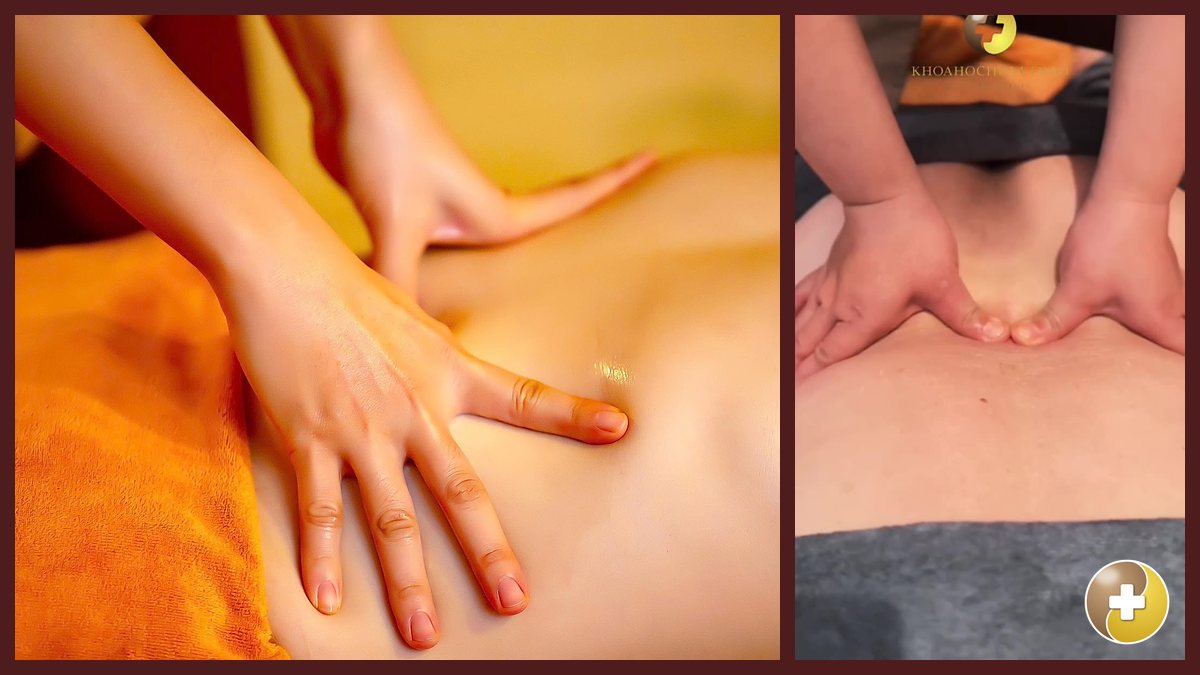
Quick answer: After a cosmetic procedure you can usually still have a massage, but never on the area that was injected, threaded, reshaped, liposuctioned or augmented, and never lying on it; ask your provider how long to wait. Tong Gia Acupoint Wellness in District 12 and Vinhomes Grand Park, Ho Chi Minh City, works only other areas, gently.
Want Lương Y Tống Văn Huynh’s team to read your spine and posture in person?
Massage after cosmetic procedures: is it safe?
Can you get a massage right after a cosmetic procedure? Usually yes, but not on the area that was just done, not lying on that area, and not on any day you like. After fillers, Botox, a thread lift, rhinoplasty, liposuction or breast augmentation, the worked area needs time to settle. How long you should wait before it is touched, before you can lie face down, and which other areas may be massaged are questions for the provider who did your procedure, because every technique and every body has its own waiting time. What a safe wellness session can do is look after the parts of you that are tired: feet, calves, hands, shoulders, with light pressure and in a position that puts no weight on the fresh area.
From a Western anatomy point of view, each procedure works on a different layer of tissue, so the reason to leave it alone differs too:
- Dermal fillers: usually hyaluronic acid, placed under the skin or close to the bone to add volume to cheeks, chin, lips or the folds beside the nose. In the first days the product is still settling; rubbing, firm pressure or lying on it can shift it and add swelling or bruising.
- Botox: a small dose of botulinum toxin injected into a muscle so it relaxes and lines soften on the forehead, around the eyes or at the jaw. Providers usually ask you not to rub or press the injected area at first, because the product can spread to nearby muscles.
- Thread lift: dissolvable threads are passed under the skin of the face, neck or temples to lift tissue. The tissue needs time to grip the threads; wide mouth opening, rubbing and sleeping on your side are commonly on the avoid list.
- Rhinoplasty: cartilage or an implant shapes the bridge or tip of the nose. The nose, cheeks and eye area are often swollen and bruised for days, and the nose must not be knocked, pressed or placed face down.
- Liposuction: fat is removed through small openings on the belly, waist, thighs, arms or back. The area is often swollen, bruised and numb, a compression garment is worn, and many providers run their own post-procedure massage plan, which they prescribe and supervise.
- Breast augmentation: an implant sits under the breast tissue or the chest muscle, placed through a cut under the breast, around the areola or in the armpit. Early on you are usually told not to lie face down, not to raise your arms high and not to lift heavy things.
The people asking are often Vietnamese living abroad, in San Jose, Houston, Sydney, Melbourne, Toronto, Paris or Berlin, and long-haul visitors who combine a family visit or a holiday in Ho Chi Minh City with a cosmetic procedure. From North America the trip almost always involves a connection and can take close to a full day; from Sydney or Melbourne there are direct flights of about 8–9 hours; from Paris or Frankfurt about 12–13 hours. From November to Tet, Saigon is in its dry season, sunny and around 32–34°C. You land stiff in the neck, heavy in the legs and sleeping at the wrong hours, and relatives suggest a massage. The worry is obvious: is that okay with a freshly done face or chest?
This article is part of the Tong Gia Acupoint Wellness (Huyệt Đạo Tống Gia) programme for overseas Vietnamese and long-haul travellers. For neck and back care after hours in a plane seat, start with our core guide, spine care after a long-haul flight. If this is your first massage in Vietnam, also read your first massage in Vietnam: what to know.
Why you feel worn out after a cosmetic trip
The fresh area is rarely the part that aches. The tiredness sits elsewhere, built up over the whole trip:
- The long flight before it: hours folded in a seat tighten the lower back, hips and calves and leave the ankles a little puffy; dozing with the head dropped stiffens the neck. See swollen legs after a long flight.
- Sleeping on your back with the head raised: after facial work or rhinoplasty you are often told to sleep face up and propped. A few nights of that and the back of the neck is stiff and the head feels heavy in the morning.
- Not lifting your arms or turning: after breast augmentation people guard their shoulders, keep their arms close and sleep upright; the shoulders and the muscles between the shoulder blades lock up.
- Compression garments and little walking: after liposuction, tight garments and moving less leave the lower back sore and the legs heavy.
- A short, packed trip: the procedure, follow-up visits, relatives, family meals and shopping squeezed into two or three weeks.
- Heat and jet lag: sweating, drinking too little, long hours in air conditioning and shallow sleep. Jet lag and sleep after flying to Vietnam explains how to reset.
- Waiting for the result: checking the mirror, worrying about swelling; a busy mind keeps the shoulders tense and sleep light.
Signs to note and areas to avoid for each procedure
The table shows which areas are off limits, which positions to avoid, and which areas can be looked after once your provider agrees. These are Tong Gia's general safety rules; your provider's instructions always come first.
| Recent procedure | Not worked | Positions to avoid | Can be worked gently |
|---|---|---|---|
| Facial fillers, Botox | The injected area and around it; no face rubbing, no temple pressure | Face down in the face cradle | Feet, calves, arms, hands; shoulders seated or lying face up |
| Face or neck thread lift | Face, neck, temples, thread lines | Face down, lying on the face, tipping the head far back | Feet, calves, hands |
| Rhinoplasty | Nose, cheeks, around the eyes | Face down, anything pressing the nose | Feet, calves, arms; shoulders seated |
| Liposuction of belly, waist, thighs | The whole liposuctioned zone and the entry points | Face down on the belly; lying on the fresh thigh or waist | Neck and shoulders seated, arms, feet if the legs were not done |
| Breast augmentation | Chest, armpits, under-breast fold, incision lines | Face down; arms overhead; strong shoulder stretches | Feet, calves; light neck work seated if the provider agrees |
Beyond the fresh area, travellers having cosmetic work often notice mild swelling, bruising or numb skin at the site, which fades day by day and is for the provider to follow, not for massage; a stiff neck after nights propped on pillows; tired shoulders from guarding and pulling suitcases; heavy legs and slightly puffy ankles after the flight; and light, broken sleep.
When to see a doctor or go back to your provider
Any of the following means no massage: go back to the provider who did the procedure or see a doctor at a medical facility straight away.
- The area becomes red, hot and more painful instead of less, or comes with fever or chills.
- A wound, entry point or needle mark oozes, discharges pus or opens, or redness spreads.
- After fillers: skin that turns white, blue or blotchy, severe pain, or blurred vision or eye pain: go to emergency care now, without rubbing or applying heat.
- After Botox: a drooping eyelid, double vision, trouble swallowing or speaking; if breathing is hard, call 115 (Vietnam's ambulance number).
- After breast augmentation: one breast swelling fast, tight and bruising, with clearly rising pain.
- After rhinoplasty: heavy nosebleeds, a red hot nose, an obvious shift, or the skin on the bridge changing colour.
- One calf swollen, warm, red and painful, especially after liposuction or breast surgery under anaesthesia and a long flight: think of deep vein thrombosis, get checked at once and never massage that leg.
- Sudden breathlessness, chest pain, coughing blood, a racing heart or fainting, or crushing chest pain with shortness of breath and cold sweats: call 115 at once.
- Unusual bruising, bleeding gums or nosebleeds while taking blood thinners.
When booking, tell reception what was done, where and when, what your provider told you to avoid and for how long, whether you still have dressings, stitches or a compression garment, whether you take blood thinners or antibiotics, and whether you are pregnant. Tong Gia practitioners go through these points again before touching you and stop if a warning sign is present. Tong Gia does not comment on cosmetic results or on where you had them done, does not read X-rays, MRI scans or procedure notes, and does not make medical plans; when each area may be massaged is decided by your provider.
This is a wellness service, not medical care.
The Y Tướng Học view: Heart, Lung, Liver, Spleen and beauty from within
Cosmetic work belongs to the cosmetic provider. Eastern wellness reads skin and complexion differently: outer beauty reflects inner balance. Y Tướng Học (face reading for wellness) says "the signs show outside, the organs lie inside" and "the organs are the cause, the signs are the effect"; a fresh, glowing complexion means the inside is full and balanced. In the Tong Gia curriculum four organ systems come up when talking about skin and complexion:
- The Heart (Tâm) shows on the face: in Eastern wellness the Heart is a functional system tied to blood, vessels, mind, sleep, tongue, complexion and sweat. In balance, the face is rosy, sleep deep and the mind clear; signals worth caring for are a pale or flushed face, poor sleep and palpitations.
- The Lung (Phế) governs skin and body hair: the curriculum says the Lung nourishes the skin and holds the protective qi; when it is weak the skin is dry, you sweat easily and the complexion is pale.
- The Liver (Can) stores blood: it nourishes tendons, eyes and nails. The curriculum links Liver blood stagnation with dark patches (especially on the cheekbones), a dull complexion and dark lips, while also stating plainly that dark skin can come from sun, age, hormones, poor sleep or diet and does not mean the liver is in trouble.
- The Spleen (Tỳ) governs flesh and shows on the lips: it turns food into qi and blood that feed the muscles; rosy lips, good appetite and firm muscles are good signs, pale lips and heavy limbs are signals.
One honest point: when the shape of the nose, chin or cheeks has just changed, practitioners do not read those features and do not comment on them. Lương Y (traditional healer) Tống Văn Huynh, founder of Tong Gia, organised Y Tướng Học so practitioners look at other signs: skin tone on the neck and hands, lip and nail colour, the ears, the area under the eyes, how you sit and breathe. These guide whether to work lighter or deeper and where to warm. It is the functional language of Eastern wellness, not a medical finding, and it never replaces follow-up with your provider.
Spine segments and nerve-reflex zones involved
Tong Gia's spinal nerve-reflex balancing curriculum describes 7 cervical, 12 thoracic (D1–D12) and 5 lumbar (L1–L5) vertebrae, plus sacrum and coccyx; each segment sends out nerve roots linked to an area of skin, muscle and a group of functions. A useful anatomy fact: facial skin is supplied by cranial nerve V and facial muscles by cranial nerve VII, not by the cervical spinal cord. Working the neck therefore does not mean touching the face, and a face that has just had work done is simply left alone. The skin and muscles of the chest, abdomen and thighs, areas often involved in breast or liposuction work, are supplied by thoracic and lumbar roots, which is why the practitioner asks exactly where you had work done before choosing which part of the back to work.
| Segment | Nerves / function (Western anatomy) | Common after cosmetic work and flights | Organ system | Outer signs (Y Tướng Học) |
|---|---|---|---|---|
| C1–C4 | Cervical plexus; lesser occipital and great auricular nerves (C2–C3) for skin behind the ear and at the jaw angle; suboccipital and neck muscles | Stiff neck, heavy back of the head after nights propped face up | Liver (sinews), Kidney–Bladder | Dry tired eyes, tight shoulders, frown lines |
| C5–D1 | Brachial plexus for shoulder, arm and hand; cervical sympathetic chain fed from D1–D2, controlling blood flow and sweat of the head and face | Tired shoulders and arms from not raising them, pulling luggage; face flushing and sweating in the sun | Liver, Heart | Uneven shoulders, face reddening in heat |
| D3–D5 | Thoracic roots D2–D6 to chest skin and muscles (D4 at nipple level); Phế du (BL13) at D3, Quyết âm du (BL14) at D4, Tâm du (BL15) at D5 | Tight upper back from sleeping face up and compression bras; shallow breathing, palpitations, light sleep while waiting for results | Lung (skin), Heart (complexion) | Dry skin, pale or dull complexion, shallow breathing, frequent sighs |
| D9–D12 | Thoracic roots D7–D12 to abdominal skin and muscles (D10 at the navel); Can du (BL18) at D9, Tỳ du (BL20) at D11 | Tight heavy belly, poor appetite, bloating from lying a lot; sore mid back | Liver (stores blood), Spleen (flesh) | Pale or dark lips, dark patches on the cheekbones, soft flesh |
| L1–L3 | Lumbar roots: ilioinguinal (L1), lateral femoral cutaneous and femoral nerves (L2–L4) to the front and outer thigh; Thận du (BL23) at L2 | Sore lower back from lying face up and compression garments; heavy thighs after the flight | Kidney (bones, lower back and knees) | Cold lower back, thin ears, dark circles |
The table only points to related zones to guide care, never to label an illness. Numb skin after liposuction or tightness after breast augmentation are for your provider to follow; Tong Gia only works with tired muscles elsewhere in the body.
The Tong Gia method: other areas, the right position, light pressure
The method was built by Lương Y Tống Văn Huynh over more than 13 years of Vietnamese Eastern wellness, Y Tướng Học and spinal nerve-reflex balancing. The curriculum rests on three "no"s: no chemicals or herbs injected or swallowed, no needles, no rough force. For someone after a cosmetic procedure, a session runs like this:
- Safety check: what was done, where, when; whether your provider has cleared other areas for massage, which positions and how long to avoid heat; dressings, stitches, drains, compression garments; blood thinners; pregnancy; high blood pressure, diabetes or heart conditions. The curriculum requires asking about recent abdominal surgery, clotting problems and pregnancy before working. Any warning sign above ends the session here.
- Y Tướng Học observation: skin tone on the neck and hands, lips, nails, ears, posture and breathing, never the fresh area.
- A safe position: after face or nose work, no face cradle, you sit in a reclining chair or lie face up with the head raised. After breast augmentation, no lying face down; you sit supported or lie face up with pillows. After belly liposuction, nothing presses on the belly. The fresh area is covered with a towel and left alone.
- Reading the spine by hand where allowed: gentle contact, strokes and light pressure to feel skin temperature and muscle tone and compare both sides.
- Light muscle release elsewhere: feet, calves, arms and hands; shoulders while seated if the face and neck were not done. The curriculum says people on blood thinners bruise easily, so only light pressure is used and bruises are avoided. No herbal steam and no hot compresses while your provider says to avoid heat.
- Acupressure on the right points, moderate pressure: on the legs Túc tam lý (ST36), Thái khê (KI3) and Dũng tuyền on the sole; on the back, when the position allows, Phế du, Tâm du and Tỳ du. No pressure points on a freshly done face, neck, chest or belly.
- Self-care guidance: how to arrange pillows when you must sleep face up, how to release the shoulders, a few points to press on the feet and hands, and a reminder to keep to your provider's instructions.
What a typical session looks like: guests usually message ahead with the procedure, the date and the provider's instructions. At the branch, the practitioner repeats the safety questions, seats you in a reclining chair or lays you face up with the head raised, and covers the fresh area with a towel. The session starts with the feet and calves, where the flight left its heaviness, moves to the hands and arms and, if allowed, the shoulders while you sit. The face is left alone throughout. At the end you sit up slowly and drink warm water before standing.
Three services that suit you after a cosmetic procedure (prices in VND; approximate conversions at reference rates USD ≈ 26,000₫, AUD ≈ 17,000₫, CAD ≈ 19,000₫, EUR ≈ 30,000₫, payment in VND; see prices):
- Heavy, tired legs care, 60 min: 500,000₫ (about USD 19, AUD 29, CAD 26 or EUR 17). Good after face, nose or breast work: you lie face up or sit, and only feet and calves are worked. Not for you if the thighs or calves were just liposuctioned.
- Eastern-style massage, 60 min: 450,000₫ (about USD 17, AUD 26, CAD 24 or EUR 15). Light work on the areas allowed, skipping the fresh one; good when you are drained from the flight and jet-lagged.
- Neck and shoulder care, 60 min: 550,000₫, first visit 399,000₫ (about USD 21, AUD 32, CAD 29 or EUR 18; first visit about USD 15, AUD 23, CAD 21 or EUR 13). Done seated, good for a neck stiff from nights propped up; only when the face, neck and chest were not done or your provider has agreed.
Getting there from the airport: the District 12 branch at 225 Dương Thị Mười, Phường Tân Chánh Hiệp (Tan Chanh Hiep ward, District 12) is on the same northern side of the city as Tân Sơn Nhất airport, a fairly short drive depending on traffic. The Vinhomes Grand Park branch at Căn T16-21 khu Manhattan, Phường Long Bình, TP. Thủ Đức (unit T16-21, Manhattan area, Long Binh ward, Thu Duc City) is further and takes longer by car, especially at rush hour; it suits families staying in Thu Duc or the east. After face or nose work, travel by car rather than motorbike, away from dust, strong sun and helmets pressing on the face.
What you will feel: the feet and calves warm up and the post-flight heaviness eases; at a few tight points you feel a light, pleasant ache the curriculum calls a "sensation wave", an even rhythm that lets muscles contract and release so the body adjusts itself. Many people doze off in the second half, rare after nights stuck in one position. Afterwards legs usually feel lighter, shoulders less guarded and sleep comes more easily; how much depends on the person. Tong Gia does not promise less swelling and does nothing for the cosmetic result. If you are used to strong massage abroad, read is strong massage better; after a cosmetic procedure, light is the safe choice.
Want Lương Y Tống Văn Huynh’s team to read your spine and posture in person?
A suggested plan for the trip, plus self-care
A suggested plan for a 2–4 week trip that includes a cosmetic procedure. Anything that touches the fresh area follows your provider's instructions first. If you want one full, relaxed session, the easy way is to book it before the procedure day.
| When | What to do | Notes |
|---|---|---|
| Before booking flights | Ask your provider how soon you may fly long-haul, when other areas may be massaged, which positions to avoid | Leave a few days in Ho Chi Minh City after the procedure for follow-up visits |
| Landing day | Rest, drink water, warm shower, early night on Vietnam time | No massage yet; raise your legs if ankles are puffy |
| Day 2–3, before the procedure | An Eastern-style massage or legs care to shake off the flight | Tell reception your procedure date |
| Procedure day and rest days | Follow instructions on sleeping position, cold packs, wound care | No massage, no steam, no hot baths |
| Once your provider agrees | Legs care or seated neck and shoulder work, light pressure, fresh area left alone | Repeat the date, instructions and any blood thinners |
| 1–2 days before flying out | A light session for legs and shoulders; sleep and drink enough | Ask your provider about the flight home and moving around on board |
- Keep to your provider's instructions: sleeping position, compression garments, avoiding heat and knocks matter more than anything else on the trip.
- Arrange pillows well when sleeping face up: a thin one under the neck and one under the knees ease the lower back.
- Release the shoulders: a few times a day breathe in slowly, lift the shoulders and drop them; no arms overhead after breast work.
- Walk a little and drink steadily: stand up and take a few steps about every hour; on the plane choose an aisle seat and flex your ankles.
- Stay out of strong sun: cover the fresh area as advised; set air conditioning around 26–27°C with no airflow straight on the face.
- Press gently: rub Dũng tuyền on the sole and Túc tam lý below the knee for 1–2 minutes each before bed; never rub the fresh area yourself.
Pregnant and planning a massage on the same trip? Read massage during pregnancy on a trip home first.
Booking from abroad before you fly
- District 12: 225 Dương Thị Mười, Phường Tân Chánh Hiệp (Tan Chanh Hiep ward, District 12), 8:00–19:00 daily.
- Vinhomes Grand Park: Căn T16-21 khu Manhattan, Phường Long Bình, TP. Thủ Đức (unit T16-21, Manhattan area, Long Binh ward, Thu Duc City, formerly District 9), 9:00–20:00 daily.
You can book from San Jose, Houston, Sydney, Melbourne, Toronto or Paris before you travel: WhatsApp or Zalo +84 888 264 559 (0888 264 559 in Vietnam), or use online booking. Send your landing date and time, the planned or recent procedure date, what was done and where, your provider's instructions, whether you take blood thinners, where you ache (neck, shoulders, back, legs) and your preferred branch. Reception notes it all so the practitioner can prepare the position and areas in advance. More on this in booking a massage in Saigon from abroad.
Visit us
- Đông Y Huyệt Đạo Tống Gia Quận 12 (District 12)
225 Dương Thị Mười, Phường Tân Chánh Hiệp, Quận 12, HCMC · 8:00–19:00 daily · 0888 264 559 · Directions on Google Maps - Đông Y Huyệt Đạo Tống Gia Quận 9 (Vinhomes Grand Park, District 9)
Căn T16-21 khu Manhattan, Vinhomes Grand Park, Phường Long Bình, TP. Thủ Đức, HCMC · 9:00–20:00 daily · 0888 264 559 · Directions on Google Maps
Map of our two branches
Want Lương Y Tống Văn Huynh’s team to read your spine and posture in person?
What guests say on Google Maps
“The staff advise warmly, help out and serve guests wholeheartedly.” (translated from a Vietnamese review)
— Bảo Ngân N., Google Maps review · Vinhomes Grand Park branch (District 9) · 2024 · See on Google Maps
“I really love the space, and the ladies here are very skilled.” (translated from a Vietnamese review)
— Tâm Đ., Google Maps review · Vinhomes Grand Park branch (District 9) · 2025 · See on Google Maps
Quoted from public reviews, shortened where marked (…). Experiences vary from person to person; reviews are not a substitute for seeing a doctor when something feels wrong.
Related guides for your trip
FAQ
Can I get a massage after a cosmetic procedure in Vietnam? Usually yes, as long as the fresh area is left alone and you do not lie on it. How long to wait and which areas are fine is for your provider to say. Tong Gia works only feet, calves, arms and shoulders with light pressure, after safety questions.
How long after fillers or Botox can I have a facial massage? Your injector sets the waiting time, and it varies. Tong Gia does not massage a freshly injected face, does not press the temples and does not put you face down in a face cradle. Meanwhile, if your provider agrees, legs care or seated shoulder work is still possible.
Can I lie face down for a back massage after breast augmentation? No. After breast augmentation you are usually told not to lie face down or raise your arms high. At Tong Gia you sit supported or lie face up with pillows, and only feet, calves and, if your provider agrees, the neck are worked. Chest, armpits and incisions are left alone.
Should I get a massage to reduce swelling after liposuction? Massage of the liposuctioned area is prescribed and supervised by your provider; Tong Gia does not work that area or put you face down on your belly. Rising redness, heat, pain, fever or one painful swollen calf means going back to your provider or seeing a doctor at once.
I flew in from Sydney for a thread lift and nose job. Can I have a head spa? Ask your provider first, because a hair wash means lying face up with water and towels around the face. If allowed, only the scalp is worked lightly, with no temple pressure, nothing on the face or nose, and no water splashing the face. With dressings or stitches, legs care is the safer pick.
What should I tell Tong Gia when booking from Houston after cosmetic surgery? Message +84 888 264 559 on WhatsApp or Zalo with your landing time, procedure date, what was done and where, your provider's instructions, any blood thinners, where you ache and your branch (District 12 or Vinhomes Grand Park). Reception notes it so the practitioner picks a safe position.
Author: Lương Y Tống Văn Huynh – founder of Huyệt Đạo Tống Gia, a master of traditional Vietnamese wellness with over 13 years in Eastern wellness care, Y Tướng Học (face reading) and spinal nerve-reflex balancing massage.
Updated: 2026-11-17
Related guides
- Should you get a massage with a cold or fever? When to postpone and when a gentle session is fine
- Can you get a massage during your period? Which areas are fine and which to skip on a trip to Vietnam
- Booking a massage for a group during Tet: how to plan sessions for family, relatives and friends in Saigon
- Booking a massage together as a couple in Ho Chi Minh City: same time slot, a different focus for each person
- Vietnamese cupping vs cupping abroad: the marks, who should skip it, and how a Tong Gia session works
- Health check in Vietnam, then a massage: how to plan the week if you fly in from the US, Australia or Canada
This is a wellness service, not medical care.