
Can you get a massage with sensitive skin or an essential oil allergy? What to say and how to test safely
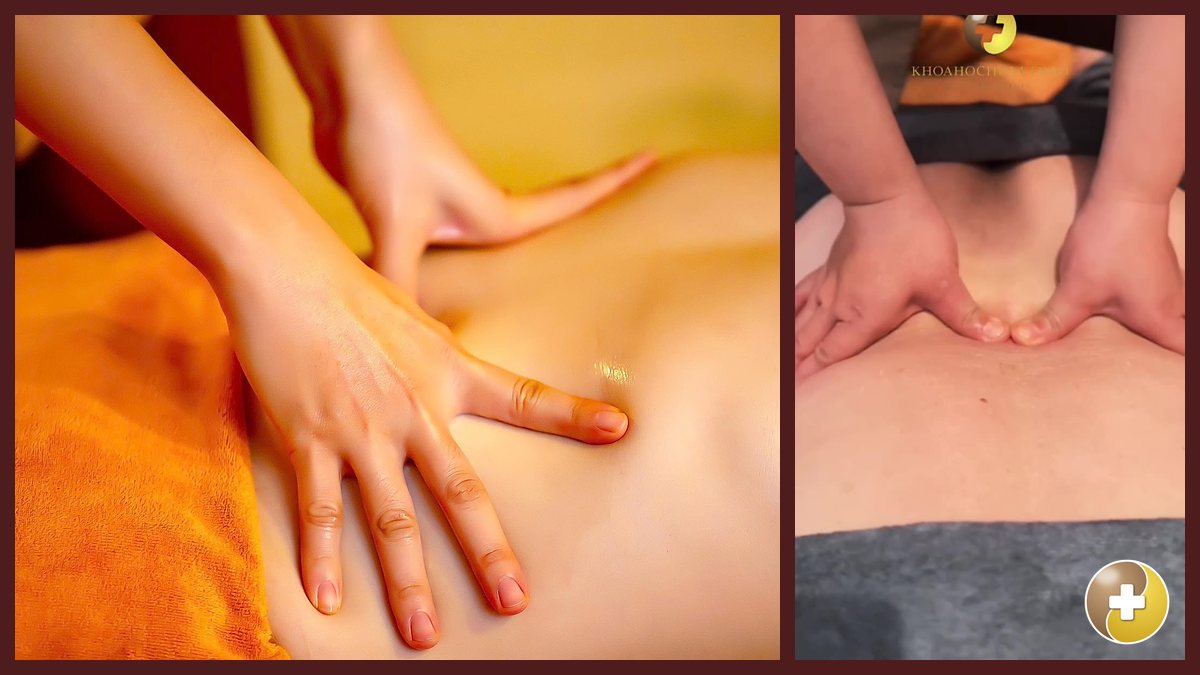
Quick answer: Usually yes: say what you react to, ask reception which oil or cream is used, test a small patch of skin and speak up if it stings or itches. Wait if a rash is active. Tong Gia Acupoint Wellness (Huyệt Đạo Tống Gia) in District 12 and Vinhomes Grand Park, Ho Chi Minh City, plans around what you say.
Want Lương Y Tống Văn Huynh’s team to read your spine and posture in person?
Can you get a massage with sensitive skin or an essential oil allergy?
By November, homes in Toronto, Chicago and Berlin run the heating all day, the air outside is cold and dry, and many people have been living in heavy moisturiser for weeks. Then comes a long-haul flight of fifteen hours or more, often with a connection in Taipei, Tokyo, Seoul or Doha, and you step out at Tân Sơn Nhất airport into thick tropical heat. Family suggests a massage to ease the back after the trip, and if your skin is the reactive kind, the first thing you want to know is simple: will the oil set off a rash?
The straight answer from Tong Gia Acupoint Wellness is: usually you can, but plan it. Tell reception what you have reacted to before. Ask which oil, cream or shampoo is used for the service you choose. Ask to test a little on a small patch of skin first, and say so immediately if you feel stinging, itching or heat. If a rash is active, blistering or weeping, wait until the skin settles. This page does not list the ingredients of the oils Tong Gia uses: ingredients, whether a service can be done with very little oil or none, and whether it can be done over a towel are questions for reception when you book, because the answer depends on the service and the products in use at the time.
In Western medical terms, "sensitive skin" is a broad label for skin that stings, burns or flushes easily with products, weather or friction, usually because the outer barrier layer is weaker, letting water escape and substances in. An "essential oil allergy" usually means one of two contact reactions. Irritant contact dermatitis is direct damage to the skin surface; anyone can get it from a strong or long application, and it tends to sting quickly. Allergic contact dermatitis happens when the immune system has learned to recognise a substance; on the next exposure it reacts, typically one to three days later, with a red, itchy rash and sometimes small blisters exactly where the product was applied. Less often there are hives within minutes, and rarely a whole-body reaction (anaphylaxis) that is an emergency. Knowing which pattern you have tells you how to test and how long to watch. If your back is still stiff after the flight, see our pillar guide on spine care after a long-haul flight.
Why skin reacts more easily on a trip to Vietnam
Plenty of people use massage oil at home in Houston or Melbourne without trouble, then break out a few days into a visit to Saigon. It is rarely one single thing:
- Winter-dry skin: cold outdoor air and indoor heating strip water from the outer layer, so the barrier is already thin before you fly.
- Very dry cabin air for many hours, plus scented wipes, hand sanitiser and testers at duty-free counters.
- A sudden switch to heat and humidity: more sweat, more friction from clothes, backpack straps and seat belts on long drives to the provinces.
- Many new products at once: hotel shampoo and shower gel, a relative's laundry powder, sunscreen bought locally, then massage oil, balms and medicated oils. When a rash appears, it is hard to tell which one caused it.
- Fragrances and essential oils: many products use them for scent; some essential oils, especially once old and oxidised, are known triggers of contact dermatitis in sensitive people, and some citrus oils can make skin more sensitive to sun.
- Tropical sun: oiled skin in strong sun, or skin already lightly burnt after a few beach days, stings more easily; our page on massage with sunburn covers this.
- Jet lag, short sleep and stress: many people notice more itch when tired and tense.
- A background tendency: eczema, hay fever, asthma, recurrent hives, or past reactions to perfume or cosmetics.
Signs that often come with it
Before and after a session, note the time and the area if you notice:
- Stinging, burning or heat right after a product goes on: usually irritation. Ask the practitioner to wipe it off and stop using it.
- A red, itchy rash exactly where oil was applied, appearing one to three days later, sometimes with tiny blisters: suggests allergic contact dermatitis.
- Raised, itchy welts that spread quickly: hives. Watch closely and use the list below.
- Sneezing, blocked nose, watery eyes around scented oils, incense or steam: common with hay fever.
- Dry, flaky, tight skin on the face, forearms and shins after the flight.
- An itchy scalp or flakes after changing shampoo; see itchy scalp in a humid climate.
- Neck, shoulder and back stiffness, poor sleep from the trip: usually the reason you wanted a massage.
Mild, local reactions usually calm once the product is washed off and the skin is left alone. If they spread, worsen or come with the signs below, get checked instead of booking a massage.
When to see a doctor
Call 115 (Vietnam's ambulance number) or go to an emergency department straight away if there is:
- A whole-body reaction: difficulty breathing, wheezing, swelling of the lips, tongue or throat, sudden hoarseness, dizziness or fainting, hives spreading over the body within a short time, vomiting or stomach pain with a rash. Call 115. If you have been prescribed an adrenaline auto-injector, use it as you were instructed and still call for help.
- Chest pain or tightness, shortness of breath, cold sweats, pain spreading to the left arm, shoulder or jaw: call 115.
- After a long flight, one calf swollen, warm, red and painful, or sudden breathlessness and chest pain on a deep breath: this may be a blood clot. Go to an emergency room or call 115, and no leg massage.
See a doctor soon, rather than booking a massage, for a rash that spreads widely, blisters, weeps or crusts; marked swelling of the face or eyelids; signs of skin infection such as increasing pain, warmth, pus, red streaks or fever; itching or rash lasting several days after stopping every suspect product; or a flare of eczema, psoriasis or chronic hives. If you want to know exactly what you react to, a dermatology service can arrange patch testing.
This is a wellness service, not medical care. Tong Gia does not manage allergic reactions, does not apply products to damaged skin, does not read X-rays or MRI scans, does not draw up plans in place of medical care, and never suggests stopping anything you have been prescribed. If the practitioner sees the skin reacting during a session, the session stops; with warning signs, you will be advised to see a doctor.
The Y Tướng Học view: the Lungs govern the skin
Y Tướng Học, the Vietnamese art of reading the body, starts from one idea: "the signs are outside, the organs are inside". Lương Y Tống Văn Huynh, founder of Tong Gia, organised this knowledge so practitioners observe before they touch. To be clear: an oil allergy is an immune reaction of the skin to a specific substance, and Y Tướng Học does not replace finding that substance. It only helps explain why some people's skin is easily upset by weather and which areas to care for. According to the Tong Gia curriculum:
- The Lungs (Phế) govern skin and body hair: they "nourish the skin and hair and hold the protective qi". When weak, a person "catches colds easily, sweats easily, has dry skin". Under-strength Lung qi shows as uneven pores and easy colds or allergic rhinitis. The "Đồng" face type (pure Metal, linked to the Lungs) tends toward dryness, with dry, cracked skin and tightness around the third thoracic vertebra. The curriculum's advice for Lung yin fits winter skin and long flights well: drink enough water, avoid dry air, go easy on hot, spicy food.
- The Liver and "wind": the "Phong" face type (broad forehead, flat cheekbones, wide jaw) is linked with wind and the Liver, with problems that move and change quickly, including "weather allergies". In Western terms the liver handles metabolism and detoxification, and the curriculum lists itching and hives among signs of reduced function, but it also warns against assuming a "hot liver" from a rash: skin problems have many causes, "the liver is only one factor".
- Flesh signs: healthy skin in the Nhục Đới Hương type is clean, smooth, with fine pores and a bright tone; when out of balance, with damp heat, the curriculum describes oily sweat, itchy rashes, spots and eczema-like skin.
These are observation cues from the school's teaching, used to decide where to work and how much pressure to use, never to tell a guest they "have a disease".
Spine segments and nerve-reflex zones involved
The Tong Gia curriculum on balancing the spinal nerve-reflex system counts 33 vertebrae: neck C1–C7 (head, face, neck, arms), thoracic D1–D12 (circulation, breathing, digestion), lumbar L1–L5 (digestion, kidneys, urinary tract, legs) and sacrum–coccyx. Anatomically, the sympathetic fibres controlling sweat glands and skin blood vessels leave the spinal cord in the thoracic and upper lumbar region, which is why skin temperature over each back segment says something about that zone. The curriculum names skin temperature as the first of four things the hands must read. The table guides care only; it does not name any disease.
| Vertebrae | Nerves / function (anatomy) | Common in sensitive-skin travellers | Organ (Eastern view) | Visible sign (Y Tướng Học) |
|---|---|---|---|---|
| C1–C3, base of skull | Upper cervical roots; scalp sensation, small muscles holding the head | Itchy scalp after a new shampoo, tight neck after flying | Liver, Kidneys | Tense nape, frowning brows |
| C7–D1 | Lower neck and upper thoracic roots; shoulders, upper back | Sneezing around scented oil or steam; tired shoulders | Lungs (open into the nose) | Reddish nose, nasal voice |
| D3 (Lung shu zone) | T3 nerve; upper back, breathing; sympathetic supply to sweat and skin vessels | Dry, tight, flaky skin after winter and the flight | Lungs (govern skin) | Đồng face, dry cracked skin, stiff D3 |
| D5 (Heart shu zone) | T5 nerve; between the shoulder blades | More itch with stress, short sleep, jet lag | Heart | Flushed or pale face, restlessness |
| D9–D10 (Liver and Gallbladder shu) | Mid-thoracic nerves; liver and bile area | Itchy rashes in waves, irritability, light sleep | Liver | Phong face, pain that moves |
| D11–D12 (Spleen and Stomach shu) | Lower thoracic nerves; stomach, digestion | Rich holiday food, bloating, oily sweat | Spleen, Stomach | Oily sweat, itchy skin |
The Tong Gia method for sensitive, reactive skin
This is a Vietnamese Đông y (traditional Eastern) wellness method built by Lương Y Tống Văn Huynh over more than 13 years in wellness care, Y Tướng Học and balancing the spinal nerve-reflex system. For sensitive skin the goal is to loosen muscles and sleep better after the trip, without upsetting the skin. A session runs like this:
- Questions and screening: what you have reacted to (essential oils, fragrance, cosmetics, latex, metals), how, and when; anything prescribed for your skin; asthma, hay fever or a past whole-body reaction. With warning signs, the session does not go ahead.
- Products and a patch test: ask which oil, cream or shampoo the service uses and, if you get a product name, check it against your own list. Ask to try a little on a small patch first and wait a few minutes. A few minutes only catches quick irritation; allergic contact dermatitis can appear one to three days later, so if you have reacted badly before, ask for product names early. For little or no oil, or work over a towel, ask reception what the service allows.
- Observation: skin tone, dryness, any red or flaking patches, breathing and posture, to decide what to avoid and what to prioritise.
- Reading the spine by hand: the hands read skin temperature, the muscle layer, vertebral shape and sensation, comparing both sides. Skin with an active rash is not touched.
- Muscle release and acupressure on calm skin only: neck, shoulders, back or feet, pressure building gradually, stopping when the skin over the point turns from dry to slightly moist.
- Watching throughout: stinging, itch, a rash or constant sneezing means stop, rinse with clean water, change approach or end. You can stop the session at any time.
- Home advice: how to watch your skin for one to three days, moisturise, drink and sleep, and when to come back.
Three services that suit sensitive skin (full list on the prices page; reference rates 1 USD ≈ 26,000 VND, 1 AUD ≈ 17,000 VND, 1 CAD ≈ 19,000 VND, 1 EUR ≈ 30,000 VND; payment in VND):
| Service | Time | Price | Approx. | Good when |
|---|---|---|---|---|
| Neck-shoulder or lower back care | 60 min | 550,000 VND (first visit 399,000 VND) | First visit ≈ US$15 / A$23 / C$21 / €13 | Stiff neck or back after flying; one area, easy to test a small patch first |
| Đông y massage (traditional Vietnamese) | 60 min | 450,000 VND | ≈ US$17 / A$26 / C$24 / €15 | Full-body relaxation once skin is calm and products are checked |
| Care for heavy, tired legs (foot care) | 60 min | 500,000 VND | ≈ US$19 / A$29 / C$26 / €17 | Heavy legs after a long flight; leg skin is often less reactive than face or neck |
Herbal steam, herbal compresses and cupping are on the price list too, but skip them while skin is reactive: heat makes itch worse, and herbal ingredients should be checked with reception first. See herbal steam after arriving in the tropics.
An example session. Someone with dry skin who once reacted to a lavender-scented oil books neck and shoulder care before flying and asks for product names. On arrival the practitioner reviews the history, looks at the neck and shoulders, and tries a little product on a small spot on the shoulder; after a few minutes there is no stinging. The work begins with gentle pressure at the base of the skull, reads along both sides of the neck and upper back, releases the trapezius and presses the Lung shu area, checking how the skin feels once or twice along the way.
What you may feel. Warmth spreads through the neck, breathing slows, and tight spots feel achy but pleasant. Afterwards many people say the shoulders feel lighter and sleep comes more easily. Tong Gia supports and helps rebalance; it does not promise to end skin sensitivity or pain.
From the airport. From Tân Sơn Nhất, the District 12 branch (225 Dương Thị Mười, Tân Chánh Hiệp ward) is to the north and a relatively short drive; the Vinhomes Grand Park branch (Unit T16-21, Manhattan zone, Long Bình ward, Thủ Đức City) is to the east, across the city, so it takes longer depending on traffic. Rest a night first. More in massage near Tân Sơn Nhất airport.
Want Lương Y Tống Văn Huynh’s team to read your spine and posture in person?
A suggested plan for your visit and skin care
| When | What to do | At Tong Gia (suggested) |
|---|---|---|
| 2–3 weeks before flying | List products and substances you have reacted to; photograph ingredient labels if you still have them | Message reception on Zalo/WhatsApp to ask product names |
| On the plane | Use your usual fragrance-free moisturiser, drink water, skip duty-free testers | None |
| Day 1 | Lukewarm shower, cotton clothes, early night | Not yet |
| Days 2–3 | Watch how skin handles the humidity | First 60-minute single-area session, small patch test first |
| 1–3 days after | Check the skin where you were worked on for late redness or itch | Book the next session only if skin is calm |
| Days 5–7 | If no reaction | Đông y massage or leg care, 60 minutes |
| Before flying home | Sleep, water, moisturiser packed for the flight | A light neck-shoulder session if you like |
- Bring your own toiletries and add one new product at a time.
- Lukewarm showers, pat dry, moisturise straight after; loose cotton clothes.
- Do not scratch; keep nails short; a cool compress soothes.
- Belly breathing, 4 seconds in, 6 seconds out, 5–10 minutes a day, as the curriculum suggests, helps with jet-lag tension.
- Keep using anything prescribed for your skin as directed; ask a pharmacist if things change.
New to massage in Vietnam? Read your first massage in Vietnam. Had a skin procedure during the trip? See massage after cosmetic procedures.
Book ahead and tell reception about your skin
You can book from Toronto, Houston, Sydney or Paris on Zalo or WhatsApp at +84 888 264 559 (0888 264 559 inside Vietnam), or on the booking page. Send your landing date and time, what you react to, how, and when it last happened, any active rash, where you ache, and which branch you prefer. Ask for the names of the oils and creams for your service and whether little oil or a towel layer is possible. If the skin is still reacting, Tong Gia may suggest moving the session. Step-by-step booking is in booking a Saigon massage from abroad.
- District 12 branch: 225 Dương Thị Mười, Tân Chánh Hiệp ward. Open 8:00–19:00 daily. Closer to Tân Sơn Nhất airport.
- Vinhomes Grand Park branch (District 9): Unit T16-21, Manhattan zone, Long Bình ward, Thủ Đức City. Open 9:00–20:00 daily.
Both branches have genuine reviews on Google Maps. Family in Ho Chi Minh City can drop by first to ask product names, book for you and come along the first time. Sensitive skin does not mean giving up massage; with notice, careful testing and a practitioner who adjusts, a wellness session can still help you unwind after the long journey home.
Visit us
- Đông Y Huyệt Đạo Tống Gia Quận 12 (District 12)
225 Dương Thị Mười, Phường Tân Chánh Hiệp, Quận 12, HCMC · 8:00–19:00 daily · 0888 264 559 · Directions on Google Maps - Đông Y Huyệt Đạo Tống Gia Quận 9 (Vinhomes Grand Park, District 9)
Căn T16-21 khu Manhattan, Vinhomes Grand Park, Phường Long Bình, TP. Thủ Đức, HCMC · 9:00–20:00 daily · 0888 264 559 · Directions on Google Maps
Map of our two branches
Want Lương Y Tống Văn Huynh’s team to read your spine and posture in person?
What guests say on Google Maps
“Good service; the staff massage thoroughly and are highly skilled.” (translated from a Vietnamese review)
— Nu L., Google Maps review · District 12 branch · 03/2026 · See on Google Maps
Quoted from public reviews, shortened where marked (…). Experiences vary from person to person; reviews are not a substitute for seeing a doctor when something feels wrong.
Related guides for your trip
FAQ
Can I get a massage if I have sensitive skin or an essential oil allergy? Usually yes. Tell reception what you react to, ask which oil or cream the service uses, test a little on a small patch first and speak up the moment it stings or itches. If a rash is active, blistering or weeping, wait until the skin settles.
What should I do if I get a rash after a massage? Ask the practitioner to stop, rinse the area with cool water, do not scratch and watch it. If the rash spreads, blisters or the face swells, get checked. Trouble breathing, swollen lips or tongue, or dizziness is an emergency: call 115.
Can the massage be done with little or no oil? It depends on the service. Ask reception when booking whether your chosen service can be done with little oil, none, or over a towel. Reading the spine and acupressure rely mostly on what the fingers feel on the skin.
I live in Toronto and my skin flares when I change products. When should I book in Saigon? Rest a night after landing, then book on day two or three. Choose one area, such as neck and shoulders for 60 minutes, and test the product on a small patch first. Watch the skin for one to three days before booking a longer session.
If a patch test shows nothing after a few minutes, am I safe? Not necessarily. A few minutes only catches quick irritation; allergic contact dermatitis can appear one to three days later. If you have reacted badly before, ask for product names early, and a dermatology service can arrange patch testing.
Is herbal steam OK if I am allergic to essential oils? Skip it while your skin is reactive or has a rash: heat tends to worsen itch, and herbal ingredients should be checked with reception first. People with hay fever or asthma should be careful with strong scents and steam.
Author: Lương Y Tống Văn Huynh – founder of Huyệt Đạo Tống Gia, a master of traditional Vietnamese wellness with over 13 years in Eastern wellness care, Y Tướng Học (face reading) and spinal nerve-reflex balancing massage.
Updated: 2026-11-18
Related guides
- Can you get a massage with sensitive skin or an essential oil allergy? What to say and how to test safely
- Can you get a massage while on blood thinners? How light it should be, what to avoid and when to get checked
- Women getting a massage alone in Vietnam: choosing a safe, private place and a session at Tong Gia
- Used to the Russian banya: what Vietnamese massage offers in Saigon, and who should skip the heat
- Should you get a massage with a cold or fever? When to postpone and when a gentle session is fine
- Can you get a massage during your period? Which areas are fine and which to skip on a trip to Vietnam
This is a wellness service, not medical care.