
Poor sleep and back ache caring for grandchildren: a guide for grandmothers in Australia and their families
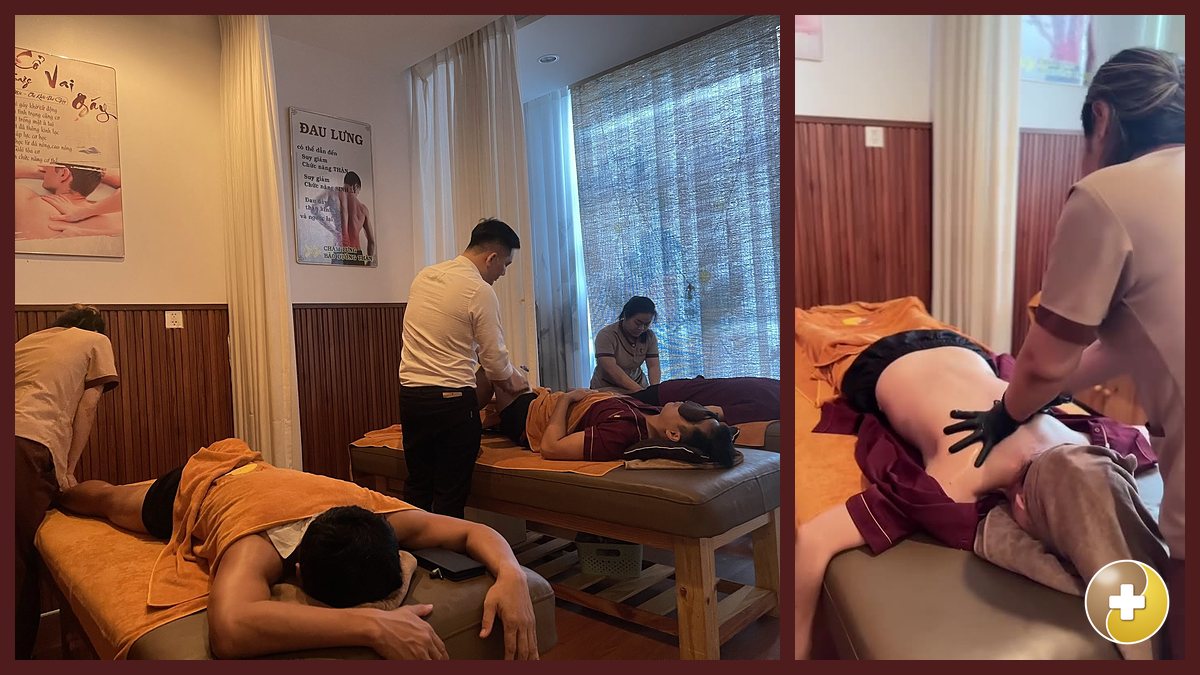
Quick answer: Poor sleep and back ache in grandparent caregivers usually come from repeated lifting, bending over cots, broken nights and worry. The Eastern tradition links this to Heart and Spleen strain, with the lower back tied to the Kidney. With chest pain or leg weakness, see a doctor first. Tong Gia in Ho Chi Minh City offers back and sleep-focused sessions.
Want Lương Y Tống Văn Huynh’s team to read your spine and posture in person?
Why grandmothers caring for grandchildren sleep badly and ache
Across Sydney, Melbourne, Brisbane, Adelaide and Perth, many Vietnamese grandmothers spend their days in the same rhythm: their son or daughter drives off to work at seven, and they stay home with one or two small children until evening. Lifting, bathing, feeding, cooking, pushing a pram up a hill, and then getting up two or three times a night when the baby cries. Australian Bureau of Statistics (ABS) figures put the median age of Vietnam-born Australians at about 47, with women making up about 56% of the community. A large share of that community is in mid-life, exactly the age when people are still working, helping with grandchildren, or have just arrived on a long stay to look after them.
In Western terms, insomnia means trouble falling asleep, waking in the night, or waking too early and not getting back to sleep, with tiredness and poor focus the next day; when it happens three or more nights a week for over three months it is considered chronic. Back ache in caregivers is mostly mechanical: the spinal erector muscles, lower back muscles and glutes brace dozens of times a day to lift a child of 8–12 kg, lean over a cot rail, bend down to a low baby bath or buckle a car seat. The two problems feed each other. Pain makes it hard to find a comfortable position in bed, and short sleep lowers your pain threshold and slows muscle recovery, so the cycle can run for months.
This guide is written for grandmothers and mothers doing this work in Australia, for their adult children, and for other long-haul visitors who care for grandchildren abroad. It belongs to the overseas Vietnamese and wellness travel series by Tong Gia Acupoint Wellness (Huyệt Đạo Tống Gia). For the spine after many hours in an aircraft seat, see the main guide on spine care after a long-haul flight.
Common causes: lifting, bending, broken nights and a new climate
- Lifting many times a day: a baby between 6 and 18 months weighs roughly 7–11 kg. Carrying on one hip tilts the lower back to one side while the opposite shoulder braces; the wrist and thumb take the load each time you lift under the arms. The article on back pain after lifting something heavy explains why the lower back complains first.
- Bending at low heights: cot rails, a bath tub on the floor, nappy changes on a low bed, buckling a car seat in the back row. Bending and twisting at the same time is the classic way to overload the L4–L5 area.
- Broken sleep: feeds, teething, small illnesses. A grandmother sharing the room wakes at every sound. Fragmented sleep shortens deep sleep even if the total time in bed looks fine, and over weeks the body learns to wake at the baby's usual hour even on quiet nights.
- Mid-life hormones: around menopause many women have hot flushes, night sweats and need to pass urine at night, all common reasons women aged roughly 45–60 sleep less well. Muscles and tendons also recover more slowly at this age.
- Time zones and seasons: the eastern states are 3 hours ahead of Vietnam, 4 hours during daylight saving (Queensland does not change); Perth is 1 hour ahead. Summer evenings stay light until eight or nine, which makes early nights hard, and a cold Melbourne or Adelaide winter tightens the neck and lower back. See jet lag and sleep after flying to Vietnam for the time-zone side.
- Worry and loneliness: worrying about a sick grandchild, a tired son or daughter, a husband and a house back in Vietnam; long days with nobody your own age to talk to, often without driving. In the Tong Gia curriculum, too much worry is said to strain the Heart and Spleen, showing as poor appetite, poor sleep, palpitations and forgetfulness.
- Irregular meals and afternoon tea: eating the children's leftovers in a hurry, a late dinner after bedtime, strong tea or coffee at four o'clock to stay awake.
Signs that often come along
- Lying awake for an hour despite feeling exhausted, or waking at 2–3 am and staying awake.
- Light sleep, vivid dreams, startling at every sound; a heavy head and stinging eyes in the morning.
- A stiff lower back on waking, needing to push up with the hands, pain building through the afternoon.
- Aching between the shoulder blades, a tight neck that pulls up into the back of the head.
- Wrist or thumb pain when lifting the child or wringing a cloth.
- Mild palpitations when lying down, poor appetite, bloating, a heavy body.
- Hot palms and soles, afternoon flushes, night sweats.
- Getting up two or three times at night to pass urine, tired knees, a cold feeling in the lower back.
If these are mild and ease after a few days of rest, they are usually the response of a body that has worked too hard for too long. More on worry-driven light sleep is in midlife insomnia and insomnia in women.
When to see a doctor
Please see a doctor, or book your GP in Australia, if any of the following apply:
- Chest pain or tightness, shortness of breath, sweating, palpitations with dizziness or fainting: call emergency services straight away, 000 in Australia or 115 in Vietnam. No massage.
- A drooping face, slurred speech, weakness or numbness on one side, sudden loss of vision: call emergency services.
- After the long flight between Australia and Vietnam: one calf swollen, painful, warm or red, or sudden breathlessness and chest pain, can signal a blood clot. Go to emergency care and do not rub the leg.
- Back pain with leg weakness or numbness, numbness around the buttocks or groin, or trouble controlling the bladder or bowel.
- Back pain after a fall, especially with osteoporosis; pain that is worse at night while lying still; pain with fever or unexplained weight loss.
- Weeks of poor sleep with low mood, loss of interest, poor appetite or weight loss, or feeling you are a burden: tell your family and see a doctor soon.
- Loud snoring with pauses in breathing, or falling asleep while sitting during the day.
- A racing or irregular heartbeat, tremor, weight loss, or pale skin with dizziness on standing: get checked in parallel, since thyroid problems or anaemia can look like simple tiredness.
- Wrist or thumb pain and swelling lasting several weeks, or hands that go numb at night.
This is a wellness service, not medical care. Tong Gia does not read X-rays or MRI scans and does not make medical plans; anyone already following advice from their GP about sleep, blood pressure or diabetes should keep doing so. A wellness session sits alongside that, never in place of it.
The Y Tướng Học view: Heart, Spleen, Kidney and Liver
Y Tướng Học (face reading for wellness) rests on one line: the signs show outside, the organs lie inside. Lương Y (traditional healer) Tống Văn Huynh organised this knowledge so practitioners look first and then know which part of the spine to read closely. For caregivers who sleep badly and ache, the Tong Gia curriculum points to four organ systems. These are functional terms from the Eastern tradition; they do not mean your heart, spleen, kidneys or liver are diseased.
The Heart houses the spirit. In the Eastern tradition the Heart covers circulation, mood, mental clarity and sleep. When this "housing" weakens, the curriculum lists poor sleep, vivid dreams and forgetfulness. Its signs show in the tongue and the complexion: a rosy face and deep sleep mean the Heart is well supplied; a pale face and lips, palpitations and being easily startled match what the curriculum calls Heart blood deficiency. The curriculum is clear that sleep trouble "from the Heart" in this sense is not heart disease.
The Spleen makes blood; worry strains it. The Spleen and Stomach act as the body's kitchen, turning food into the energy and blood that feed the muscles and the Heart. Rushed meals and constant worry tire the Spleen, so the pair "Heart and Spleen" weaken together: poor appetite, poor sleep, palpitations, forgetfulness. The Spleen shows in the lips and muscles: pale lips, soft muscle tone, heavy limbs.
The Kidney rules the bones and the lower back. Tired lower back and knees, night-time urination and ringing ears are Kidney signals. Two patterns from the curriculum fit mid-life caregivers well: Heart and Kidney out of contact (poor sleep, palpitations, tired back and knees), and Kidney yin deficiency, described as "not enough cooling water": hot palms and soles, afternoon flushes, night sweats, dry mouth, dream-filled sleep and a tired lower back. Many women around menopause describe something very similar. The Kidney shows in the ears, hair and lower back: thin, dull ears, dry hair and a cold lower back are reminders to keep warm and support that area.
The Liver governs the tendons. Stress, holding things in and short sleep make Liver energy stagnate; the curriculum notes Liver fire easily stirs Heart fire, giving restlessness, irritability and trouble sleeping. Its signs show in the eyes, nails and tendons: dry tired eyes, a tight neck, night cramps.
Spine segments and nerve-reflex zones involved
In the Tong Gia curriculum on spinal nerve-reflex balancing, the neck C1–C7 relates to the head, face, neck and arms; the thoracic spine to circulation, breathing and digestion; the lumbar spine to digestion, kidneys, bladder, reproductive organs and legs. For long-term poor sleep, the curriculum combines the neck, the upper thoracic segments D1–D3 and the sacral area.
| Segment | Nerves / function (Western anatomy) | What caregivers often feel | Organ (Eastern view) | Outer sign (Y Tướng Học) |
|---|---|---|---|---|
| C1–C3 (top of neck) | Suboccipital muscles, upper cervical nerves to the back of the head | Tight neck, heavy head, hard to drift off | Heart (spirit), Liver | Frown line between the brows, dry red eyes |
| C4–C7 (lower neck, shoulders) | Nerve roots to shoulder, arm, wrist, hand | Stiff shoulder on the carrying side, tingling hand at night | Liver (tendons) | Hard, bunched shoulder muscles, uneven shoulders |
| D1–D5 (upper back) | Upper thoracic and intercostal nerves; Jueyin Shu below D4, Heart Shu below D5 | Tight chest, shallow breathing, palpitations in bed | Heart, Pericardium | Pale face and lips, easily startled |
| D11–D12 (mid back) | Nerves to the upper abdomen; Spleen Shu below D11, Stomach Shu below D12 | Poor appetite, bloating, heavy body | Spleen–Stomach | Pale lips, soft muscle tone, square face |
| L1–L3 (upper lumbar) | Upper lumbar roots; Kidney Shu and Mingmen at L2 | Cold, tired lower back, waking to pass urine | Kidney | Thin dull ears, dry hair |
| L4–S1 and sacrum | Roots forming the sciatic nerve; buttock, thigh, calf muscles | Low back pain when leaning over the cot or lifting from a car seat | Kidney–Bladder, Liver | Hip tilt when standing, one-sided tight lumbar muscles |
The table is a guide for care, not a statement of cause. In Western terms, caregiver insomnia mostly comes from broken sleep, stress, hormonal change and pain, and the back ache from repeated bracing in poor positions, not a vertebra "out of place". The spine is read because the nerve roots to the neck, back and hips leave there, and the sympathetic chain, part of the autonomic nervous system that governs "brace" or "rest", runs alongside the thoracic spine.
How Tong Gia helps rebalance: a back and sleep session in Saigon
Every session follows the method of Lương Y Tống Văn Huynh, founder of Tong Gia, with over 13 years in traditional Eastern wellness, Y Tướng Học and spinal nerve-reflex balancing. This is a Vietnamese traditional Eastern wellness method, and the aim is to help rebalance each spinal zone and support the Heart, Spleen, Kidney and Liver by hand. Tong Gia does not promise better sleep after any session; sleep also depends on routine, hormones and mood.
- Safety questions: how many hours you sleep, when you wake, where it aches, which hip you carry on, health conditions, current prescriptions, when you landed. Any warning sign above means we stop and advise you to get checked.
- Looking first (Y Tướng Học): complexion, lips, ears, eyes, the brow line, neck and shoulder posture, shoulder and hip levels.
- Reading the spine by hand: the curriculum trains the hand to read skin temperature, the muscle layer, the shape of each vertebra and tender points, comparing left with right and above with below, then focusing on the "excited" zones that are warmer and tighter.
- Muscle release: suboccipitals, trapezius, the muscles along the spine, lower back and glutes, then the forearm and wrist on the carrying side, using 5 pressure levels from light to firm; light only for tired, slim or very sleep-deprived people.
- Acupressure on the right zones: Fengchi at the neck; Heart Shu and Jueyin Shu on the upper back; Spleen and Stomach Shu mid-back; Kidney Shu and Mingmen at the waist; Shenmen on the wrist, which the curriculum describes as calming the spirit and supporting sleep; Neiguan for palpitations; Baihui on the crown; and finally Yongquan on the sole, said to draw heat downward and settle the mind.
- Self-care coaching to take back to Australia.
What a session usually feels like
It starts with warm water and a few questions about sleep and the flight. Tight spots feel a pleasant, dull ache while being worked, which the curriculum calls creating a "sensation wave" so the body can adjust itself. The lower back warms, breathing slows, and many people doze off. Afterwards some feel lighter and fall asleep more easily that night; others feel a little tender for a day first. It varies from person to person.
Suitable services and prices
Prices are paid in VND; conversions are indicative only (1 AUD ≈ 17,000 VND, 1 USD ≈ 26,000 VND):
- Neck-shoulder or back-waist care, 60 min: 550,000 VND (about 32 AUD / 21 USD; first visit 399,000 VND, about 23 AUD / 15 USD); 90 min: 750,000 VND (about 44 AUD / 29 USD).
- Heart or Spleen-Stomach wellness, 75 min: 750,000 VND (about 44 AUD / 29 USD): Heart for light sleep and palpitations, Spleen-Stomach for poor appetite and bloating.
- Full-body care, 120 min: 950,000 VND (about 56 AUD / 37 USD), head to feet, for whole-body exhaustion after months of caregiving and a long flight.
See all prices.
From Tân Sơn Nhất airport
The District 12 branch (225 Dương Thị Mười, Tân Chánh Hiệp Ward) is the closer one to Tân Sơn Nhất airport, a fairly short drive outside rush hour. The Vinhomes Grand Park branch (Unit T16-21, Manhattan zone, Long Bình Ward, Thủ Đức City) is further, and traffic can be heavy at peak times. Rest one night after landing before your first session.
Want Lương Y Tống Văn Huynh’s team to read your spine and posture in person?
A suggested plan for the trip home, and self-care in Australia
| When | Focus | Suggestions |
|---|---|---|
| Landing day | Rest on Vietnam time | Light meal, warm shower, an early night is fine. |
| Day 2–3 | First back session | Back-waist care, 60 or 90 min; a gentle evening walk, bed before 11 pm. |
| Day 4–7 | Recover sleep | Short 15–30 minute naps, regular meals, morning sunlight, no strong tea late. |
| Day 8–10 | Sleep-focused session | Heart or Spleen-Stomach wellness, or full-body care. |
| 3–4 days before flying back | Prepare for the flight | A light back session; shift bedtime earlier toward Australian time. See preparing your body before the long flight home. |
| First week back in Australia | Keep the new habits | Share night duty, raise the change table and bath, keep the routines below. |
- Lift kindly: bend the knees, hold the child close before standing, never bend and twist together, swap hips often, set the bath and change table at waist height.
- Share the night shift: a few nights a week the parents get up and grandma sleeps in another room with the door shut. One unbroken stretch beats many short ones.
- Slow breathing and Shenmen before bed: in for about 4 seconds, out for about 6, for 5–10 minutes; press Shenmen on the little-finger side of the wrist crease gently for 1–2 minutes each side. More routines in self-acupressure at home and acupressure for sleep.
- Warm the lower back and feet: rub warm palms up and down both sides of the waist 50–100 times; soak feet in water around 38–42°C for 15–20 minutes, then rub the soles for 3–5 minutes. People with diabetes must test water temperature carefully; skip it if one leg is swollen or painful.
- Short naps and morning light: nap 15–30 minutes when the baby naps, walk 20–30 minutes in the morning sun, cut tea and coffee after 3 pm. Pregnant daughters should not press Sanyinjiao, which the curriculum says is not used in pregnancy.
Booking from Australia
Weeks around Tết fill up, so book early. Adult children can message as soon as mum's ticket is confirmed, or family in Ho Chi Minh City can book for her; see booking a massage in Saigon from abroad.
- District 12 branch: 225 Dương Thị Mười, Phường Tân Chánh Hiệp (Tân Chánh Hiệp Ward), open 8:00–19:00 daily.
- District 9 branch, Vinhomes Grand Park: Căn T16-21 khu Manhattan, Phường Long Bình, TP. Thủ Đức (Unit T16-21, Manhattan zone, Long Bình Ward, Thủ Đức City), open 9:00–20:00 daily.
Zalo or WhatsApp +84 888 264 559 (0888 264 559 in Vietnam), or book online. Send the landing date and time, where it aches, how sleep goes (hard to fall asleep, waking at night, waking too early), any health conditions, and the branch you prefer.
Visit us
- Đông Y Huyệt Đạo Tống Gia Quận 12 (District 12)
225 Dương Thị Mười, Phường Tân Chánh Hiệp, Quận 12, HCMC · 8:00–19:00 daily · 0888 264 559 · Directions on Google Maps - Đông Y Huyệt Đạo Tống Gia Quận 9 (Vinhomes Grand Park, District 9)
Căn T16-21 khu Manhattan, Vinhomes Grand Park, Phường Long Bình, TP. Thủ Đức, HCMC · 9:00–20:00 daily · 0888 264 559 · Directions on Google Maps
Map of our two branches
Want Lương Y Tống Văn Huynh’s team to read your spine and posture in person?
Related guides for your trip
FAQ
Is poor sleep and back ache from caring for grandkids in Australia something to worry about? Usually it comes from lifting, bending, broken nights and worry, and eases with rest, shared night duty and back care. Chest pain, breathlessness, back pain with leg weakness, or weeks of poor sleep with low mood or weight loss need a GP visit first.
I live in Melbourne and wake at 2–3 am every night even though I'm exhausted. Why? Broken sleep from night feeds trains the body to wake at the same hour, and mid-life hot flushes or night sweats add to it. In Eastern terms, worry strains the Heart and Spleen. If it lasts several weeks, book your GP to rule out other causes.
Which acupressure points help me sleep at home? The Tong Gia curriculum suggests gently pressing Shenmen on the little-finger side of the wrist crease and Neiguan two thumb-widths above the crease, 1–2 minutes each side before bed, with slow 4–6 breathing, plus rubbing the soles for 3–5 minutes. Avoid Sanyinjiao in pregnancy.
Will a massage make my mum sleep better? Releasing the neck, back and hips helps many people relax and fall asleep more easily that night, but Tong Gia does not promise better sleep. Sleep also depends on the caregiving schedule, hormones and mood, so combine sessions with shared night duty and daily self-care.
My mum flies from Sydney to Ho Chi Minh City for Tết. When should she book? Let her sleep one night, then book back-waist care on day 2 or 3, with a Heart wellness or full-body session around day 8–10. Message +84 888 264 559 on Zalo or WhatsApp with her landing time and preferred branch.
How can I lift my grandchild without hurting my lower back? Bend your knees, bring the child close to your body before standing, avoid bending and twisting at once, swap hips often and keep the bath and change table at waist height. Pain with leg numbness or after a fall needs checking right away.
Author: Lương Y Tống Văn Huynh – founder of Huyệt Đạo Tống Gia, a master of traditional Vietnamese wellness with over 13 years in Eastern wellness care, Y Tướng Học (face reading) and spinal nerve-reflex balancing massage.
Updated: 2026-11-15
Related guides
- US–Vietnam time difference: hours by time zone and a 5–7 day jet lag plan for Texas and Florida
- Poor sleep and back ache caring for grandchildren: a guide for grandmothers in Australia and their families
This is a wellness service, not medical care.