
Cold hands and feet after long Canadian winters: will Vietnam help, and how to care for them in Saigon
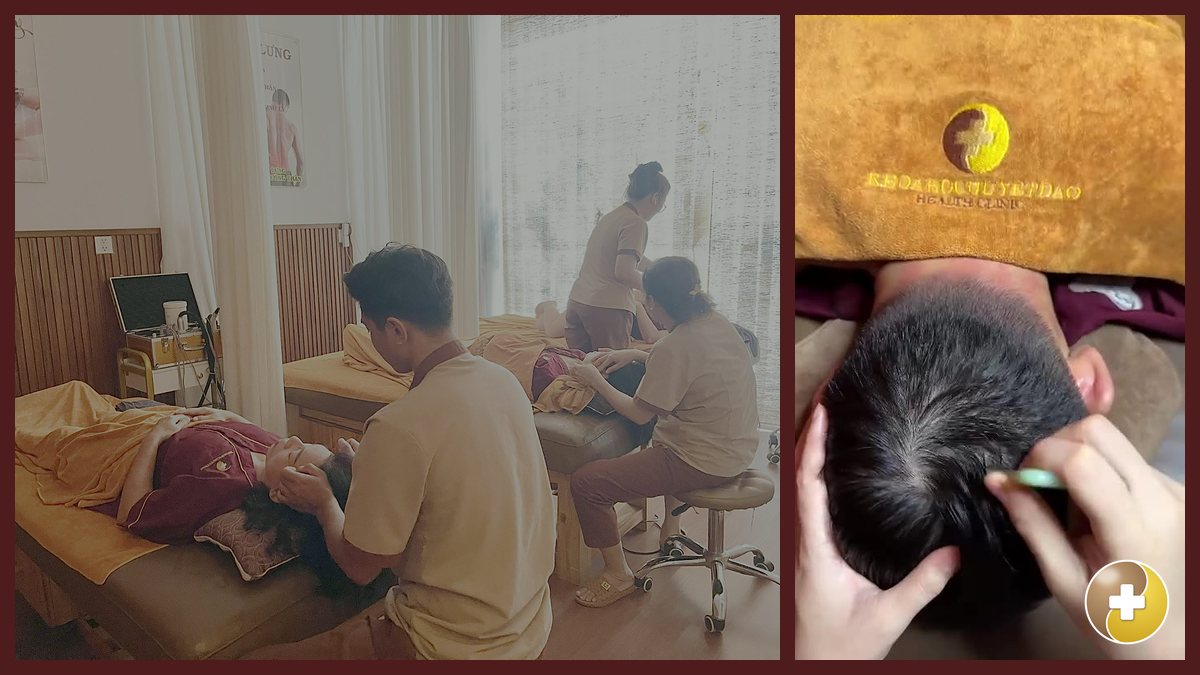
Quick answer: After a long Canadian winter, cold hands and feet usually feel warmer within days in hot Ho Chi Minh City. Deep air-conditioning, iced drinks and little walking can keep them cold. White or blue fingers, one-sided numbness or foot sores that are slow to close need a medical check. Tong Gia Acupoint Wellness in District 12 and Thu Duc offers gentle care.
Want Lương Y Tống Văn Huynh’s team to read your spine and posture in person?
Cold hands and feet after a Canadian winter: what is going on
Cold hands and feet after a long Canadian winter means fingers, toes, palms and soles that feel cold most of the time, sometimes numb or stiff, noticeably colder to the touch than the rest of the body, for months on end. Many older Vietnamese-Canadians in Toronto, Montreal and Calgary describe wearing two pairs of wool socks and still having icy feet, needing a hot-water bottle to fall asleep, or losing feeling in their fingers while shovelling snow. A common question before flying home for Tet: once I land in 33°C Saigon, will my hands and feet finally warm up?
In Western physiology, the body always protects the brain, heart, lungs and abdominal organs first. In the cold, the sympathetic nervous system narrows the small blood vessels in the skin of the hands and feet so less heat escapes. Warm blood is kept in the core, the extremities receive less of it, and they turn cold, pale and sometimes numb. This is a normal reflex. In older adults, slim people and anyone with little muscle or little movement, the reflex tends to be stronger and slower to switch off. After five or six months of sub-zero weather, many people almost forget what warm feet feel like.
In Vietnam the outdoor heat usually helps within a few days. But Saigon has its own "mini winters": shopping malls, restaurants, taxis and bedrooms cooled to 18–20°C, iced coffee and sugarcane juice, and a night under an air-conditioner blowing straight at your legs. Moving in and out of heat and chill all day makes the vessels in your hands and feet tighten and relax again and again. So the honest answer is: a trip to Vietnam can ease cold extremities, but not for everyone, and if the cold has a medical cause behind it, warm weather does not replace a proper check-up.
People who most often notice lingering cold hands and feet after a Canadian winter:
- First-generation parents and grandparents in their sixties and seventies who still "feel the cold" after decades in Canada.
- People who spend winter mostly indoors, sitting, driving, rarely walking.
- Slim women with little muscle who also get a cold stomach easily.
- People monitoring diabetes, blood pressure, thyroid function or anaemia.
- Anyone whose job involved cold water or cold rooms: food processing, warehouses, nail salons.
This article is part of Tong Gia's wellness programme for Vietnamese returning home and international long-haul visitors. For the neck, back and lower back after hours in an aircraft seat, start with our main guide on spine care after a long-haul flight. If you are staying for the whole winter, see wintering in Vietnam: a health routine. Here we focus only on cold hands and feet.
Common causes: five to six months below zero, less movement, then Saigon's air-con
- A long, hard winter: Toronto's cold season usually runs from November to March with snaps down to −15°C or −20°C and biting wind; Montreal is colder and snowier, with a late spring; Calgary is dry and can drop below −30°C before a warm chinook wind swings the temperature back up. For months, the vessels in the hands and feet stay in "narrow" mode.
- Less walking: dark by 4–5 pm, icy sidewalks, and older people stay in. The calf muscles act as a second pump pushing blood back to the heart; when they rarely contract, circulation in the feet slows and they feel colder.
- Less muscle, lighter meals: muscles produce most of the body's heat during activity. With age we lose muscle, and in winter some people eat less fresh food or eat irregularly when living alone.
- The long journey: from Toronto, Montreal or Calgary to Ho Chi Minh City there is usually at least one connection, in Asia or via Vancouver, and the trip can take 20 hours or more. Hours with bent knees in a cool, dry cabin and too little water leave the legs cold, heavy and swollen; see swollen legs after a long flight.
- Jet lag: Toronto and Montreal are about 12 hours behind Vietnam in winter, Calgary about 14. Broken sleep for several nights leaves you tired and cold in the early morning.
- Air-con and iced drinks: the cause that surprises people most. Because it is hot outside, the air-conditioner is set very low, blowing on the legs all night, plus several iced drinks a day.
- Stress: the trip, family matters, emotional reunions. Anxiety also triggers the sympathetic system and narrows peripheral vessels; read more in cold hands and feet when stressed.
- A medical cause behind it: anaemia, an underactive thyroid, diabetes, peripheral artery disease or Raynaud's phenomenon. These do not go away just because the weather is warm and need a check at a medical facility.
Signs worth noting
The key is telling ordinary cold extremities, which usually warm up as you adapt, apart from signs that point to a problem with blood vessels or nerves:
| Feature | Cold from weather and inactivity (common) | Think of Raynaud's or a circulation problem | Think of nerves or diabetes |
|---|---|---|---|
| Where | Both hands, both feet, symmetrical | Single fingers with clear colour change, or one leg much colder than the other | Both feet, "sock-shaped", slowly creeping upwards |
| Skin colour | Slightly pale, pink again when warm | Fingers turn white, then blue, then red; shiny pale skin on the leg | Often normal |
| Feeling | Cold, mild numbness, eases with rubbing | Pain or burning cold; calf pain when walking that stops at rest | Numbness, pins and needles, burning, reduced sense of hot and cold |
| Course | Improves with warmth, walking, sleep | Returns every time you meet cold, including air-con | Persists and slowly worsens over months |
| What to do | Keep warm, walk, warm foot soaks, gentle massage | See a doctor at a medical facility | See a doctor; test foot-soak water very carefully |
Along with cold extremities, older travellers often mention numb fingertips when holding a cold glass (see numb fingers in cold weather), a cold lower back or stomach, loose stools after cold food, getting up at night to pass urine, heavy calves and night cramps when sweating without drinking enough, and dry, cracked heels after a winter of indoor heating.
When to see a doctor
If cold hands and feet come with any of the following, please see a doctor at a medical facility rather than relying on massage:
- Fingers or toes that change colour in episodes, white then blue then red, in the cold or under stress, with pain or burning numbness. This is typical of Raynaud's phenomenon and should be checked for an underlying condition.
- Sores or cracks on the feet or toes that are slow to close, especially with diabetes; fingertips or toes turning dark or deep purple.
- Sudden numbness or weakness on one side of the body, a drooping face, slurred speech or blurred vision: call 115 (Vietnam's ambulance number) immediately.
- One leg suddenly cold, pale and painful, clearly different from the other: go to emergency at once.
- Calf pain after walking a short distance that eases when you stop and returns when you walk on; shiny skin, hair loss on the leg, thick toenails.
- One calf swollen, warm and red, more painful on walking, in the weeks after a long flight: this can be deep vein thrombosis. Get checked straight away and do not massage that leg.
- Crushing chest pain, shortness of breath and cold sweats, or sudden breathlessness and coughing blood after the flight: call 115; do not ride a motorbike to hospital.
- Cold extremities with pale skin, dizziness, breathlessness and lasting fatigue, or with weight gain, constipation, hair loss and feeling cold all over: this may relate to anaemia or the thyroid, so have a check-up at a medical facility as well.
At Tong Gia, practitioners ask about these signs before touching your hands or feet; if any are present, they stop and recommend a medical check. Tong Gia does not read X-rays or MRI scans and does not draw up medical plans; if you are being followed for diabetes or heart conditions, wellness work is only done with your care team's agreement.
This is a wellness service, not medical care.
The Y Tướng Học view: yang energy, Kidney yang, Spleen yang and the "always cold" look
Đông y, Vietnam's traditional Eastern health theory, calls the warming, moving energy of the body yang qi. The Tong Gia curriculum names three functional systems that come up again and again with persistent cold hands and feet:
- Kidney yang, the body's "warming fire". The curriculum lists signs of Kidney yang deficiency as feeling cold, cold hands and feet, a cold, aching lower back and knees, frequent pale urine and night-time urination, tiredness. Its care direction: warm and support Kidney yang, keep the lower back, belly and feet warm, soak the feet in warm water. It also notes that winter is the Kidney's season: stay warm, sleep early, rise late.
- Spleen yang. The Spleen "governs the flesh and the four limbs", nourishing muscles, arms and legs. Spleen yang deficiency is described as a cold stomach with a dull ache that likes warmth, cold hands and feet, loose stools, pain after cold food; the advice is warm food and a warm belly. This is why people with cold extremities who drink iced drinks all day in Saigon often feel their stomach complain too.
- Heart. The Heart governs the blood vessels and pushes blood to nourish the whole body; its health shows in the face. When its nourishing function weakens, the curriculum lists pale skin, cold hands and feet and fatigue. Heart yang deficiency includes feeling cold, cold extremities and a pale or dusky face; the advice is to keep the chest and upper back warm.
This is functional language from Eastern theory and does not mean your kidneys, spleen or heart are diseased; the curriculum itself stresses that these are traditional concepts, not Western disease names. A long winter with little movement, simple meals and poor sleep drains the body's "warming" and "limb-nourishing" functions, and the hands and feet are where it shows first.
Y Tướng Học, the Vietnamese art of reading the body's outer signs, says "the outer look reflects the inner organs", and "the organ is the cause, the look is the result". Lương Y Tống Văn Huynh, founder of Tong Gia Acupoint Wellness, systematised it so practitioners read the outer signs first and know which spinal zone to check closely. For people who are often cold, the curriculum notes:
- Kidney signs: ears, hair, bones, lower back. Healthy: thick, rosy ears, glossy hair, a strong back. Thin, soft ear rims and a flat bone behind the ear are linked with Kidney yang weakness: lower back and knee aches, feeling cold, icy extremities, night-time urination and strong sensitivity to weather changes.
- A round "Viên" face: the Water type, governed by Kidney and Bladder; the lower back often feels cold with soft muscles.
- Spleen signs: mouth, lips, flesh. Pale lips, a heavy body, tired limbs; when the flesh turns soft, cool and slow to spring back, the curriculum links it with "cold Spleen and Stomach, weak yang": feeling cold, hands and feet often icy, easy bloating.
- Heart signs: tongue and complexion. Healthy: a rosy face and deep sleep. Very pale or sallow skin is linked with weakness of both Heart and Spleen: dizziness, breathlessness, palpitations, poor sleep.
These signs only guide where the practitioner looks; they are not a verdict about anyone's health.
Spine segments and nerve-reflex zones linked to cold hands and feet
Tong Gia's spinal nerve-reflex balancing curriculum describes 7 cervical vertebrae governing the head, face, neck and arms; 12 thoracic vertebrae (D1–D12) linked with circulation, breathing and digestion; and 5 lumbar vertebrae (L1–L5) linked with digestion, kidneys, urinary and reproductive function and the legs. Numbness in the hands and feet sits in its muscle–bone–joint group (C5–C7, L1–L5, S1–S5). In Western anatomy, the sympathetic fibres that tighten and relax skin vessels in the limbs leave the spinal cord between roughly T1 and L2 and run in a chain of ganglia beside the spine; the arms receive nerves from the brachial plexus (C5–T1) and the legs from the lumbar and sacral roots (L2–S3).
| Vertebrae | Nerves / function (Western anatomy) | Typical signs | Organ (Eastern view) | Outer sign (Y Tướng Học) |
|---|---|---|---|---|
| C5–C7 (to D1) | Roots of the brachial plexus: movement and sensation of arm, hand, fingers | Cold hands, numb fingertips holding cold things, tired arms after snow shovelling | Heart (its channels run along the inner arm to the fingers) | Pale fingertips and nails, dull complexion |
| D1–D5 (points BL14 below D4, BL15 below D5) | Upper thoracic sympathetic outflow: heart, lungs, arm vessels | Cold, clammy hands, cold chest, mild palpitations in the cold, light sleep | Heart (governs vessels) | Pale face, pale tongue, bluish lips when cold |
| D11–D12 (BL20 below D11, BL21 below D12) | Lower thoracic sympathetic outflow: stomach, intestines | Cold stomach, pain after cold food, tired cold limbs, heaviness | Spleen (flesh and limbs) | Pale lips, soft cool flesh |
| L1–L2 (BL23, GV4 at L2) | Upper lumbar sympathetic outflow: leg vessels, kidneys, bladder | Feet cold from the knees down, cold lower back, night urination | Kidney (yang, linked to winter) | Thin soft ear rims, cold lower back, soft muscles |
| L4–S1 | Roots of the sciatic, tibial and peroneal nerves: lower leg and foot | Cold feet, numb toes, tight calves, cramps | Kidney – Bladder | Dry cracked heels, tight calves |
The table shows "related" zones to guide care, not to label any disease. In Western terms, cold hands and feet are mainly about peripheral vessels responding to cold, stress and activity, not a "misaligned" vertebra. The spine is read because the nerve roots and sympathetic chain sit there; when the back, shoulders, buttocks and calves are relaxed and warmed, many people feel their hands and feet warm up during the session.
How Tong Gia helps rebalance warmth in the hands and feet
This is a Vietnamese Eastern wellness method built by Lương Y Tống Văn Huynh over more than 13 years of practice in traditional health care, Y Tướng Học and spinal nerve-reflex balancing. The aim is to help the body rebalance and feel warmer and more comfortable, not to promise that cold hands and feet will disappear. One session for someone just back from a Canadian winter includes:
- Safety questions: where you flew from, when you landed, whether one or both sides are cold, any colour change or foot sores, diabetes, blood pressure, heart or thyroid conditions, stents, blood thinners. Any warning sign above and the session stops here.
- Observation (Y Tướng Học): complexion, lips, tongue, ears, nails, the colour of the feet and heels; comparing both hands and both feet.
- Reading the spine by hand: pressing, stroking and rolling to feel skin temperature, the muscle layer, the shape of the spine and your own sensations, comparing left and right. After a long winter, the L1–L2 area and the space between the shoulder blades are often cooler than their surroundings.
- Muscle release: lower neck, shoulders, the long back muscles, lower back and buttocks, then arms and hands, thighs, calves and soles, warming first, then going deeper. No strong pressure for people who bruise easily, never on broken skin.
- Acupressure: on the back BL14, BL15, BL20, BL23 and GV4 (Mệnh môn, which the curriculum uses to warm Kidney yang); PC6 on the forearm; ST36, KI3 and KI1 on the leg and sole. SP6 and CV4 are avoided in pregnancy. Cool skin is warmed, hot skin is calmed, and work at a point stops when the skin turns from dry to slightly moist.
- Self-care guidance: keeping feet warm under air-con, safe warm foot soaks, rubbing the lower back and soles at home in Saigon and back in Canada.
Suggested services (prices in VND, USD and CAD are approximate reference rates; payment is in VND; see the price list):
- Heavy, tired legs care, 60 minutes: 500,000₫ (about 19 USD or 26 CAD) – lower back, buttocks, thighs, calves and feet.
- Kidney wellness session, 75 minutes: 750,000₫ (about 29 USD or 39 CAD) – when cold extremities come with a cold lower back, night urination and tiredness.
- Herbal warm compress: 130,000₫ (about 5 USD or 7 CAD), added to a session for a cold back or stomach.
From Tân Sơn Nhất airport: the District 12 branch is on the same northern side of the city as the airport, a short drive depending on traffic. The Vinhomes Grand Park branch in Thu Duc is further and takes longer, especially at rush hour, and suits families staying in the east. After a 20-hour journey, rest and sleep first; family in Saigon can book ahead for you.
What you may feel: the back warms first, then warmth spreads to the feet and hands; tight points give a mild, pleasant ache the curriculum calls a "sensation wave". Many guests doze off in the second half. Afterwards hands and feet often feel warmer, legs lighter and sleep easier that night, depending on each person.
Want Lương Y Tống Văn Huynh’s team to read your spine and posture in person?
A suggested plan for a winter-to-heat trip, plus self-care
Before flying, read how to prepare your body before the long flight home; travelling with parents, see taking elderly parents back to Vietnam.
| When | For your hands and feet | Note |
|---|---|---|
| Before the flight | Walk indoors daily; pack warm socks and a light jacket for the cabin | Foot sores or colour-changing fingers: get checked before flying |
| On the plane | Stand and walk every 1–2 hours; flex ankles and open-close hands in your seat | Drink water steadily, go easy on alcohol and coffee |
| Landing day | Warm shower, warm food, sleep early on Vietnam time | Do not set the air-con very low the first night |
| Days 2–4 | Early-morning or evening walks; one legs-care or Kidney session | Limit back-to-back iced drinks |
| Weeks 1–2 | Warm foot soak each evening; rub the soles and lower back | With diabetes, check water with a thermometer or ask family |
| Weeks 2–8 (wintering) | One session a week if still cold; either branch | Less alcohol at Tet, enough sleep |
| 2–3 days before flying back | A gentle back and leg session; sleep and hydrate | Keep gloves, socks and a coat ready for landing in snow |
- Warm foot soak: the curriculum suggests 15–20 minutes at about 38–42°C before bed; with diabetes, test the temperature carefully because sensation may be reduced. Ginger or mugwort can be added; see herbal foot soak benefits. Dry between the toes afterwards.
- Rub the lower back and soles: warm your palms, rub both sides of the lower back 50–100 times; rub each sole for 3–5 minutes at night. For more points, see self-acupressure at home.
- Air-con at 26–27°C, airflow away from your legs, thin socks, a blanket over belly and feet.
- Warm food and drinks: fewer iced drinks, more soups, porridge and ginger.
- Walk daily for 20–30 minutes, with heel raises and ankle circles so the calves pump.
Booking from abroad before you fly
- District 12: 225 Dương Thị Mười, Phường Tân Chánh Hiệp (Tan Chanh Hiep ward, District 12), 8:00–19:00 daily.
- Vinhomes Grand Park: Căn T16-21 khu Manhattan, Phường Long Bình, TP. Thủ Đức (unit T16-21, Manhattan area, Long Binh ward, Thu Duc City, formerly District 9), 9:00–20:00 daily, handy after an afternoon landing.
You can book from Toronto, Montreal or Calgary before you travel: WhatsApp or Zalo +84 888 264 559 (0888 264 559 in Vietnam), or use online booking. Send your landing date and time, where you feel cold or tired (hands, feet, back), whether you have diabetes or other conditions, and your preferred branch. Family in Ho Chi Minh City can book for you. Slots fill quickly before Tet, so message early.
Visit us
- Đông Y Huyệt Đạo Tống Gia Quận 12 (District 12)
225 Dương Thị Mười, Phường Tân Chánh Hiệp, Quận 12, HCMC · 8:00–19:00 daily · 0888 264 559 · Directions on Google Maps - Đông Y Huyệt Đạo Tống Gia Quận 9 (Vinhomes Grand Park, District 9)
Căn T16-21 khu Manhattan, Vinhomes Grand Park, Phường Long Bình, TP. Thủ Đức, HCMC · 9:00–20:00 daily · 0888 264 559 · Directions on Google Maps
Map of our two branches
Want Lương Y Tống Văn Huynh’s team to read your spine and posture in person?
Related guides for your trip
- Migraine sufferer: can I get a Vietnamese head spa in Ho Chi Minh City, and when is the right time?
- Can you get a massage after a heart stent? Who to ask first, how gentle it should be and when to call 115
- Massage after knee replacement: is it safe on a trip to Vietnam, which areas can be worked and what to avoid
FAQ
Will my cold hands and feet get better when I visit Vietnam after a Canadian winter? Most people feel warmer within a few days because skin vessels relax in the heat. Strong air-con, iced drinks and little walking can keep extremities cold. If the cause is anaemia, thyroid problems, diabetes or a circulation disorder, warm weather is not enough and you should see a doctor.
Is it normal to have cold hands and feet all winter in Toronto? Usually yes: in the cold the body narrows vessels in the limbs to keep the core warm. It is a concern when fingers turn white then blue, one leg is much colder than the other, calves hurt when walking, foot sores are slow to close, or one side feels numb or weak.
Why are my feet cold at night in hot Saigon? Air-con at 18–20°C blowing on your legs all night narrows foot vessels just like winter. Set it at 26–27°C, point the airflow away, wear thin socks, cover your belly and feet, and soak your feet in warm water for 15–20 minutes before bed.
I have diabetes and cold feet. Is a warm foot soak safe? It can be, with care. Diabetes can reduce sensation, so burns may go unnoticed. Check the water with a thermometer or ask family, keep it around 38–42°C and dry between the toes. With sores or cracks that are slow to close, skip soaking and massage and see a doctor.
Can massage help cold hands and feet, and how soon? For cold extremities from weather and inactivity, releasing the back, legs and arms and pressing the right points often makes hands and feet feel warmer during the session. Tong Gia only speaks of helping the body rebalance, never of making the cold go away for good; daily warmth and walking still matter most.
Flying in from Montreal or Calgary, when should I book a session? Rest on landing day. Days two to four suit a 60-minute heavy-legs session (500,000₫, about 19 USD or 26 CAD) or a 75-minute Kidney wellness session (750,000₫, about 29 USD or 39 CAD). On a long stay, one session a week if you still feel cold.
Author: Lương Y Tống Văn Huynh – founder of Huyệt Đạo Tống Gia, a master of traditional Vietnamese wellness with over 13 years in Eastern wellness care, Y Tướng Học (face reading) and spinal nerve-reflex balancing massage.
Updated: 2026-11-16
Related guides
This is a wellness service, not medical care.