
Can you get a massage after a heart stent? Who to ask first, how gentle it should be and when to call 115
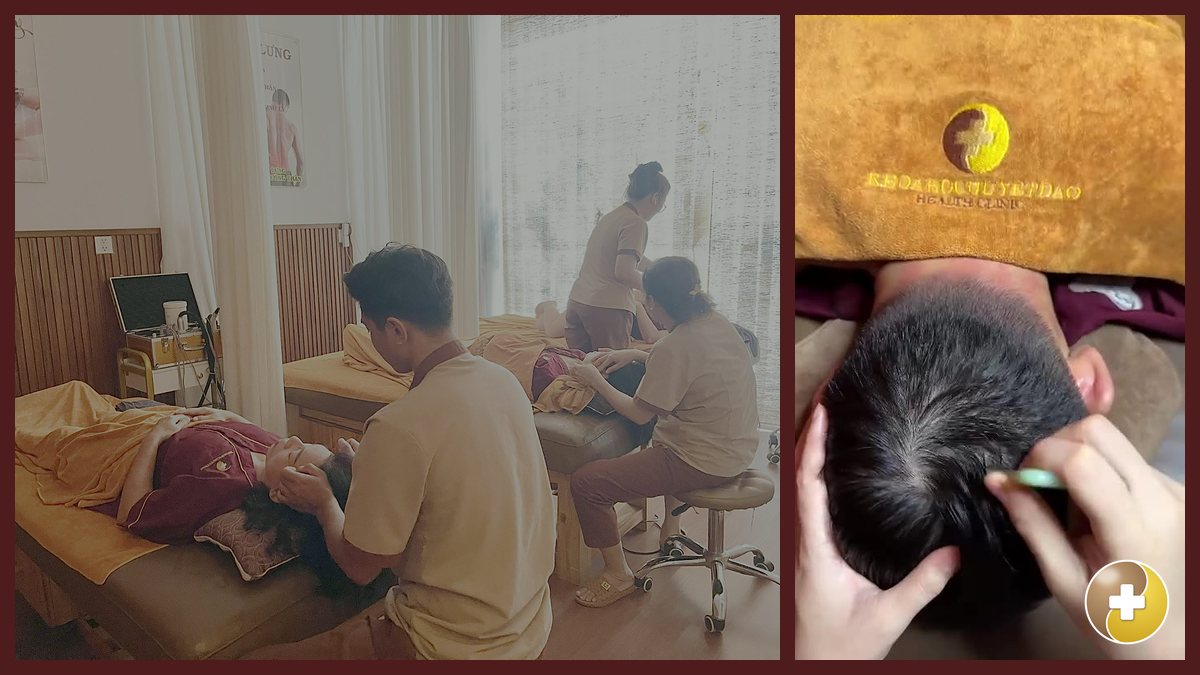
Quick answer: Often yes, but only once the cardiology team that follows you agrees, and you tell reception when the stent was placed and which blood thinners you take. Sessions use light pressure, no hard pressing and no strong heat. Huyệt Đạo Tống Gia in District 12 and Vinhomes Grand Park, Ho Chi Minh City, screens before every session.
Want Lương Y Tống Văn Huynh’s team to read your spine and posture in person?
Can you get a massage after a heart stent?
Every year before Tết, many Vietnamese families in San Jose, Houston and Orange County, in Sydney and Melbourne, and in Toronto, Montreal and Vancouver pack for Saigon. In North America it is the coldest part of winter; in Australia it is high summer. A good number of the older travellers have had a heart stent, some years ago, some only last year. After the long-haul flight, relatives in Ho Chi Minh City suggest a massage, and the first thing the family types into a phone is: is massage safe after a heart stent? Long-haul visitors from Europe or North America who are not Vietnamese ask the same question once they land.
Tong Gia Acupoint Wellness (Huyệt Đạo Tống Gia) answers it directly: it can be, but safety comes first, and the people who give permission are the cardiology team that follows you, not a massage studio. The Tong Gia training manual lists the line "you have a stent now, so any massage is fine" as missing important cautions. The correct version is that people with a stent need their cardiology team's opinion, and the session must avoid strong pressure on the chest. This article is different from our guide to massage with high blood pressure: here the focus is the stent itself, blood thinners and the heart warning signs that mean calling for help.
In Western medical terms, a stent is a tiny metal mesh tube placed in a narrowed coronary artery, one of the vessels that feed the heart muscle. It is guided in on a thin catheter from an artery at the wrist or the groin and then expanded to hold the vessel open. The Tong Gia manual explains the background: when coronary arteries narrow or block because of plaque, the heart muscle runs short of blood, which can lead to a heart attack; high blood pressure, diabetes and high blood fats are major risk factors. A stent reopens the narrow section but does not remove those risk factors. That is why most people are given antiplatelet agents after a stent, sometimes with an anticoagulant as well, for a period their cardiology team decides, so that blood does not clot inside the stent.
This is what makes a session for someone with a stent different. Blood that clots more slowly means skin bruises and bleeds more easily. A heart that has been short of blood should be spared anything that makes it race, such as strong heat, sudden effort or lying face down until breathing feels tight. So the short answer: a person whose stent is stable, whose cardiology team has agreed, and who has no chest pain or breathlessness that day can usually have a short, light-pressure session in a comfortable position. If the stent is very recent, the prescriptions have just changed, or symptoms are present, wait. If your back is still sore from the flight, see our main guide to spine care after a long-haul flight.
Why a trip home for Tết is harder on someone with a stent
At home many older travellers keep a steady routine: prescriptions at the same hour, a daily walk, low-salt food, check-ups on schedule. The trip upsets most of it at once.
- Long hours of sitting: from the US West Coast it is often 15–20 hours including a connection in Taipei, Seoul, Tokyo or Hong Kong; from Toronto or Montreal longer still; from Sydney or Melbourne about 8–9 hours direct. Sitting still and drinking little slows circulation in the legs and raises clot risk, which anyone with a heart condition should raise with their cardiology team before flying.
- Time zones: North America is 11–15 hours away, Australia 3–4 hours. Antiplatelet or anticoagulant doses are easy to miss or to take too close together. See the US–Vietnam time difference and jet lag.
- A sudden climate change: from sub-zero Toronto to 33–35°C in Saigon, sweating a lot and drinking too little, then sitting in air-conditioning. Dehydration and standing up fast can make you lightheaded.
- Tết food: sticky rice cakes, braised pork, Chinese sausage, pickles and dipping sauces are salty and fatty, and there is beer at every gathering. The manual notes that salty, fatty food raises blood pressure and blood fats and helps plaque build up, while alcohol makes blood clot more easily.
- Strong emotions: reunions, visits to ancestors' altars, sometimes grief. The manual explains that heart rate and blood pressure shift with emotion through the autonomic nervous system; in Eastern terms, both too much joy and too much worry drain the Heart.
- Busy days and heavy lifting: hauling suitcases and gifts, visiting relatives across town in traffic. Sudden heavy effort is exactly what cardiology teams usually ask people with a stent to keep in check.
Taking prescriptions on time, drinking enough water and sleeping properly come first. A massage is only an extra for comfort. For pacing the visit, see our 7-day wellness plan for a Tết visit.
Signs worth watching
Note these during the trip, with the date and time, so you can show a healthcare provider if needed:
- Easy bruising on the arms or shins after a light knock, bleeding gums when brushing, nosebleeds that take long to stop. This is common with blood thinners, but spreading bruises or bleeding that will not stop need a check-up.
- A stiff neck and upper back after dozing upright on the plane and pulling luggage, the usual reason people want a massage.
- Getting out of breath on stairs or tiring faster than usual; the manual lists this among signs of reduced heart function.
- Swollen ankles in the evening or after the flight, or weight going up quickly over a few days.
- Palpitations or skipped beats, trouble falling asleep from jet lag. See heart palpitations and their common causes.
- Cold, clammy hands and feet, sweating easily, a paler face than usual.
None of these says how your heart is doing. They are reasons to rest, keep an eye on things and contact a healthcare provider when needed. If they get worse or come with chest pain or breathlessness, read the next section.
When to see a doctor, and when not to have a massage
Rule one in the Tong Gia manual for anything heart-related: chest pain, breathlessness or stroke signs mean calling 115 (Vietnam's emergency number) at once, with no massage and no acupressure. Please see a doctor promptly and skip the massage if any of these apply:
- Chest pain, tightness or heaviness lasting more than 5–10 minutes that rest does not ease, pain spreading to the left arm, shoulder, neck or jaw, or cold sweats and nausea with chest pain: call 115, whether or not it feels like the pain you had before the stent.
- Sudden breathlessness, breathlessness lying flat, waking up short of breath.
- Fainting or nearly fainting, or a racing heartbeat with dizziness.
- Stroke signs (BE-FAST): loss of balance, sudden blurred vision, a drooping face, weakness in one arm or leg, slurred speech; time matters, so call 115 and note when it began.
- One calf that is swollen, warm, red and painful, or chest pain when breathing in during the days after a long flight: a possible clot. Get checked straight away and do not have the leg massaged.
- Unusual bleeding while on blood thinners: black stools, vomiting blood, red urine, large unexplained bruises.
- A very recent stent, hospital stay or change of blood thinner, or a wrist or groin puncture site that is still sore or bruised: do not book yet; ask your cardiology team first.
One more rule for the whole trip: never stop, skip or switch your antiplatelet or anticoagulant prescriptions yourself because you are worried about bruising at a massage. How long you take them and whether anything changes is your cardiology team's decision. If the bruising bothers you, ask them.
This is a wellness service, not medical care. Tong Gia does not read X-ray or MRI images, ECGs or lab results, does not draw up care plans in place of a medical facility and never suggests changing a prescription.
The Y Tướng Học view: the Heart shows in the face, the tongue and sleep
Y Tướng Học (face reading for wellness) rests on one saying: "the signs show outside, the organs lie inside." Lương Y (master of traditional Vietnamese wellness) Tống Văn Huynh, founder of Huyệt Đạo Tống Gia, organised it into a way of observing every guest before a session. For someone with a stent this has a very practical purpose: observing first tells the practitioner when not to work, and only then which areas to work on. It is observation for wellness and is never used to say what illness someone has.
In the Tong Gia manual the Heart (Tâm) in Đông y (traditional Vietnamese wellness) is more than the organ: it governs the blood vessels, houses the spirit (mind and sleep), opens into the tongue, shows in the complexion, and sweat is its fluid. When the Heart is balanced the face is rosy, sleep is deep and the mind is clear. Signs that it is strained: a pale or flushed face, poor sleep, palpitations; too much joy or too much worry drains it. The manual describes four patterns of Heart weakness in traditional terms:
- Heart qi deficiency: palpitations, breathlessness on effort, fatigue, spontaneous sweating, a pale face.
- Heart yang deficiency: palpitations, chest tightness, feeling cold, cold hands and feet, a pale or dusky face, a pale swollen tongue.
- Heart blood deficiency: being easily startled, insomnia, vivid dreams, forgetfulness, pale face and lips.
- Heart yin deficiency: restlessness, night sweats, hot palms and soles, a red tongue with little coating.
The manual stresses that these are traditional concepts, not Western disease names, and practitioners never draw conclusions for a guest. With a stent, some signs make Tong Gia stop and advise a check-up instead of a session: bluish lips or fingertips, a dusky face, breathlessness after a few steps into the room, clearly swollen legs, cold sweats. They overlap with the list of signs of reduced heart function in the manual's Western section. The Heart also works with other organs; two pairs come up often on a Tết visit: Heart and Spleen (worry drains the Spleen and Heart blood: palpitations, insomnia, poor appetite) and Heart and Kidney (when they lose balance: insomnia, palpitations, weak lower back and knees).
Spine segments and nerve-reflex zones involved
According to the Tong Gia manual on spinal nerve-reflex balancing massage, the spine has 33 vertebrae: cervical C1–C7 serve the head, face, neck and arms; thoracic D1–D12 relate to circulation, breathing and digestion; lumbar L1–L5 to digestion, kidneys, urinary tract and legs; then the sacrum S1–S5. Nerve roots leave between the vertebrae, which is where the fingers search. The table shows areas that are often tight in people with a stent after a long flight. It guides relaxation work only; no area here "acts on" a stent or a coronary artery.
| Segment | Nerves / function (anatomy) | Common feeling | Organ system | Sign (Y Tướng Học) |
|---|---|---|---|---|
| C1–C3, base of the skull | Upper cervical roots; small muscles that hold the head | Heavy head, stiff neck after dozing upright on the plane | Heart (spirit), Kidney | Tired eyes, weary face in the morning |
| C4–C7 | Lower cervical roots, brachial plexus; trapezius, shoulders, arms | Stiff shoulders, tired arms after pulling luggage | Liver (tendons) | Rope-like trapezius, raised shoulders |
| D1–D3 | Upper thoracic nerves; grouped with the neck in the manual's nerves-and-mind group | Tension, poor sleep, a mind that will not switch off | Heart, Lung | Pale or flushed face, short breaths |
| D4–D5 (Jueyinshu, Xinshu points) | Upper thoracic nerves; heart area, muscles between the shoulder blades | Tightness between the shoulder blades, palpitations, jet-lag insomnia | Heart, Pericardium | Pale tongue or red tongue tip, pale face |
| D11–D12 (Pishu, Weishu points) | Lower thoracic nerves; stomach, pancreas, spleen area | Bloating, poor appetite after Tết meals, worry-fatigue | Spleen (Heart–Spleen) | Pale lips, soft muscles, low energy |
| L2 (Shenshu, Mingmen) | Upper lumbar roots; kidney and urinary area | Cold, tired lower back, weak knees, night urination, poor sleep | Kidney (Heart–Kidney) | Thin ear rims, cool waist, weak knees |
The manual places D1–D12 and L1–L3 in its internal-organs group, always with the note that this supports and never replaces follow-up at a medical facility. It also states that acupoints do not act directly on the heart muscle or coronary arteries. For people with a stent, three extra cautions apply: no strong pressure on the chest; the Juque point on the upper abdomen is never pressed hard and Danzhong at mid-chest gets only very light touch or is skipped; and no neck twisting, cracking or hard pounding on the back.
A Tong Gia session after a stent: careful questions, light hands, short time
This is a Vietnamese Eastern wellness method developed by Lương Y Tống Văn Huynh over more than 13 years of practice in Đông y wellness, Y Tướng Học and spinal nerve-reflex balancing. For someone with a stent the goal is stated from the start: relax the neck, shoulders and upper back and help rebalance sleep and mood after the flight. Tong Gia sets no goal for the heart and makes no promise about it. A session follows five steps, adjusted for a stent:
- Screening questions: following the manual, reception and the practitioner ask about heart conditions, high blood pressure, stents, pacemakers and blood thinners, then add: when was the stent placed, through the wrist or the groin, which antiplatelet or anticoagulant you take, what your cardiology team said, and whether you have chest tightness, breathlessness or one swollen leg today. Any warning sign means no session and advice to get checked or call 115.
- Observation (Y Tướng Học): face, lips, tongue, fingertips, sweat, breathing on the walk to the bed, and any existing bruises. The session opens with a few minutes of slow 4–6 breathing.
- Reading the spine by hand, in an easy-breathing position: light pressing and gliding along the spine to read skin temperature, muscle tone, vertebral shape and sensation, comparing left and right. Sitting supported, side-lying or lying on the back with a pillow come first; face-down only briefly if breathing stays easy.
- Light muscle release: the manual defines 5 pressure levels, from one finger to full body weight. With a stent only the lightest levels are used, one finger or the flat hand, increased very slowly, only on warm, tight areas and never on bruises. The focus is the base of the skull, the trapezius and both sides of the upper spine. No strong steam, no cupping, no heat on the chest, no deep calf massage after the flight.
- Gentle calming acupressure: following the manual's Heart routine, light circles on Xinshu and Jueyinshu on the back, Neiguan (PC6) and Shenmen (HT7) at the wrist for 1–2 minutes each side, avoiding the puncture site if the stent went in through the wrist, finishing at Baihui (GV20) on the crown. Two manual rules keep it gentle: stop when the skin over the main point turns from dry to slightly moist, and bring skin temperature back towards normal. At the end you sit up slowly, drink water and rest a few minutes.
Three services that suit someone with a stent (full list on the price list; reference rates 1 USD ≈ 26,000 VND, 1 AUD ≈ 17,000 VND, 1 CAD ≈ 19,000 VND, payment in VND):
| Service | Length | Price | Approx. | Good for |
|---|---|---|---|---|
| Herbal hair wash with neck and shoulder massage | 60 min | 250,000 VND | ~10 USD / ~15 AUD / ~13 CAD | A first, gentle session lying on your back |
| Neck and shoulder care | 60 min | 550,000 VND (first visit 399,000 VND) | ~21 USD / ~32 AUD / ~29 CAD (first visit ~15 USD / ~23 AUD / ~21 CAD) | A stiff neck and shoulders after the flight and luggage |
| Đông y massage | 60 min | 450,000 VND | ~17 USD / ~26 AUD / ~24 CAD | Light full-body relaxation and better sleep during jet lag |
With a stent, Tong Gia suggests 60 minutes rather than 90 or 120, especially the first time, with no add-on steam or cupping.
What a session usually looks like. Practitioners often find a stiff nape, tight trapezius muscles, tension between the shoulder blades and sometimes small bruises on the forearms. After hearing when the stent was placed and what you take, the practitioner has you lie on your back with a pillow or sit supported, breathe slowly, softens the neck and shoulders with one finger and the flat hand, works slowly down both sides of the upper spine in a side-lying position, presses Neiguan and Shenmen, and ends at Baihui. No neck cracking, no chest pressure, no contact with bruises.
How it may feel. Tight spots feel achy yet pleasant, which the manual calls "a wave of sensation: a good ache that lets the body adjust". Many people breathe more slowly and some fall asleep. Afterwards experiences differ: a lighter head, softer shoulders and an easier night, or mild muscle soreness the next day. That is relaxation, not a sign that the heart is "stronger"; your heart and stent are still followed at your check-ups. Tong Gia supports and helps restore balance and does not promise to end pain.
Getting there from the airport. From Tân Sơn Nhất airport, the District 12 branch (225 Dương Thị Mười, Phường Tân Chánh Hiệp) is in the north of the city and relatively close by car; the Vinhomes Grand Park branch (Căn T16-21 khu Manhattan, Phường Long Bình, TP. Thủ Đức) is in the east, across the city, so the ride is longer depending on traffic. Do not come straight from the airport: rest, drink water, take your prescriptions on time and come a few days later. See massage near Tân Sơn Nhất airport.
Want Lương Y Tống Văn Huynh’s team to read your spine and posture in person?
A suggested plan for the trip and self-care
A suggestion for someone with a stable stent visiting for two to three weeks. If your cardiology team gave you specific instructions, follow those.
| When | What to do | Tong Gia session (suggested) |
|---|---|---|
| 4–6 weeks before | Check-up; ask your cardiology team whether a long flight is fine, whether to wear compression socks, how to shift dose times to Vietnam time, and whether light massage is OK | Not yet |
| 1 week before | Pack enough prescriptions for the whole trip plus spare days, a stent summary and a list of what you take in your carry-on; book an aisle seat | Message your landing date on Zalo/WhatsApp |
| Flight day | Walk every 1–2 hours, flex your ankles while seated, sip water, go easy on alcohol and coffee | – |
| Days 1–2 | Rest, eat light, drink enough, sleep on local time | Not yet, you are still tired |
| Days 3–5 | Short walks when it is cool; no heavy lifting | Hair wash with neck massage 60 min (250,000 VND) or first-visit neck care 399,000 VND |
| Tết days | Moderate eating, less salt, fat and alcohol; one long visit a day is enough | One light 60-minute Đông y massage if you enjoyed the first |
| 2–3 days before flying back | Early nights; prescriptions in your carry-on | A gentle neck session before the return flight |
Daily habits from the manual's Heart care section and its 10 golden rules: take prescriptions on time with alarms set to Vietnam time, never stopping on your own; under 5 g of salt a day, less animal fat and fried food, more vegetables and fish, water instead of beer; slow 4–6 breathing for 5–10 minutes, especially before bed; light circles on Shenmen for 1–2 minutes each side before sleep, very gently if you take blood thinners; a 15–30 minute nap; about 30 minutes of walking in the cool of the day, at the level your cardiology team approved; and for chest pain, breathlessness or fainting, call 115. Travelling with parents? See taking elderly parents back to Vietnam and swollen legs after a long flight.
Booking from abroad
You can book from the US, Australia or Canada before you fly, via Zalo or WhatsApp at +84 888 264 559 (0888 264 559 inside Vietnam), or on the booking page. Please send your landing date and time, age, when the stent was placed, which antiplatelet or anticoagulant you take, what your cardiology team advised, where you feel tight (neck, shoulders, back, sleep) and which branch you prefer. We will schedule from day three after landing and go over the cautions before you come. Step by step: booking a massage in Saigon from abroad.
- District 12 branch: 225 Dương Thị Mười, Phường Tân Chánh Hiệp. Open daily 8:00–19:00. Closer to Tân Sơn Nhất airport.
- District 9 branch – Vinhomes Grand Park: Căn T16-21 khu Manhattan, Phường Long Bình, TP. Thủ Đức (Thủ Đức City). Open daily 9:00–20:00.
Both branches have genuine reviews on Google Maps. Family in Ho Chi Minh City can book for you and come along the first time to explain the stent history. Coming home for Tết is about being together; one gentle, well-timed session, after your cardiology team has agreed, can help you enjoy those days more.
Visit us
- Đông Y Huyệt Đạo Tống Gia Quận 12 (District 12)
225 Dương Thị Mười, Phường Tân Chánh Hiệp, Quận 12, HCMC · 8:00–19:00 daily · 0888 264 559 · Directions on Google Maps - Đông Y Huyệt Đạo Tống Gia Quận 9 (Vinhomes Grand Park, District 9)
Căn T16-21 khu Manhattan, Vinhomes Grand Park, Phường Long Bình, TP. Thủ Đức, HCMC · 9:00–20:00 daily · 0888 264 559 · Directions on Google Maps
Map of our two branches
Want Lương Y Tống Văn Huynh’s team to read your spine and posture in person?
What guests say on Google Maps
“Warm staff and a wonderful experience.” (translated from a Vietnamese review)
— Quỳnh N., Google Maps review · Vinhomes Grand Park branch (District 9) · 2025 · See on Google Maps
“A good experience at a fair price. The staff are very professional and know their work. I will definitely be back and recommend it to everyone.” (translated from a Vietnamese review)
— Nhật P., Google Maps review · Vinhomes Grand Park branch (District 9) · 2025 · See on Google Maps
Quoted from public reviews, shortened where marked (…). Experiences vary from person to person; reviews are not a substitute for seeing a doctor when something feels wrong.
Related guides for your trip
FAQ
Can I get a massage after having a heart stent? Often yes, if the cardiology team that follows you has agreed and you have no chest pain or breathlessness that day. Tell reception when the stent was placed and whether you take blood thinners or antiplatelet agents. At Tong Gia these sessions use light pressure, avoid the chest, and skip strong heat and cupping.
How long after a stent can I have a massage? There is no single number for everyone. It depends on why the stent was placed, whether the catheter went in at the wrist or the groin, how your heart is doing and what you take. Your cardiology team decides, so ask them this exact question at your check-up before flying to Vietnam.
My dad in Toronto had a stent last year and takes blood thinners. Is a massage in Saigon a problem? Blood thinners make bruising and bleeding easier, so the Tong Gia manual allows light pressure only, avoids bruised areas and never presses hard. He should check with his cardiology team before the trip, keep taking his prescriptions on time and never stop them himself. Tell reception exactly what he takes.
Can massage affect my stent or make my heart stronger? Massage does not open coronary arteries, dissolve plaque or strengthen the heart; the Tong Gia manual lists those claims as wrong or exaggerated. Massage helps you relax and eases tight neck, shoulder and back muscles. Monitoring your stent and heart stays with your cardiology team.
My mom in Melbourne has a stent. Can she try a herbal steam or cupping in Vietnam? In sessions for people with a stent, Tong Gia does not use strong steam heat or cupping. Strong heat speeds up the heart, and cupping easily leaves bruises on someone taking blood thinners. The 60-minute herbal hair wash with neck massage (250,000 VND, about 15 AUD) is a gentler choice.
What should I do if my chest feels tight during a massage? Stop at once, sit up in a position that is easy to breathe in and tell the practitioner. Chest tightness lasting over 5–10 minutes, spreading to the left arm, neck or jaw, or coming with breathlessness, cold sweats or nausea means calling 115 immediately. Nobody should massage the chest in that situation.
Author: Lương Y Tống Văn Huynh – founder of Huyệt Đạo Tống Gia, a master of traditional Vietnamese wellness with over 13 years in Eastern wellness care, Y Tướng Học (face reading) and spinal nerve-reflex balancing massage.
Updated: 2026-11-17
Related guides
- Can you get a massage after a heart stent? Who to ask first, how gentle it should be and when to call 115
- Winter fatigue from short days in Europe: sluggish, sleepy, and will a trip to Vietnam help?
- Heat fatigue visiting Vietnam in the dry season: why a first trip from Europe drains you, and what helps
- Can you get a massage with high blood pressure when visiting Vietnam? When it is fine and when to wait
- Exhausted after Tet family visits in Ho Chi Minh City: why the holiday wears you out, and how Tong Gia helps
This is a wellness service, not medical care.