
Tired feet after a day of walking around Saigon: why soles, calves and knees ache and what helps
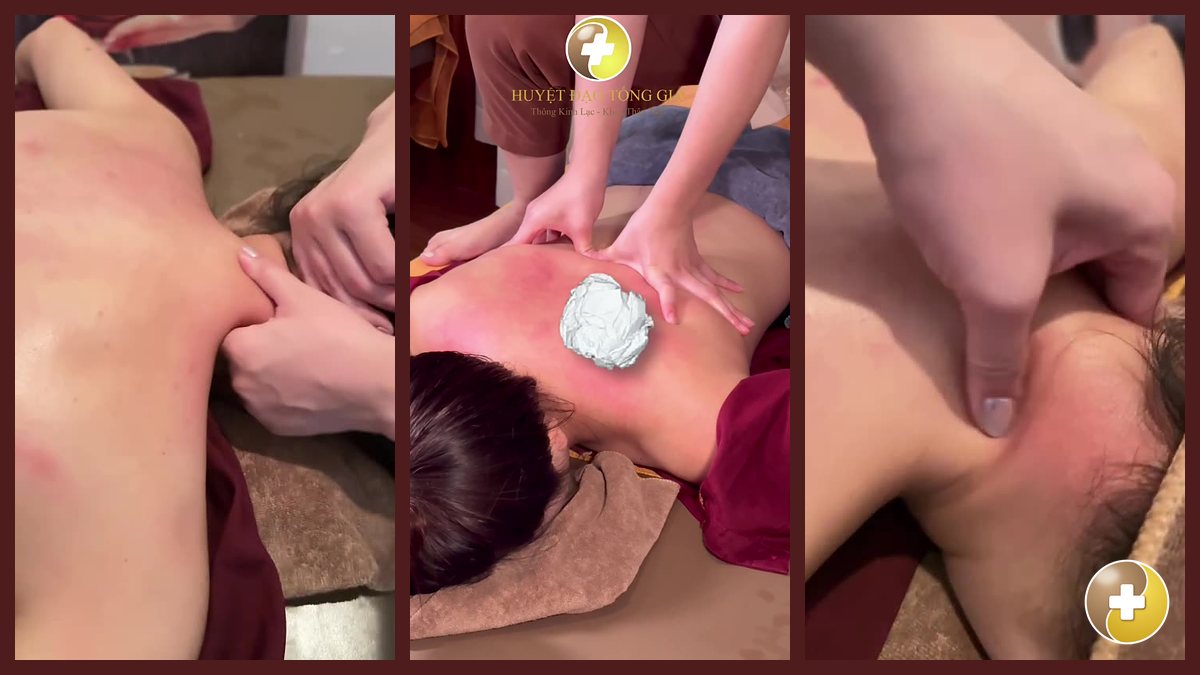
Quick answer: Tired feet after a day of walking around Saigon usually come from 15,000–20,000 steps on uneven pavements, the heat and thin-soled sandals. That evening, drink enough, soak your feet and raise your legs; an evening foot care session at Tong Gia Acupoint Wellness in District 12 or Thu Duc, Ho Chi Minh City, can help.
Want Lương Y Tống Văn Huynh’s team to read your spine and posture in person?
Tired feet after a day of walking around Saigon: what is going on
On a trip home or a first visit to Ho Chi Minh City, most people walk far more than they planned. Breakfast at a street stall, a morning at the market, a riverside stroll in the afternoon, the walking street at night. Overseas Vietnamese from San Jose, Houston, Toronto, Paris, Berlin, Sydney or Melbourne often say the same thing: at home they drive almost everywhere, yet one day in Saigon adds up to fifteen or twenty thousand steps. International visitors on long-haul trips do the same, packing every hour of a short stay.
Back at the hotel or with family in the evening, you slip off your sandals and notice burning soles, tight calves, slightly puffy ankles and knees that complain on the steep stairs of a narrow tube house. Some people get a calf cramp that night; others feel a sharp heel on the first steps out of bed. This is very common, and most of it settles within a day or two with sensible care.
From a Western anatomy point of view, tired legs after a long walking day are an overload of muscles, tendons and soft tissue. Twenty thousand steps is roughly ten to fifteen kilometres, depending on your stride. With every step the foot takes your full body weight; the plantar fascia, a tough band under the sole, is stretched and released again and again. The calf muscles push you forward and also act as a pump that sends venous blood back to the heart. After hours of work, energy stores run low, metabolic by-products build up and muscle fibres pick up tiny strains, so the legs feel heavy and may ache more the next morning.
People who tend to feel it most:
- Those who drive at home and rarely walk long distances.
- Travellers who have just landed after a long flight, with swollen ankles, jet lag and no time to adapt to the heat.
- Anyone in flat flip-flops or thin sandals, or in new shoes not yet broken in.
- People over 50, people carrying extra weight, and anyone with a history of heel, knee or flat-foot trouble.
- Parents carrying children or helping elderly relatives through the day.
This article is part of Tong Gia's programme for overseas Vietnamese and wellness travellers. For the bigger picture after flying, read our main guide on spine care after a long-haul flight. If your main issue is calf tightness from everyday walking, see calf tightness after walking. Here we focus on sightseeing days: a packed itinerary, heat, pavements and footwear, and how to fit a foot care session into the end of the day.
Common causes: step count, pavements, heat, sandals and a full itinerary
- A sudden jump in steps: three or four thousand steps a day at home becomes five times that in Saigon. Muscles and tendons have not been trained for the load.
- Uneven pavements: kerbs of different heights, broken tiles and parked motorbikes mean you constantly step down to the road and back up. Each change of level makes the front thigh brake and the ankle stabilise, so knees and ankles tire faster than on a flat path. A missed step can easily roll an ankle.
- Heat and humidity: the city is warm all year and the midday sun is strong. You sweat heavily, losing water and salts, so muscles cramp and tire sooner. Heat widens surface blood vessels, and hours on your feet let fluid pool in the ankles, which is why sandals feel tighter by evening. See heat fatigue when visiting Vietnam in the dry season.
- Thin, flat sandals: they keep you cool but give no arch support, so impact goes straight to the heel and plantar fascia. With flip-flops, your toes grip all day to hold them on, working the small foot muscles and the front of the shin. Damp skin and straps rubbing cause blisters.
- A long flight just before: nearly a day from North America with connections, about half a day from Europe, eight or nine hours from Australia. Sitting with bent knees slows venous return and leaves ankles puffy. Read swollen legs after a long flight.
- Jet lag and short nights: you wake early on home time, so muscles get less recovery between walking days.
- No breaks: trying to see everything, a rushed lunch, iced coffee and soft drinks instead of water, then out again at night.
Signs worth noting
The key is telling ordinary tiredness, which eases with rest, from signs that need a medical check:
| Feature | Tired legs from walking (common) | Heat and fluid-loss cramps | Needs a medical check |
|---|---|---|---|
| Where | Soles, heels, calves, front thighs, both knees | Calves, soles, toes | One calf swollen, warm and red; sharp pain at one spot on a bone; a swollen, bruised ankle after a roll |
| When | Evening of the walking day, sometimes worse the next morning | At night after a hot day, or mid-walk at noon | Any time, worsening quickly |
| Feeling | Heavy, aching, burning soles, sore heel on first morning steps | Muscle knots hard, intense pain that eases with a stretch | Pain at rest, cannot bear weight, lasting numbness or weakness, fever |
| Swelling | Mild, both ankles, better after a night with legs raised | Usually none | One leg only, or swelling with breathlessness |
| What to do | Rest, fluids, warm foot soak, raise legs; gentle leg massage is fine | Stop, stretch gently, drink fluids with electrolytes, get into shade | Get checked or call 115; no massage |
Many sightseers also notice sore heels in the morning (often the plantar fascia), night cramps after a sunny day, blisters where straps rub, knees that ache on stairs, a tired lower back and shoulders from a backpack or carrying a child, and thirst with a mild headache late in the afternoon.
When to see a doctor
If tired feet after a day of walking come with any of the following, please get medical care or call 115 (Vietnam's emergency number) rather than relying on massage:
- Chest pain or tightness, shortness of breath, cold sweat or an irregular heartbeat while walking or afterwards: call 115 straight away.
- Dizziness, fainting or confusion, with hot, flushed skin and less sweating after hours in the sun: possible heatstroke. Call 115 and move the person into the shade.
- One calf swollen, warm and red, more painful when walking, especially in the days after a long flight: possible deep vein thrombosis. See a doctor at once and do not massage that leg.
- Sudden breathlessness, chest pain or coughing blood in the days after flying: call 115.
- A rolled ankle you cannot stand on, with marked swelling and bruising, or a cracking sound.
- Sharp pain at one spot on a foot bone or the shin that keeps increasing and hurts at rest: possibly a stress injury.
- Lasting numbness or weakness in the foot, a dragging foot, or pain running from the lower back down the leg.
- A blister that turns red, swollen or weeping, with red streaks or fever; people with diabetes should have any foot wound checked.
- Urine as dark as tea or cola with severe muscle pain and very little urine.
At Tong Gia, practitioners ask about these signs before touching your legs; if any are present, they stop and recommend a medical check. Tong Gia does not read X-rays or MRI scans and does not draw up medical plans. If you have a heart condition, severe varicose veins or take blood thinners, wellness work is only done with the agreement of the specialist who follows you.
This is a wellness service, not medical care.
The Y Tướng Học view: the Liver governs the sinews, the Spleen the limbs, the Kidney the bones
In the Tong Gia course material, the Liver "stores blood": it holds and regulates blood, sending it to muscles and tendons when you move and taking it back when you rest. The Liver also "governs the sinews", nourishing tendons and ligaments; when it is strong, tendons stay supple, and when it is weak, muscles tighten, cramp and lose flexibility. A full walking day keeps that function busy, and night cramps in the calf are, in Eastern wellness language, a sign the sinews are "under-nourished".
The Spleen "governs the flesh and the four limbs": it turns food into the energy and blood that feed the muscles, and also moves fluids. When it is overloaded, arms and legs feel weak and heavy and fluids collect, so ankles puff up. Heavy legs after a hot day, plus irregular meals between sights, put the Spleen to work.
The Kidney is linked to bones, water and the lower back and knees; when it is weak, the back and knees tire quickly. The course notes that the Kidney meridian begins at Yongquan (KI1) on the sole of the foot, which is why burning soles after a long day are seen as close to the Kidney channel. In Western terms, the kidneys filter about 180 litres of fluid a day and produce only 1–2 litres of urine, so scanty, dark-yellow urine after a hot day is a signal to drink more.
This is functional language from Eastern wellness, not a statement that your liver, spleen or kidneys are diseased.
Y Tướng Học, the Vietnamese art of reading face and body for wellness, says "signs show outside, organs live inside". Lương Y Tống Văn Huynh, a Vietnamese master of traditional wellness and founder of Tong Gia, systematised it so practitioners look first and then know which part of the spine to read carefully. Signs worth noticing: for the Liver, dry tired eyes after bright sun, brittle nails, frequent cramps; healthy calf muscle that is "soft as cotton", warm and springy; when that sign is off, flesh that is soft, cool and keeps a dent when pressed, a tendency to fluid retention often seen in ankles after a flight and a walking day; for the Spleen, pale lips and slack muscle; for the Kidney, tired knees, a cold lower back and thinning hair. These are pointers, not conclusions about illness.
Spine segments and nerve-reflex zones linked to the feet, calves and knees
Tong Gia's spinal nerve-reflex course groups muscles, bones and joints under the C5–C7, L1–L5 and S1–S5 zones. Anatomically, roots L2–L4 form the femoral nerve to the quadriceps, which brake each step down a kerb; roots L4–S3 join the sciatic nerve, whose peroneal branch lifts the foot and toes and whose tibial branch supplies the calf, soleus and small muscles of the sole; S1 carries sensation from the heel and the Achilles reflex.
| Segment | Nerve / function (Western anatomy) | Common feeling after a walking day | Organ | Outer sign (Y Tướng Học) |
|---|---|---|---|---|
| T9–T10 | Mid-lower thoracic roots; back muscles; Ganshu point (BL18) | Night calf cramps, tight Achilles, dry eyes after sun | Liver (stores blood, governs sinews) | Dry eyes, brittle nails, frequent cramps |
| T11–T12, L1 | Lower thoracic and upper lumbar roots; Pishu point (BL20) | Heavy legs, puffy ankles by evening | Spleen (flesh, limbs, fluids) | Pale lips, slack muscle that keeps a dent |
| L2–L4 | Femoral nerve; quadriceps; L4 knee reflex; Shenshu (BL23), Mingmen (GV4) | Tired knees, aching front thighs on stairs and kerbs | Kidney (bones, back and knees) | Thin soft ear rims, cool lower back |
| L4–L5 | Peroneal branch of the sciatic nerve; front shin muscles, toe extensors | Sore front of the shin, tight top of the foot from gripping flip-flops | Spleen–Stomach (Stomach meridian runs down the shin) | Tight front shin, heavy dragging step |
| S1–S2 | Tibial branch; calf, soleus, sole muscles; S1 Achilles reflex; Bladder meridian at Weizhong (BL40) | Rigid calves, morning heel pain, burning soles | Kidney–Bladder, Liver | Hard bound calves, cool lower back |
The table shows related zones to guide care, not a conclusion about illness. Tired legs after sightseeing are mostly overloaded muscles and fascia, fluid loss and too little rest, not a "misaligned" vertebra. Relaxing the lower back and buttocks simply means the legs are no longer pulled from above.
How Tong Gia helps your feet rebalance after a walking day
This Vietnamese Eastern wellness method was developed by Lương Y Tống Văn Huynh over more than 13 years of work in traditional wellness, Y Tướng Học and spinal nerve-reflex balancing. The core steps: look at the outer signs to know the organ, read the spine by hand to know the zone, then care for each spinal zone and organ function. The aim is to help the body rebalance and support lighter legs for the next day, never to replace a medical check. For sightseers, the right time is late afternoon or early evening, after a cool shower, some water and a short rest. A session runs like this:
- Safety questions: how long you walked, sandals or shoes, any rolled ankle, dizziness or cramps; where you flew from and when; heart disease, blood pressure, diabetes, varicose veins, pregnancy or blood thinners. Any warning sign above and the session stops there.
- Observation: complexion, lips, eyes, nails, ear rims; both ankles checked for puffiness and dents, the soles checked for blisters or grazes to avoid, and your gait as you walk in.
- Reading the spine by hand: pressing, stroking and rolling to feel skin temperature, the muscle layer, the shape of the spine and your own sensations, segment by segment from T9 to the sacrum, comparing both sides.
- Light to moderate muscle release: lower back and buttocks, then hamstrings, the back of the knee, calves and Achilles, then soles, toes and the top of the foot; lying on your back, front thighs, around the knees and the front of the shin. Strokes run from foot to thigh to support venous return, never deep into an aching knot, never over blisters.
- Acupressure in the right zones: Ganshu, Pishu, Shenshu and Mingmen on the back; Weizhong, Zusanli (ST36), Yinlingquan (SP9), Ququan (LR8), Taixi (KI3), Taichong (LR3) and Yongquan (KI1) on the legs and feet. Sanyinjiao (SP6) is not used in pregnancy.
- Self-care guidance: foot soaking, rubbing Yongquan, calf stretches, how to raise your legs at night and how to pace the rest of your trip.
A typical evening session: sightseers often arrive around five or six in the afternoon, still in the sandals they wore all day, ankles a little puffy. After the safety questions, the practitioner checks both ankles and the soles, then reads the spine with you lying face down; the lower back is often tight from the flight and the walking, and the two calves are rarely equally stiff. Work moves from the back to the legs and feet with light, even pressure, then to the front of the legs, and ends with the points and two or three moves you can repeat in your hotel.
Three suitable services (prices in VND; conversions use a reference rate of about 26,000 VND per USD, payment in VND; see prices):
- Heavy, tired legs care, 60 minutes: 500,000 VND (about 19 USD, 29 AUD, 26 CAD, 17 EUR). Focus on the lower back, buttocks, thighs, calves, heels and feet.
- Extra 30 minutes on one area: 199,000 VND (about 8 USD, 12 AUD, 10 CAD, 7 EUR). More time for shoulders or lower back after a backpack or carrying a child.
- Vietnamese Eastern massage, 90 minutes: 550,000 VND (about 21 USD, 32 AUD, 29 CAD, 18 EUR). For a whole-body reset after several walking days.
Opening hours and getting there: the District 12 branch opens 8:00–19:00 daily, so arrive by about 18:00 for a 60-minute session to finish before closing; the Vinhomes Grand Park branch opens 9:00–20:00 daily and suits later evenings. Both are outside the city centre, and early evening is rush hour, so allow extra travel time. The District 12 branch is on the same north side of the city as Tan Son Nhat airport, handy on arrival day or before a flight; Vinhomes Grand Park in Thu Duc is further from the airport and takes longer by car. See massage near Tan Son Nhat airport.
What you may feel: soles and calves warm up; tight spots give a mild, pleasant ache that the course calls a "wave of sensation". Many people doze off halfway through. Afterwards, steps may feel lighter, ankles less tight and sleep easier, depending on your body and condition. Tong Gia does not promise the tiredness will vanish in one session; rest, fluids and good shoes still matter most.
Want Lương Y Tống Văn Huynh’s team to read your spine and posture in person?
A suggested plan for a sightseeing trip, plus self-care
For a fuller wellness itinerary see a 3-day wellness trip in Saigon and Thu Duc; if you miss onsen foot baths, read a herbal foot soak for people who miss onsen; runners heading out sightseeing after a race can read sore legs after the HCMC Marathon.
| Day | For your feet | Note |
|---|---|---|
| Before you fly | Pack broken-in walking shoes with cushioning and arch support, plus sweat-wicking socks | Do not save new shoes for the trip |
| Arrival day | Rest, shower, short walk, sleep on Vietnam time; a light back and leg session is fine | No full sightseeing day yet |
| Sightseeing day 1 | Walk early morning and late afternoon, rest indoors at noon; sit for a few minutes every hour | Sip water, wear a hat |
| Evening of day 1 | 60-minute leg care, or a warm soak and raised legs at home | No hot soak on red, swollen or broken skin |
| Sightseeing day 2 | Fewer walking stops, ride between distant sights; switch to shoes if you wore sandals | Cover blisters before you set out |
| Rest day | Coffee, family visits, little walking; optional full-body massage | Catch up on sleep |
| 1–2 days before flying home | A gentle back and leg session to prepare for the flight | On board, stand up and circle your ankles |
- Warm foot soak: per the Tong Gia course, 15–20 minutes at about 38–42°C before bed; people with diabetes should test the temperature carefully.
- Rub Yongquan: the hollow in the front third of the sole when you curl your toes, 3–5 minutes each foot.
- Raise your legs for about 15 minutes when lying down.
- Gentle stretches: calf stretch against a wall, rolling the sole over a water bottle, 20–30 seconds each, no bouncing.
- Drink steadily, add electrolytes or coconut water on hot afternoons, and go easy on beer at night.
A swollen, hot, red calf, a bruised ankle after a roll or an infected blister means no hot soak and no massage: get it checked.
Booking ahead for an evening foot care session
- District 12: 225 Dương Thị Mười, Phường Tân Chánh Hiệp (Tan Chanh Hiep ward, District 12), 8:00–19:00 daily.
- Vinhomes Grand Park: Căn T16-21 khu Manhattan, Phường Long Bình, TP. Thủ Đức (unit T16-21, Manhattan area, Long Binh ward, Thu Duc City, formerly District 9), 9:00–20:00 daily.
Whether you are flying in from Houston, Toronto or Melbourne or already at your hotel, you can book ahead by WhatsApp or Zalo +84 888 264 559 (0888 264 559 in Vietnam), or use online booking. Send your landing date, the days you plan to sightsee, where your legs ache (soles, heels, calves, knees, lower back), any past heel or knee trouble or health conditions, the evening time you prefer and your branch. Family in Ho Chi Minh City can book for you. Evening slots and the Tet season fill early, so message a day or two ahead.
Visit us
- Đông Y Huyệt Đạo Tống Gia Quận 12 (District 12)
225 Dương Thị Mười, Phường Tân Chánh Hiệp, Quận 12, HCMC · 8:00–19:00 daily · 0888 264 559 · Directions on Google Maps - Đông Y Huyệt Đạo Tống Gia Quận 9 (Vinhomes Grand Park, District 9)
Căn T16-21 khu Manhattan, Vinhomes Grand Park, Phường Long Bình, TP. Thủ Đức, HCMC · 9:00–20:00 daily · 0888 264 559 · Directions on Google Maps
Map of our two branches
Want Lương Y Tống Văn Huynh’s team to read your spine and posture in person?
What guests say on Google Maps
“Warm, cheerful and funny – I hope more people get to know this place.” (translated from a Vietnamese review)
— Thiện B., Google Maps review · District 12 branch · 08/2026 · See on Google Maps
Quoted from public reviews, shortened where marked (…). Experiences vary from person to person; reviews are not a substitute for seeing a doctor when something feels wrong.
Related guides for your trip
- Night leg cramps in Vietnam's heat: why your calves seize up, how to stretch and how to care for your legs
- Standing long shifts in Macau: lower back pain, tired calves and sore heels on leave in Saigon
- Shopping trip to Saigon left you with tired legs and a sore back: how to recover before you head home
FAQ
How should I look after tired feet after a day of walking around Saigon? That evening drink enough, take a cool shower, soak your feet in warm water for 15–20 minutes, rub your soles, raise your legs and sleep early. Walk less the next day and switch to cushioned shoes. One swollen, hot calf or chest pain means a medical check or a call to 115.
Is it bad to walk all day in Saigon in flip-flops or sandals? Flat, thin soles give no arch support, so impact goes to the heel and plantar fascia, and flip-flops make your toes grip all day. Short walks are fine; for long sightseeing days, cushioned walking shoes and sweat-wicking socks are kinder to your feet.
Why does my heel hurt in the morning after a lot of walking? Usually the plantar fascia has been stretched by the long day; it hurts most on the first steps and eases as you move. Stretch your calves, roll your sole over a bottle and walk less the next day. Pain that keeps growing, hurts at rest or comes with redness should be checked.
Can I get a foot massage the same evening after sightseeing? Yes, if there are no warning signs. Shower, drink some water and rest briefly first. Pressure should be light, strokes running from foot to thigh, avoiding blisters and grazes. The District 12 branch closes at 19:00 and Vinhomes Grand Park at 20:00.
I am flying in from Toronto or Sydney. How do I book an evening session at Tong Gia? Message WhatsApp or Zalo +84 888 264 559 before you travel with your landing date, sightseeing days, where it aches and your branch. Heavy, tired legs care for 60 minutes costs 500,000 VND, about 19 USD, 29 AUD or 26 CAD at a reference rate; payment is in VND.
My legs ache and I cannot sleep after sightseeing. What helps? A warm foot soak at about 38–42°C before bed, rubbing Yongquan on the sole for 3–5 minutes per foot, raising your legs for 15 minutes, enough water and less alcohol. For a night cramp, straighten the leg and pull your toes towards you.
Author: Lương Y Tống Văn Huynh – founder of Huyệt Đạo Tống Gia, a master of traditional Vietnamese wellness with over 13 years in Eastern wellness care, Y Tướng Học (face reading) and spinal nerve-reflex balancing massage.
Updated: 2026-11-18
Related guides
- Tired feet after a day of walking around Saigon: why soles, calves and knees ache and what helps
- Can you get a massage with varicose veins? A safety guide for people who stand all day
- Sore legs after the HCMC Marathon: why calves, thighs and heels ache and how to look after them
- Tired legs and a stiff back from rush-hour trains in Japan: care for commuters in Tokyo, Osaka, Nagoya
- Sore, burning feet from safety boots on long shifts: care for factory workers from Taiwan, Korea and Japan
- Foot soaks and foot massage with diabetes: is it safe on a trip to Vietnam, and how to do it carefully
This is a wellness service, not medical care.