
Heat fatigue visiting Vietnam in the dry season: why a first trip from Europe drains you, and what helps
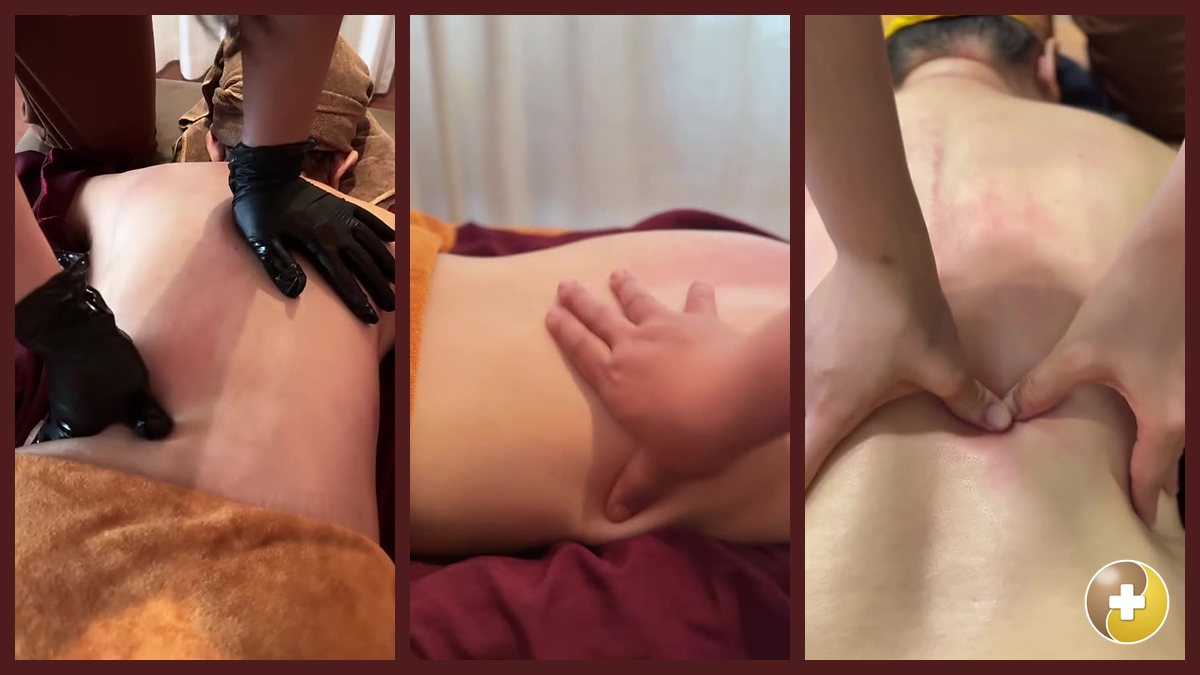
Quick answer: Heat fatigue on a dry-season visit to Vietnam means your body, fresh from a European winter, has not adapted to 33–35°C while you walk all day and lose sweat and salt. Rest in the cool and drink steadily. Tong Gia Acupoint Wellness (Huyệt Đạo Tống Gia) in Ho Chi Minh City offers gentle neck, back and leg care.
Want Lương Y Tống Văn Huynh’s team to read your spine and posture in person?
What heat fatigue on a dry-season trip to Vietnam looks like
You leave Paris, Lyon, Frankfurt, Berlin, Munich, London or Manchester in December or January, when it is a few degrees above freezing and dark by five. For many second-generation Vietnamese from France, Germany and the UK this is the first real trip to their parents' country. A direct flight takes around 12–13 hours; with a connection in Doha, Dubai, Istanbul or Singapore it is a lot longer. Then the doors open at Tân Sơn Nhất airport and Saigon is in the middle of its dry season: clear skies, hard sunshine, midday temperatures commonly around 33–35°C, and March and April hotter still.
The first days are exciting. Bến Thành market, the cathedral and the old post office, the Independence Palace, Nguyễn Huệ walking street, then the Củ Chi tunnels and a day in the Mekong Delta. You walk from morning to late afternoon, sip a little water, and your shirt soaks through and dries several times a day. By the second or third afternoon many visitors feel drained: a heavy head, dizziness when standing up, calf cramps in the middle of the night, a racing heart when they lie down, and sleep that will not come.
In Western physiology this is the body working hard to shed heat before it has adapted. Core temperature sits around 37°C. In heat and with exercise, the brain widens the blood vessels in the skin to carry heat out and switches the sweat glands up so evaporation can cool you. Walking in strong sun you can lose a lot of sweat every hour, and with it salt (sodium) and other electrolytes. With more blood sent to the skin and less fluid in the circulation, the heart has to beat faster to hold blood pressure and keep the brain and muscles supplied. The result is fatigue, a heavy head, light-headedness when you change position and muscles that cramp easily. Medical texts describe a ladder: heat cramps, then heat exhaustion, and at the dangerous end heat stroke, which is an emergency.
Full heat acclimatisation usually takes one to two weeks: you start sweating earlier, sweat becomes less salty and blood volume rises. A European winter holiday of ten to fourteen days means almost the whole trip happens before your body has caught up.
Who tends to feel it most:
- Second-generation Viet Kieu from France, Germany and the UK on a first visit, used to a temperate climate and trying to see as much as possible in a few days.
- Older parents travelling with them, who often feel thirst later and may be managing blood pressure or a heart condition.
- Office workers who spend most of the year indoors.
- Anyone still jet-lagged, short on sleep and eating at odd times.
- International visitors on long-haul trips who arrive from a northern winter straight into tropical sun.
Our pillar article on spine care after a long-haul flight covers the whole body after the journey; this page stays with heat fatigue. For tiredness in Saigon's heat in general, not tied to a trip, see tired in hot weather.
Common causes: from a European winter to 35°C in half a day
- A huge temperature jump with no time to adapt: from 0–8°C in Paris, Berlin or London to 33–35°C after one long flight.
- Sightseeing on foot through the middle of the day: dry-season sun is strong, there is little cloud and not much shade at many sights. Plenty of people walk from 9 a.m. to 4 p.m., exactly the hottest hours.
- Not drinking enough: worry about finding a toilet, and a European habit of drinking only when thirsty. In the tropics thirst often arrives after you are already short of fluid.
- Losing salt in sweat: drinking plain water but skipping meals means sodium is not replaced, and calves, thighs and feet cramp more easily, often at night after a long walking day.
- Jet lag: in winter Vietnam is 6 hours ahead of France and Germany and 7 hours ahead of the UK. Broken sleep lowers your heat tolerance; see jet lag and sleep after flying to Vietnam.
- The flight itself: 12–13 hours of dry cabin air, little to drink and little movement, so many people land already a bit dehydrated.
- Iced beer, iced coffee and family toasts: alcohol adds to fluid loss and makes sleep shallow; strong Vietnamese coffee can make a sensitive heart race.
- The wrong clothes: jeans, dark colours, no hat or umbrella; sunburn also makes it harder for skin to release heat.
- Constant swings between heat and air-con: 35°C streets, 18–20°C cafés, then sun again. Besides fatigue, a blocked nose is common; there is a separate page on blocked noses in humid heat and air-con.
Tong Gia's teaching material lists heat regulation among the nine physiological roles of the heart: it pushes more blood to the skin to release heat. Every hour of walking in the sun is extra work for the heart. Young people feel tired; older parents, or anyone with a heart condition, carry a much heavier load.
Signs that often come with it
- Feeling drained from early afternoon, with no wish to carry on even though the day's plan is long.
- A heavy or aching head after time in the sun, with heat around the forehead and crown; see headache after sun exposure.
- Dizziness or vision going dark when you stand up quickly.
- Cramps in the calves, thighs or feet, often when resting in the evening or at night.
- Heavy sweating, a soaked shirt and cool, clammy skin once you step into the shade.
- A fast or pounding heartbeat, especially on stairs or when lying down at night; more in common causes of heart palpitations.
- Thirst, a dry mouth and dark yellow urine, passing much less than at home.
- Mild nausea and poor appetite, wanting only cold drinks.
- Restlessness and shallow sleep despite being exhausted.
- Red, sore sunburn on the neck, shoulders and arms.
With mild heat fatigue most of this eases within 30–60 minutes of resting somewhere cool and drinking water with a little salt and sugar, and improves over a few days once the sightseeing plan is adjusted.
When to see a doctor
See a doctor at a medical facility, or call an ambulance, rather than relying on massage, if heat fatigue comes with any of the following:
- Signs of heat stroke: the person feels very hot to the touch, is confused, slurring, unsteady, has a seizure or collapses; skin hot and red, sometimes no longer sweating. Call 115 (Vietnam's emergency number) at once, move them somewhere cool, loosen clothing and cool the neck, armpits and groin while you wait. Do not give drinks to someone who is not fully awake.
- Chest pain or tightness, breathlessness, cold sweats, pain spreading to the left arm, shoulder or jaw: call 115 at once. No massage, no acupressure.
- A pounding heartbeat with dizziness, fainting or near-fainting, or an irregular pulse.
- A drooping face, weakness on one side or difficulty speaking: call 115.
- No improvement after about an hour of rest in the cool with fluids, repeated vomiting, or hardly passing urine.
- Severe or long-lasting cramps, or urine as dark as strong tea.
- Sudden high fever with body aches, pain behind the eyes, a rash or bleeding gums: get checked early, as dengue circulates in Vietnam.
- After the long flight, one calf swollen, painful and warm, or sudden breathlessness and chest pain on a deep breath: call 115 or go to an emergency room, as this may be a blood clot. No leg massage.
- Heart disease, high blood pressure, diabetes, kidney disease, pregnancy, a young child, or anyone told by a health professional to limit fluids or take water tablets: if you feel unusually unwell, ask a health professional early and do not stop anything you have been prescribed.
This is a wellness service, not medical care. Tong Gia's own training material sets a firm rule for the heart: chest pain, breathlessness or signs of stroke mean calling 115, never massage or acupressure. People with heart disease, a stent or a pacemaker need a health professional's go-ahead first. Tong Gia does not read X-rays, MRI scans or lab results and does not draw up plans in place of medical care.
The Y Tướng Học view: summer belongs to the Heart
Y Tướng Học (face reading for wellness) has roots more than 2,000 years old in the idea that "what is inside shows outside". Lương Y (traditional healer) Tống Văn Huynh, founder of Tong Gia Acupoint Wellness (Huyệt Đạo Tống Gia), applies it as "the signs show outside, the organs lie inside". It is observation to guide wellness care, not fortune-telling and not a statement about any illness.
Classical Eastern thinking has its own word for fierce summer heat, "thử" in Vietnamese; families still speak of being "struck by the sun". Tong Gia's material looks at it through the Heart (Tâm). The Heart belongs to the Fire element and to summer; it governs blood and vessels and houses the spirit, which includes mood and sleep. And "sweat is the fluid of the Heart": sweat is made from blood and body fluids. Sweating heavily all day drains both energy and fluids, so the Heart works harder. The material's summer advice is plain: stay cheerful, avoid anger, keep out of harsh sun, drink enough.
Two patterns are described. Heart qi deficiency: palpitations, breathlessness on effort, tiredness, sweating easily, a pale face. Heart yin deficiency: palpitations, restlessness, poor sleep, night sweats, hot palms and soles, a red tongue. A young visitor after a full day in District 1 can show a bit of both: drained and sweaty in the afternoon, then hot and restless at night. These are Eastern wellness concepts, not Western disease names.
The Heart works with its neighbours. "Qi commands the blood": shallow breathing tires the Heart too. The Spleen governs muscles and limbs, so skipped meals and cold food leave arms and legs heavy. When the Liver's blood runs low, cramps and tight tendons follow. A core Tong Gia saying: "Pain shows up in one place, but its source is often somewhere else."
What practitioners look at:
- Complexion: flushed red after the sun, or pale and grey when exhausted; heavy sweat on the forehead and face.
- Tongue: the tongue is the "sprout" of the Heart. A red tip, or a small pointed tongue of intense red, suggests Heart fire running high; a pale tongue suggests the Heart's energy and blood are low.
- The "Giáp" face: wide above and narrow below, broad forehead, pointed chin, a Yang Fire / Yin Wood constitution. Care aims to cool the head and neck, protect sleep and support the lower back; the nape around C1–C2 often feels warm.
- The "Vương" face: bony with high cheekbones, a dry-Fire constitution; care aims to keep moist, release deep tendons and stop bracing.
- Breath and sweat: quick, shallow chest breathing; a damp shirt even when sitting in a cool room.
Spine segments and nerve-reflex zones involved
In Tong Gia's material the neck vertebrae C1–C7 relate to the head, face, neck and arms; the thoracic vertebrae T1–T12 to circulation, breathing and digestion; the lumbar vertebrae L1–L5 to digestion, kidneys and the legs. Anatomically, the sympathetic fibres that speed the heart and strengthen its beat leave the upper thoracic spinal cord (roughly T1–T5), and the fibres to sweat glands and skin vessels leave the thoracic and upper lumbar cord, running along the chains of ganglia beside the spine. Heat, fatigue and poor sleep push this system harder: faster pulse, more sweat, tighter upper back and neck.
| Segment | Nerves / function (anatomy) | What you may notice | Organ system | Outer sign |
|---|---|---|---|---|
| C1–C2 | Suboccipital muscles, occipital nerves; superior cervical sympathetic ganglion supplying head and face | Hot, heavy head and ache at the skull base after sun | Heart (Heart fire), Liver | Flushed face, "Giáp" face, warm nape |
| C3–C5 | Phrenic nerve to the diaphragm; upper trapezius | Fast, shallow breathing on stairs and slopes in the heat | Lung ("qi commands the blood"), Heart | Raised shoulders, chest breathing |
| T1–T3 (Phế du at T3) | Upper thoracic sympathetic roots linked to heart rate, heart force and airways | Racing heart, heaviness between the shoulder blades | Heart, Lung | Braced upper back, pale or red face, sighing |
| T4–T5 (Quyết âm du, Tâm du) | Sympathetic supply to circulation; back points of the Pericardium (T4) and Heart (T5) | Drained, sweating easily, restless, poor sleep | Heart, Pericardium | Red tongue tip, sweat on face and chest |
| T11–T12, L1 | Sympathetic supply to stomach and gut; lower back muscles | Poor appetite, heavy belly after cold food, heavy limbs | Spleen–Stomach (muscles and limbs) | Pale lips, thick tight lower back |
| L2–L5 and calves | Lumbosacral plexus, femoral and sciatic nerves to thigh and lower leg | Night cramps in calves and feet, heavy legs | Liver (low Liver blood, cramps), Kidney | Tight calves, cool hollow lower back |
The table shows zones to examine, not causes. The material is explicit: acupoints do not act on the heart muscle or coronary arteries; they support balance and calm in Eastern terms and never replace cardiac care.
The Tong Gia method: a gentle session in a cool room, ideally in the morning
Tong Gia is a Vietnamese Eastern wellness method built by Lương Y Tống Văn Huynh over more than 13 years in Eastern wellness care, Y Tướng Học and spinal nerve-reflex balancing. For heat fatigue the session follows the Heart-care sequence in the training material, in a cool room, with light to medium pressure:
- Cool down and screening: if you arrive from the sun, sit in the cool for 15–20 minutes and drink first. You will be asked how much you drank and slept, about dizziness, nausea or fever, heart conditions, blood pressure, stents, pacemakers, blood thinners and pregnancy. Warning signs mean no session.
- Observation: complexion, tongue, sweat, breathing, how fast the heart feels, sleep.
- Reading the spine by hand along C1–C7, T1–T5 and the lower back: skin temperature, muscle layer, vertebral shape and sensation, comparing left with right. Over-active zones (warmer, tight, more tender) are worked; under-active zones are not pressed directly.
- Slow 4–6 breathing: in through the nose for 4 seconds, out for 6, for a few minutes to settle the pulse.
- Muscle release and acupressure: skull base, shoulders and both sides of T1–T5; gentle work on Quyết âm du and Tâm du; Nội quan, Gian sử and Thần môn at the wrist for 1–2 minutes each side; light pressure only on Đản trung mid-chest; Bách hội on the crown to finish. For cramps, the calves are released and Khúc Tuyền (inner knee) and Tam Âm Giao (inner ankle, not used in pregnancy) are worked.
- Home care: drinking on a schedule, pressing Thần môn before bed, a short midday nap, planning sightseeing around the hottest hours.
Why mornings: District 12 opens at 8:00 and Vinhomes Grand Park at 9:00. A morning session, before the day heats up and before you have sweated out litres, leaves you fresher; rest at midday and go out again in the late afternoon. If only an afternoon fits, go home, shower, drink and cool off first.
Services that suit heat fatigue (see prices):
- Heart wellness care (Dưỡng sinh tim), 75 min: 750,000 VND (about US$29, €25). For lasting tiredness after days in the sun, heavy sweating, mild palpitations and restless nights.
- Heavy, tired legs care, 60 min: 500,000 VND (about US$19, €17). For heavy legs, tight calves and cramps after walking days.
- Herbal "turbid-qi" hair wash (Gội đầu trược khí), 45 min: 150,000 VND (about US$6, €5). For a hot, heavy head after hours under a hat or helmet in the sun.
Exchange rates are for reference; payment is in VND.
From Tân Sơn Nhất airport: the District 12 branch (225 Dương Thị Mười, Phường Tân Chánh Hiệp) lies to the north of the city, not far from the airport; drive time depends on the hour and traffic. Vinhomes Grand Park (Căn T16-21 khu Manhattan, Phường Long Bình, TP. Thủ Đức) is farther, with a longer drive at rush hour. After landing, most people do better to rest and come the next morning; see massage near Tân Sơn Nhất airport if you want to come straight from the plane.
What you may feel: lying down in a cool, softly lit room and breathing slowly, many people notice the pounding in the chest settle within minutes. Pressure at the nape and between the shoulder blades is usually tender but pleasant, and the head feels lighter; wrist work often makes people drowsy. Some feel mild muscle soreness the next day. Everyone is different; Tong Gia supports and helps rebalance, with no promise that the tiredness will be gone after one visit.
Want Lương Y Tống Văn Huynh’s team to read your spine and posture in person?
A suggested dry-season plan and self-care
Travelling with older parents? Read taking elderly parents back to Vietnam. For a ready-made short itinerary, see the 3-day wellness trip in Saigon and Thu Duc.
| When | What to do |
|---|---|
| Before you fly (Paris, Frankfurt, London…) | Sleep well for 2–3 nights; pack light-coloured breathable clothes, a wide hat, sunglasses, sunscreen and a bottle; message to book a morning slot on day 2 or 3. |
| On the plane | Sip water, go easy on alcohol and coffee; walk every 1–2 hours and flex your ankles. |
| Day 1 | No sightseeing yet; a meal with soup and some salt; sleep in a room at around 26–28°C; gentle daylight early or late to reset your clock. |
| Days 2–3 | Sightsee from early morning until 10–11 a.m., stay indoors until about 3 p.m., go out again late afternoon; a morning Heart wellness session if you feel drained, jittery or sleepless. |
| Days 4–8 (Củ Chi, the Mekong, relatives) | A few sips every hour even if not thirsty; hat and umbrella; 10 minutes in the shade after every 45–60 minutes of walking; legs care if cramps start. |
| 1–2 days before flying back | A light session (hair wash or legs care) before the long flight; early night, plenty of water. |
- Drink on a schedule, not on thirst; pale yellow urine is fine, dark yellow means you are behind.
- Replace salt sensibly: eat proper meals with soup and fruit; on big walking days an oral rehydration sachet from a pharmacy, used as the packet says. If you are on a low-salt plan for heart, kidney or blood pressure reasons, ask a health professional first.
- A 15–30 minute nap at midday: in the material, 11 a.m.–1 p.m. is the Heart channel's peak hour.
- Slow 4–6 breathing and Thần môn before bed: the point sits on the wrist crease on the little-finger side; press gently 1–2 minutes each side.
- For a cramp: straighten the leg, pull the toes towards you, rub the calf gently, then drink and cool down.
Book from Europe before you fly
- District 12: 225 Dương Thị Mười, Phường Tân Chánh Hiệp, Quận 12. Daily 8:00–19:00.
- Vinhomes Grand Park: Căn T16-21 khu Manhattan, Phường Long Bình, TP. Thủ Đức (Unit T16-21, The Manhattan, Thu Duc City, formerly District 9). Daily 9:00–20:00.
Both branches have genuine guest reviews on Google Maps. From Paris, Frankfurt or London, message WhatsApp or Zalo +84 888 264 559 (0888 264 559 in Vietnam), or book online. English is fine. Send your landing date and time, what is bothering you (tiredness, heavy head, cramps), whether you prefer a morning or afternoon slot, which branch, and whether your parents are coming too. An evening message from Europe arrives in the small hours in Vietnam, so replies come during opening hours. More for returning families on our overseas Vietnamese page.
Visit us
- Đông Y Huyệt Đạo Tống Gia Quận 12 (District 12)
225 Dương Thị Mười, Phường Tân Chánh Hiệp, Quận 12, HCMC · 8:00–19:00 daily · 0888 264 559 · Directions on Google Maps - Đông Y Huyệt Đạo Tống Gia Quận 9 (Vinhomes Grand Park, District 9)
Căn T16-21 khu Manhattan, Vinhomes Grand Park, Phường Long Bình, TP. Thủ Đức, HCMC · 9:00–20:00 daily · 0888 264 559 · Directions on Google Maps
Map of our two branches
Want Lương Y Tống Văn Huynh’s team to read your spine and posture in person?
Related guides for your trip
- Winter fatigue from short days in Europe: sluggish, sleepy, and will a trip to Vietnam help?
- Getting a massage in Saigon without speaking Vietnamese: phrases, messaging ahead and a Tong Gia session
- Back pain and numb legs from long-haul trucking in Europe: why it happens and back care on a trip to Vietnam
FAQ
Why do I feel so drained after two days of sightseeing in Saigon when I'm fit at home in Paris? Fitness helps, but heat acclimatisation takes about one to two weeks. Coming from a few degrees in Paris, your body has not yet raised blood volume or adjusted sweating. Midday walking, too little water and a 6-hour time difference make the heart work harder, so you tire fast.
I get calf cramps every night since arriving from London. What should I do? Night cramps after hot walking days usually come from losing fluid and salt in sweat. During a cramp, straighten the leg, pull your toes towards you and rub the calf. Eat proper meals, drink steadily and rest in the shade. Severe or lasting cramps, or tea-coloured urine, need checking.
How can I tell heat exhaustion from heat stroke? Heat exhaustion: heavy sweating, weakness, a heavy head and mild dizziness that ease with rest, shade and fluids. Heat stroke: the person is very hot, confused, slurring, unsteady, may collapse or have a seizure and may stop sweating. Call 115 at once, move them somewhere cool and cool the neck, armpits and groin.
Is a racing heart after time in the sun something to worry about? In heat the heart beats faster to send blood to the skin and hold blood pressure as you lose fluid, so mild palpitations often settle with rest and water. A pounding heart with dizziness, fainting, an irregular pulse, chest pain or breathlessness means calling 115. With a heart condition, ask a health professional early.
Can a massage help with heat fatigue, and when should I book it? It does not replace water and rest, but a gentle session in a cool room can loosen the neck, upper back and legs and help sleep. Mornings are ideal: District 12 opens at 8:00, Vinhomes Grand Park at 9:00. Heart wellness care, 75 min, is 750,000 VND; heavy-legs care, 60 min, 500,000 VND. WhatsApp +84 888 264 559.
Can I book in English from Germany before my flight? Yes. Message WhatsApp or Zalo +84 888 264 559 in English, or use the online booking page. Send your landing date and time, what is bothering you, whether you prefer morning or afternoon and which branch. Messages sent in the European evening arrive overnight in Vietnam and are answered during opening hours.
Author: Lương Y Tống Văn Huynh – founder of Huyệt Đạo Tống Gia, a master of traditional Vietnamese wellness with over 13 years in Eastern wellness care, Y Tướng Học (face reading) and spinal nerve-reflex balancing massage.
Updated: 2026-11-16
Related guides
- Heat fatigue visiting Vietnam in the dry season: why a first trip from Europe drains you, and what helps
- Can you get a massage with high blood pressure when visiting Vietnam? When it is fine and when to wait
- Exhausted after Tet family visits in Ho Chi Minh City: why the holiday wears you out, and how Tong Gia helps
This is a wellness service, not medical care.