
Miss your nightly onsen? A herbal foot soak instead of the hot bath in Vietnam, and who should avoid hot water
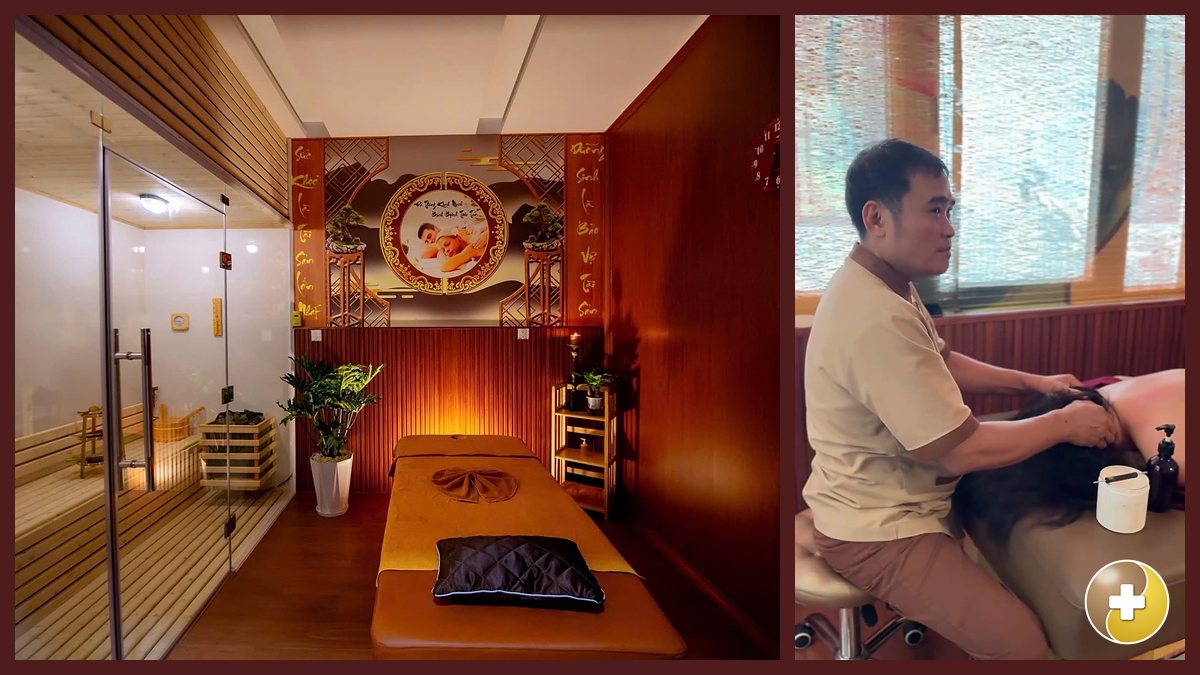
Quick answer: Used to a nightly onsen or hot bath in Japan? In Vietnam, a herbal foot soak is a simple stand-in: water at 38–42°C, 15–20 minutes before bed, with ginger, lemongrass or coarse salt. Take care with diabetes, varicose veins or low blood pressure. Tong Gia Acupoint Wellness (Huyệt Đạo Tống Gia) in Ho Chi Minh City cares for tired feet by hand.
Want Lương Y Tống Văn Huynh’s team to read your spine and posture in person?
Used to an onsen every night, but no hot tub in Saigon: what is your body missing?
By mid-November, early mornings in Tokyo, Saitama and Osaka drop to around 10°C, the wind in Nagoya already bites, and Sapporo has its first snow. After a shift at a parts factory, a restaurant kitchen, a warehouse or a convenience store, or after language school and a part-time job, many Vietnamese workers, trainees and students in Japan share one evening habit: run the ofuro, walk to the neighbourhood sento, or spend a weekend at an onsen in Hakone, Kusatsu or Beppu. A soak in hot water warms the body, the shoulders drop, and sleep comes easily. In Japan it is simply part of daily life, almost a ritual that closes the working day. Plenty of long-haul travellers and expats who have lived in Japan, Korea or Northern Europe know the same feeling.
Then you land in Saigon. It is 32–34°C, the tail of the rainy season is still sticky, and most family homes have a shower but no bathtub; a hot shower in that heat only makes you sweat more. You spend the day sightseeing, visiting relatives, eating festive meals, then lie under the air conditioner at night and something is missing: legs heavy, feet oddly cold from the fan, mind still busy, sleep slow to come. Many people ask whether there is a substitute. One that suits a hot climate and fits Vietnamese family habits is the herbal foot soak.
This article does not compare onsen and foot soaks medically, and it makes no claims about mineral springs. It explains why a basin of warm water for the feet can help people who are used to hot baths keep their evening wind-down ritual, how to do it properly, and who should not use hot water.
From a Western physiology point of view, when you soak your feet and ankles, sometimes up to mid-calf, in warm water, the blood vessels in the skin widen, more blood flows to the periphery, the feet warm up, the calf muscles soften and the heavy, tired feeling eases. The soles are packed with sensory nerve endings; steady warmth and a light familiar scent help the nervous system settle into rest mode. Afterwards the body releases heat through the skin of the feet and core temperature drops slightly, a natural signal that makes you sleepy. According to the Tong Gia training curriculum, a warm foot soak helps you relax, warms the feet and makes it easier to fall asleep; herbs act mainly locally through the skin, helping keep warmth and creating a sense of relaxation. In other words, the main effect comes from warm water, time and calm; the herbs add scent and local warmth.
The people who most often look for this substitute are:
- Specified skilled workers and trainees in Aichi, Gunma, Saitama, Osaka and Fukuoka who soak after 8–10 hour standing shifts.
- Students in Tokyo, Kyoto and Osaka who study and work part-time and use the sento because their rooms are tiny.
- Engineers and office staff who have lived in Japan for years, go to an onsen at weekends, and come back for Tet or for good.
- International travellers on long-haul flights into Ho Chi Minh City who rely on a hot bath at home to unwind.
For foot soaks in general, read herbal foot soak benefits. For the bigger picture of the neck, back and lower back after a flight, read the pillar guide spine care after a long-haul flight by Tong Gia.
Common causes: why legs feel tired and sleep goes shallow when you come home
The feeling of missing the bath is really several things adding up in the first days back:
- Losing the evening wind-down: in Japan a hot soak tells the body that the day is over. In a busy family home you take a quick shower and that signal disappears, so the mind struggles to switch off.
- The flight and the clock: flights from Narita, Haneda, Kansai, Chubu or Fukuoka to Tan Son Nhat take about 5.5–6.5 hours of sitting still, so calves pump less and ankles may swell. Vietnam is 2 hours behind Japan, so for the first nights you feel sleepy early and wake early.
- A sudden climate change: you leave Japan at 8–12°C and land in humid heat above 30°C. You sweat a lot, easily run short of fluids and feel sluggish; see heat fatigue when visiting Vietnam.
- Air conditioning blowing on your feet: the room is set to 24–25°C all night with the vane pointing at the bed. Your body feels hot, your feet go cold, and you wake with a stiff neck.
- Walking in flip-flops: markets, walking streets, weddings in the home town, sitting on the floor at family meals. Thin soles on tiled floors tire the feet faster than shoes.
- A year of shift work in Japan: standing on a line, carrying trays or pushing trolleys all year means the feet and lower back are already tired; sore feet from safety boots on long shifts covers this in detail.
- Food, iced coffee and party beer: late dinners, iced milk coffee in the afternoon and beer in the evening make sleep lighter.
Shift workers in Japan often have tight necks and shoulders too; see neck and shoulder pain from factory shifts in Japan.
Other signs to notice
- Heavy legs and slightly puffy ankles by evening, better after sleep: blood and fluid pooling after flying and lots of walking.
- A hot body but cold feet, even in a warm room under the air conditioner: poor peripheral circulation when you move little; see cold hands and feet.
- Hot soles and palms at night: the opposite pattern, where you push your feet out from under the sheet.
- Slow to fall asleep, broken sleep, waking too early: the 2-hour time shift plus the missing ritual; see jet lag and sleep after flying to Vietnam.
- Night cramps in the calf or sole: tired muscles, fluid loss in the heat, cold air from the AC.
- Tired knees and lower back, waking at night to urinate: in Eastern wellness these are often linked with the Kidney, explained below.
The Tong Gia curriculum notes that discomfort shows up in one place while its source may lie elsewhere: cold feet often come with a cool, slack lower back; poor sleep often comes with a hot head and cold feet. That is why a home soak is a good habit, but when tiredness becomes regular it helps to look at the whole line from the lower back down to the soles.
When to see a doctor, and who should not use hot water
People used to onsen and sento often like their water very hot. A foot soak is different: the Tong Gia curriculum recommends about 38–42°C, not hotter; very hot water can scald or make you dizzy. Take extra care if you have:
- Diabetes or numb feet: reduced heat sensation means you can burn without noticing. Ask someone to test the water by hand or use a thermometer, keep it only warm, and check the skin afterwards.
- Visible varicose veins: use moderately warm water, keep it short, soak only the feet, not the calves.
- Low blood pressure or dizziness on standing: keep it short, sit in a chair with a back, stand up slowly.
- Heart disease, monitored high blood pressure, or pregnancy: ask a health professional before using herbs, and keep the water moderate.
- Wounds, ulcers, athlete's foot or infection on the feet: do not soak; have it checked.
- A full stomach, hunger with weakness, or alcohol: wait before soaking.
Do not soak or massage, and see a doctor promptly, if you notice:
- One calf swollen, painful, warm or red, especially after the flight: this can be a sign of deep vein thrombosis. Get checked immediately, and do not massage or heat that leg.
- Chest tightness or pain, breathlessness, cold sweats, pain spreading to the jaw or left arm; sudden breathlessness, coughing blood or fainting: call 115 (Vietnam's emergency number) at once.
- Repeated dizziness or fainting while soaking or when standing up.
- A cold, pale or bluish foot, or calf pain that forces you to stop after a short walk.
- Burning or numbness in both feet, worse at night, with loss of feeling or unsteady walking: blood sugar and peripheral nerves need checking.
- A foot wound that spreads red, hot and swollen, oozes pus or comes with fever; foot wounds that are slow to close if you have diabetes.
- Persistent swelling of both legs with breathlessness lying down, weight loss or heavy fatigue.
Ongoing tiredness, unexplained weight loss or a pale look like anaemia should be checked at a medical facility alongside any wellness care. Tong Gia does not read X-rays or MRIs and does not make medical plans; if you have results from Japan, bring them so the technician knows where to work lightly or what to avoid. This is a wellness service, not medical care.
The Y Tướng Học view: the soles and the Kidney, humidity and the Spleen
Y Tướng Học, Vietnamese face and body reading, is rooted in a tradition more than 2,000 years old and built on one idea: "the signs are outside, the organs are inside". Lương Y Tống Văn Huynh, founder of Tong Gia, has systematised it so technicians read the body before they lay hands on it. For someone used to hot baths in a cold country who arrives in a hot, humid one, the three organ systems most often considered are the Kidney, the Spleen and the Liver, plus the Heart–Kidney link behind sleep. These are concepts of traditional Eastern wellness, not Western disease names, and are never used for self-labelling.
The Kidney and the soles. According to the Tong Gia curriculum, the Foot Shaoyin Kidney meridian has 27 points and starts at Yongquan (KI1, "Gushing Spring") in the hollow of the front third of the sole, running up the inner leg to the abdomen and chest. Taixi (KI3), in the hollow between the inner ankle bone and the Achilles tendon, is its source point. That is why Eastern tradition sees warm feet as a way to protect Kidney energy. The curriculum describes two directions: a "lack of warming fire" pattern, with sensitivity to cold, cold hands and feet, cold aching back and knees and night urination, where the advice is to keep the back, belly and feet warm and soak the feet in warm water; and a "lack of cooling water" pattern, with hot palms and soles, afternoon flushes and dream-filled sleep, where the advice is to sleep early and avoid late nights and very spicy food. People in the second group should keep foot soaks warm, short and never hot. The Kidney shows in the ears, hair, bones and lower back: thick rosy ears and glossy hair are a good base; thin dull ears, dry hair and a cold back and feet suggest it needs care.
The Spleen and Saigon's humidity. The Spleen governs the muscles and the four limbs and shows on the lips. It likes dryness and dislikes damp. After Japan's dry cold winter, Saigon's humidity, heavy festive food and iced drinks leave many people feeling heavy and sluggish. The curriculum describes soft, slack, cool muscles that stay dented when pressed as leaning towards a cold, weak Spleen and Stomach, and heavy limbs with a slightly puffy face on waking as damp retention. Signs to look for: pale lips, slack or very tight calves, a heavy body.
The Liver and the tendons. The Liver governs the tendons and stores blood: at rest blood returns to the Liver, in activity it is sent to muscles and tendons. Long walking days and short nights leave calf and sole tendons under-nourished and prone to cramp. Nails reflect Liver blood: pink and firm is good; thin, dry, ridged, brittle nails suggest it needs care.
Heart, Kidney and sleep. The curriculum describes Yongquan as drawing fire downward and calming the mind. A person with a "hot head and cold feet" who lies awake is someone the technician will work on at both the upper neck and the soles. All of this is observation for wellness care, not fortune telling and not a judgement about illness.
Vertebrae and related nerve reflex areas
In Tong Gia's spinal nerve reflex balancing method, the lumbar spine L1–L5 relates to digestion, kidneys, urinary function and the lower limbs, and the sacrum S1–S5 to elimination and the pelvis. In Western anatomy, the nerves to the lower leg and foot come from L4–S1, while the front of the thigh and knee are supplied from L2–L4. So people with cold, tired feet often have a cool, slack or tight lower back, and poor sleepers often have tension at the top of the neck.
| Vertebrae | Nerves / function (Western anatomy) | Common signs when you miss the hot bath | Organ system (Eastern view) | Outer signs (Y Tướng Học) |
|---|---|---|---|---|
| C1–C2 | Head and upper neck; linked with sleep | Hot head, cold feet, slow to fall asleep | Heart, Kidney | Tired complexion, dark circles, dream-filled sleep |
| T11–T12 | Nerves to the abdominal wall, digestion, metabolism | Heavy body, bloating after feasts, tired limbs | Spleen–Stomach | Pale lips, slack calves, puffy face on waking |
| L2–L4 | Nerve roots to the front of the thigh and knee | Tired knees, aching in AC drafts | Kidney, Liver | Cold back, weak knees, thin dull ears |
| L4–S1 | Nerve roots to the lower leg, calf, heel and sole | Cold feet, tired calves, cramps, puffy ankles | Kidney (meridian starts at Yongquan) | Dry heels, cold feet, dry ridged nails |
| S2–S4 | Pelvis and bladder | Night urination, cold lower belly | Kidney | Cold lower back, sensitivity to cold |
The table lists related areas so the technician knows where to read carefully by hand; it does not state causes. That is why a foot session at Tong Gia works from the lower back, the back of the knee and the calves down to the heel and sole, and sometimes the neck as well.
How Tong Gia helps the feet and sleep regain balance
A foot soak is something you do yourself each evening. When cold feet, tired legs and poor sleep become regular, a session at Tong Gia goes deeper into the lower back and leg muscles, using the spinal nerve reflex balancing massage developed by Lương Y Tống Văn Huynh, who has more than 13 years in Vietnamese Eastern wellness, Y Tướng Học and spinal reflex balancing. The aim is to help the vertebral areas linked with the legs regain balance and to support organ function, by hand. If you are visiting Ho Chi Minh City, it is a way to try a Vietnamese method rather than a generic spa routine.
The steps of one session
- Questions and observation: your work in Japan, standing or sitting, how long you are home, sleep, diabetes, blood pressure, varicose veins, and whether one leg swelled after the flight. Then complexion, ears, lips, nails, skin colour and warmth of the feet, ankle puffiness: the signs are outside, the organs are inside.
- Reading the spine by hand: the hand reads four things, skin temperature, the muscle layer, the shape of the vertebrae and sensation at each point, comparing left with right and upper with lower. Cool, slack areas are warmed gently; hot, tight areas get focused muscle release, following the rule "lower what is high, raise what is low".
- Muscle release: lower back, glutes, hamstrings, the back of the knee and calves, then ankles and soles, from light to firm pressure with constant feedback, avoiding bulging veins, scratches and fungal areas.
- Acupressure on the right areas: Shenshu and Mingmen on the lower back, Weizhong behind the knee, Taixi and Yongquan on the foot, Zusanli on the shin to support the Spleen. Sanyinjiao is not used in pregnancy. Poor sleepers also get work on the neck.
- Self-care coaching: soaking at the right temperature and time, rubbing Yongquan, pressing Taixi, and setting the air conditioner for sleep.
During the session you may feel tender points along the calf, around the heel and in the middle of the sole where muscles are tight; as they release the tenderness usually eases, the feet warm from the bottom up and many people relax enough to doze off. Afterwards many say their steps feel lighter and they fall asleep more easily that night; some feel a little sore for a day first. Everyone responds differently, and Tong Gia does not promise that tiredness or sleep problems will disappear after one session.
Suitable services and prices
- Heavy, tired legs care, 60 minutes: 500,000 VND (about 19 USD). Feet, heels, ankles, calves, back of the knee and thighs; suited to heavy, cold, tired legs after the flight and long walking days.
- Herbal steam: 120,000 VND (about 5 USD). When you feel chilled and want warmth through the whole body, close to that familiar after-bath feeling; see herbal steam.
- Herbal compress: 130,000 VND (about 5 USD). Added to a session for knees or a lower back that feel cold.
Conversions use a reference rate of 1 USD ≈ 26,000 VND; payment is in VND. Full list on the price page, and foot care details on foot massage. If you would like a herbal foot soak included in your session, mention it when you book.
From Tan Son Nhat airport to a branch
The District 12 branch (225 Dương Thị Mười, Phường Tân Chánh Hiệp) lies north of the airport and the drive is usually not long, depending on time and traffic. The Vinhomes Grand Park branch (Căn T16-21 khu Manhattan, Phường Long Bình, TP. Thủ Đức) is further and takes longer, especially in the evening rush. If your family lives in Go Vap, Hoc Mon or District 12, District 12 is handy; for Thu Duc, former District 9, Binh Duong or Dong Nai, Vinhomes Grand Park is closer. After sitting on the plane, walk gently, drink water, sleep one night and book for day two or three; for a stop on the way from the airport, see massage near Tan Son Nhat airport.
Want Lương Y Tống Văn Huynh’s team to read your spine and posture in person?
A plan for your trip home and how to do a herbal foot soak
| When | What your body needs | What to do |
|---|---|---|
| Last week in Japan | Less built-up fatigue | Keep your usual bath but not too long; sleep well before the flight |
| Flight day | Keep the calves pumping | Comfortable shoes; ankle circles, heel raises and walks in the aisle; sip water |
| Arrival night | Relax, sleep on Vietnam time | Warm shower, 15–20 minute warm foot soak, legs up for 15 minutes, early night |
| Day 2–3 | Release calves and soles | Heavy, tired legs care 60 minutes; add herbal steam if you feel chilled |
| Sightseeing and home-town days | Keep the evening ritual | Avoid thin flip-flops all day; soak and rub Yongquan at night; keep AC air off your feet |
| 2–3 days before flying back | Prepare for the cold again | A gentle session and early nights; read preparing your body before a long flight |
How to do a herbal foot soak at home, as Tong Gia advises guests:
- Basin and water: deep enough to cover the ankles, up to mid-calf if you like (feet only if you have varicose veins). Aim for about 38–42°C; test with your elbow or a thermometer, never with your foot.
- Familiar, clean herbs: a few slices of ginger, a crushed stalk of lemongrass, a handful of mugwort, some pomelo leaves or coarse salt. Wash, boil, then cool to warm. Do not use unfamiliar herbs of unknown origin.
- Time: 15–20 minutes before bed, no longer. Top up with warm water slowly, never pour boiling water straight in.
- Afterwards: dry carefully between the toes, rub each sole (Yongquan) for 3–5 minutes and press Taixi gently for 1–2 minutes each side until you feel mild pressure. Wear thin socks if your feet run cold, and stand up slowly.
- Skip it right after a big meal, when weak with hunger, after alcohol, or with a wound on the foot.
A few more tips for sleeping in the heat: set the AC to around 26–27°C with the vane pointing up, drink steadily through the day, avoid coffee after 3 pm, and be in bed before 11 pm. Back in Japan, you can keep the foot soak for evenings when there is no time for the sento.
Book from abroad before you fly
You can book while still in Tokyo, Osaka, Nagoya, Fukuoka or anywhere else. Message WhatsApp or Zalo +84 888 264 559 (0888 264 559 inside Vietnam) with three details: your landing date and time at Tan Son Nhat, where you feel tired (feet, calves, knees, lower back, neck) or whether sleep is the issue, and which branch suits you. Mention diabetes, varicose veins or low blood pressure in advance. You can also book online; tips are in booking a massage in Saigon from abroad.
- District 12 branch: 225 Dương Thị Mười, Phường Tân Chánh Hiệp (Tan Chanh Hiep ward, District 12), open 8:00–19:00 daily.
- Vinhomes Grand Park branch: Căn T16-21 khu Manhattan, Vinhomes Grand Park, Phường Long Bình, TP. Thủ Đức (Long Binh ward, Thu Duc City, former District 9), open 9:00–20:00 daily.
The weeks before Tet fill up fast, so message early. Genuine guest reviews are on each branch's Google Maps page.
Visit us
- Đông Y Huyệt Đạo Tống Gia Quận 12 (District 12)
225 Dương Thị Mười, Phường Tân Chánh Hiệp, Quận 12, HCMC · 8:00–19:00 daily · 0888 264 559 · Directions on Google Maps - Đông Y Huyệt Đạo Tống Gia Quận 9 (Vinhomes Grand Park, District 9)
Căn T16-21 khu Manhattan, Vinhomes Grand Park, Phường Long Bình, TP. Thủ Đức, HCMC · 9:00–20:00 daily · 0888 264 559 · Directions on Google Maps
Map of our two branches
Want Lương Y Tống Văn Huynh’s team to read your spine and posture in person?
What guests say on Google Maps
“Clean space, thoughtful staff – the Kidney wellness care is well worth trying.” (translated from a Vietnamese review)
— Triệu A., Google Maps review · Vinhomes Grand Park branch (District 9) · 2025 · See on Google Maps
“Today was my first time here and it was very good. I will come back next time. Sincere thanks to the team for being so warm and friendly.” (translated from a Vietnamese review)
— Vân N., Google Maps review · Vinhomes Grand Park branch (District 9) · 2024 · See on Google Maps
Quoted from public reviews, shortened where marked (…). Experiences vary from person to person; reviews are not a substitute for seeing a doctor when something feels wrong.
Related guides for your trip
- Herbal steam with asthma: is it safe, when to skip it, what to choose instead and when to call 115
- Pollen Allergy from Japan or Korea: Can I Have a Herbal Steam or a Vietnamese Head Spa in Saigon?
- Bloating from cold bento meals in Japan: why the stomach feels tight and cold, and care on a trip to Saigon
FAQ
I miss my onsen from Japan. Can a herbal foot soak replace it when I visit Vietnam? As a way to keep your evening wind-down when there is no bathtub, yes. Soak both feet in water at about 38–42°C for 15–20 minutes before bed, with a few slices of ginger, lemongrass, mugwort or coarse salt. Your feet warm up, your body settles and sleep comes more easily. It is a wellness habit, not a medical comparison with onsen.
I take a hot bath every night in Osaka. What can I do in Saigon with only a shower? Take a warm shower, then a 15–20 minute warm foot soak, dry your feet and rub each sole for 3–5 minutes. Set the AC to about 26–27°C with the airflow away from your feet, avoid coffee after 3 pm and go to bed before 11 pm. Vietnam is 2 hours behind Japan, so you may wake early for a few nights; keep a regular bedtime.
Which herbs are used for a foot soak and how long should I soak? Familiar, clean ingredients such as ginger, lemongrass, mugwort, pomelo leaves or coarse salt, washed, boiled and cooled to warm. Tong Gia's curriculum recommends about 38–42°C for 15–20 minutes before bed. Herbs act mainly locally through the skin, keeping warmth and adding a relaxing scent. Avoid unfamiliar herbs of unknown origin.
Can people with diabetes or varicose veins soak their feet in hot water? Only with care. With diabetes, the feet may not sense heat well and can burn unnoticed: have someone test the water or use a thermometer, keep it just warm, check your skin afterwards, and never soak with a wound. With visible varicose veins, use moderate warmth, keep it short and soak only the feet. If you are being monitored for a condition, ask a health professional first.
Is a warm foot soak safe if I have low blood pressure? Usually yes, if the water is only moderately warm and the soak is short. Sit in a chair with a back, avoid soaking when very hungry or right after a big meal, and stand up slowly. If you repeatedly feel dizzy or faint while soaking or when standing up, stop and see a doctor.
How much does foot care at Tong Gia cost for a student home from Tokyo? Heavy, tired legs care for 60 minutes is 500,000 VND (about 19 USD); you can add herbal steam for 120,000 VND or a herbal compress for 130,000 VND for cold knees or lower back. Payment is in VND. Message WhatsApp or Zalo +84 888 264 559 with your landing time, where you feel tired, and whether District 12 or Vinhomes Grand Park suits you.
Author: Lương Y Tống Văn Huynh – founder of Huyệt Đạo Tống Gia, a master of traditional Vietnamese wellness with over 13 years in Eastern wellness care, Y Tướng Học (face reading) and spinal nerve-reflex balancing massage.
Updated: 2026-11-16
Related guides
- Weekly wellness routine for long stays in HCMC: one session a week, rotating neck, back, legs and sleep
- Can you get a massage with sunburn? Which areas are fine and when to wait
- First massage in Vietnam: booking, what to wear, asking for pressure, tipping and a Tong Gia session
- Can you get a massage while pregnant on a trip home for Tết? What to ask first and which areas to avoid
- What Vietnamese massage feels like and why people choose it: an honest guide for long-haul visitors to Saigon
- Miss your nightly onsen? A herbal foot soak instead of the hot bath in Vietnam, and who should avoid hot water
This is a wellness service, not medical care.