
Foot soaks and foot massage with diabetes: is it safe on a trip to Vietnam, and how to do it carefully
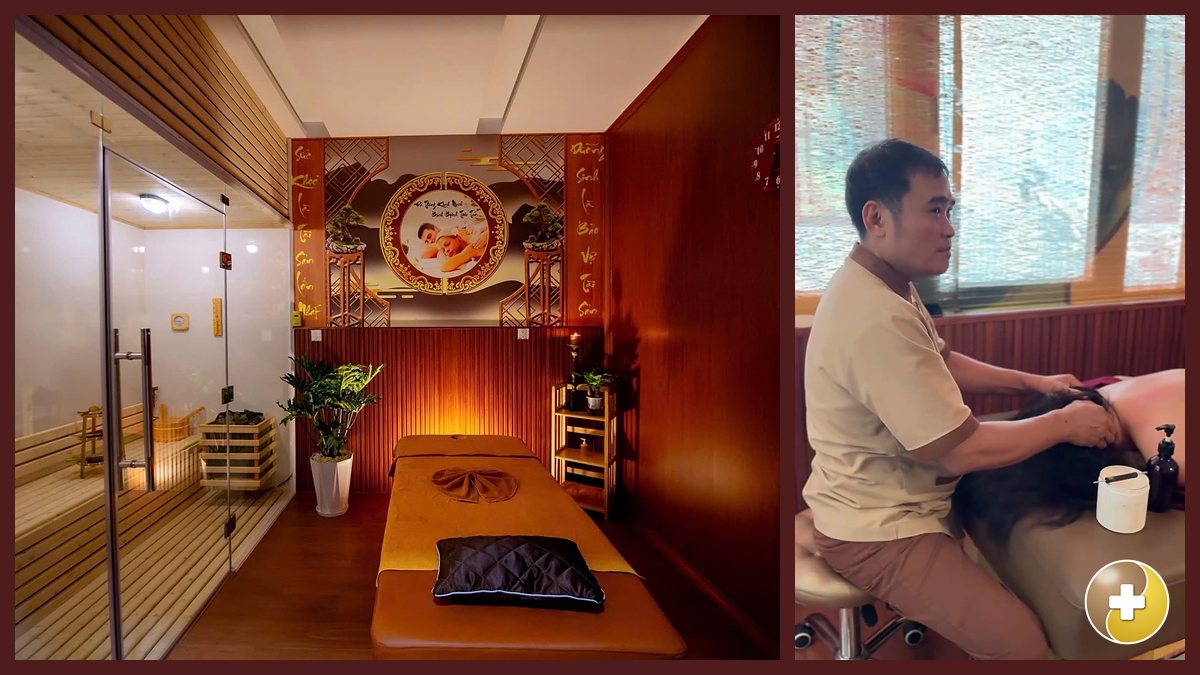
Quick answer: Usually yes, if your feet have no sores, cuts or red swelling, the water is only lukewarm and tested with a thermometer or a relative's hand, and the pressure is light. Foot soaks and massage do not lower blood sugar. Huyệt Đạo Tống Gia in District 12 and Vinhomes Grand Park, Ho Chi Minh City, checks your feet first and works gently.
Want Lương Y Tống Văn Huynh’s team to read your spine and posture in person?
Can you have a foot soak or foot massage if you have diabetes?
Every year before Tết, many Vietnamese families from Houston, San Jose, Orange County, Toronto, Montreal, Vancouver, Sydney and Melbourne fly home to Saigon. Many of the parents are over 60 and have lived with type 2 diabetes for years: a morning finger-prick, prescriptions taken on schedule, sometimes insulin. Once they land, relatives in Ho Chi Minh City suggest a herbal foot soak or a foot massage to shake off the long flight. Long-haul visitors from Europe or North America with diabetes often ask the same thing before booking a spa day.
Our straight answer: usually yes, provided your feet have no sores, open cuts or hot, red swelling, and it is done properly: lukewarm water checked with a thermometer or by someone else's hand, a short soak and light pressure. If you already have a sore that is slow to close, skin that has changed colour or a swollen foot, the first step is to get checked, not to book a soak. And to be clear from the start: soaking and massage do not lower blood sugar and do not replace your prescriptions or your care team's advice. Safety comes first in this article; comfort comes second.
In Western medical terms, diabetes means blood glucose stays high because the pancreas makes too little insulin or the body uses it poorly. The Tong Gia training manual describes the same physiology: the pancreas releases insulin and glucagon to balance blood sugar, and the liver stores glycogen and releases glucose when needed. Years of high glucose can damage the small nerves furthest from the centre, starting in the feet, and the tiny vessels that feed the skin. The result is numbness, tingling and reduced sense of heat, cold and pain; dry, cracked skin; small scrapes that take a long time to close.
That reduced sense of heat is exactly why a simple foot soak needs care. A numb foot cannot warn you that the water is too hot. Some people soak in a basin of herbal water that "feels warm", then find blisters hours later. For someone with diabetes, a small burn on the heel or between the toes can turn into a stubborn sore. If your back is also stiff after the flight, read our main guide on spine care after a long-haul flight.
Why diabetic feet run into trouble on a trip home
Back in the US, Canada or Australia, many people have a steady foot routine: socks, closed shoes, heated homes, regular foot checks. A trip home upsets most of it at once:
- Long hours seated: 15–22 hours from North America including connections in Taipei, Seoul, Tokyo or Hong Kong; about 9 hours nonstop from Sydney or Melbourne. Little water and tight shoes make ankles swell, and swollen feet rub inside shoes, causing blisters a numb foot does not feel.
- Time-zone shift: the US West Coast and Vancouver are about 14–15 hours behind Vietnam, Houston 13, Toronto and Montreal 12; Sydney and Melbourne are 4 hours ahead in their summer. Meal times, testing times and insulin times slide, so blood sugar can swing in the first days.
- Climate change: from a dry northern winter in thick socks to Saigon's hot dry season, sweating, flip-flops, bare feet at home or on hot tiles. Dry skin now also gets scratches and cracked heels.
- Tết food: sticky rice cakes, candied coconut and ginger, sweet soups, soft drinks, plus beer and rice wine, with irregular meal times.
- Lots of walking to relatives, pagodas and flower markets, often in new shoes bought for Tết.
- Hot-water habits: many Vietnamese homes boil leaves, ginger or lemongrass for foot soaks, and relatives often think "hotter is better". For a numb foot, that is the riskiest moment of the trip.
Swollen ankles after flying are covered in swollen legs after a long flight, and pacing your days is covered in a 7-day wellness plan for a Tết visit.
Signs worth watching in your feet
- Numbness, tingling or burning in the feet or toes, often worse at night; feeling as if you walk on cotton wool or wear socks when barefoot.
- Poor sense of temperature: you cannot tell whether water is warm or hot without someone else's hand.
- Dry skin, cracked heels, thick calluses; thickened or discoloured nails; damp, white, itchy skin between the toes.
- Cold, pale feet, thin hair on the shins, scrapes that are slow to close.
- Calf pain when walking that eases when you stop; ankle swelling after the flight; night cramps.
These signs do not tell you what is happening inside; they are reasons to look at your feet every evening, test your sugar regularly and tell your care team. The less you can feel, the less you should soak in hot water or let anyone press hard. For numb toes in general, see leg numbness from crossing your legs.
When to see a doctor, and when not to soak or massage your feet
Please see a doctor promptly, and skip the soak and the foot massage, if any of these apply:
- A sore or wound on the foot that is slow to close: no progress after a few days, oozing, pus, odour or spreading redness.
- Colour change: spreading redness, purple or dark patches, or pale, cold toes.
- A hot, red, swollen foot or ankle, sometimes with little pain because of numbness; especially with fever or chills.
- One calf that is swollen, warm, red and painful in the days after a long flight: possible deep-vein clot. Get checked straight away and do not have the leg massaged. With sudden breathlessness or chest pain on breathing in, call 115, Vietnam's emergency number.
- Chest pain or tightness, breathlessness, cold sweats, unusual exhaustion: call 115. In long-standing diabetes chest pain can be vague, so do not wait for it to get severe.
- Low blood sugar signs: shaking, sweating, sudden hunger, racing heart, dizziness, confusion. Stop and follow the plan your care team gave you (usually fast-acting sugar); if drowsy, fainting or having a seizure, call 115.
- Blood sugar far above your usual range with strong thirst, frequent urination, exhaustion or nausea.
- A new burn or blister from hot water or a heat pack: do not pop it; get checked.
- Numbness spreading quickly, new loss of feeling or weakness in a leg.
The Tong Gia manual requires us to ask about pregnancy, kidney disease, high blood pressure, diabetes, bleeding disorders and current prescriptions before any session, and to screen for warning signs; if any are present, we do not go ahead in place of a medical check and we advise you to get checked first.
This is a wellness service, not medical care. Tong Gia does not test or interpret your blood sugar, does not read lab results, X-ray or MRI images, does not draw up care plans in place of a medical facility, does not dress sores, and never suggests changing a prescription.
The Y Tướng Học view: Spleen, Kidney, Liver and your legs
Y Tướng Học (traditional Vietnamese face and body reading for wellness), systematised for practice by Lương Y Tống Văn Huynh, founder of Huyệt Đạo Tống Gia, rests on one saying: "the signs show outside, the organ lives inside." One honest note first: when the Tong Gia manual compares Western and Eastern views of digestion, it states that the pancreas's role in balancing blood sugar has no direct equivalent in traditional Eastern thought. So Y Tướng Học is never used to guess your sugar level; it helps us understand your constitution and decide where to work gently and where to hold back.
- Spleen (Tỳ) – flesh and limbs: it governs muscle and the four limbs and shows in the mouth, lips and flesh. Out-of-balance signs are pale lips, bloating, a heavy body and tired limbs. The manual describes a "more flesh than bone" build (soft, heavy) linked to Spleen weakness with damp, fat around the organs and a tendency toward metabolic conditions such as diabetes and fatty liver.
- Kidney (Thận) – bones, lower back and soles: it shows in the ears, hair, bones and lower back; signals are weak knees, a cold lower back and ringing ears. The Kidney channel starts at Dũng tuyền (KI1) on the sole. In Western terms, the manual notes that high blood pressure and diabetes are the two leading causes of chronic kidney disease, and its golden rules for the Kidney include controlling blood sugar and keeping the back, belly and feet warm.
- Liver (Can) – tendons and stamina: it shows in the eyes, nails and tendons; signals are dry eyes, a tight neck and cramps. In Western terms the liver stores glycogen; the manual notes that when this weakens, people get hungry quickly, tire on exertion and are prone to low sugar.
The opposite "more bone than flesh" build (thin, prominent cheekbones) is linked to Liver–Kidney yin deficiency and dryness: dry skin, tight tendons. Many slim older people with dry, flaky shins and cracked heels fit this picture, and their thin skin needs very light pressure and enough oil.
Spine segments and nerve-reflex zones linked to the legs
The Tong Gia manual on spinal nerve-reflex balancing massage counts 33 vertebrae: cervical C1–C7 for head, face, neck and arms; thoracic D1–D12 for circulation, breathing and digestion; lumbar L1–L5 for digestion, kidneys, urinary and reproductive organs and the legs; sacral S1–S5 below. It places diabetes in the Organs–Metabolism group (D1–D12, L1–L3) and limb numbness in the Muscle–Bone–Joint group (C5–C7, L1–L5, S1–S5), always as support, never in place of medical care. The table guides relaxation work only:
| Vertebrae | Nerves / function (anatomy) | Common feelings | Related organ | Outer signs (Y Tướng Học) |
|---|---|---|---|---|
| D9–D10 (Liver and Gallbladder points) | Mid-thoracic nerves; liver and gallbladder area | Quick hunger, tiring on long walks, irritability, cramps | Liver, Gallbladder | Dry eyes, pale nails, tight tendons |
| D11–D12 (Spleen and Stomach points) | Lower thoracic nerves; stomach and pancreas area | Bloating after Tết meals, heavy body, tired limbs | Spleen–Stomach | Pale lips, more flesh than bone |
| L1–L3 (L2: Kidney point) | Upper lumbar roots; kidney, urinary area, front of thigh | Cold, tired lower back, night urination, tired thighs | Kidney | Thin ears, cold waist, weak knees |
| L4–L5 | Lower lumbar roots; outer shin, top of foot, big toe | Tired shins, numb top of foot after sitting on the plane | Kidney, Liver | Tight calves, dry shin skin |
| S1–S2 | Sacral roots; calf, heel, sole, outer edge of foot | Heavy heels, cold soles, night calf cramps | Kidney (channel starts at the sole) | Cracked heels, cold soles |
To be accurate: numb feet in diabetes usually come from damage to the nerves in the feet themselves, not from the spine. Working on the back will not "remove" numbness, and we do not promise that. Reading the lower back by hand helps us find muscles tightened by sitting and luggage, so the lower back and calves can relax and the legs feel lighter.
The Tong Gia method: check the feet first, lukewarm water, light pressure
This is a Vietnamese traditional method built by Lương Y Tống Văn Huynh over more than 13 years of practice: spinal nerve-reflex balancing massage. For guests with diabetes the aim is relaxation and helping the lower back and legs rebalance after the flight, not changing a glucose number. A session runs like this:
- Tell us when booking and at reception: how long you have had diabetes, numbness, any cuts or scrapes, whether you use insulin, this morning's reading if you took one. Eat a light meal first, take your prescriptions as usual and bring a few sweets or a juice box in case of a low.
- Look at the feet first: with your permission, under good light, we check between the toes, heels, soles, nails, blisters, calluses, cracks and skin colour. Any sore, open wound or red swelling means no work on that foot and advice to get checked; we can still do the back and neck if you wish.
- Read the spine by hand: four objective cues from the manual, skin temperature, the muscle layer, vertebra shape and sensation, compared left and right, focusing only on warm, tight areas.
- Release muscles lightly: of the manual's five pressure levels (one finger, whole hand, bent arm, straight arm, whole-body weight), only the first two are used on diabetic legs, stroking up toward the knee; no deep pressure into the calf, no hard tools, no cupping, steam, hot herbal compresses or heat on numb feet.
- Gentle acupressure: Thận du on the lower back, Thái khê behind the inner ankle, Tam âm giao above the inner ankle (never in pregnancy), and Dũng tuyền rubbed with the palm rather than pressed with a fingertip. We stop when the skin over the main point turns from dry to slightly moist.
- Finish: dry carefully between the toes, look at the skin together once more, sit up slowly and drink water.
If you would like a herbal foot soak during your visit, tell reception you have diabetes: the water is mixed lukewarm, checked with a thermometer and by hand first, kept short, and skipped if there is any scrape. More on soaks in herbal foot soaks for people who miss onsen.
Three services that suit guests with diabetes (full list on our price page; reference rates 1 USD ≈ 26,000 VND, 1 AUD ≈ 17,000 VND, 1 CAD ≈ 19,000 VND; payment in VND):
| Service | Length | Price | Approx. | Good when |
|---|---|---|---|---|
| Heavy, tired legs care | 60 min | 500,000 VND | ~19 USD / ~29 AUD / ~26 CAD | Heavy legs and tired calves after the flight; feet free of cuts |
| traditional Eastern massage (Massage Đông y) | 60 min | 450,000 VND | ~17 USD / ~26 AUD / ~24 CAD | Light full-body relaxation, tired lower back, jet-lagged sleep |
| Hair wash with neck and shoulder massage | 60 min | 250,000 VND | ~10 USD / ~15 AUD / ~13 CAD | A gentle first visit lying face up, no foot work; good if a foot has a scrape |
What you may feel. Many guests feel their legs warm up and lighten, breathing slows, some doze off. A numb foot may not register pressure well, so we will not press harder just because you ask for "more". Afterwards some people find their legs less heavy and sleep better; others notice little change. It is relaxation; we support and help you rebalance, with no promise about numbness or blood sugar.
From the airport. From Tân Sơn Nhất Airport, the District 12 branch (225 Dương Thị Mười, Phường Tân Chánh Hiệp) lies to the north and is a relatively short drive; the Vinhomes Grand Park branch (Căn T16-21 khu Manhattan, Phường Long Bình, TP. Thủ Đức – Unit T16-21, Manhattan zone, Thủ Đức City) lies east across the city and takes longer depending on traffic. With diabetes, do not come straight from the airport: eat on time, settle your prescriptions into local time as advised, check your feet, then come on day two or three. See massage near Tân Sơn Nhất Airport.
Want Lương Y Tống Văn Huynh’s team to read your spine and posture in person?
A suggested trip plan and daily foot care
| When | What to do | Tong Gia session (suggested) |
|---|---|---|
| 4–6 weeks before | Routine check-up including a foot check; ask how to shift prescription and insulin times to Vietnam time; pack enough supplies plus spares | Not yet |
| 1 week before | Put your meter, a water thermometer, heel cream and cotton socks in hand luggage; travel in shoes you already know | Message your landing time and mention diabetes |
| Flight day | Walk every 1–2 hours, circle your ankles, drink water, eat on schedule, loosen laces | – |
| Days 1–2 | Regular meals, local sleep times, test as advised; check feet for blisters each evening | Better to wait |
| Days 3–4 | Readings back to normal; short walks when cool, closed shoes | Hair wash with neck massage (250,000 VND) or legs care (500,000 VND) if feet are intact |
| Days 5–10 | Go easy on sweets and alcohol; one long visit a day; check feet nightly | One light 60-minute traditional Eastern massage (Massage Đông y) if you enjoyed the first |
| 2–3 days before flying back | Sleep early, pack supplies in hand luggage, wear loose socks | Legs care before the return flight, if the skin is still intact |
- Check your feet every evening, soles and between the toes, with a mirror or a relative's help.
- Soak only with your care team's agreement: the manual gives 15–20 minutes at about 38–42°C for relaxation and sleep and stresses that people with diabetes must test the temperature carefully. With numb feet we suggest the low end, a thermometer, a relative testing with the back of the hand first and about 10 minutes; never with a wound, never in freshly boiled herbal water.
- Dry between the toes; moisturise heels but not between toes; no bare feet, even indoors; cotton socks, well-fitting shoes, feel inside shoes before wearing them.
- No hot-water bottles, heat patches or heaters near your feet; do not cut corns yourself; cut nails straight across.
- Rub Dũng tuyền gently with your palm for 3–5 minutes each side in the evening; walk about 30 minutes when it is cool; sleep before 11 pm.
Travelling with older parents? Read taking elderly parents back to Vietnam; with high blood pressure too, read massage with high blood pressure.
Booking from abroad
You can book from the US, Canada or Australia before you fly via Zalo or WhatsApp on +84 888 264 559 (0888 264 559 inside Vietnam), or on our booking page. Please send your landing date and time, your age, that you have diabetes, whether you use insulin, any numbness or foot wounds, other conditions, where you feel tired (legs, back, neck, sleep) and which branch you prefer. We schedule from day three after landing, note your feet for the technician and remind you to eat beforehand. Step-by-step details: booking a massage in Saigon from abroad.
- District 12 branch: 225 Dương Thị Mười, Phường Tân Chánh Hiệp (Tân Chánh Hiệp Ward). Open 8:00–19:00 daily. Closer to Tân Sơn Nhất Airport.
- District 9 – Vinhomes Grand Park branch: Căn T16-21 khu Manhattan, Phường Long Bình, TP. Thủ Đức (Unit T16-21, Manhattan zone, Long Bình Ward, Thủ Đức City). Open 9:00–20:00 daily.
Both branches have genuine reviews on Google Maps. Family in Ho Chi Minh City can book for you and come along the first time to explain your health history. A gentle, well-timed session, with your feet checked first, can help you walk through Tết more comfortably.
Visit us
- Đông Y Huyệt Đạo Tống Gia Quận 12 (District 12)
225 Dương Thị Mười, Phường Tân Chánh Hiệp, Quận 12, HCMC · 8:00–19:00 daily · 0888 264 559 · Directions on Google Maps - Đông Y Huyệt Đạo Tống Gia Quận 9 (Vinhomes Grand Park, District 9)
Căn T16-21 khu Manhattan, Vinhomes Grand Park, Phường Long Bình, TP. Thủ Đức, HCMC · 9:00–20:00 daily · 0888 264 559 · Directions on Google Maps
Map of our two branches
Want Lương Y Tống Văn Huynh’s team to read your spine and posture in person?
What guests say on Google Maps
“The technician was very professional; after the session I was very satisfied! I will recommend this service to my friends!” (translated from a Vietnamese review)
— Thịnh H., Google Maps review · Vinhomes Grand Park branch (District 9) · 2024 · See on Google Maps
“Wonderful – the staff were warm and cheerful, and the technician was really good.” (translated from a Vietnamese review)
— Hoàng N., Google Maps review · Vinhomes Grand Park branch (District 9) · 11/2026 · See on Google Maps
Quoted from public reviews, shortened where marked (…). Experiences vary from person to person; reviews are not a substitute for seeing a doctor when something feels wrong.
Related guides for your trip
- Can you get a massage after a heart stent? Who to ask first, how gentle it should be and when to call 115
- Midlife hot flashes in Vietnam's heat: why sleep and energy dip on a Tết visit, and how to stay comfortable
- Massage with osteoporosis: is it safe on a trip to Vietnam, what pressure is right and what to avoid
FAQ
Can I have a foot soak or foot massage if I have diabetes? Usually yes, if your feet have no sores, cuts or red swelling. Keep the water lukewarm, test it with a thermometer or a relative's hand, soak briefly, and ask for light pressure away from any damaged skin. Soaks and massage do not lower blood sugar or replace your prescriptions.
What water temperature is safe for a diabetic foot soak? The Tong Gia manual gives about 38–42°C for 15–20 minutes and says people with diabetes must test the temperature carefully. With numb feet, choose the low end, use a thermometer, let someone test with the back of their hand, soak about 10 minutes and ask your doctor first.
My mother in Houston has diabetes and numb feet. Is a foot massage in Saigon OK? Yes, if her feet have no sores, cuts or swelling. Mention diabetes and numbness when booking; we check her feet first, use light pressure and no heat. Book from day three after landing and make sure she eats beforehand.
Can I get a massage with a small cut on my foot? Not on that area. With diabetes even small scrapes can be slow to close, so no soaking or rubbing over them. If a wound does not improve in a few days, oozes, smells or reddens, get checked. A hair wash with neck massage (250,000 VND) avoids the feet.
Does foot massage lower blood sugar? No. Massage, acupressure and soaks only help you relax and ease heavy legs. Blood sugar is managed with your meter and your care team's advice; never reduce or stop prescriptions or insulin because of a massage.
My father from Toronto has one swollen, painful calf after the flight. What should we do? Get him checked straight away and do not massage the leg. One swollen, warm, red, painful calf after a long flight can be a deep-vein clot. If he also has sudden breathlessness or chest pain on breathing in, call 115.
Author: Lương Y Tống Văn Huynh – founder of Huyệt Đạo Tống Gia, a master of traditional Vietnamese wellness with over 13 years in Eastern wellness care, Y Tướng Học (face reading) and spinal nerve-reflex balancing massage.
Updated: 2026-11-16
Related guides
- Sore, burning feet from safety boots on long shifts: care for factory workers from Taiwan, Korea and Japan
- Foot soaks and foot massage with diabetes: is it safe on a trip to Vietnam, and how to do it carefully
- Tired after family weddings on trips home: sore feet, lower back and shoulders, and how to recover
This is a wellness service, not medical care.