
Sore, burning feet from safety boots on long shifts: care for factory workers from Taiwan, Korea and Japan
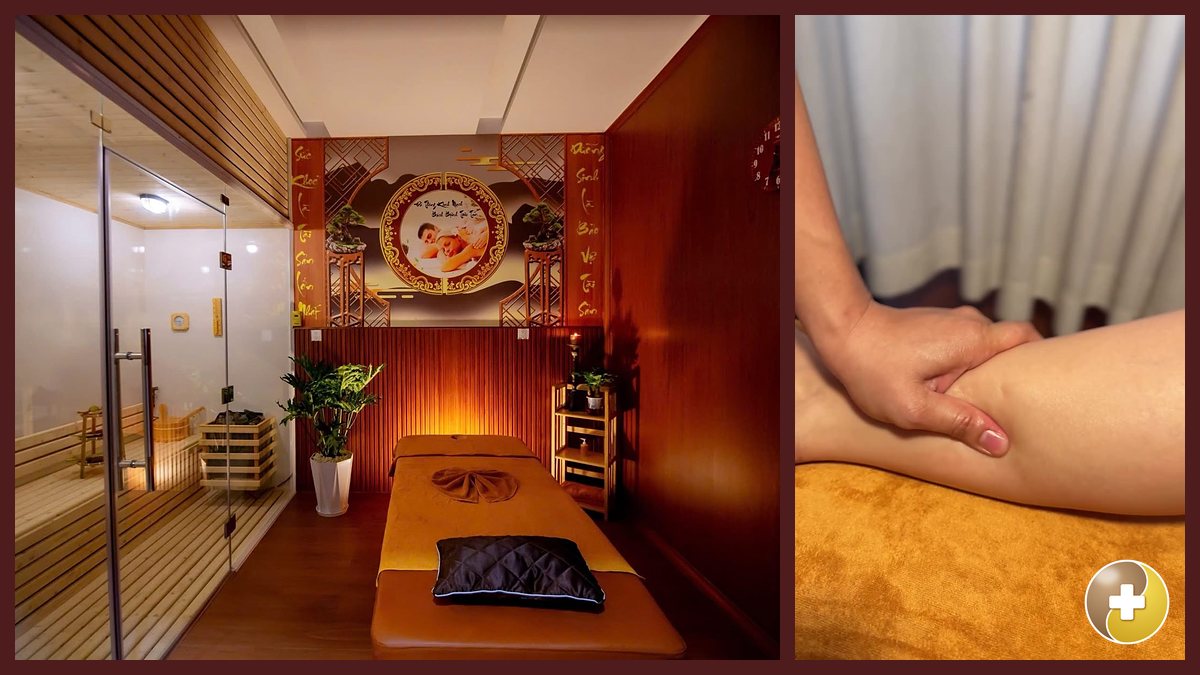
Quick answer: Sore, burning feet after long shifts in safety boots usually come from the plantar fascia, heel pad and forefoot taking hours of impact on concrete, with a steel toe cap squeezing the toes. Warm soaks, calf stretches and new insoles help. In Ho Chi Minh City, Tong Gia Acupoint Wellness (Huyệt Đạo Tống Gia) works the feet and lower back by hand.
Want Lương Y Tống Văn Huynh’s team to read your spine and posture in person?
Why safety boots and long shifts make the feet ache and burn
By mid-November the early mornings around Ansan, Hwaseong and the Gyeonggi industrial parks are close to freezing. In Aichi, Gunma and Saitama, many Vietnamese workers and technical interns spend their days in car-parts plants, foundries and warehouses; in Taoyuan, Taichung and New Taipei it is electronics, metalwork and textile lines. The routine is the same everywhere: steel-toe boots with stiff soles, a concrete floor, and a 10–12 hour shift, sometimes with Saturday overtime. When the boots come off at night, the soles burn as if you had walked on hot gravel, the heels throb, the toes carry red marks from the toe cap, and the calves feel like wood. The next morning the first steps out of bed are taken on tiptoe.
From a Western anatomy point of view, this is mainly mechanical overload of the foot and lower leg, plus a hot, damp environment inside the boot. Three areas take most of the load:
- The plantar fascia and heel. The plantar fascia is a thick band of fibrous tissue running from the heel bone to the base of the toes, holding the arch like a bowstring. Hours of standing on a hard floor keep it under constant tension, and its attachment at the heel becomes irritated, so the heel stabs on the first steps in the morning or after a break. The fat pad under the heel also flattens over the years.
- The forefoot and toes. Standing, walking and pushing carts load the heads of the metatarsal bones. Safety soles are stiff to resist nails, insoles are thin and flatten after a few months, so the ball of the foot takes the impact directly and starts to burn. The steel cap does not give: if the boot is slightly small, or the feet swell by afternoon, the toes are squeezed and the small nerves running between them are compressed, giving a burning, numb feeling, as if a pebble sat between the third and fourth toes.
- The calves and Achilles tendon. A safety boot is much heavier than an ordinary shoe. With every step the muscles at the front of the shin lift the toe of the boot and the calves push the body forward. By the end of the shift the calves are tight and pull on the Achilles tendon, which makes the heel pain worse. Standing still at a machine also lets blood pool in the lower legs, so ankles swell slightly and the legs feel heavy.
Inside a closed boot the skin sweats all shift. Damp socks soften the skin, which blisters easily at the heel and the edge of the little toe, and cracks or peels between the toes. Irritated skin adds to the burning.
This is common among workers in metal, casting and welding shops around Ansan, Hwaseong, Changwon and Busan; assembly-line and logistics workers in Aichi, Gunma, Saitama and Osaka; electronics, textile and food workers in Taoyuan, Taichung and New Taipei; newcomers whose feet are not used to stiff boots; and people over 40, slightly overweight, or with flat feet or high arches. It is also familiar to anyone who works long shifts in protective footwear and then flies a long way to visit family. For the full picture of the neck, back and lower back after the flight, read our main article on spine care after a long-haul flight.
Common causes: steel toe caps, concrete floors, long shifts and cold winters
- Boots that do not fit: boots are often handed out from whatever sizes are in stock. Too big, and the foot slides and the toes grip; too small, and the steel cap presses the toes. Stiff, nail-proof soles barely bend with the foot.
- Concrete and steel floors: no give at all, so every step sends a jolt into the heel and forefoot. At a machine you stand in one spot; on line patrol you walk short distances and twist constantly.
- Long shifts with little sitting: 10–12 hours, overtime, rotating night shifts; short breaks, and many people never take their boots off.
- Lifting and pushing: carrying parts boxes, pushing carts and pulling pallets multiply the load on the feet.
- Heat and damp inside the boot: hot workshops in summer; in Korea and Japan, freezing air outside and warm air inside in winter; damp cold in northern Taiwan, where socks take ages to dry.
- Cold muscles: walking or cycling from the dormitory in the dark cold makes the calves and soles contract, so the shift starts with stiff feet.
- Little water, rushed meals, short sleep: people drink less to avoid leaving the line, eat in a hurry and sleep little on night rotations. Dehydrated muscles cramp; tired muscles recover slowly.
- A short, busy trip home: Taoyuan to Ho Chi Minh City is about 3–4 hours, Incheon or Busan about 5–5.5 hours, Narita, Haneda, Kansai or Chubu about 5.5–6.5 hours. Shorter than flying from the US or Europe, but tired legs sit still, then the visits, markets, weddings and village trips begin in thin sandals. Vietnam is 1 hour behind Taiwan and 2 hours behind Korea and Japan.
Factory work rarely tires only the feet. See also back pain from factory work in Korea and hand numbness on an assembly line in Taiwan.
Other signs to notice
- A stabbing heel on the first steps in the morning or after a break, easing as you walk: typical of a long-strained plantar fascia.
- Burning under the ball of the foot, worse by the end of the shift: the metatarsal heads taking impact on a stiff sole.
- Burning or numbness between two toes, better when the boot comes off: small toe nerves squeezed by the toe cap.
- Calf or foot cramps at night: tired, cold, under-hydrated muscles; see calf tightness after walking.
- Heavy legs and slightly puffy ankles in the evening that settle overnight: blood and fluid pooling from standing; see swollen legs after a long flight.
- Calluses and blisters at the heel or little toe; a bruised, thickened big toenail: rubbing and pressure from the boot.
- Itching, peeling or cracked skin between the toes and a strong smell: skin that stays damp, possibly athlete's foot; if it spreads, weeps or turns red and hot, have it checked.
- Tingling toes or a crawling feeling: sometimes the boot, sometimes the lower back, sometimes another cause; see numb feet: common causes.
- Tired knees, an aching lower back, cold feet, waking at night to urinate: linked in Vietnamese traditional wellness to the Kidney.
Tong Gia's training material puts it simply: pain shows up in one place, but its source is often somewhere else. A sore heel may start in tight calves; burning soles may come from years of leaning on one hip or a tired lower back, not only from the boots.
When to see a doctor
Most foot soreness after a shift eases with rest, warm soaks, stretching and better-fitting boots. Do not wait, and do not use massage instead of a check-up, if you notice any of the following:
- One calf is swollen, painful, warm or red, especially after the flight: this can be a deep vein clot. See a doctor straight away and do not have the leg massaged.
- Chest pain or pressure, shortness of breath, sweating, pain spreading to the jaw or left arm; sudden breathlessness, coughing blood or fainting: call 115 (Vietnam emergency).
- Something heavy fell on your foot, or a forklift or cart ran over it, even with a steel toe, and it is now swollen, bruised and painful to stand on.
- You felt or heard a snap behind the heel and cannot rise on your toes: a possible Achilles tendon injury.
- A blister, crack or sore on the foot turns red, hot and swollen, oozes pus, or comes with fever; or, if you have diabetes, any foot wound that is slow to close.
- Burning or numbness in both feet that is worse at night, with loss of feeling or unsteady walking: blood sugar and nerves should be checked.
- A big toe or ankle that suddenly becomes red, hot, swollen and very painful, often at night.
- A cold, pale or bluish foot, or calf pain that forces you to stop after a short walk.
- Heel or foot pain that lasts several weeks despite rest and new footwear, keeps getting worse, or hurts even lying down.
- Back pain spreading down the leg with numbness, weakness, a dropping foot or bladder changes.
Ongoing tiredness, unexplained weight loss or a pale look like anaemia should be checked at a medical facility alongside any wellness care. Tong Gia does not read X-rays or MRIs and does not make medical plans; if you have results from Korea, Japan or Taiwan, bring them so the technician knows where to work lightly or what to avoid. This is a wellness service, not medical care.
The Y Tướng Học view: the soles and the Kidney, tendons and the Liver, calves and the Spleen
Y Tướng Học, Vietnamese face and body reading, is rooted in a tradition more than 2,000 years old and built on the idea that "the outer appearance reflects the inner organs". Lương Y (traditional practitioner) Tống Văn Huynh systematised it so that technicians look first and then place their hands. For people who stand all shift in safety boots, three organs are usually considered.
Kidney and the soles. In Tong Gia's course material, the Kidney channel has 27 points and begins at Dũng tuyền in the sole of the foot, running up the inner leg to the abdomen and chest. The Kidney governs the bones and marrow. Among signs of weakened Kidney function in the back and knees, the course lists "aching lower back; tired, weak knees; tiring quickly when standing for long". It also describes two tendencies: people who "lack warming fire" feel the cold, have cold hands and feet and a cold, tired back and knees, so the advice is to keep the lower back, belly and feet warm and soak the feet; people who "lack cooling water" have hot palms and soles, afternoon flushes and restless sleep, so the advice is early nights. These are traditional concepts, not Western disease names. The Kidney shows in the ears, hair and lower back: full, rosy ears and glossy hair are a good base.
Liver and the tendons. The Liver governs the tendons and ligaments. When it is in balance, tendons are supple and joints move freely; when it is weak, muscles stiffen, cramp and twitch. The Liver stores blood: at rest blood returns to it, and during activity it sends blood to muscles and tendons. A 12-hour shift with little rest keeps the heel and sole tendons working without the chance to recover. The Liver also shows in the nails: pink, firm nails are good; thin, dry, ridged, brittle nails suggest the Liver's blood is low.
Spleen and the calves. The Spleen governs the muscles and the four limbs and shows in the lips. It likes dryness and dislikes damp. Feet sealed in damp boots all day and rushed, cold meals often go with heavy legs, low energy and pale lips. According to the course, healthy calf muscle feels soft, warm and springy and bounces back at once when pressed, unlike the hard, or slack and cold, calves of long-term fatigue.
The bridge of the nose is also read as a small map of the spine: a crooked bridge often goes with a shifted spinal axis around L4–L5–S1 and the pelvis. People who lean on one leg at a machine for years often have one heel or sole that burns more than the other. These are wellness observations, not fortune-telling and not a medical judgement.
Vertebrae and related nerve reflex areas
Tong Gia's training on balancing the spinal nerve reflex system links L1–L5 with digestion, kidneys, urinary function and the legs, and groups muscle, bone and joint complaints, including numb hands and feet, with C5–C7, L1–L5 and S1–S5. The nerves to the foot leave the spine at the lower back and sacrum, so foot care starts there.
| Vertebrae | Nerves / function (anatomy) | Typical in safety-boot workers | Organ (Eastern view) | Outer signs (Y Tướng Học) |
|---|---|---|---|---|
| T11–T12 | Nerves to the abdominal wall and digestion; Spleen and Stomach back points | Heavy legs, low energy, bloating after rushed meals | Spleen–Stomach | Pale lips, slack or hard calves |
| L1–L3 | Roots to groin, hip and front of thigh; Kidney point level with L2 | Tired thighs, cold stiff lower back after the shift | Kidney | Thin, dull ears, dry hair, cold feet |
| L4 | Root to inner shin and inner foot; tibialis anterior lifts the foot; knee reflex | Tired front of the shin from lifting heavy boots, sore knees, tired arches | Liver (tendons)–Kidney | Tight shin tendons, cramps, dry nails |
| L5 | Root to top of foot and big toe; toe extensors | Burning or numb toes under the toe cap, bruised big toe | Kidney–Bladder | Crooked nose bridge, weight on one hip |
| S1–S2 | S1 root to calf, heel, outer edge and sole; ankle reflex | Morning heel pain, burning soles, hard calves | Kidney (channel starts at Dũng tuyền), Liver | Dry cracked heels, cold hard calves |
The table shows related areas to read by hand, not a cause. That is why a foot session at Tong Gia works from the lower back and the back of the knee down to the heel and sole.
How Tong Gia helps the feet and lower back regain balance
Every session follows the massage method for balancing the spinal nerve reflex system created by Lương Y Tống Văn Huynh, founder of Tong Gia, with over 13 years in Vietnamese traditional wellness, Y Tướng Học and spinal reflex work. It is a Vietnamese Eastern wellness method, done entirely by hand, and worth trying when you are in Ho Chi Minh City.
- Questions and observation: what kind of workshop, hours on your feet, floor, boot size, heel or forefoot pain, diabetes or blood pressure, blisters, scratches, athlete's foot, bulging veins, any one-sided calf swelling after the flight. Then complexion, ears, lips, nails, nose bridge, shoulder and hip level.
- Reading the spine by hand: skin temperature, the muscle layer, the shape of each vertebra and sensitivity at each point, comparing left with right and top with bottom, narrowing down to the key zone. For sore feet the focus is L4–L5, S1–S2 and both hips.
- Releasing muscles: lower back, glutes, hamstrings, the back of the knee, calves, front of the shin, then the plantar fascia and around the heel. Pressure builds through five levels and you are asked how it feels. Blisters, scratches, infected skin and bulging veins are avoided.
- Acupressure on the right points: Kidney point and Mệnh môn on the lower back; Ủy trung behind the knee ("for back pain, look to Ủy trung"); Thái khê between the inner ankle and the Achilles tendon, Phục lưu just above it; Dũng tuyền on the sole; Túc tam lý below the knee. Tam âm giao is not used in pregnancy. Each point is held until the skin turns from dry to slightly moist.
- Home care: calf and sole stretches, rubbing Dũng tuyền, pressing Thái khê, choosing insoles and keeping feet dry back at work.
During the session a few tender spots along the calves, around the heel and in the middle of the sole are normal and usually fade as the tissue relaxes; the feet warm up and the burning often eases. Afterwards many people describe lighter steps, a less painful heel the next morning and deeper sleep; some feel mildly sore for a day. Everyone responds differently, and Tong Gia makes no promise that pain will be gone after one visit.
Suitable services (reference rate 1 USD ≈ 26,000 VND; payment in VND; full list on our prices page):
- Heavy, tired legs care, 60 min: 500,000 VND (about 19 USD), feet, heels, ankles, calves, the back of the knee and thighs.
- Neck–shoulder / lower back care, 60 min: 550,000 VND (about 21 USD), first visit 399,000 VND (about 15 USD); 90 min: 750,000 VND (about 29 USD), when sore feet come with a tired lower back.
- Extra 30 minutes on one area: 199,000 VND (about 8 USD), added to a back session for more time on calves and feet.
From Tan Son Nhat airport: the District 12 branch lies north of the airport and is usually a fairly short drive, depending on traffic; the Vinhomes Grand Park branch in Thu Duc City is further, especially in the evening rush. After the flight, walk a little, drink water and sleep one night, then book for day two or three. To stop on the way from the airport, see massage near Tan Son Nhat airport. More about our foot work is on the foot massage page.
Want Lương Y Tống Văn Huynh’s team to read your spine and posture in person?
A plan for your trip home and care after each shift
| When | What the feet need | What to do |
|---|---|---|
| Last week before flying | Less built-up fatigue | Warm foot soak and calf stretch each evening; dry boots overnight, change socks mid-shift if allowed |
| Flight day | Keep the calf pump working | Soft, roomy shoes; ankle circles, heel raises and walks in the aisle; sip water |
| Arrival day | Relax | Warm shower, legs up 15–20 minutes, early night on Vietnam time |
| Days 2–3 | Release calves and soles | Heavy legs session, 60 minutes |
| Days 4–6 | Check the lower back | Lower back session 60–90 minutes if the back is tired or one foot burns more |
| Outings, weddings, village trips | No thin sandals all day | Cushioned shoes for long walks; soak the feet and rub the soles at night |
| 2–3 days before flying back | Prepare for the new season of shifts | A gentle session, new cushioned insoles and cotton socks; tips in preparing your body before a long flight |
- Warm soak: 15–20 minutes in water of about 38–42°C before bed, as Tong Gia's course suggests; test the water carefully if you have diabetes, skip it if there is an open wound, and dry well between the toes. See herbal foot soak benefits.
- Stretch calves and soles: hands on a wall, one leg back with the heel down, 20–30 seconds each side; roll each sole over a cold water bottle or small ball for 1–2 minutes.
- Rub Dũng tuyền, press Thái khê: rub each sole for 3–5 minutes in the evening and press Thái khê gently for 1–2 minutes each side.
- Legs up: lie with your legs up a wall for 15–20 minutes and pump the ankles 20 times.
- Look after the boots: ask for the right size (try boots in the afternoon, when feet are larger), replace flattened insoles, wear cotton socks and keep a spare pair, dry boots overnight, and take them off for a few minutes on breaks if allowed.
Book from abroad before you fly
You can book while still in Ansan, Aichi, Taoyuan or anywhere else. Message WhatsApp or Zalo +84 888 264 559 (0888 264 559 inside Vietnam) with three details: your landing date and time at Tan Son Nhat, where it aches (heels, soles, toes, calves, lower back) and which branch suits you. Mention blisters, athlete's foot, bulging veins or diabetes in advance. You can also book online; step-by-step tips are in booking a massage in Saigon from abroad.
- District 12 branch: 225 Dương Thị Mười, Phường Tân Chánh Hiệp (Tan Chanh Hiep ward, District 12), open 8:00–19:00 daily.
- Vinhomes Grand Park branch: Căn T16-21 khu Manhattan, Vinhomes Grand Park, Phường Long Bình, TP. Thủ Đức (Long Binh ward, Thu Duc City, former District 9), open 9:00–20:00 daily.
The weeks before Tet fill up fast, so message early. Genuine guest reviews are on each branch's Google Maps page. Staff mainly speak Vietnamese and use a translator app when needed.
Visit us
- Đông Y Huyệt Đạo Tống Gia Quận 12 (District 12)
225 Dương Thị Mười, Phường Tân Chánh Hiệp, Quận 12, HCMC · 8:00–19:00 daily · 0888 264 559 · Directions on Google Maps - Đông Y Huyệt Đạo Tống Gia Quận 9 (Vinhomes Grand Park, District 9)
Căn T16-21 khu Manhattan, Vinhomes Grand Park, Phường Long Bình, TP. Thủ Đức, HCMC · 9:00–20:00 daily · 0888 264 559 · Directions on Google Maps
Map of our two branches
Want Lương Y Tống Văn Huynh’s team to read your spine and posture in person?
Related guides for your trip
- Fatigue from cleanroom suits on long shifts: heat, heavy shoulders and back, dry skin in chip plants
- Acupressure points for sleep on rotating shifts: which points to press, how to press safely, and sleep habits
- How to describe back pain in Japanese, Korean and Chinese: hospital phrases, warning signs and care in Saigon
FAQ
Is it serious if my feet burn after a long shift in safety boots? Usually it is mechanical overload: the plantar fascia, heel pad and ball of the foot take hours of impact on concrete, the toe cap squeezes the toes and sweat softens the skin. Rest, warm soaks, calf stretches and better-fitting boots normally help. If one calf is swollen, hot and red, a foot wound oozes, both feet go numb, or you have chest pain, see a doctor or call 115.
I work in a factory in Ansan and my soles feel on fire after every shift. What can I do? Take the boots off, dry between the toes, soak the feet in water of about 38–42°C for 15–20 minutes, roll each sole on a water bottle and stretch the calves against a wall. At work, ask for the right boot size, replace flattened insoles and change into dry socks if allowed. If both feet keep burning at night with numbness, have your blood sugar and nerves checked.
Why does my heel hurt when I get out of bed after weeks of overtime in Aichi? Long hours on a hard floor in stiff boots strain the plantar fascia where it attaches to the heel, so the first steps in the morning hurt most. Stretch the calves and soles before standing up and wear cushioned slippers at home. If it lasts several weeks despite rest, or the foot is swollen after a knock, see a doctor.
How long do tired feet from standing take to recover? Many people feel better after a few days of rest, sleep, warm soaks and regular stretching, but the soreness often returns on 10–12 hour shifts if boots and insoles stay the same. People who have stood for years or are over 40 may need longer. If it does not ease after about a week, or hurts even lying down, see a doctor.
Can massage help sore feet from work boots? Massage helps tight calves, soles and the lower back relax, and many people feel lighter steps and less burning afterwards. At Tong Gia the technician reads the lower back first, then releases the legs and feet and presses points such as Dũng tuyền and Thái khê. This is a wellness service, not medical care, and it does not replace a check-up when warning signs appear.
How much is foot and leg care at Tong Gia in Ho Chi Minh City? Heavy, tired legs care is 500,000 VND for 60 minutes (about 19 USD). If your lower back is tired too, lower back care is 550,000 VND for 60 minutes (first visit 399,000 VND) or 750,000 VND for 90 minutes. Payment is in VND; book on WhatsApp or Zalo +84 888 264 559.
Author: Lương Y Tống Văn Huynh – founder of Huyệt Đạo Tống Gia, a master of traditional Vietnamese wellness with over 13 years in Eastern wellness care, Y Tướng Học (face reading) and spinal nerve-reflex balancing massage.
Updated: 2026-11-16
Related guides
This is a wellness service, not medical care.