
Wrist and shoulder pain from meatworks in Australia: tendons, the neck and care on your trip to Saigon
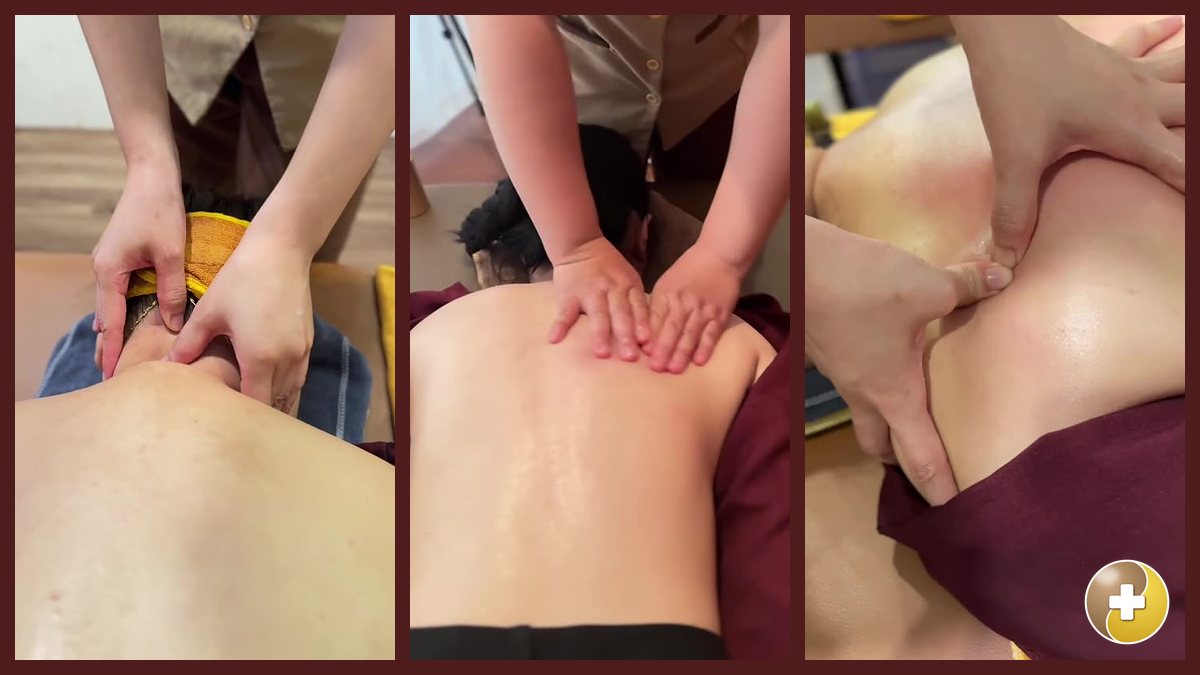
Quick answer: Wrist and shoulder pain from meatworks in Australia usually comes from repeating the same knife cut all shift in a cold room, which overloads wrist, elbow and shoulder tendons and tightens neck muscles around the C5–C8 nerve roots. Night-time finger numbness needs a medical check. Tong Gia Acupoint Wellness in Ho Chi Minh City releases neck, shoulder and forearm muscles.
Want Lương Y Tống Văn Huynh’s team to read your spine and posture in person?
Why meatworks wear out wrists and shoulders, from Queensland to Victoria and NSW
November is early summer in Australia. Queensland is hot and humid with afternoon storms, and Victoria and New South Wales are warming up, but inside a meat processing plant it always feels like winter. Boning rooms and packing rooms are kept at a few degrees, the concrete floor is wet, the wash water is cold and the chain never stops. Many Vietnamese Australians and migrant workers spend years in abattoirs, boning rooms and packing lines around Brisbane, Ipswich and Toowoomba, around Melbourne and Warrnambool, or in Wagga Wagga and Tamworth. Every shift, one hand repeats the same cut, the same pull or the same hook movement thousands of times, while the body stands in one spot for 8–10 hours.
Over time the wrist starts to ache on the knife, the elbow burns when you grip, the shoulder feels heavy, and some nights you wake up because your fingers have gone numb. In Western medical terms this is usually a repetitive strain or overuse problem: tendons, tendon sheaths, muscles and nerves are asked to work faster than they can recover. Four areas take most of the load in meat work:
- Wrist tendons and sheaths: the hand squeezes the knife handle while the wrist bends and twists along each cut. The flexor and extensor tendons rub inside their sheaths, thicken and hurt when you grip or bend. The tendons on the thumb side often give a sharp pain when you twist the wrist.
- The carpal tunnel: a narrow passage on the palm side of the wrist that carries nine finger tendons and the median nerve. When the tendons swell slightly, the tunnel gets tighter and the nerve is squeezed, so the thumb, index and middle fingers go numb, mostly at night.
- The elbow: forearm muscles attach to two small bony points at the elbow. Gripping a knife and pulling hooks all shift strains these attachments, giving pain on the outer or inner elbow, much like "tennis elbow" or "golfer's elbow".
- Shoulders and neck: cutting on a chest-high chain, pulling meat towards you and looking down at the knife keep the trapezius, the levator scapulae and the tendons around the shoulder joint working without pause. The C5–C8 nerve roots that run from the neck to the hand pass through this tight area.
This is common among boners, slicers, packers, labellers, people hanging and pulling product on the chain, night-shift cleaners, new starters whose hands have not adjusted to the pace, and long-time workers over 40. It also affects international visitors who do repetitive manual work and come to Ho Chi Minh City for a break. The pillar guide for this series is spine care after a long-haul flight; this article focuses on the wrists, elbows and shoulders of people working cold meat lines.
Common causes: repetitive knife work, cold rooms, long standing and chain speed
- One cut repeated thousands of times: the same angle and grip force, with the wrist bending and rotating to the rhythm. Tendons never get a long enough pause to settle.
- The chain sets the pace: product arrives and you cut. When output targets rise or overtime is added, the tiny rests between cuts disappear.
- Blunt knives and badly fitting gloves: a dull blade needs more squeeze and push; a mesh glove or rubber glove that is too loose or too tight makes the fingers clamp harder on a slippery handle.
- Cold and wet: rooms at a few degrees and wet hands all shift narrow the small blood vessels in the fingers, stiffen tendons and make numbness come faster. Step outside and you meet Queensland summer heat, so the body swings between temperatures several times a day.
- Standing on concrete: 8–10 hours without sitting, leaning towards the bench, shoulders raised and neck bent, which tightens the neck, shoulders and upper back around the nerve roots that supply the arm.
- Bench height that does not suit you: many Vietnamese workers are shorter than the bench was designed for, so they lift the shoulder and elbow to cut, or hunch over.
- Night shifts and short sleep: sleeping in the day is lighter, meals are rushed in short breaks, and a tired body feels pain and numbness more strongly.
- A short, busy trip home: direct flights from Brisbane, Sydney or Melbourne to Tân Sơn Nhất take about 8–9 hours, and then come gift bags, grandchildren to carry and family gatherings every day.
Diabetes, thyroid conditions, low vitamin B12, pregnancy and the months after childbirth also make hand numbness more likely and need to be checked by medical staff. Farm and fruit-picking work gives a different pattern with more back strain, covered in back pain from fruit picking and farm work in Australia.
Related signs worth noticing
- Wrist pain when you grip the knife or bend the wrist, stiff hands in the morning: overloaded wrist tendons and sheaths.
- Sharp pain on the thumb side when you twist the wrist or wring a cloth: the thumb-side tendons are rubbing too much.
- Pain on the outer or inner elbow when you squeeze or carry: strained tendon attachments of the forearm muscles.
- Shoulder pain when you raise the arm or pull hooks, trouble reaching behind your back: overloaded tendons around the shoulder. See shoulder pain when raising the arm.
- Night-time numbness in the thumb, index and middle fingers that eases when you shake the hand: typical of a squeezed median nerve at the wrist. More in thumb and index finger numbness and numb hands after waking up.
- White or bluish fingers in the cold that take a long time to warm up: the finger vessels are reacting strongly to cold. Read numb fingers in cold weather.
- Weaker grip, dropping things, trouble with buttons: grip strength is dropping and needs attention early.
The Tong Gia curriculum notes that pain shows up in one place while its source is often somewhere else. A sore wrist may start at the elbow, the shoulder or a neck that has been bent forward all shift.
When to see a doctor
Overuse pain usually settles with rest, a change of task, warmth and stretching. The signs below need a medical check, and massage is not a substitute:
- Finger numbness that wakes you up night after night and only eases when you shake the hand: get it checked early, before the hand becomes weak.
- Steadily weaker grip, repeatedly dropping the knife, or a hollow at the base of the thumb.
- A deep knife cut, loss of feeling in a fingertip after a cut, or a finger you cannot bend or straighten.
- A red, hot, swollen wrist or finger joint with fever, or a deformed wrist after a blow or a hand caught in machinery.
- Severe shoulder pain or an arm you cannot lift after pulling a heavy load, a sudden jerk or a fall.
- Sudden numbness or weakness in one arm or one side of the face, a drooping mouth or slurred speech: call 000 in Australia or 115 in Vietnam immediately.
- Pain in the left shoulder or left arm with chest tightness, shortness of breath, cold sweat or jaw pain: call 000 or 115 at once. No massage.
- After a long flight, one calf that is swollen, painful, warm and red, or sudden breathlessness and chest pain: get checked straight away, as it may be a blood clot.
- Pain lasting more than 2–3 weeks despite rest, or if you have diabetes, a thyroid condition, are pregnant or follow specific instructions from medical staff: ask them before any massage.
In Australia you can call healthdirect on 1800 022 222 if you are unsure how urgent it is, or see a GP. If the pain comes from work, tell your supervisor, record the incident and ask about workers' compensation in your state. Bring a photo of any test results to Ho Chi Minh City so the practitioner knows which areas to work gently or avoid. Tong Gia does not read X-rays or MRI scans, does not give medical conclusions and does not make medical plans.
This is a wellness service, not medical care.
The Y Tướng Học view: cold-room hands and the Liver, Spleen and Kidney
Y Tướng Học, the traditional Vietnamese study of facial and body signs, rests on the saying "the signs are outside, the organs are inside". Lương Y (master of traditional Vietnamese wellness) Tống Văn Huynh organised this knowledge so practitioners read the face, nails and posture before touching the spine. For knife hands in a cold room, three organ systems in the Eastern sense are usually compared.
The Liver governs the tendons, stores blood and shows in the nails. In the Tong Gia curriculum, the Liver nourishes tendons and ligaments and supports movement; when it is strong, tendons are supple and joints move freely; when it is weak, muscles stiffen, cramp and tremble. At rest, blood returns to the Liver to be replenished; during work, the Liver sends it to muscles and tendons. Long shifts and short sleep leave wrist and elbow tendons working with little time to recover. Pink, firm nails suggest enough Liver blood; thin, brittle, ridged, dry nails are a sign it is running low. Dry, tired eyes, irritability when the chain speeds up and a tight neck are Liver signs too.
The Spleen governs muscle and the four limbs. The Spleen and Stomach turn food into the energy and blood that feed the arms and legs. Rosy lips, a good appetite and firm muscles are good signs; pale lips, bloating and arms that tire quickly suggest the Spleen is being drained. The curriculum warns that raw, cold food and iced drinks weaken Spleen yang, which matters for people who already spend the day in the cold.
The Kidney and cold that sinks in over the years. When Kidney energy and Kidney yang are weak, the curriculum lists feeling the cold easily, icy hands and feet, sore lower back and knees, and strong sensitivity to weather with deep aches when the season changes. This shows in the ears: thin, soft ear rims and stiff muscles behind the ear are weak signs of the Kidney group.
Face shape and back muscles. High, prominent cheekbones link to the Liver and tendons, with deep muscle spasm and a trapezius "knotted like rope". A bony "Vương" face often has fibrous muscle stuck along the joints and needs deeper work; a long, thin "Mục" face has thin back muscles and needs a gentle touch and enough sleep. These are wellness observations, not fortune telling, and never a judgement about anyone's health.
Vertebrae and nerve-reflex areas linked to wrists, elbows and shoulders
In the Tong Gia curriculum on balancing the spinal nerve-reflex system, the muscle–bone–joint group, including neck and shoulder strain and numb hands and feet, is worked through the C5–C7, L1–L5 and S1–S5 areas together. For knife hands, the practitioner usually compares these areas:
| Vertebrae | Nerve / function (Western anatomy) | Typical signs in meat workers | Organ (Eastern view) | Outer signs (Y Tướng Học) |
|---|---|---|---|---|
| C4–C5 | C5 root: deltoid, tendons around the shoulder, skin of the outer upper arm | Shoulder pain cutting on a high chain or pulling hooks | Liver governs tendons | Raised shoulder, hard trapezius, high cheekbones |
| C5–C6 | C6 root: biceps, wrist extensors; thumb and index finger sensation | Outer elbow pain on the knife, thumb-side wrist pain when twisting | Liver and Lung (the Lung channel runs to the thumb) | Dry, ridged nails; cracked skin from cold and wet |
| C6–C7 | C7 root: triceps, wrist flexors; middle finger sensation | Fatigue when pushing the knife or product, middle finger numbness | Liver stores blood | Dry eyes, irritability, finger cramps |
| C7–D1 | C8 root: finger flexors, small hand muscles; ring and little finger sensation | Grip tires quickly, inner elbow pain, little finger numbness | Spleen governs the limbs | Pale lips, soft arm muscles, heavy body |
| D1–D3 | D1 root to small hand muscles; neck–upper back junction, muscles around the shoulder blades | Heaviness between the shoulder blades after a shift, stiff neck | Lung and Heart | Shallow breathing, frequent sighing |
| Peripheral: carpal tunnel, elbow | Median nerve (from C6–D1) through the carpal tunnel; ulnar nerve along the inner elbow | Three and a half fingers numb at night; little finger numb with a bent elbow | Liver and Kidney (long-term cold) | Cold hands slow to warm, thin ear rims |
The table shows related areas the practitioner reads by hand, not a conclusion about causes. That is why a Tong Gia session for the hands starts at the neck and shoulders before moving to the elbow, forearm and wrist.
How Tong Gia helps rebalance the neck, shoulders and arms
Every session follows the spinal nerve-reflex balancing massage developed by Lương Y Tống Văn Huynh, founder of Tong Gia Acupoint Wellness (Huyệt Đạo Tống Gia), with over 13 years in Vietnamese traditional wellness, Y Tướng Học and spinal nerve-reflex balancing. The aim is to help rebalance the cervical and upper thoracic spine and support the related organ functions, by hand.
- Questions and observation: which job on the chain, which hand holds the knife, shift length, where it hurts, which fingers go numb and when, and whether you have seen a GP in Australia. Then the practitioner looks at your complexion, nails, ears and shoulder level.
- Reading the spine by hand: four elements are read: skin temperature, the muscle layer, the shape of the spine and sensation at each point, comparing left with right and top with bottom, narrowing from the survey area to the key zone and key point. For knife workers, C4–D3 and both shoulder blades are read closely, comparing the knife side with the holding side.
- Muscle release: trapezius, levator scapulae and the muscles around the shoulder blade, then the upper arm, elbow, forearm, wrist and hand. Pressure builds through five levels, from one finger up to whole-body weight, always checking with you. Hot, red, swollen areas are not worked directly.
- Acupressure on the right points: points from the curriculum such as Dingchuan below C7, Chize in the elbow crease, Lieque above the wrist crease, Neiguan and Hegu (Hegu is not used in pregnancy). Work stops when the skin at the point turns from dry to slightly moist.
- Self-care coaching: wrist, elbow and shoulder stretches for after a shift, micro-breaks, how to rest the wrist at night and how to keep hands warm back in the cold room.
In a typical session for a long-time knife worker, the shoulder on the knife side sits higher, its trapezius feels thicker and harder, and the skin around that shoulder blade is cooler. You may feel tender spots on the shoulder, around the blade and along the forearm; as the muscle lets go, the tenderness usually fades and the hand warms up. Afterwards some people feel lighter shoulders and wake less from numbness that night; others feel a little sore for a day first. Everyone responds differently, and Tong Gia does not promise the pain will be gone after one session.
Suitable services and prices
- Neck–shoulder or lower back care, 60 minutes: 550,000 VND (about 32 AUD / 21 USD); first visit 399,000 VND (about 23 AUD / 15 USD); 90 minutes: 750,000 VND (about 44 AUD / 29 USD). Focuses on the neck, shoulders and upper back where the arm nerves begin.
- Extra 30-minute area massage: 199,000 VND (about 12 AUD / 8 USD). Added to the neck–shoulder session for the elbow, forearm, wrist and knife hand.
- Herbal compress: 130,000 VND (about 8 AUD / 5 USD). Added after the session to warm cold-room hands and shoulders.
Reference rates: 1 AUD ≈ 17,000 VND, 1 USD ≈ 26,000 VND; payment is in VND. Full list on the price page.
From Tân Sơn Nhất Airport to a branch
The District 12 branch at 225 Dương Thị Mười, Tân Chánh Hiệp Ward, is north of the airport and usually around half an hour or a little more by car, depending on traffic. The Vinhomes Grand Park branch at Unit T16-21, Manhattan area, Long Bình Ward, Thủ Đức City, is further and takes longer, especially in the evening rush hour. Flights from Australia often land in the afternoon or evening; see massage near Tân Sơn Nhất Airport if you want a session before heading on.
Want Lương Y Tống Văn Huynh’s team to read your spine and posture in person?
A suggested plan for your trip and hand care after each shift
| When | What hands and shoulders need | What to do |
|---|---|---|
| Last week before flying | Less overload | Keep knives sharp, ask to rotate tasks if possible, note where it hurts and which fingers go numb; see a GP if night numbness keeps coming back |
| Flight day (8–9 hours) | No one-handed heavy lifting, no sitting still | Use a wheeled case, split bags; roll your wrists and shoulders, walk the aisle every 1–2 hours, drink water |
| Arrival day | Relax, switch time zones | Warm shower, soak hands in warm water for 10 minutes, sleep early on Vietnam time (3 hours behind Queensland, 4 hours behind NSW and Victoria in daylight saving) |
| Days 2–3 | Release neck, shoulders, forearms | One 60–90 minute neck–shoulder session, plus 30 minutes for the arms if the wrist or elbow is sore |
| Tết and family events | Do not pile work onto the hands | Share the carrying and dishwashing, sleep enough, choose warm food and fewer iced drinks |
| 2–3 days before flying back | Prepare for long shifts | A gentle session, practise the stretches; read the red-eye flight from Vietnam to Australia |
- Warm up before stretching: rinse or soak hands in warm water after a cold shift, dry them, then stretch. Pulling hard on cold tendons can make them sorer.
- Stretch the wrist both ways: arm straight, palm out, gently pull the fingers back for 15–20 seconds; then palm down, pull the back of the hand towards you for 15–20 seconds. Three times each side.
- Roll the shoulders, free the neck: ten slow shoulder rolls backwards and a 15-second side bend of the neck each way, even while waiting for product.
- Micro-breaks and task rotation: whenever there is a gap on the chain, let the arms hang and open and close the hands ten times. Sharp knives and well-fitting gloves reduce how hard you squeeze.
- Sleep with a straight wrist and breathe slowly: do not tuck hands under the pillow; a soft towel around the wrist keeps it straight. Before sleep, belly breathing from the Tong Gia curriculum: breathe in through the nose for about 4 seconds, out slowly for about 6 seconds, for 5–10 minutes.
Assembly-line workers elsewhere know the same story; read hand numbness from assembly line work in Taiwan.
Book from Australia before you fly
Whether you live in Brisbane, Toowoomba, Melbourne or Wagga Wagga, you can book from Australia. Call, Zalo or WhatsApp +84 888 264 559 (0888 264 559 inside Vietnam) and send three things: your landing date and time at Tân Sơn Nhất, where it hurts (wrist, elbow, shoulder, which fingers go numb) and which branch you prefer. You can also book online; tips for messaging from overseas are in booking a massage in Saigon from abroad.
- District 12 branch: 225 Dương Thị Mười, Phường Tân Chánh Hiệp (Tân Chánh Hiệp Ward), Ho Chi Minh City. Open 8:00–19:00 daily.
- District 9 branch: Căn T16-21 khu Manhattan, Vinhomes Grand Park, Phường Long Bình, TP. Thủ Đức (Unit T16-21, Manhattan area, Long Bình Ward, Thủ Đức City). Open 9:00–20:00 daily.
The weeks before Tết fill up fast, so message early. Real customer reviews are on Google Maps for each branch, and family members in Ho Chi Minh City can book for you.
Visit us
- Đông Y Huyệt Đạo Tống Gia Quận 12 (District 12)
225 Dương Thị Mười, Phường Tân Chánh Hiệp, Quận 12, HCMC · 8:00–19:00 daily · 0888 264 559 · Directions on Google Maps - Đông Y Huyệt Đạo Tống Gia Quận 9 (Vinhomes Grand Park, District 9)
Căn T16-21 khu Manhattan, Vinhomes Grand Park, Phường Long Bình, TP. Thủ Đức, HCMC · 9:00–20:00 daily · 0888 264 559 · Directions on Google Maps
Map of our two branches
Want Lương Y Tống Văn Huynh’s team to read your spine and posture in person?
What guests say on Google Maps
“My first visit. The staff were warm and cheerful.” (translated from a Vietnamese review)
— Xuân Hạnh N., Google Maps review · Vinhomes Grand Park branch (District 9) · 10/2026 · See on Google Maps
“First time here and I felt much lighter. I will drop by again when I have time.” (translated from a Vietnamese review)
— Minh L., Google Maps review · Vinhomes Grand Park branch (District 9) · 10/2026 · See on Google Maps
Quoted from public reviews, shortened where marked (…). Experiences vary from person to person; reviews are not a substitute for seeing a doctor when something feels wrong.
Related guides for your trip
- Wrist and shoulder pain from restaurant kitchen work: what pho cooks and chefs need on a trip to Saigon
- Winter vine pruning in Australia: wrist pain, tired shoulders and how to care for your hands on a trip home
- Can you get a massage after a heart stent? Who to ask first, how gentle it should be and when to call 115
FAQ
Is wrist and shoulder pain from meatworks in Australia serious? Most of the time it is overuse: wrist, elbow and shoulder tendons are overloaded by the same knife movement all shift in the cold, and the neck and shoulders tighten from leaning and lifting the arm. Rest, stretching and warmth usually help. If finger numbness wakes you night after night, your grip weakens, or one side goes numb with a drooping mouth or chest pain, get checked at once and call 000 in an emergency.
I work at an abattoir in Toowoomba and my fingers go numb every night until I shake my hand. Why? Night numbness in the thumb, index and middle fingers that eases with a shake is typical of the median nerve being squeezed in the carpal tunnel, because the finger tendons swell slightly after knife work and the wrist bends during sleep. It is a sign to see a GP, and meanwhile avoid sleeping with a bent wrist and stretch after each shift.
Is elbow pain from slicing meat caused by overwork? Usually, yes. Forearm muscles attach to two bony points at the elbow, and gripping a knife and pulling hooks all shift strain those attachments. Sharp knives, gloves that fit, micro-breaks and forearm stretches reduce the load. If it lasts more than 2–3 weeks despite rest, get it checked.
How long does wrist pain from meat work take to ease? With rest, a change of task, warmth and stretching, many people feel better within days to a few weeks. Going straight back to the same cut at the same pace often brings it back. A Tết holiday in Vietnam is a good chance to give your hands a real rest.
Can acupressure massage help sore wrists and shoulders? Massage helps relax tight neck, shoulder and forearm muscles and leaves many people with lighter shoulders and warmer hands. At Tong Gia the practitioner reads the neck and upper back by hand before releasing muscles and pressing points. This is wellness care and does not replace a medical check when warning signs appear.
Which Tong Gia service suits a Melbourne meat worker visiting for Tết? For shoulder pain with tired or numb hands, choose neck–shoulder care for 60 minutes at 550,000 VND (about 32 AUD; first visit 399,000 VND) or 90 minutes at 750,000 VND, plus a 30-minute area massage at 199,000 VND for the elbow, forearm and wrist. A herbal compress at 130,000 VND warms cold hands.
Can I book in advance from Brisbane? Yes. Message Zalo or WhatsApp +84 888 264 559 with your landing time at Tân Sơn Nhất, where it hurts and your preferred branch: District 12 (8:00–19:00) or Vinhomes Grand Park, Thủ Đức City (9:00–20:00). Family in Ho Chi Minh City can also book for you.
Author: Lương Y Tống Văn Huynh – founder of Huyệt Đạo Tống Gia, a master of traditional Vietnamese wellness with over 13 years in Eastern wellness care, Y Tướng Học (face reading) and spinal nerve-reflex balancing massage.
Updated: 2026-11-17
Related guides
- Aching finger joints and a stiff back from cold storage work: what happens and how to care for it in Vietnam
- Wrist and shoulder pain from meatworks in Australia: tendons, the neck and care on your trip to Saigon
- Numb legs and knee pain from sitting seiza in Japan: why it happens, how to sit and when to get checked
- Wrist and shoulder pain from restaurant kitchen work: what pho cooks and chefs need on a trip to Saigon
- Hand numbness and tired hands from assembly line work in Taiwan: wrist, neck and what helps on your trip home
This is a wellness service, not medical care.