
Red-eye flight from Vietnam to Australia: why a small time difference still drains you, and how to prepare
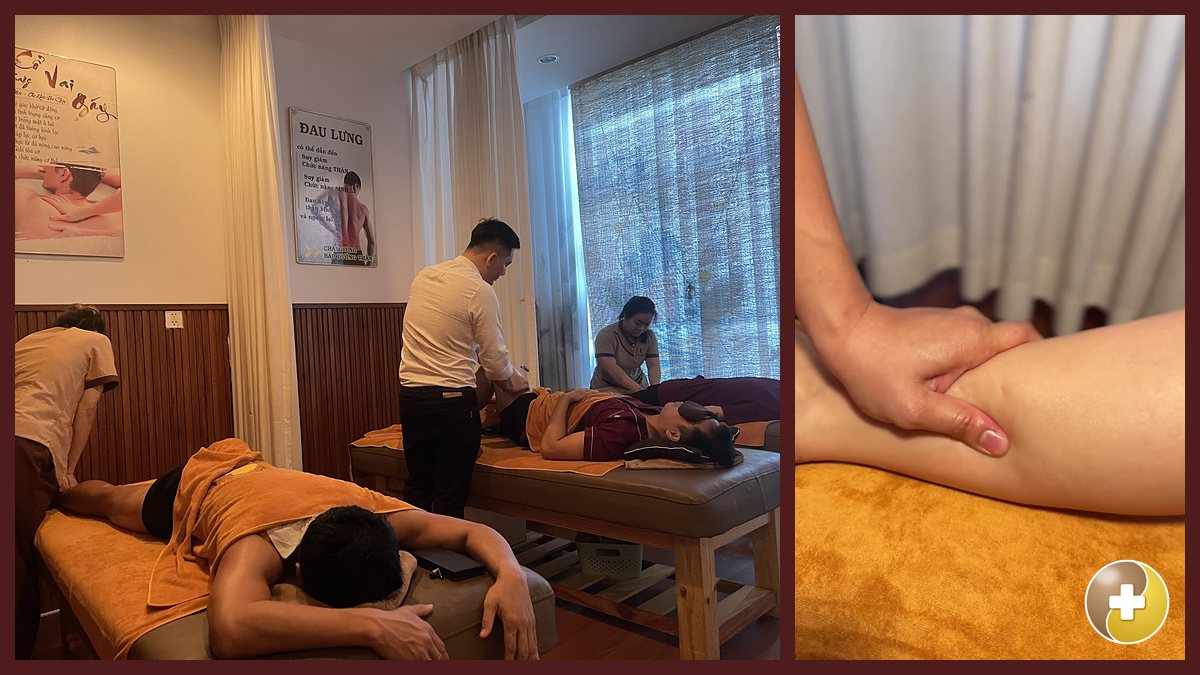
Quick answer: Tiredness after a red-eye from Vietnam to Australia comes mostly from a lost night of sleep, 8–9 hours seated and the switch from heat to cold, not the time difference. With chest pain or one swollen calf, see a doctor. Huyệt Đạo Tống Gia in Ho Chi Minh City helps loosen neck and back before you fly.
Want Lương Y Tống Văn Huynh’s team to read your spine and posture in person?
Why a red-eye from Vietnam to Australia leaves you so tired
After a few weeks of Tết in Saigon, many families heading back to Sydney, Melbourne, Brisbane or Perth pick the overnight flight to save a day of leave: take off from Tân Sơn Nhất in the evening or close to midnight, land the next morning Australian time. Sydney, Melbourne and Brisbane are usually around 8–9 hours in the air; Perth is shorter, about 5–6 hours. Plenty of international visitors do the same at the end of a holiday in Vietnam. Everyone expects that a time difference of a few hours will not matter. Yet on landing the head feels heavy, the eyes sting and the neck is stiff on one side; by early afternoon you are fighting sleep, and that night you lie awake. Some people need three or four days to feel normal again.
In Western terms, jet lag is a mismatch between your body clock (the suprachiasmatic nucleus in the hypothalamus) and the light-dark cycle of the place you arrive in, so sleepiness and alertness show up at the wrong times. The more time zones you cross, the stronger and longer it is. Between Vietnam and Australia the gap is small: Sydney and Melbourne are 3 hours ahead of Vietnam, and 4 hours ahead during daylight saving (roughly early October to early April); Brisbane is 3 hours ahead all year because Queensland does not change its clocks; Perth is just 1 hour ahead. In the Tết season, a flight home to Sydney or Melbourne means a 4-hour shift.
So most of the fatigue after a red-eye is not about time zones. It comes from acute sleep loss, almost a whole night gone, and from what is often called travel fatigue: hours in a cramped seat, dry cabin air, noise and meals at odd times. Flying east also shortens the night. Leave at 22:00 Vietnam time, fly 8 hours, and your body thinks it is 6 am while the clock in Sydney already says 10 am. Three or four hours of sleep in a seat is a good result. The phrase people type into Google, "jet lag from Vietnam to Australia", really covers all three: lost sleep, travel fatigue and a little circadian shift.
This guide is for Vietnamese Australians flying back after Tết and for long-haul visitors leaving Ho Chi Minh City on the overnight flight. It is part of the overseas Vietnamese and wellness travel programme of Huyệt Đạo Tống Gia (Tong Gia). For flights that cross many time zones, see jet lag and sleep after flying to Vietnam; for 15–20 hour journeys with connections, see preparing your body before the long flight home. The spine side of flying is covered in our main guide, spine care after a long-haul flight.
Common causes: a lost night, a cramped seat, heat to cold and a short trip
- A lost night of sleep: meal service, cabin lights, announcements, turbulence and a neighbour getting up all break your sleep. Sitting almost upright makes deep sleep hard to reach. One short night is enough to blunt concentration, slow reactions and make you irritable and hungry for sugar the next day.
- Flying east, losing 3–4 hours: your body clock has to run forward to catch Australian time. Shifting earlier is generally harder than shifting later, which is why many people are wide awake at bedtime on the first night back.
- Dry, low-pressure cabin air: humidity on long flights often drops below 20%, and the cabin is pressurised to the equivalent of roughly 1,800–2,400 m altitude. Eyes, nose and throat dry out, the blood carries slightly less oxygen, and mild headaches and sluggishness are common. Alcohol on board adds to the dryness and makes sleep lighter.
- 8–9 hours in a seat, sleeping with your head dropped: leaning on the window or nodding forward keeps the muscles under the skull and one side of the trapezius tight for hours; the lower back rounds into the seat; the legs barely move, so blood returns slowly and ankles swell. Our article on a stiff neck after a long flight looks at this in detail.
- Heat to cold: you leave Saigon at 33–35°C in the dry season, sit in an air-conditioned cabin all night and land early in the morning. Melbourne summers have sudden "cool changes"; travellers returning mid-year land in an Australian winter morning of a few degrees to the low teens. Muscles tighten to keep warm, the neck stiffens further and the nose blocks easily.
- A short, packed trip: two or three weeks of Tết visits, late dinners and late nights, then the last evenings spent wrapping gifts and packing. Many people board already short of sleep from the whole week.
- Meals out of sync: a farewell dinner, an iced coffee in the afternoon to stay awake, a late meal on board when the body wants to rest. A full stomach and caffeine both make sleep harder.
- Straight to work on landing: to save leave, some people drive from the airport to the office or to school pick-up, with no chance to catch up on sleep first.
Signs that often come along
- Heavy sleepiness in the early afternoon, in meetings or in the car; then wide awake at bedtime, or awake at 3–4 am Australian time.
- A heavy head, aching forehead, temples or back of the head, like wearing a hat that is too tight.
- Dry, red, gritty eyes; a dry nose and scratchy throat, sometimes a blocked nose and sneezing for a few days.
- A stiff neck on one side, difficulty turning the head, heavy shoulders, an ache between the shoulder blades.
- A tired lower back, stiff in the morning, hard to bend and tie your shoes.
- Bloating and poor appetite, constipation or irregular bowels for a few days.
- Mild palpitations, restlessness, a short temper, poor focus and small lapses of memory.
- Heavy legs and slightly puffy ankles at the end of the first day, easing as you move.
After a red-eye most of these fade over two to four days with catch-up sleep and morning light. If they last longer, get worse or come with any sign below, see a doctor.
When to see a doctor
Do not put every post-flight symptom down to jet lag. Please see a doctor, or book your GP in Australia, if any of the following apply:
- Chest pain or tightness, shortness of breath, sweating, palpitations with dizziness or fainting: call emergency services straight away, 000 in Australia or 115 in Vietnam. Do not drive yourself and do not have a massage.
- A drooping face, slurred speech, weakness or numbness on one side, sudden loss of vision: call emergency services.
- After the flight: one calf swollen, painful, warm or red, or sudden breathlessness, chest pain or coughing blood. This can signal a deep vein clot or a clot in the lungs, and flights over 4 hours already raise that risk. Go to emergency care and do not rub the leg. Ordinary swelling and how it differs is explained in swollen legs after a long flight.
- Falling asleep at the wheel or while operating machinery: stop and do not drive; if it keeps happening after you have caught up on sleep, see a doctor.
- A sudden, severe headache, or a headache with fever, a stiff neck, vomiting or confusion.
- Fever, cough, sore throat or breathlessness a few days after travelling.
- Poor sleep lasting more than two or three weeks after returning, with low mood, anxiety, poor appetite or weight loss.
- Loud snoring with pauses in breathing, or still feeling drowsy after a full night.
- Heart disease, high blood pressure, diabetes, blood thinners or pregnancy: ask your doctor before the flight back about moving around, fluids and whether compression socks suit you.
If you are thinking of melatonin or another sleep aid for the flight, check with a pharmacist or your GP first, especially if you already have other prescriptions.
This is a wellness service, not medical care. At Tong Gia, staff ask about these warning signs before any hands-on work; if one is present, the session does not go ahead and you are advised to get checked first. Tong Gia does not read X-rays or MRI scans and does not make medical plans for anyone.
The Y Tướng Học view: Heart, Liver, Lung and Kidney after a night flight
Y Tướng Học (face and body reading for wellness) rests on one line: the signs show outside, the organs lie inside; the organ is the cause and the outward sign is the result. Lương Y (traditional Vietnamese healer) Tống Văn Huynh organised this knowledge so practitioners look first, then know which part of the spine to read carefully. For someone just off an overnight flight, the Tong Gia curriculum most often points to four organ systems: Heart, Liver, Lung and Kidney, plus the Spleen when there is bloating and poor appetite. These are functional ideas from the Eastern tradition; they do not mean your heart, liver, lungs or kidneys are diseased.
The Heart houses the spirit and anchors sleep. In this tradition the Heart is not only the organ but a system linked to circulation, mental clarity, sleep and complexion. In Tong Gia's organ-sign notes, a settled Heart shows as a rosy face, deep sleep and a clear mind; a strained Heart shows as a pale or flushed face, trouble sleeping and palpitations. A night awake on a plane followed by forcing yourself through the next day is exactly the kind of thing that wears the "spirit" down. The curriculum also describes the Heart–Kidney pair: normally Heart fire descends to warm the Kidney and Kidney water rises to cool the Heart. When they fall out of step, the result is poor sleep, palpitations and tired lower back and knees, very close to the "exhausted but cannot fall asleep" feeling after a red-eye. The curriculum notes that 11:00–13:00 is the hour of the Heart channel and suggests a short 15–30 minute nap.
The Liver governs the tendons and shows in the eyes. Its outward signs are the eyes, nails and tendons. Tong Gia lists dry, tired eyes, irritability, a tight neck and shoulders and cramps as Liver signals, and notes that a constrained Liver means shallow sleep. Dry red eyes after a night of cabin air, a neck stiff from nodding off and a flash of temper at the baggage carousel are all visible before any hands-on work. The curriculum adds that Liver fire easily stirs Heart fire, bringing restlessness, irritability and difficulty sleeping.
The Lung governs the skin and feels dry cold first. The Lung opens into the nose, governs skin and body hair and holds the protective "defensive qi". Its outward signs are the nose, skin and breath; dry skin, a blocked nose, shallow breathing and frequent sighing are its signals. A night of dry, chilled cabin air and a jump from heat to cold on landing is exactly the change the Lung meets first. Weak Lung qi also affects the Heart, the curriculum says: breathlessness, palpitations and fatigue.
The Kidney is the root of the lower back. It shows in the ears, hair, bones and lower back; thick rosy ears and a strong back mean a solid base. After 8–9 hours sitting at the end of a Tết full of late nights, a cold aching lower back, tired knees and forgetfulness are the Kidney signals the curriculum describes. The Spleen shows in the lips, mouth and muscles: pale lips, bloating and heaviness after farewell dinners and a late meal on board are common, and worrying about the work waiting in Australia strains the Spleen too.
Face shape suggests where to read first. A "Giáp" face (broad forehead, narrow chin) relates to Heart, Liver and Kidney: cool the head and neck, protect sleep, support the lower back, with attention to C1–C2 and the lower lumbar spine. A "Đồng" face (long and square, firm build) relates to the Lung: keep the breath deep, keep the neck and chest warm when the weather turns, and care for the upper back around D3 (T3). This is a wellness observation, not fortune-telling, not judgement and never a disease label.
Spine segments and nerve-reflex zones involved
In Tong Gia's spinal nerve-reflex balancing curriculum, nervous and emotional complaints, including long-standing poor sleep, are worked through the neck C1–C7, the upper thoracic D1–D3 (T1–T3) and the sacral area. After an overnight flight these zones are usually read carefully:
| Vertebrae | Nerves / function (anatomy) | Common after a red-eye | Organ (Eastern view) | Outward sign (Y Tướng Học) |
|---|---|---|---|---|
| C1–C3 (upper neck) | Suboccipital muscles, upper cervical nerve roots to the back of the head | Heavy head, ache at the base of the skull, stiff neck from nodding off, hard to fall asleep | Heart (spirit), Liver | Dry red eyes, tense expression, Giáp face |
| C4–C7 (lower neck) | Nerve roots to shoulders, arms and hands | One shoulder stiff from leaning on the window, slight hand numbness after sleeping upright | Liver (tendons) | Bunched shoulder muscles, uneven shoulders |
| D1–D3 / T1–T3 (upper back) | Upper thoracic nerves, accessory breathing muscles; Lung point below the D3 spine | Shallow breathing, tight chest, dry nose and throat, blocked nose after cold cabin air | Lung | Dry skin, frequent sighing, Đồng face |
| D4–D5 / T4–T5 (between the shoulder blades) | Intercostal nerves; Pericardium point below D4, Heart point below D5 | Palpitations, restlessness, exhausted but unable to sleep | Heart, Pericardium | Pale or flushed face, dull tongue |
| D11–D12 / T11–T12 | Nerves to the upper abdomen; Spleen and Stomach points | Bloating after a late meal on board, poor appetite, heaviness | Spleen–Stomach | Pale lips, soft muscles, Điền face |
| L1–L3 (upper lumbar) | Upper lumbar roots; Kidney point below the L2 spine | Cold, tired lower back after 8–9 hours seated, tired knees | Kidney | Dull ears, cold lower back, forgetfulness |
The table shows related zones to guide care, not causes. In Western terms the tiredness after a red-eye is mainly lost sleep, long sitting and a circadian shift, not a vertebra "out of place". The spine is read for two reasons. First, the nerve roots that control the neck, shoulder and back muscles leave from here, and muscles held tight all night keep sending discomfort that makes it hard to let go into sleep. Second, the sympathetic chain, the "accelerator" of the autonomic nervous system, runs along the thoracic and upper lumbar spine, while the parasympathetic "rest" side comes from the brainstem and the sacral area. When the neck, upper back and sacral muscles soften, many people find it easier to shift into rest, the familiar calm after a good session.
Tong Gia hands read four things: skin temperature, the muscle layer, the shape of each vertebra and sensation at each point, comparing left and right and separating overactive zones from underactive ones. After a night flight the neck and upper back are often overactive: warmer skin, firmer muscle, more tender to press; the lower back can be cooler, with one side tighter from sitting tilted.
How Tong Gia helps rebalance: a session 1–2 days before you fly
Every session follows the method of Lương Y Tống Văn Huynh, founder of Huyệt Đạo Tống Gia, with over 13 years in Vietnamese traditional wellness, Y Tướng Học and spinal nerve-reflex balancing. This is a Vietnamese Eastern-tradition method, and if you are in Ho Chi Minh City before your flight home you are welcome to try it. Before a red-eye to Australia, the aim is to help rebalance the neck, upper back and lumbar zones and support Heart, Liver, Lung and Kidney function by hand, so you board with a looser neck and back and one deep night of sleep behind you. Tong Gia does not promise a tiredness-free flight; sleep on board still depends on your seat, the departure time and your own constitution.
- Questions and safety screening: flight date and time, recent sleep, where it aches, health conditions, blood thinners, pregnancy, recent illness. Any warning sign from the section above and the session stops there.
- Y Tướng Học observation: complexion, under-eye shadows, lips, ears, how the head and shoulders sit, shoulder height.
- Reading the spine by hand: pressing, stroking and probing from the neck down to the sacrum to find overactive zones to focus on, without pressing directly on underactive ones.
- Releasing muscles: suboccipitals, trapezius, the long back muscles, lower back and glutes. For someone short of sleep the pressure is light and even; the curriculum's "vibration" technique sends a relaxing wave for soft, tired bodies.
- Pressing the right points: the Lung point on the upper back; the Pericardium and Heart points between the shoulder blades; the Kidney point on the lower back. On the wrist, Shenmen (HT7), which the curriculum describes as calming the spirit and supporting sleep, and Neiguan (PC6) for chest tightness, palpitations and nausea. Finishing with Baihui (GV20) on the crown to clear the head and Yongquan (KI1) on the sole, described as "drawing fire down, calming the spirit, easing sleep". When the skin at a point turns from dry to slightly moist, that point is done.
- Self-care to take home: how to sit and support your neck on the plane, slow breathing, pressing Shenmen, rubbing the soles.
Why book 1–2 days before the flight
After a thorough session many people sleep deeply that night; some feel a little tender for a day first. Booking a day or two ahead gives you a full night of sleep before the flight and a softer neck and back, instead of going straight from the table into a taxi and check-in queues. On the day itself, if you have time, a light shampoo with neck and shoulder massage is enough.
What a session usually feels like
It starts with warm water and a few questions about your flight and your sleep over Tết. The practitioner looks at how you stand, which shoulder sits higher, whether the head juts forward, then places hands along the spine to find warmer skin and firmer muscle. Release work runs from the neck to the lower back and hips, followed by point pressure at a moderate level. Tight spots feel a pleasant dull ache, which the curriculum calls creating a "sensation wave" so the body can adjust itself; breathing slows, the lower back warms and many people doze off. Afterwards some find the neck turns more easily and sleep comes sooner that night. It varies from person to person.
Suitable services and prices
Prices are paid in VND; conversions are indicative only (1 AUD ≈ 17,000 VND, 1 USD ≈ 26,000 VND):
- Heart wellness, 75 min: 750,000 VND (about 44 AUD / 29 USD): when the main issue is poor sleep, palpitations or feeling wired but exhausted after late Tết nights.
- Neck-shoulder or back-waist care, 60 min: 550,000 VND (about 32 AUD / 21 USD; first visit 399,000 VND, about 23 AUD / 15 USD): to loosen a stiff neck and tired lower back before 8–9 hours in a seat.
- Shampoo with neck-shoulder massage, 60 min: 250,000 VND (about 15 AUD / 10 USD): gentle, good for the day of the flight or the day before when your schedule is full.
See all prices, and our page on acupressure for sleep.
From Tân Sơn Nhất airport, and back to it
The District 12 branch (225 Dương Thị Mười, Phường Tân Chánh Hiệp, Tân Chánh Hiệp Ward) is the closer one to Tân Sơn Nhất airport, a fairly short drive outside rush hour, and suits a light session on the day you fly. The Vinhomes Grand Park branch (Căn T16-21 khu Manhattan, Phường Long Bình, TP. Thủ Đức: Unit T16-21, Manhattan zone, Long Bình Ward, Thủ Đức City) is further from the airport, with heavier traffic in the evening rush, so book it a day or two before. More on this in massage near Tân Sơn Nhất airport.
Want Lương Y Tống Văn Huynh’s team to read your spine and posture in person?
A suggested plan for the red-eye, and self-care when you land in Australia
| When | Focus | Suggestions |
|---|---|---|
| 3–4 days before | Gather your sleep | Fewer late dinners, in bed before 11 pm; wake 30–60 minutes earlier than usual and get morning light so your body clock drifts toward Australian time. |
| 1–2 days before | Your session | Heart wellness 75 min or neck-shoulder / back care 60 min; early night, do not pack until late. |
| Flight day | Save energy, eat light | A light dinner before leaving; no coffee or strong tea after 3 pm; sip water through the day; a light shampoo and neck massage in the morning if you like. |
| On board | Sleep what you can | U-shaped neck pillow, eye mask, a light jacket; skip the late meal if you are not hungry; no alcohol; when awake, flex your ankles and walk every 1–2 hours. |
| Landing morning | Switch to Australian time | Morning light and a 20–30 minute walk; breakfast on local time; if you are very drowsy, do not drive yourself home from the airport. |
| First afternoon and evening | Short nap, early night | A 15–30 minute nap before 3 pm; a warm shower and foot soak, bed a little earlier than usual. |
| Days 2–3 | Back to routine | Fixed wake-up time, morning light, gentle neck and shoulder stretches; still very sluggish after three or four days, review the warning signs above. |
Five things to do once you are back in Australia:
- Morning light, dim evenings: light is the strongest signal for resetting the body clock. Walk outside in the morning; lower lights and screens at night.
- Nap short, not all afternoon: the curriculum suggests 15–30 minutes; long afternoon sleeps make the night harder and drag the jet lag out.
- Slow breathing and Shenmen before bed: breathe in through the nose for about 4 seconds and out for about 6, for 5–10 minutes; gently press Shenmen on the wrist crease, little-finger side, 1–2 minutes each side. More points are in self-acupressure at home for overseas Vietnamese.
- Foot soak and rubbing Yongquan: soak the feet in comfortably warm water for 15–20 minutes before bed, then rub each sole for 3–5 minutes. If you have diabetes, test the water temperature carefully; if one leg is swollen and painful, do not soak or rub it, see a doctor.
- Keep the neck and chest warm and drink enough water: a light scarf on cool Melbourne mornings, no fan or air-con blowing on the back of the neck, warm water sipped through the day to make up for the dry cabin air.
Booking from Australia or before you leave Saigon
The weeks after Tết are busy, with many families booking before their flight back, so book early. You can message as soon as your return ticket is confirmed, or family in Ho Chi Minh City can book for you; see booking a massage in Saigon from abroad.
- District 12 branch: 225 Dương Thị Mười, Phường Tân Chánh Hiệp (Tân Chánh Hiệp Ward), open 8:00–19:00 daily.
- District 9 branch, Vinhomes Grand Park: Căn T16-21 khu Manhattan, Phường Long Bình, TP. Thủ Đức (Unit T16-21, Manhattan zone, Long Bình Ward, Thủ Đức City), open 9:00–20:00 daily.
Zalo or WhatsApp +84 888 264 559 (0888 264 559 in Vietnam), or book online. Send your flight date and time back to Australia (and your landing time in Ho Chi Minh City if you have not arrived yet), where it aches, how you have been sleeping, any health conditions and your preferred branch, so the session fits around your airport run.
Visit us
- Đông Y Huyệt Đạo Tống Gia Quận 12 (District 12)
225 Dương Thị Mười, Phường Tân Chánh Hiệp, Quận 12, HCMC · 8:00–19:00 daily · 0888 264 559 · Directions on Google Maps - Đông Y Huyệt Đạo Tống Gia Quận 9 (Vinhomes Grand Park, District 9)
Căn T16-21 khu Manhattan, Vinhomes Grand Park, Phường Long Bình, TP. Thủ Đức, HCMC · 9:00–20:00 daily · 0888 264 559 · Directions on Google Maps
Map of our two branches
Want Lương Y Tống Văn Huynh’s team to read your spine and posture in person?
What guests say on Google Maps
“I came and tried it, and the staff cared for me wholeheartedly… I will recommend this place to friends.” (translated from a Vietnamese review)
— Nhung N., Google Maps review · District 12 branch · 2023 · See on Google Maps
“A relaxing space and skilled staff – I will be back again soon. Thank you!” (translated from a Vietnamese review)
— Trang N., Google Maps review · District 12 branch · 11/2026 · See on Google Maps
Quoted from public reviews, shortened where marked (…). Experiences vary from person to person; reviews are not a substitute for seeing a doctor when something feels wrong.
Related guides for your trip
- Can you get a massage after a heart stent? Who to ask first, how gentle it should be and when to call 115
- Parents' back pain after a long flight with young kids: lower back, shoulders and wrists
- Midlife hot flashes in Vietnam's heat: why sleep and energy dip on a Tết visit, and how to stay comfortable
FAQ
Why do I feel so bad after a red-eye from Vietnam to Australia? Mostly because you lost a night of sleep, sat 8–9 hours in a cramped seat and breathed very dry cabin air. The time shift itself is only 1–4 hours. Most people feel normal within two to four days with morning light and short naps. Chest pain, breathlessness or one swollen calf need urgent care.
How bad is jet lag from Vietnam to Australia? Usually mild. Sydney and Melbourne are 3 hours ahead of Vietnam, 4 during Australian daylight saving; Brisbane is 3 hours ahead all year; Perth only 1. A common rule of thumb is about a day per hour of shift, so a few days with fixed wake-up times and morning light is typical.
I land in Melbourne at 9 am. Should I go straight to work? If you can, keep the landing day light: morning light, a 15–30 minute nap before 3 pm, an early night. If you are very drowsy, do not drive from the airport or operate machinery; get a lift or use public transport.
Is it a good idea to get a massage just before going to the airport? A thorough session works well 1–2 days before the flight, so you sleep deeply that night and muscles settle. On the day itself, a light 60-minute shampoo with neck and shoulder massage is enough, leaving time to rest, eat and reach the airport without rushing.
How can I sleep better on an overnight flight to Sydney? Eat a light dinner before boarding, avoid coffee after 3 pm and alcohol on board, use a U-shaped neck pillow and eye mask, and skip the late meal if you are not hungry. When you wake, flex your ankles and walk the aisle every 1–2 hours.
Can massage help with tiredness after a night flight? Massage and point pressure help the neck, shoulders and back let go, and many people fall asleep more easily that night, but they do not replace catch-up sleep and a regular routine. This is a wellness service, not medical care, and Tong Gia does not promise results from one session.
Author: Lương Y Tống Văn Huynh – founder of Huyệt Đạo Tống Gia, a master of traditional Vietnamese wellness with over 13 years in Eastern wellness care, Y Tướng Học (face reading) and spinal nerve-reflex balancing massage.
Updated: 2026-11-16
Related guides
- Acupressure points for sleep on rotating shifts: which points to press, how to press safely, and sleep habits
- Red-eye flight from Vietnam to Australia: why a small time difference still drains you, and how to prepare
- US–Vietnam time difference: hours by time zone and a 5–7 day jet lag plan for Texas and Florida
- Poor sleep and back ache caring for grandchildren: a guide for grandmothers in Australia and their families
This is a wellness service, not medical care.