
Back strain from shoveling snow: your lower back, shoulders and how to care for them in Vietnam
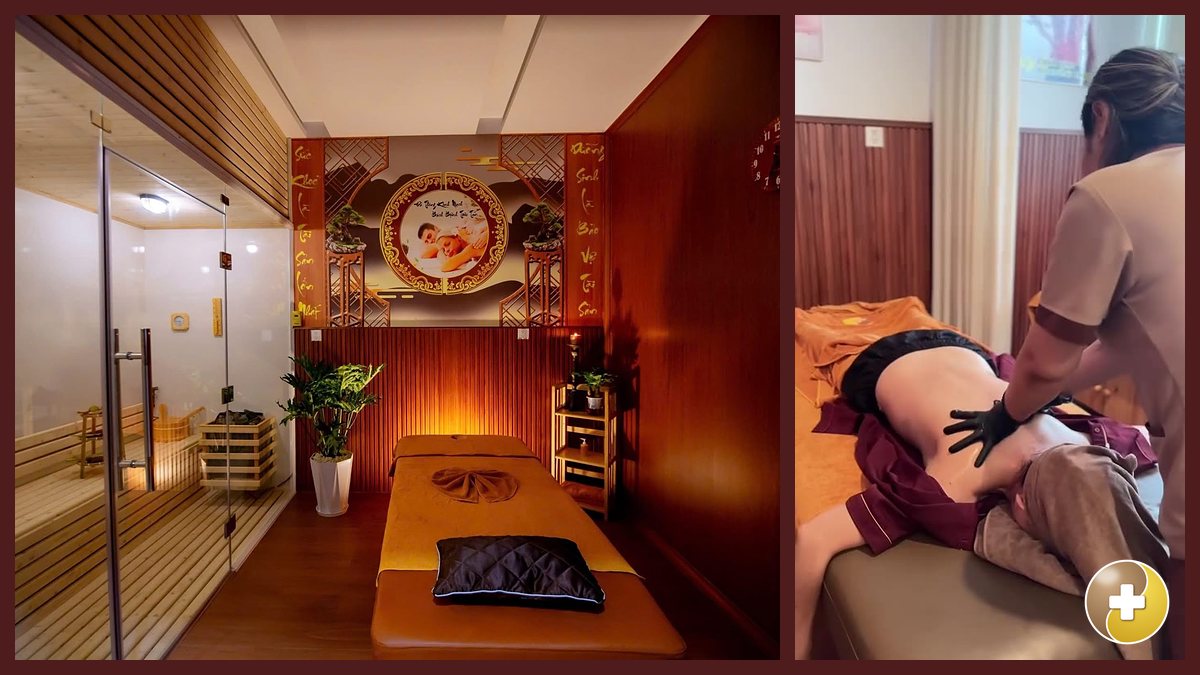
Quick answer: Back strain from shoveling snow usually comes from bending, lifting heavy loads away from the body and twisting to throw snow while muscles are still cold. Rest, warmth and gentle walking help. Chest pain or breathlessness means call emergency services. Tong Gia Acupoint Wellness in Ho Chi Minh City reads the spine by hand, then releases the muscles and applies acupressure.
Want Lương Y Tống Văn Huynh’s team to read your spine and posture in person?
Why shoveling snow strains your back
In Toronto, Montreal or Calgary, plenty of winter mornings start with a driveway buried to the ankles, sometimes to the knees. It is still dark, the air is well below minus ten, and you need to be at work by seven. So you grab the shovel, clear enough for the car and then the sidewalk, because many cities expect you to. People in Chicago, Minneapolis or Boston know the routine too. Then you sit in the car and your lower back feels locked; by evening, bending to take off your boots makes you wince.
In Western terms this is mostly mechanical back pain: a strain of the spinal erectors, the quadratus lumborum and the ligaments around L1–L5 after a repeated, heavy movement. Shoveling combines three things the spine dislikes: bending forward, lifting a load held away from the body, and twisting to throw the snow aside. The L4–L5 and L5–S1 levels already carry much of the upper body's weight; adding a full shovel of wet snow and a twist puts heavy pressure on the discs and ligaments there.
The shoulders and arms work hard as well. One hand pushes, the other lifts, and the trapezius, levator scapulae, the muscles around the shoulder joint and the forearm muscles contract again and again. If you sit most of the week and then shovel for an hour, the muscles are not used to the load, and the next day even raising an arm to brush your hair can feel heavy.
It is common among office workers whose back muscles are weak from sitting, people who stand bent over at work all day, older parents who live in a house and do not want to bother their children, and anyone who has had lower back or sciatic pain before. This page focuses on the lower back and shoulders after a snow season; cold hands and feet are covered separately in cold hands and feet after long Canadian winters. For the whole spine during a long trip, read our main guide on spine care after a long-haul flight.
Common causes: cold mornings, rushing before work, then a long flight
- Cold, unwarmed muscles: straight out of bed, muscles and ligaments are stiff and blood flow to them is low; step into sub-zero air and they tighten further, so one hard lift is enough to strain the lower back.
- Rushing: full shovels, fast pace, no breaks. Tired muscles keep working and the risk rises toward the end.
- Bending at the waist instead of the knees: the load goes onto the lower back instead of the thighs and glutes.
- Throwing snow over the shoulder: rotating the upper body with the feet planted strains muscles, ligaments and discs.
- Wet or packed snow: snow that falls near zero degrees, or the ridge left by the plow at the end of the driveway, is much heavier than powder; one full shovel can weigh several kilograms.
- Ice underneath: your legs brace for balance the whole time, and a single slip jerks the back.
- Bulky clothing and breath-holding: many people hold their breath on each lift, which pushes up blood pressure and heart rate.
- The flight home: from Toronto, Montreal or Calgary to Tan Son Nhat you usually connect through Vancouver or an Asian hub such as Tokyo, Seoul, Taipei or Hong Kong, and the whole journey can take around a day. Hours of sitting with the hips flexed stiffen an already tired lower back. More in back pain after a long flight from the US to Vietnam.
- Climate switch and a busy visit: from sub-zero to over 30°C, then air conditioning, fans after a shower, long car rides to hometowns, sitting on the floor at family meals and late nights at Tet.
Related signs to notice
- Stiff lower back in the morning, hard to bend over the sink, pushing on your knees to stand: the spinal erectors and lumbar muscles are tight.
- Pain on one side: usually the side that carried the shovel and twisted more.
- Ache spreading to the buttock or back of the thigh: the lower lumbar and sacral nerve roots are irritated; with numbness or weakness, get checked.
- Heavy shoulders, tired arms, trouble lifting the arm overhead: overworked shoulder and trapezius muscles.
- Tired forearms, weak grip, tingling fingers in the cold: hours of gripping the handle.
- Cold lower back, tired knees, waking at night to urinate in cold weather: signs Eastern wellness links with the Kidney, explained below.
As the Tong Gia curriculum puts it, pain shows up in one place while its source may sit elsewhere: in stiff hip flexors, in the habit of bending the back instead of the knees, or in the shoulder that always takes the shovel.
When to see a doctor
Shoveling is heavy exertion in the cold. The Tong Gia curriculum describes chest tightness or pressure on exertion, possibly spreading to the left arm or jaw and easing with rest, as a pattern that can come from the heart. Cold narrows blood vessels, and lifting while holding your breath raises blood pressure and heart rate quickly. Older people and anyone with heart disease, high blood pressure or diabetes should take special care.
- Chest pain, pressure or tightness, shortness of breath, cold sweat, dizziness, or pain spreading to the jaw or left arm while or after shoveling: stop at once and call 911 in Canada or the US, or 115 in Vietnam. No massage, no "finishing the job".
- Sudden tearing pain between the shoulder blades spreading through the back: call emergency services.
- Breathlessness, chest pain on breathing in, coughing blood or fainting after the flight: call 115.
- One calf swollen, painful, warm or red after a long flight: possibly a deep vein clot; get checked now and do not have your legs massaged.
- Back pain with weakness or numbness in one or both legs, or a dragging foot.
- Numbness around the buttocks or groin, or new bladder or bowel problems.
- Pain after a fall on ice, especially if you cannot get up on your own, or sudden back pain with osteoporosis.
- One-sided flank pain with fever or blood in the urine; back pain with fever, unexplained weight loss or pain that worsens at night at rest.
- Pregnancy, recent surgery, a stent, a pacemaker or blood thinners: check with your own care team before any massage.
If you have results from a medical facility, tell us so the staff know where to stay gentle; Tong Gia does not read X-rays or MRI scans and does not make medical plans. Before each session the staff ask about heart conditions and blood pressure. This is a wellness service, not medical care.
The Y Tướng Học view: lower back and Kidney, tendons and Liver
Y Tướng Học, the Eastern face-and-body reading taught at Tong Gia, rests on the idea that what is inside shows on the outside. Lương Y Tống Văn Huynh organized this knowledge so staff can see which areas need attention before touching the spine.
Kidney and the lower back. In the Tong Gia curriculum the Kidney belongs to Water, corresponds to winter, governs the bones, opens into the ears and shows in the hair, and is tied to the lower back and knees. When Kidney yang is weak, the curriculum describes feeling the cold easily, cold hands and feet, a cold and tired lower back and knees, and night urination; the advice is to keep the lower back, belly and feet warm and to soak the feet in warm water. A long Canadian winter of bending over snow in sub-zero mornings is exactly the kind of cold and load the lower back dislikes. Rosy, firm ears and healthy hair are a good base; thin, dull ears, dry hair and a lower back that feels cold to the touch suggest warming and care.
Liver and the tendons. The Liver nourishes tendons and ligaments; when it is out of balance, muscles cramp and stiffen. It opens into the eyes and shows in the nails. Tight shoulders, night cramps in the arms, eyes dried by car heaters and indoor heating, and pale nails are things the staff look at.
Heart and exertion. The Heart governs blood and vessels and shows in the face. A pounding heart, a very pale or flushed face after shoveling is not "just a sore back"; follow the warning list above.
Face shapes and back areas. The curriculum links face types with back areas to check first. A round face (Viên) often goes with a cold lower back and soft muscles; a wide forehead with a pointed chin (Giáp) with a hollow, cold lower back; a face narrow on top and broad below (Do) with thick lumbar and hip muscles. Two patterns often seen in one-sided shovelers are Phong, with uneven muscle tension and moving tender spots, and Dụng, with a shifted axis and asymmetry between the two sides. The bridge of the nose is read as a small image of the spine. This is wellness observation, not fortune-telling and not a medical conclusion.
Vertebrae and nerve-reflex areas involved
| Vertebrae | Nerves / function (anatomy) | Typical signs after shoveling | Organ (Eastern view) | Outer signs (Y Tướng Học) |
|---|---|---|---|---|
| C5–C7, T1 | Nerve roots to the shoulder, arm and hand; trapezius and levator scapulae attach here | Heavy shoulders, tired arms, weak grip | Liver (tendons) | Tight shoulder muscles, dry eyes, pale nails |
| T4–T6 | Intercostal nerves, chest wall; Heart-related points below T4 and T5 | Burning between the shoulder blades, short of breath after effort (chest tightness: see a doctor) | Heart | Pale or flushed face, palpitations, poor sleep |
| T7–T9 | Mid intercostal nerves; spinal erectors; Liver point area | Tight bands along the spine after twisting throws | Liver | Uneven muscle tension, moving tender spots |
| L1–L3 | Roots to the groin, hip and front of the thigh; psoas attaches here; Kidney point and Mệnh môn at L2 | Stiff, cold lower back, hard to straighten up | Kidney | Thin dull ears, dry hair, round face |
| L4–L5, S1 | Roots forming the sciatic nerve to the buttock, back of the thigh and calf; discs under heavy load when bending and lifting | Low back pain, sometimes into the buttock; leg numbness or weakness: see a doctor | Kidney – Bladder | Hollow cold lower back, thick hip muscles, a shifted nose bridge |
The table shows related areas for the hands to check, not causes. Ủy trung, in the middle of the crease behind the knee, is a classic point for back pain.
How Tong Gia helps rebalance your lower back
Each session follows the spinal nerve-reflex balancing massage developed by Lương Y Tống Văn Huynh, founder of Tong Gia, with over 13 years in Vietnamese Eastern wellness, face reading and spinal reflex work. It is a Vietnamese Eastern method you can try while you are in Ho Chi Minh City.
- Questions and observation: how often you shoveled this winter, when the pain began, which side, any fall on ice, your flight route, heart and blood pressure history, disc problems; then complexion, ears, nose bridge, shoulder level and posture.
- Reading the spine by hand: skin temperature, muscle padding, vertebral shape and sensation, comparing left with right and top with bottom, narrowing from a survey area to the key point. One-sided shovelers usually show clear differences between the two sides.
- Muscle release: spinal erectors, quadratus lumborum, glutes, trapezius and the muscles around the shoulder, with pressure built up across five levels and checked with you. Only tense, warm, sensitive areas are worked.
- Acupressure in the right areas: Kidney point, Mệnh môn and Chí thất in the lower back, the Liver point area mid-back, light work on the Heart-related points between the shoulder blades, and Ủy trung behind the knee; each point is held until the skin turns from dry to slightly moist.
- Self-care tips: warming the lower back, gentle stretches, safe lifting of luggage, and safer shoveling for when you go back.
You may feel tender spots beside the lower spine and around the shoulder, more on the shovel side, that ease as the muscles let go. Afterwards some people bend more easily and sleep more deeply; others feel a little sore for a day. Everyone responds differently, and no session promises the pain will be gone.
Suggested services (approximate rates 1 CAD ≈ 19,000 VND and 1 USD ≈ 26,000 VND, payment in VND; full list on our price page):
- Neck–shoulder / back–waist care, 60 min: 550,000 VND (about CA$29 / US$21), first visit 399,000 VND (about CA$21 / US$15); 90 min: 750,000 VND (about CA$39 / US$29).
- Cupping to dispel cold, 30 min: 85,000 VND (about CA$4.50 / US$3), an add-on for a cold, heavy back after winter.
- Full-body care, 120 min: 950,000 VND (about CA$50 / US$37) when the flight leaves you aching from shoulders to legs.
From the airport: the District 12 branch lies north of Tan Son Nhat and is usually a short drive, depending on traffic; Vinhomes Grand Park in Thu Duc City is farther and takes longer, especially at evening rush hour. To stop on the way, read massage near Tan Son Nhat airport. If a long car ride to your hometown is next, see long car rides to hometowns during Tet.
Want Lương Y Tống Văn Huynh’s team to read your spine and posture in person?
A suggested plan for your trip, and self-care
| When | What your back needs | What to do |
|---|---|---|
| Last week in Canada or the US | No extra load before flying | Ask family, neighbors or a snow service; if you shovel, do small loads with breaks; split luggage into two lighter bags |
| On the plane and during connections | Frequent position changes | Walk every 1–2 hours, small cushion behind the lower back, sip water, walk the terminal instead of sitting |
| Landing day | Relax, sleep on Vietnam time | Warm shower, light walk, light meal; let someone else lift the bags; no air conditioning blowing on your back |
| Days 2–3 | Release the lower back and shoulders | A 60–90 minute back–waist session, optionally with cupping; warm the lower back at night |
| Tet and family visits | Avoid one position for too long | Chairs with back support rather than long floor sitting; breaks on long drives; do not carry tables or crates alone |
| 2–3 days before flying back | Prepare for the flight and the rest of winter | A gentle session, enough sleep; read preparing your body before a long flight home |
- Warm the lower back: rub your palms until warm, place them on both sides of the lower back and rub up and down 50–100 times.
- Warm foot soak: 15–20 minutes at about 38–42°C before bed; people with diabetes should test the temperature carefully.
- Gentle stretches: lying on your back, hug one knee to the chest for 15–20 seconds, 3–5 times each side.
- Morning walk of 15–20 minutes in early sunlight to reset your body clock.
- Lift with your knees: stand close, bend the knees, keep the back straight, no twisting; see back pain after lifting something heavy.
Safer shoveling when you return: warm up indoors for 5–10 minutes; push snow rather than lift it; take small loads with a light shovel; bend the knees and keep the shovel close; never throw over your shoulder, turn your feet and step instead; switch sides and pause every 10–15 minutes; breathe out as you lift; wear boots with good grip. Older people and anyone with heart disease or high blood pressure should check with their care team and let someone else or a snow blower do the job.
Book from abroad before you fly
Message us on WhatsApp or Zalo at +84 888 264 559 (0888 264 559 inside Vietnam) with three details: your landing date and time at Tan Son Nhat, where it aches (lower back, shoulders or everywhere), and which branch you prefer. You can also book online; tips are in booking a massage in Saigon from abroad.
- District 12 branch: 225 Dương Thị Mười, Phường Tân Chánh Hiệp (Tan Chanh Hiep Ward, District 12). Daily 8:00–19:00.
- Vinhomes Grand Park branch: Căn T16-21 khu Manhattan, Vinhomes Grand Park, Phường Long Bình, TP. Thủ Đức (Unit T16-21, The Manhattan, Long Binh Ward, Thu Duc City). Daily 9:00–20:00.
Slots before Tet fill quickly, so write early. Genuine guest reviews are on each branch's Google Maps listing. More questions on back care are answered in back massage in Saigon: Q&A.
Visit us
- Đông Y Huyệt Đạo Tống Gia Quận 12 (District 12)
225 Dương Thị Mười, Phường Tân Chánh Hiệp, Quận 12, HCMC · 8:00–19:00 daily · 0888 264 559 · Directions on Google Maps - Đông Y Huyệt Đạo Tống Gia Quận 9 (Vinhomes Grand Park, District 9)
Căn T16-21 khu Manhattan, Vinhomes Grand Park, Phường Long Bình, TP. Thủ Đức, HCMC · 9:00–20:00 daily · 0888 264 559 · Directions on Google Maps
Map of our two branches
Want Lương Y Tống Văn Huynh’s team to read your spine and posture in person?
What guests say on Google Maps
“The place is clean, quiet and airy. The staff are cheerful and attentive. Do come and try it.” (translated from a Vietnamese review)
— Giang H., Google Maps review · Vinhomes Grand Park branch (District 9) · 2025 · See on Google Maps
“Today was my first time here and it was very good. I will come back next time. Sincere thanks to the team for being so warm and friendly.” (translated from a Vietnamese review)
— Vân N., Google Maps review · Vinhomes Grand Park branch (District 9) · 2024 · See on Google Maps
Quoted from public reviews, shortened where marked (…). Experiences vary from person to person; reviews are not a substitute for seeing a doctor when something feels wrong.
Related guides for your trip
- Quick 4–5 day trip to Vietnam: two long-haul flights in one week and how to look after your body
- Back pain from packing up before moving back to Vietnam: boxes, garage sales, the container and a long flight
- Migraine sufferer: can I get a Vietnamese head spa in Ho Chi Minh City, and when is the right time?
FAQ
Is back strain from shoveling snow serious? Usually it is a muscle and ligament strain of the lower back that eases over days to a couple of weeks with rest, warmth and gentle movement. See a doctor if it comes with leg weakness or numbness, bladder or bowel changes, fever, or pain after a fall on ice. Chest pain or breathlessness while shoveling means call 911, or 115 in Vietnam.
I hurt my back shoveling in Toronto. Can I still fly to Saigon? Most people with a simple strain can fly. Choose an aisle seat, walk every 1–2 hours, put a small cushion behind your lower back, drink water and let others lift heavy bags. If pain spreads down the leg with numbness or weakness, or keeps getting worse, get checked before or after the flight.
Is shoveling snow dangerous for my elderly parents in Montreal or Calgary? It can be. Shoveling is heavy effort in the cold and puts real load on the heart. Older people and anyone with heart disease or high blood pressure should check with their care team and let someone else or a snow blower do it. Chest pain, breathlessness, sweating, or pain spreading to the jaw or left arm: stop and call 911.
How long does back pain from shoveling snow take to get better? A mild strain often settles within a few days to two weeks with sensible rest, warmth and light walking. It can take longer for older people or those with weak discs. If it is not easing after about a week, worsens at night, or comes with leg numbness, see a doctor.
How should I shovel snow to protect my back? Warm up indoors first, push snow instead of lifting, take small loads, bend your knees with a straight back, keep the shovel close, never throw snow over your shoulder, switch sides, pause every 10–15 minutes, breathe out as you lift and wear boots with grip.
Does massage help back strain from shoveling, and what does it cost at Tong Gia? Once warning signs are ruled out, massage helps the muscles around the spine relax, supports circulation and can make sleep easier; it is wellness care, not a replacement for medical checks. Back–waist care is 550,000 VND for 60 minutes (399,000 VND first visit), 750,000 VND for 90 minutes; cupping is 85,000 VND, paid in VND.
Author: Lương Y Tống Văn Huynh – founder of Huyệt Đạo Tống Gia, a master of traditional Vietnamese wellness with over 13 years in Eastern wellness care, Y Tướng Học (face reading) and spinal nerve-reflex balancing massage.
Updated: 2026-11-16
Related guides
- Parents' back pain after a long flight with young kids: lower back, shoulders and wrists
- How to describe back pain in Japanese, Korean and Chinese: hospital phrases, warning signs and care in Saigon
- Long car rides home during Tet: lower back pain, numb buttocks and heavy legs, and how to care for them
- Back and wrist pain from fruit picking and farm work in Australia: causes and care between seasons
- Back and shoulder strain from shrimping and offshore work: nets, deck vibration, shift sleep, care at home
- Back pain from sleeping on heated ondol floors in Korea: morning stiffness, dryness and back care in Vietnam
This is a wellness service, not medical care.