
Shoulder pain and a stiff neck from swimming and surfing in Australia: why it builds and how to care for it
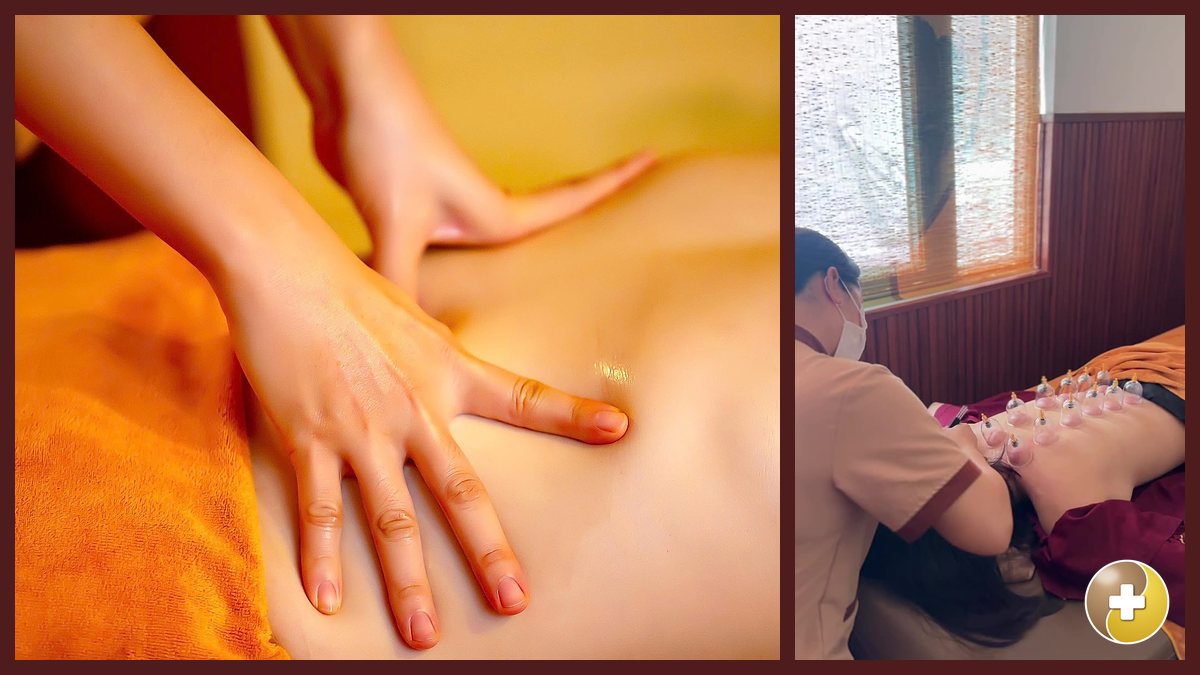
Quick answer: Shoulder pain and a stiff neck from swimming and surfing usually come from the rotator cuff repeating freestyle strokes and paddling, plus a neck held extended on the board. Rest, ice and gentle stretches help; weakness, night pain or pain after a wave impact need checking. In Ho Chi Minh City, Tong Gia Acupoint Wellness releases neck and shoulders by hand.
Want Lương Y Tống Văn Huynh’s team to read your spine and posture in person?
Why swimmers and surfers in Australia get shoulder pain and a stiff neck
November in Australia is late spring: the sun already bites and the water is warming up. In Sydney the ocean pools at Bondi, Coogee and Manly have lap swimmers from six in the morning, while surfers sit out at Cronulla or Maroubra waiting for the first sets before work. On the Gold Coast, Burleigh Heads, Currumbin and Snapper Rocks fill up at weekends; in Perth people head to Cottesloe, Scarborough or Trigg early, before the afternoon sea breeze arrives. Plenty of young Vietnamese-Australian families spend every weekend at the beach: swimming lessons, junior surf life saving, then carrying boards, eskies and a sun shelter across the sand. It feels great until one morning washing your hair sends a sharp pain through the front of the shoulder, lying on that side wakes you up, or the day after a long paddle you cannot turn your head to check the blind spot while driving.
In Western anatomy terms, the shoulder is the most mobile joint in the body, but its socket is shallow. The ball of the upper arm bone sits on a small dish on the shoulder blade and is held in place mainly by the four rotator cuff muscles (supraspinatus, infraspinatus, teres minor, subscapularis), the capsule and ligaments. Above the ball sits the acromion, and the narrow space between them is where the supraspinatus and biceps tendons run. Bringing the arm overhead and pulling it down thousands of times, as in freestyle or paddling, can irritate those tendons in that tight space. Athletes call this “swimmer’s shoulder”. It is a nickname for the situation, not a conclusion about your shoulder; pain there has other causes that only a medical check can sort out.
The neck is loaded differently. Surfing is mostly paddling: you lie prone on the board, lift your head and chest to watch the waves and paddle out through the white water. Holding the neck extended for an hour keeps the neck extensors, suboccipital muscles, upper trapezius and levator scapulae working nonstop, with the lower neck and upper back arched the whole time. Surfers joke about “surfer’s neck”: after a long session the back of the neck is tight, some people get a headache at the base of the skull, others feel it spread down between the shoulder blades.
This kind of pain is common in:
- Regular lap swimmers in ocean pools, masters squads, open-water and triathlon training.
- New surfers whose paddling is still clumsy: head too high, arms doing the work the back should do.
- Shortboard riders who paddle hard and duck-dive set after set.
- Young parents who swim, carry children, boards, prams and eskies all in one beach day.
- Office workers who sit all week, then cram long sessions into the weekend.
- Anyone about to fly to Vietnam for Tết or the summer holidays with a sore shoulder and a board bag to lift.
This guide is for Vietnamese Australians in Sydney, the Gold Coast and Perth, and for international visitors flying long distances into Ho Chi Minh City. For more on the swimming side, read shoulder pain from swimming; for the whole spine after a long flight, see our main guide spine care after a long-haul flight.
Common causes: paddling, freestyle, a lifted head and summer overload
Swimmer and surfer shoulder pain rarely comes from one moment. It is usually several small loads adding up over weeks:
- Sheer number of rotations: a few kilometres of freestyle means thousands of arm entries, pulls and recoveries; a two- or three-hour surf is hundreds of paddle strokes. The rotator cuff rarely rests.
- Stroke mechanics: a hand entering across the midline, thumb first, or a dropped elbow during the pull squeezes the space under the acromion more.
- Breathing to one side only: one side of the neck and shoulder does far more work; over time the shoulders sit at different heights.
- Lifting the head too high on the board: arching from the neck instead of lifting the chest from the mid-back; the shorter and thinner the board, the lower you sit and the more you crane.
- Duck-dives and wipeouts: pushing the board under waves, getting rolled by a set, a leash yanking the board back against the arm. These loads hit the shoulder and neck suddenly.
- Sudden jumps in volume: the start of summer, the end-of-year holidays, a surf trip up the New South Wales north coast or down to the South West, two sessions a day.
- A stiff upper back from desk work: if the thoracic spine cannot extend or rotate, the shoulders and neck make up the difference.
- Cold water and no warm-up: early water is still cool, a wetsuit restricts the shoulders, and you start paddling before the muscles are warm.
- The flight to Vietnam: Sydney to Tân Sơn Nhất is roughly 8–9 hours nonstop, Perth about 5–6 hours; from the Gold Coast most people connect via Brisbane or Sydney. Sleeping upright with the head tipped and lifting luggage and board bags into the overhead locker adds load to a tired neck. See stiff neck after a long flight.
Related signs to watch for
- Sharp pain at the front or side of the shoulder as the hand enters the water, when raising the arm overhead or reaching for a high shelf.
- A dull ache at night when lying on that shoulder.
- Clicking or catching when you reach behind your back.
- A stiff neck and headache at the base of the skull after paddling, with turning limited to one side.
- Tired, tight muscles between the shoulder blades and a sense of losing power late in a session.
- Brief tingling in the fingers after holding the head up for a long time.
- Calf or foot cramps while swimming, dry stinging eyes after salt water and glare, irritability after missed waves: in Eastern wellness terms these are linked to the Liver.
- A blocked or runny nose after swimming, dry skin after sun and wind, shallow breathing when tired: linked to the Lung, explained in the Y Tướng Học section below.
The Tong Gia curriculum puts it simply: pain shows up in one place, but its source is often somewhere else. The shoulder hurts, yet the root may be a stiff upper back or one side of the neck that has worked harder for years because you always breathe the same way.
When to see a doctor
Most swimming and surfing shoulder pain eases with a few days out of the water, ice, gentle stretching and a technique fix. With any of the following, please see a doctor at a medical facility and do not rely on massage. Emergency numbers: 000 in Australia, 115 in Vietnam.
- You were dumped head-first onto a sandbank, rock or shallow bottom and now have neck pain, numbness or weakness in the arms or legs: keep the neck still, do not let anyone massage it, call emergency services.
- After a wipeout or a leash yank, the shoulder looks deformed, sits lower than the other side or will not move: it may be a dislocation or fracture.
- Clear weakness: you cannot lift the arm to shoulder height, you drop things, or numbness keeps spreading or affects both hands.
- Severe pain at night even at rest, no improvement after 2–3 weeks off, or weight loss and lasting tiredness without a clear reason.
- A swollen, hot, red shoulder, or fever.
- Left shoulder or arm pain with chest pain, shortness of breath, cold sweats or pain spreading to the jaw: call emergency services right away.
- Coughing and breathing that get worse in the hours after inhaling a lot of water.
- After the flight, one calf swollen, painful, warm or red, or sudden breathlessness: this can be a clot; get checked now and do not have your legs massaged.
- Recent shoulder or neck surgery, repeated dislocations, or specific instructions from your care team: ask them before any massage.
Tong Gia does not read X-rays, MRI or ultrasound results and does not make medical plans. If you have been checked in Australia, bring the results or tell us so staff know which areas to keep gentle or avoid. This is a wellness service, not medical care.
The Y Tướng Học view: Liver, Lung and Spleen
Y Tướng Học, the Vietnamese art of reading the face and body, rests on the line “what is inside shows outside”. Lương Y Tống Văn Huynh organised this knowledge so Tong Gia staff can read the body before they touch it. For swimmers and surfers three organ systems are usually compared.
The Liver governs the tendons. In the Tong Gia curriculum, the Liver nourishes tendons and ligaments and supports movement; when it is strong the tendons are supple, when it is weak muscles cramp, tighten and lose flexibility. The rotator cuff tendons belong to this “tendon” system. The Liver stores blood: at rest blood returns to it to be replenished, in activity it sends blood to muscles and tendons. Dawn surfs, short sleep and double sessions mean the tendons are used a lot and nourished little. The Liver shows in the eyes, nails and tendons; typical signals are dry tired eyes, irritability, tight shoulders and cramps. Its partner, the Gallbladder channel, is linked in the curriculum with the head and the shoulder-neck area.
The Lung governs qi and breath. The curriculum describes the Lung as managing breathing, regulating fluids and supporting resistance. It shows in the nose, skin and breath: dry skin, a blocked nose, shallow breathing and frequent sighing. It is called the “delicate organ”, easily disturbed by cold, heat and dryness. Long cold swims, standing in the wind with wet hair and a day in the sun often come with a blocked nose and dry skin. In freestyle you breathe to the rhythm of the arms; when breath is short the shoulders and neck brace to grab air. The Lung channel starts at Trung phủ on the chest and runs down the inner arm; in the upper back, the D3 area (Phế du) tends to tighten and affect breathing.
The Spleen governs muscle and limbs. When it is weak, arms and legs tire, muscles feel slack, lips are pale and appetite drops. Long beach days with rushed meals and cold drinks leave the shoulder muscles fading early in a paddle.
Some face shapes described in the curriculum are relevant. The Đồng face (long and square, firm bone and flesh) belongs to the Metal type linked with the Lung: keep breathing deep, keep the throat and chest warm when the weather turns, care for the upper back around D3. The Mục face (long, narrow, lean) often goes with weaker qi and blood and slack muscle, so pressure stays lighter. The Dụng face is described with muscles that differ side to side, common in one-side breathers. This is observation for wellness care, not fortune-telling and not a medical conclusion.
Vertebrae and nerve-reflex areas involved
In the Tong Gia spinal nerve-reflex method, the neck (C1–C7) relates to the head, face, neck and arms, the upper and mid back (D1–D12) to circulation, breathing and digestion, and the lower back (L1–L5) to the legs. The nerves to the shoulder and arm come from the brachial plexus (C5 to D1), and the phrenic nerve that drives the diaphragm comes from C3–C5, so a swimmer’s shoulder is always read up into the neck and down into the upper back.
| Vertebrae | Nerves / function (Western anatomy) | What swimmers and surfers notice | Organ (Eastern view) | Outer sign (Y Tướng Học) |
|---|---|---|---|---|
| C1–C3 | Suboccipital and neck extensor muscles holding the head up; occipital nerves | Stiff back of the neck, headache at the skull base after paddling | Liver; Gallbladder channel | Giáp face: check C1–C2 |
| C3–C5 | Phrenic nerve to the diaphragm; upper trapezius, levator scapulae | Short breath when swimming fast, shoulders creeping up to the ears | Lung governs qi | Shallow breathing, sighing |
| C5–C6 | Suprascapular and axillary nerves to supraspinatus, infraspinatus, deltoid | Sharp front-of-shoulder pain at hand entry or overhead | Liver governs tendons | Uneven shoulder height |
| C6–C8 | Thoracodorsal nerve to latissimus dorsi; pectoral nerves; radial nerve to triceps | Tired armpit and back of the arm, fading paddle power | Spleen governs muscle; Lung channel on the inner arm | Thin shoulder muscles; Mục face |
| D1–D4 | Upper thoracic sympathetic chain; rhomboids, serratus anterior (long thoracic nerve, C5–C7) | Ache between the shoulder blades, hard to lift the chest on the board | Lung (D3, Phế du), Heart | Đồng face: check D3 |
| D5–D9 | Thoracic rotation for body roll, extension for paddling; intercostal nerves | Poor body roll, arching from the neck instead of the back | Liver (D9), Spleen | Thân face: check D7–D9 |
| L1–L5 | Lumbar erectors holding the arch on the board and during the pop-up | Tired lower back after surfing | Kidney | Viên face, cold lower back |
The table lists related areas for staff to check, not a cause. The Tong Gia curriculum groups neck-shoulder ache and tingling hands under muscle-bone-joint care, combining C5–C7, L1–L5 and S1–S5, so staff read from the neck down to the sacrum rather than rubbing only the sore shoulder.
How Tong Gia helps rebalance your neck and shoulders
Every session follows the spinal nerve-reflex balancing massage developed by Lương Y Tống Văn Huynh, founder of Huyệt Đạo Tống Gia, with over 13 years in traditional Vietnamese wellness, Y Tướng Học and this method. It is a Vietnamese Eastern wellness approach done entirely by hand, aimed at helping each spinal area regain balance and supporting the related organ functions.
- Questions and observation: swimming or surfing, sessions per week, breathing side, which movement hurts (entry, pull, paddle, duck-dive, pop-up), any wave impact or past dislocation, whether you have been checked in Australia, calf swelling after the flight, any sunburn. Then shoulder height, neck posture, shoulder blades, complexion, skin, nose and nails.
- Reading the spine by hand: pressing, stroking and rolling along C1–C7 and D1–D12 down to the sacrum to read skin temperature, the muscle layer, the shape of each vertebra and sensation, comparing your breathing side with the other. Over-active zones get the focus; under-active zones are not worked directly.
- Muscle release: suboccipitals, neck extensors, trapezius, levator scapulae, rhomboids, the back of the shoulder where the rotator cuff attaches, deltoid, latissimus along the armpit and the upper arm. Around a sore shoulder pressure stays light, following the fibres, never digging into a hot or swollen spot. Pressure builds through five levels while staff check how you feel.
- Acupressure: Kiên Tỉnh on top of the shoulder, Kiên Ngung at the shoulder tip, Thiên Tông on the shoulder blade, Phế du on the upper back when breathing is shallow, and the Liver back point when tendons are tight and sleep is poor. Work on a point stops when the skin turns from dry to slightly moist.
- Self-care: two or three chest-opening and shoulder stretches you can do on the sand before and after a swim back home.
You may feel tender points on top of the shoulder, at the back of the neck, between the shoulder blades and along the armpit on your breathing side. As the muscle lets go, the tenderness usually fades, the neck turns more easily, the shoulder feels warmer and lighter and breathing feels deeper. Some people sleep deeply that night; others feel a little sore for a day. Results vary, and no one can promise the pain will be gone after one session.
- Neck and shoulder care, 60 minutes: 550,000 VND (about 21 USD or 32 AUD), first visit 399,000 VND (about 15 USD or 23 AUD). For a stiff neck after paddling or shoulder pain of a few weeks.
- Neck and shoulder care, 90 minutes: 750,000 VND (about 29 USD or 44 AUD) for years of swimming or surfing, neck and shoulder both sore, and a stiff upper back.
- Extra 30-minute area massage: 199,000 VND (about 8 USD or 12 AUD) for the arm, armpit and shoulder blade on the sore side.
- Herbal hair wash with neck and shoulder massage, 60 minutes: 250,000 VND (about 10 USD or 15 AUD) for arrival day, hair dried out by salt and sun and a tired neck from the flight.
Approximate rates 1 USD ≈ 26,000 VND and 1 AUD ≈ 17,000 VND; payment in VND. If you are sunburnt, tell staff so they avoid that skin; see can you get a massage with sunburn. Full details: prices, sports recovery massage and neck and shoulder massage.
From Tân Sơn Nhất airport, the District 12 branch (225 Dương Thị Mười, Phường Tân Chánh Hiệp) lies to the north and is usually not a long ride, depending on traffic. The Vinhomes Grand Park branch (Căn T16-21 khu Manhattan, Phường Long Bình, TP. Thủ Đức) is farther, especially at evening rush hour. To stop on the way from the airport, read massage near Tan Son Nhat airport; after the short Perth flight many people can come the same afternoon, while after a night flight from Sydney a sleep first is kinder.
Want Lương Y Tống Văn Huynh’s team to read your spine and posture in person?
Warm-up and self-care while you are in Australia
- Warm up for 8–10 minutes on the sand: brisk walk or light jog, ten backward shoulder circles, arm swings across the chest, slow neck turns, hands clasped behind the back to open the chest; surfers can rehearse a few slow pop-ups.
- Fix the technique: practise bilateral breathing (every three strokes), enter the water in line with the shoulder, not across the midline. On the board, lift the chest from the mid-back with the chin slightly tucked; choose a board with enough float while learning. Ask a club coach to watch a session.
- Build volume slowly: add distance and surf time week by week, sit up on the board to rest between sets. If the shoulder is sharp, swap freestyle for walking or easy kicking for a few days.
- Stretch afterwards: pull one arm across the chest for 15–20 seconds, a doorway chest stretch, chin-to-chest and gentle side bends for the back of the neck. No bouncing, nothing that causes sharp pain.
- Ice, sleep and warmth: ice through a towel for 10–15 minutes for fresh, hot-feeling pain; warmth for long-standing stiffness. Change into dry clothes, dry your hair and cover the neck in the wind. Sleep is part of tendon care in the Liver view; slow belly breathing (in for about 4 seconds, out for about 6, for 5–10 minutes) helps you settle.
Parents flying with young children may like back pain after a long flight with kids, and older players can read elbow and shoulder pain from golf and pickleball.
A suggested plan for your trip to Vietnam
From early October to early April, Vietnam is 4 hours behind Sydney (daylight saving), 3 hours behind the Gold Coast and 1 hour behind Perth. The time gap is small, but night flights, sleeping upright and the heat of the first day still keep the neck from relaxing.
| When | What the neck and shoulders need | What to do |
|---|---|---|
| 2 weeks before flying | No overload before the trip | Cut long surfs and double sessions; message to book |
| Packing day | No heavy lifting with the sore arm | Wheeled bags and board bag; read preparing your body before a long flight home |
| Flight day | No sleeping with the head tipped | Neck pillow, walk every few hours, sip water, ask crew to help with the locker |
| Arrival day | Rest, adjust to the heat | Warm shower, light meal, early night; after a Perth flight a hair wash with neck massage |
| Days 2–3 | Release after the flight and the season | Neck and shoulder care 60 or 90 minutes, plus 30 minutes for the arm if needed |
| First week | Gentle movement | Early walks, evening shoulder stretches, easy pool swims in the morning |
| 2–3 days before flying back | Ready for the flight and summer surf | A lighter session; read red-eye flight from Vietnam to Australia |
Book before you fly
Call, Zalo or WhatsApp +84 888 264 559 (0888 264 559 in Vietnam) from Sydney, the Gold Coast or Perth with your landing date and time at Tân Sơn Nhất, where it hurts (which shoulder, which side of the neck, breathing side, any tingling) and which branch you prefer. Mention swimming or surfing and how often so staff can suggest 60 or 90 minutes. Family in Ho Chi Minh City can book for you. You can also book online or read how to book a massage in Saigon from abroad.
- District 12 branch: 225 Dương Thị Mười, Phường Tân Chánh Hiệp (Tan Chanh Hiep Ward), Ho Chi Minh City. Open 8:00–19:00 daily (12:00–23:00 Sydney summer time, 11:00–22:00 Gold Coast, 9:00–20:00 Perth).
- Vinhomes Grand Park branch: Căn T16-21 khu Manhattan, Vinhomes Grand Park, Phường Long Bình, TP. Thủ Đức (Thu Duc City). Open 9:00–20:00 daily (13:00–24:00 Sydney summer time, 12:00–23:00 Gold Coast, 10:00–21:00 Perth).
Message outside opening hours and staff reply when the branch opens. Slots fill up before Tết and over the end-of-year holidays, so book early. Real customer reviews are on Google Maps on each branch page.
Visit us
- Đông Y Huyệt Đạo Tống Gia Quận 12 (District 12)
225 Dương Thị Mười, Phường Tân Chánh Hiệp, Quận 12, HCMC · 8:00–19:00 daily · 0888 264 559 · Directions on Google Maps - Đông Y Huyệt Đạo Tống Gia Quận 9 (Vinhomes Grand Park, District 9)
Căn T16-21 khu Manhattan, Vinhomes Grand Park, Phường Long Bình, TP. Thủ Đức, HCMC · 9:00–20:00 daily · 0888 264 559 · Directions on Google Maps
Map of our two branches
Want Lương Y Tống Văn Huynh’s team to read your spine and posture in person?
What guests say on Google Maps
“Wonderful service… great for golfers in District 9 to drop in and loosen up.” (translated from a Vietnamese review)
— Tâm N., Google Maps review · Vinhomes Grand Park branch (District 9) · 2024 · See on Google Maps
“A beautiful, quiet space and wonderful service. I will keep coming.” (translated from a Vietnamese review)
— Hằng C., Google Maps review · Vinhomes Grand Park branch (District 9) · 2025 · See on Google Maps
Quoted from public reviews, shortened where marked (…). Experiences vary from person to person; reviews are not a substitute for seeing a doctor when something feels wrong.
Related guides for your trip
- Frequent-Flying Parcel Couriers With Heavy Suitcases: Sore Shoulders, Aching Back and Poor Sleep
- Crane operators abroad: neck and back pain from looking down all shift, and care on a visit to Vietnam
- Elbow and shoulder pain from golf and pickleball: why it builds after 55 and how to care for it in Vietnam
FAQ
Is shoulder pain from swimming and surfing serious? Usually it is overuse of the rotator cuff and neck muscles from freestyle, paddling and holding the head up on the board. It tends to ease with a few days out of the water, ice, gentle stretches and a technique fix. Weakness, spreading numbness, night pain, a deformed shoulder after a wipeout, neck pain after hitting the bottom, or chest pain with breathlessness need a medical check right away.
My neck is stiff after surfing on the Gold Coast. What should I do? It usually comes from long prone paddling with the head lifted. Rest a few days, use warmth for long-standing stiffness, do gentle chin-to-chest and side-bend stretches, and next time lift the chest from the mid-back instead of craning the neck. If the pain started after being dumped onto the sand, or you have numbness or weakness, keep the neck still and call 000.
Should I stop swimming if my shoulder hurts at Bondi or in a Sydney pool? Take a few days to one or two weeks off freestyle, walk or kick gently and stretch the back of the shoulder daily. When you return, swim shorter sets, breathe to both sides and enter the water in line with the shoulder. If it has not eased after 2–3 weeks, or you have night pain or weakness, get it checked.
Can massage help a swimmer’s shoulder? When there are no warning signs, gentle work on the neck, shoulder blades, upper back and arm can help the muscles relax so the arm lifts more comfortably. Massage is not suitable for a hot swollen shoulder, a recent dislocation, weakness after a wave impact, or left shoulder pain with chest tightness.
When should I book a session after flying from Perth or Sydney? Rest on arrival day and sleep on Vietnam time; after the short Perth flight a hair wash with neck massage is a gentle start. On day 2 or 3 book 60–90 minutes of neck and shoulder care, and add a lighter session 2–3 days before flying back. Message +84 888 264 559 early for Tết.
How much does neck and shoulder care cost at Tong Gia? Neck and shoulder care is 550,000 VND for 60 minutes (399,000 VND first visit) and 750,000 VND for 90 minutes; an extra 30-minute area massage is 199,000 VND; a 60-minute herbal hair wash with neck massage is 250,000 VND. Payment in VND; roughly 1 AUD ≈ 17,000 VND, 1 USD ≈ 26,000 VND.
Author: Lương Y Tống Văn Huynh – founder of Huyệt Đạo Tống Gia, a master of traditional Vietnamese wellness with over 13 years in Eastern wellness care, Y Tướng Học (face reading) and spinal nerve-reflex balancing massage.
Updated: 2026-11-17
Related guides
- Shoulder pain and a stiff neck from swimming and surfing in Australia: why it builds and how to care for it
- Elbow and shoulder pain from golf and pickleball: why it builds after 55 and how to care for it in Vietnam
- Stiff neck and headaches from studying late for exams: why low desks and laptops strain the neck
- Working US hours remotely from Vietnam: neck and shoulder pain, night calls and day sleep on a long visit home
- Stiff neck from unfamiliar beds on trips home: why it happens, how to fix the pillow and when to get checked
- Neck and shoulder pain from factory shifts in Japan: causes, Japanese phrases and care on your trip home
This is a wellness service, not medical care.