
Knee pain from kneeling at pagodas during Tet: why knees, ankles and lower back ache and how to care for them
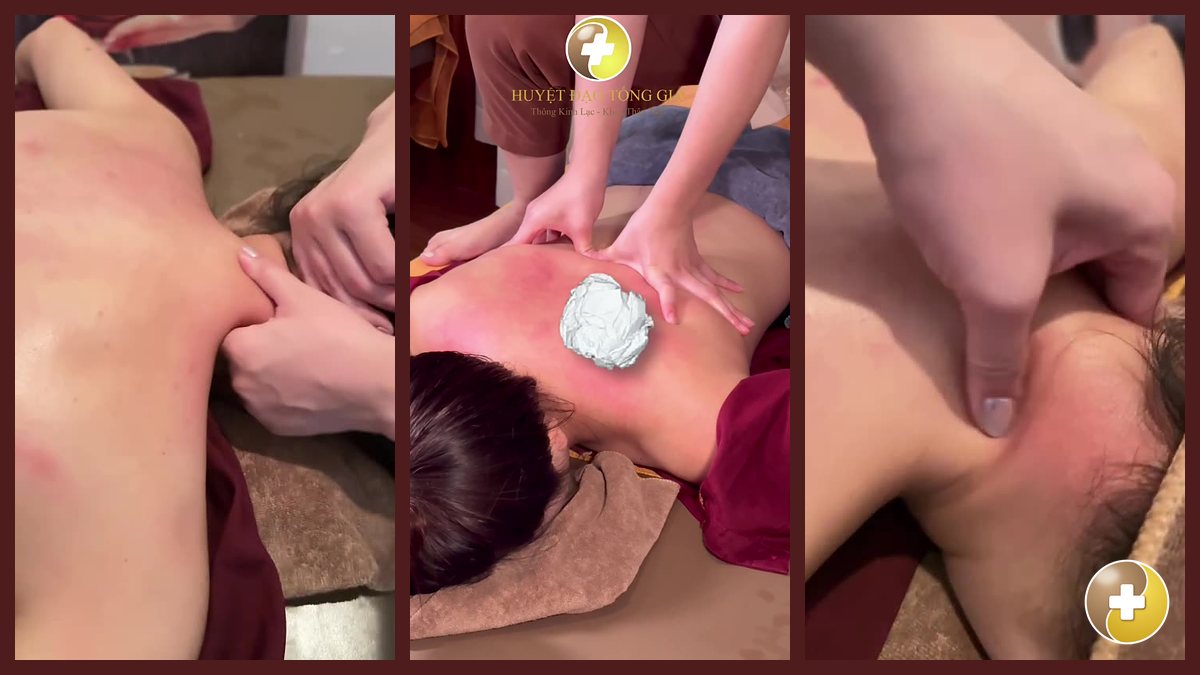
Quick answer: Knee pain after kneeling and bowing at pagodas during Tet usually comes from deep bending, pressure on stone floors, long cross-legged sitting and crowded steps. Use a cushion and stand up slowly. A hot, red, swollen or locking knee needs a medical check. Tong Gia Acupoint Wellness in District 12 and Thu Duc offers gentle knee and back care.
Want Lương Y Tống Văn Huynh’s team to read your spine and posture in person?
Knee pain from kneeling at pagodas during Tet: what is going on
Many Vietnamese families abroad know this moment. On New Year's Eve or the morning of the first day of Tet you go to the pagoda with your parents. The first few bows are fine. By the twentieth or thirtieth time your knees touch the floor, the front of the knee starts to sting. After sitting cross-legged for most of an hour while the monks chant, both legs are numb and you need someone's arm to stand up. Then there are dozens of steps up to the main hall in a slow, packed crowd, and in the evening the knee feels puffy and going downstairs is sore. Ankles and the lower back often join in.
In Western anatomy the knee is formed by the lower end of the thigh bone, the top of the shin bone and the kneecap in front, with cartilage and two menisci cushioning the joint. Just in front of the kneecap, under thin skin, sits a small fluid-filled sac called the prepatellar bursa, which lets the skin glide over the bone. When you kneel, body weight presses straight onto this sac and onto the patellar tendon where it attaches to the shin. Long or repeated kneeling on a hard floor can irritate the bursa and the tendon, causing pain and sometimes mild swelling at the front of the knee. Very deep bending, such as sitting back on your heels, also raises pressure between the kneecap and the thigh bone and compresses the vessels and nerves behind the knee, which is why the legs go numb.
For overseas Vietnamese from San Jose, Houston, Toronto, Paris or Sydney, the pattern is predictable. At home you may visit a Vietnamese temple at Tet for a few hours, but most of the year you sit on chairs and rarely kneel. Back in Ho Chi Minh City the schedule is dense: cleaning the house and the ancestral altar, the offering to the ancestors on the last afternoon of the year, the pagoda at midnight, the first-morning visit, a trip to the hometown to light incense, and the full-moon pagoda day two weeks later. For days in a row the knees kneel, squat, sit on the floor and climb steps, while your body is still jet-lagged.
Bowing is a personal way of showing respect, and every pagoda and family has its own customs. This article does not comment on ritual or belief; it is only about keeping your knees, ankles and lower back comfortable so you can take part fully.
Who tends to notice it most:
- grandparents and parents over 55–60 with known knee osteoarthritis and crackling knees;
- middle-aged visitors used to high chairs abroad, with weaker thigh muscles;
- anyone with an old meniscus or ligament injury, or a knee replacement;
- people carrying extra weight, since every kneel-and-rise loads the knee and thigh;
- anyone just off a long-haul flight, with tight hamstrings and calves after hours in a seat.
This article is part of the Tong Gia Acupoint Wellness (Huyệt Đạo Tống Gia) programme for overseas Vietnamese and long-haul visitors to Ho Chi Minh City. For the neck, back and lower back after a long flight, see the main guide, spine care after a long-haul flight. To plan your whole Tet visit, see the 7-day wellness plan for a Tet visit to Saigon.
Common causes: stone floors, cross-legged sitting, temple steps and crowds
- Repeated kneeling on hard floors. Pagoda halls are cool but floored with stone or tiles. Each bow means the knee lands on the floor, bends deeply and straightens again. After dozens of repetitions the prepatellar bursa and patellar tendon have been pressed over and over. The mechanism is explained in knee pain when kneeling.
- Standing up fast without using your hands. Popping up on one leg makes the front thigh contract hard while the knee is still deeply bent, exactly when pressure behind the kneecap peaks.
- Sitting cross-legged or on your heels during chanting. Cross-legged sitting rotates the hip outward and twists the knee, pinching the inner meniscus; sitting on the heels bends the knee fully and stretches the front of the ankle with the top of the foot flat on the floor. More in knee pain sitting cross-legged.
- Temple steps. Main halls are often raised, and hillside pagodas can have hundreds of steps. Going up works the thighs; going down, the knee has to brake your body weight, which people with osteoarthritis feel most. See weak knees walking downhill.
- Standing in crowds. On New Year's Eve and the first morning, courtyards are packed. Waiting in line to light incense, shuffling in short steps, blood pools in the legs, calves tire and ankles swell slightly.
- Repeated bowing from the waist. Every bow folds the trunk down to the floor and back up, so the lower back and buttock muscles work hard too.
- Ancestor offerings at home. Kneeling before the altar, sitting on the floor around the feast tray, squatting to clean and carrying trays add to the pagoda days, so the knees barely rest.
- The long flight. Hours of bent knees shorten the hamstrings and calves; see back of knee pain after a long flight. Jet lag and short sleep slow tissue recovery.
- Heat, little water, holiday food. Sweating in Saigon's heat without drinking enough brings night cramps. In people prone to gout, rich food and beer can set off a hot, red, very painful joint, which needs a medical check.
Signs worth noting
| Feature | Overloaded knee from kneeling, sitting, steps (common) | Irritated bursa in front of the kneecap | Possible inflamed joint or meniscus injury |
|---|---|---|---|
| Where | Front of the knee, around the kneecap, often both knees | A soft bulge right over the kneecap | Inside the joint, inner or outer joint line, usually one knee |
| When it hurts | Kneeling down, standing up, going downstairs; eases with rest | When kneeling on it or touching the bulge | Even at rest or at night; may lock or give way |
| Skin, swelling | None or very slight | Local swelling, sometimes slightly warm | Whole joint swollen, hot red skin, possible fever |
| Course | Settles over 2–5 days with less kneeling | Settles without pressure; worsening heat or redness needs a check | Gets worse quickly or keeps returning |
| What to do | Cushion, breaks, mild warmth, gentle massage | Do not kneel on it; redness, heat or fever means a medical check | See a medical facility; no massage |
Alongside knee pain you may notice pins and needles after cross-legged sitting, which usually fade within minutes of moving; pain at the front of the ankle and top of the foot after sitting on your heels; an aching lower back after many bows; tight calves and night cramps after standing in crowds; and slightly puffy ankles in the evening, especially in the first days after the flight.
When to see a doctor
If knee pain after pagoda visits comes with any of the following, please see a doctor at a medical facility rather than relying on massage:
- A swollen, hot, red knee, painful even at rest, with fever or chills: this may be an infected bursa, gout or a joint infection. Get checked the same day, with no massage and no heat.
- A graze or cut on the front of the knee that becomes red and swollen after kneeling.
- A knee that locks, will not straighten, gives way, or pops and swells quickly as you stand up.
- A fall on temple steps, a slippery courtyard or in the crowd, with inability to bear weight or a visibly deformed knee or ankle.
- Numbness that does not fade after 15–30 minutes, leg weakness, or a foot that drags or will not lift.
- One calf swollen, warm and red, painful on walking, especially in the weeks after a long flight: this can be deep vein thrombosis. Get checked straight away and do not massage that leg.
- Crushing chest pain, shortness of breath, cold sweats, dizziness or fainting while climbing steps or in the crowd, or sudden breathlessness after the flight: call 115 (Vietnam's ambulance number) immediately.
- A knee replacement that becomes painful, swollen or warm: contact the specialist who follows your joint, and ask them before deep kneeling. See massage after a knee replacement.
- Knee pain lasting weeks with weight loss or unexplained tiredness: have a check-up at a medical facility as well.
At Tong Gia, practitioners ask about these signs before touching the knee; if any are present, they stop and recommend a medical check. Tong Gia does not read X-rays or MRI scans and does not draw up medical plans.
This is a wellness service, not medical care.
The Y Tướng Học view: Kidney governs the bones, Liver governs the sinews
In the Tong Gia curriculum, the Kidney (Thận) in Eastern wellness is a functional system linked to essence, bones and marrow, water, ears, hair, teeth and the lower back and knees. The curriculum says "the Kidney governs the bones and produces marrow"; when this function weakens, the lower back aches and the knees feel tired and weak, and standing for long becomes tiring. That is exactly how many people feel after a long ceremony.
The Liver (Can) is summed up as "the Liver governs the sinews": it nourishes tendons and ligaments; when strong, tendons are supple and joints mobile; when weak, there is stiffness, cramping and lost flexibility. The knee is where the quadriceps, patellar and hamstring tendons meet, so deep, repeated kneeling loads exactly this system. The Spleen (Tỳ) governs muscle and the limbs: weak thighs and needing to push off with your hands are its signal.
This is the functional language of Eastern wellness, not a statement that your kidneys or liver are ill. Days of kneeling, sitting and climbing, plus jet lag, short sleep and holiday meals, overload these functions, and the knees speak first.
Y Tướng Học, the Vietnamese art of reading face and body for wellness, says "signs show outside, organs live inside". Lương Y Tống Văn Huynh, a Vietnamese master of traditional wellness and founder of Tong Gia, systematised it so practitioners look first and then know which part of the spine to read closely. The curriculum notes:
- Kidney signs: ears, hair, bones, lower back. Healthy: thick rosy ears, glossy hair, a strong back. Signals: tired knees, a cold lower back, ringing ears, hair loss.
- Thin, soft ear rims and a flat bone behind the ear: linked with an aching back, weak knees and feeling the cold; joints age early and knees crackle.
- Liver signs: eyes, nails, tendons. Signals: dry tired eyes, thin brittle nails, frequent cramps, tight tendons.
- Spleen signs: pale lips, soft slack muscles, a heavy body, needing your hands to stand up.
These are hints about where to look, not conclusions about health and never a judgement of anyone.
Spine segments and nerve-reflex zones linked to the knees, ankles and lower back
According to Tong Gia's course on balancing the spinal nerve-reflex system, the spine has 7 cervical, 12 thoracic (D1–D12) and 5 lumbar (L1–L5) vertebrae plus the sacrum and coccyx; the lumbar region relates to the kidneys, urinary and reproductive functions and the legs, and the muscle–bone–joint group sits in zones C5–C7, L1–L5 and S1–S5. In Western anatomy the L2–L4 roots form the femoral nerve to the quadriceps and the skin of the front thigh and inner knee; L4 takes part in the knee-jerk reflex. Roots L4–S3 form the sciatic nerve, which splits behind the knee; its common peroneal branch winds around the head of the fibula and lifts the foot, so long sitting on it can numb the top of the foot.
| Vertebrae | Nerve / function (Western anatomy) | What shows up after pagoda days | Organ | Outer signs (Y Tướng Học) |
|---|---|---|---|---|
| D9–D10 | Mid to lower thoracic roots; long back muscles; Can du (BL18) area | Tight tendons around the knee, night calf cramps | Liver (sinews) | Dry eyes, thin nails, frequent cramps |
| D11–D12, L1 | Lower thoracic and upper lumbar roots; lower back, abdominal wall; Tỳ du (BL20) area | Heavy thighs, pushing off with the hands after bowing | Spleen (muscle, limbs) | Pale lips, slack thighs |
| L2–L3 | Femoral and obturator nerve roots; front and inner thigh; Thận du (BL23), Mệnh môn (GV4) | Aching lower back after many bows, tired front thighs | Kidney (bones, back and knees) | Thin soft ear rims, a cool lower back |
| L3–L4 | Femoral nerve to the quadriceps; knee-jerk reflex | Sting in front of the kneecap when kneeling, rising, going down steps | Kidney and Liver | Dry crackling knees, uneven lower-back muscles |
| L5–S1 | Sciatic roots and peroneal branch; hamstrings, calves, foot lifters; Bladder meridian behind the knee (Ủy trung, BL40) | Numb legs after cross-legged sitting, tight back of knee, tired ankles | Kidney–Bladder, Liver | Cool lower-back skin, rock-hard calves |
The table shows related zones to guide care, not to label illness. In Western terms, knee pain after kneeling is mainly the bursa, patellar tendon, cartilage and surrounding tendons being compressed and bent for long periods, not a "slipped" vertebra. The lower back is read because the nerves to the thighs, the back of the knee and the ankle leave the spine there.
How Tong Gia helps rebalance the knees, ankles and lower back
The method was developed by Lương Y Tống Văn Huynh over more than 13 years of Vietnamese Eastern wellness, Y Tướng Học and spinal nerve-reflex balancing, and it is worth experiencing while you are in Ho Chi Minh City. Read the outer signs, read the spine by hand, then work each spinal zone and organ function. The aim is to help the knees feel lighter and move more freely after the festivities, never to replace a medical check.
- Safety questions: how many days of kneeling and steps, one knee or both, any bulge, swelling, heat, redness, grazes or falls; knee replacement, pregnancy, blood thinners, ongoing conditions. Any warning sign ends the session here.
- Observation by Y Tướng Học: complexion, ear rims, nails, lips, posture; comparing both knees and watching you sit, stand and step down.
- Reading the spine by hand: pressing, stroking and rolling to sense skin temperature, the muscle layer, the shape of the spine and your sensations, segment by segment from D9 to the sacrum, separating "excited" zones (warm, knotted) from "suppressed" ones (cool, slack).
- Releasing the muscles: lower back and buttocks, then front, inner and back thighs, calves and ankles. Around the knee the pressure is moderate along the kneecap edges and tendons, including the course's slow "screw compression" technique for the knee and hip, guided by your feedback. Swollen spots are left alone.
- Acupressure on the right points: Can du (BL18), Tỳ du (BL20), Thận du (BL23) and Mệnh môn (GV4) on the back; Túc tam lý (ST36), Âm lăng tuyền (SP9), Ủy trung (BL40) behind the knee and Thái khê (KI3), the source point of the Kidney meridian used for tired knees in Eastern wellness. Tam âm giao (SP6) is not used in pregnancy. Cool skin is warmed, hot skin cooled, and work stops once the skin turns slightly moist.
- Self-care tips: cushioning, standing up in two steps, a thigh exercise, self-pressing two points and warm foot soaks during Tet.
What a typical session looks like: people who have spent several days at pagodas often come on the third or fourth day of Tet, or after the full-moon day. After the safety questions you sit and stand, then step down from a stair so the practitioner sees which knee struggles. Lying face down, the lower back is often tight from bowing, with uneven muscles at L3–L4. The lower back and buttocks are released first, then the back of the thighs, the back of the knee and the calves; you turn over for the front thighs, knees and ankles. Points on the back and legs come last, plus a quick lesson in kneeling and rising more comfortably next time.
Suitable services (prices in VND; approximate conversions at a reference rate, payment in VND; see prices):
- Heavy, tired legs care, 60 min: 500,000₫ (about 19 USD, 29 AUD, 26 CAD or 17 EUR). Lower back, buttocks, thighs, knees, calves, ankles and feet.
- Lower back care, 60 min: 550,000₫, first visit 399,000₫ (about 21 USD, 32 AUD, 29 CAD or 18 EUR; first visit about 15 USD, 23 AUD, 21 CAD or 13 EUR). When sore knees come with an aching lower back after bowing.
- Herbal compress: 130,000₫ (about 5 USD, 8 AUD, 7 CAD or 4 EUR), added to a session for cold, tired knees and back.
From the airport: the District 12 branch is in the same northern part of the city as Tan Son Nhat (Tân Sơn Nhất) airport, not a long drive, though timing depends on traffic. The Vinhomes Grand Park branch in Thu Duc City is further away and takes longer, especially at rush hour and in the busy days before Tet; it suits families staying in Thu Duc or the east of the city.
What you will feel: the lower back and knees warm up; at tight points around the kneecap, behind the knee and in the calves there is a mild, pleasant ache, which the course calls "creating a sensation wave". Many people get sleepy in the second half. Afterwards, standing up and sitting down often feel easier and the legs less heavy, though results vary, and Tong Gia does not promise the pain will be gone after one session.
Want Lương Y Tống Văn Huynh’s team to read your spine and posture in person?
A suggested plan for pagoda days and ancestor offerings, plus self-care
Adjust this to your health and family schedule. If your visit also involves many family calls, see exhausted after Tet family visits.
| When | What to do for your knees | Notes |
|---|---|---|
| Arrival and first 1–2 days | Easy walks, water, sleep on local time; stretch calves and the back of the knee | No long kneeling or hillside pagodas yet |
| Altar cleaning days | A low chair with a backrest instead of squatting; a thick towel under the knees | Stand and walk every 20–30 minutes |
| Last afternoon of the year, ancestor offering | Kneel on a cushion; rise slowly with hands on thighs | Change leg position at the feast tray |
| New Year's Eve and the first morning at the pagoda | Bring a thin knee pad; go at quieter hours if possible; drink water | In long queues, rise onto your toes and flex the ankles |
| Days 2–3, hometown visits | Stop and stretch on long car rides | See the article on long car rides at Tet |
| After 3–4 days of rituals | One legs or lower-back session; warm foot soak in the evening | Hot, red, swollen knee: medical check, no massage |
| Full-moon pagoda day | Bow within your limits; use a chair for chanting if offered | Knee replacement: ask your specialist before kneeling |
| 1–2 days before flying back | A gentle back and legs session, sleep and water | See preparing your body before a long flight |
- Cushion the knees: many pagodas provide meditation cushions or mats; otherwise bring a thin pad or a thick folded towel. Spreading the pressure spares the bursa.
- Stand up in two steps: from kneeling, put both hands on your thighs or the floor, bring one foot forward flat, then push up slowly. Avoid springing up on one leg.
- Take breaks: between rounds of bows, or every 20–30 minutes of sitting, change position and stretch. If your knees cannot manage long kneeling, you can ask the monks, nuns or family elders how to pay respect in a way that suits your health.
- Thigh squeeze: sitting, straighten one leg and tighten the front thigh for 5–10 seconds; 10 times per side, morning and evening.
- Warm foot soak for 10–15 minutes in the evening, then press Túc tam lý below the knee and Thái khê by the inner ankle for 1–2 minutes each, and drink water through the day.
If a knee is swollen, hot and red, skip soaks and rubbing and get it checked. More reading: knee pain standing up from a chair and numb legs and knee pain from sitting seiza.
Booking from abroad before you fly home for Tet
- District 12: 225 Dương Thị Mười, Phường Tân Chánh Hiệp (Tan Chanh Hiep ward, District 12), 8:00–19:00 daily.
- Vinhomes Grand Park: Căn T16-21 khu Manhattan, Phường Long Bình, TP. Thủ Đức (unit T16-21, Manhattan area, Long Binh ward, Thu Duc City, formerly District 9), 9:00–20:00 daily.
You can book from San Jose, Houston, Toronto, Paris or Sydney before you travel: WhatsApp or Zalo +84 888 264 559 (0888 264 559 in Vietnam), or use online booking. Send your landing date and time, where it aches (one knee or both, ankles, lower back), whether you have a knee replacement, any health conditions, and your preferred branch. Family in Ho Chi Minh City can book for grandparents and parents. Around Tet it is wise to message early to check availability.
Visit us
- Đông Y Huyệt Đạo Tống Gia Quận 12 (District 12)
225 Dương Thị Mười, Phường Tân Chánh Hiệp, Quận 12, HCMC · 8:00–19:00 daily · 0888 264 559 · Directions on Google Maps - Đông Y Huyệt Đạo Tống Gia Quận 9 (Vinhomes Grand Park, District 9)
Căn T16-21 khu Manhattan, Vinhomes Grand Park, Phường Long Bình, TP. Thủ Đức, HCMC · 9:00–20:00 daily · 0888 264 559 · Directions on Google Maps
Map of our two branches
Want Lương Y Tống Văn Huynh’s team to read your spine and posture in person?
What guests say on Google Maps
“They do a really good job here.” (translated from a Vietnamese review)
— Yến T., Google Maps review · District 12 branch · 2025 · See on Google Maps
“A dependable wellness service.” (translated from a Vietnamese review)
— Safety A., Google Maps review · District 12 branch · 2025 · See on Google Maps
Quoted from public reviews, shortened where marked (…). Experiences vary from person to person; reviews are not a substitute for seeing a doctor when something feels wrong.
Related guides for your trip
- Can you get a massage after a heart stent? Who to ask first, how gentle it should be and when to call 115
- Exhausted after Tet family visits in Ho Chi Minh City: why the holiday wears you out, and how Tong Gia helps
- Parents' back pain after a long flight with young kids: lower back, shoulders and wrists
FAQ
Is knee pain from kneeling at pagodas during Tet serious? Usually not: it is mostly the bursa in front of the kneecap, the patellar tendon and surrounding tendons being pressed and bent many times. It stings when kneeling, rising and going downstairs and settles over a few days with less kneeling. A hot, red, very swollen knee, fever, locking or pain after a fall needs a medical check.
Why does my knee sting and my leg go numb when I stand up after bowing? Deep bending raises pressure behind the kneecap, and springing up on one leg makes the thigh contract hard at that exact moment. Numbness comes from pressure on the vessels and nerves behind the knee during long sitting and usually fades within minutes. If it lasts beyond 15–30 minutes or the leg is weak, get checked.
I live in Houston and sit on chairs all year. After several pagoda days in Saigon my knee is a bit puffy. What should I do? Kneel less for a few days, use a thick cushion when you must, stand up slowly with your hands, use mild warmth and an evening foot soak, and drink enough water. Slight puffiness without heat or redness usually settles in 2–5 days. Increasing swelling, hot red skin, fever or a graze on the knee needs a medical check.
Can I kneel at the pagoda after a knee replacement? Ask the specialist who follows your joint first, as safe bending limits differ by implant and person. You can also ask the monks, nuns or family elders about a way of paying respect that suits your health. A replaced knee that becomes painful, swollen or warm needs medical attention.
Can massage help sore knees after days at the pagoda? For knees that are tired from kneeling, sitting and steps, without heat or redness, releasing the lower back, buttocks, thighs and the back of the knee plus acupressure can help the knees feel lighter. At Tong Gia swollen spots are never pressed, and an inflamed knee should be checked at a medical facility first.
My grandparents from Sydney want to go to the pagoda on the first morning of Tet. How can they protect their knees? Bring a thin knee pad, go at a quieter hour if possible, sit on a chair during chanting if one is offered, rest between rounds of bows, rise slowly with someone's arm, and drink water. Gentle thigh squeezes for a few days beforehand help. Chest pain or breathlessness on the steps means calling 115.
Author: Lương Y Tống Văn Huynh – founder of Huyệt Đạo Tống Gia, a master of traditional Vietnamese wellness with over 13 years in Eastern wellness care, Y Tướng Học (face reading) and spinal nerve-reflex balancing massage.
Updated: 2026-11-18
Related guides
- Knee pain from kneeling at pagodas during Tet: why knees, ankles and lower back ache and how to care for them
- Knee and back pain from last-mile delivery driving in the US: causes, warning signs and care in Saigon
- Knee pain and tired thighs from weekend skiing: why the crouch tires you and how to rest your legs in Vietnam
- Knee and back pain from bike food delivery in Europe: saddle, delivery box or cold rain, and care in Saigon
- Knee pain from weekend hiking in Korea: why rocky descents hurt and how to care for your legs in Vietnam
- Massage after knee replacement: is it safe on a trip to Vietnam, which areas can be worked and what to avoid
This is a wellness service, not medical care.