
Can you have a massage after a stroke? Who must agree, how gentle it should be and when to call 115
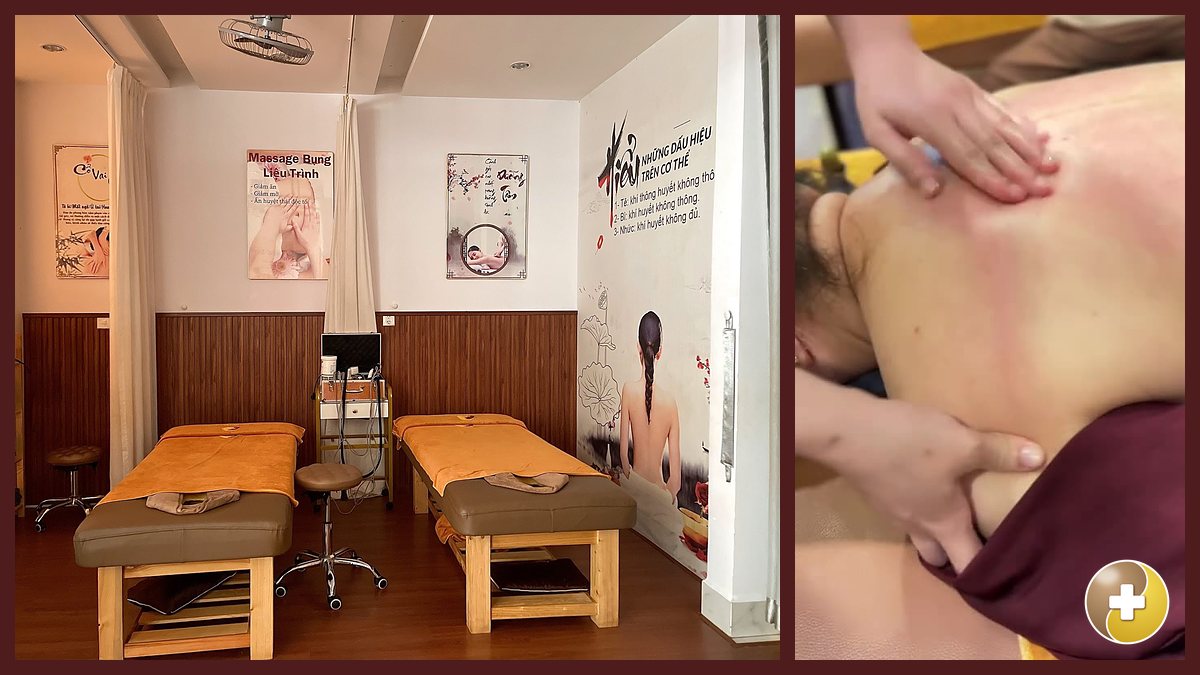
Quick answer: Often yes, once your care team agrees, the acute phase is over and a relative comes along. Sessions use light pressure, avoid the front of the neck and any numb areas, and skip heat. Huyệt Đạo Tống Gia in District 12 and Vinhomes Grand Park, Ho Chi Minh City, screens before every session.
Want Lương Y Tống Văn Huynh’s team to read your spine and posture in person?
Can you have a massage after a stroke?
Every year before Tết, Vietnamese families in San Jose, Houston and Orange County, in Sydney and Melbourne, and in Toronto, Calgary and Vancouver fly home to Saigon. Some of the older travellers have had a stroke, a few years ago or only last year. Many walk and talk well again, yet one hand is still weaker, balance is not quite steady, and the shoulder on the weaker side aches. After a long-haul flight, relatives in Ho Chi Minh City suggest a massage, and the family asks: is massage safe for someone who has had a stroke? International travellers who have had a stroke and land in Ho Chi Minh City after a long flight ask the same question.
Tong Gia Acupoint Wellness (Huyệt Đạo Tống Gia) answers it directly: it can be, but only when four conditions are met. First, the care team that follows you (your neurology team and the people guiding your rehabilitation exercises) has agreed. Second, the acute phase is over and your condition is stable. Third, you bring a list of what you take on prescription, clearly noting any prescribed anticoagulant or antiplatelet agent. Fourth, a relative comes with you to help you on and off the couch and to describe your history. If any one is missing, wait. This guide is different from our pieces on massage with high blood pressure and massage after a heart stent: here the focus is the brain, numb areas, the weaker shoulder and the risk of another stroke.
In Western medical terms, a stroke happens when part of the brain suddenly loses its blood supply, either because a vessel is blocked by a clot (ischaemic stroke, the more common type) or because a vessel bursts and bleeds. Brain cells in that area are injured, so the part of the body they control may become weak or numb, and speech, vision or balance can be affected. The Tong Gia training manual links stroke with atrial fibrillation and high blood pressure, and explains that salty, fatty food raises blood pressure and blood fats and helps plaque build up, increasing the risk of both coronary disease and stroke. After the acute phase, many people are prescribed antiplatelet agents or anticoagulants to lower the chance of a repeat stroke, along with prescriptions for blood pressure and cholesterol, plus a rehabilitation programme.
That is what makes a session different. Skin that has lost sensation cannot warn you when pressure is too firm or heat too strong, so bruises and burns can happen unnoticed. The shoulder on the weaker side is often loose, and pulling the arm can hurt it. The front of the neck carries the carotid arteries that feed the brain; it is not a place to press. Blood thinners make bruising easier. And because a stroke has happened once, the family must know the warning signs well. The short answer: a stable person, with the care team's approval, no new symptoms that day and a relative alongside, can usually have a short, light-pressure session in a safe position. If your back is sore from the flight, see our main guide to spine care after a long-haul flight.
Why a trip to Vietnam is harder after a stroke
At home, many stroke survivors keep a steady routine: prescriptions on time, rehabilitation exercises, short walks, low-salt food, check-ups on schedule. The trip upsets much of it at once.
- Long hours of sitting: from the US West Coast it is often 15–20 hours including a connection in Taipei, Seoul, Tokyo or Hong Kong; from Toronto or Calgary longer still; from Sydney or Melbourne about 8–9 hours direct. A weaker leg already moves less; sitting still and drinking little slows circulation and raises clot risk. Whether to fly and whether to wear compression stockings are questions for your care team.
- Time zones: North America is 11–15 hours away, Australia 3–4 hours. Anticoagulant and blood pressure doses are easy to miss or to take too close together. See the US–Vietnam time difference and jet lag.
- A sudden climate change: from a sub-zero Calgary winter to 33–35°C in Saigon. Sweating a lot and drinking too little makes standing up lightheaded, and for someone whose balance is unsteady, a moment of dizziness can mean a fall.
- Tết food: sticky rice cakes, braised pork, Chinese sausage, pickles and fish sauce are salty, and there is beer at every gathering. The manual notes that salty, fatty food raises blood pressure, and alcohol makes blood clot more easily. Keeping blood pressure steady matters every day after a stroke.
- Streets and houses: uneven pavements, steps, slippery bathrooms, crowded motorbike traffic. A weaker leg trips more easily somewhere unfamiliar, and anyone on blood thinners who hits their head in a fall must be checked straight away.
- Emotions and busy days: reunions, visits to ancestors' altars, late nights. The manual explains that heart rate and blood pressure shift with emotion through the autonomic nervous system; in Eastern terms, worry drains the Heart and anger constrains the Liver.
Prescriptions on time, enough water, enough sleep and a safe home come first; a massage is only an extra for comfort. For pacing the visit, see our 7-day wellness plan for a Tết visit and taking elderly parents back to Vietnam.
Signs worth watching
Many people live with lasting effects after a stroke. Relatives should know the person's usual baseline so they can tell it apart from anything new:
- Pain in the weaker shoulder when lifting the arm, dressing or lying on that side; the most common reason families want a massage, and the place that needs the gentlest hands.
- Stiffness and tightness in the weaker arm or leg: fingers curling, elbow bending, calf tight; usually worse in the cold, when tired or after a long flight.
- Numbness or lost sensation in an area, so heat, cold and firm pressure go unnoticed.
- A tight neck and shoulder on the stronger side, which does the work of both: holding a cane, gripping rails.
- Tiring quickly, daytime sleepiness, poor night sleep during jet lag, low mood or being easily moved to tears.
- A swollen foot on the weaker side in the evening or after flying; see swollen legs after a long flight.
- Easy bruising on blood thinners, bleeding gums, nosebleeds that are slow to stop.
These long-standing, stable effects are reasons to go gently and ask carefully. Anything new, or suddenly worse than usual belongs in the next section.
When not to have a massage and when to see a doctor
The Tong Gia manual's first rule: chest pain, breathlessness or signs of a stroke mean calling emergency services on 115 at once, with no massage and no acupressure. To recognise a stroke, the manual uses BE-FAST:
- B – Balance: sudden loss of balance, severe dizziness, staggering.
- E – Eyes: sudden blurred vision, loss of part of the visual field, double vision.
- F – Face: one side of the face drooping, a lopsided smile.
- A – Arm: sudden weakness or numbness on one side; one arm drifts down when both are raised.
- S – Speech: slurred speech, trouble finding words or understanding others.
- T – Time: time matters. Call 115 and note when the signs began.
After a previous stroke, a new sign, or an old one that suddenly gets worse, is an emergency too. Also skip the massage and get medical help if there is:
- A sudden, severe headache, the worst ever, with vomiting or a stiff neck.
- Very high blood pressure with a severe headache or blurred vision; the manual says readings from 180/110 mmHg need prompt medical attention.
- A mouth or tongue that newly pulls to one side; the face-reading part of the manual flags a deviated tongue in older people as a warning sign that needs checking at once.
- One calf swollen, warm, red and painful, or chest pain and breathlessness in the days after a long flight: possibly a clot. Get help and do not massage the leg.
- A fall with a knock to the head while on a prescribed anticoagulant, even if you feel fine.
- Unusual bleeding: black stools, vomiting blood, red urine, spreading bruises without a reason.
- Just discharged, prescriptions just changed, or no approval yet: do not book.
Throughout the trip: never stop, skip or change a prescribed anticoagulant because you worry about bruising at a massage. That decision belongs to your care team.
This is a wellness service, not medical care. Tong Gia does not read X-ray, CT or MRI images, does not review lab results, does not plan care in place of a hospital, does not replace rehabilitation, and never advises anyone to change their prescriptions.
What massage can and cannot do after a stroke
It is worth saying this plainly. The Tong Gia manual sets the rules for talking to guests: honest, science-based, safe; no promised results, no advice to stop prescriptions.
Massage cannot repair the injured part of the brain, bring back movement to a weak arm or leg, "unblock" brain vessels, replace anticoagulants or blood pressure prescriptions in lowering the risk of another stroke, or stand in for the rehabilitation programme your hospital designed. Practising walking, hand use and speech remains the main work, holiday or not.
Gentle massage may help ease the stronger-side neck and shoulder that carry the extra load, soften tight muscles in areas where work is allowed, support relaxation and sleep after jet lag, and give an older person an hour of calm care with family nearby. The weaker side is touched only if the rehabilitation team has said it is fine, and then only very lightly.
Before flying, ask the rehabilitation team three questions: which lying and sitting positions are safe, how to support the weaker shoulder, and which movements to avoid. Bring the answers; Tong Gia will follow them.
The face-reading view: the Liver governs the sinews, the Heart houses the spirit
Y Tướng Học, the Vietnamese art of face and body reading, rests on one line: "the signs show outside, the organs sit inside". Lương Y Tống Văn Huynh, founder of Huyệt Đạo Tống Gia, systematised it to observe each guest before a session. After a stroke the purpose is practical: look first to know when to stop. It is observation for wellness, never a way to say someone has a disease.
Traditional Vietnamese and Chinese practice calls stroke "wind strike". In the manual, Wind is tied to the Liver system: changeable, quick, sudden. In Đông y the Liver is a functional system: it governs the sinews, nourishing tendons and ligaments and supporting movement; when it weakens, muscles stiffen, cramp and tremble and flexibility drops. It stores and regulates blood, opens into the eyes and shows in the nails; its emotion is anger. Tight or slack sinews on the weaker side, tired eyes, dry nails and irritability are signs a practitioner notices.
The Heart houses the spirit, governing mood and sleep, opening into the tongue and showing in the complexion. Poor sleep, tearfulness and palpitations after a stroke are linked in the manual to the Heart, and to the Heart–Spleen pair, where worry drains Heart blood. The Kidneys govern bone and marrow; when Kidney essence is short, the manual describes dizziness, ringing ears, forgetfulness and tight deep muscles at the base of the skull.
When reading the back, the manual describes muscles that lose their left–right balance, tight on one side and slack on the other. After a stroke this is common, which is why Tong Gia compares both sides carefully before applying any pressure. Some signs mean stopping and advising a medical check instead: a mouth or tongue newly pulling to one side, one side of the face newly drooping, speech more slurred than usual, bluish lips or fingertips, a flushed face with a severe headache.
Spine segments and reflex zones involved
According to the Tong Gia manual on spinal nerve reflex balancing massage, the spine has 33 vertebrae: cervical C1–C7 serve the head, face, neck and arms; thoracic D1–D12 (T1–T12) serve circulation, breathing and digestion; lumbar L1–L5 serve digestion, kidneys, urinary tract and legs; then the sacrum and coccyx. Nerve roots leave between the vertebrae, which is where the fingers read. Be clear: a stroke injures the brain, not the spine. The table maps areas that are often tight after a stroke and a long flight, to guide relaxation only.
| Segment | Nerves / function (anatomy) | Common feelings | Related organ (Đông y) | Visible signs (face reading) |
|---|---|---|---|---|
| C1–C3, base of skull | Upper cervical roots; small suboccipital muscles that hold the head | Heavy head, stiff neck, mild dizziness when changing position | Kidneys (marrow), Heart | Tired eyes, stiff nape, forgetfulness |
| C4–C7 | Lower cervical roots, brachial plexus; trapezius, shoulder, arm | Weaker-side shoulder pain, stronger-side neck fatigue, tingling hands | Liver (sinews) | Uneven trapezius, one shoulder higher |
| D1–D3 | Upper thoracic nerves; grouped by the manual with the neck under nerves and mind | Tension, racing thoughts, trouble sleeping | Heart, Lungs | Pale or flushed face, short breaths |
| D4–D5 (Jueyinshu, Xinshu) | Upper thoracic nerves; muscles between the shoulder blades | Poor sleep, palpitations, emotional ups and downs | Heart, Pericardium | Pale tongue or red tongue tip |
| D9 (Ganshu) | Mid-thoracic nerves; long back muscles | Tight bands along the back, irritability, tired eyes | Liver | Dry tired eyes, dry nails, tense sinews |
| L4–S1 | Lower lumbar and sacral roots; nerves to the legs | Heavy, numb weaker leg, swollen foot | Kidneys, Liver | Weak knees, cold lower back |
The manual groups C1–C7, D1–D3 and the sacral area under nerves and mind, and C5–C7, L1–L5, S1–S5 under muscles and joints, always with the note: supportive only, not a replacement for medical follow-up. After a stroke, four extra rules apply: no neck twisting or cracking; no pressure on the front of the neck; no pressure on numb skin; no pulling or forceful rotation of the weaker arm.
Want Lương Y Tống Văn Huynh’s team to read your spine and posture in person?
A session at Tong Gia after a stroke: careful questions, light hands, family present
This is a Vietnamese Đông y method built by Lương Y Tống Văn Huynh over more than 13 years of practice in Eastern wellness, face reading and spinal nerve reflex balancing massage. After a stroke, the goal is stated at the start: relax the neck, shoulders and upper back, and help sleep and mood settle after the flight. A session follows five steps, adjusted:
- Detailed questions first: following the manual's screening section, staff ask about high blood pressure, heart conditions, stents and anticoagulants. After a stroke they also ask: when it happened, whether your care team agreed, what you take on prescription, this morning's blood pressure reading, which side is weaker, which areas are numb, any instructions for the weaker shoulder, recent falls. The relative describes your usual baseline. Any new sign means no session, a referral to medical care or a call to 115.
- Observation: complexion, mouth, tongue, eyes, nails, the walk from the door to the couch, breathing, existing bruises. The session opens with a few minutes of slow 4–6 breathing.
- Reading the spine by hand, in a safe position: resting, stroking and light pressing along the spine to read skin temperature, muscle padding, vertebral shape and sensation, comparing left and right. Positions are sitting in a chair with armrests, lying on the back with pillows, or lying on the stronger side with the weaker arm supported; staff and relative help together getting on and off.
- Light muscle release: the manual defines five levels of pressure, from one finger to full body weight; after a stroke only the lightest levels are used, one finger or the flat hand, increased very slowly. Work stays on warm, tense "excited" zones, never directly on "inhibited" ones. The main areas are the base of the skull, the stronger-side neck and shoulder, and both sides of the upper spine. The weaker side gets only light stroking if allowed. No front of the neck, numb skin or bruises. No hot steam, hot compresses or cupping, especially with a prescribed anticoagulant.
- Gentle calming acupressure: following the manual's Heart and Liver routines, light work on Xinshu, Jueyinshu and Ganshu on the back; Neiguan (PC6) and Shenmen (HT7) at the wrist on the side with normal sensation, 1–2 minutes each; finishing at Baihui (GV20) on the crown. The manual's rules of stopping when skin turns from dry to slightly moist, and of watching skin temperature, keep the session from going too far. Afterwards you sit up slowly, drink water and rest a few minutes before standing with support.
Three services that suit a visit after a stroke (full list on the price page; reference rates 1 USD ≈ 26,000 VND, 1 AUD ≈ 17,000 VND, 1 CAD ≈ 19,000 VND, payment in VND):
| Service | Length | Price | Approx. | Good for |
|---|---|---|---|---|
| Hair wash with neck and shoulder massage | 60 min | 250,000 VND | ~10 USD / ~15 AUD / ~13 CAD | A first visit, lying on the back with little turning |
| Neck and shoulder care | 60 min | 550,000 VND (first visit 399,000 VND) | ~21 USD (first visit ~15 USD) | A stronger-side neck tired from cane use and the flight |
| Đông y massage | 60 min | 450,000 VND | ~17 USD / ~26 AUD / ~24 CAD | Light full-body relaxation to support sleep during jet lag |
Tong Gia suggests 60 minutes rather than 90 or 120, a relative present at the first visit, and no added steam, warm herbal compresses or cupping.
What a session is usually like. Staff often find a stiff nape, a tense stronger-side shoulder, tightness between the shoulder blades and a slightly curled weaker hand. After hearing the history from the relative, the technician seats you or lays you on your back with pillows, slows the breathing, softens the stronger-side neck and shoulder with one finger and then the flat hand, moves you onto the stronger side to work slowly along the upper spine, presses Neiguan and Shenmen on the hand with normal feeling, and ends at Baihui. No neck cracking, no pressure on the front of the neck, no pulling the weaker arm, no touching bruises or numb skin.
What you may feel. Tight spots feel achy yet pleasant, which the manual calls "a wave of comfortable soreness that lets the body adjust itself"; breathing slows, the neck warms, some people doze. Afterwards it varies: a lighter head, softer shoulders, an easier night, or mild muscle soreness the next day. That is relaxation, not a sign that a weak limb is "getting stronger"; rehabilitation continues on your care team's schedule. Tong Gia supports and helps rebalance; it does not promise an end to pain.
From the airport. From Tân Sơn Nhất Airport, the District 12 branch (225 Dương Thị Mười, Phường Tân Chánh Hiệp) is in the north of the city and relatively close by car; the Vinhomes Grand Park branch (Căn T16-21 khu Manhattan, Phường Long Bình, TP. Thủ Đức, in Thu Duc City to the east) means crossing the city and takes longer, depending on traffic. After a stroke, do not come straight from the plane: rest, drink water, take prescriptions on time, and come a few days later. See massage near Tan Son Nhat Airport.
A suggested plan for the trip and self-care
A suggestion for a stable stroke survivor staying 2–3 weeks. If your care team has given specific instructions, follow those.
| When | What to do | Tong Gia session (suggested) |
|---|---|---|
| 4–6 weeks before flying | Check-up: ask whether long-haul flying is fine, whether to wear compression stockings, how to shift anticoagulant times to Vietnam time, whether light massage is fine, which shoulder movements to avoid | Not yet |
| 1 week before | Pack enough prescriptions for the trip plus a few spare days, a summary of your history and your prescription list in hand luggage; book an aisle seat, request airport wheelchair help if needed | Message your landing date on Zalo/WhatsApp and book ahead |
| Flight day | Get up and walk every 1–2 hours if you can, move both ankles while seated, sip water, limit alcohol and coffee | – |
| Days 1–2 | Rest at home, eat lightly, drink enough, sleep on local time; clear walkways and make the bathroom safe | Not yet, the body is still tired |
| Days 3–5 | Your usual rehabilitation exercises, short walks when it is cool | Hair wash with neck and shoulder massage (250,000 VND) or neck and shoulder care at the first-visit price of 399,000 VND, with a relative |
| Tết days | Moderate eating, less salt, fat and alcohol; one long visit a day is enough; a short nap | One 60-minute light Đông y massage if the first felt good |
| 2–3 days before flying back | Early nights; prescriptions in hand luggage | A gentle neck and shoulder session before the flight |
Daily self-care, drawn from the manual's Heart and Liver care sections:
- Take prescriptions on time, alarms set to Vietnam time; never stop or skip on your own.
- Eat lightly salted food: under 5 g of salt a day; less animal fat and fried food; more vegetables and fish; water instead of beer.
- Keep doing the exercises your rehabilitation team taught you, Tết included; massage does not replace them.
- Slow 4–6 breathing: in through the nose for 4 seconds, out slowly for 6, for 5–10 minutes a day, especially before bed.
- Press Shenmen before sleep on the side with normal feeling, 1–2 minutes, lightly; on blood thinners, very lightly, never to the point of bruising.
- A safe home: non-slip bathroom mats, a night light, chairs with armrests.
- Everyone knows BE-FAST and has 115 saved in their phone.
For sore necks in older parents, see neck and shoulder massage for elderly parents; if you take blood thinners, read massage while on blood thinners.
Booking from abroad
You can book from the US, Australia, Canada or anywhere else before you fly, on Zalo or WhatsApp at +84 888 264 559 (0888 264 559 inside Vietnam), or on the booking page. Please send: your landing date and time, age, when the stroke happened, which side is weaker, any numb areas, whether you take a prescribed anticoagulant, what your care team advised, where you feel tired (neck, shoulders, back, sleep), who will come with you and which branch you prefer. Tong Gia will schedule from your third day after landing, choose a quieter hour so there is time to help you on and off, and remind you of the precautions before you arrive. Step by step: booking a massage in Saigon from abroad.
- District 12 branch: 225 Dương Thị Mười, Phường Tân Chánh Hiệp (Tan Chanh Hiep Ward). Open 8:00–19:00 daily. Closer to Tân Sơn Nhất Airport.
- District 9 – Vinhomes Grand Park branch: Căn T16-21 khu Manhattan, Phường Long Bình, TP. Thủ Đức (Manhattan area, Long Binh Ward, Thu Duc City). Open 9:00–20:00 daily.
Both branches have genuine reviews on Google Maps. Relatives in Ho Chi Minh City can book for you and come to the first visit to explain your history. A trip home is about being together; a light, well-timed session, after your care team has agreed, can help those busy days feel calmer.
Visit us
- Đông Y Huyệt Đạo Tống Gia Quận 12 (District 12)
225 Dương Thị Mười, Phường Tân Chánh Hiệp, Quận 12, HCMC · 8:00–19:00 daily · 0888 264 559 · Directions on Google Maps - Đông Y Huyệt Đạo Tống Gia Quận 9 (Vinhomes Grand Park, District 9)
Căn T16-21 khu Manhattan, Vinhomes Grand Park, Phường Long Bình, TP. Thủ Đức, HCMC · 9:00–20:00 daily · 0888 264 559 · Directions on Google Maps
Map of our two branches
Want Lương Y Tống Văn Huynh’s team to read your spine and posture in person?
What guests say on Google Maps
“I quite enjoyed the neck and shoulder massage. The new premises are clean and nice.” (translated from a Vietnamese review)
— Hằng N., Google Maps review · Vinhomes Grand Park branch (District 9) · 2024 · See on Google Maps
“Very satisfied with the service here.” (translated from a Vietnamese review)
— Khiên V., Google Maps review · Vinhomes Grand Park branch (District 9) · 2025 · See on Google Maps
Quoted from public reviews, shortened where marked (…). Experiences vary from person to person; reviews are not a substitute for seeing a doctor when something feels wrong.
Related guides for your trip
- Health check in Vietnam, then a massage: how to plan the week if you fly in from the US, Australia or Canada
- Getting a massage in Saigon without speaking Vietnamese: phrases, messaging ahead and a Tong Gia session
- Massage with osteoporosis: is it safe on a trip to Vietnam, what pressure is right and what to avoid
FAQ
Can I get a massage after having a stroke? Often yes, if the care team that follows you has agreed, the acute phase is over, you have no new symptoms that day and a relative comes with you. Bring a list of your prescriptions, noting any anticoagulant. At Tong Gia these sessions use light pressure, avoid the front of the neck and numb areas, and skip heat and cupping.
How long after a stroke can I have a massage? There is no single number. It depends on the type and severity of the stroke, what you take on prescription and how your rehabilitation is going. Your care team decides, so ask them this exact question at your check-up before flying to Vietnam.
My father in Houston had a stroke two years ago and takes blood thinners. Is a massage in Saigon safe for him? Blood thinners make bruising and bleeding easier, so the Tong Gia manual allows only light pressure, avoids bruised areas and rules out cupping. He should check with his care team in Houston before flying, keep his doses on time and never stop them. When booking, name what he takes and bring a relative.
Can massage help a weak arm or leg move again after a stroke? No. Massage does not repair the injured part of the brain or bring back movement. That is the job of the rehabilitation programme your hospital designed. Gentle massage only supports relaxation of the neck, shoulders and back, and sleep.
Is massage fine for shoulder pain on the weaker side after a stroke? Weaker-side shoulder pain is common, and that shoulder is often loose. Tong Gia never pulls or forcefully rotates it, uses only light stroking if your rehabilitation team allows it, and works mainly on the stronger side. If the shoulder becomes more painful, swollen or warm, get it checked first.
What should we do if face drooping or slurred speech appears during a massage? Stop at once and call 115, noting the time the signs began. These are BE-FAST stroke signs, even in someone who has had a stroke before. No massage, no acupressure, nothing to eat or drink; lay the person safely on their side and wait for the ambulance.
Author: Lương Y Tống Văn Huynh – founder of Huyệt Đạo Tống Gia, a master of traditional Vietnamese wellness with over 13 years in Eastern wellness care, Y Tướng Học (face reading) and spinal nerve-reflex balancing massage.
Updated: 2026-11-18
Related guides
- Can you get a massage with sensitive skin or an essential oil allergy? What to say and how to test safely
- Can you get a massage while on blood thinners? How light it should be, what to avoid and when to get checked
- Massage chair at home vs hands-on massage: an honest comparison for long-haul visitors in Saigon
- Women getting a massage alone in Vietnam: choosing a safe, private place and a session at Tong Gia
- Used to the Russian banya: what Vietnamese massage offers in Saigon, and who should skip the heat
- Can children and teens get a massage in Vietnam? Safety rules for families bringing teenagers home
This is a wellness service, not medical care.